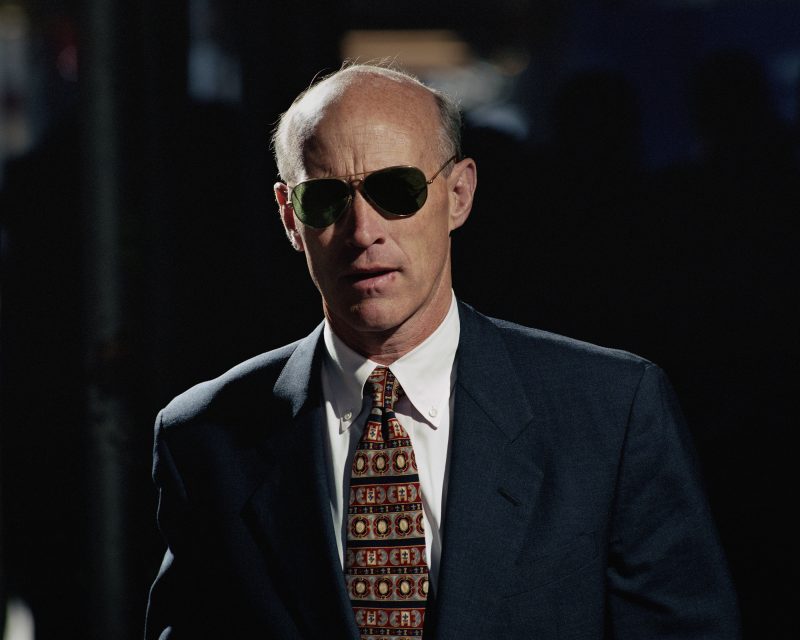
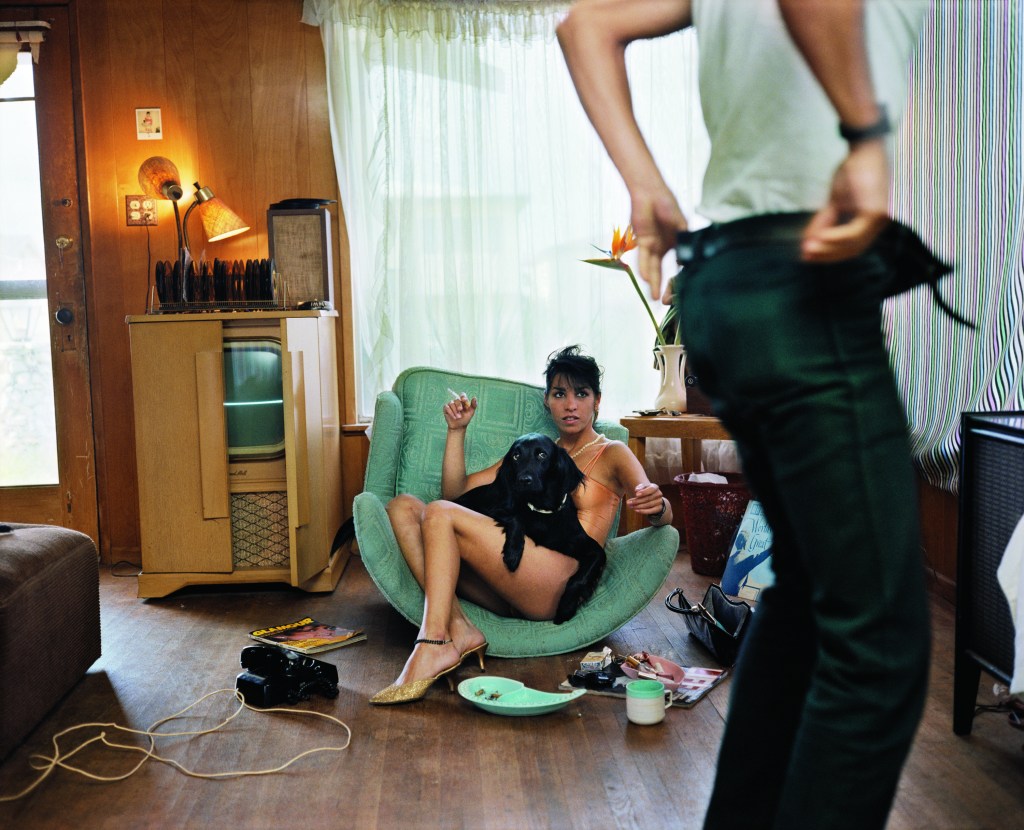
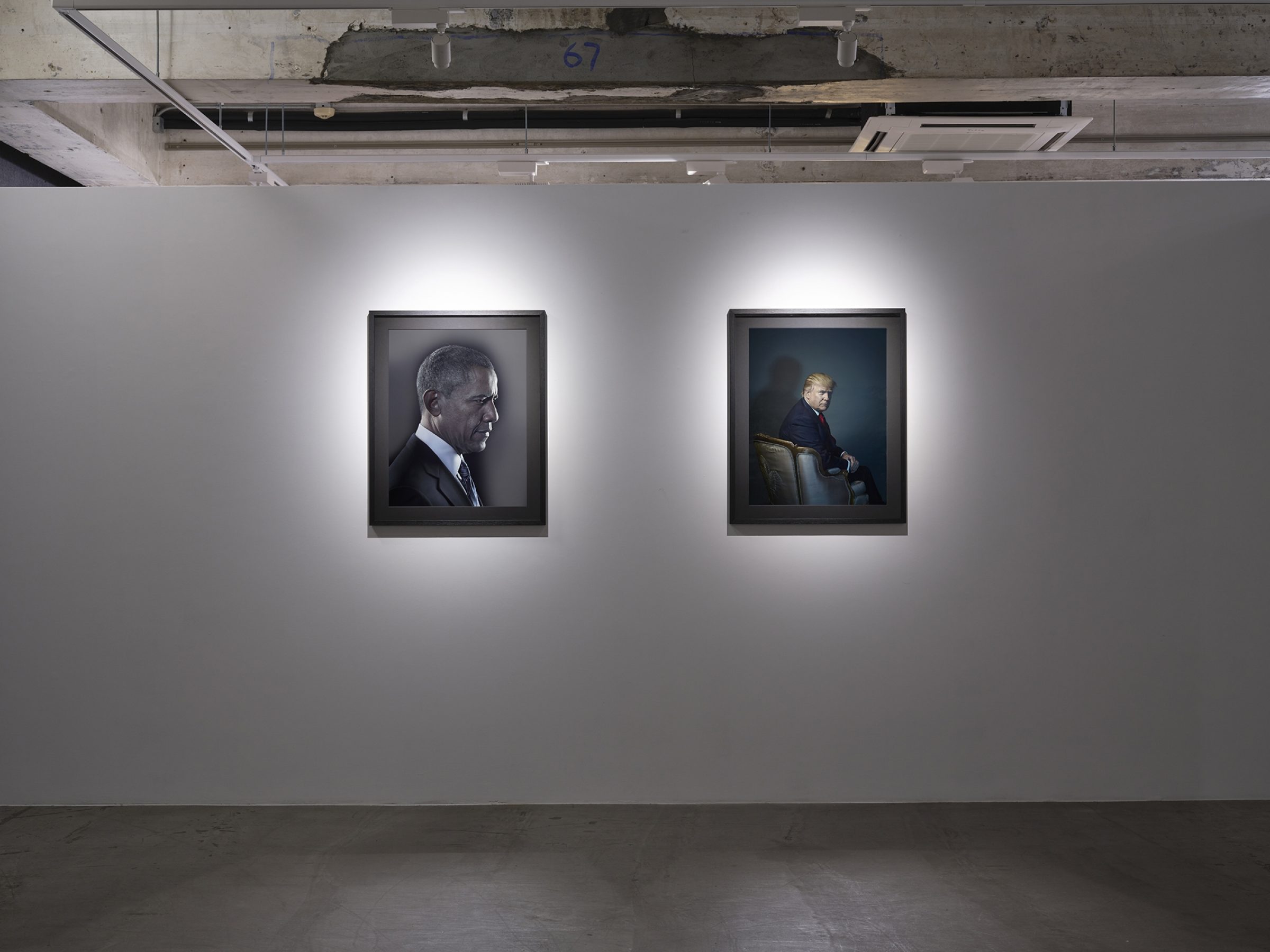
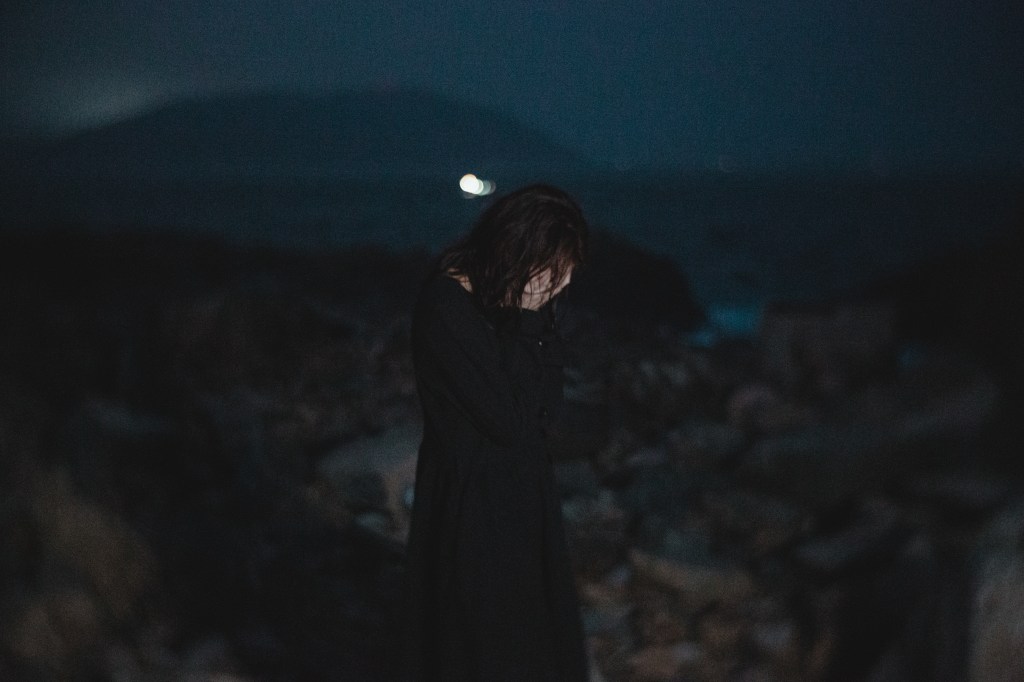
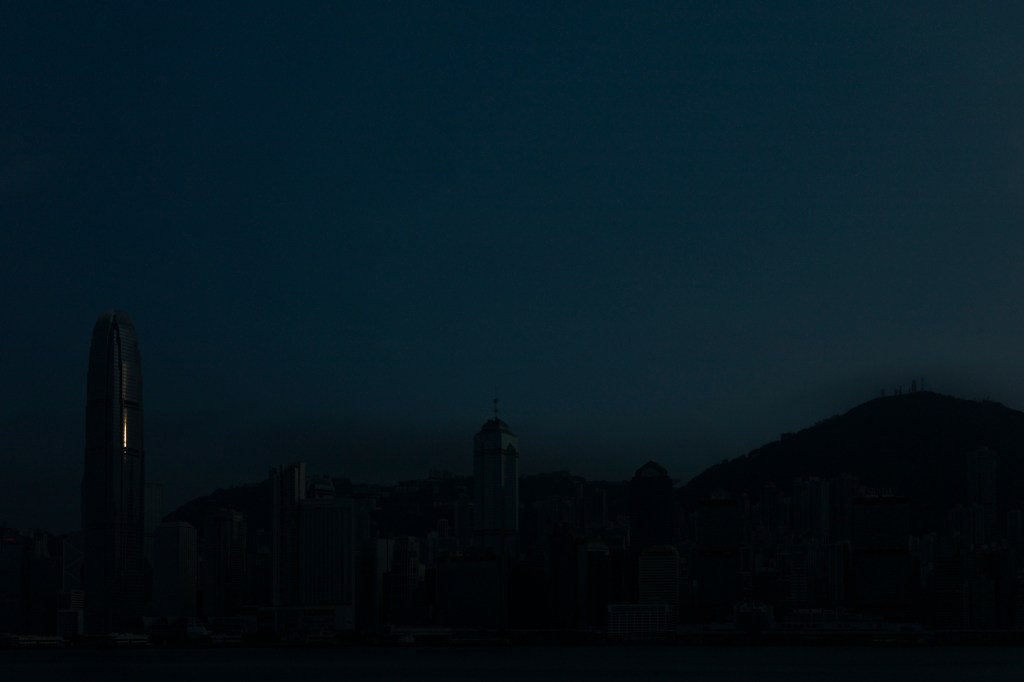
Blindspot Gallery is holding a portrait photography group exhibition entitled “Closer,” exhibiting nine photographers’ artworks, including Nobuyoshi Araki, Moriyama Daido, Ren Hang, and Nadav Kander. Nadav, based in London now, is well known for photographing the Yangtze River in China. He is also good at portrait photography, capturing people’s character through unique lighting.
Time Magazine invited him to photograph Obama and Trump, the Person of the Year, in 2012 and 2016, respectively. He focuses on their expressions with distinctive lighting, Obama looks thoughtful, and Trump seems arrogant. Looking back at the images now, it appears to mark the end of a particular era for the US.
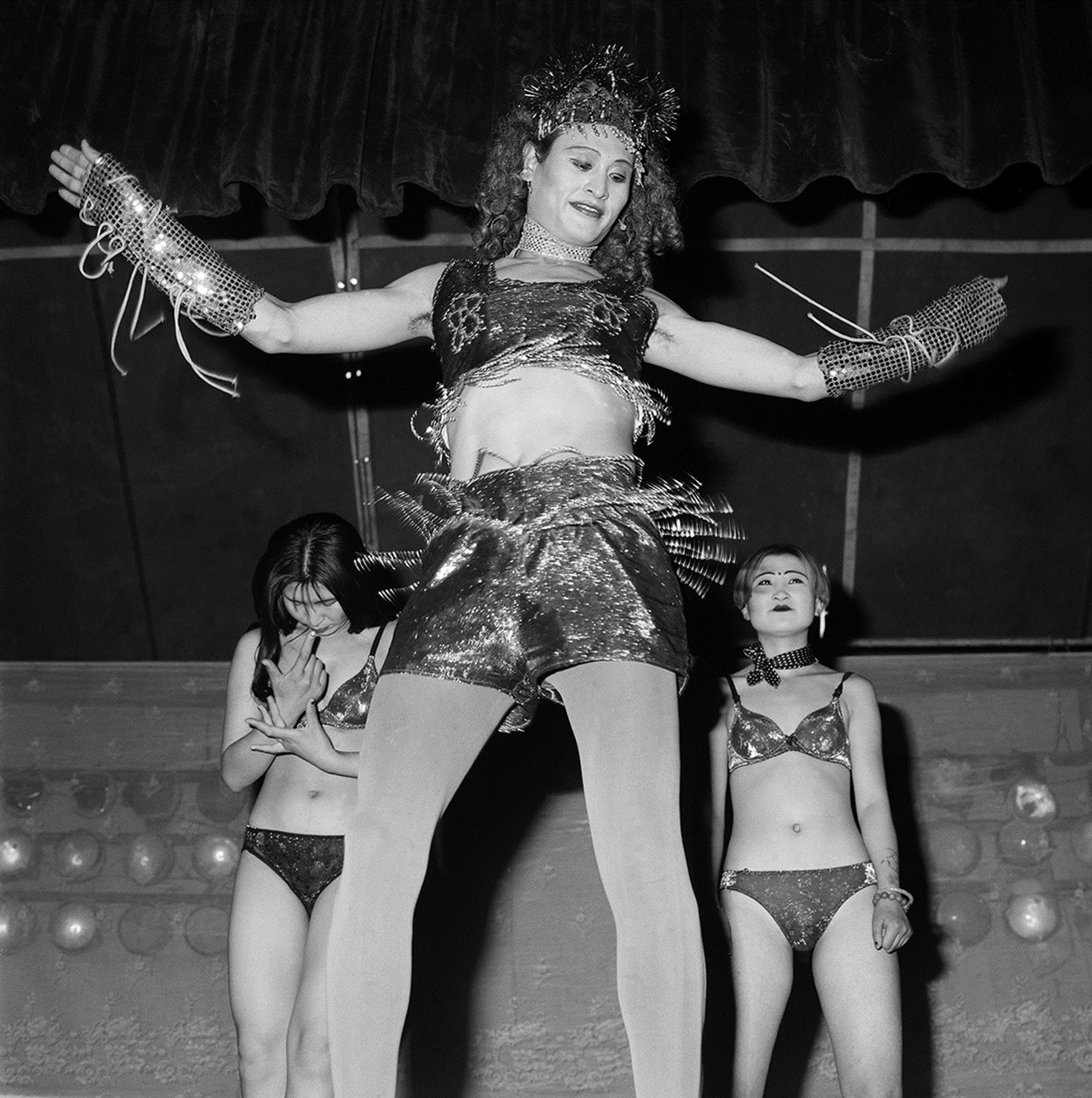
The Chinese photographer Liu Zheng worked as a photojournalist for the Worker’s Daily from 1991 to 1997. “The Chinese” series photograph from 1994 to 2000 is his iconic works. He has traveled across the country to photograph Farmers, Taoist Priest, Peking Opera Actors, Dancers, Transvestites, Wax Figures, and even dead bodies, capturing the Chinese’s miscellaneous life. People’s expressions, clothing, and body language in Liu Zheng’s photos are either absurd or ponderous, and it reminiscent of Diane Arbus’s artworks. For Liu Zheng, these photos that integrate history, reality, and personal views not only break the limitations of traditional photojournalism but also reflect on his self-identity of being a Chinese.
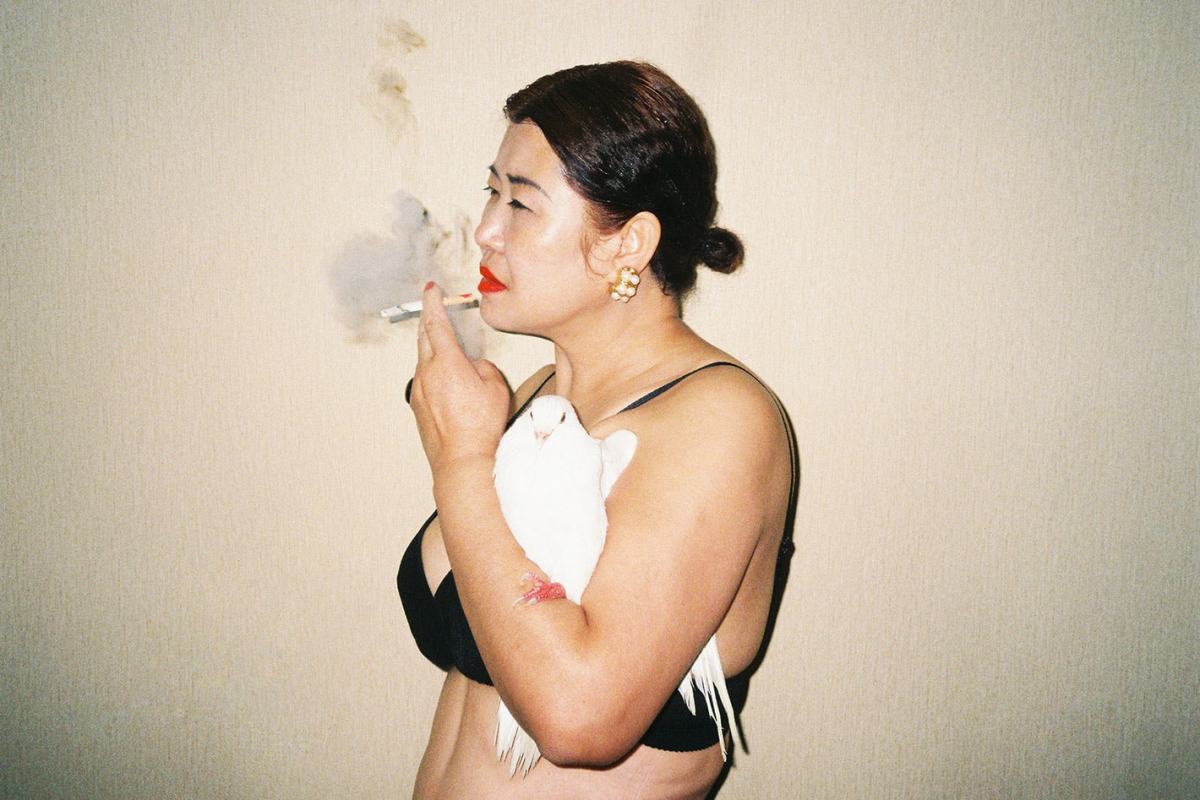
Chinese photographer Ren Hang committed suicide due to depression in 2017, which shocked the photography and art industries. Ren Hang is known for his erotic images and humorous compositions. For him, being naked is natural, and the nude pictures are precisely part of his friends’ daily life. In most cases, the photos’ absurd and funny postures are not conceived in advance, but his close friends’ real state. It is provocative, yet it somehow represents the subculture of the young Chinese.
Although the art market deeply favors this avant-garde and deviant culture, it is destined not to be recognized by society. His photos are controversial in China mainland and often prohibited from being displayed. Not only that, sometimes even the photographing process can be very frustrating, and he was arrested by the police many times, but these setbacks have not deterred him, nor have they prevented him from expressing his body freely. Yet, no one expected that he was suffering from depression and ended his short life at 30.
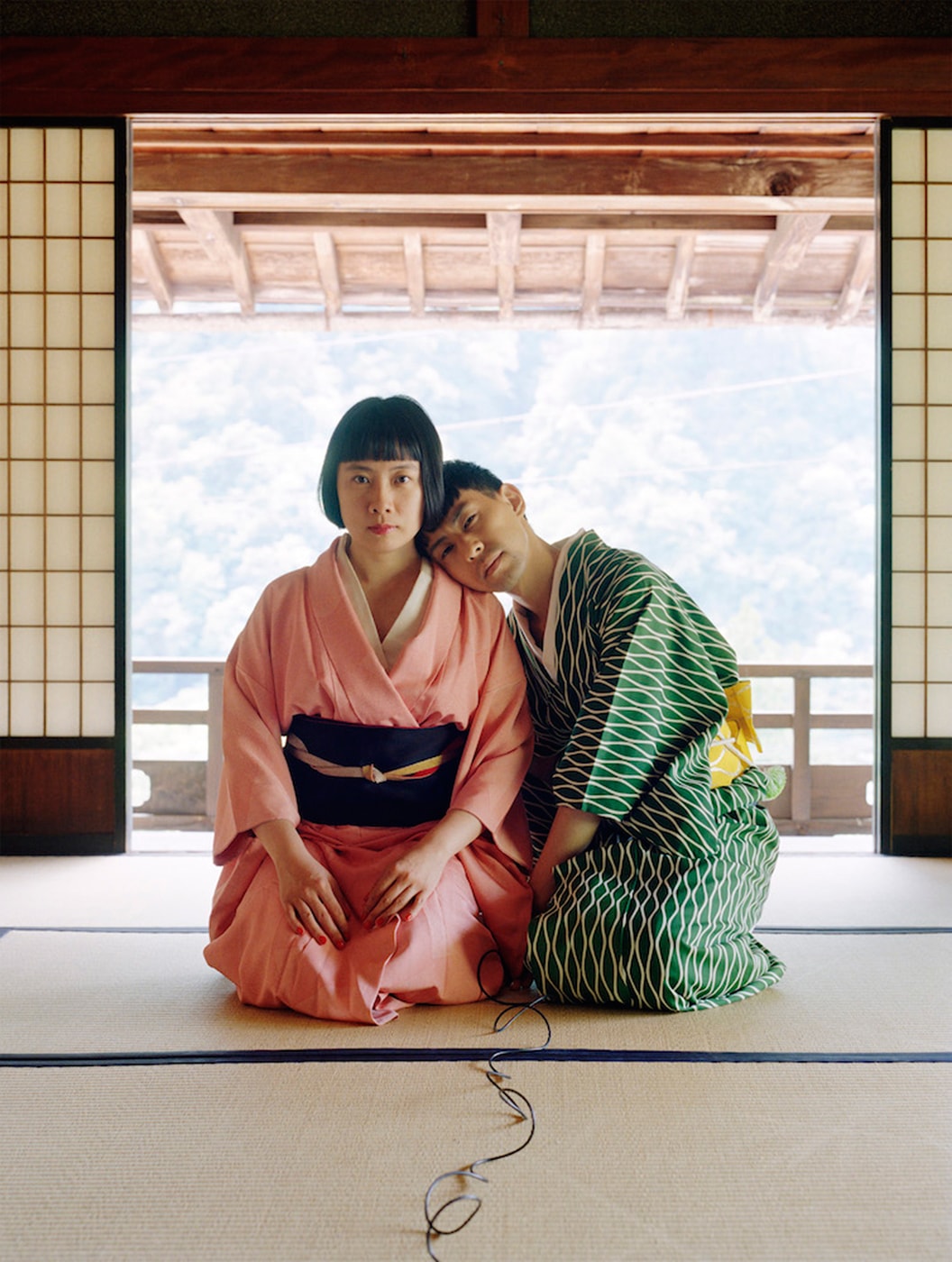
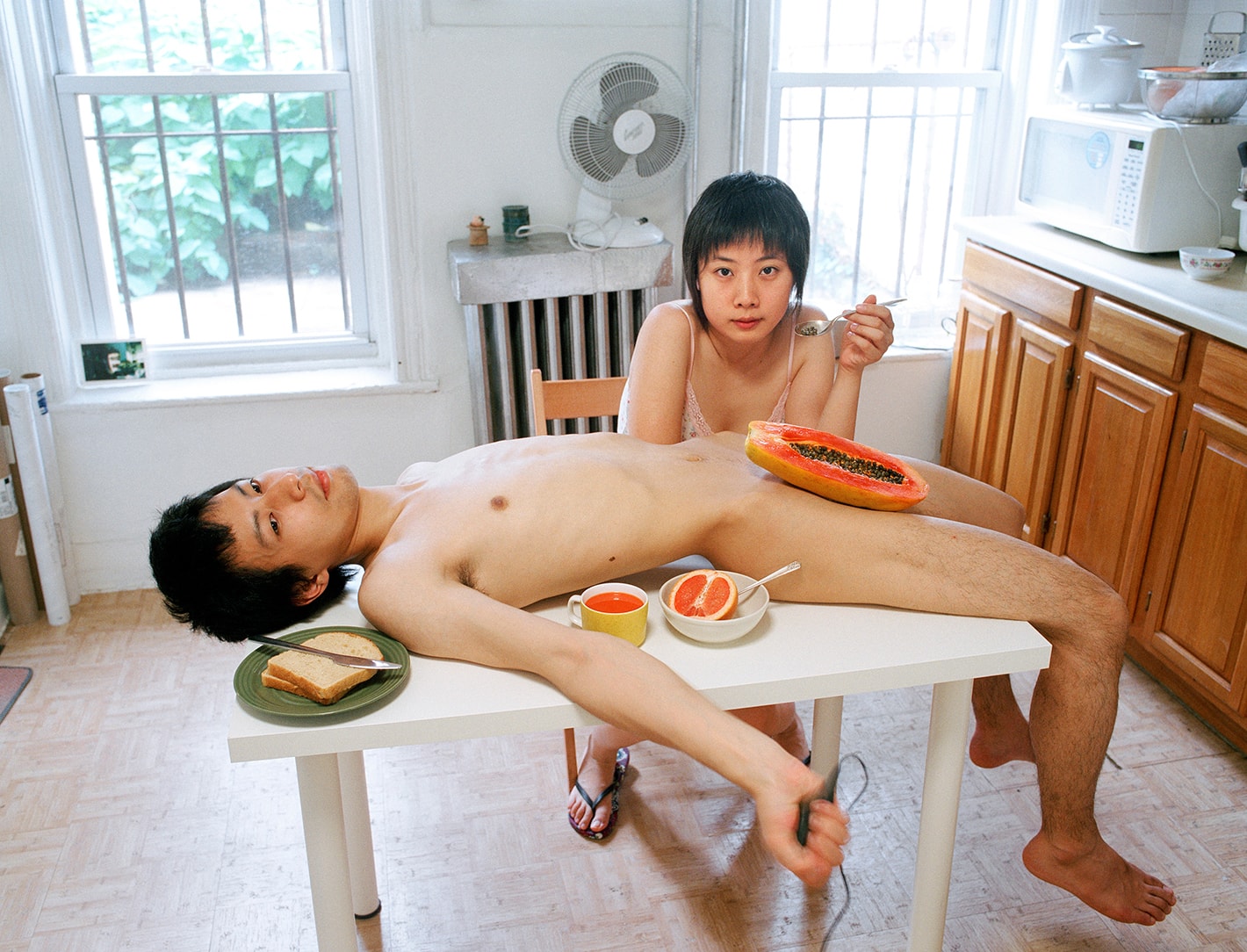
Photography artist Pixy Liao is famous for her long-term photographic project, Experimental Relationship (2007- present), which captured the unconventional self-portraits between the artist and her Japanese boyfriend Moro, who is fives years her junior.
In traditional cognition, men are pretty dominant in the relationship. Yet, their relationship is just the opposite. Moro, under her lens, is quite submissive. Sometimes, Pixy sitting in a chair hugs her naked boyfriend. Sometimes, Moro gently leans on her shoulders. The artist took inspiration from their relationship and staged the different daily scenes. It presents the intimacy between lovers and also questions the gender roles in a relationship.