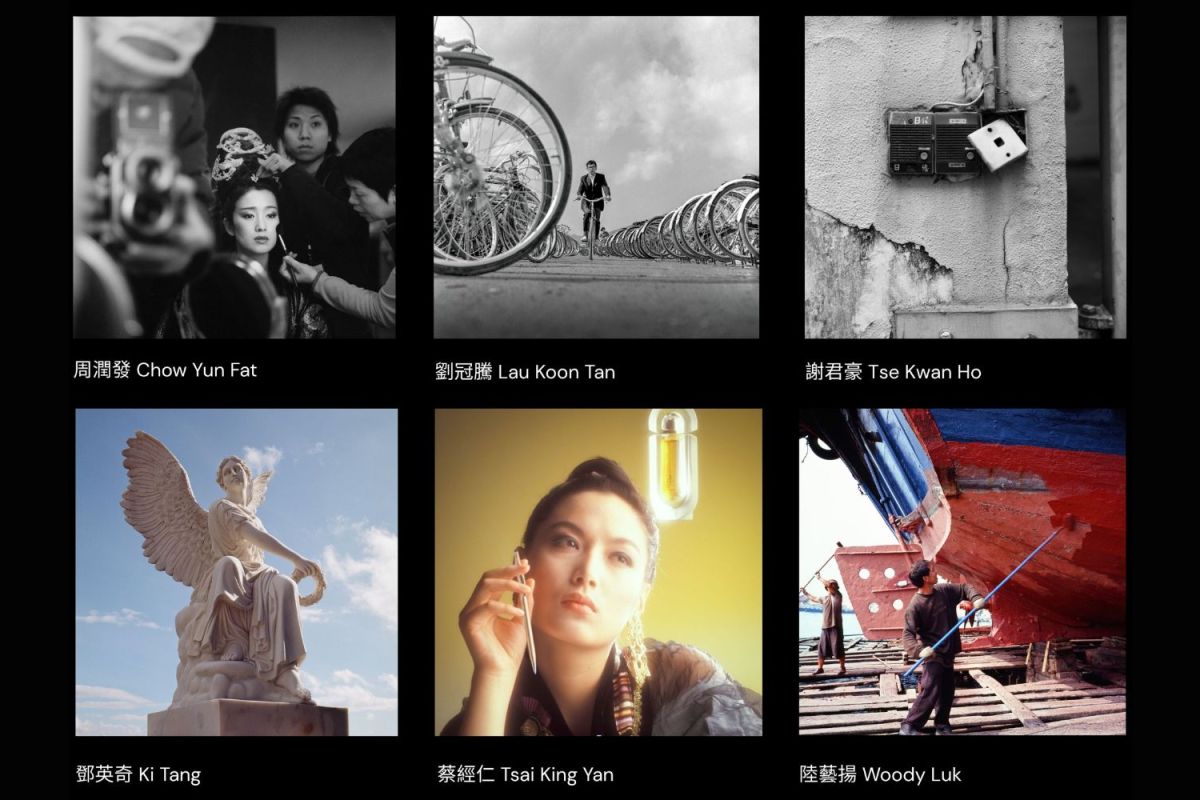
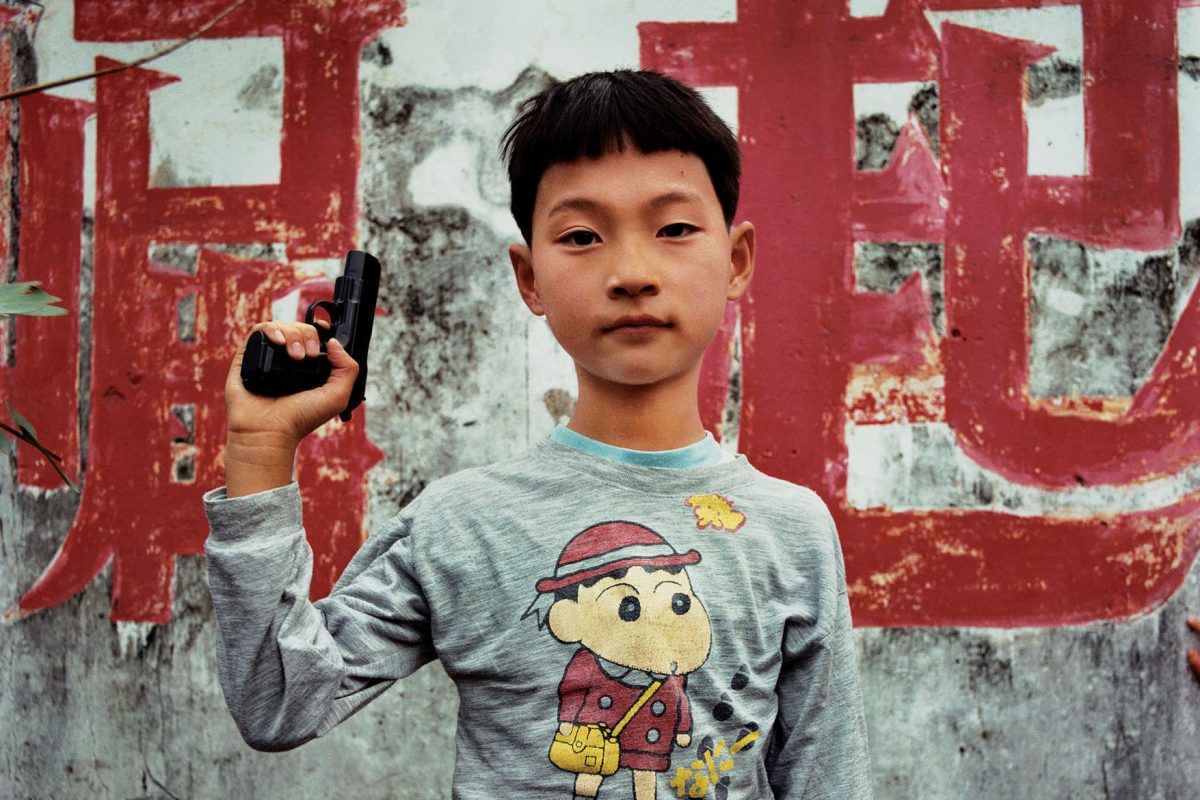
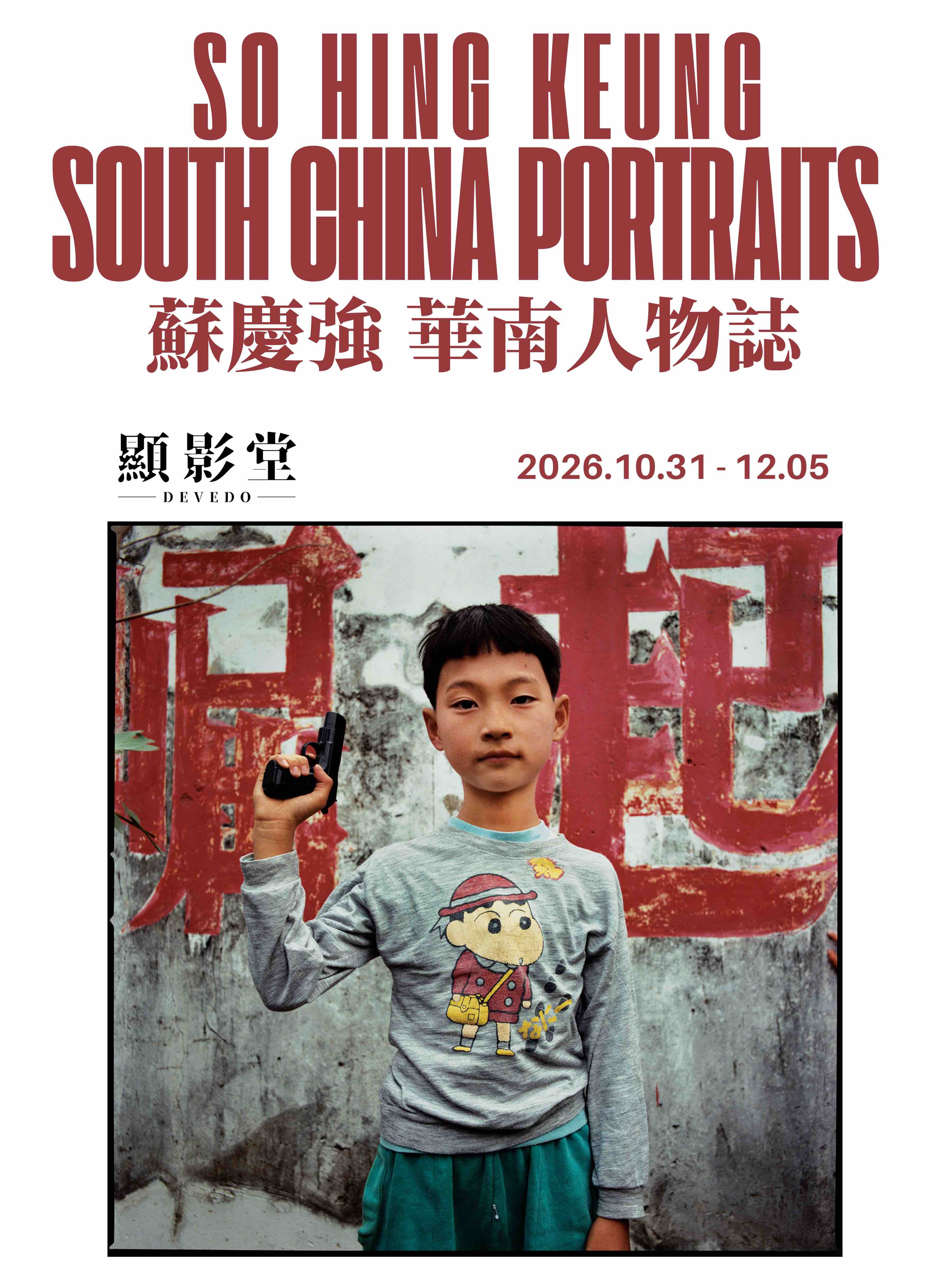
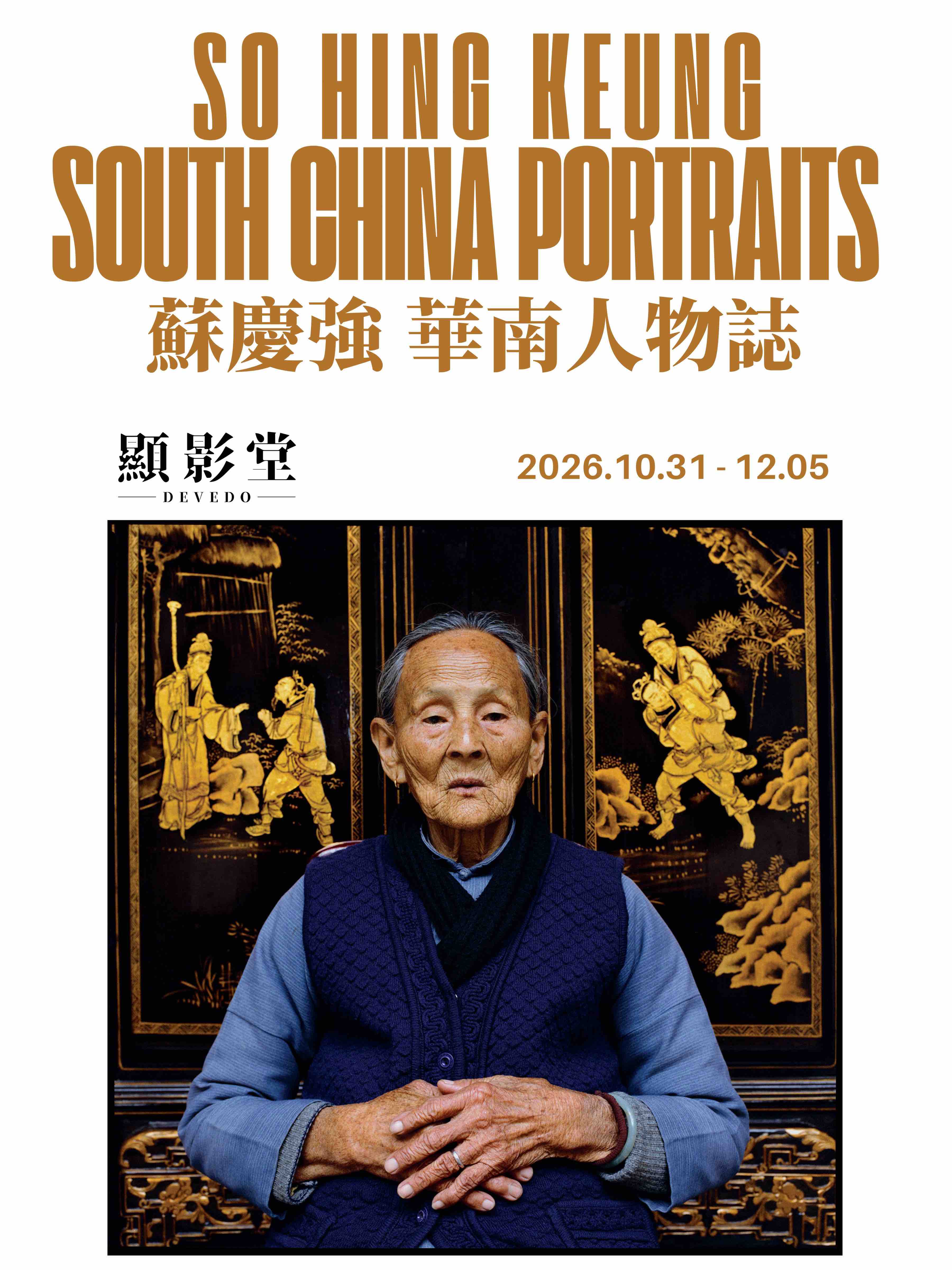
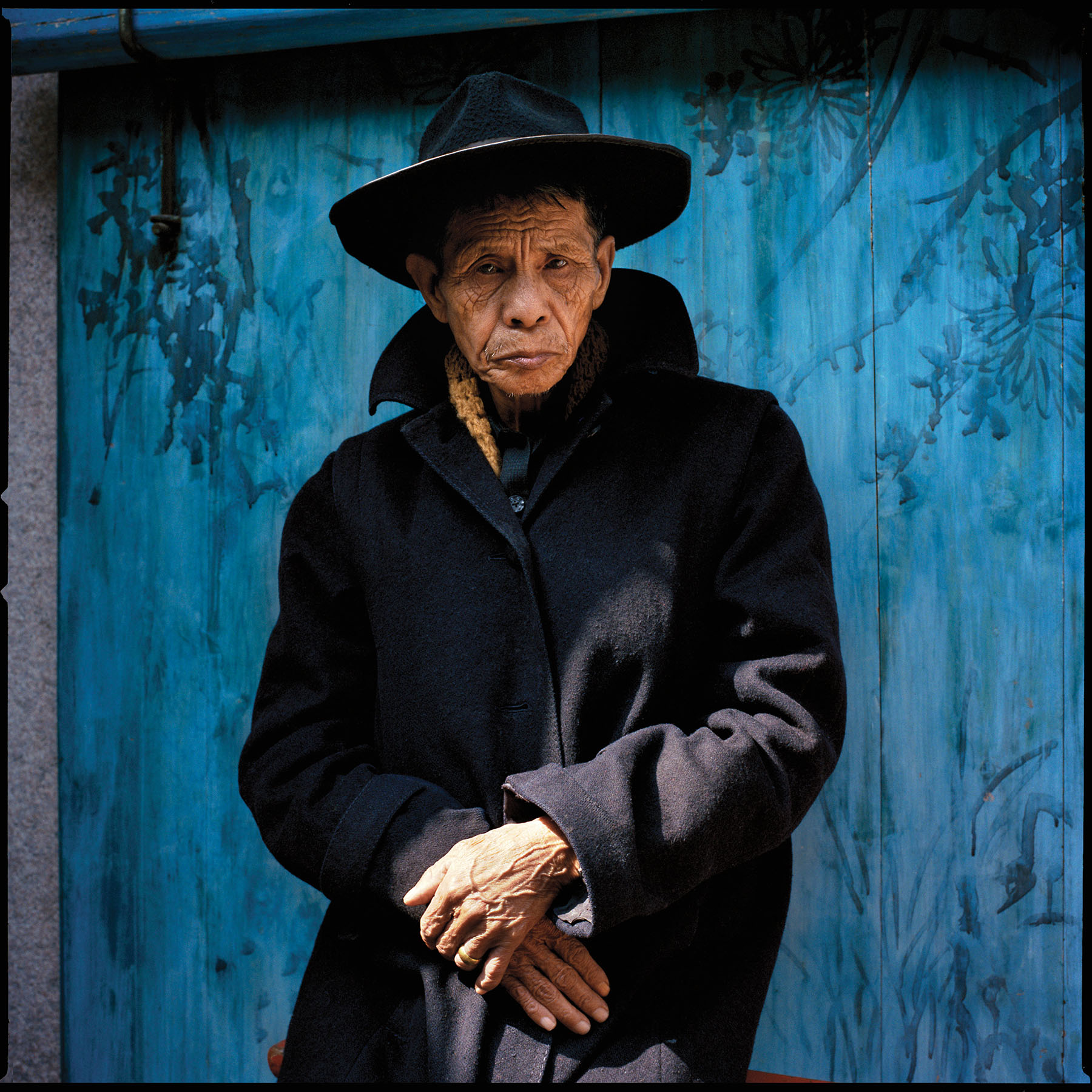
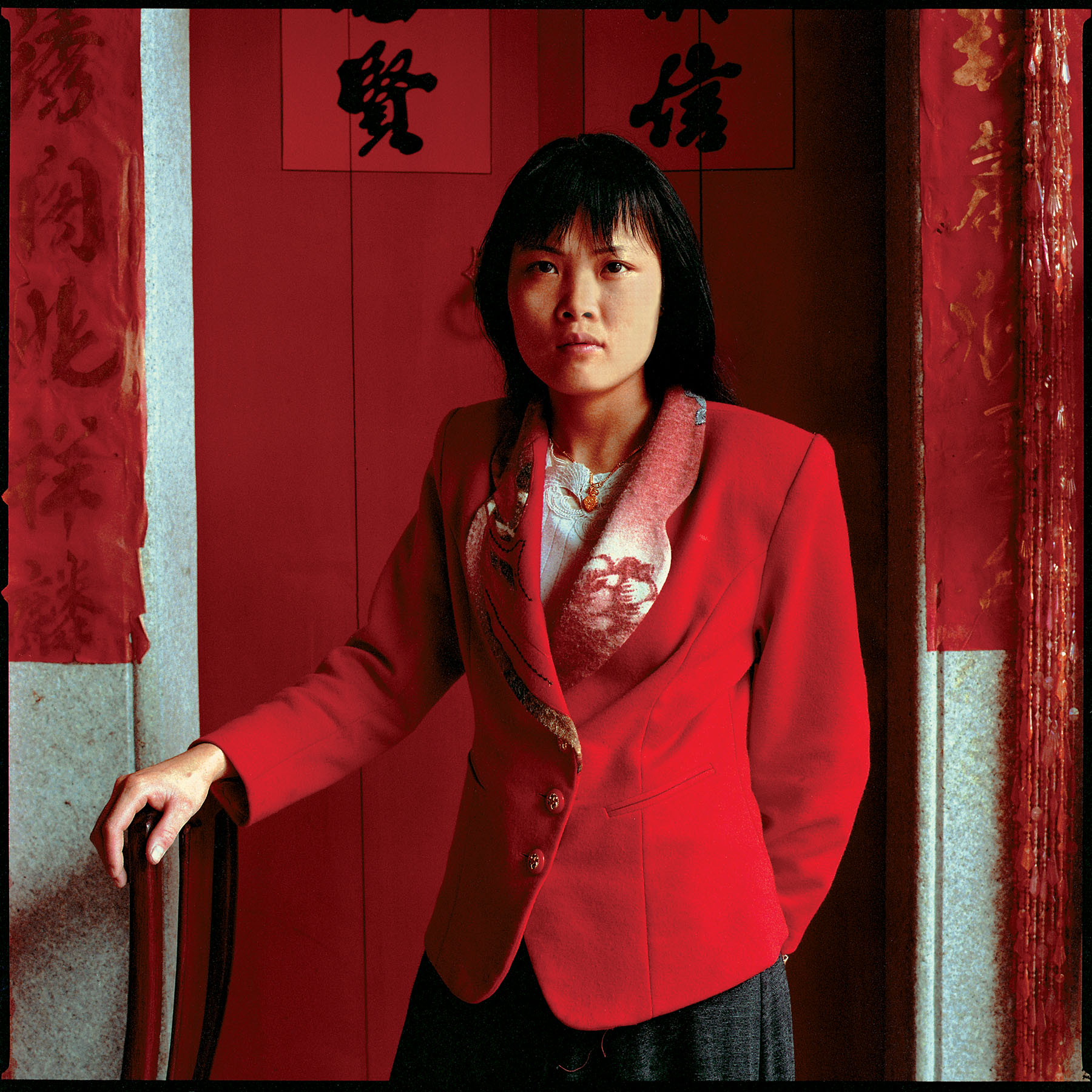
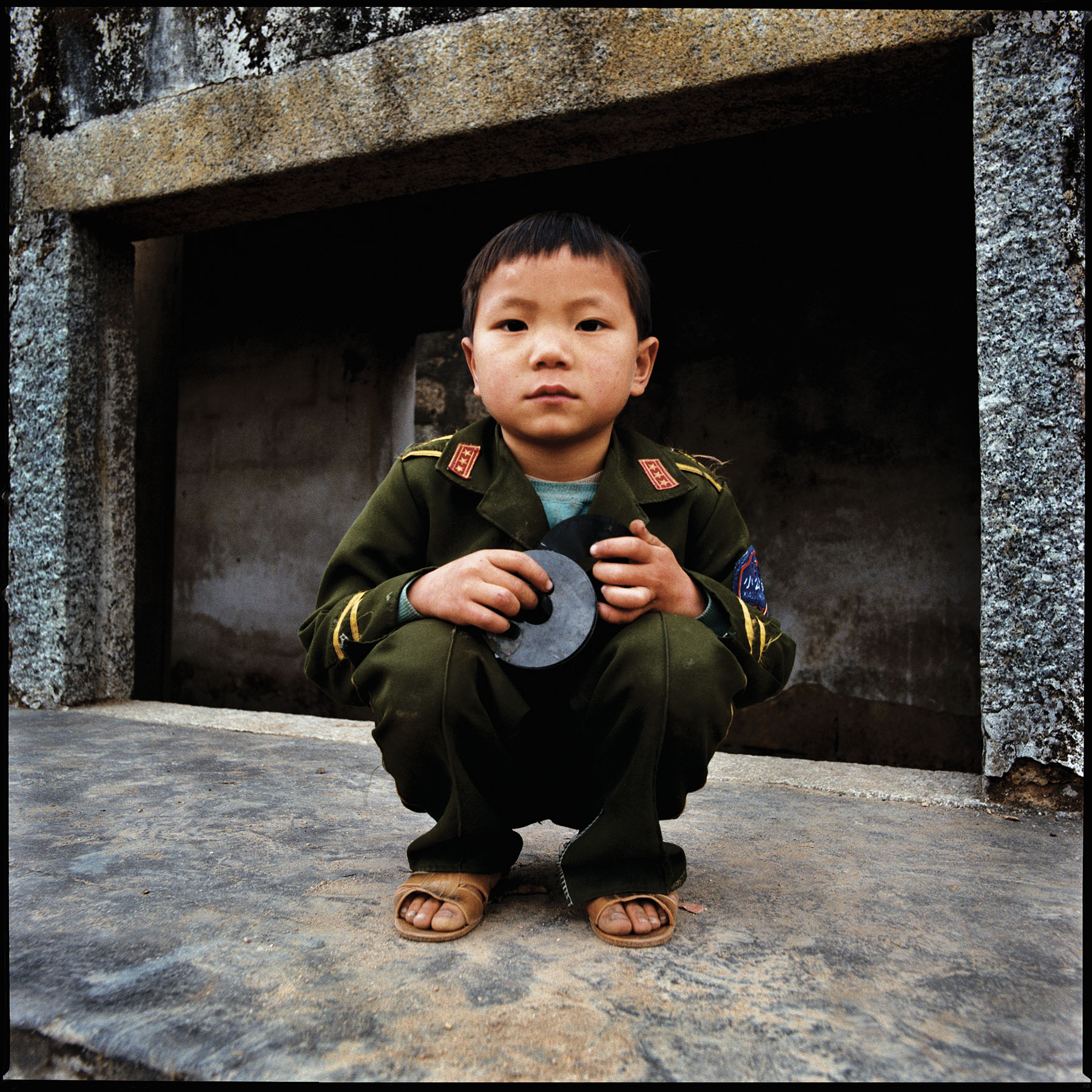
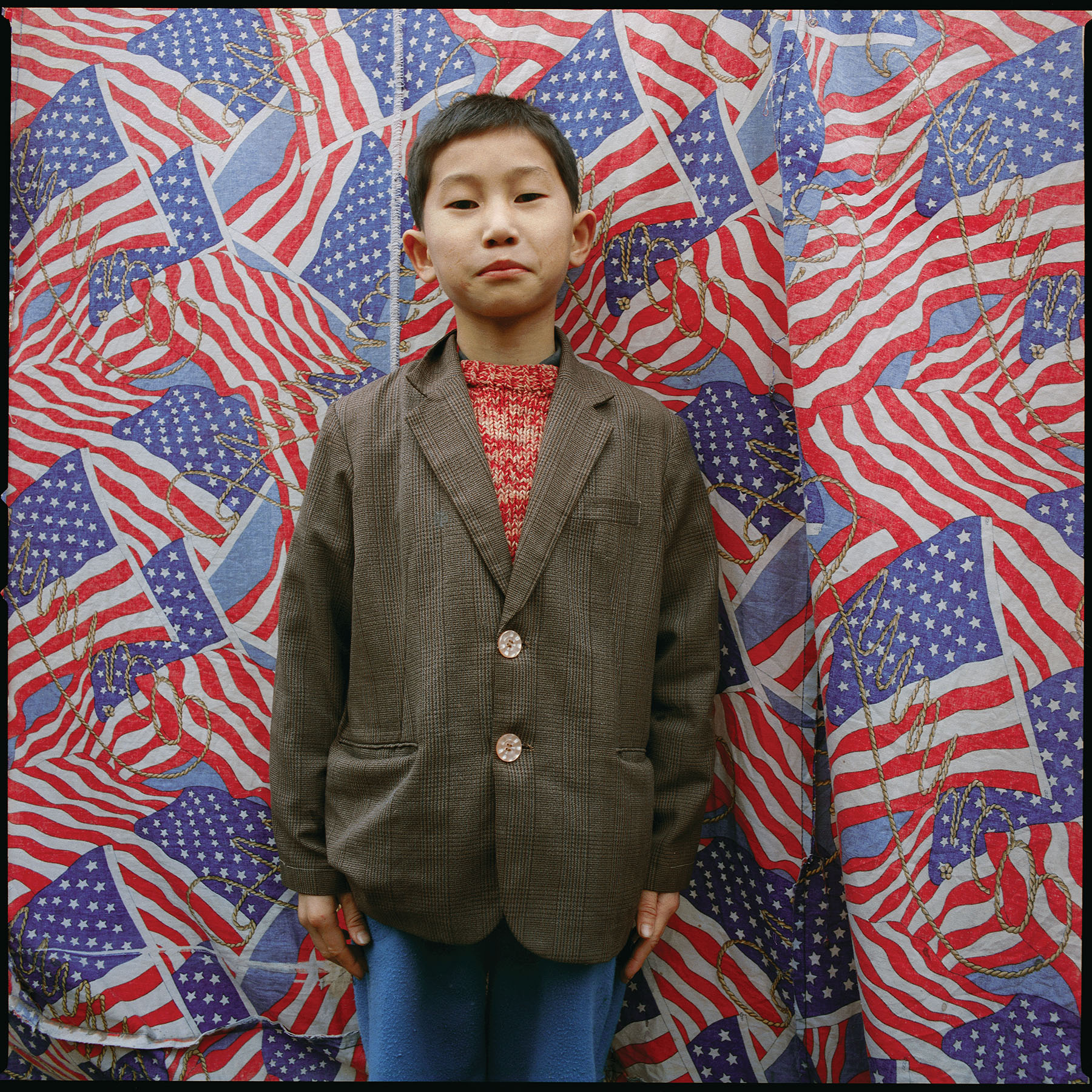
To accompany the release of artist SO Hing Keung’s latest photography book, South China Portraits, the Hong Kong photography bookstore space DEVEDO is hosting a self-titled exhibition featuring multiple portrait works captured in Southern China from the 1990s to the 2000s.
So Hing Keung set foot in China in 1981. At the start of the reform and opening-up period, transportation was inconvenient; he traveled to the mainland numerous times—from Yunnan and Sichuan to Tibet, Xinjiang, and Harbin—leaving his footprints across the country as he captured what he saw.
He began by photographing landscapes and people’s daily lives, then gradually shifted toward portrait photography. So Hing Keung narrowed his focus to Guangdong Province, near Hong Kong—especially the Chaoshan region, known for strong traditional folkways and family values. Beginning in 1995, he embarked on a multi-year portrait photography project, replacing his initial 135 camera with a Hasselblad 120 to capture locals’ lifestyles more rigorously.
As a photographer, So Hing Keung notes that a person’s body language, expressions, and clothing can all reveal their lifestyle and inner world. In his portraits, viewers are always drawn to the subjects’ expressions. Whether it is an old lady full of wrinkles, an innocent child, or a woman wearing a red coat, they almost all keep their emotions hidden. Yet, their gestures and surroundings seem to hint at certain messages.
A little boy wears a Crayon Shin-chan outfit and holds a toy gun against a red background featuring the characters for “Rise,” subtly evoking a particular era. Even more striking is the portrait of an older woman. Sitting with a dignified posture in front of a golden folding screen, her blue clothing gives her an aristocratic air. Against the golden screen, she looks especially solemn, resembling a classical portrait painting.
For him, different photographic tools not only change how one observes things, but also shape the subject’s mindset. He often carries two cameras: a point-and-shoot for the photos people want, and a Hasselblad for the images he pursues.
Interestingly, the atmosphere is much more relaxed with the point-and-shoot, whereas subjects immediately turn serious, and even dress up, when photographed with the Hasselblad. Using a Hasselblad feels ritualistic. Through natural light, So Hing Keung lets these plain rural villagers show confidence and noble grace.
Over the past 30 years, he has continued to photograph portraits in South China, reflecting changes among the people. In the past, simple-hearted people in remote rural areas still seemed to uphold certain traditional values. After reform and opening up, the mainland developed rapidly. Looking back today, not only have certain traditions changed, but people’s spiritual outlook has also changed completely.
South China Portraits is not only an outstanding collection of portrait photography, but it also bears witness to the lives of grassroots citizens and the historical changes during the early days of China’s reform and opening-up. These images transcend personal emotion, carrying the face of an era and the life trajectories of those photographed.
SO Hing Keung graduated from Hong Kong Polytechnic University with a degree in Photographic Design. He has worked as a lecturer at Hong Kong Polytechnic University and Hong Kong Art School. He is currently a part-time lecturer in the Department of Fine Arts at the Chinese University of Hong Kong.
He received the Photographic Fellowship from the Asian Cultural Council (1995), the Prize of Excellence at the 2001 Hong Kong Art Biennial, and the Visual Artist of the Year Award (2023) from the Hong Kong Arts Development Council. Since the 1980s, his works have been shown worldwide and collected by the Hong Kong Museum of Art, the Hong Kong Heritage Museum, City University of Hong Kong, and others.
DEVEDO is one of Hong Kong’s distinguished photography bookstores, founded in July 2025 by LAU Tung-Pui, photography curator and founder of the Hong Kong photography platform PhotogStory. In addition to offering a wide selection of photography books, DEVEDO also regularly hosts photography talks and exhibitions.
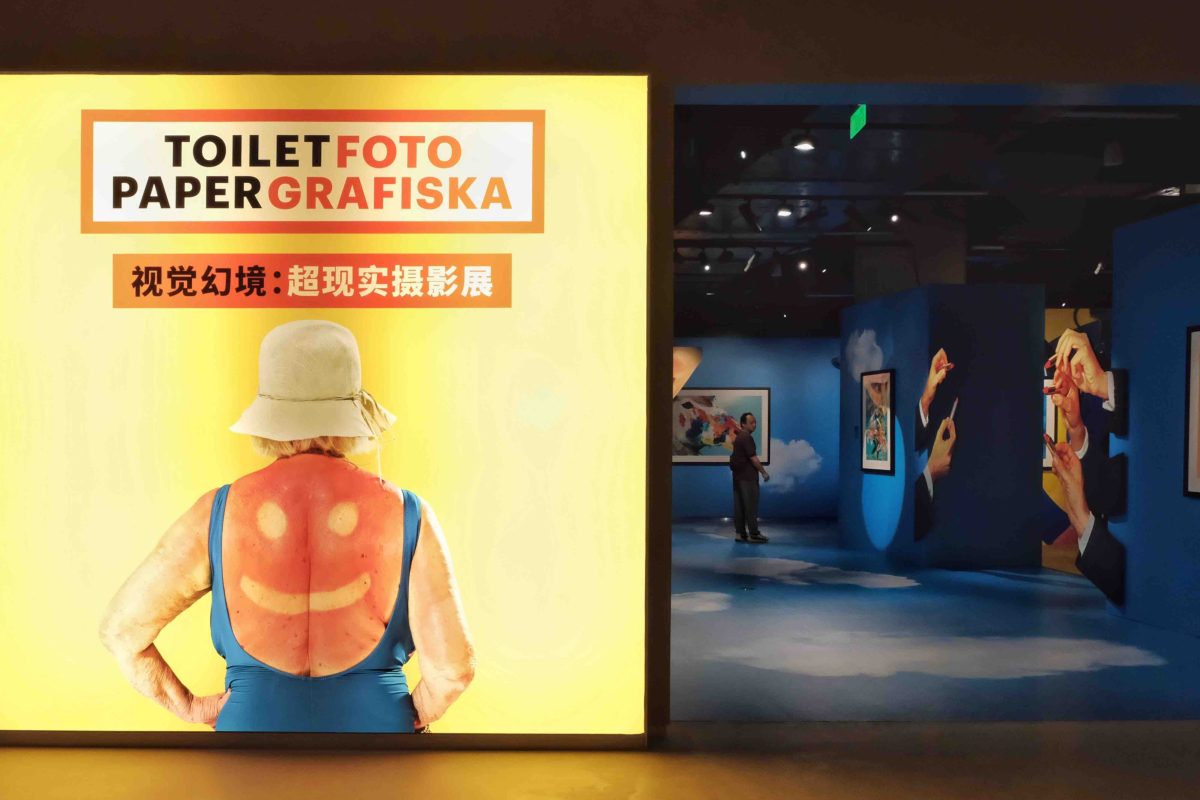
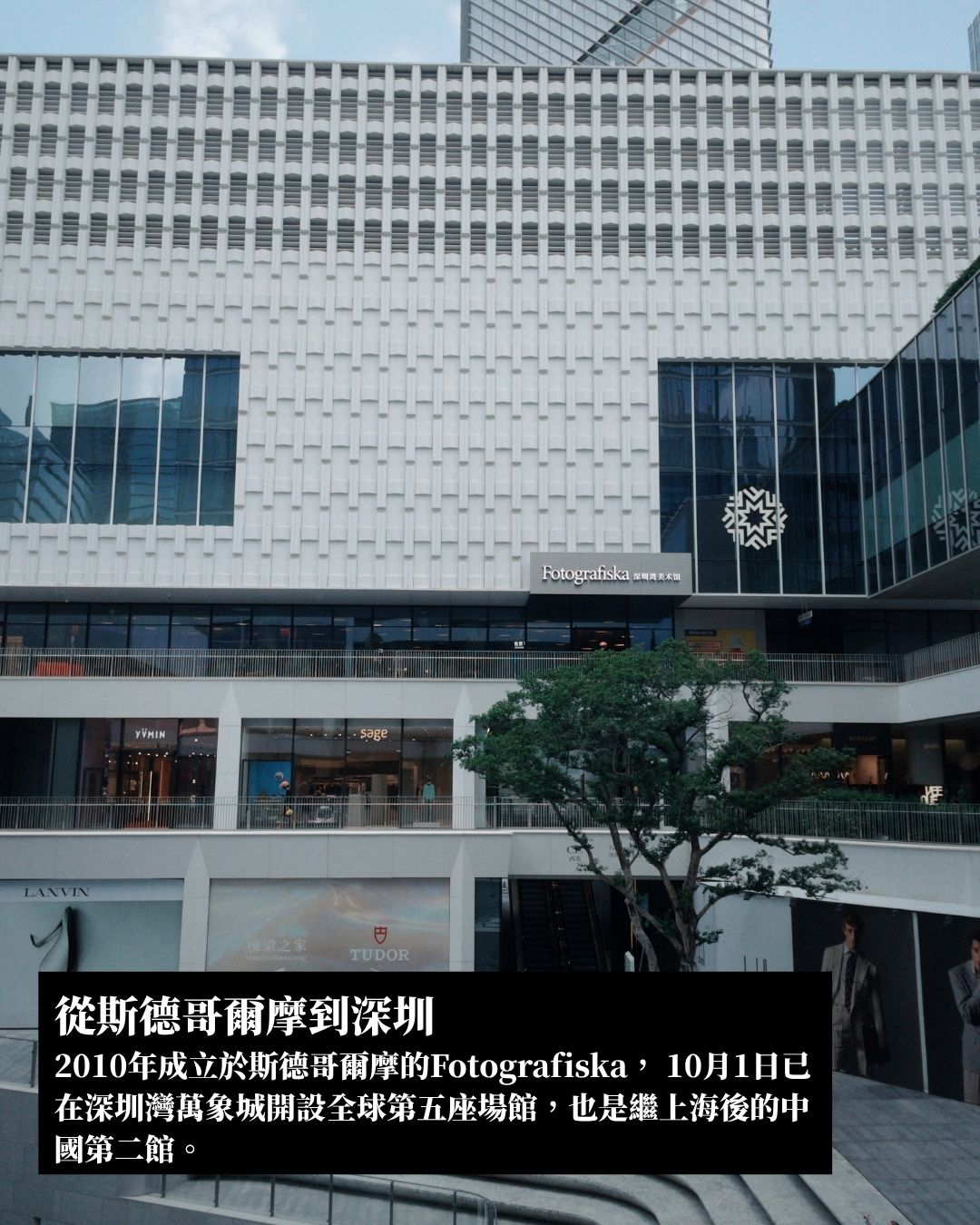
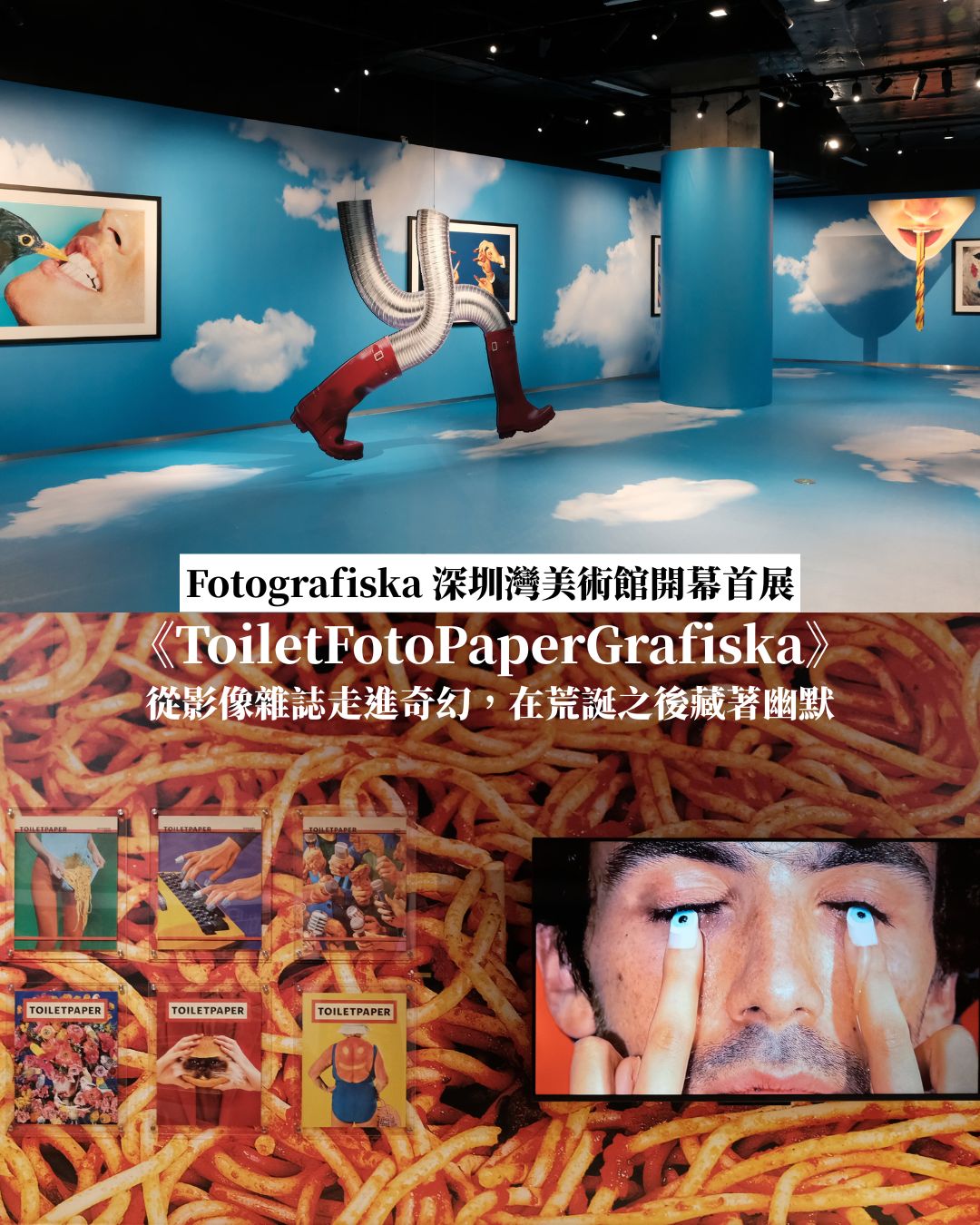
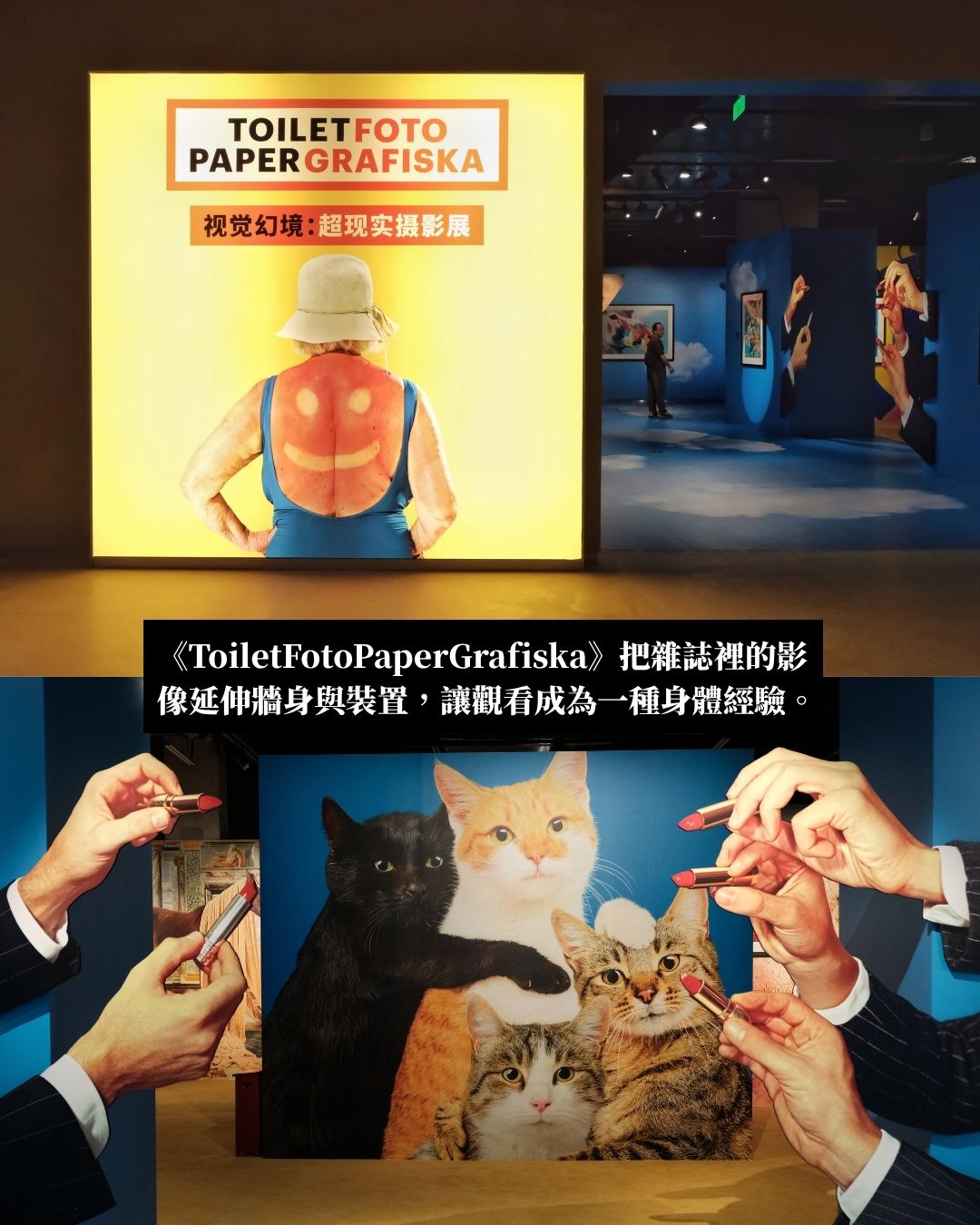
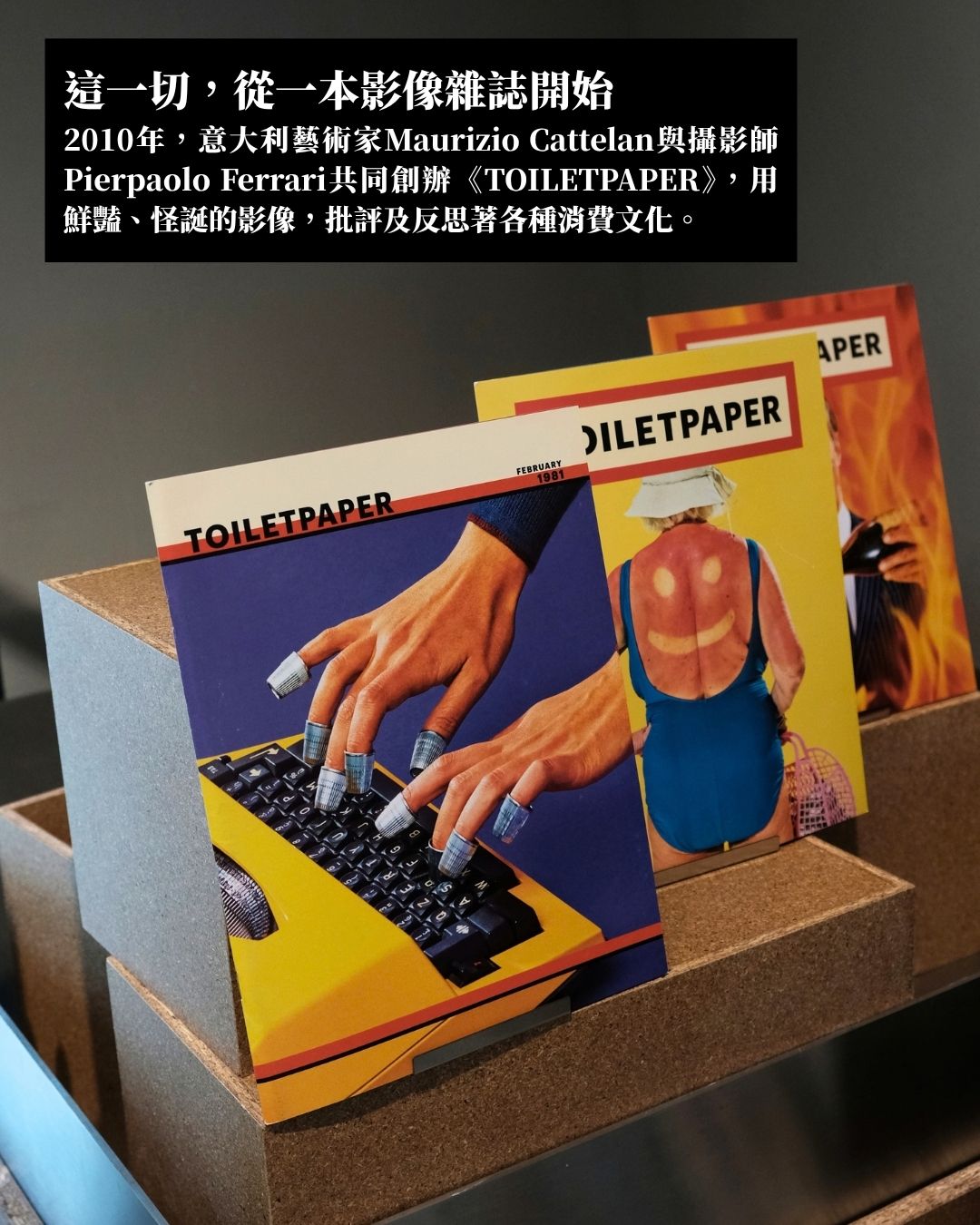
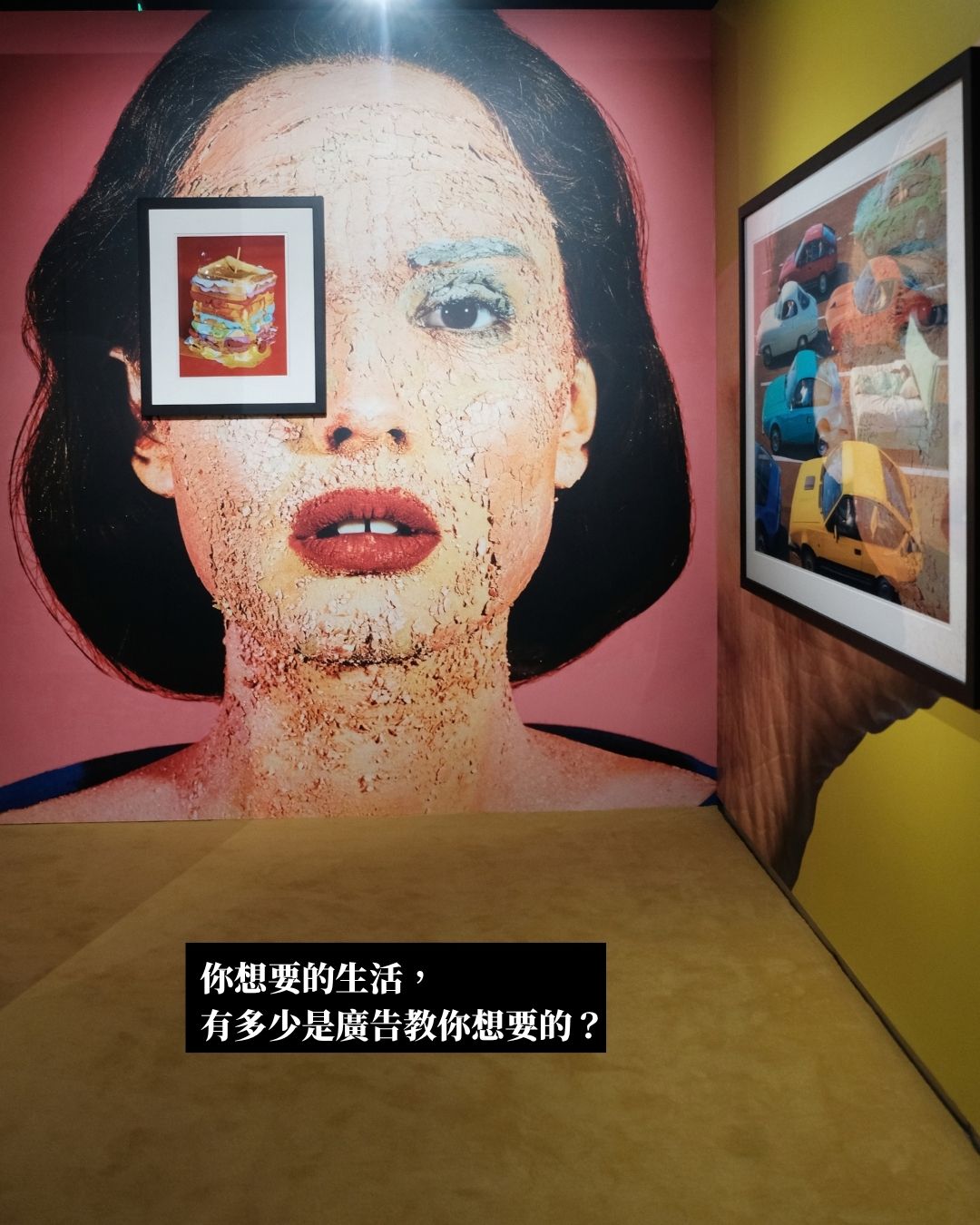
這個光怪陸離的世界,由意大利藝術家 Maurizio Cattelan 與攝影師 Pierpaolo Ferrari 所創作。兩人於2010年創辦影像刊物《TOILETPAPER》,以近乎沒有文字、全圖像的編排,讓讀者自行詮釋照片。Maurizio Cattelan 擅長挑戰藝術慣例,Pierpaolo Ferrari 則熟悉廣告與時尚攝影,兩人把日常物件拍得鮮豔誘人,以怪誕且奇幻的廣告視覺元素,加點荒誕,批評及反思各種消費文化。
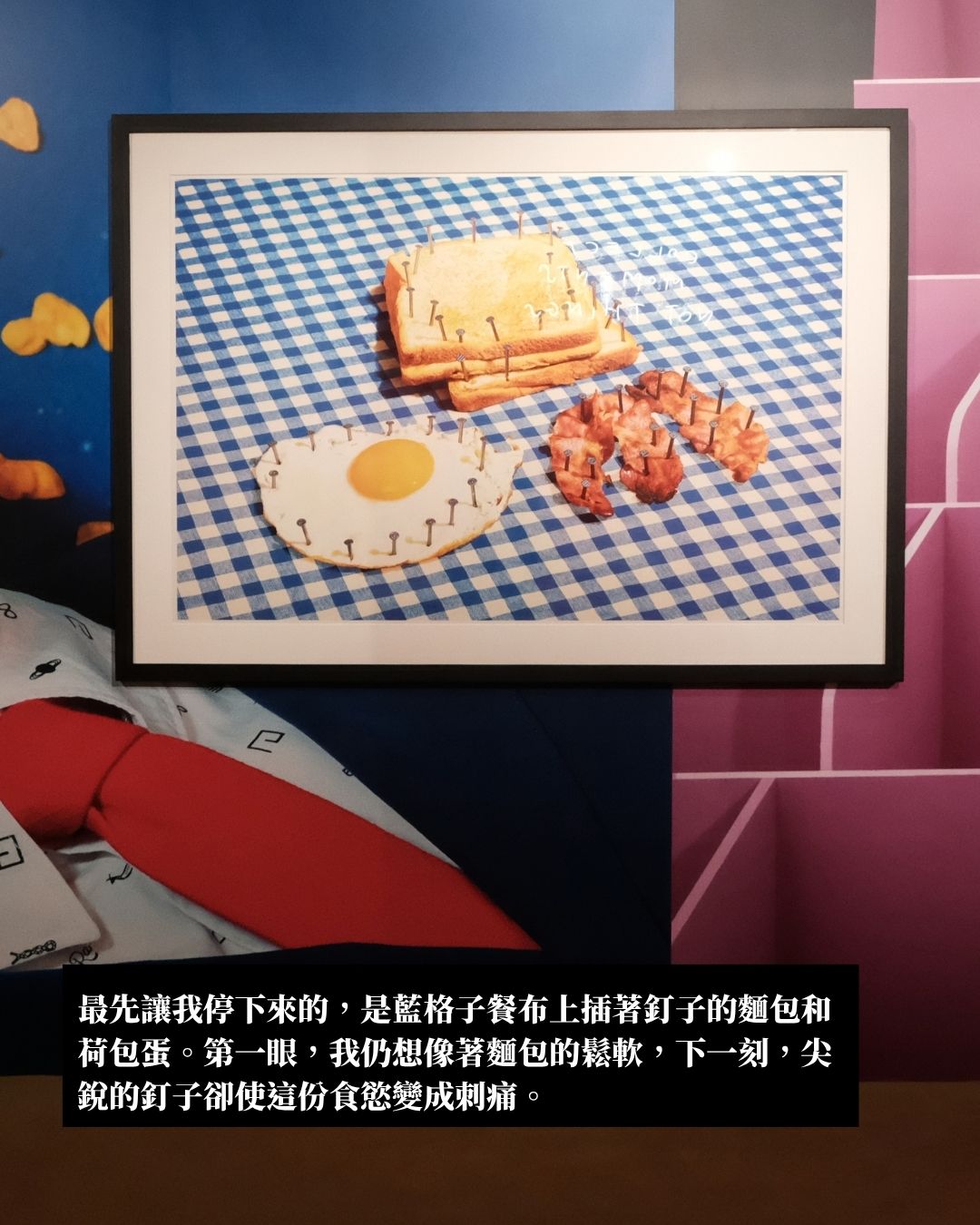
最先讓我停下來的,是藍格子餐布上插著釘子的麵包和荷包蛋。第一眼,我仍想像著麵包的鬆軟,下一刻,尖銳的釘子卻使這份食慾變成刺痛,讓廣告神話露出破綻:麵包依然誘人,釘子卻使那份好吃、理想生活之承諾無法順利成立。接著,來到巨大的香蕉泳池,又忍不住噗嗤一笑。隨即,眼球又給可愛的狗狗布簾抓住,掀開走進去卻迎來密布的蛇;再看到「THE END」墓碑與紅燈光:「TELL THE TRUTH RUN」,輕鬆的心情漸漸滲入不安。
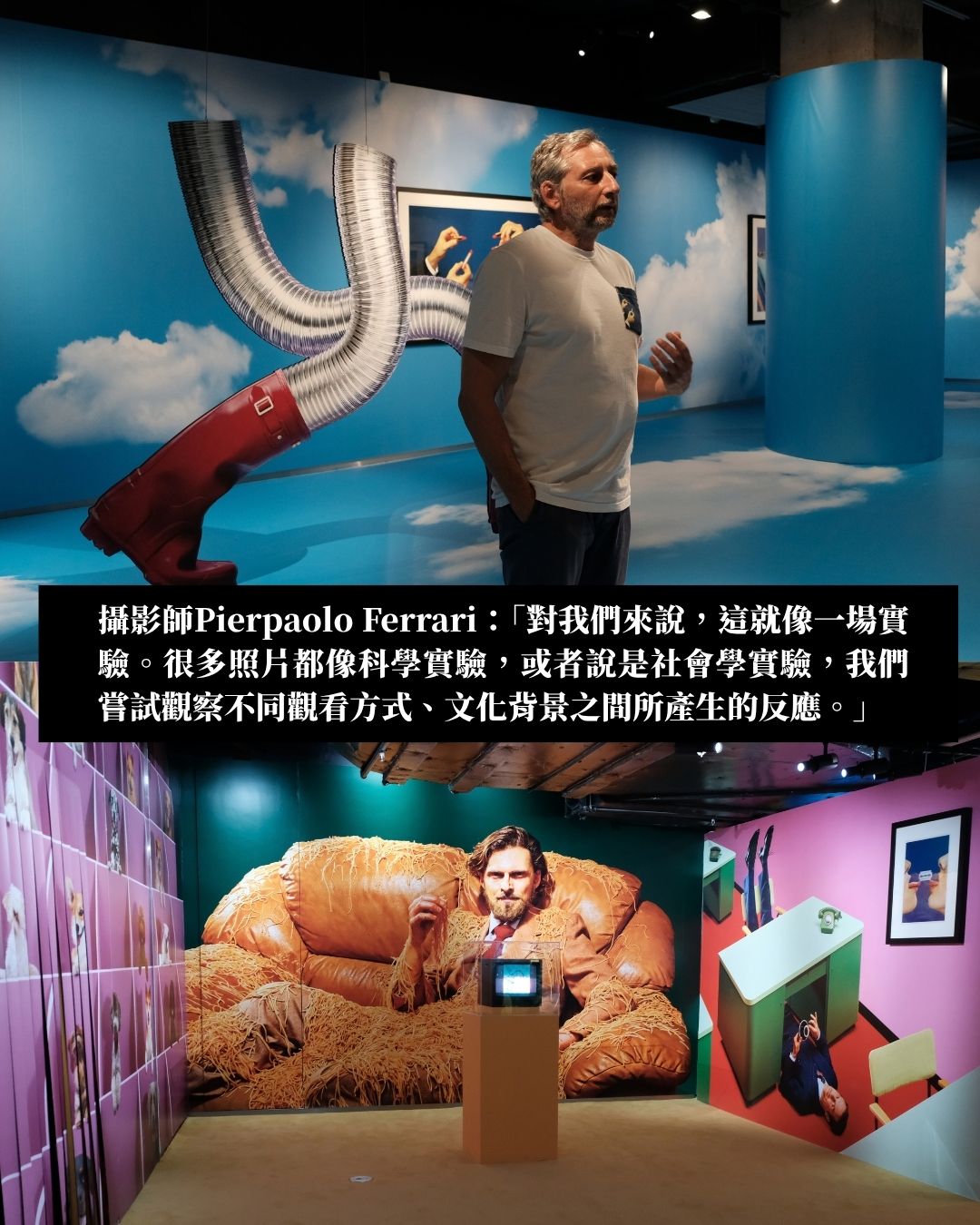
出席深圳灣美術館開幕的攝影師 Pierpaolo Ferrari 說:「對我們而言,這就像一場實驗。很多照片都像科學實驗,或者說是社會學實驗,我們嘗試觀察不同觀看方式、文化背景之間所產生的反應。」聽到這裡,我才洞悉到,自己從好奇、省思、惶恐等過程亦是實驗的一部分;相同畫面,有人覺得幽默,有人感到不適,未必需要得到一致的答案。
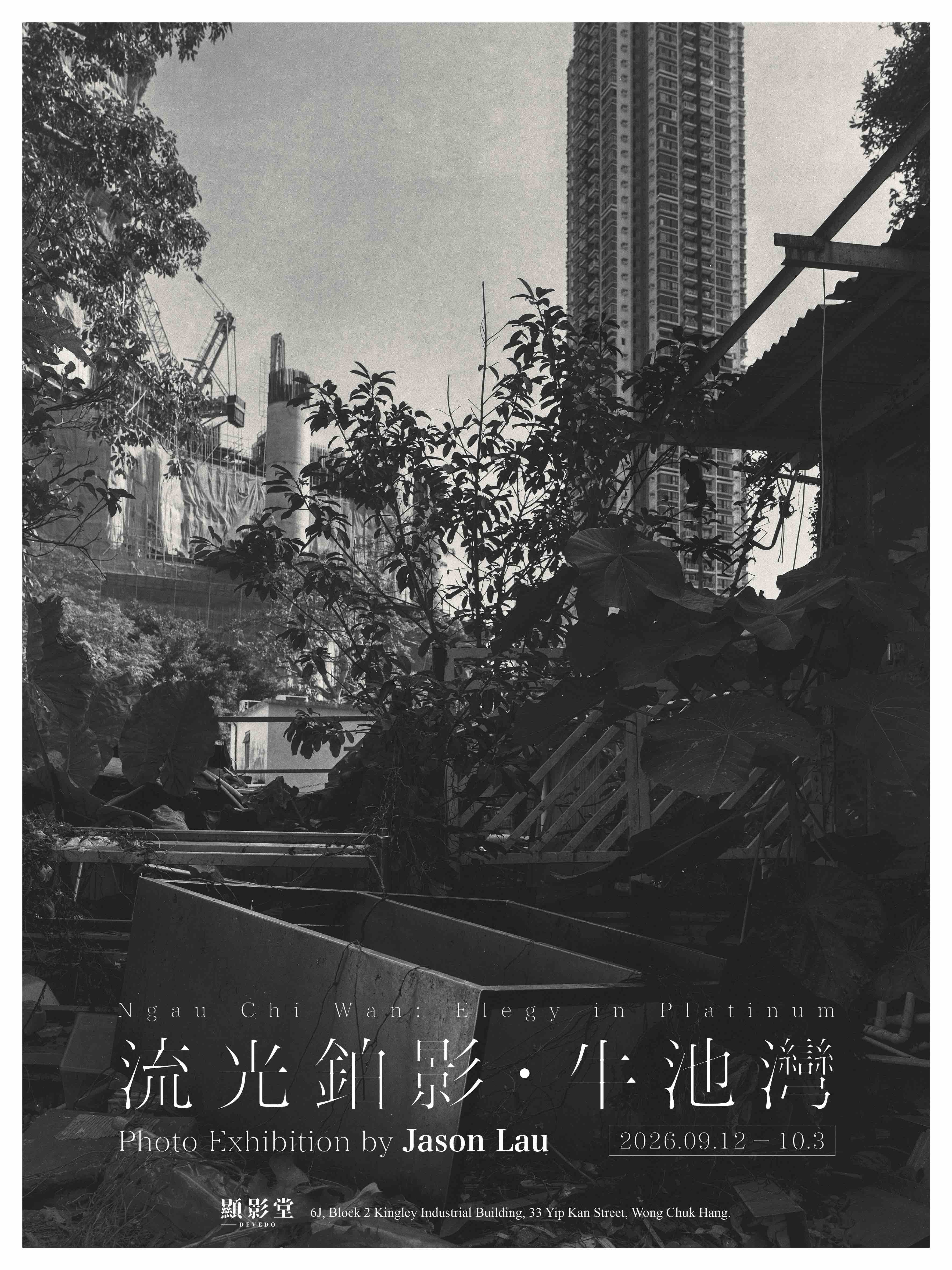
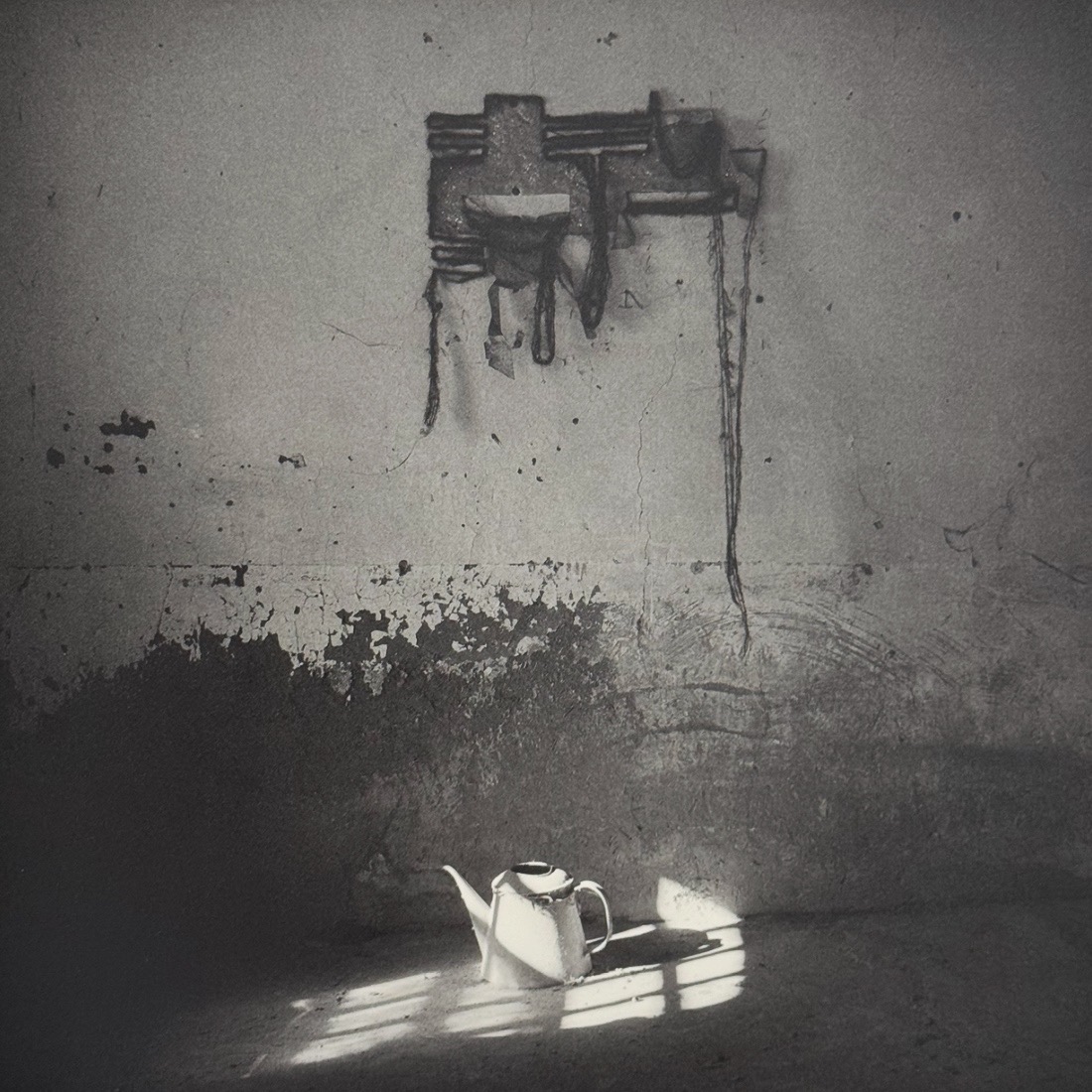
展覽《流光鉑影·牛池灣》(Ngau Chi Wan: Elegy in Platinum) 展出多幅Jason拍攝的作品,他選擇以十九世紀的古典工藝「鉑鈀印相」(Platinum-Palladium Print),將這些即將消逝的景象定格。在沉穩的黑白階調與歷史的重量之間,展開一場關於時間與回憶的對話。
Jason Lau Solo Exhibition at DEVEDO Ngau Chi Wan: Elegy in Platinum
The texture of memory is often most poignant when it is on the verge of vanishing.
With over two centuries of history, Ngau Chi Wan is one of the oldest remaining villages in urban Hong Kong—a testament to generations of agricultural life and close-knit community warmth. Just a lane away from the old market beyond the Ngau Chi Wan Village archway, the village is facing its final days. Stepping inside, visitors are greeted by rows of tin-roofed houses; the steamers of the once-bustling Sun Lung Shing Tea House are long gone. As the hustle and bustle fades, how do we say farewell?
Hong Kong photographer Jason Lau excels at capturing the minutiae of everyday life through a calm, gentle lens. After spending more than a decade abroad, Lau returned to Hong Kong last year, and he frequently photographs the streets, alleys, and public housing estates. Among these locations, Ngau Chi Wan Village left the deepest impression.
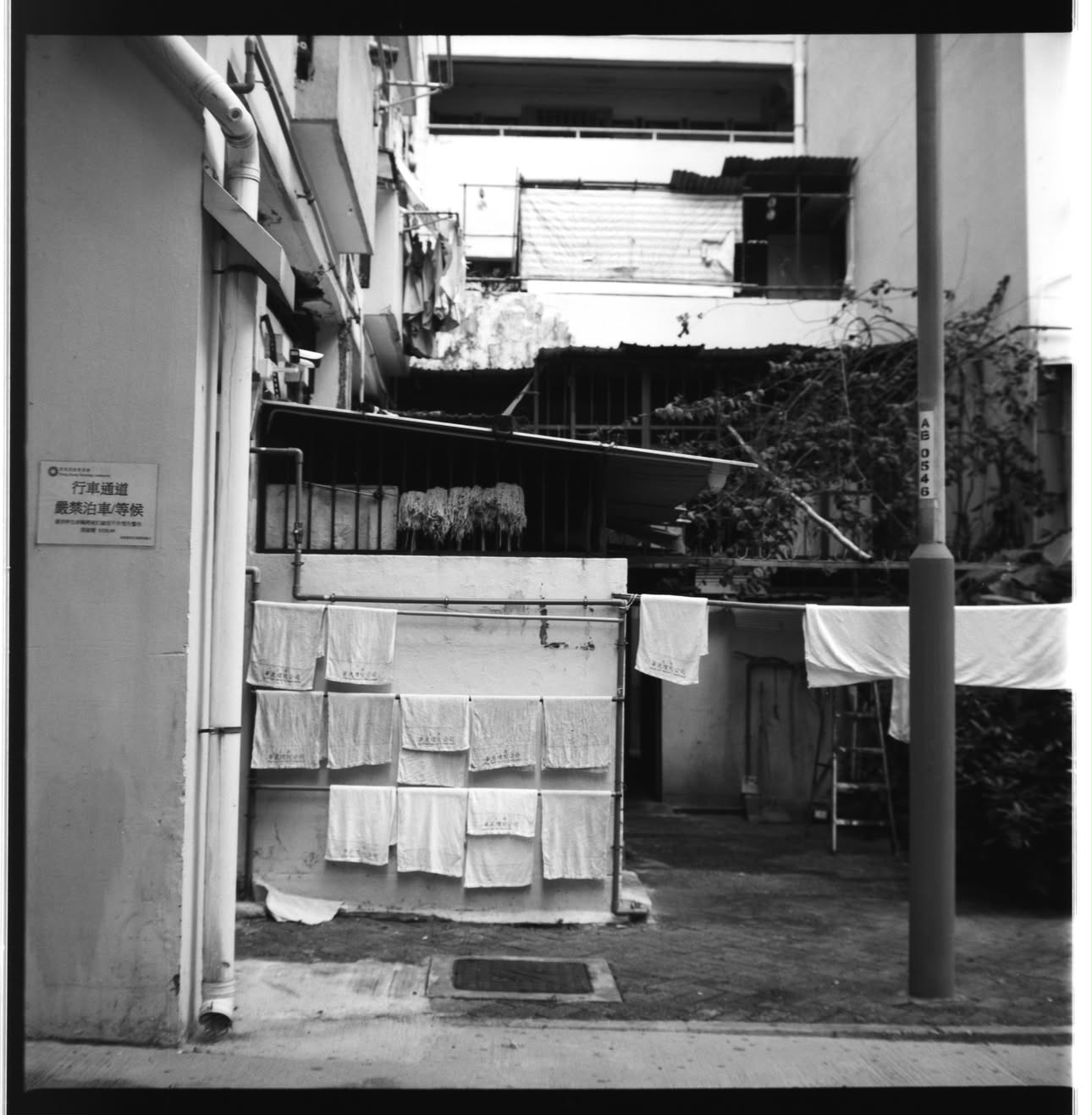
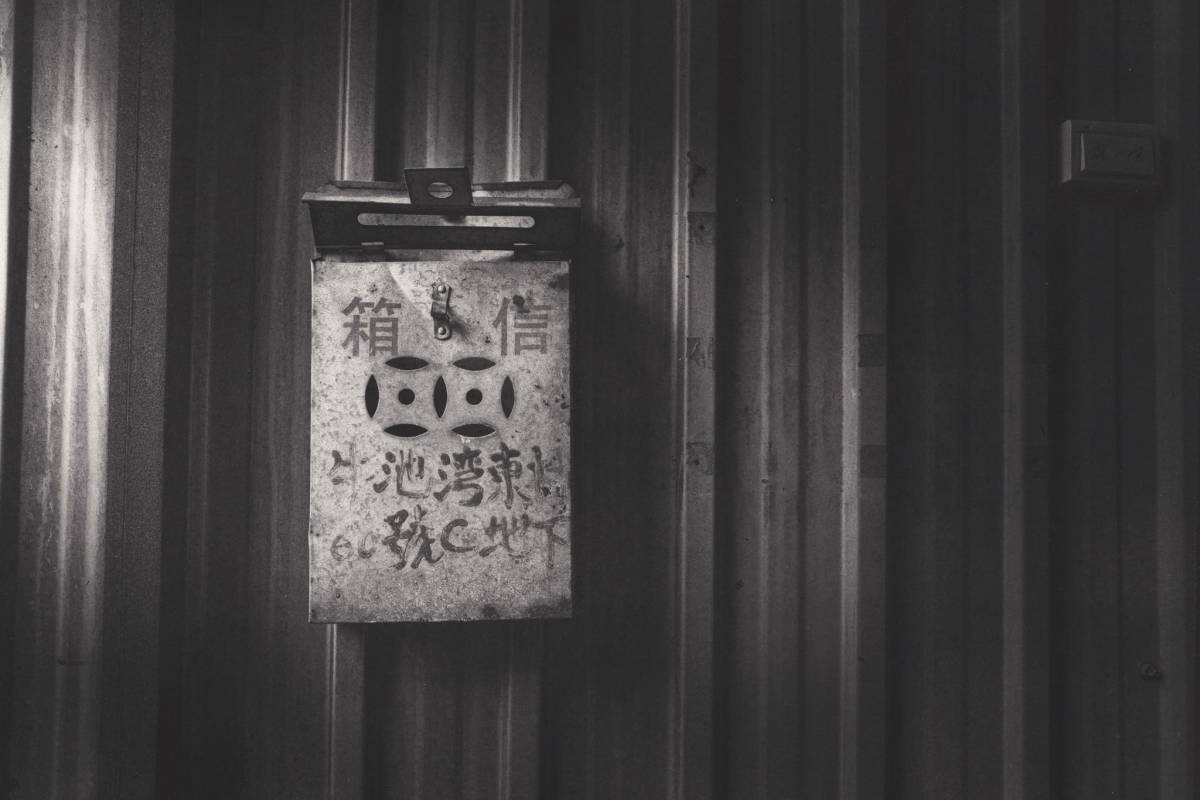
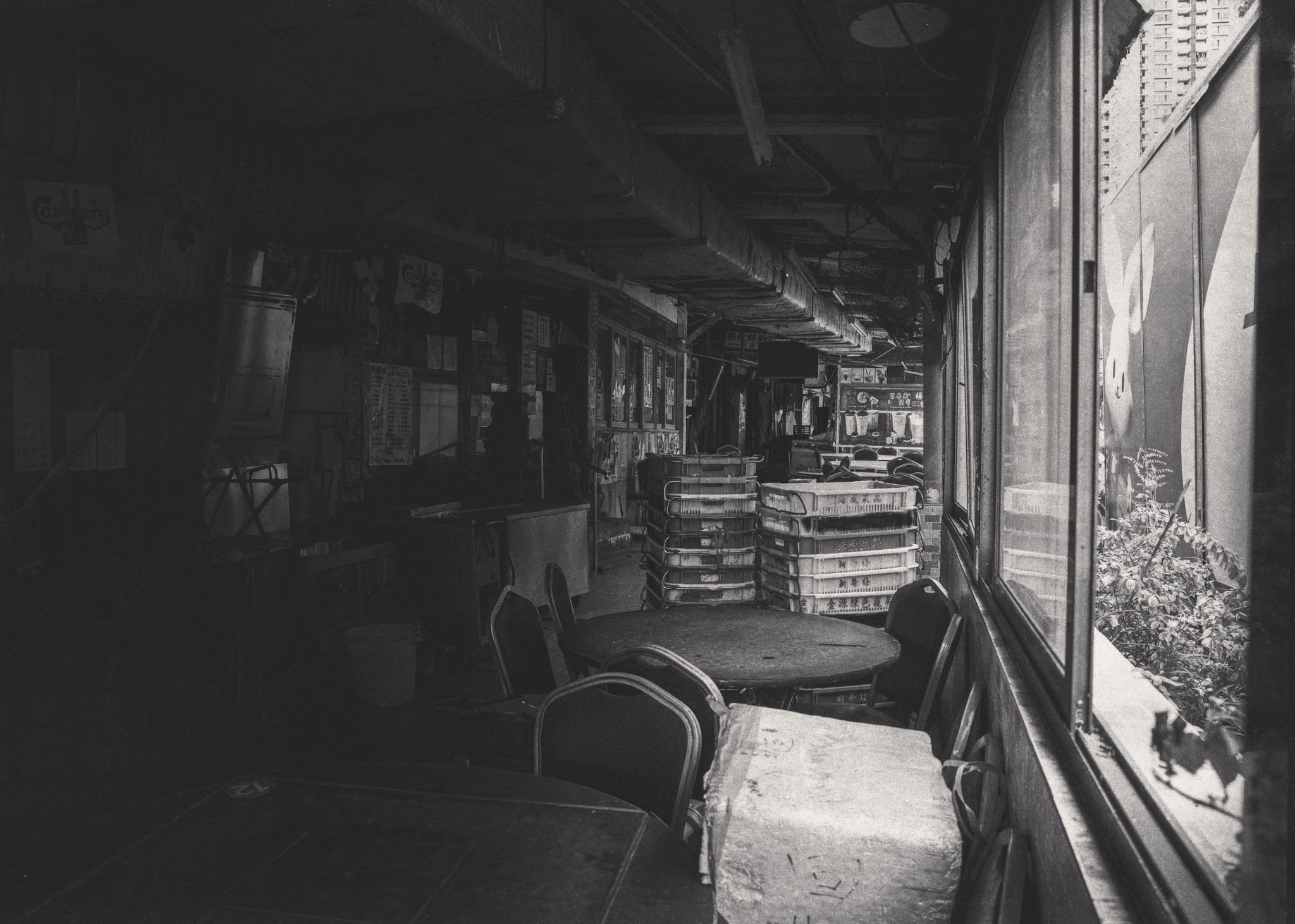
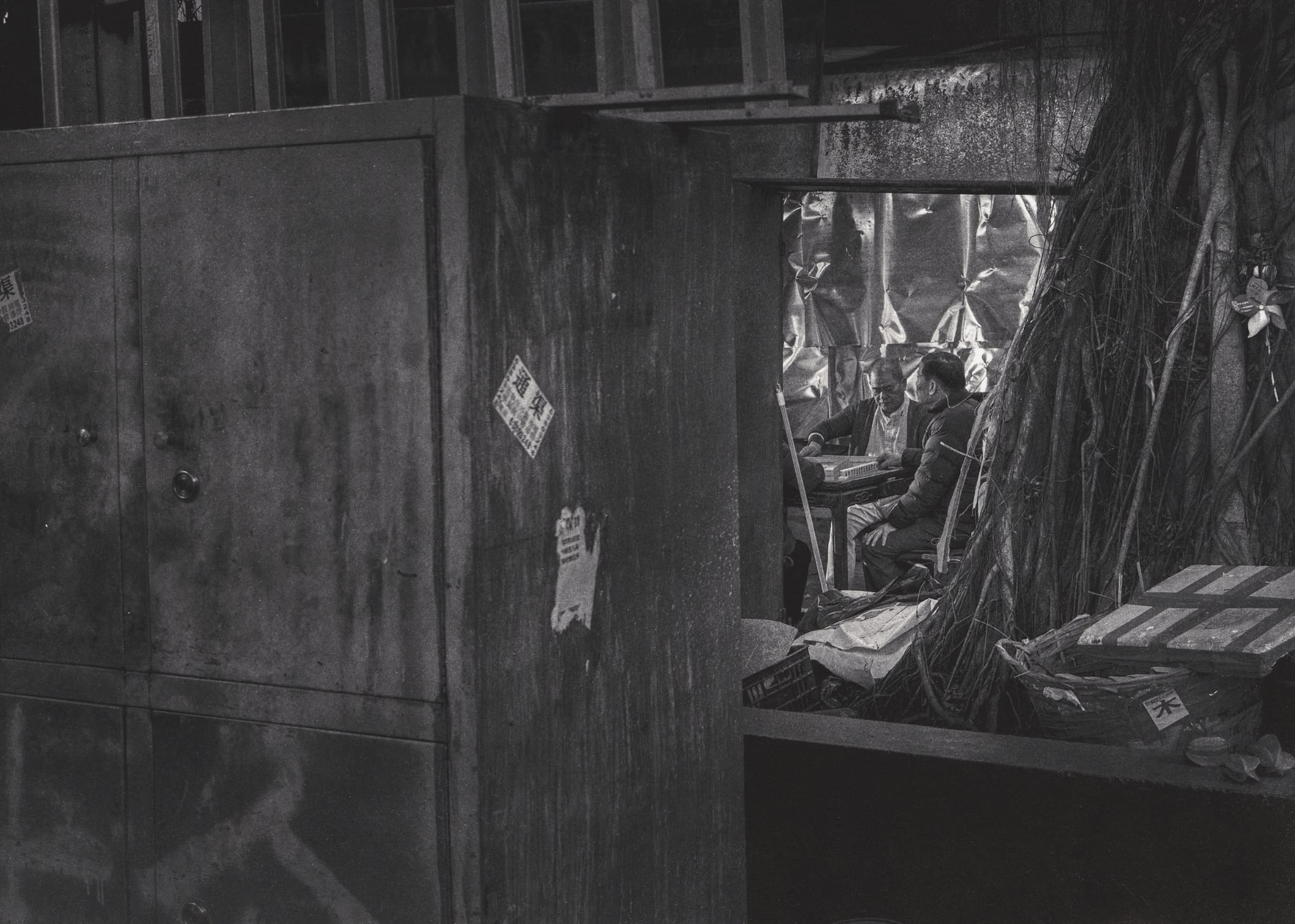
Wandering through its narrow alleyways, he focused his lens on the subtle details that easily pass unnoticed: half-open tin mailboxes that no longer receive mail, deserted benches once filled with lively chatter, and dilapidated corners strewn with fallen leaves—creating scenes of ethereal beauty reminiscent of traditional ink paintings. Like silent ruins, these images reflect the solitude that lingers after prosperity fades. Through precise composition, Jason captures the quiet beauty of imperfection.
His first solo exhibition in Hong Kong, Ngau Chi Wan: Elegy in Platinum, showcases these photographs and preserves disappearing memories through platinum-palladium printing. Moving between black-and-white tonal transitions and the weight of history, these images open a dialogue on time, memory, and forgetting.
Invented in the 19th century, platinum-palladium printing is a complex classical photographic process. Unlike modern silver-gelatin or inkjet prints—where the image rests on a surface emulsion or coating—a platinum-palladium print chemically binds noble metal particles directly into the paper’s cellulose fibers. It offers exceptional chemical stability and resistance to oxidation, these images can endure for centuries. Beyond their permanence, they possess a distinct texture, rendering rich shadows and subtle grayscale transitions with remarkable depth and softness.
Revisiting Ngau Chi Wan Village evokes a striking contrast. The quiet squatter area stands in sharp relief against the modern high-rises nearby. As night falls, the Ngau Chi Wan Old Wet Market across the street remains brightly lit and bustling with diners at Dai Pai Dong. In contrast, the village itself lies mostly in darkness, home to only a few remaining households before new residential buildings replace it.
Ngau Chi Wan: Elegy in Platinum is more than a photography exhibition; it is an elegy for a disappearing urban village. Though light shifts and structures crumble, these memories imprinted deep within platinum print will endure.
Exhibition Details Date: Sept 12 – Oct 3, 2026 Time: 2–7 PM (Wednesday–Saturday, by Appointment) Venue: DEVEDO, 6J, Block 2 Kingley Industrial Building, 33 Yip Kan Street, Wong Chuk Hang, Hong Kong
Jason is a Hong Kong-based photographer and platinum/palladium printer. A graduate of the ArtCenter College of Design in Los Angeles, he is deeply passionate about platinum and palladium printing and founded Charta Loquens Studio in Hong Kong to promote this traditional photographic technique.
DEVEDO is one of Hong Kong’s distinguished photography bookstores, founded in July 2025 by LAU Tung-Pui, photography curator and founder of the Hong Kong photography platform PhotogStory. In addition to offering a wide selection of photography books, DEVEDO also regularly hosts photography talks and exhibitions.
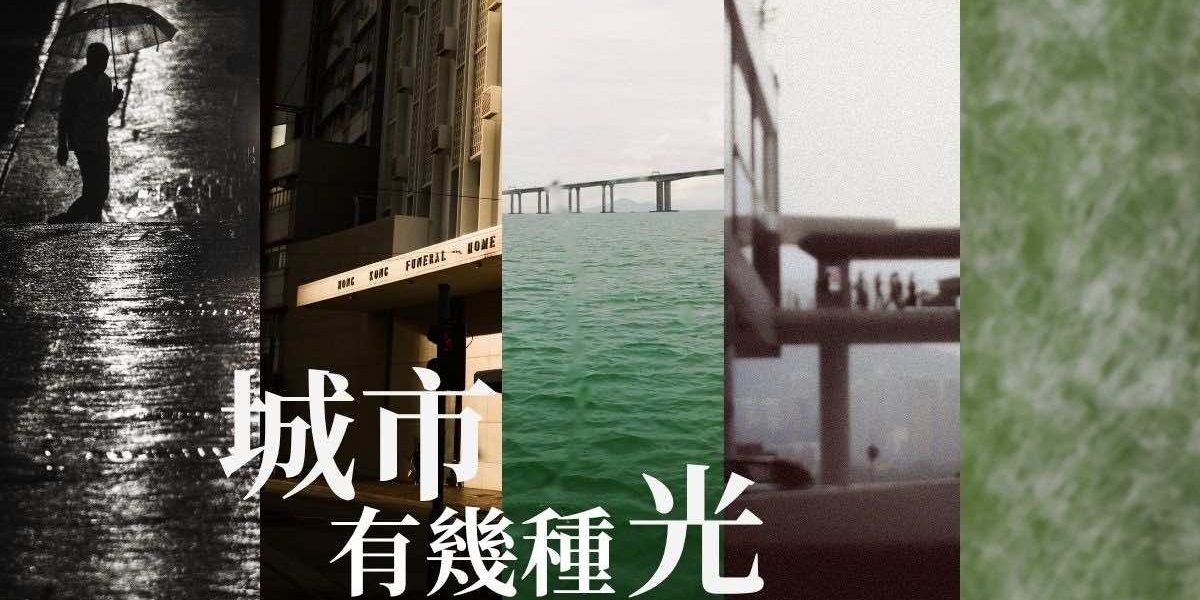
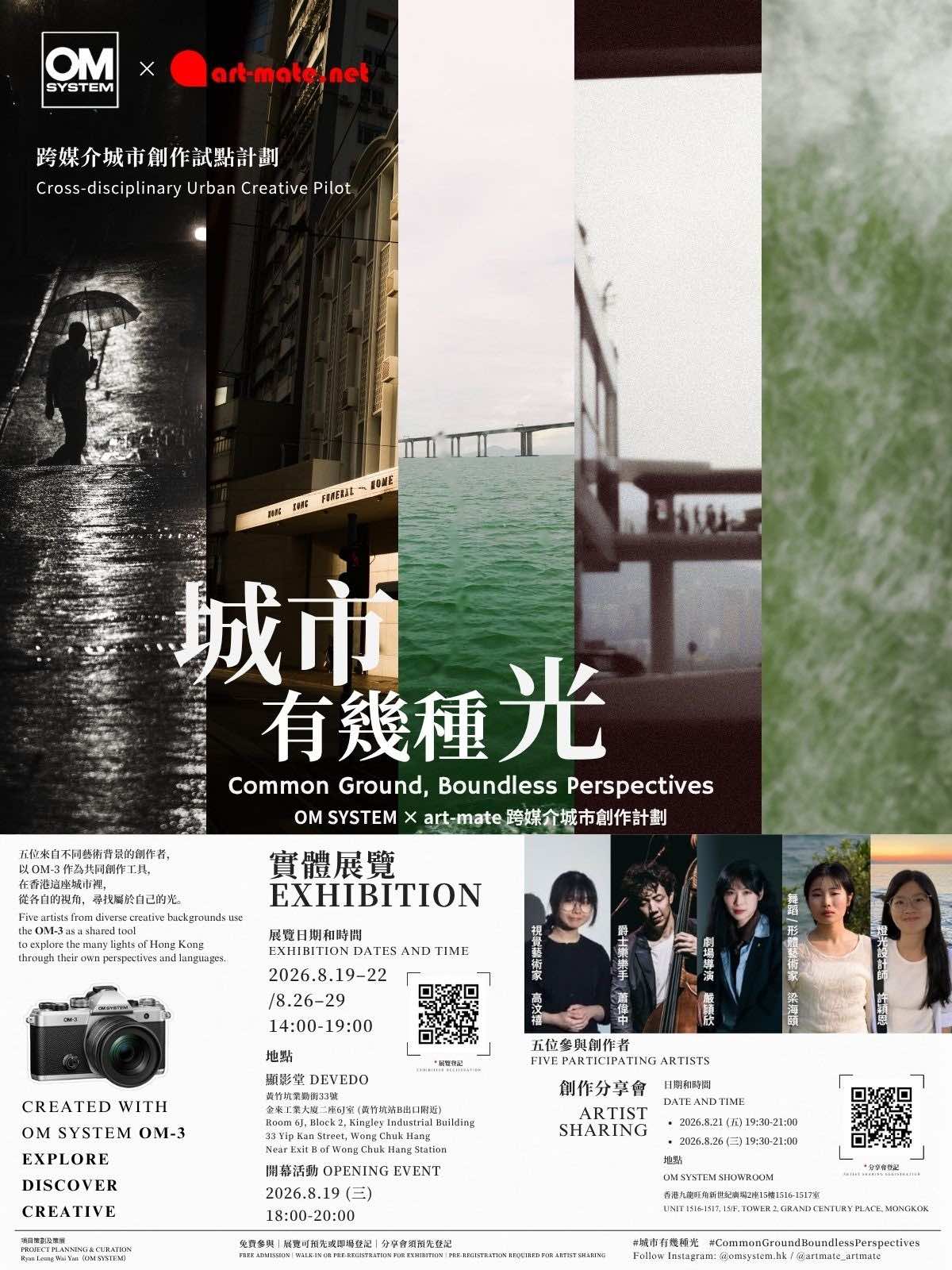
由相機品牌 OM SYSTEM × 藝文資訊平台 art-mate 共同策劃的跨媒介城市創作計劃——《城市有幾種光》攝影展,邀來五位來自不同藝術背景的創作者,分為有劇場導演、爵士樂手、形體藝術家、燈光設計師與視覺藝術家,他們共同以OM-3相機作為創作工具,在他們各自的觀景器裡,香港這座多姿多彩的城市,折射出截然不同的光芒。
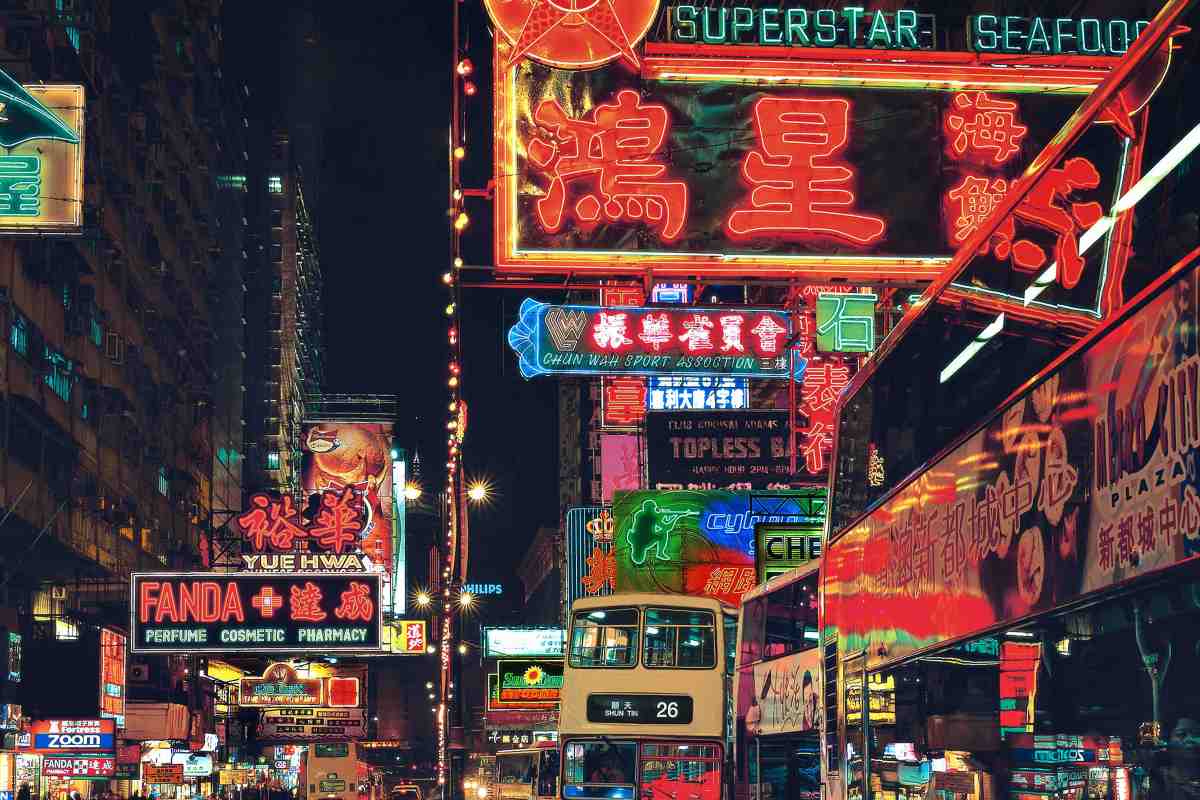
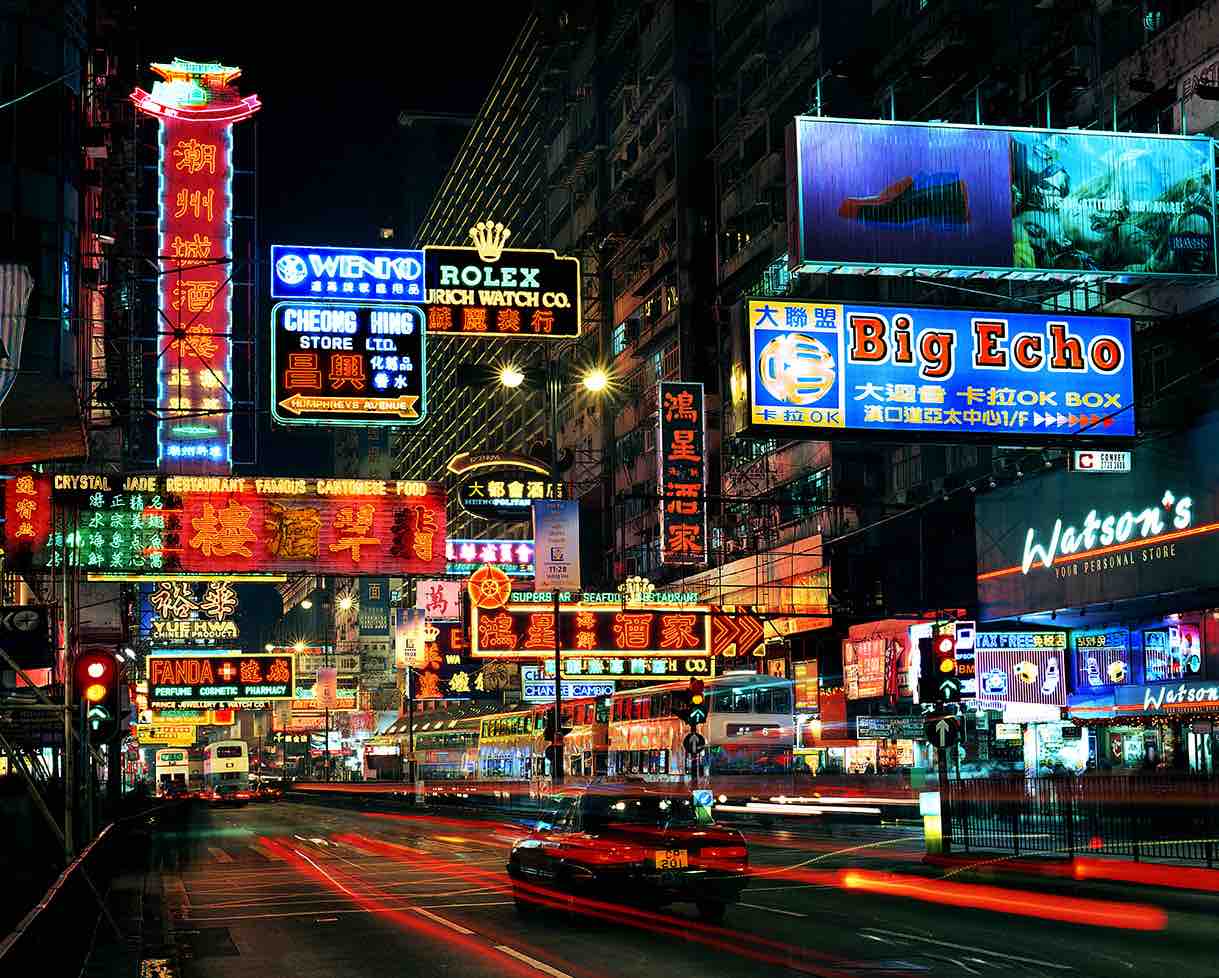
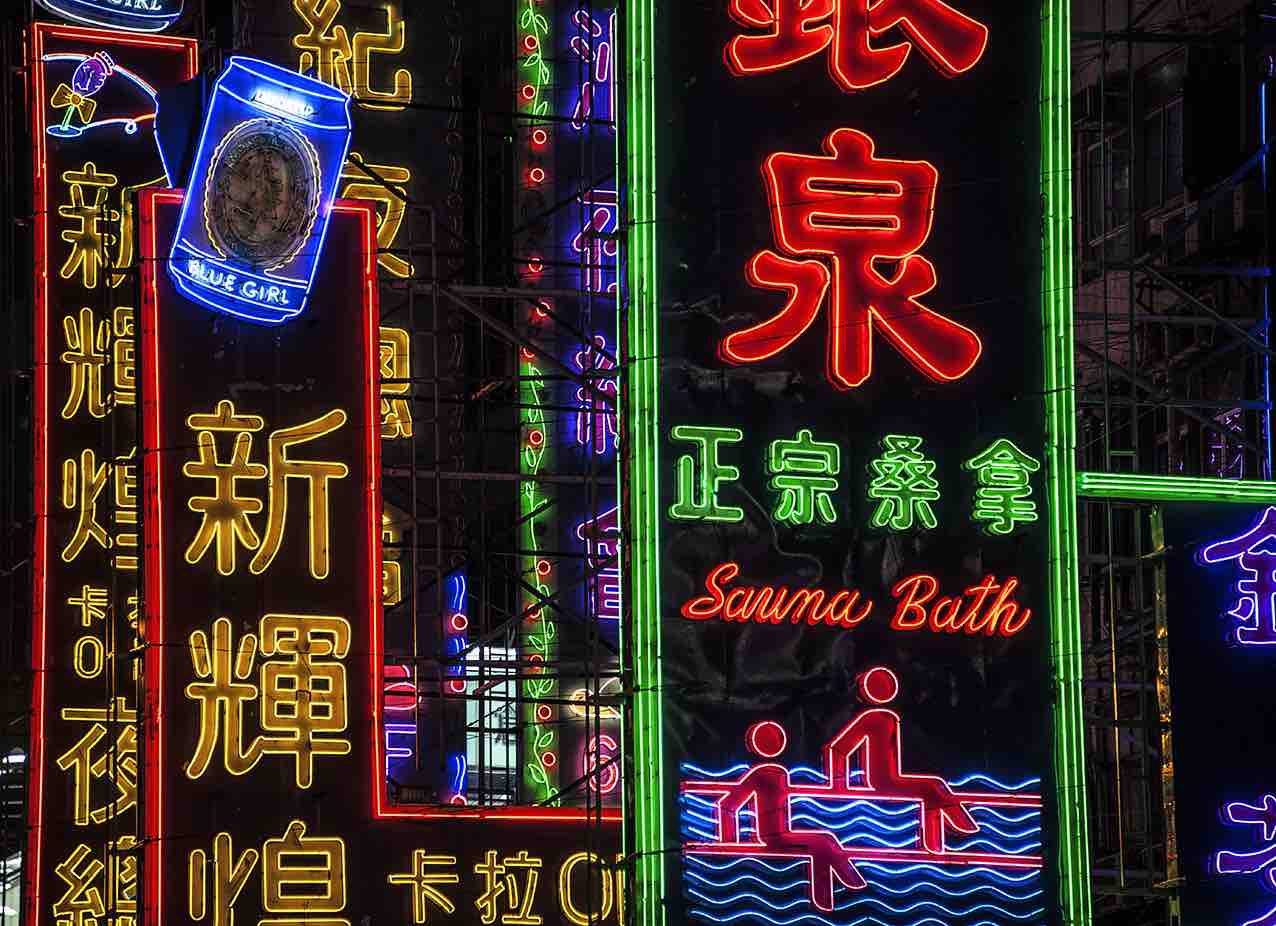
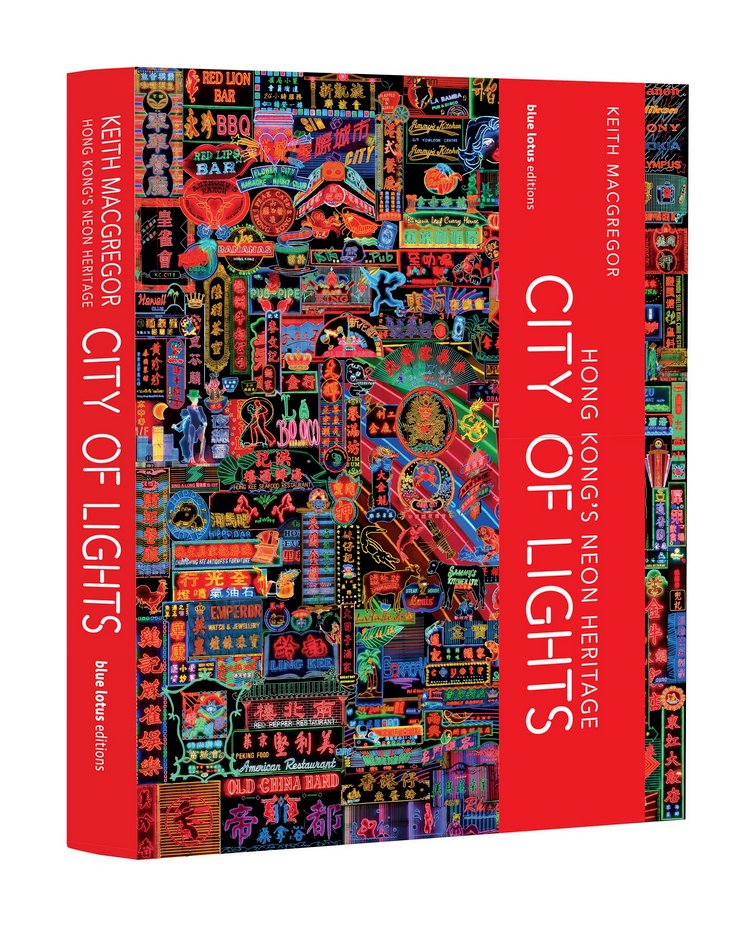
今年六月,他推出作品集《City of Lights》,輯錄數百幅從未公開的經典照片,可謂見證香港霓虹招牌的輝煌歷史。本書除了攝影作品,更深入發掘光影背後的匠人故事,收錄多位傳承霓虹技藝的前輩訪談,包括親手燒製玻璃光管的資深師傅、勇於高空作業的招牌安裝技師,以及致力守護霓虹文化未來的保育者與新生代創作者。
英國攝影師Keith Macgregor最新攝影集《City of Lights》, 黃竹坑攝影書店「顯影堂」有售。
DEVEDO 1st Anniversary Exhibition – The Reflection of Soul by Yang Yankang
DEVEDO is pleased to present The Reflection of Soul, a solo exhibition by Chinese photographer Yang Yankang, in celebration of the bookshop’s first anniversary, on view from July 10 to August 15, 2026. The exhibition centers on faith as lived and observed among monks and laypeople in the Tibetan regions. Hailed as a milestone in contemporary Tibetan photography, the work documents daily life while also exploring the relationship between people and their beliefs.
Yang Yankang (1954-) is a rare photographer who has devoted himself to photographing religious beliefs. Beginning in the 1990s, he spent thirty years photographing Catholics, Tibetan Buddhists, and Muslims, completing his “Faith Trilogy” as a mission. His lens avoids sensationalism and the exotic, instead recording the lives of believers with different faiths in China.
His photographs are not typical spectacular landscapes but rather delicate and moving images. Without seeking quick success, Yang spent ten years from 2003 to 2013 immersing himself in Tibetan life, repeatedly venturing into the region to experience the local people’s lives, observing and recording their most authentic daily routines. These images are serene yet imbued with poetry.
During the years, Yang not only photographed the lives of Tibetan people but also focused on Buddhist monks, documenting how they live their faith and how they steadfastly uphold their beliefs in practice. Through his lens, monks recite scriptures, play with toy cars, blow the Dharma Conch, play with cats, and perform Tibetan opera. The often unattainable and sacred image of Tibetan Buddhism becomes serene and approachable in these moments.
Yang consistently maintains a rigorous, refined composition that forms the foundation of his visual language. However, this rigor does not detract from the lyricism of his images. On the contrary, he successfully captures visual drama and implicit poetry within the monks’ mundane daily lives. A sacred light shines through the details of everyday life, radiating a serene and profound spiritual aura and evoking a moving sentiment.
The photographer was fully immersed rather than merely an observer and became a follower of Tibetan Buddhism during these years. For him, photography was a continuous process of feeling and understanding, moving from observation to conversion; like a lamb returning home, he found strength in the process.
When photography itself is elevated to the level of the photographer’s personal faith, taking pictures becomes a practice of faith. In this sense, these images can also be read as a reflection of Yang Yankang’s own experiences and life.
Exhibition Details
Date: July 10– August 15, 2026
Time: 2:00–7:00 PM (Wednesday–Saturday, by Appointment)
Yang Yankang was born in 1954 in Guizhou Province and is now based in Chengdu. He began his photography career in the 1980s and has been represented by the VU agency since 2001.
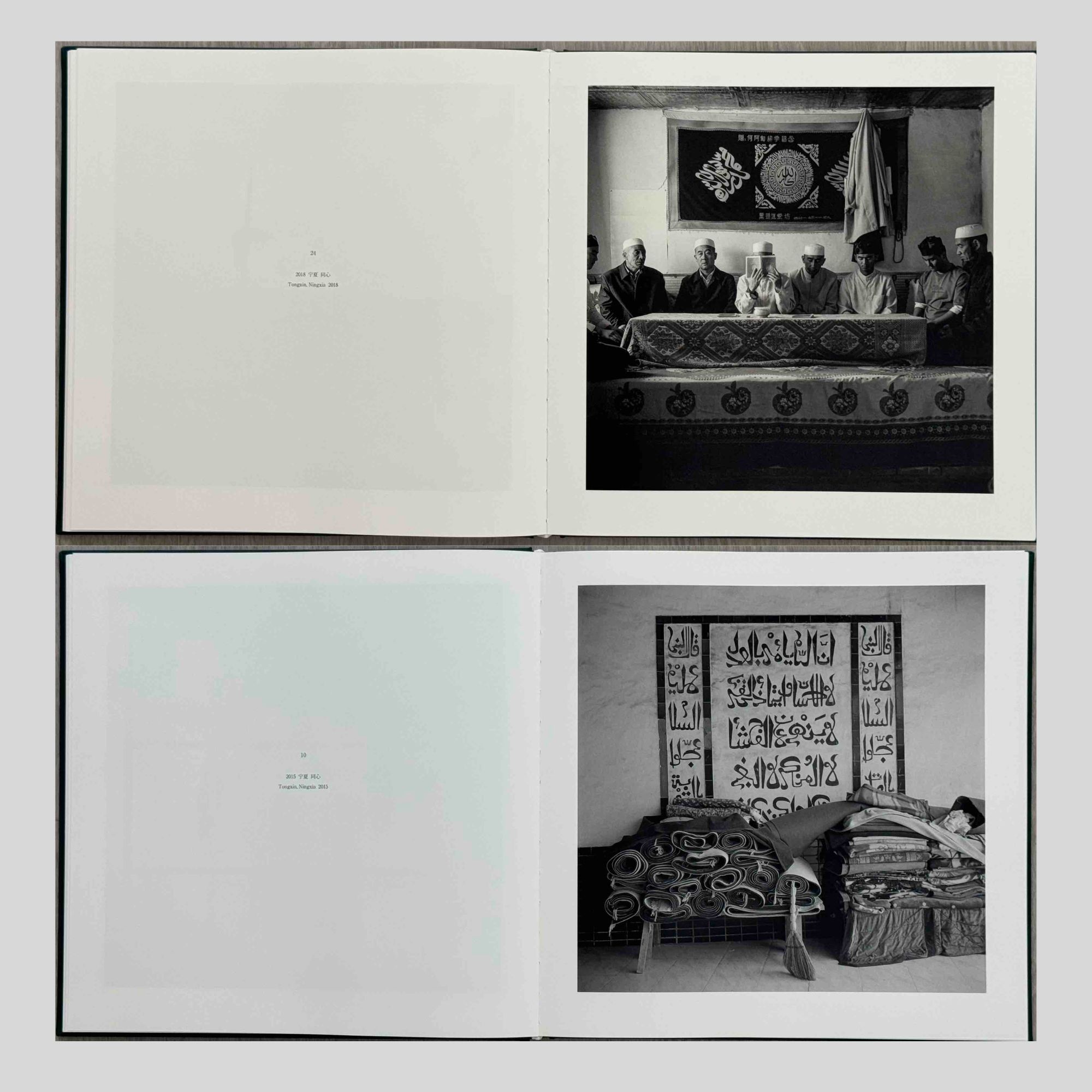
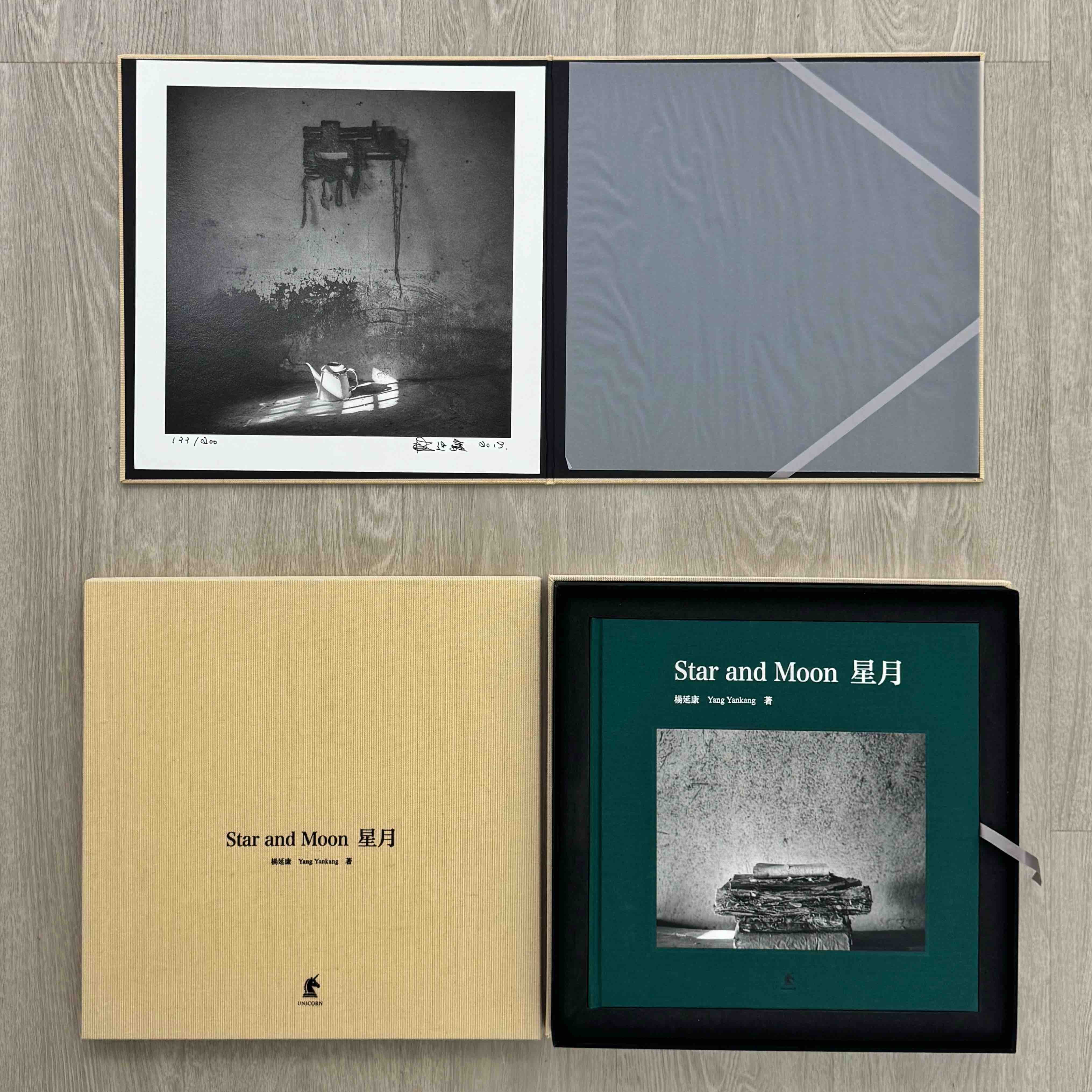
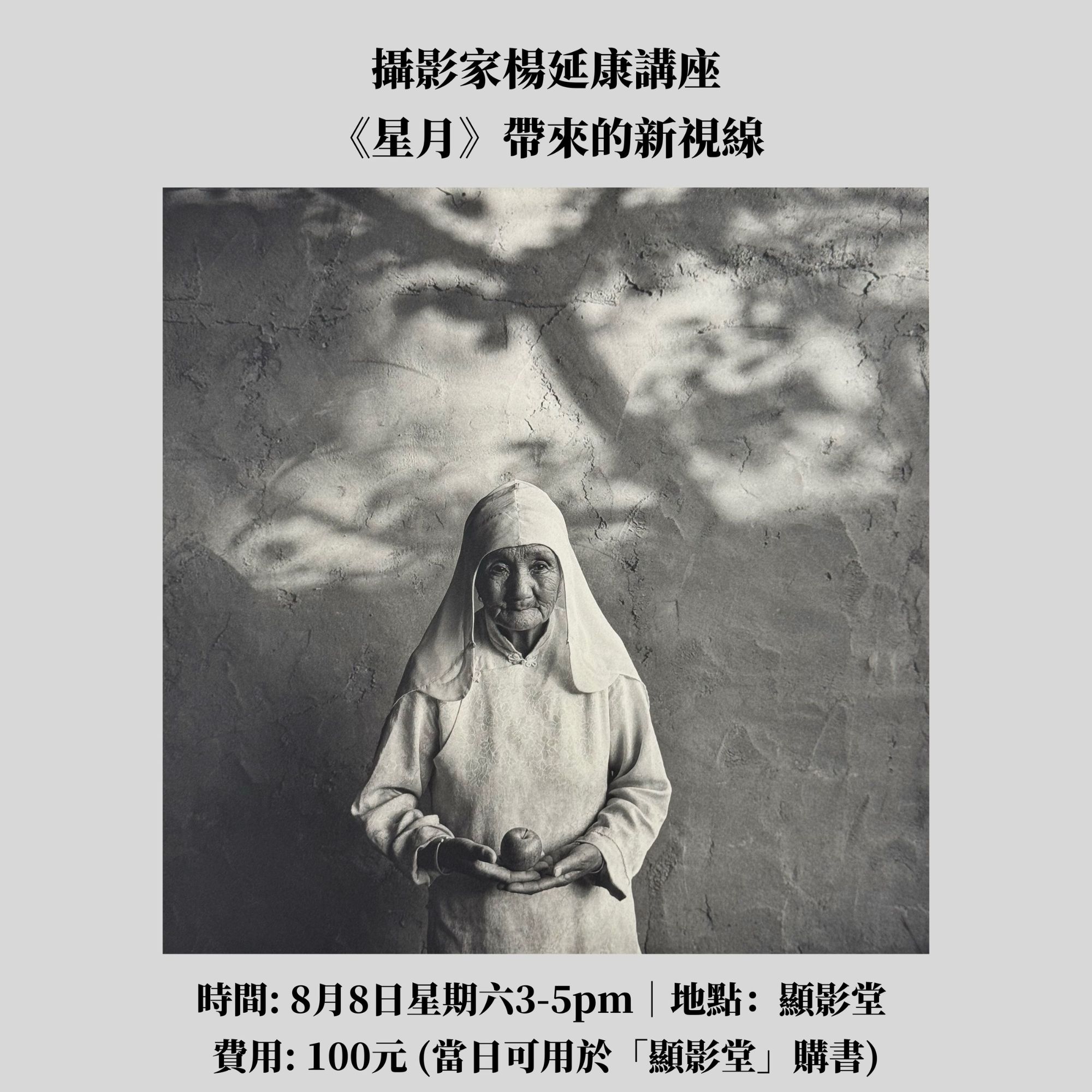
As a prominent contemporary Chinese documentary photographer acclaimed for his deep, decade-long explorations of faith and spirituality, Yang is best known for his monumental photographic trilogy that captures religious life in China, including Catholicism in Shaanxi (The Poor in Spirit), Tibetan Buddhism (The Reflection of Soul), and Islam in northwestern China (Star and Moon).
DEVEDO 顯影堂
DEVEDO is one of Hong Kong’s distinguished photography bookstores, founded in July 2025 by LAU Tung-Pui, photography curator and founder of the Hong Kong photography platform PhotogStory. In addition to offering a wide selection of photography books, DEVEDO also regularly hosts photography talks and exhibitions.