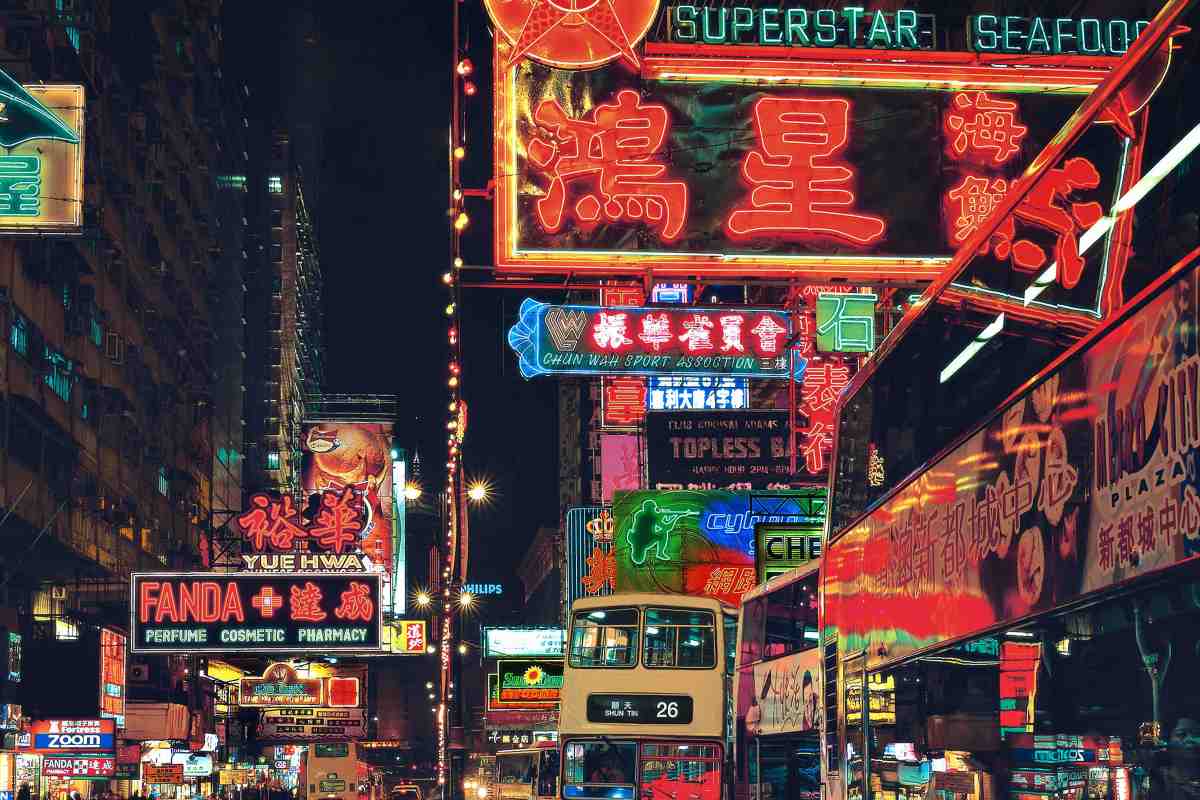
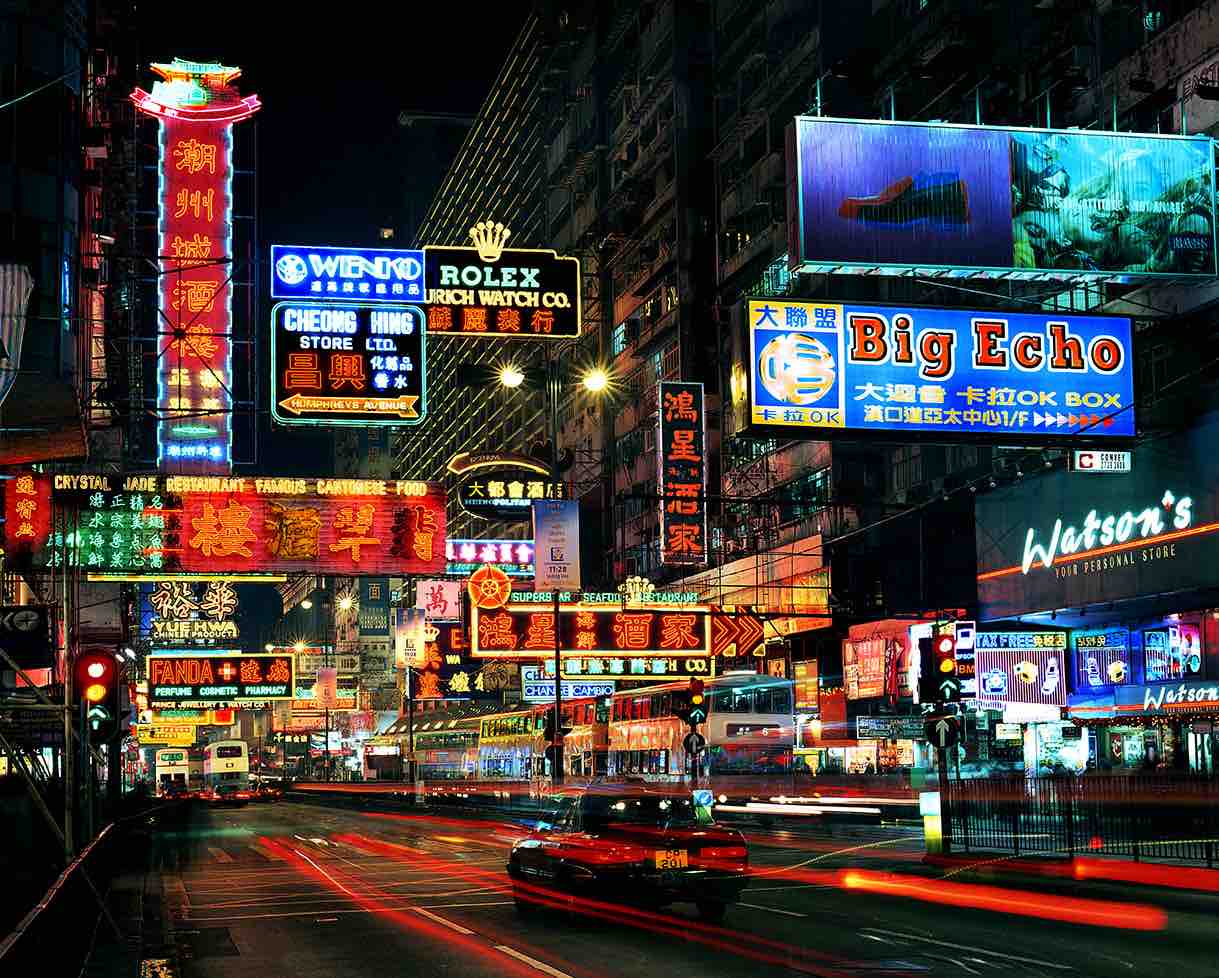
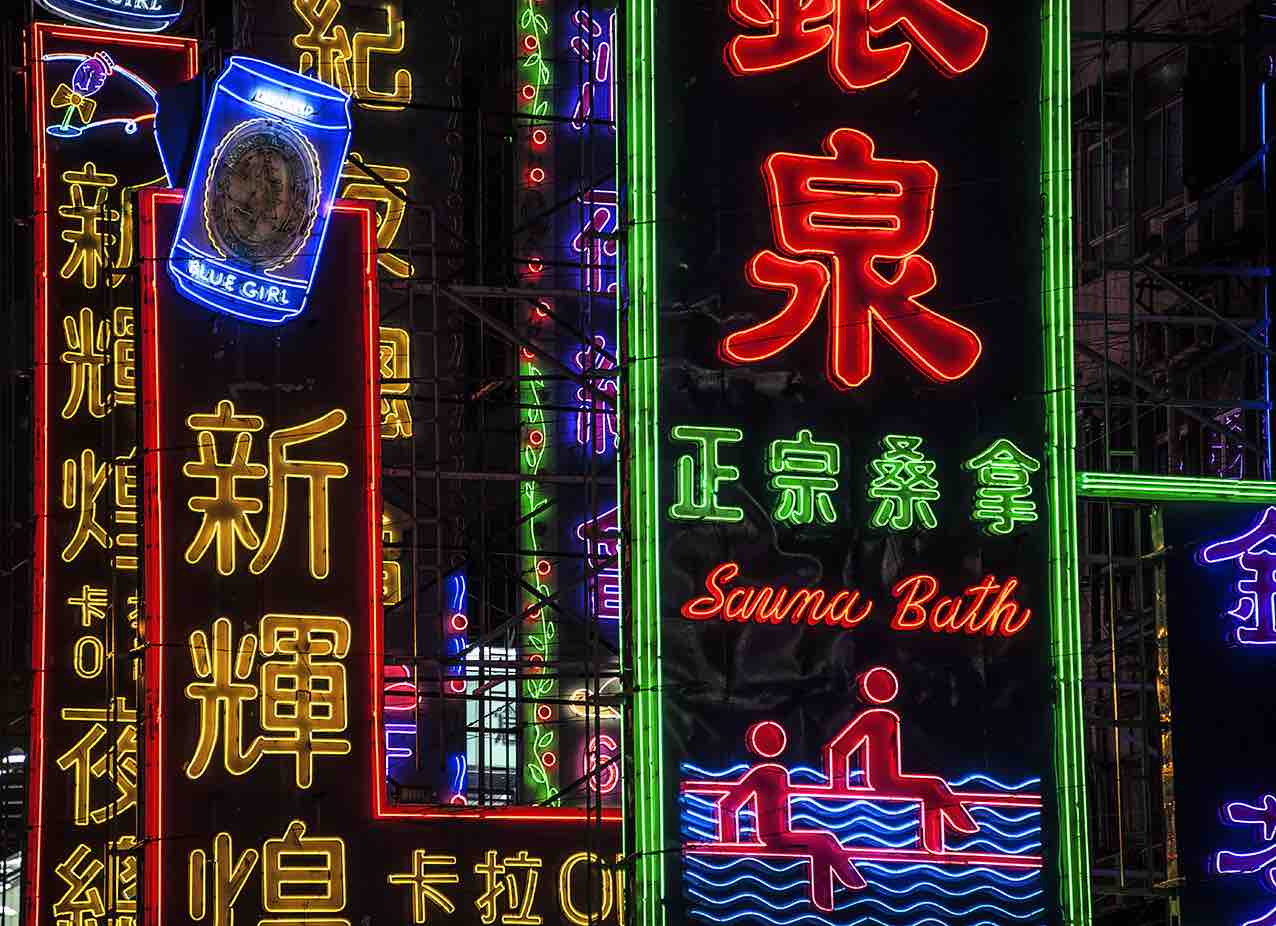
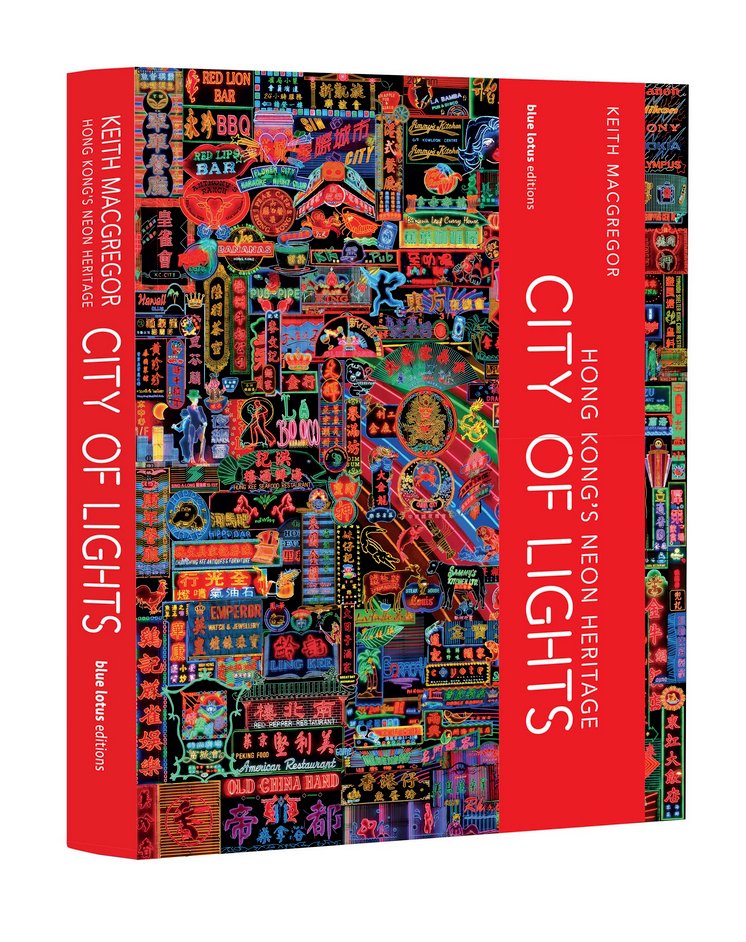
今年六月,他推出作品集《City of Lights》,輯錄數百幅從未公開的經典照片,可謂見證香港霓虹招牌的輝煌歷史。本書除了攝影作品,更深入發掘光影背後的匠人故事,收錄多位傳承霓虹技藝的前輩訪談,包括親手燒製玻璃光管的資深師傅、勇於高空作業的招牌安裝技師,以及致力守護霓虹文化未來的保育者與新生代創作者。
英國攝影師Keith Macgregor最新攝影集《City of Lights》, 黃竹坑攝影書店「顯影堂」有售。
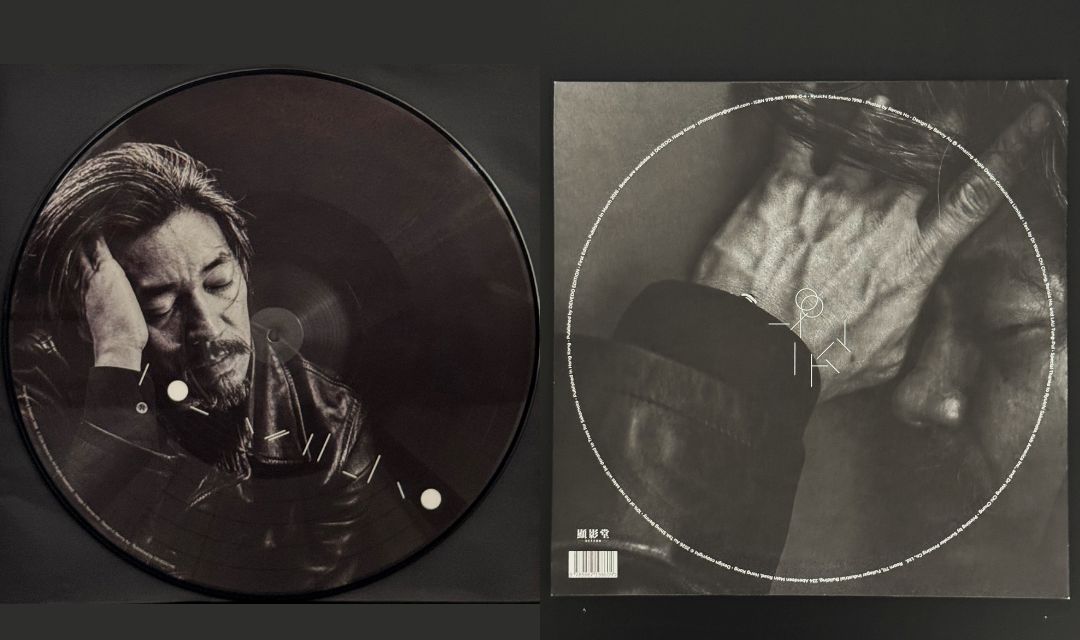
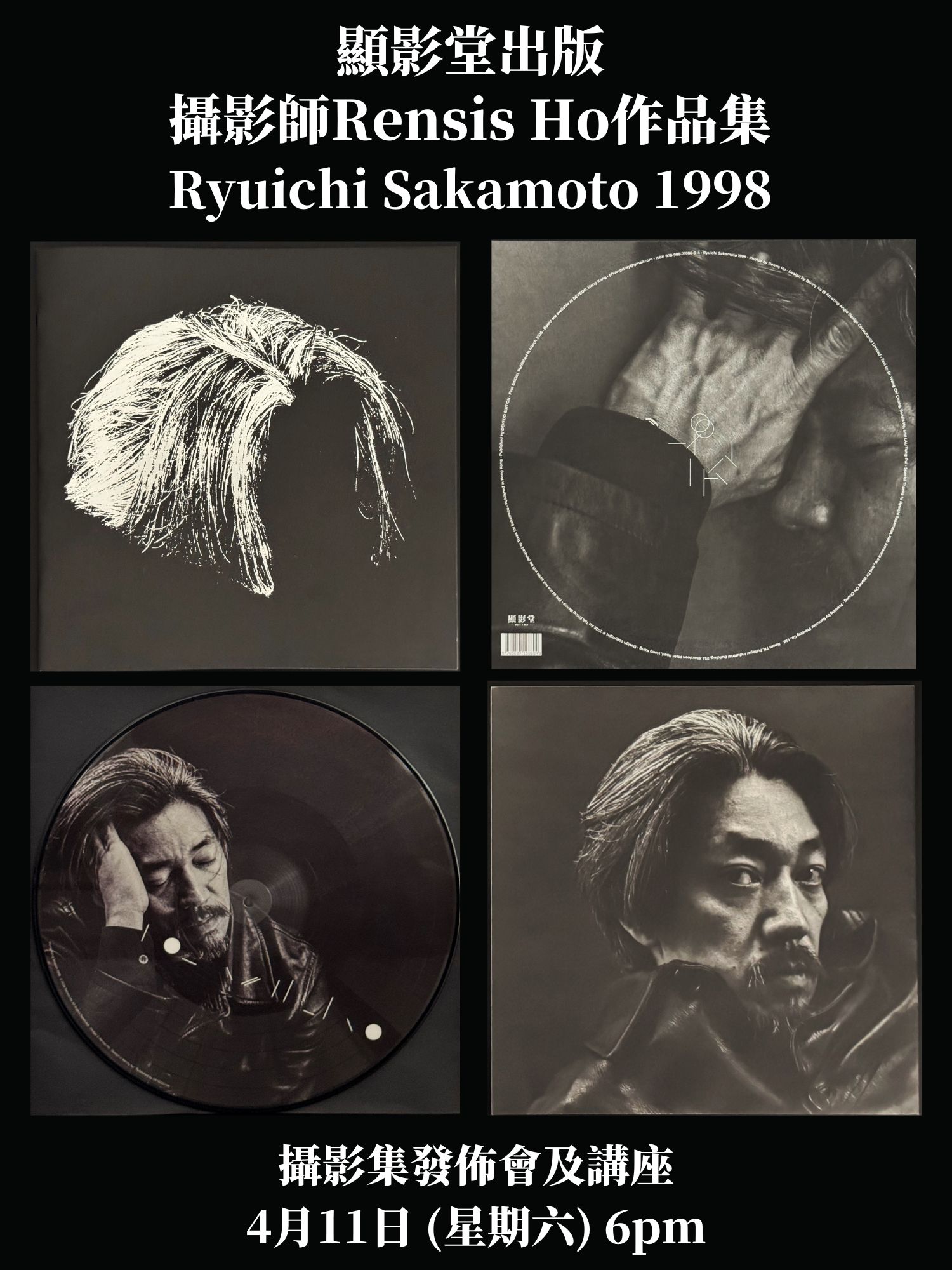
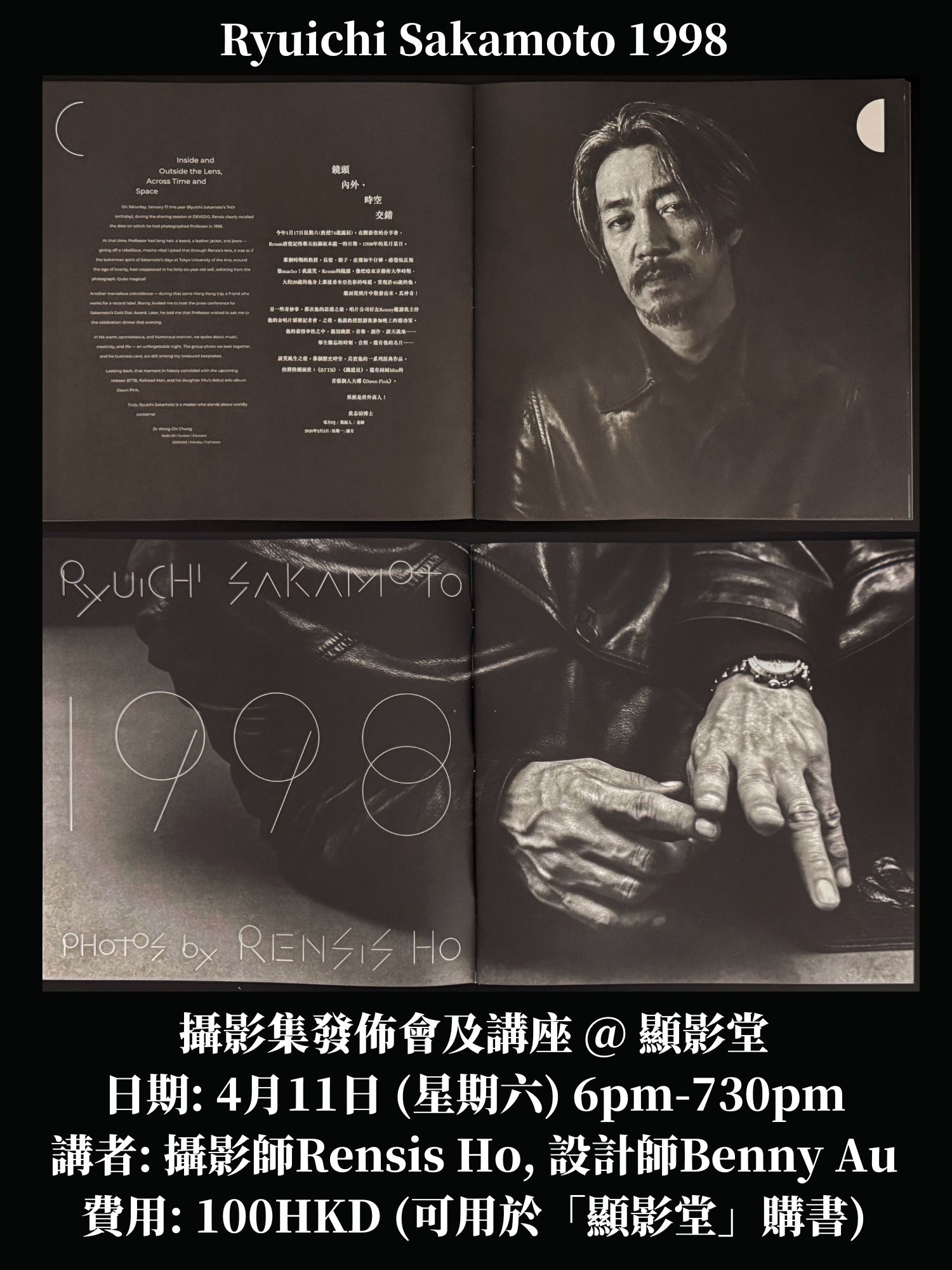
這些照片當時刊登於《新報》旗下的雜誌《新誌向 MAG PAPER》,雖然出版後有不錯迴響,但雜誌內容僅收錄幾張照片,加上出版僅半年便停刊,因此真正看過這些照片而仍有印象的人,估計並不多。2022年,Rensis曾向我展示某幾張坂本龍一照片,後來才知道當日他共拍攝四卷120菲林底片,有許多照片更從未展示過,這也成為2025年顯影堂首個攝影展覽《Ryuichi by Rensis》的契機。
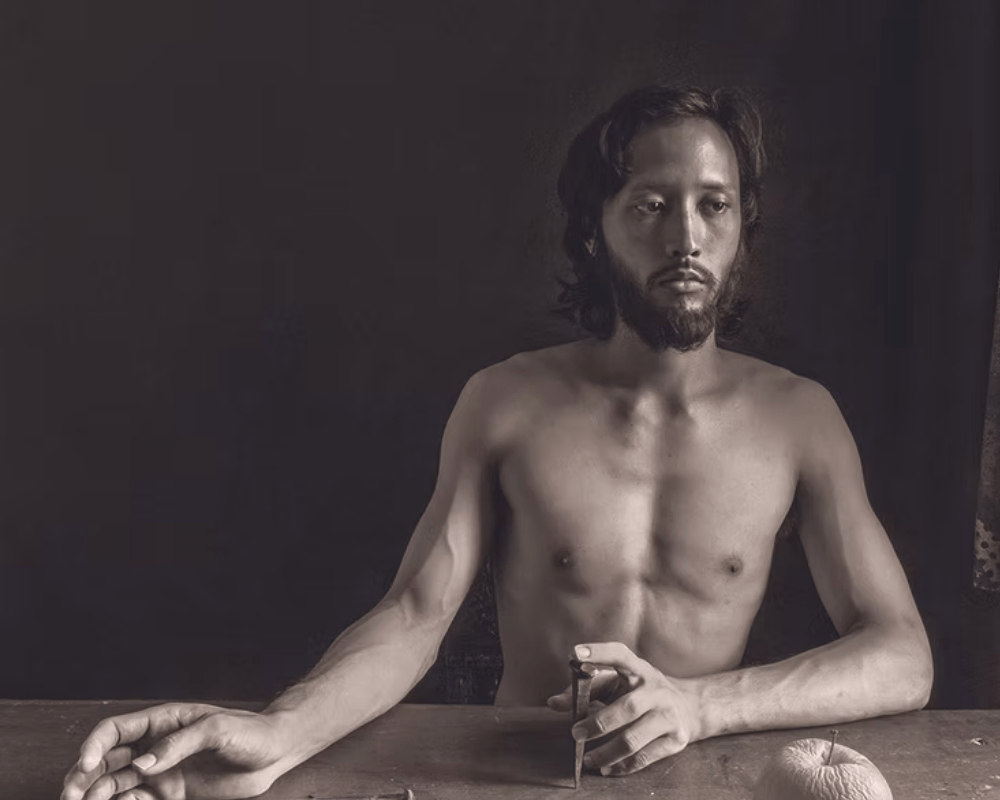
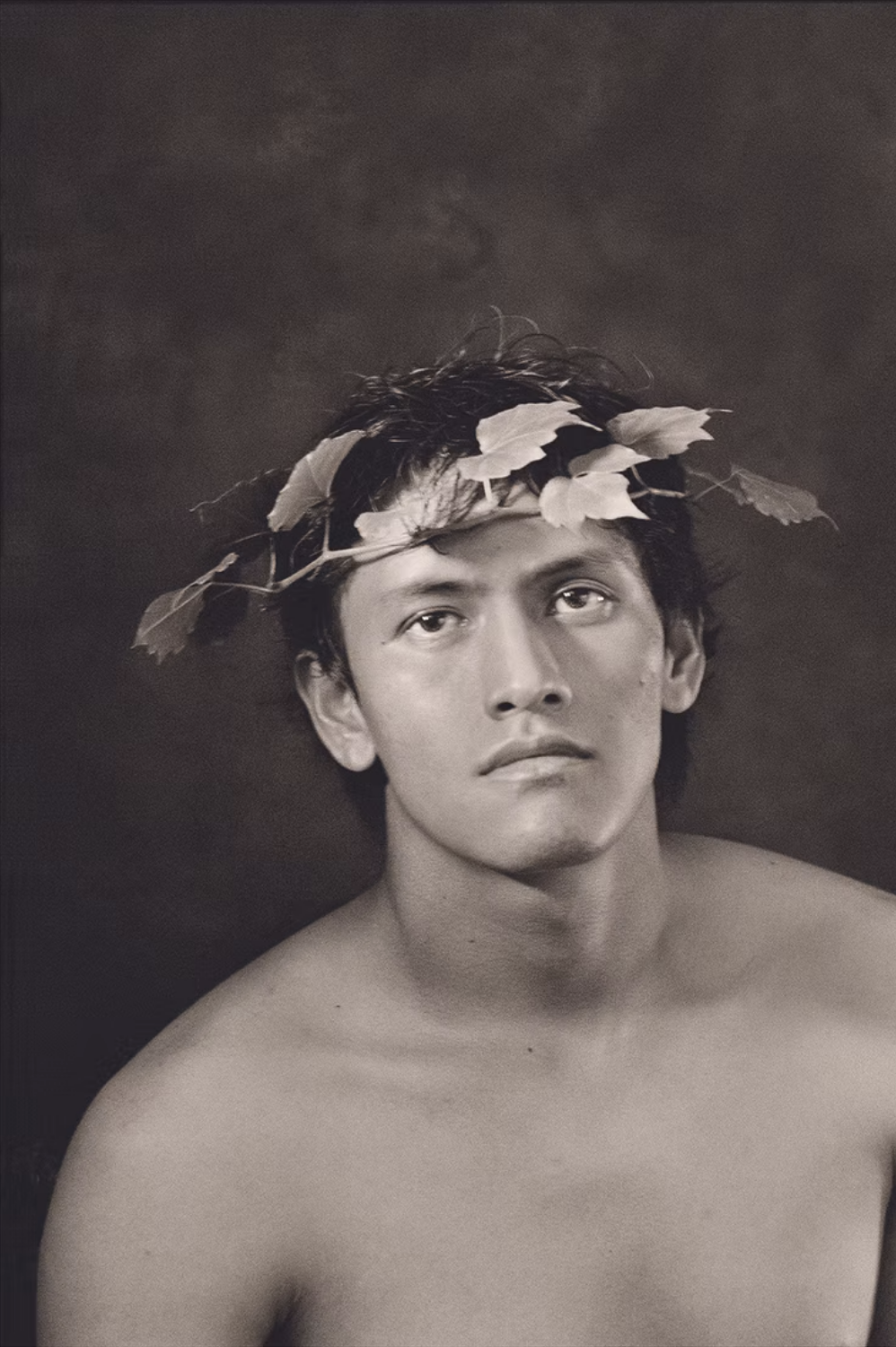
The portrait series “DUST ICON” by Stanley Fung has been gaining attention since its debut in China in 2016. The author, also a pastor, portrays his church members as models in this series. This work comprises 98 poignant pieces.
In his youth, Stanley Fung had vowed to become an evangelist himself. After his father’s death from cancer, he struggled for two years before deciding at the age of 35 to attend seminary.
He transformed a church in Shilin, Taipei, into a small, warm art space, picking up a camera to create the “DUST ICON “ series, using congregants as models and drawing from biblical stories. He regrets not understanding his father sooner, but is fulfilling his promise to his father through art.
Most of the works are captured under simple conditions: Stanley Fung uses his cherished Nikon FM2, a standard lens, a reflector, blackout cloth, and a large window that lets in light. Through this equipment, he presents a unique human perspective informed by the Bible.
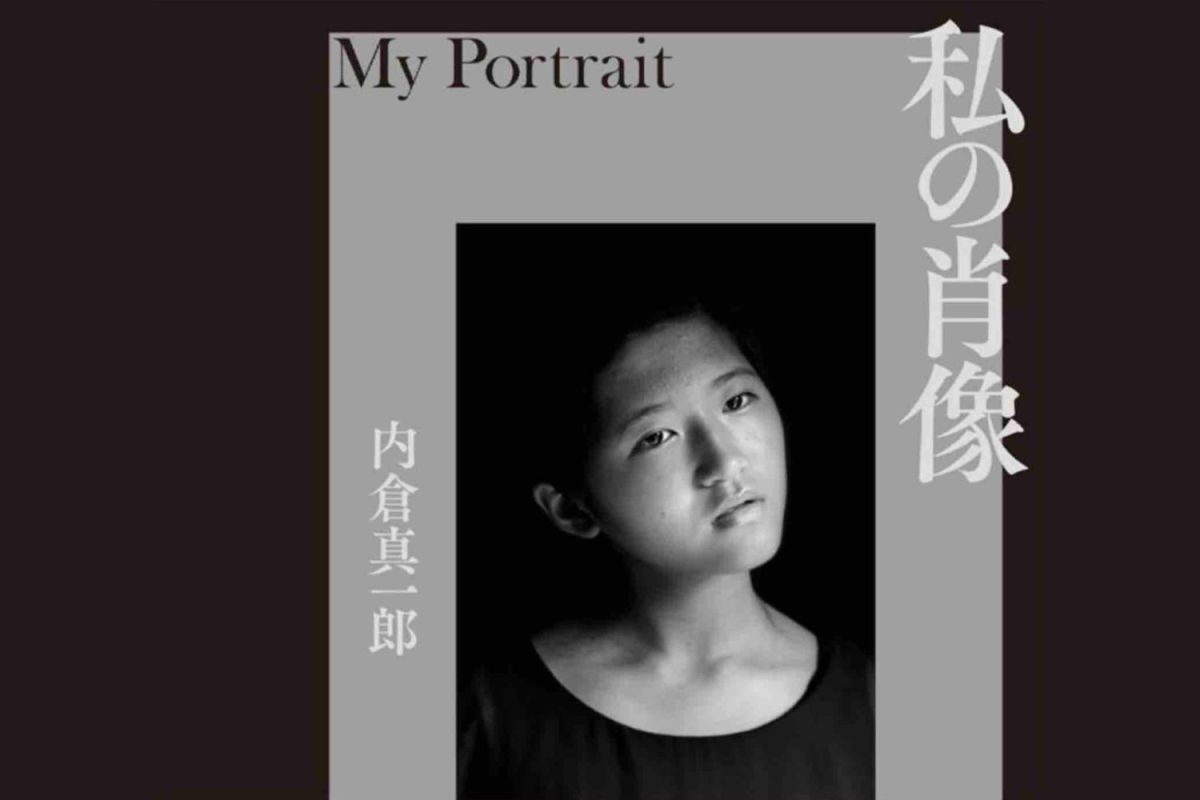
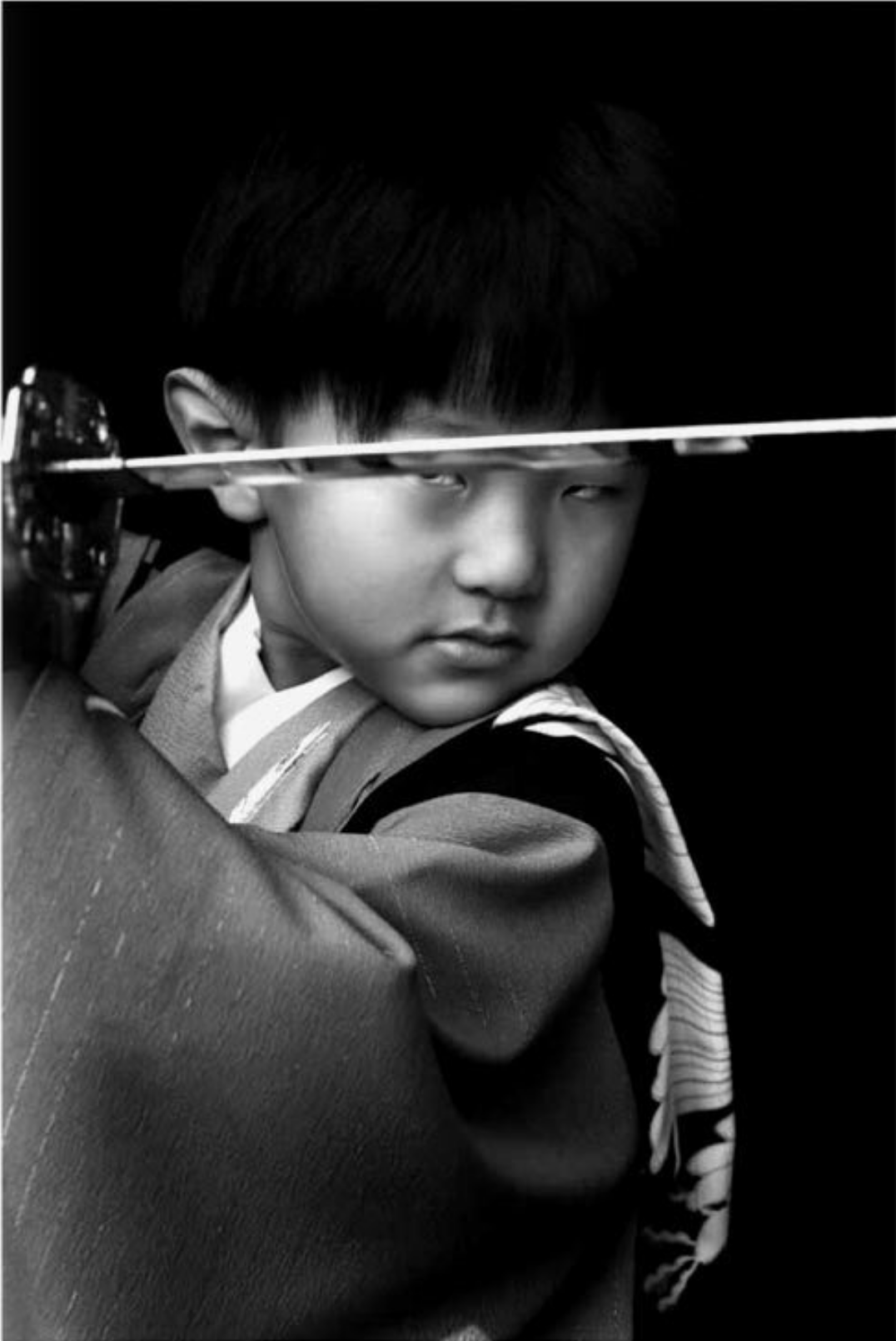
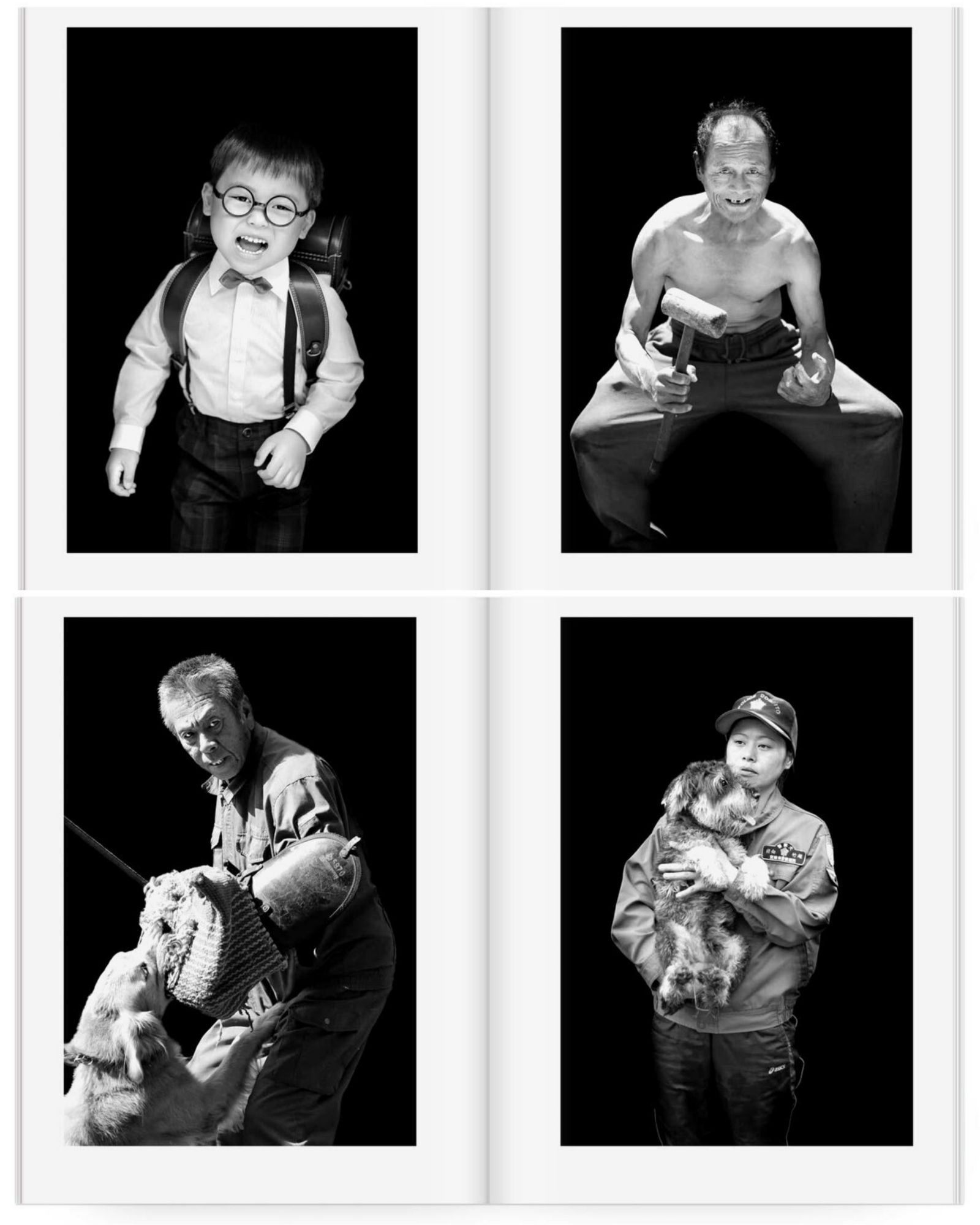
Shooting with natural light in a studio setting, photographer Shinichiro Uchikura asks his customers – ordinary people visiting the studio for commemorative photographs or portraits – for permission to include them in his own artistic series.
The subjects illuminated against a pitch-black background, Uchikura takes several hundred shots over five to ten minutes, later selecting the few unpredictable moments when his subjects let go of their masks and unexpected expressions appear.
While the photographs meet the methodological conventions of a standard “good portrait photograph,” they all have their own unique texture, their own unique “presence” beyond the captured subject, their own mysterious world.
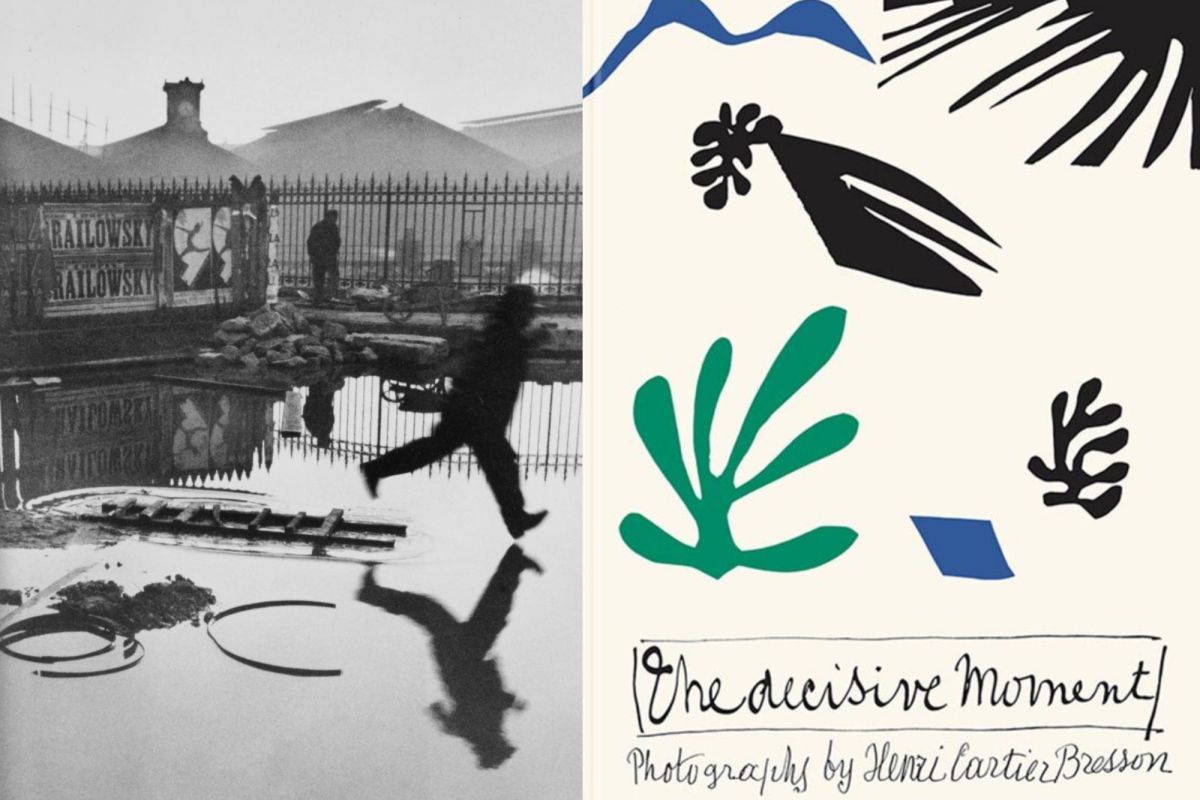
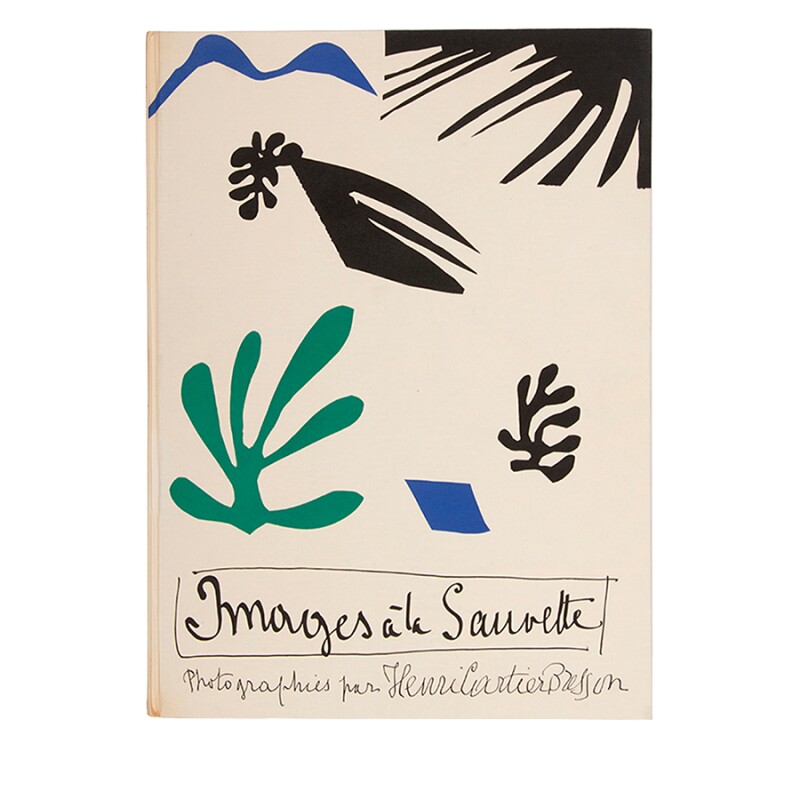
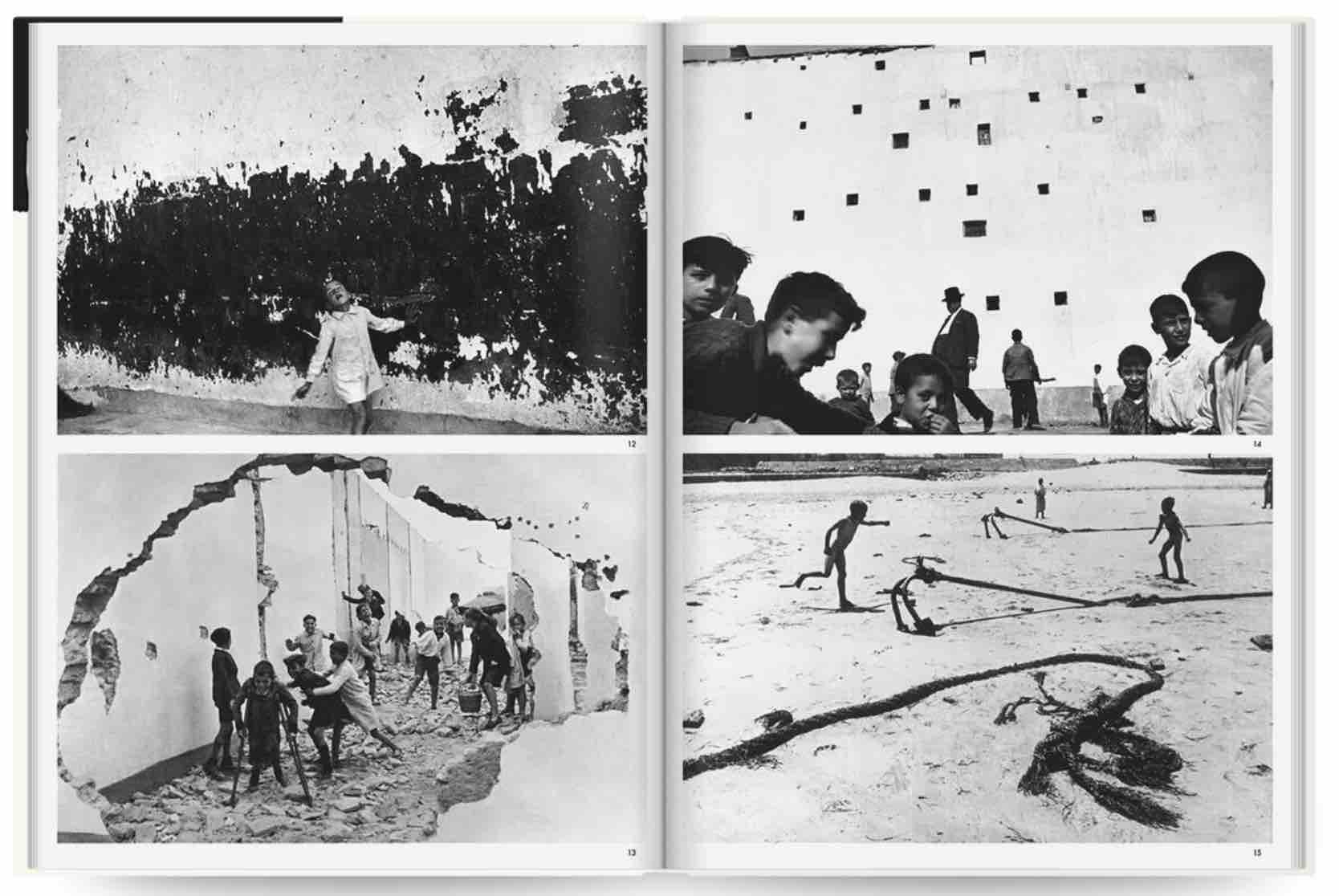
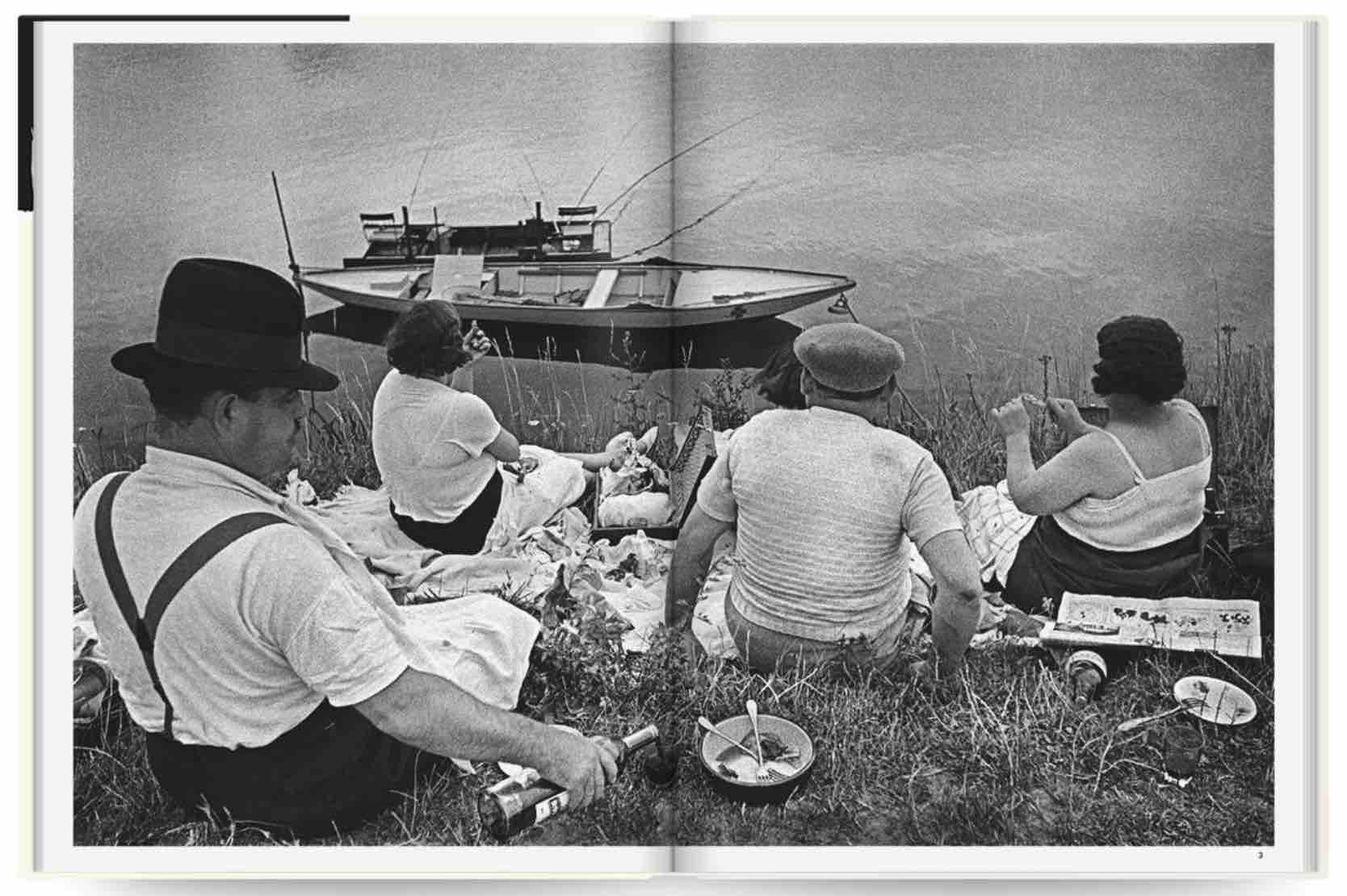
書中的照片構圖精緻、畫面中的元素動靜皆宜,充滿故事性;攝影師面對苦難不刻意渲染,有時卻能捕捉驚鴻一瞥的瞬間,正如他1932年的名作《Behind the Gare Saint-Lazare》,更成為他捕捉決定性瞬間風格的標誌。他的照片與攝影理論,至今持續影響幾個世代的攝影師,因此《The Decisive Moment》一書也被喻為紀實攝影界的聖經。
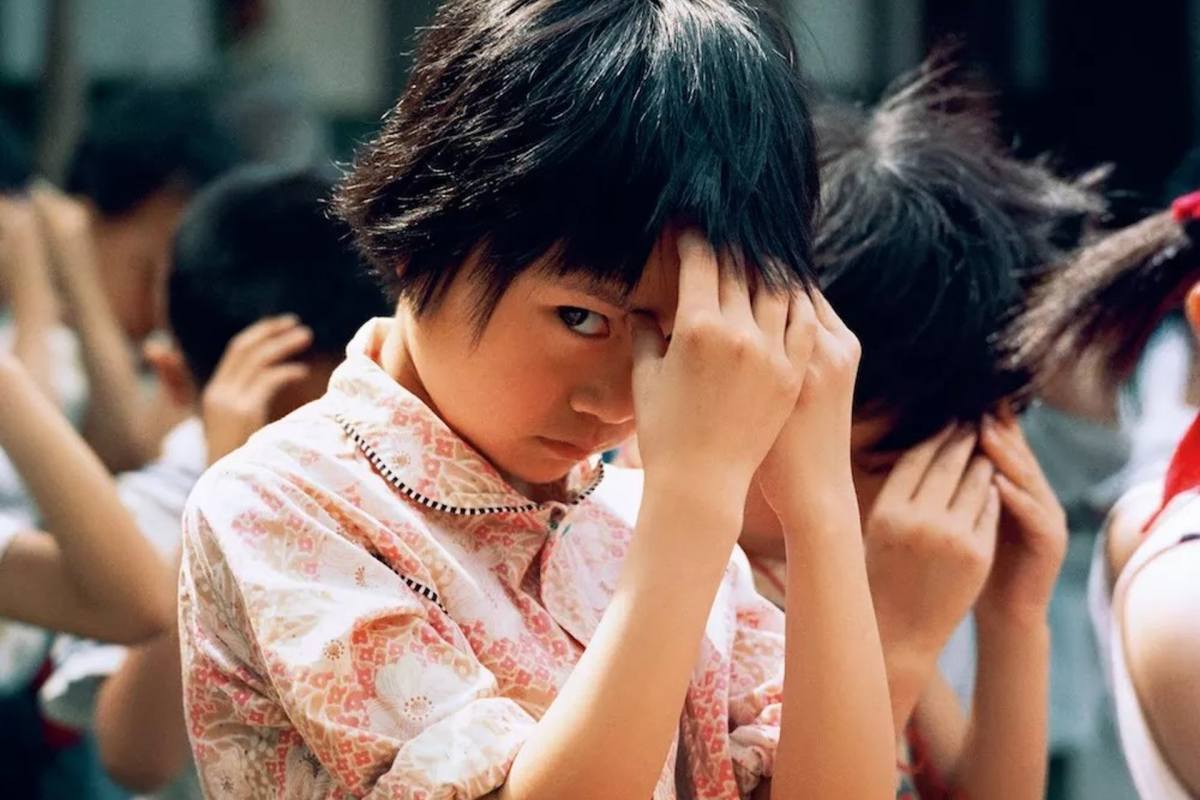
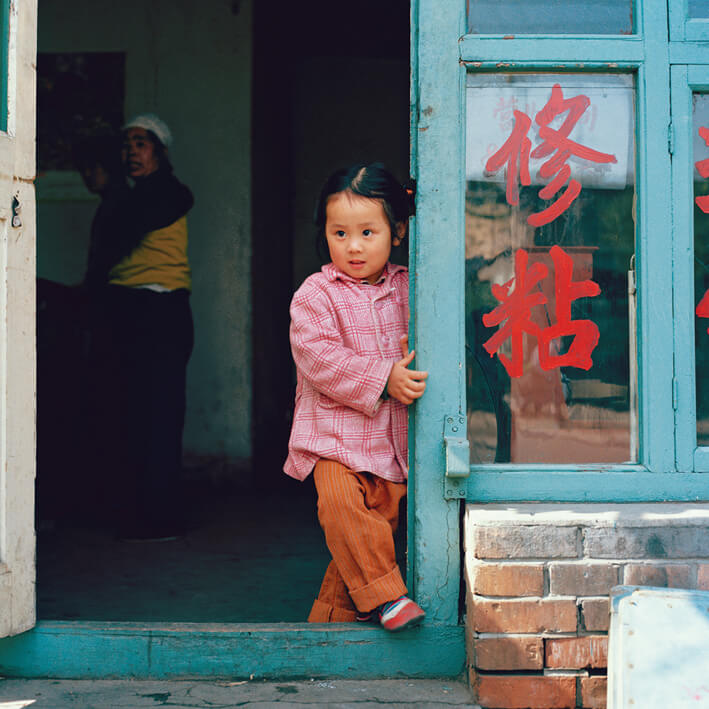
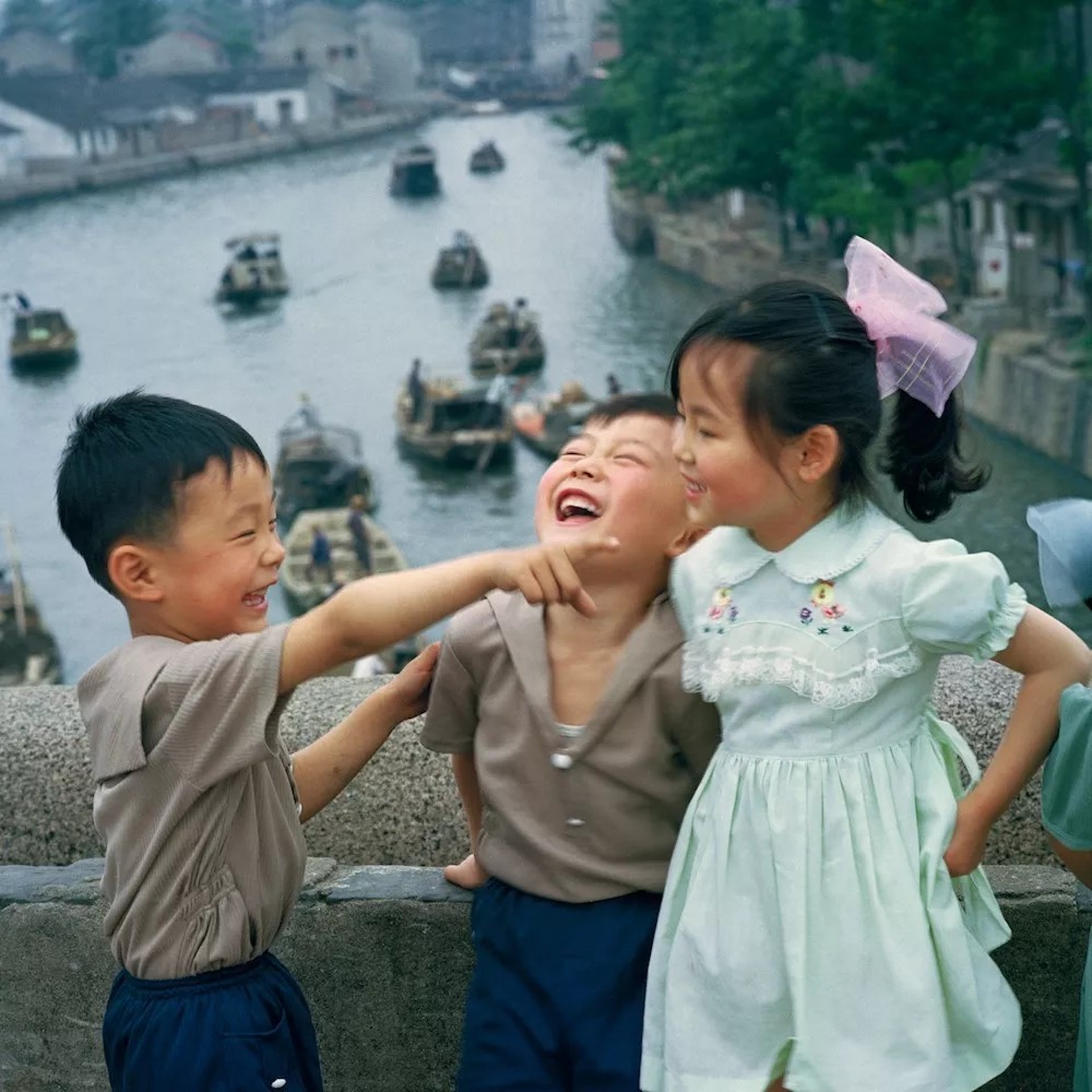
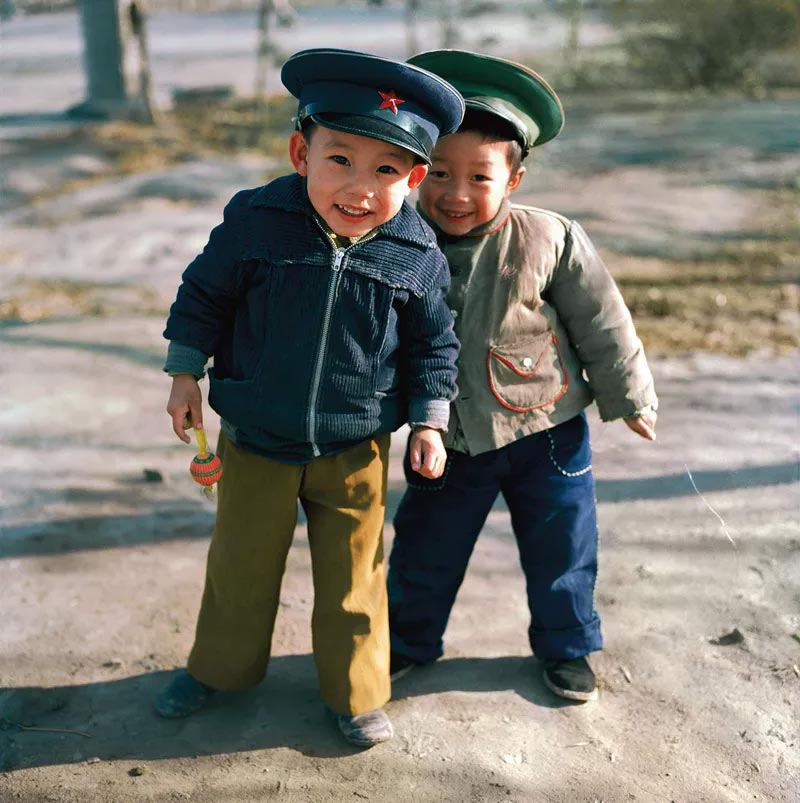
Japanese photographer Ryoji Akiyama’s children’s photo book “Dear Old Days.”
Born in Tokyo in 1942, Akiyama Ryoji graduated from the Faculty of Letters of Waseda University. He has been active as a freelance photographer since working at the Asahi Shimbun Photography Department. He set foot in China five times from 1981 to 1982, photographed Chinese children in various parts of the country, including Beijing, Shanghai, Guangzhou, Chengdu, Harbin, Urumqi, etc., leaving a total of nearly 8,000 photos and selected 116 pictures to assemble into the book “Dear Old Days” in 1983.
It was at the beginning of China’s reform and opening up. Happiness is simple in an innocent age without mobile phones and the Internet. Akiyama portrayed the children within the boundaries of play, capturing them from a close distance with his Rolleiflex camera. Behind their straightforward smiles, the red brick walls, five-star hats, and propaganda slogans in the photos also mark an era to a certain extent.
Three decades later, Kyoto-based publisher Seisodo reprinted Ryoji Akiyama’s Dear Old Days, and it gained popularity in China and Japan. The books can be purchased at @devedo.hk