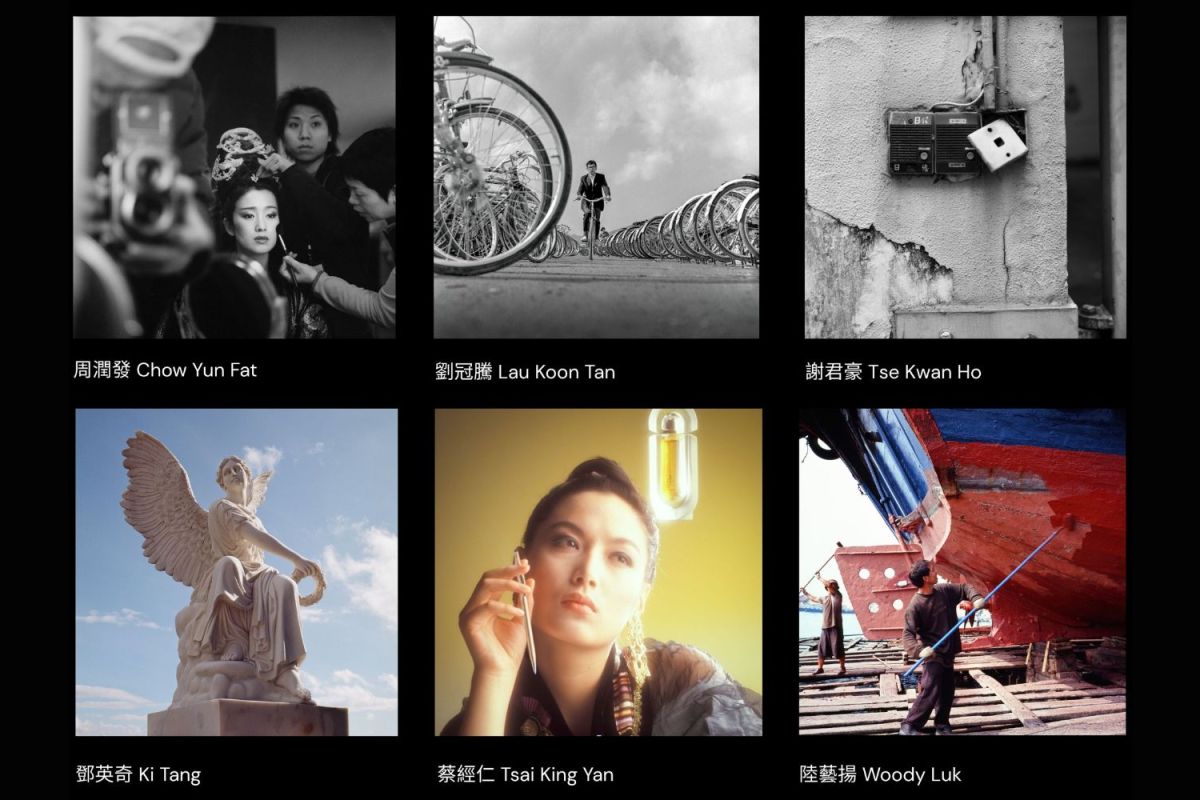
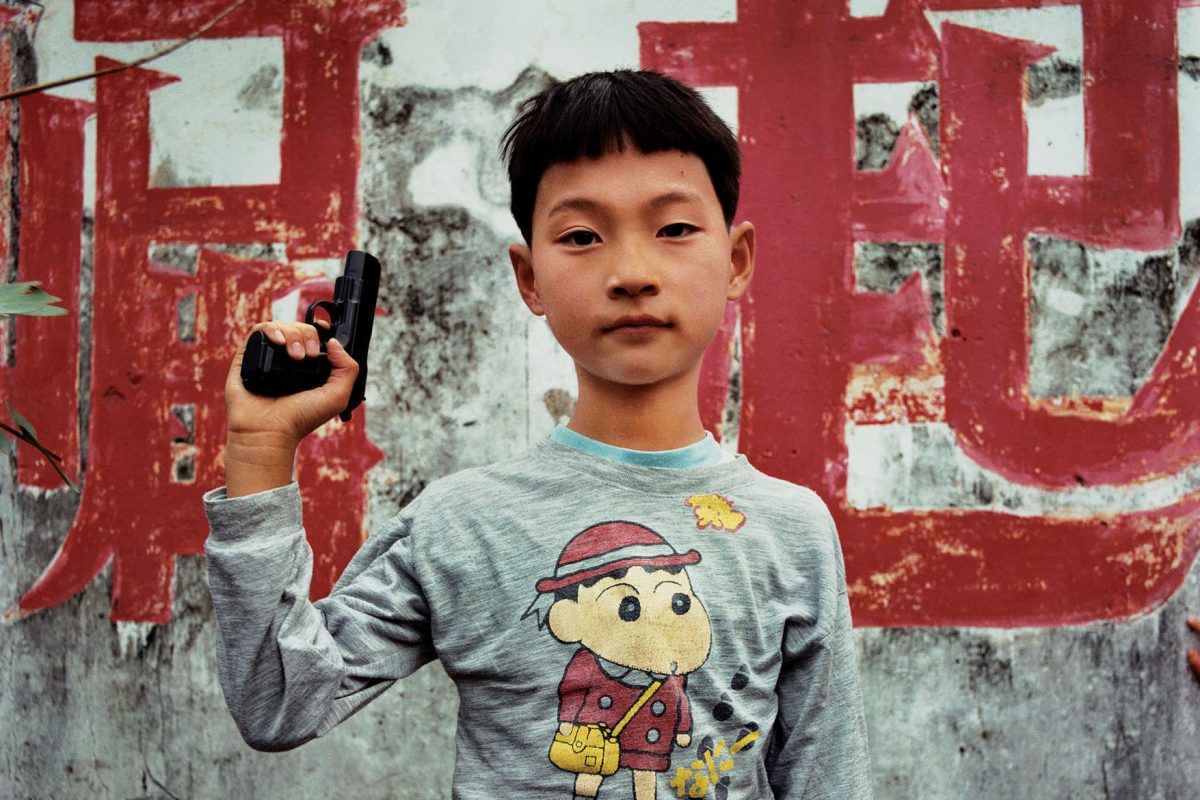
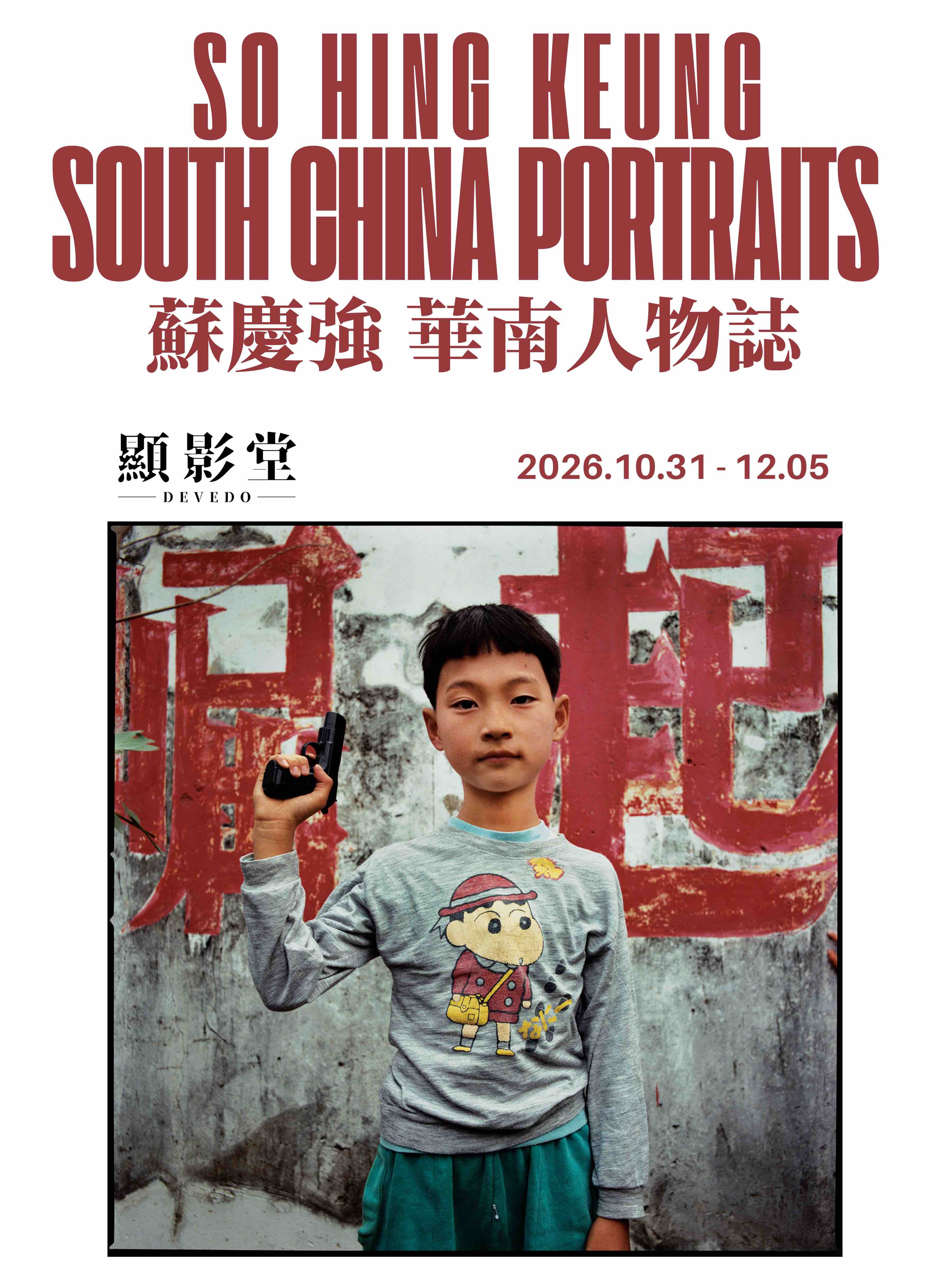
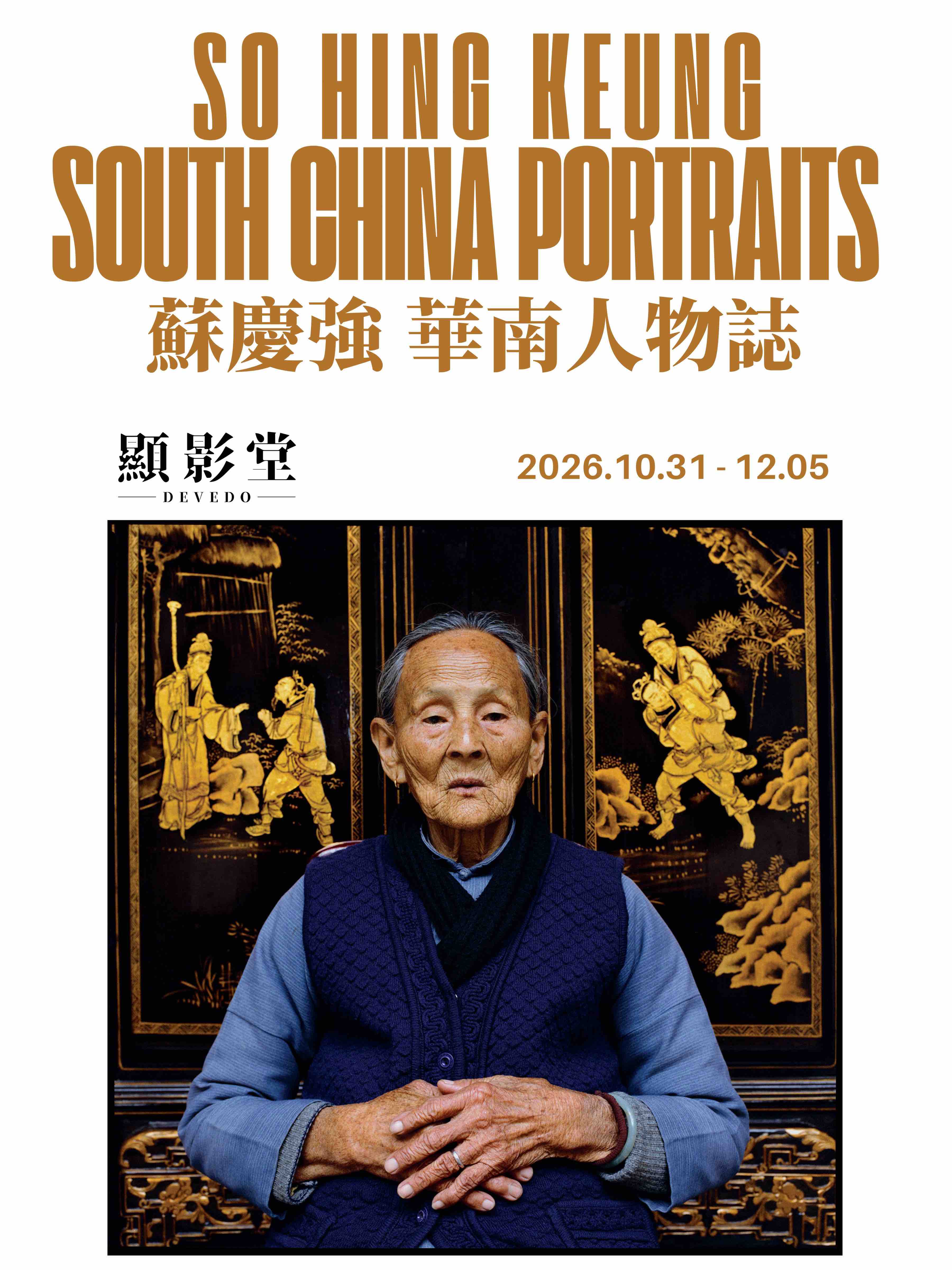
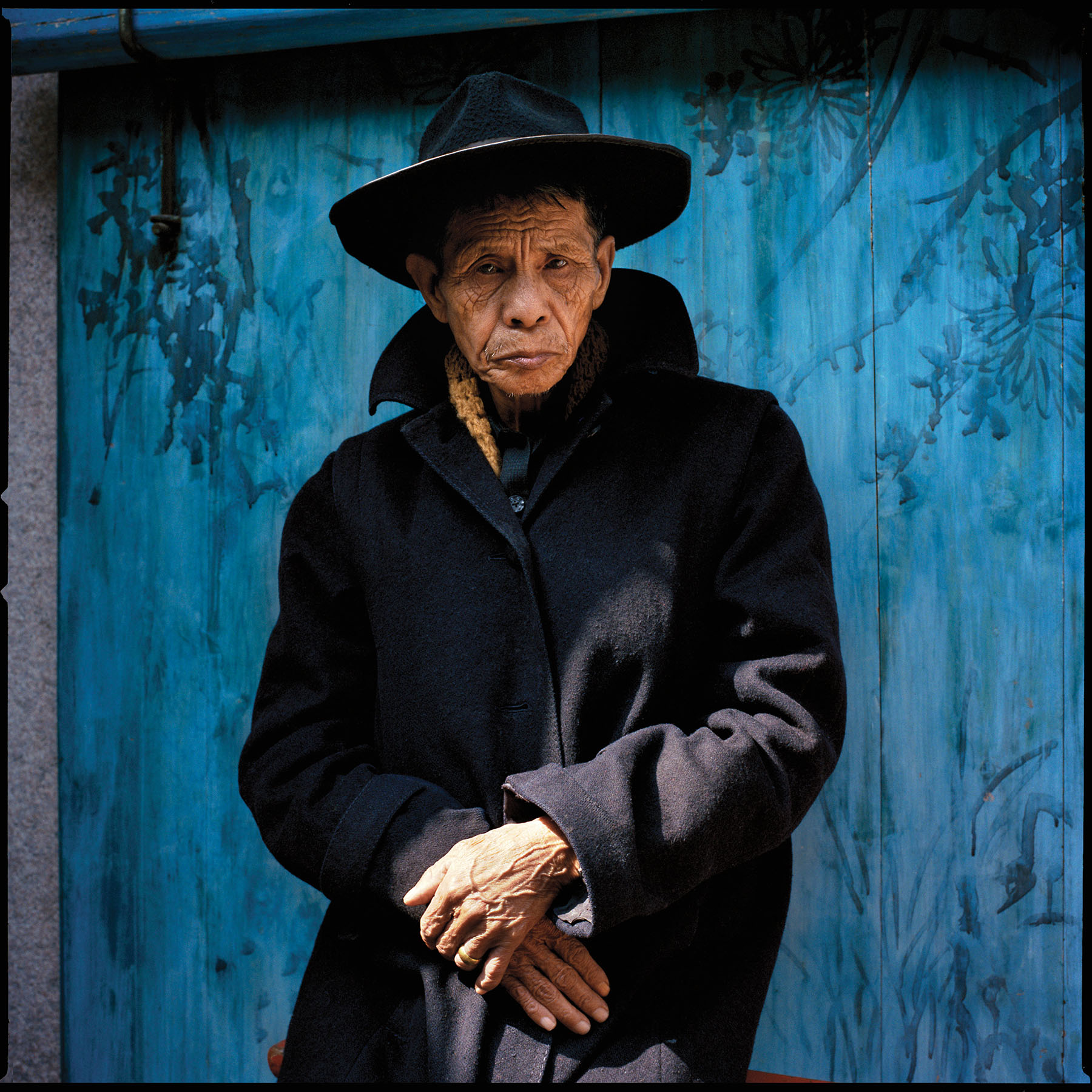
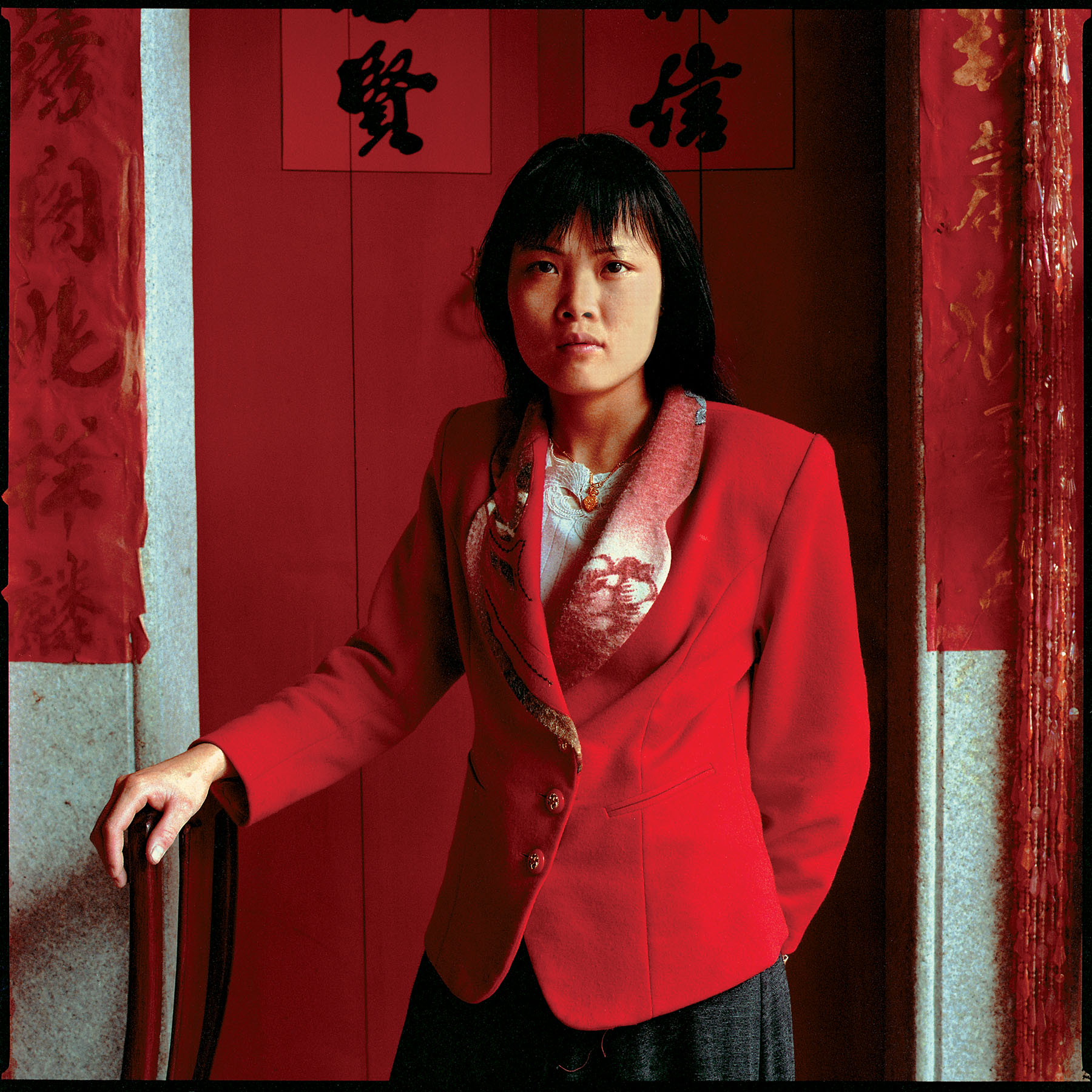
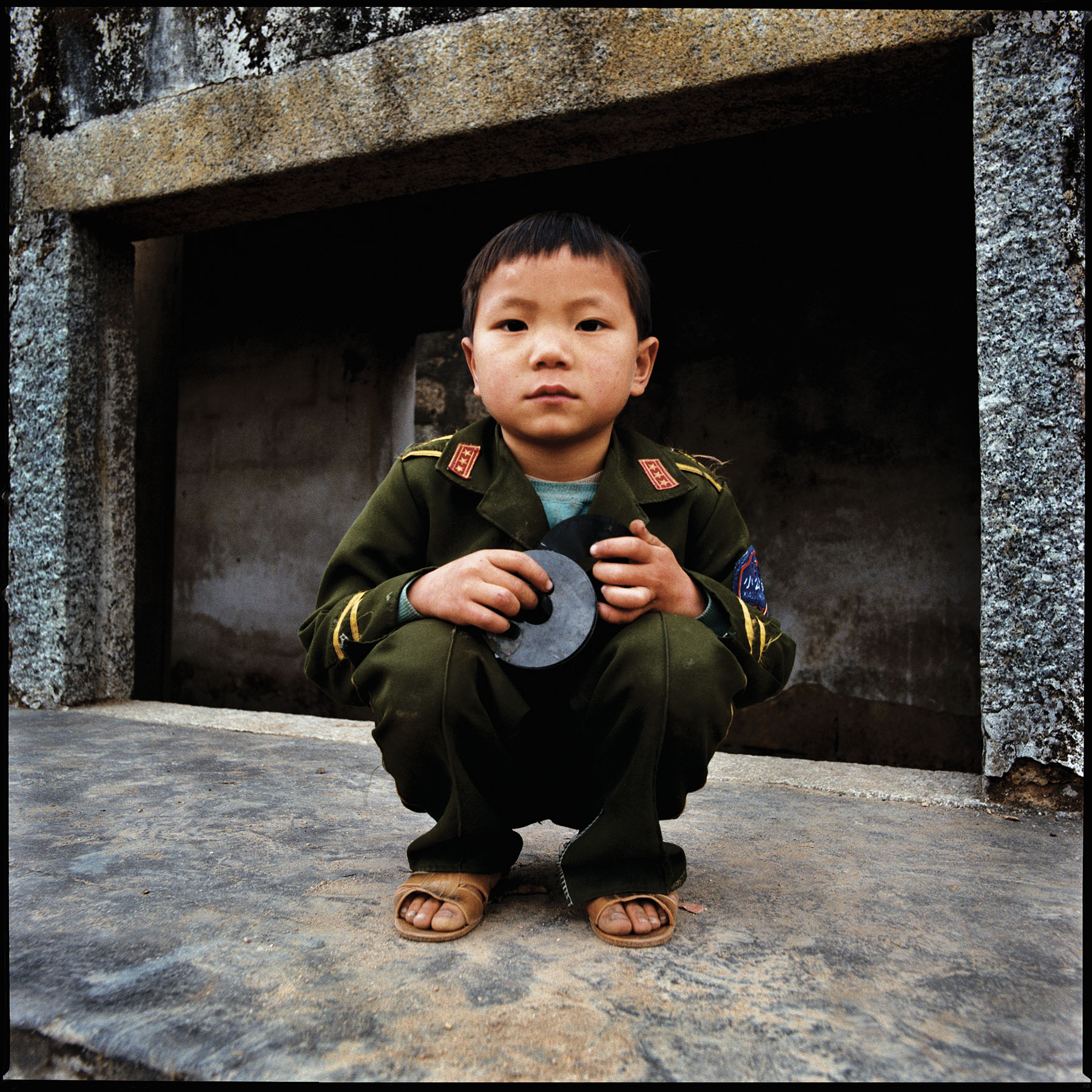
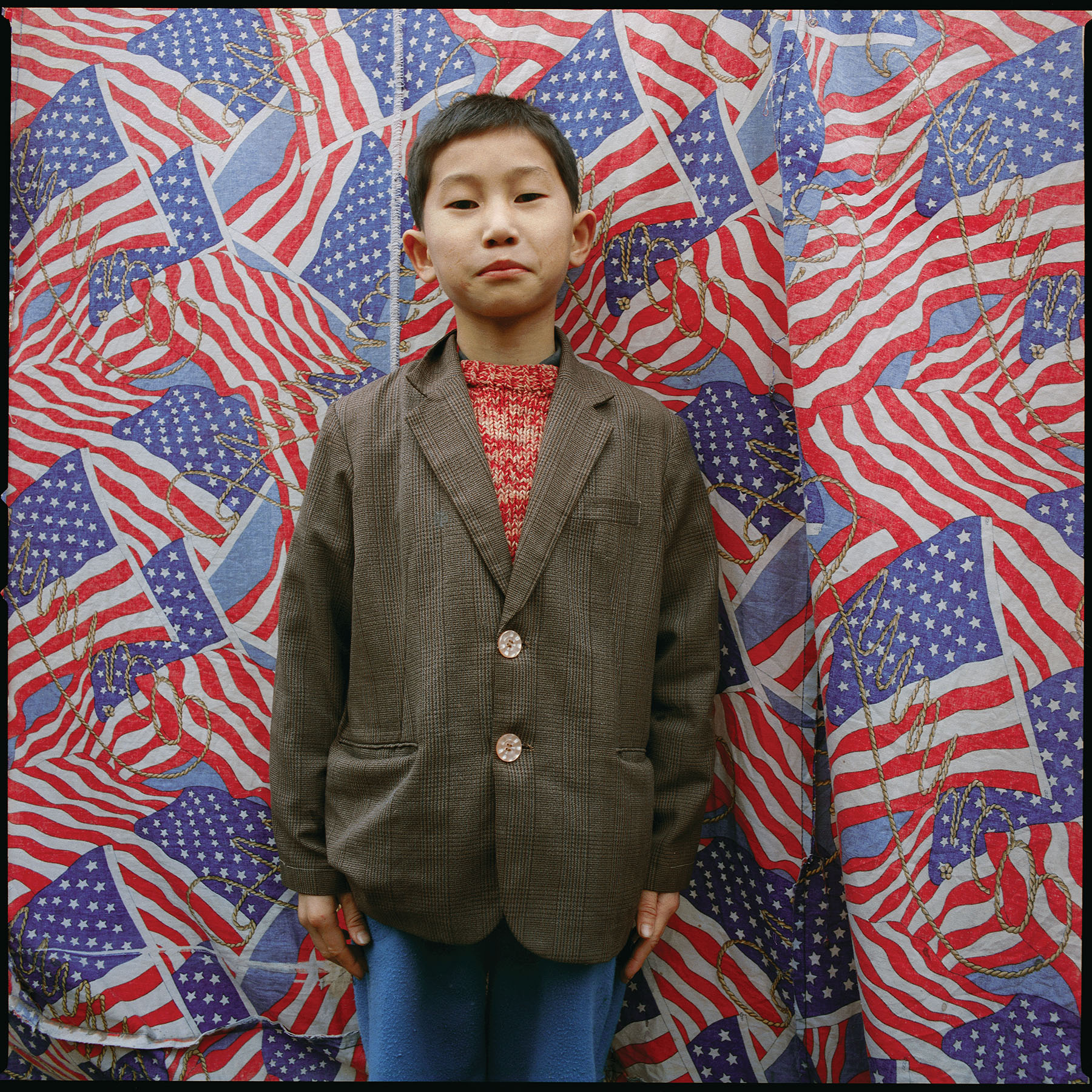
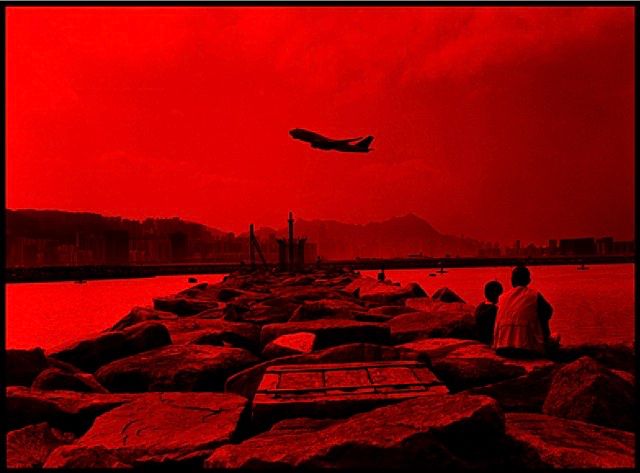
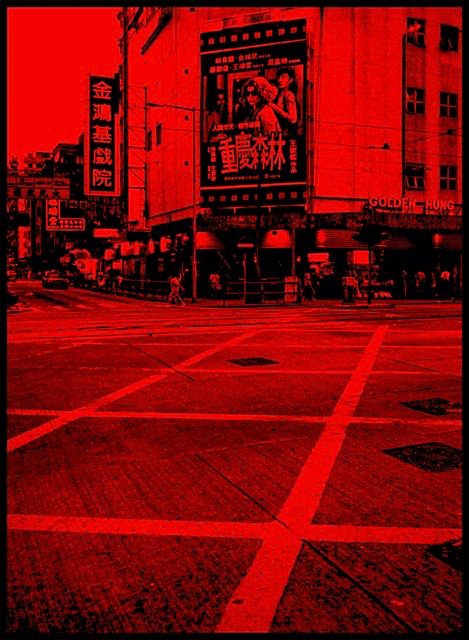
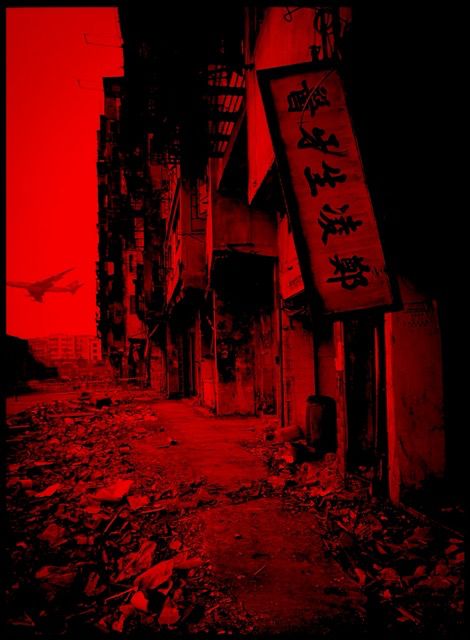
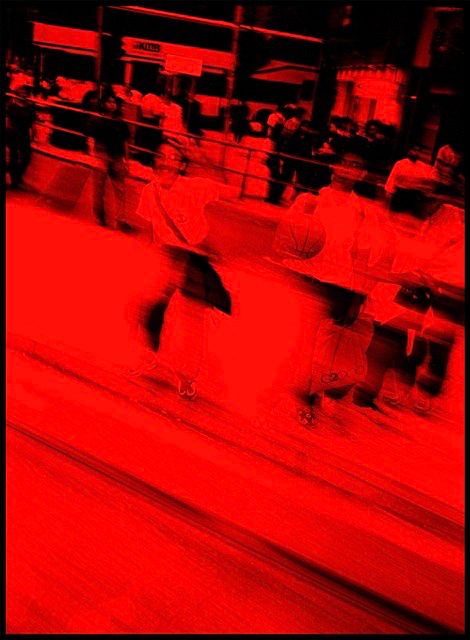
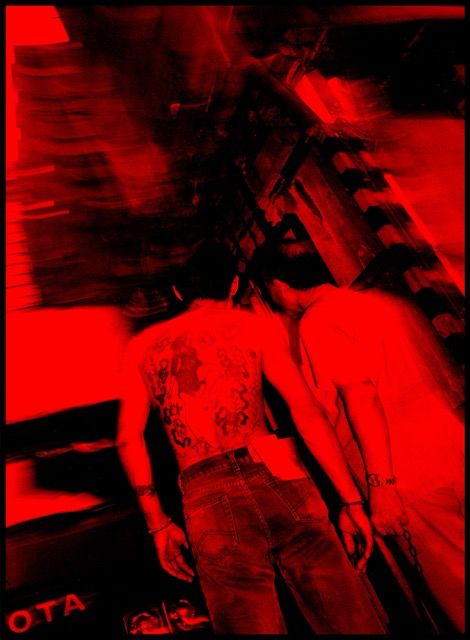
To accompany the release of artist SO Hing Keung’s latest photography book, South China Portraits, the Hong Kong photography bookstore space DEVEDO is hosting a self-titled exhibition featuring multiple portrait works captured in Southern China from the 1990s to the 2000s.
So Hing Keung set foot in China in 1981. At the start of the reform and opening-up period, transportation was inconvenient; he traveled to the mainland numerous times—from Yunnan and Sichuan to Tibet, Xinjiang, and Harbin—leaving his footprints across the country as he captured what he saw.
He began by photographing landscapes and people’s daily lives, then gradually shifted toward portrait photography. So Hing Keung narrowed his focus to Guangdong Province, near Hong Kong—especially the Chaoshan region, known for strong traditional folkways and family values. Beginning in 1995, he embarked on a multi-year portrait photography project, replacing his initial 135 camera with a Hasselblad 120 to capture locals’ lifestyles more rigorously.
As a photographer, So Hing Keung notes that a person’s body language, expressions, and clothing can all reveal their lifestyle and inner world. In his portraits, viewers are always drawn to the subjects’ expressions. Whether it is an old lady full of wrinkles, an innocent child, or a woman wearing a red coat, they almost all keep their emotions hidden. Yet, their gestures and surroundings seem to hint at certain messages.
A little boy wears a Crayon Shin-chan outfit and holds a toy gun against a red background featuring the characters for “Rise,” subtly evoking a particular era. Even more striking is the portrait of an older woman. Sitting with a dignified posture in front of a golden folding screen, her blue clothing gives her an aristocratic air. Against the golden screen, she looks especially solemn, resembling a classical portrait painting.
For him, different photographic tools not only change how one observes things, but also shape the subject’s mindset. He often carries two cameras: a point-and-shoot for the photos people want, and a Hasselblad for the images he pursues.
Interestingly, the atmosphere is much more relaxed with the point-and-shoot, whereas subjects immediately turn serious, and even dress up, when photographed with the Hasselblad. Using a Hasselblad feels ritualistic. Through natural light, So Hing Keung lets these plain rural villagers show confidence and noble grace.
Over the past 30 years, he has continued to photograph portraits in South China, reflecting changes among the people. In the past, simple-hearted people in remote rural areas still seemed to uphold certain traditional values. After reform and opening up, the mainland developed rapidly. Looking back today, not only have certain traditions changed, but people’s spiritual outlook has also changed completely.
South China Portraits is not only an outstanding collection of portrait photography, but it also bears witness to the lives of grassroots citizens and the historical changes during the early days of China’s reform and opening-up. These images transcend personal emotion, carrying the face of an era and the life trajectories of those photographed.
SO Hing Keung graduated from Hong Kong Polytechnic University with a degree in Photographic Design. He has worked as a lecturer at Hong Kong Polytechnic University and Hong Kong Art School. He is currently a part-time lecturer in the Department of Fine Arts at the Chinese University of Hong Kong.
He received the Photographic Fellowship from the Asian Cultural Council (1995), the Prize of Excellence at the 2001 Hong Kong Art Biennial, and the Visual Artist of the Year Award (2023) from the Hong Kong Arts Development Council. Since the 1980s, his works have been shown worldwide and collected by the Hong Kong Museum of Art, the Hong Kong Heritage Museum, City University of Hong Kong, and others.
DEVEDO is one of Hong Kong’s distinguished photography bookstores, founded in July 2025 by LAU Tung-Pui, photography curator and founder of the Hong Kong photography platform PhotogStory. In addition to offering a wide selection of photography books, DEVEDO also regularly hosts photography talks and exhibitions.
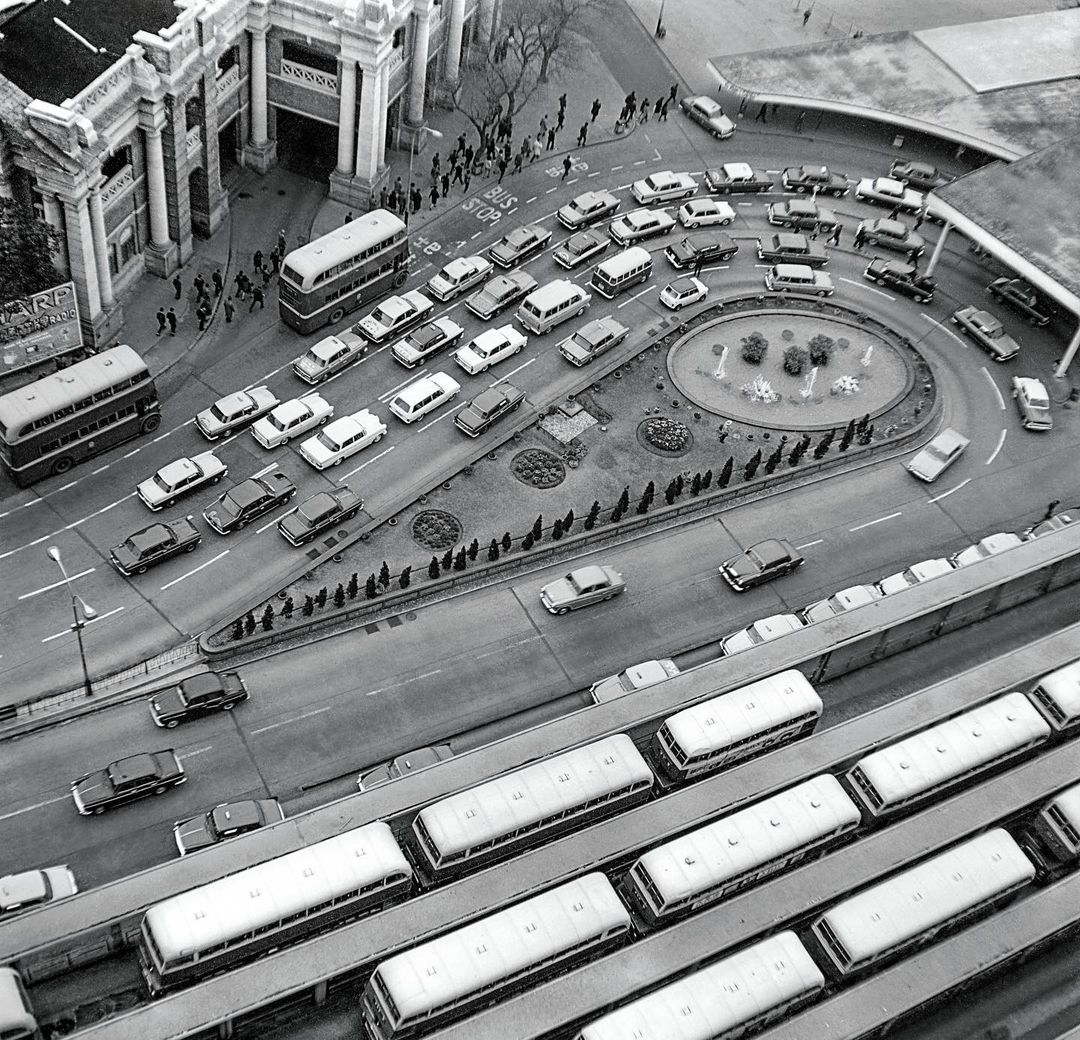
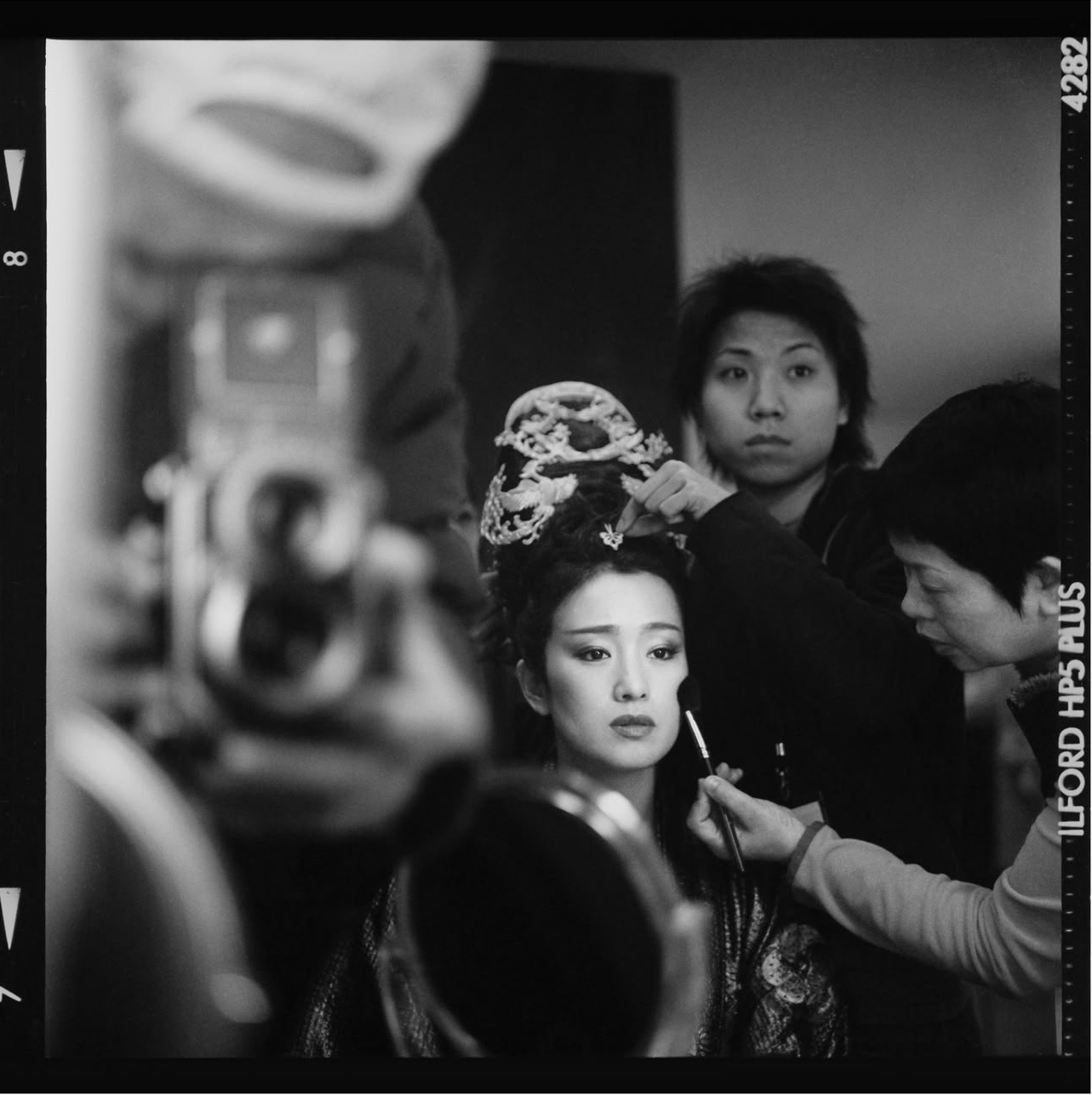
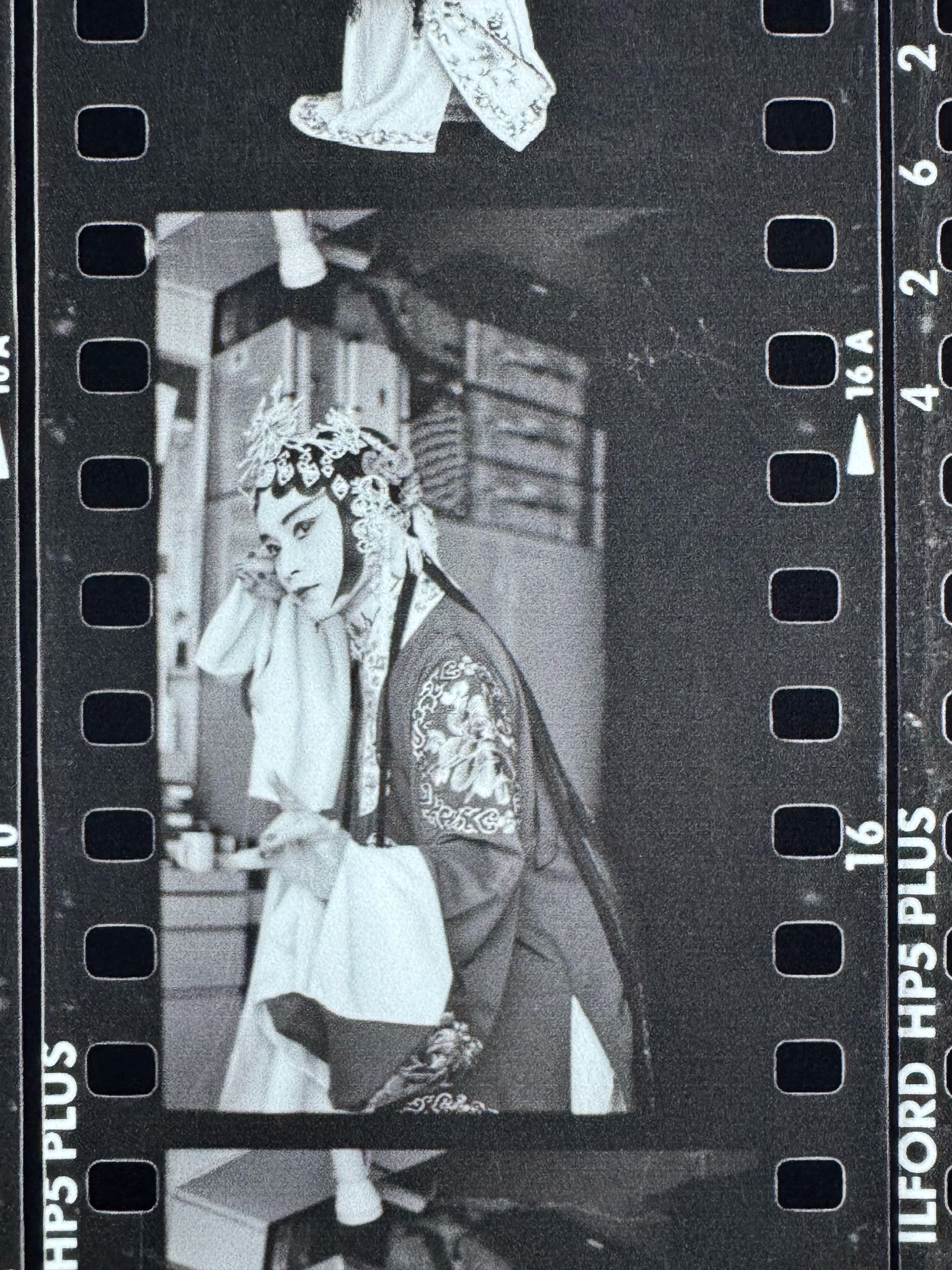
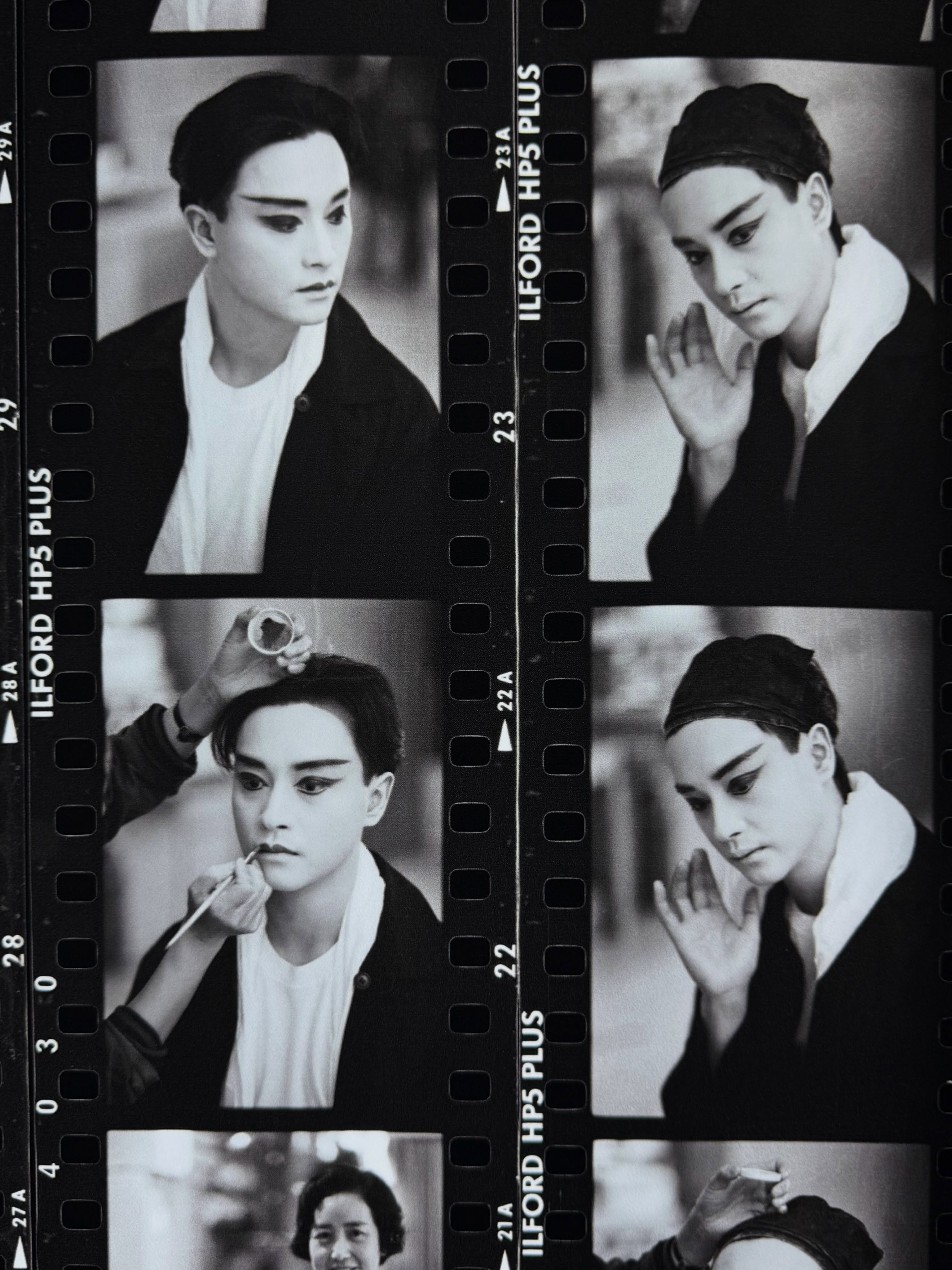
雜誌封面由著名攝影師黃永熹 Sam Wong 操刀,全黑封面的花旦造型媚態橫生,封面標題是「反串」,在當時引起很大迴響。徐楓及陳凱歌看到照片後均大感驚艷,於是再次與張國榮洽談角色,還邀來李碧華幫忙說服。在香港知專設計學院(HKDI)舉行的《風華70 • 設計共鳴 哥哥紀念展》現場,正展出雜誌封面背後花絮照片,由Sam Wong助手Jockey Cheung拍攝,可謂十分珍貴。
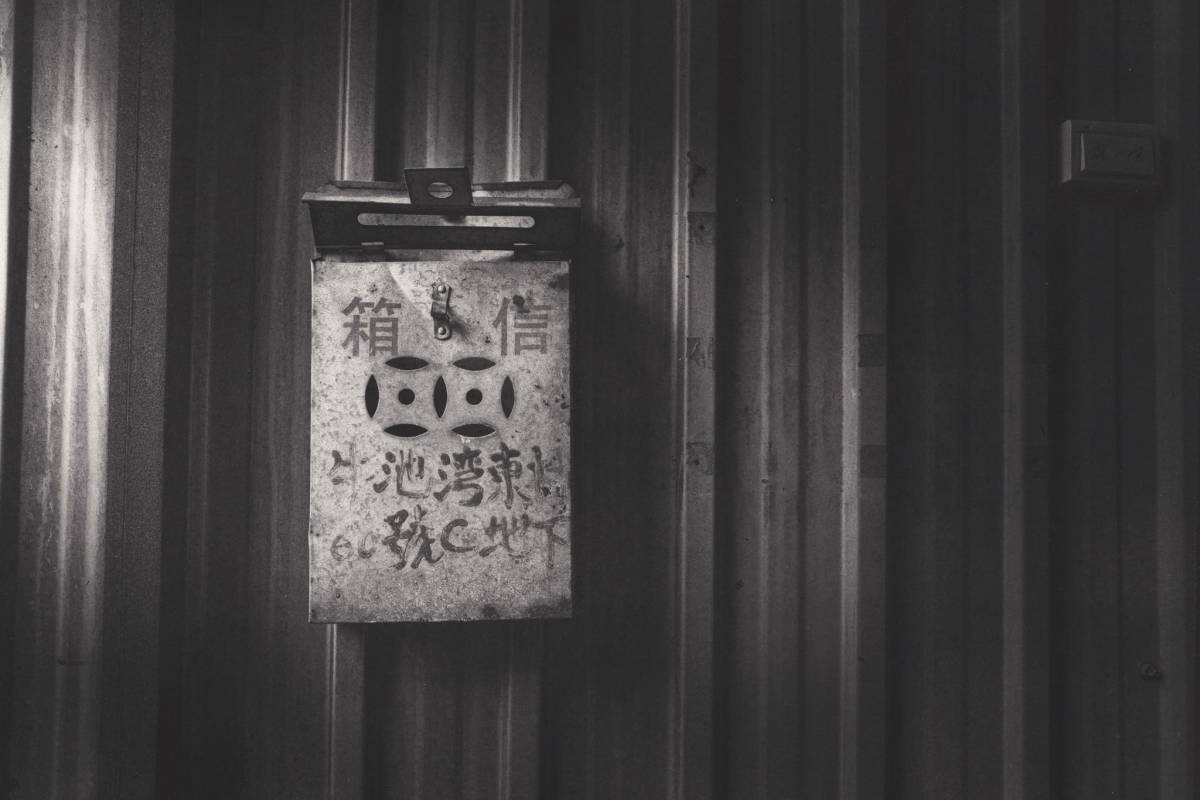
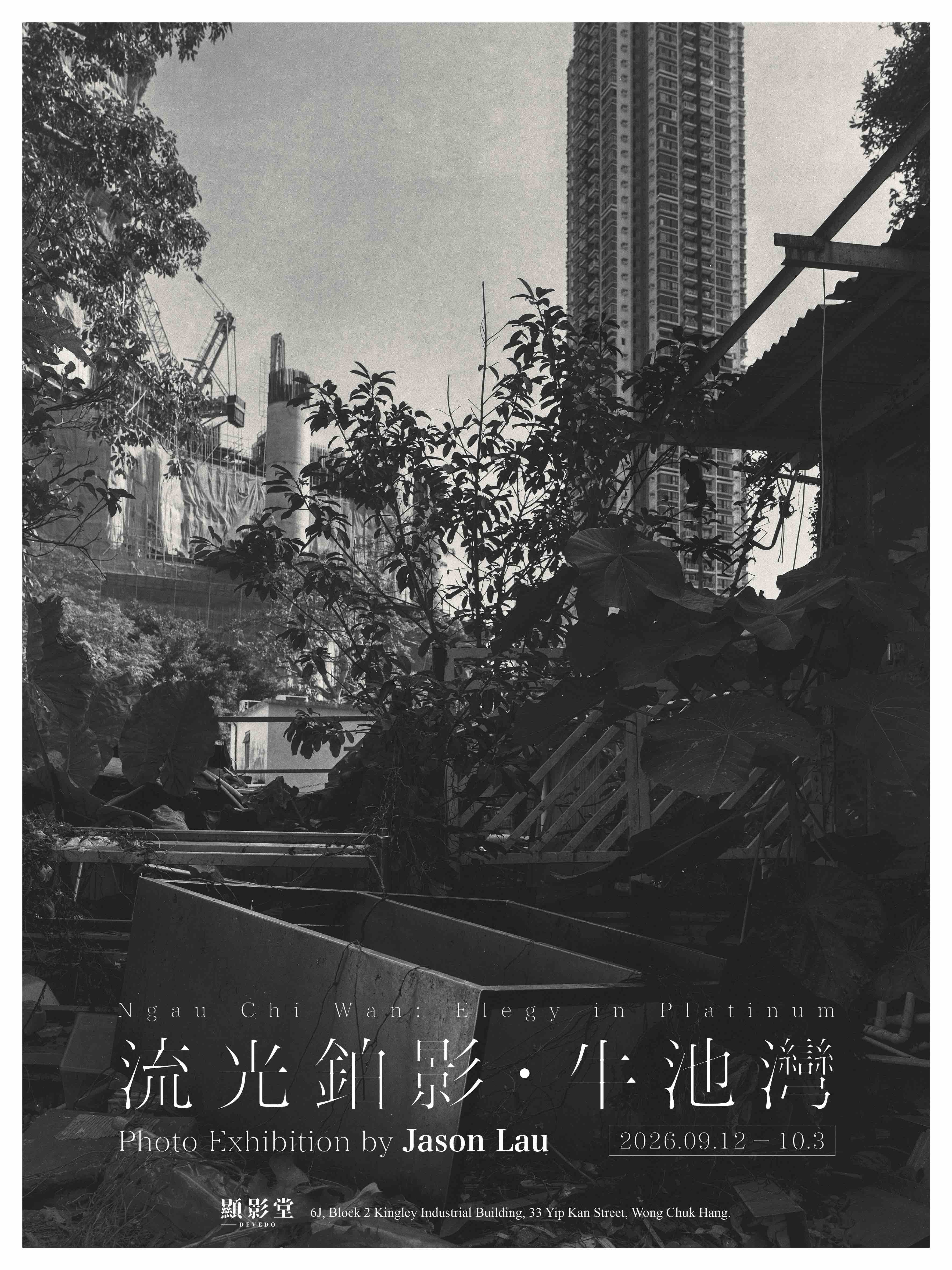
展覽《流光鉑影·牛池灣》(Ngau Chi Wan: Elegy in Platinum) 展出多幅Jason拍攝的作品,他選擇以十九世紀的古典工藝「鉑鈀印相」(Platinum-Palladium Print),將這些即將消逝的景象定格。在沉穩的黑白階調與歷史的重量之間,展開一場關於時間與回憶的對話。
Jason Lau Solo Exhibition at DEVEDO Ngau Chi Wan: Elegy in Platinum
The texture of memory is often most poignant when it is on the verge of vanishing.
With over two centuries of history, Ngau Chi Wan is one of the oldest remaining villages in urban Hong Kong—a testament to generations of agricultural life and close-knit community warmth. Just a lane away from the old market beyond the Ngau Chi Wan Village archway, the village is facing its final days. Stepping inside, visitors are greeted by rows of tin-roofed houses; the steamers of the once-bustling Sun Lung Shing Tea House are long gone. As the hustle and bustle fades, how do we say farewell?
Hong Kong photographer Jason Lau excels at capturing the minutiae of everyday life through a calm, gentle lens. After spending more than a decade abroad, Lau returned to Hong Kong last year, and he frequently photographs the streets, alleys, and public housing estates. Among these locations, Ngau Chi Wan Village left the deepest impression.
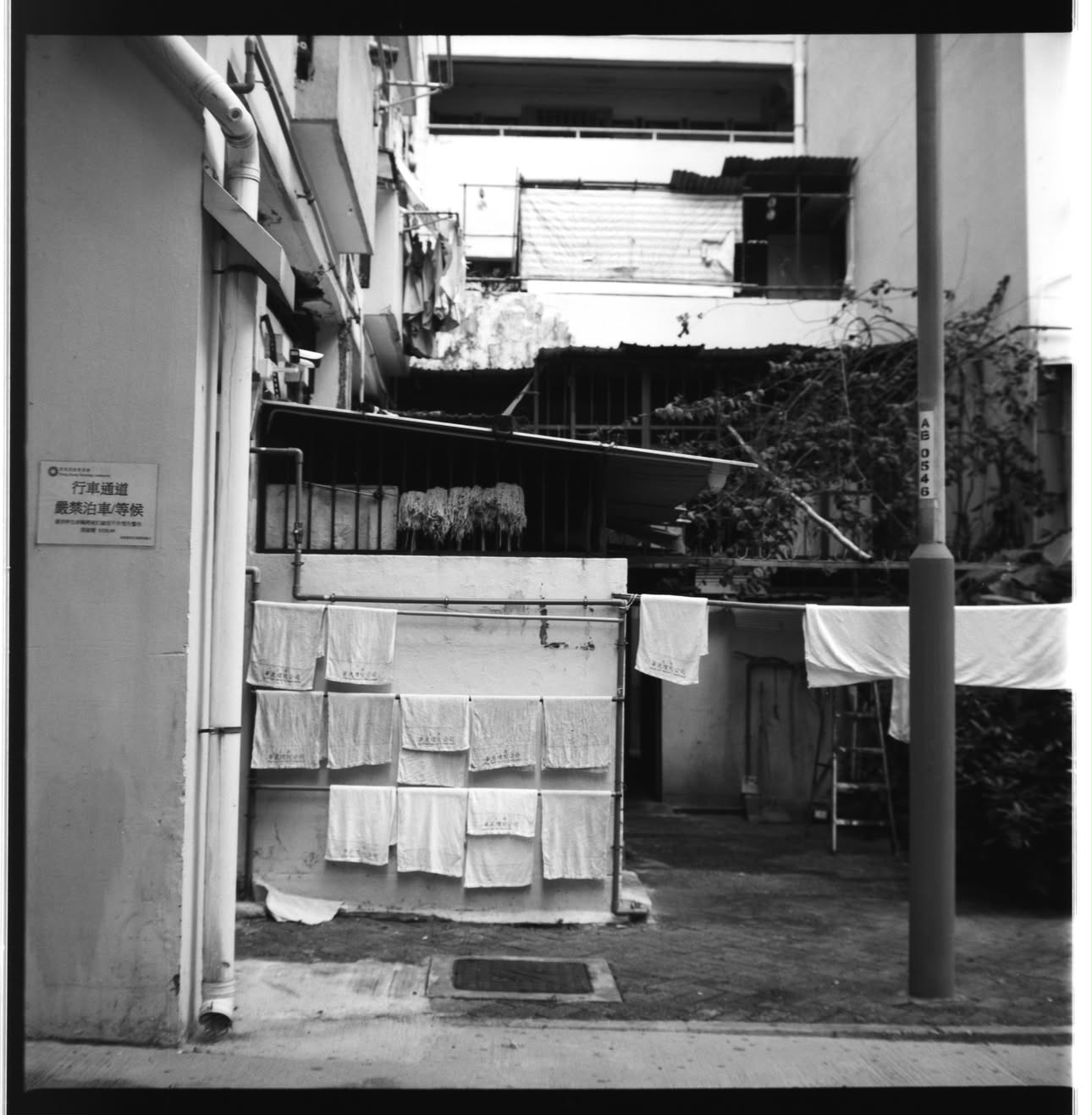
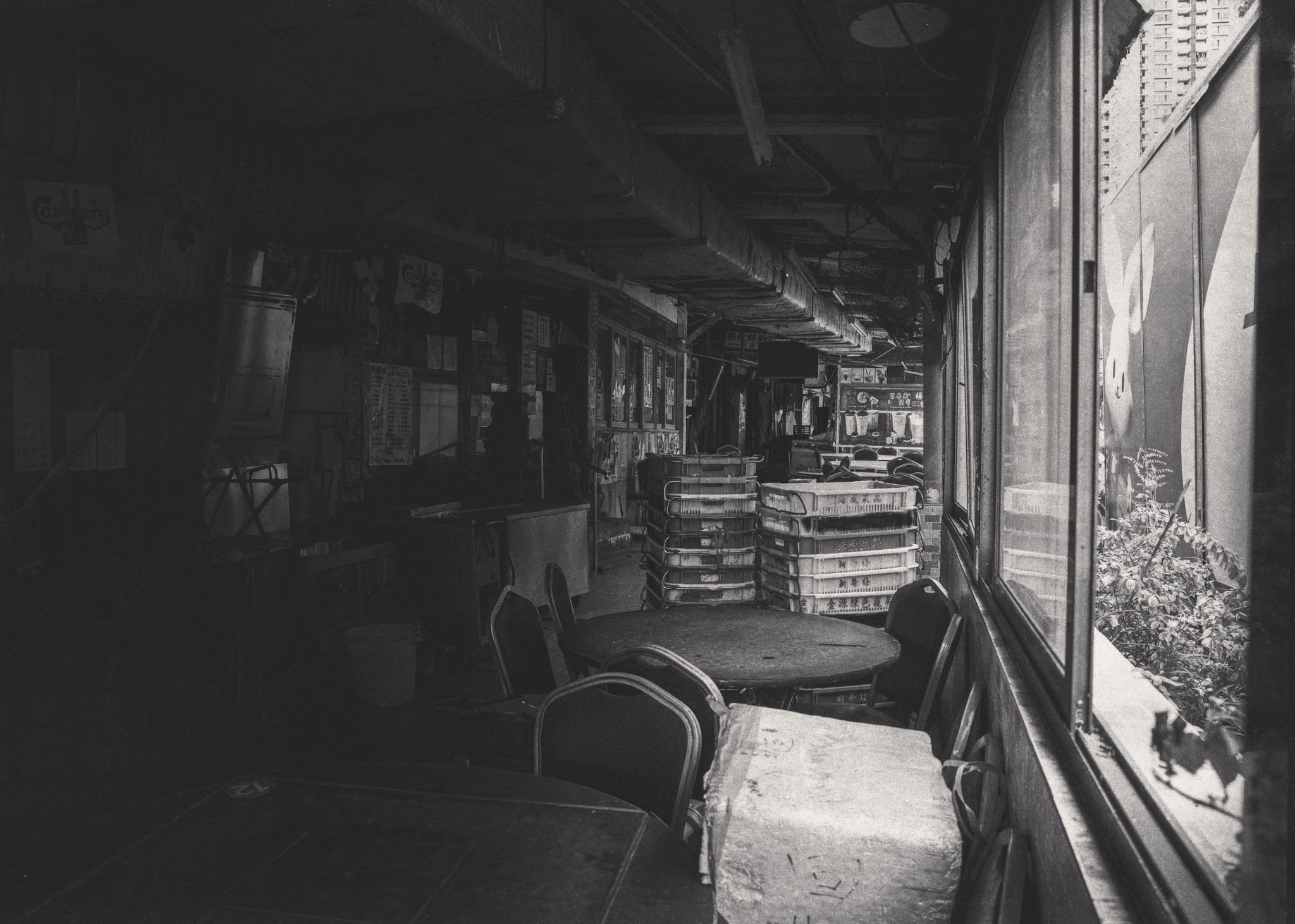
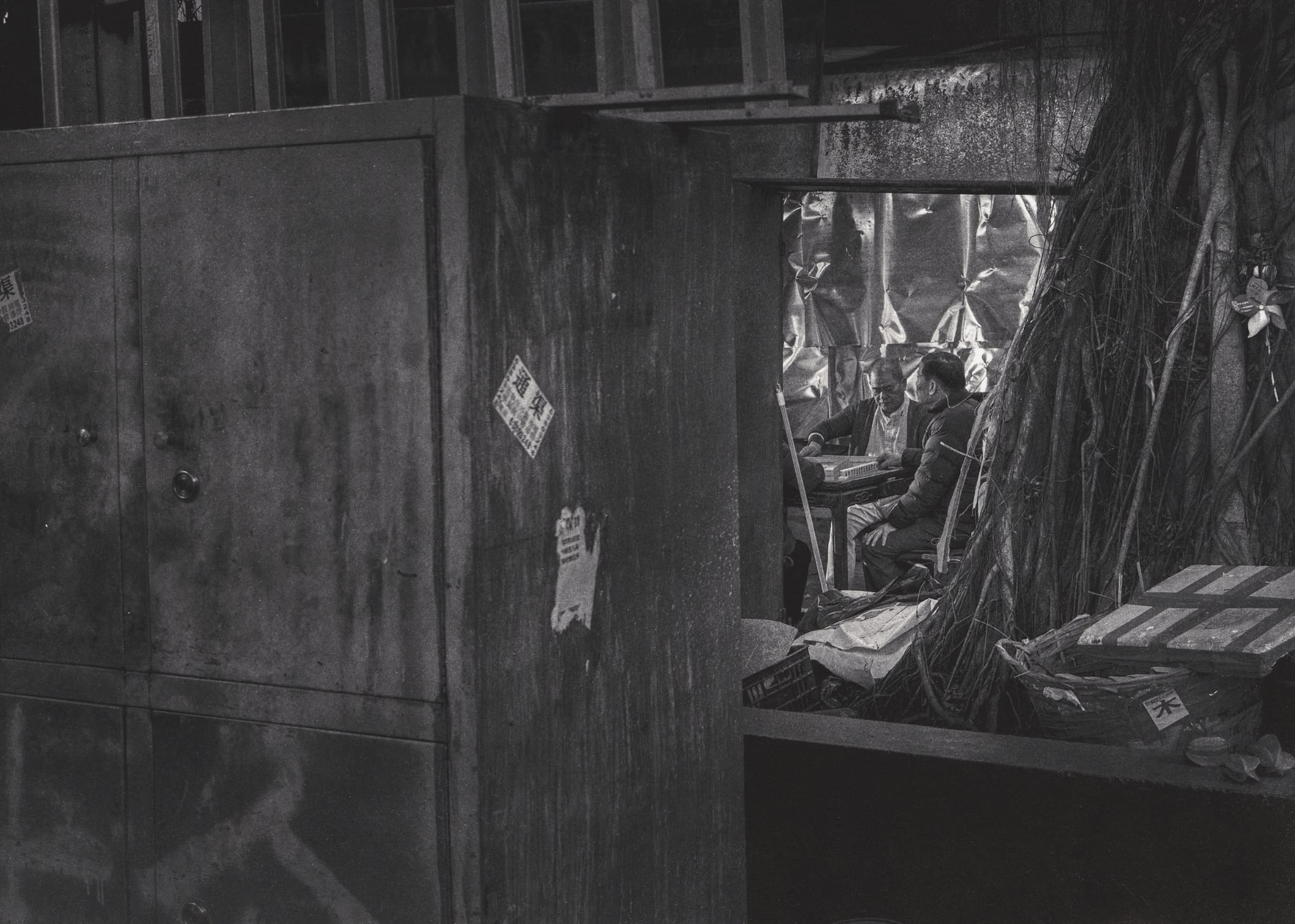
Wandering through its narrow alleyways, he focused his lens on the subtle details that easily pass unnoticed: half-open tin mailboxes that no longer receive mail, deserted benches once filled with lively chatter, and dilapidated corners strewn with fallen leaves—creating scenes of ethereal beauty reminiscent of traditional ink paintings. Like silent ruins, these images reflect the solitude that lingers after prosperity fades. Through precise composition, Jason captures the quiet beauty of imperfection.
His first solo exhibition in Hong Kong, Ngau Chi Wan: Elegy in Platinum, showcases these photographs and preserves disappearing memories through platinum-palladium printing. Moving between black-and-white tonal transitions and the weight of history, these images open a dialogue on time, memory, and forgetting.
Invented in the 19th century, platinum-palladium printing is a complex classical photographic process. Unlike modern silver-gelatin or inkjet prints—where the image rests on a surface emulsion or coating—a platinum-palladium print chemically binds noble metal particles directly into the paper’s cellulose fibers. It offers exceptional chemical stability and resistance to oxidation, these images can endure for centuries. Beyond their permanence, they possess a distinct texture, rendering rich shadows and subtle grayscale transitions with remarkable depth and softness.
Revisiting Ngau Chi Wan Village evokes a striking contrast. The quiet squatter area stands in sharp relief against the modern high-rises nearby. As night falls, the Ngau Chi Wan Old Wet Market across the street remains brightly lit and bustling with diners at Dai Pai Dong. In contrast, the village itself lies mostly in darkness, home to only a few remaining households before new residential buildings replace it.
Ngau Chi Wan: Elegy in Platinum is more than a photography exhibition; it is an elegy for a disappearing urban village. Though light shifts and structures crumble, these memories imprinted deep within platinum print will endure.
Exhibition Details Date: Sept 12 – Oct 3, 2026 Time: 2–7 PM (Wednesday–Saturday, by Appointment) Venue: DEVEDO, 6J, Block 2 Kingley Industrial Building, 33 Yip Kan Street, Wong Chuk Hang, Hong Kong
Jason is a Hong Kong-based photographer and platinum/palladium printer. A graduate of the ArtCenter College of Design in Los Angeles, he is deeply passionate about platinum and palladium printing and founded Charta Loquens Studio in Hong Kong to promote this traditional photographic technique.
DEVEDO is one of Hong Kong’s distinguished photography bookstores, founded in July 2025 by LAU Tung-Pui, photography curator and founder of the Hong Kong photography platform PhotogStory. In addition to offering a wide selection of photography books, DEVEDO also regularly hosts photography talks and exhibitions.
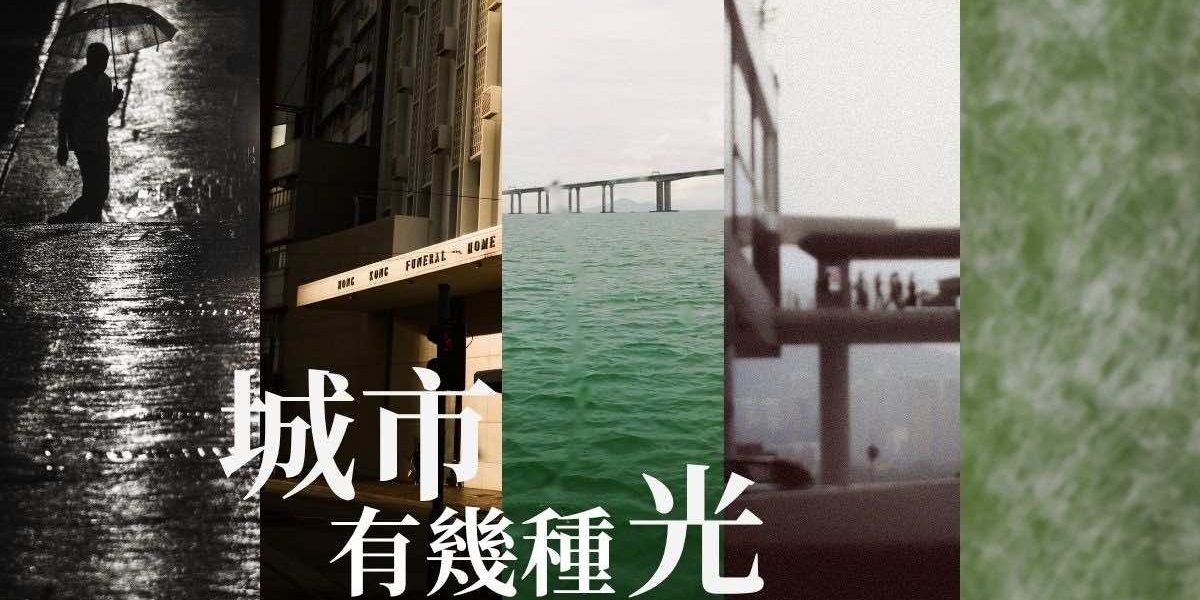
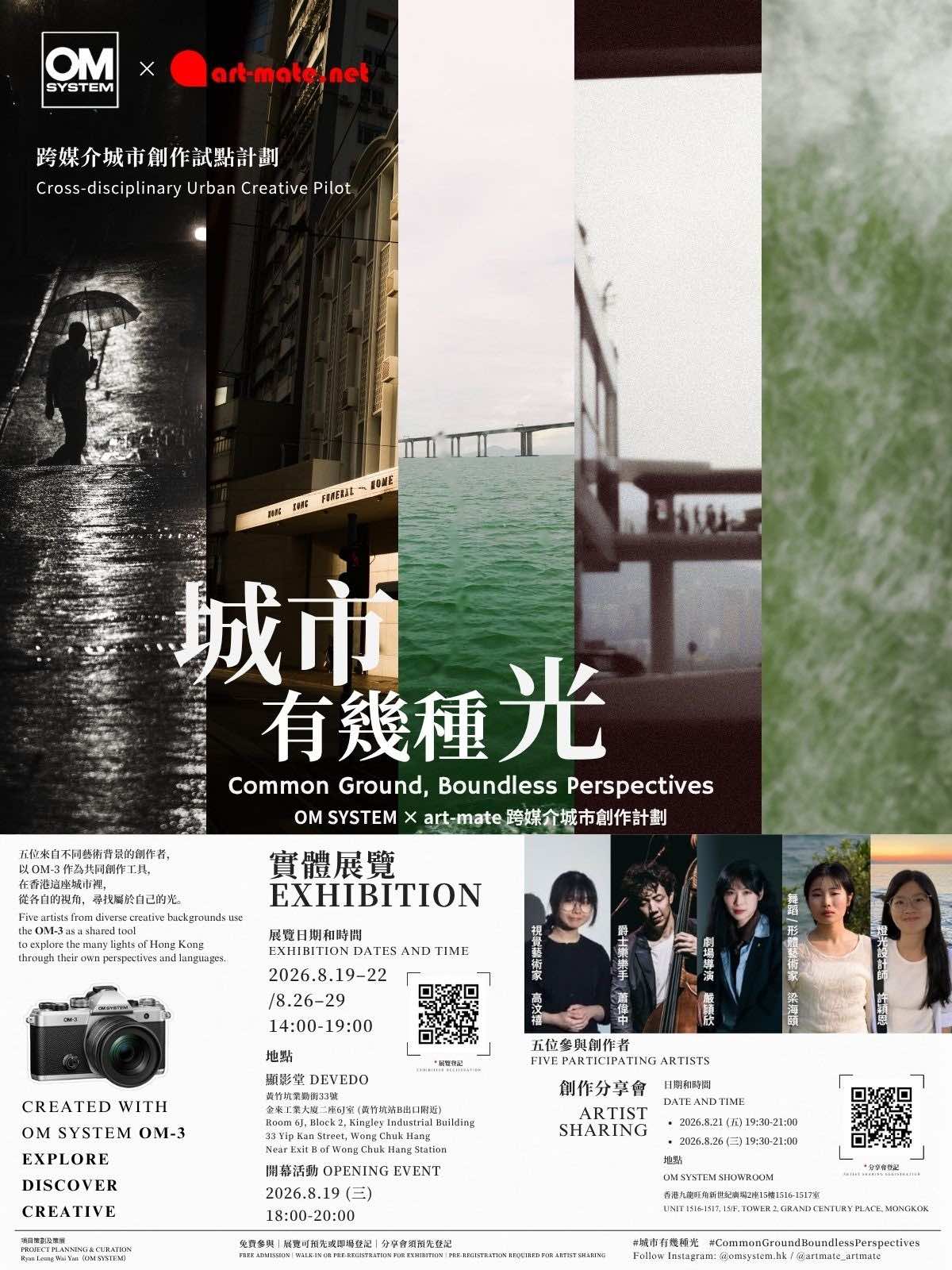
由相機品牌 OM SYSTEM × 藝文資訊平台 art-mate 共同策劃的跨媒介城市創作計劃——《城市有幾種光》攝影展,邀來五位來自不同藝術背景的創作者,分為有劇場導演、爵士樂手、形體藝術家、燈光設計師與視覺藝術家,他們共同以OM-3相機作為創作工具,在他們各自的觀景器裡,香港這座多姿多彩的城市,折射出截然不同的光芒。
展覽《間まMA:Ryuichi by Rensis》迴響熱烈,也促成作品集《Ryuichi Sakamoto 1998》的誕生,是顯影堂踏足攝影出版的首個企劃。這些影像猶如1998年教授的「香港篇章」,因此設計靈感以唱片為概念,外觀恍如一張黑膠,裏面包括一本36頁攝影集、一張24吋海報,以及一張沒有音樂但充滿禪意的12吋密紋唱片。
「一格一隅 a frame a corner」由台灣攝影師蕭希如與 Jason共同創立,名稱來自影像中的片段與角落概念。空間以實驗性與跨領域創作為核心,關注攝影、展覽、藝術計畫與品牌合作等多元形式。透過自由開放的策展方式,嘗試讓藝術回到更貼近日常與真實感受的狀態。
DEVEDO Presents Ryuichi Sakamoto 1998 Revisited in Taipei
exhibiting Hong Kong Photographer Rensis Ho’s Portrait of Ryuichi Sakamoto in 1998
It all began in January 1998, when Ryuichi Sakamoto stepped into a photography studio inside a Hong Kong Tong Lau (tenement building).
Having debuted in 1978 with the legendary Japanese electronic group YMO, Sakamoto gained his worldwide recognition through film scores in the 1980s and 1990s. Back in 1998, the 46-year-old musical maestro visited Hong Kong to promote the international version of his album, Discord, and did an interview with MAGPAPER.
Across his many albums, his ever-changing styles radiated a unique personality and charm; however, through Hong Kong photographer Rensis Ho’s lens, he appeared as a relaxed man of few words, yet full of wisdom.
In the photographer’s studio, there was no preset script—only a minimalist backdrop. Sakamoto revealed a natural side of himself before the camera: at times staring directly into the lens, at others lying casually, and even playing affectionately with the photographer’s dog.
Rensis Ho, skilled at capturing the unique expressions of his subjects, photographed Sakamoto resting his chin on his hand or running his fingers through his hair. Looking back years later, Rensis still vividly remembers their encounter, describing him as a thoughtful and charismatic artist. Recalling the details of that day, he says, “His movements were very impromptu and chic, and I captured his different auras through the lens.”
These images, which had long lain dormant in a defunct magazine since 1998, were finally exhibited in full last year at the Hong Kong bookstore and space DEVEDO in 2025. This was not only a re-emergence of Ryuichi Sakamoto’s portraits but also a temporal echo shared between the composer and the city.
The exhibition, titled MA: Ryuichi by Rensis, received an enthusiastic response, leading to the creation of the photo book Ryuichi Sakamoto 1998. This marked DEVEDO’s first venture into photography publishing.
These images were imagined as Sakamoto’s uncharted “Hong Kong Music Note,” and the design was inspired by the concept of a vinyl record, which includes a 36-page booklet, a 24-inch poster, and a 12-inch vinyl that contains s no music but a zen of silence.
Nearly three decades later, these negatives have been transformed into an exquisite photo book. Rensis’s portraits of Ryuichi Sakamoto are now traveling from Hong Kong to Taiwan, with an exhibition at the Taipei arts space, a frame a corner, this May.
Titled Ryuichi Sakamoto 1998 Revisited, the exhibition represents a layered dialogue across time. By re-photographing the original negatives and collaging the images, Rensis Ho does not merely document the past, but also deconstructs and mends the fragments of memory through a ‘present’ lens.
This exhibition in Taipei is like a private interlude or a gentle prelude. In Rensis’s images, we can almost hear that quiet, Zen-like melody from that winter day in a Hong Kong tenement.
Ryuichi Sakamoto 1998 Revisited
Date: 2026.05.30-06.28
Time: 2-8pm (Thursday to Sunday)
Venue: a frame a corner, 2 F., No. 142, Sec. 3, Bade Rd.,
Songshan Dist., Taipei City 105046, Taiwan (R.O.C.)
About Rensis HO
Over the past three decades, Rensis Ho has photographed countless celebrities, including actresses Isabella Rossellini and Chloé Sevigny, model Kate Moss, and Pharrell Williams. He has also photographed Hong Kong stars like Anita Mui and Stephen Chow. Rensis specializes in both still life and portraiture, believing that capturing the subject’s inner qualities is paramount, a quality evident in his black-and-white images.
About DEVEDO
顯影堂 DEVEDO is one of Hong Kong’s distinguished photography bookstores, founded in July 2025 by LAU Tung-Pui, photography curator and founder of the Hong Kong photography platform PhotogStory. In addition to offering a wide selection of photography books, DEVEDO also regularly hosts photography talks and exhibitions.
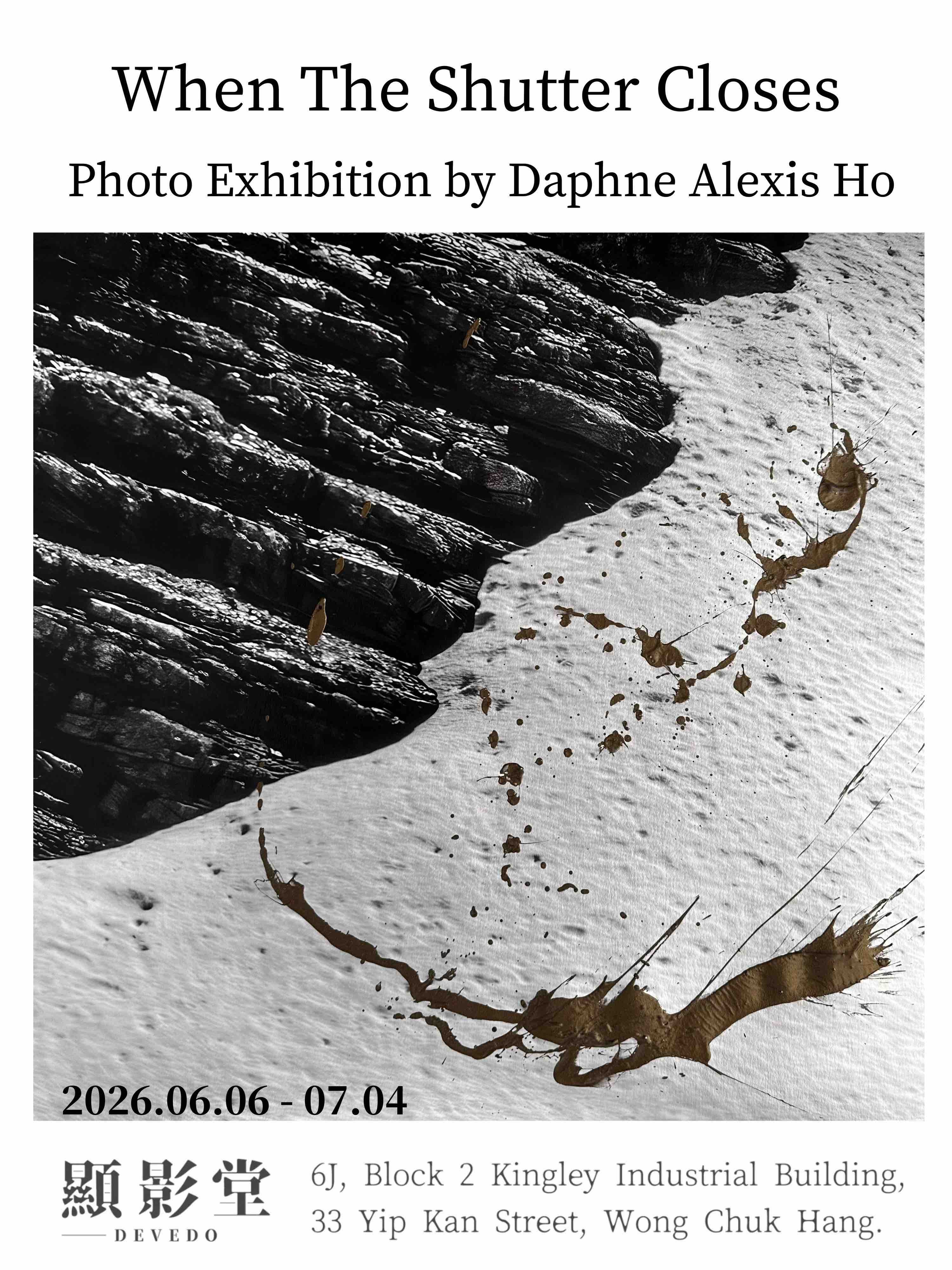
DEVEDO is pleased to present When The Shutter Closes, a solo exhibition by Hong Kong photographic artist Daphne Alexis Ho, on view from June 6 to July 4, 2026.
When the shutter closes, something ends — yet something else inevitably begins. In the exhibition, Ho considers whether a photograph ever truly reaches completion, or whether each image continues to unfold beyond the moment of capture.
The exhibition brings together three interconnected series — UNSTILL, TEAR, and STILL. Rather than treating the photograph as a fixed record, Ho approaches it as both surface and object, capable of change. What happens after the image is taken becomes central: the photograph is not an endpoint, but the beginning of another process.
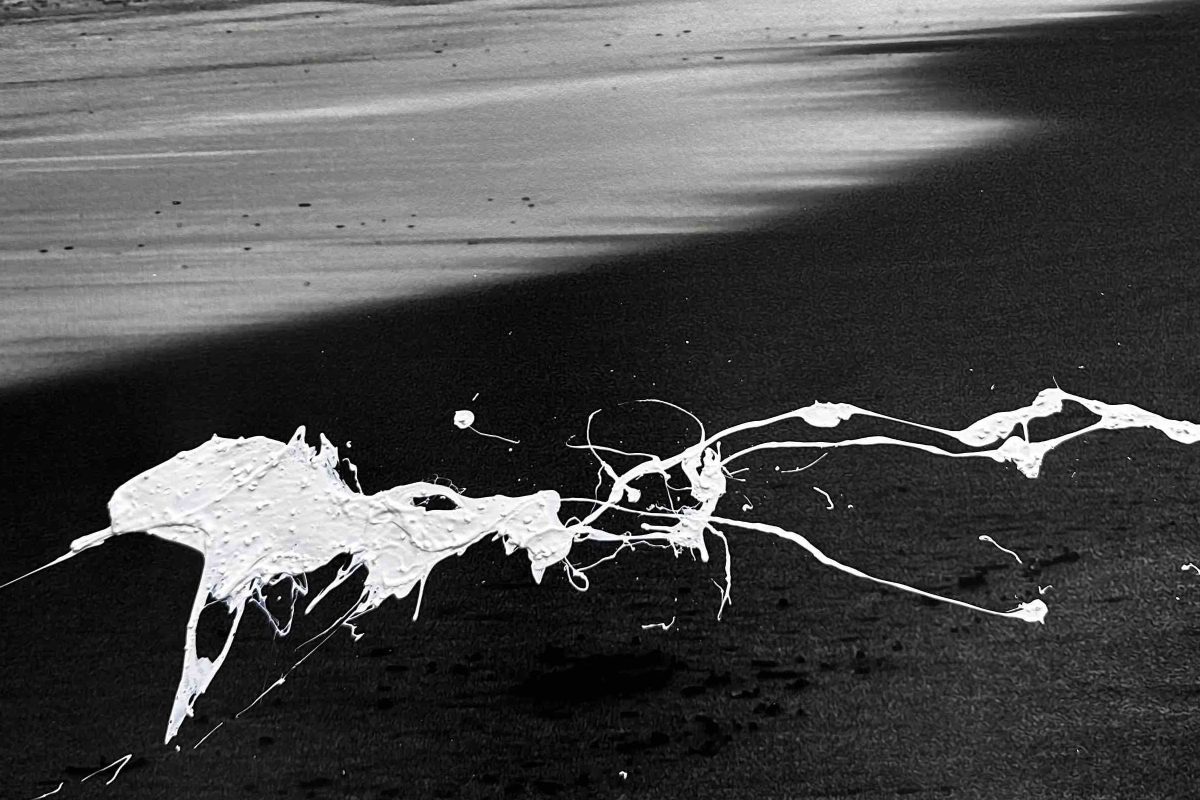
In UNSTILL, granulated natural pigments of white, black gold, and black silver scatter across monochromatic landscapes. The pigments disrupt the image’s apparent stillness, loosening its structure and introducing movement and uncertainty. Landscapes hover between formation and dispersal, suggesting that the photographic image is never entirely static.
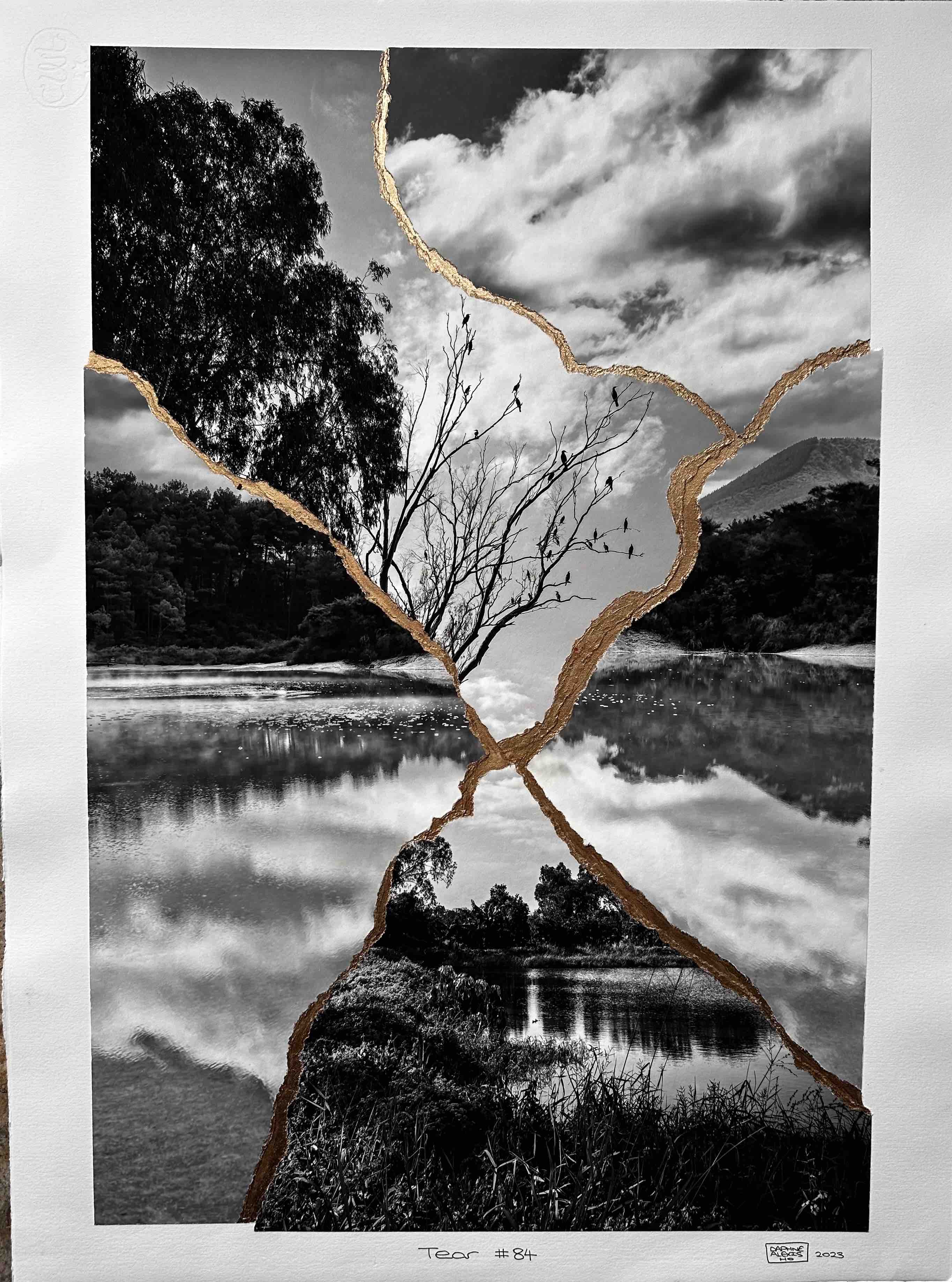
The TEAR series extends this inquiry through acts of rupture and repair. Photographs are torn and meticulously rejoined along seams traced with gold pigment. Fractures remain visible; what first appears as damage becomes a careful act of restoration. The works hold destruction and mending in tension, revealing the photograph as both vulnerable and enduring.
By contrast, the works in the STILL series remain untouched. Their stillness is not a refusal of change, but an acceptance of what already exists. Without intervention, these images suggest that completion may reside within the photograph itself — a quiet presence that requires no further alteration.
Across the three series, Ho reflects on impermanence and transformation. Whether altered or left intact, each photograph exists in a state of becoming. Completion is not presented as a fixed conclusion, but as an awareness that emerges through sustained looking and attention.
Exhibition Details
Date: June 6 – July 4, 2026
Time: 2:00–7:00 PM (Wednesday–Saturday, by appointment)
Venue: DEVEDO, 6J, Block 2 Kingley Industrial Building, 33 Yip Kan Street, Wong Chuk Hang, Hong Kong
Daphne Alexis Ho
Daphne received a Bachelor of Fine Arts (2011) and Master of Fine Arts (2014), co-presented by Hong Kong Art School and RMIT University, and a Doctor of Philosophy (2018) from the Royal Melbourne Institute of Technology (RMIT), Australia.
DEVEDO 顯影堂
DEVEDO is one of Hong Kong’s distinguished photography bookstores, founded in July 2025 by LAU Tung-Pui, photography curator and founder of the Hong Kong photography platform PhotogStory. In addition to offering a wide selection of photography books, DEVEDO also regularly hosts photography talks and exhibitions.
Artist Statement
When the Shutter Closes
In When the Shutter Closes, I explore when — or whether — a photographic work can ever be considered complete. Through three series — UNSTILL, TEAR, and STILL — I trace the life of an image after the moment of capture. Each gesture, from scattering paints to mending ruptures or leaving a photograph untouched, becomes a way to listen to the photograph’s unfolding, to what continues beyond the visible frame.
I am drawn to the uncertain space between image and awareness. The act of photography often suggests finality, yet for me it is the beginning of dialogue and transformation. I am interested in what happens in the interval after the shutter closes: an invisible moment of stillness where meaning shifts, disperses, and quietly begins again.
My work is guided by the Japanese aesthetic sensibility of ma — the living pause, the space between moments where things breathe and become. This sense of openness echoes through my process: layering, tearing, and waiting. Photography, for me, is a contemplative practice — a search for the balance between action and rest, completion and continuation. Within that space, I find the rhythm of my work — discovered only when the shutter closes.
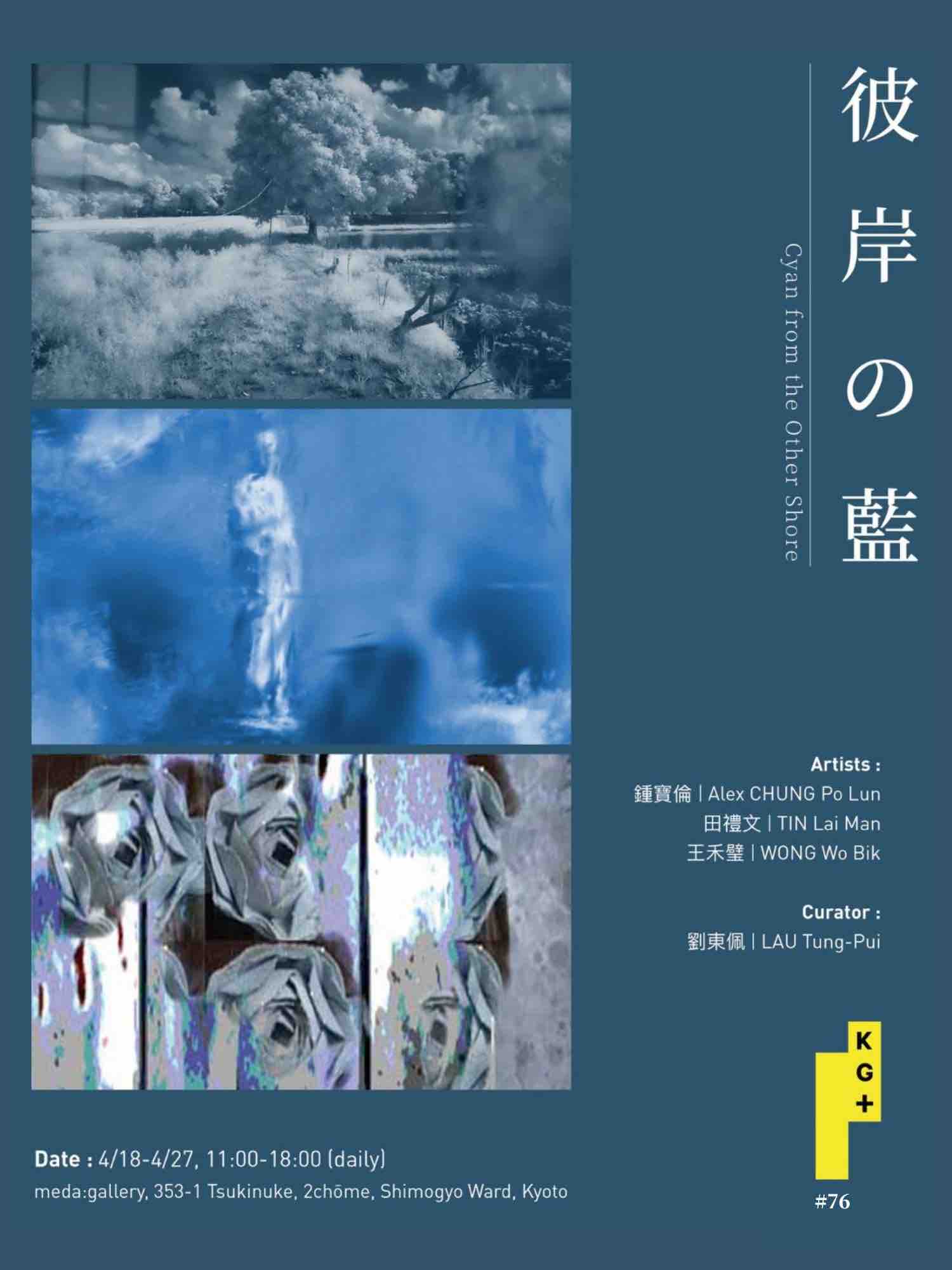
In Buddhist teachings, This Shore refers to the Sahā world—the realm of sentient beings where suffering and desire reside. The Other Shore, by contrast, symbolizes an ideal realm beyond, a state of spiritual liberation and enlightenment. Within the realm of photography, This Shore may be seen as the tangible world we live in, while The Other Shore becomes a metaphor for transcendence—an inner pursuit of vision and spirit through the image.
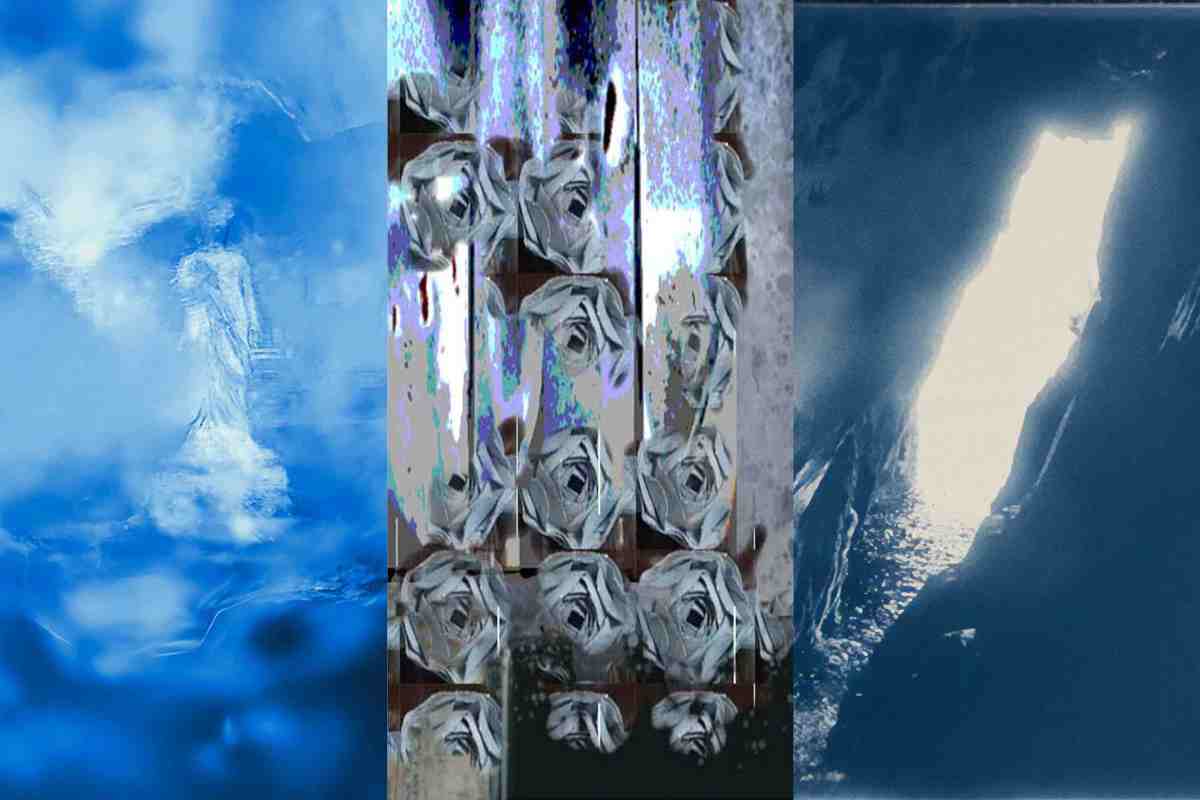
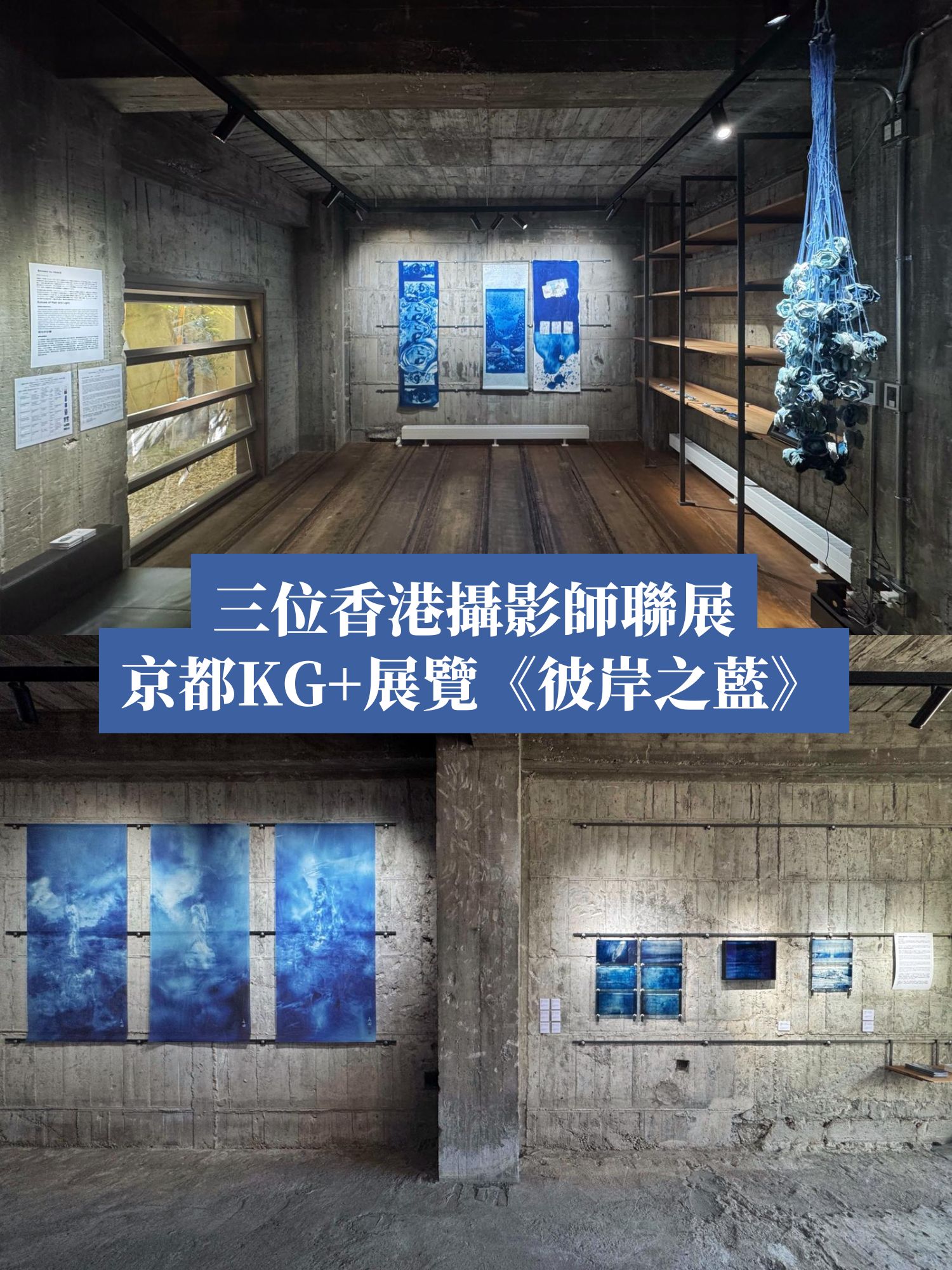
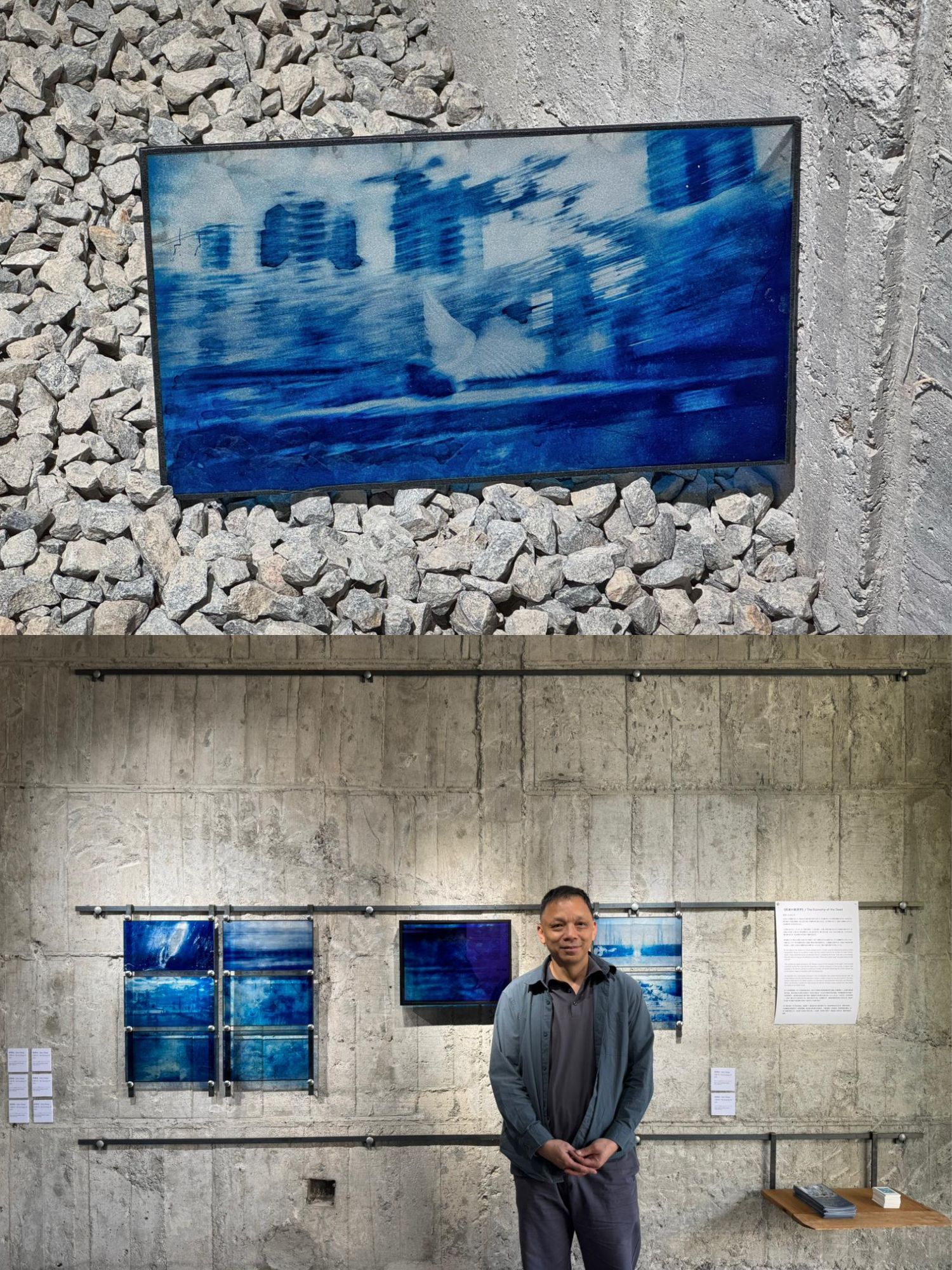
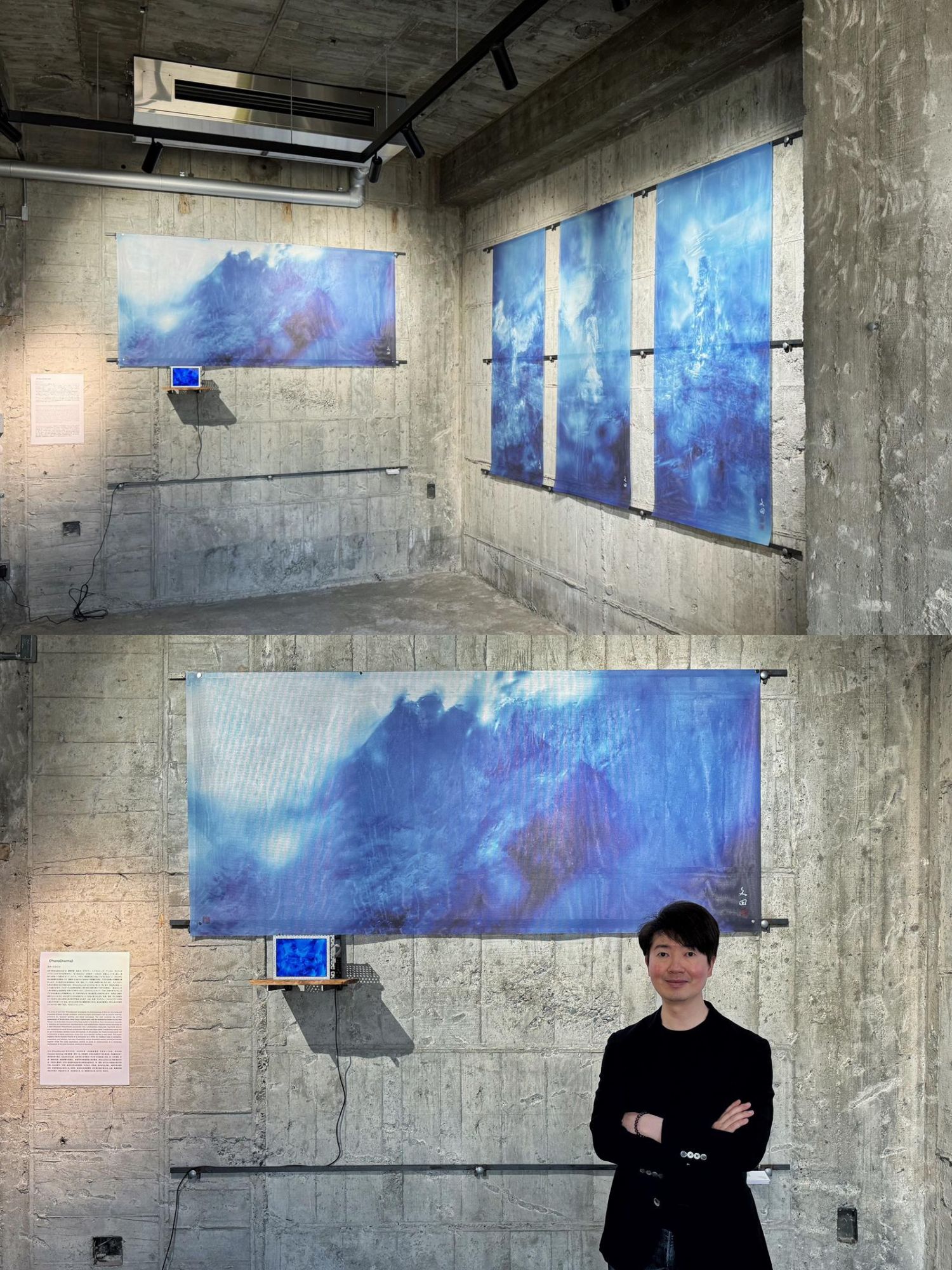
In the works of three Hong Kong artists—Alex Chung, WONG Wo Bik, and Man Tin—image becomes a vessel that voyages across the boundaries of reality. Whether through Chung’s infrared photography, WONG’s AI-generated images, or Man Tin’s visuals using Gaussian Splatting, each artist traverses the threshold between the visible and the unseen, arriving at their own Other Shore of the image.
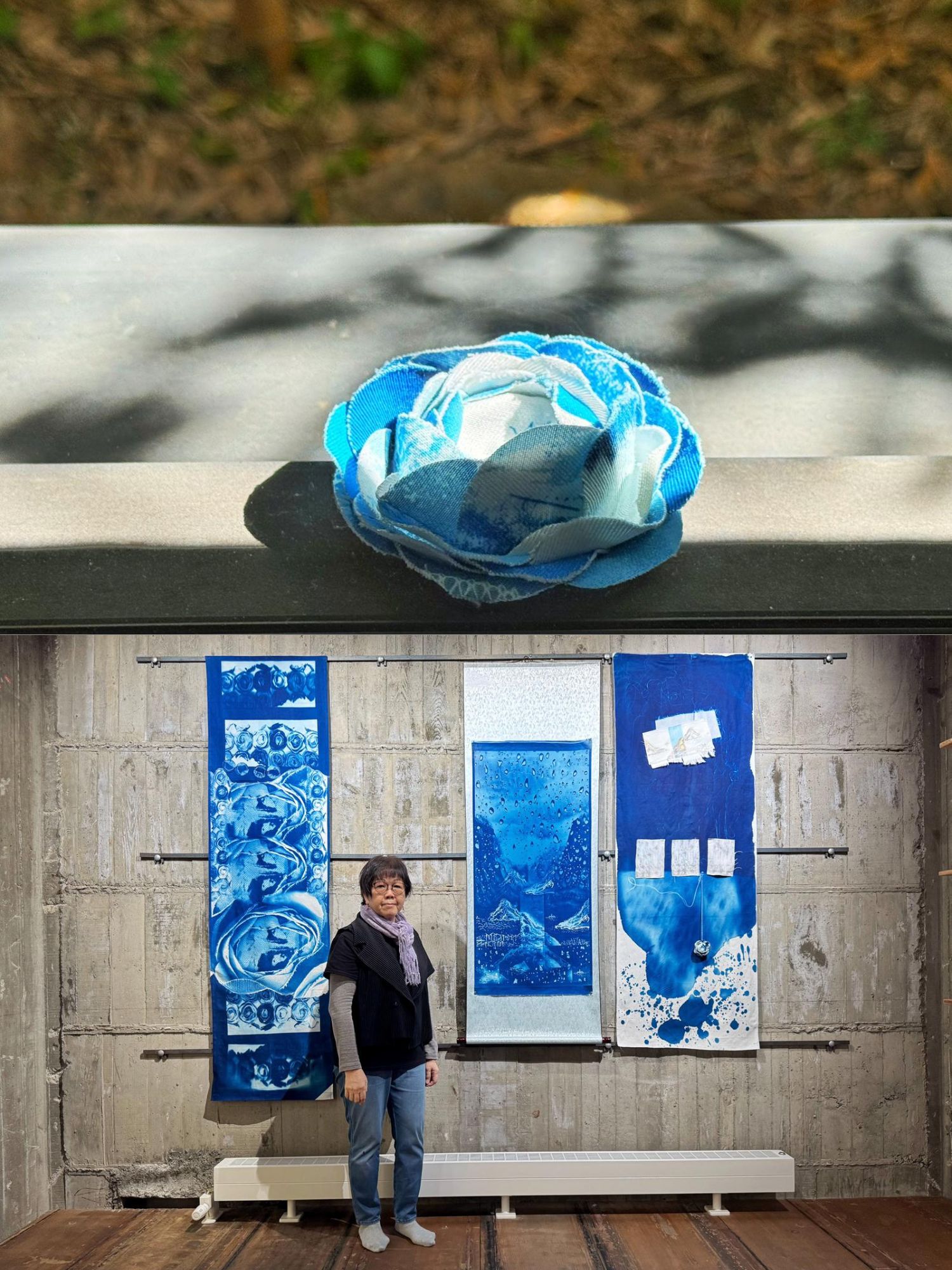
Then, what color is The Other Shore? In the works of these artists, it is, without doubt, blue—the deep, tranquil hue of cyanotype. As an early photographic printing process, cyanotype exudes a classical, contemplative elegance. In the twenty-first century, this technique has been renewed through diverse contemporary expressions—from Alex Chung’s cyanotypes on glass plate and Man Tin’s simulated digital cyanotypes to WONG Wo Bik’s cyanotype-flower sculptures. Cyanotype here becomes an alchemy of the image—fusing lived experience, nature, and visual illusion into an act of meditation.
Each artist’s work resonates with Buddhist thought in invisible ways. This Shore is the world of delusion and distress; The Other Shore is the realm of liberation beyond. Alex Chung imagines what his father might have seen at the threshold of life and death—fields of flowers, spectral silhouettes in mist, or perhaps the blazing radiance of a Buddha. With an infrared camera, he captures that liminal moment, using transparent glass to bear the invisible spectrum of light—images of the soul itself, revealing the ambiguity between being and dissolution. Mist, light, blossoms, and heat shimmer as omens of the Other Shore.
WONG Wo Bik’s work draws inspiration from King Hu’s film Raining in the Mountain—a cinematic meditation that unites Buddhist philosophy with martial-arts elements. Extending her engagement with classical cinema, she translates the film’s reverence for nature into an immersive visual hymn. Folding cyanotype images into floral forms and intertwining them with AI-generated imagery and moving images, she composes a multisensory environment where vision, sound, craft, and technology converge.
Man Tin’s work re-envisions Hong Kong’s highest peak—Tai Mo Shan—and the Bodhisattva statue at the Ling Wan Monastery in Kwun Yam Shan in the nearby area. Through digital reconstruction, he reflects upon the arising and passing away of form under causation. The visuals become a meditation on impermanence, dependent origination, and transformation.
This exhibition adopts cyanotype as both a medium and a metaphor—a luminous bridge between This Shore and The Other Shore. Through varied technological vocabularies, the artists reconstruct worlds beyond, transforming the image from material representation into a spiritual symbol, and their works invite viewers into a contemplative space.