FRENCH有法文的意思,攝影師Florence Levillain的作品,便透過幽默的影像帶出法語的魅力。法國人每天用上大量生動的法文比喻,卻很少人認真思考及探究這些詞語的由來, 例如「Avoir la tête dans les nuages」(have your head in the clouds) 的字面意思是腦袋在雲朵裡,這當然是誇張的說法,它其實是指心不在焉。攝影師為相片中的女士頭部加上一朵雲,生動地演活這個詞語,帶領觀眾探索法語比喻中的詩意和獨一無二的幽默感。
Bogdan Konopka出生於波蘭,1970年代中期開始攝影,1989年移居法國。他的作品曾在世界各地展出,包括法國龐比度中心。Bogdan Konopka極其注重照片質素,作品大多以8 x 10吋或4 x 5吋菲林的大片幅相機拍攝,然後親自在黑房裏以「接觸印相」(Contact Prints) 的方法製成銀鹽照片,這種方式直接將菲林與相紙進行接觸印製,在相紙上以1:1的比例呈現出菲林底片上的影像,展現出不同深淺的灰階及出色的光暗效果。
1994年,Florence Levillain開始她的獨立攝影師生涯,曾為《Le Monde》及《Paris Match》等報章雜誌拍攝社會問題的報道,最新作品《au pied de la lettre》將語帶雙關的法國詞語,變成一系列充滿超現實風格的影像,以提高人們對法語隱喻的抒情性和幽默感的認識。
Isabelle Boccon-Gibod (法國,1968)
Isabelle Boccon-Gibod是一名工程師,曾就讀於巴黎中央理工學院和紐約哥倫比亞大學。她的職業生涯融合藝術和工業,最初從事拼貼和裝置藝術創作,二十年前她選擇以攝影作為主要創作媒介。她的作品屬於專題式創作,如巴黎橋底風景 (Paris Under The Bridges)、建築物空間 (南法小鎮的E1027別墅) 等。她現於法國巴黎生活和工作,作品被巴黎龐比度藝術中心收藏。
Jacques Henri Lartigue七歲時已拿起相機拍攝,長大後他成為畫家,反而攝影一直是業餘興趣,以輕鬆手法拍攝家人與朋友玩樂的動感畫面。作為金融大亨後代,他的生活過得富裕無憂,看他早期拍攝的照片,不是拍攝汽車、飛機,就是穿著時髦的女人,記錄上世紀初法國「Belle Époque」的美好年代。他原本在攝影圈一直默默無聞,直至1963年現代藝術博物館(MoMA)為他舉辦個展,當年《Life》雜誌也刊登過許多他的攝影作品,令這位大器晚成的攝影師一時間炙手可熱。
Raymond Cauchetier是法國新浪潮電影劇照攝影師,1951年,他隨法國空軍到胡志明市 (舊稱西貢) 服役,當時正值第一次印度支那戰爭,他拍攝空軍的行動以及戰役,為此還得到戴高樂將軍的褒獎。1954年戰爭結束後,他展開遊覽東南亞的旅程,在香港、澳門、越南、柬埔寨、老撾及日本等地拍攝當地的風土民情,在他的舊香港照片中,可見人來人往、掛滿招牌的街道。
Sabine Weiss, Chez Dior, Paris, 1958 Courtesy of Boogie Woogie Photography
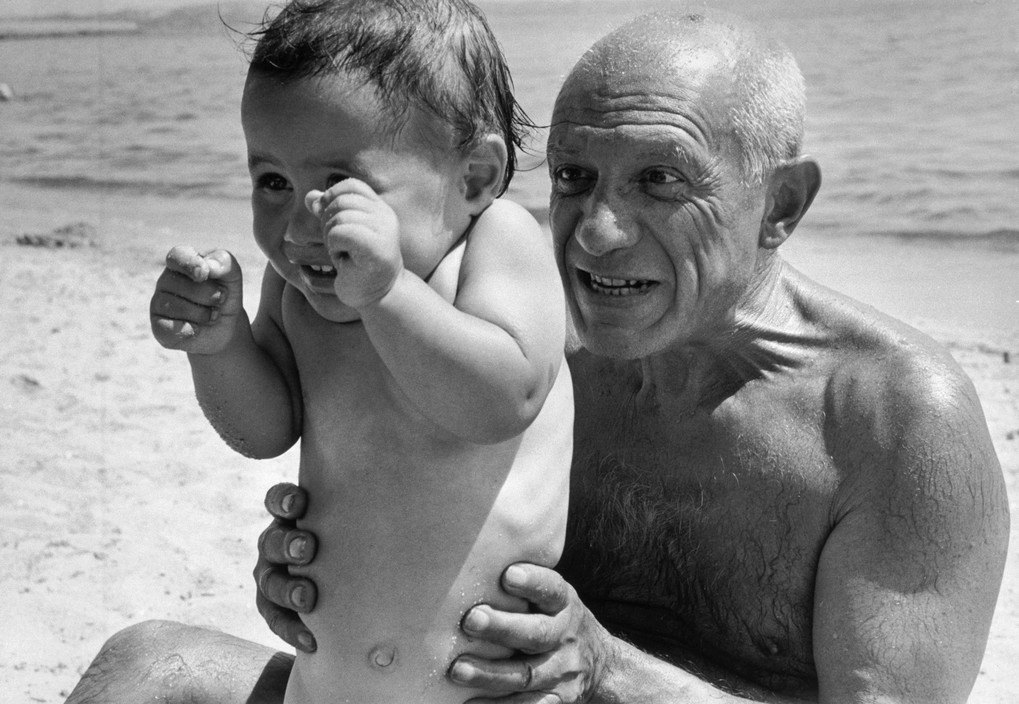
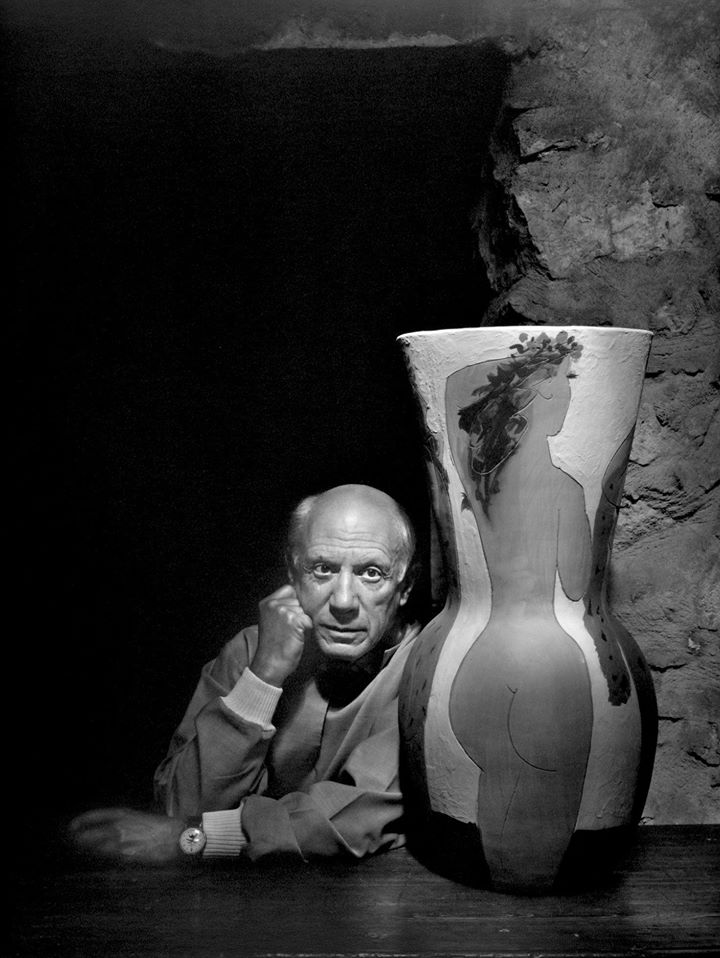
Robert Capa曾為畢加索與孩子拍攝許多生活照,這張照片在1948年拍攝,畢加索第三度做爸爸,66歲老來得子,顯得很份外開心。孩子名為Claude,由畢加索與相差四十歲的Francoise Gilot在1947年所生。在Capa拍攝他們一家三口的照片裏,畢加索幾乎都是笑逐顏開的,可惜好景不常,二人關係也並非一直穩定,1953年,Gilot帶孩子離開年逾七十的畢加索,讓他再次進入痛苦孤獨,幸好枯樹逢春,畢加索很快認識第二任妻子Jacqueline,直至1973年離世,這自是後話。
美國攝影師David Douglas Duncan最廣為人知的作品,就是拍攝畢加索的相片。1956年由好友Robert Copa介紹,認識比他年長35歲的大藝術家畢加索,二人一見如故,成為莫逆之交,直至1973年畢加索逝世。畢加索居於法國康城的別墅,David Douglas Duncan經常來拜訪他,為此更搬到鄰近的小鎮居住。他拍攝下許多罕見的畢加索影像,如沐浴、跳舞、扮鬼扮馬、用餐等日常生活畫面。在他出版的28本書籍中,就有八本是關於畢加索的,不僅如此,他也與畢加索的妻子Jacqueline及女兒Catherine成為好友。他說自己感覺就像他的家人,拍攝這些照片是很簡單及自然的瞬間。
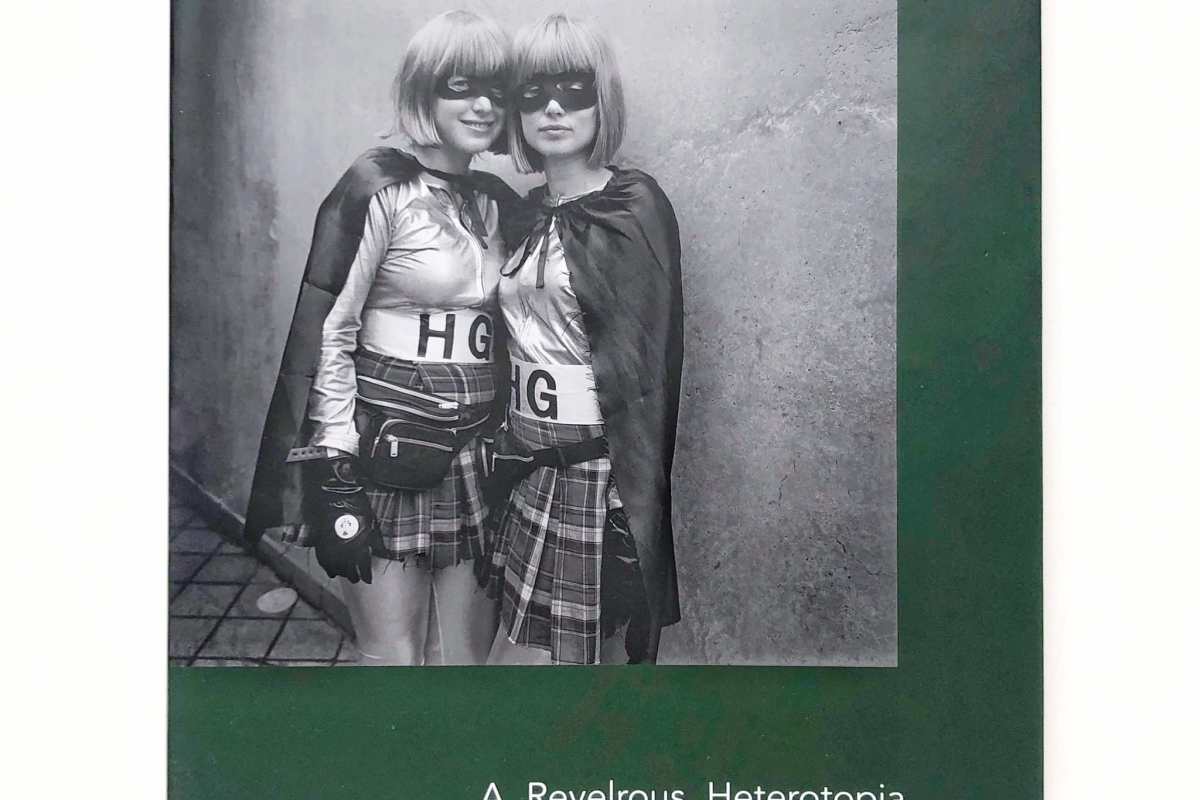
對秦偉而言,香港國際七人欖球賽作為香港回歸後碩果僅存的大型英式體育文化活動之一,其實是有象徵意義的。1993年,在法國留學多年的他回到香港,思考如何捕捉這座殖民地城市的最後歲月,於是萌生拍攝七人欖球賽的念頭。從1995年至2018年期間,秦偉幾乎每屆賽事均會在南看台附近為裝扮趣怪的球迷拍攝肖像,這些照片最近結集成攝影集《異域狂歡 香港的南看台》(A Revelrous Heterotopia – The South Stand of Hong Kong)。
多年來,秦偉拍攝過數以百計的球迷照片,在攝影集中,他以球迷所扮演的角色並置,天使與神父、蝙蝠俠 vs 超人、蘇聯士兵與公安,可見排版與編輯的心思。當這些照片以並排的手法呈現時,既有歸類效果,同時也加強觀看時的趣味,令人不禁好奇下一頁會是甚麼角色。事隔三年,香港國際七人欖球賽去年尾再次在香港大球場舉行,重看這些作品時,不免有久違之感。
致力於推廣攝影藝術的Boogie Woogie Photography與香港攝影平台「顯影 PhotogStory」在黃竹坑The Loft攜手呈獻攝影聯展《On The Road》,展期由2023年3月18日至4月29日。值此之際,我們很高興宣布與法國古董藝廊Kraemer Gallery合作,在畫廊展出十八世紀的傢俬及藝術品,古董裝飾品與現代攝影作品的碰撞與對比,也帶來截然不同的視覺經驗。
展覽名稱來自美國作家Jack Kerouac在1957年的同名小說《On The Road》,故事講述幾位年輕男女在穿州過省的旅途中,一邊狂歡、一邊尋找自我,在一次次的公路旅途中,探索生命與心靈的自由,正如作者在書中所說:「Nothing behind me, everything ahead of me, as is ever so on the road.」。展覽展出十五位香港及國際攝影家的作品,包括Raymond Cauchetier、Takeshi Shikama及Roger Ballen等著名攝影師在旅途中拍攝的影像,攝影師們在旅途中的一次次快門聲中,捕捉眼前的事物,也探索內心世界。
Roger Ballen, Motorcyclists, Woodstock, 1969, Courtesy of Boogie Woogie Photography
Stephanie Cheng, From Here (Highway Stop), 2018, Courtesy of Boogie Woogie Photography
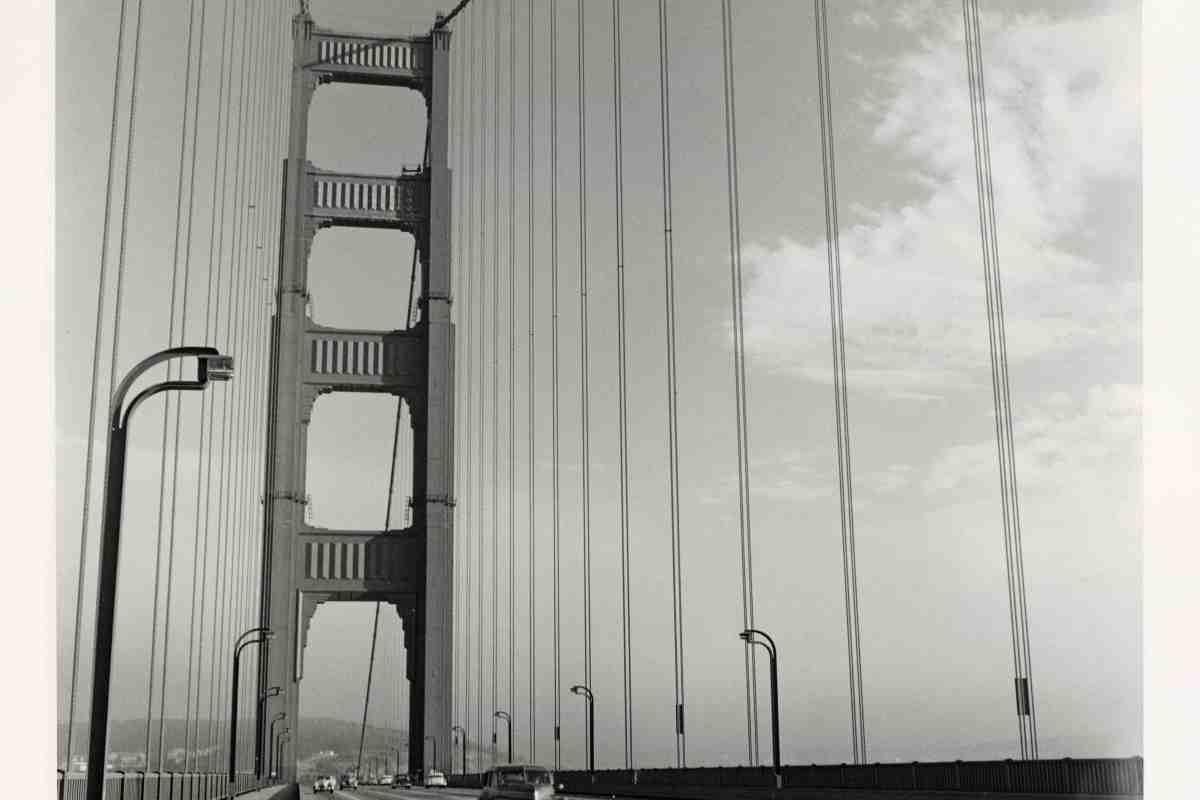
故事中的浪蕩世代從駕車前往美國西部,在攝影世界中,這裏也是很多攝影師的靈感,Richard Avedon在美國西部創作著名人像系列作品《In The American West》。在展覽作品中,法國攝影師Raymond Cauchetier在1950年代前往美國,拍攝一幅在三藩市金門大橋行駛的汽車;攝影師Stephanie Cheng在加州高速公路邊拍攝一幅摯友與汽車的照片,見證她們精采的美國公路之旅。
Raymond Cauchetier是法國新浪潮電影劇照攝影師,1951年,他隨法國空軍到胡志明市 (舊稱西貢) 服役,當時正值第一次印度支那戰爭,他拍攝空軍的行動以及戰役,為此還得到戴高樂將軍的褒獎。1954年戰爭結束後,他展開遊覽東南亞的旅程,在香港、澳門、越南、柬埔寨、老撾及日本等地拍攝當地的風土民情,在他的舊香港照片中,可見人來人往、掛滿招牌的街道。
Roger Ballen是二十一世紀最具影響力和最重要的攝影藝術家之一,攝影生涯跨越四十年,他的標誌性作品是在南非拍攝的怪誕風格人像,畫面中的氛圍詭譎不安,視覺效果非常震撼。2022年,他是代表南非參加第五十九屆意大利威尼斯雙年展的三位藝術家之一。
Bogdan Konopka (波蘭,1953-2019)
Bogdan Konopka出生於波蘭,1970年代中期開始攝影,1989年移居法國。他的作品曾在世界各地展出,包括法國龐比度中心。Bogdan Konopka極其注重照片質素,作品大多以8 x 10吋或4 x 5吋菲林的大片幅相機拍攝,然後親自在黑房裏以「接觸印相」(Contact Prints) 的方法製成銀鹽照片,這種方式直接將菲林與相紙進行接觸印製,在相紙上以1:1的比例呈現出菲林底片上的影像,展現出不同深淺的灰階及出色的光暗效果。
Rensis Ho (香港,1964)
何耀燊,本地著名攝影師,在紐約攻讀金融,及後入讀 Fashion Institute of Technology主修攝影,回港後從事攝影工作超過二十五年。何氏擅長靜物和人像攝影,曾拍攝無數中外時尚名人紅星,包括Kate Moss、Isabella Rossellini、Chloe Sevigny、Marc Jacobs、Nigo、坂本龍一、梅艷芳、郭富城、舒淇等。
Stephen King (美國,1966)
Stephen King是一位屢獲殊榮的攝影師,以拍攝自然和城市景觀而為人所認識,作品受中國水墨和美國抽象表現主義繪畫所影響。作為一名周遊列國的世界旅行者,他過去幾年大部分時間都在香港度過,藉此探索香港的城市環境。
Isabelle Boccon-Gibod (法國,1968)
Isabelle Boccon-Gibod是一名工程師,曾就讀於巴黎中央理工學院和紐約哥倫比亞大學。她的職業生涯融合藝術和工業,最初從事拼貼和裝置藝術創作,二十年前她選擇以攝影作為主要創作媒介。她的作品屬於專題式創作,如巴黎橋底風景(Paris Under The Bridges)、建築物空間(南法小鎮的E1027別墅)等。她現於法國巴黎生活和工作,作品被巴黎龐比度藝術中心收藏。
Stephanie Cheng 是一位常駐紐約和北京的攝影師和電影製作人,畢業於紐約大學帝勢藝術學院的電影及電視專業,並獲得牛津大學碩士學位(Visual, Museum, and Material Anthropology)。她的作品審視女權主義和種族中的跨文化維度,同時繼續探索青年女性、性和權力的表現形式。她的視覺敘事不僅試圖反映我們生活的世界,而且還想像一個完全不同的世界。
Boogie Woogie Photography & PhotogStory are pleased to present “On The Road,” a group exhibition at the Loft in Wong Chuk Hang from 18th March to 29th April 2023.
On this occasion, we are pleased to announce the collaboration with Kraemer Gallery, with notably, on show and available for sale, 18th-century antiques and artwork that provide a contrasting yet harmonious visual backdrop to the more modern photographic prints on display.
The exhibition title comes from American writer Jack Kerouac’s novel “On The Road” published in 1957. As the narrator says in the book: “Nothing behind me, everything ahead of me, as is ever so on the road.” The story depicts several youngsters setting out for road trips in the United States. They are immersed in a hedonistic atmosphere and pursue the freedom of life and soul while traveling across America.
Roger Ballen, Motorcyclists, Woodstock, 1969, Courtesy of Boogie Woogie Photography
The exhibition comprises fifteen Hong Kong and international photographers’ artworks about their journey, including Raymond Cauchetier and Roger Ballen’s road trip images. These pictures are reminiscent of Jack Kerouac’s novel, which demonstrates people’s lifestyles through various photographers’ perspectives. The photographers also explore their inner world through the journey and lens.
Sal Paradise, the main narrator in the book, is admired for his friend Dean Moriarty’s carefree attitude and sense of adventure. They often drive on the road and experience the joys and struggles encountered along the way. To a certain extent, a car is a tool leading them to their journey of self-exploration. The young men under Roger Ballen’s lens have similarities.
The famous Woodstock Music Festival remains a symbol of the counterculture movement of the 1960s. The 19-year-old college student Roger Ballen not only enjoyed music but also documented this spectacular festival on the spot. People were immersed in music with unrestrained joy. He captured a group of motorcyclists sitting on a car, and their dress and motorbikes reflected the young people’s pursuit of alternative and venturesome spirit in that era.
Stephanie Cheng, From Here (Highway Stop), 2018, Courtesy of Boogie Woogie Photography
The road trips advance the novel’s plot. It also inspired many photographers in their works, such as Richard Avedon’s portrait series “In The American West.” As the pictures displayed in the exhibition, Raymond Cauchetier captured cars driving on the Golden Gate Bridge in San Francisco. Stephanie Cheng took an intimate portrait with an automobile parked on a California highway, which witnessed an incredible American road journey with her close friend.
In the spring of 2018, French photographer Isabelle Boccon-Gibod visited friends in Sun City, a residential community of 5,000 households with strict regulations, which triggered her anxiety. The instant film images of the sun and the road she took during the journey relieved her stress.
James Chung, Hong Kong, 1965, Courtesy of Boogie Woogie Photography
Jack Kerouac published his novel in 1957. By coincidence, photographer James Chung bought his first camera almost simultaneously. The cars in the street are noticeable in his images, which can be seen in Yau Leung’s pictures in the 1960s &1970s. Their photos demonstrate a different impression of old Hong Kong.
In addition, Polish photographer Bogdan Konopka captured a dilapidated car on the streets of Wrocław, which presents a sense of desolation. Under the lens of French photographers Willy Ronis and Sabine Weiss, the black and white photos show a vehicle parked on Paris street and Champs Elysees. The readers will be impressed by Jacques Henri Lartigue’s image in the 1910s, in which he captured a speeding race car in the Grand Prix of the Automobile Club of France. With all the pictures which are displayed, everyone has their own “On The Road” story.
On The Road
Date: 18 March – 29 April 2023(Closed on April 5-8)
Time: 2-7pm (Wednesday – Saturday)
Address: The Loft, 8/F, E. Wah Factory Building,
56-60 Wong Chuk Hang Road, Wong Chuk Hang.
Raymond Cauchetier, Golden Gate Bridge, 1954, Courtesy of Boogie Woogie Photography
Boogie Woogie Photography is a company founded in Hong Kong in 2016 to promote photography in Asia. The mission is to act as a platform for galleries, collectors, companies, and photographers aiming to develop photography projects in Hong Kong and Asia.
PhotogStory is an online Photography platform and Guest Curator based in Hong Kong. We focus on stories of local and international photographers, and stories behind classic photos.
Known for dynamic photographs of car races and fashionable ladies, Lartigue made a decisive departure from the stiff formality that characterized early photography to capture joyful, carefree scenes of bourgeois leisure. Born into affluence, he documented the excitement of the final years of the Belle Epoque with a gimlet eye and photographed the wealthy vacationers on the French Riviera from the 1920s through the 1960s. Lartigue’s work was underappreciated until the Museum of Modern Art exhibited his photographs in 1963.
Willy Ronis (France, 1910-2009)
After selling his first photograph to the newspaper L’Humanité in 1935, Willy Ronis worked as a press photographer. Ronis always linked his personal experience to his work, which also developed and grew through contact with friends and family: portraits of Marie-Anne, his wife (including the famous Nu provençal), his son Vincent, his cats, his friends (Capa) and personalities he met (Sartre, Prévert, Brassaï, etc.) express the same poetics of the universal as the rest of his work.
Raymond Cauchetier was the most famous photographer of French New Wave cinema. His first photographs were taken in his thirties while serving in the French Air Force press corps in Indochina. Cauchetier traveled through Hong Kong in 1954 and stayed for one week. He left a bouquet of memories, a little yellowed but always authentic.
Sabine Weiss decided to become a photographer when she was eighteen, during a time when being a photographer was not a common profession, especially for a woman. Sabine Weiss apprenticed under photographers Frédéric Boissonnas and Willy Maywald, and Vogue hired her as a photo reporter and fashion photographer in 1952. Robert Doisneau discovered her photography and asked her to join the humanist-leaning photo agency Rapho, allowing her to work and travel for many other publications such as Time, Life, Newsweek, and Paris-Match.
James Chung embarked on his journey in photography in 1957 when he acquired his first Rolleicord. Entirely self-taught, he became a full-time movie-still photographer in 1963. James started his studio in North Point In 1968, focusing on portraits for commercials and print enlargement. His achievements in photography were further recognized by the Honorary Fellowship from the Photographic Society of Hong Kong and Fellowship from the Royal Photographic Society of Great Britain later. The Hong Kong Heritage Museum collects his works.
Dubbed the “Cartier-Bresson of the East”, Fan Ho patiently always waited for the decisive moment. His images are often a collision of the unexpected, framed against a very clever composed background of geometrical construction, patterns, and texture. He often created drama and atmosphere with backlit effects or through the combination of smoke and light. His favorite locations were the streets, alleys, and markets around dusk or life on the sea. His works were in many private and public collections, including the M+ Museum & the Heritage Museum in Hong Kong, the San Francisco Museum of Modern Art in the USA, and many more.
Yau Leung is one of Hong Kong’s most accomplished documentary photographers. During his lifetime, he worked for various magazines and publications. He was a photographer at Cathay Organisation (Hong Kong) from 1965 to 1970. In 1971, he worked for Shaw Brothers Studio’s film magazine Southern Screen. Yau Leung edited and published several books on his images, including Lu Feng Stories (1992), Growing Up in Hong Kong (1994), and City Vibrance: Hong Kong (1997).
Takeshi Shikama’s life ambition is to capture the “invisible” world that lingers beyond the visible world of the trees. Each photograph is hand-printed by Takeshi Shikama, using the ancient platinum/palladium technique, considered the highest quality in black and white photographic printing. The Japanese Gampi paper on which he prints is a handmade UNESCO national treasure. It requires a great deal of time and manual labor, which reflects the intimacy Shikama has with his subject matter.
Roger Ballen’s photographs span over forty years, and he is one of the most influential and important photographic artists of the 21st century. His strange and extreme works confront the viewer and challenge them to come with him on a journey into their minds as he explores the deeper recesses of his own. Roger Ballen is one of the artists representing South Africa at the Venice Biennale 2022 in Italy.
Born in Poland and living in Paris, Bogdan Konopka was a travel photographer. From Europe to China, Konopka has been taking photographs of cities he visits or lives. Whether the subjects are a fragment of nature or an interior space, Konopka’s images are immediately recognizable. Using large format or pinhole cameras, Konopka pays close attention to the quality of his photographs. His hand-made gelatin silver prints on chlorobromide paper are mostly contact prints, which have the same size as the original negative to achieve perfection. Konopka’s work is in many collections, such as Musée National d’Art Moderne and Centre Georges Pompidou.
Rensis Ho, a well-known Hong Kong photographer, studied finance in New York and then majored in photography at the Fashion Institute of Technology. After returning to Hong Kong in the 1990s, he has been engaged in photography for more than 25 years. Rensis is particularly noted for still life and portrait photography and has photographed numerous celebrities, including Kate Moss, Chloe Sevigny, Marc Jacobs, Sakamoto Ryuichi, Anita Mui, etc.
Stephen King (The United States, 1966)
Stephen is an award-winning photographer based in Hong Kong, known for his painterly and carefully composed depictions of the natural and urban landscape. A product of two cultures, Stephen points to his love of Chinese ink and American Abstract Expressionist painting as influences that help inform his aesthetic. Ordinarily an intrepid world traveler, due to the pandemic, Stephen has spent much of the last few years in Hong Kong, exploring the colors and light in Hong Kong’s urban environment.
Isabelle Boccon-Gibod (Paris, France, 1968)
Isabelle Boccon-Gibod was trained as Engineer in France (Ecole Centrale Paris) and the U.S. (Columbia University, NY). Her life has mixed art and industry throughout her career. Having first worked on collages and installations, she elected photography twenty years ago as her core medium. She attended the Photography School of Brussels, Belgium. Her work is project-based, photography offering the means and the pretext to explore specific territories. She likes to employ ad-hoc techniques. She lives and works in Paris, France. Her work is collected by Centre Pompidou, Paris.
Risa Tsunegi (Japan, 1982)
Risa Tsunegi studied painting at Chelsea College of Art and Design, University of the Arts London, and completed an MFA at Glasgow School of Art in 2009. She creates sculptures and installations that combine seemingly unrelated images inspired by tools and actions in specific environments, such as farming, theatre, or on trains. By using objects such as golf clubs, hanging straps, and wardrobes, which encourage specific movements depending on how they are used, she aims to work gently on the audience’s body through her works.
Stephanie Cheng (b.1995, Virginia, U.S.A.)
Stephanie Cheng is a photographer and filmmaker based in New York and Beijing. Her work examines cross-cultural dimensions within feminism and race, as she continues to explore the evolving representation of female youth, sexuality, and power across many genres. Her visual narratives not only seek to reflect the world we live in but also to imagine an entirely different one. Stephanie received her B.F.A. in Film and Television from New York University’s Tisch School of the Arts. She completed her Master’s in Visual, Museum, and Material Anthropology at the University of Oxford.
現年63歲的香港攝影師蘇慶強,在香港中文大學藝術系授課多年,從事攝影創作四十年。「Hong Kong/China Photographers」系列叢書的首作,正收錄其1980年代初至2000年代創作的五個系列作品,包括「Reflection on China」、「Still Night / 靜夜」、「This Mortal Coil: Alienated Urban Landscape」、「South China Portraits / 華南地誌」及「Transformation of Matter」,部分作品更被香港藝術館、香港文化博物館收藏。
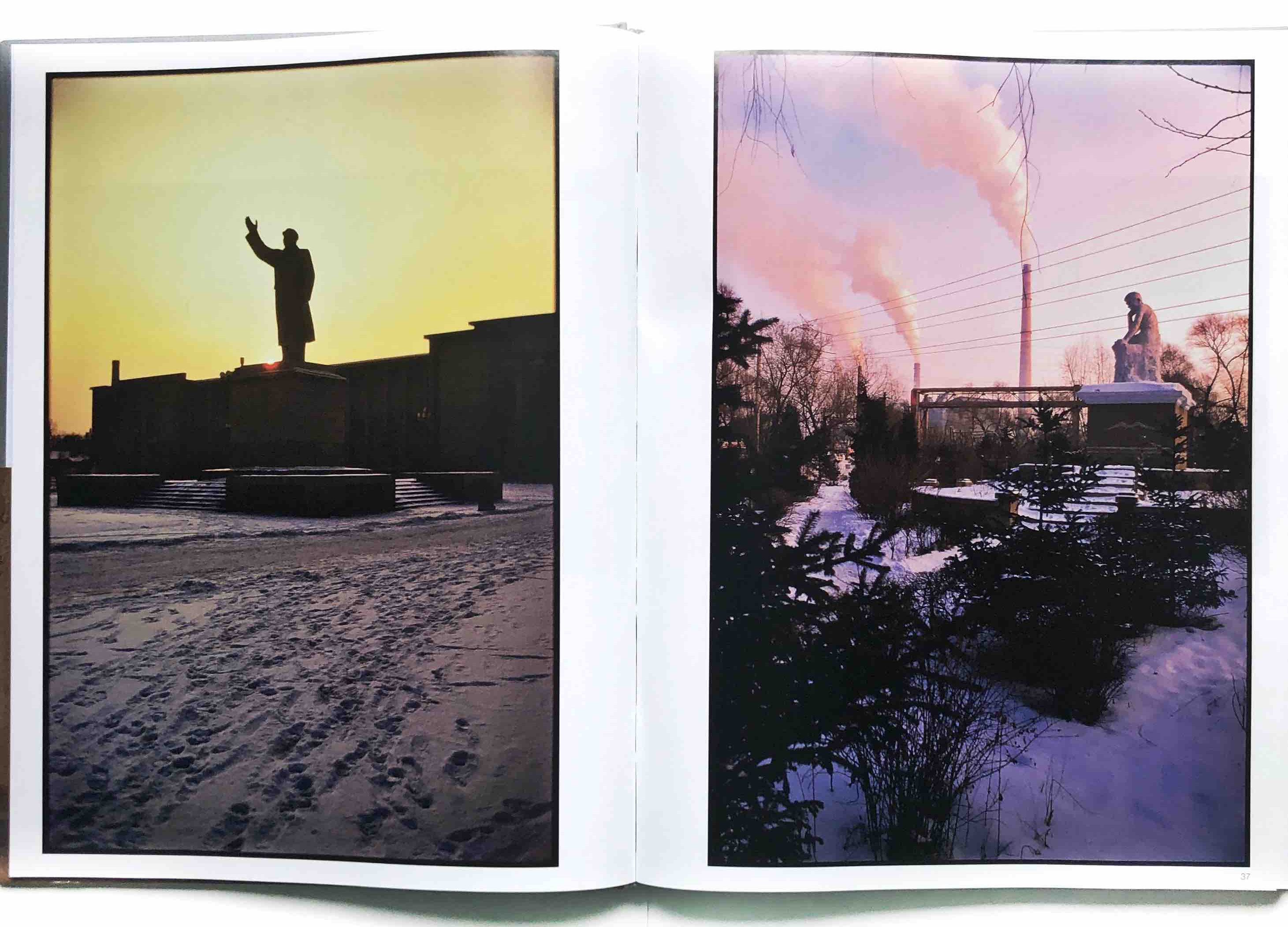
早在1981年,蘇慶強已開始拍攝中國,那時改革開放不久,到處可見共產主義的痕跡及毛澤東的頭像,同時資本主義開始「入侵」,在現代化的過程中也產生出新的文化。蘇慶強的相機甚少出現人們的面貌,更多地透過城市風景及靜物呈現出這種獨特的現象,例如冰天雪地之下的毛澤東雕像,繪有傳統中國服飾的無頭木頭人偶;他還故意在「Reflection on China」作品中滲入兩張香港的照片,其中一幅是墳場前的廢車場,這種矛盾與強烈對比的畫面,與當時的內地竟有幾分異曲同工之處。
1990年代至千禧年代於廣東省潮陽地區拍攝的「South China Portraits」,是蘇慶強最廣為人知的人像作品。他多次前往當地,與被攝者建立起關係,希望他們在鏡頭前自然地呈現自己,滿臉皺紋的老人神情往往很嚴肅、身穿紅色外衣的女人姿態比較從容、稚氣的孩童感覺更為隨和,出生於不同年代人物的舉止,隱隱透露出某些訊息。印象最深的是那幅屏風前的婆婆肖像,身穿的藍色衣服有種貴族的感覺,蘇慶強在金色屏風背景前拍攝她,為相片增添隆重感,正如西方貴族的肖像畫。
雖然同樣是拍攝被人遺棄或忽略的物件,最後的「Transformation of Matter」系列相比起「Still Night」 無疑更抽象及更具形式主義,他鏡頭下的布料、膠袋、褶皺的紙張等物件抽離原先存在的環境,在精美的光線及佈置下,彷彿被賦予新的生命或意義,然而當中的摺痕、標籤等細節,或多或少均滲透出這些物件的歷史或故事,當中某些衣服更是來自「華南地誌」的被攝者,自然令人聯想起它們的過去,即使是那些看似無關緊要的泡泡紙碎片,也能與部分觀者產生聯繫或共鳴。攝影師通過物件本身尋找新的參考和身份來源,從而表達個人的內在想法。
蘇慶強攝影集《Hong Kong Photographers One – So Hing Keung》,2008年出版,204頁,收錄多幅1980年代至2000年代作品,「顯影堂 DEVEDO」有售。
Boogie Woogie Photography & PhotogStory are pleased to present “Darkness & Light”, a solo exhibition by Bogdan Konopka at the Loft in Wong Chuk Hang from 4 February to 4 March 2023.
Light is a driving force for photography, but it might also be destructive. For Polish-born photographer Bogdan Konopka, the great charm of photography comes from darkness and shadow. There is one more shadow that co-creates photography: the shadow of the author and of its time. The photographer directs images from darkness into light.
Wrocław, plac teatralny, 1984 ,Courtesy of Boogie Woogie Photography
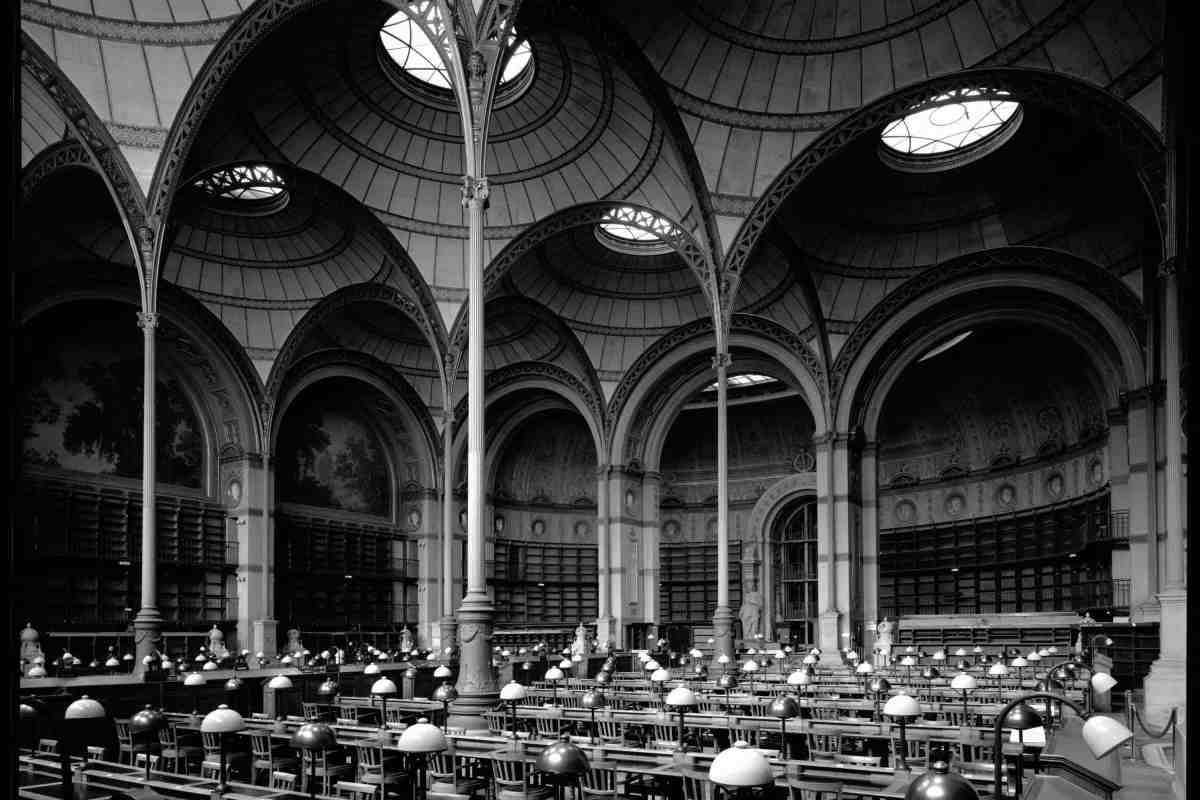
Bogdan is a master of black-and-white photography and Chiaroscuro. At first glance, it is easy to be attracted by the bright light source in his images. When the viewers get accustomed to the darkness, they will discover a world of greys and tiny details hidden in the shadow. Most of his images are contact prints, created with the same size negative, and audiences must appreciate them closely to understand the details in the small prints.
Bogdan is not only famous for his technique but also for the perception after traveling worldwide to confront different cultures. He was born in Poland, lived in Paris, and traveled all over Europe and China to record the different cities’ appearances through his lens. His photographs present a unique and recognizable style in natural landscapes or interior spaces.
Paris, Théâtre de l’Odéon, 2002, Courtesy of Boogie Woogie Photography
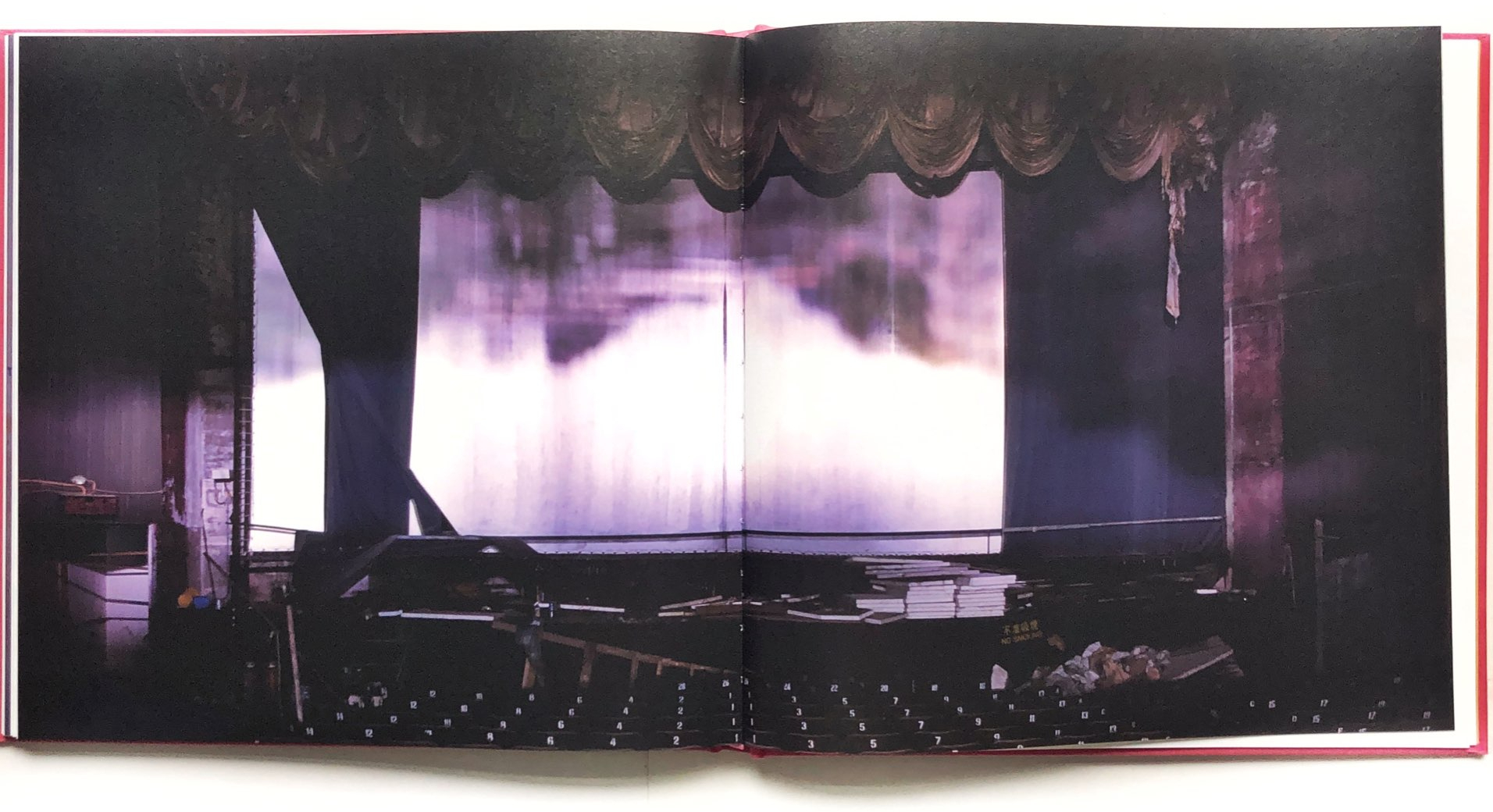
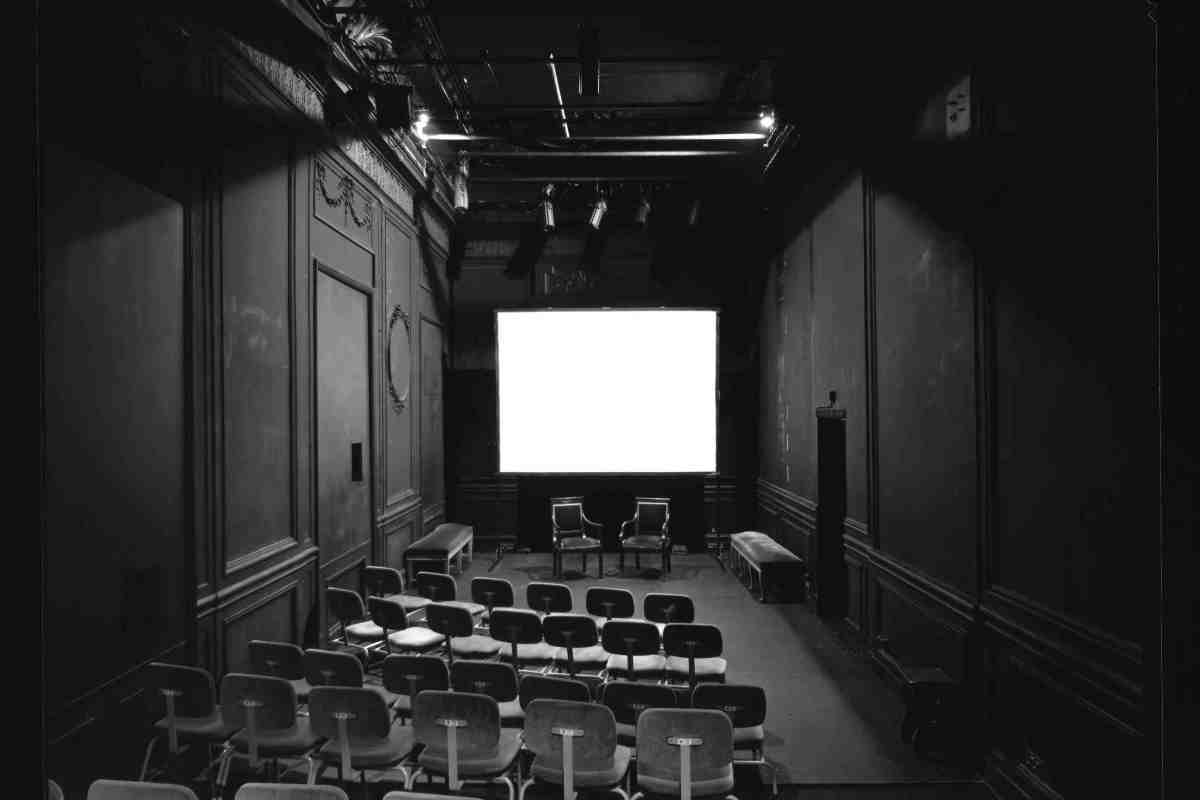
The exhibition, Darkness & Light, demonstrates 26 of his black-and-white Hand-printed artworks, including multiple series from the photographer. Living in Poland for decades, Bogdan’s passion for photography dated from his youth, and he captured street scenes in Polish cities such as Wrocław and Kraków. After moving to France, he photographed shop entrances in Paris and interior spaces in libraries, theaters, and museums when traveling to Pas-de-Calais, Angers, Nice, and several other cities. In the Théâtre de l’Odéon image, the long exposure creates a bright white screen reminiscent of Hiroshi Sugimoto’s Theaters series. Although they have similarities, Bogdan is not exploring the passage of time but a dramatic light source in the dark.
Instead of capturing fleeting moments, Bogdan’s camera allows fragments of reality to emerge against dark backgrounds. He was devoid of people deliberately, as if he was embarked on a solitary voyage. He takes photos with long-time exposure to efface the presence of people. A large-format camera enables him to make stunning contact prints, and the black-and-white images bring a sense of tranquility and mystery.
3 / Eine Kleine Nachtmusik, 2009, Courtesy of Boogie Woogie Photography
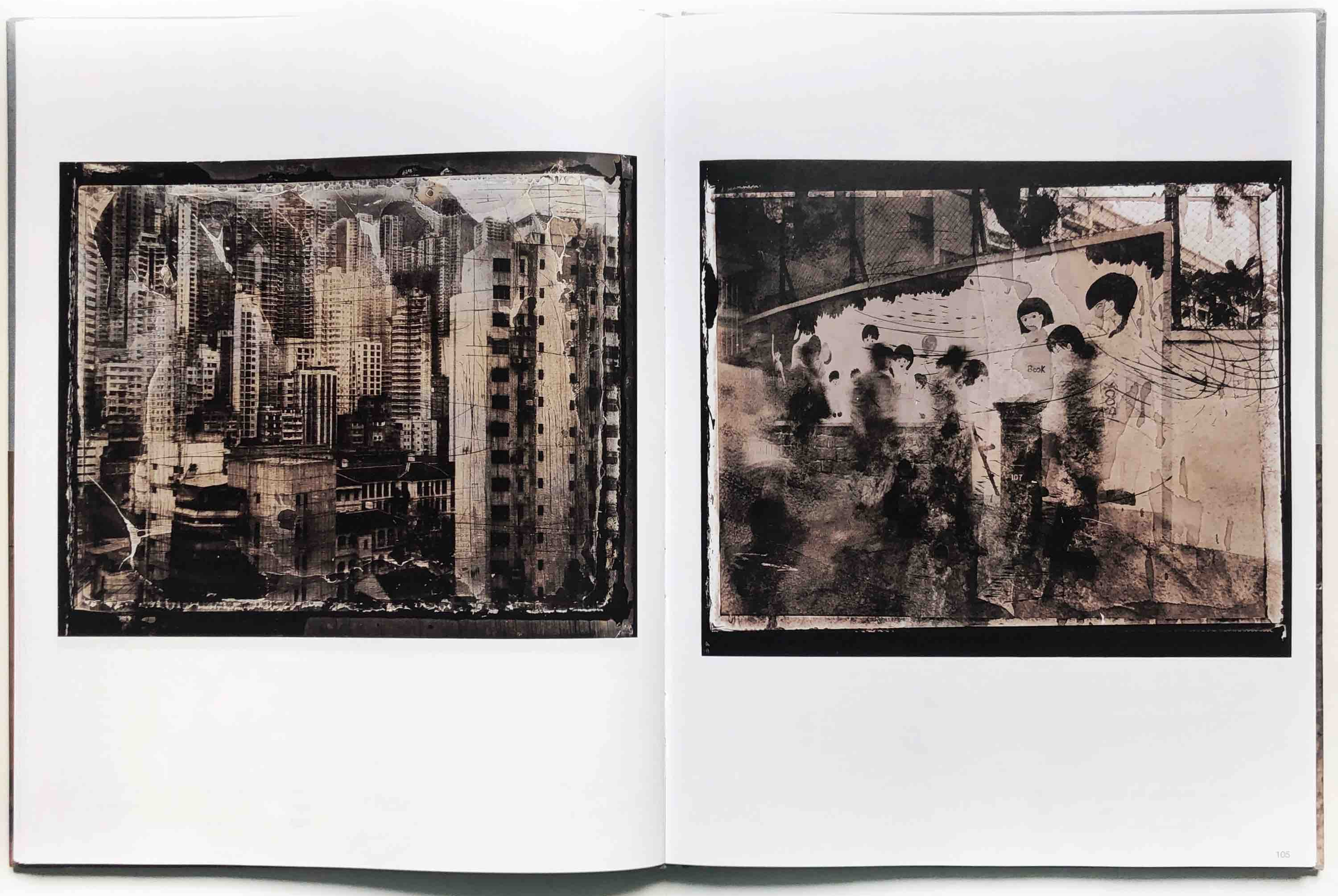
For Bogdan, the darkroom is where magic is born. He makes the silver gelatin contact prints by himself, scratches on negatives to create unique patterns, and paints with a brush dipped in developer on expired papers. This creative approach was inspired by the works of French poet and painter Henri Michaux. In his darkroom, he isolates himself from the hustle and bustle, and his experiments’ inseparable companion and inspiration is music. Bogdan named this series of works “Eine Kleine Nachtmusik,” which is reminiscent of Mozart’s Serenade.
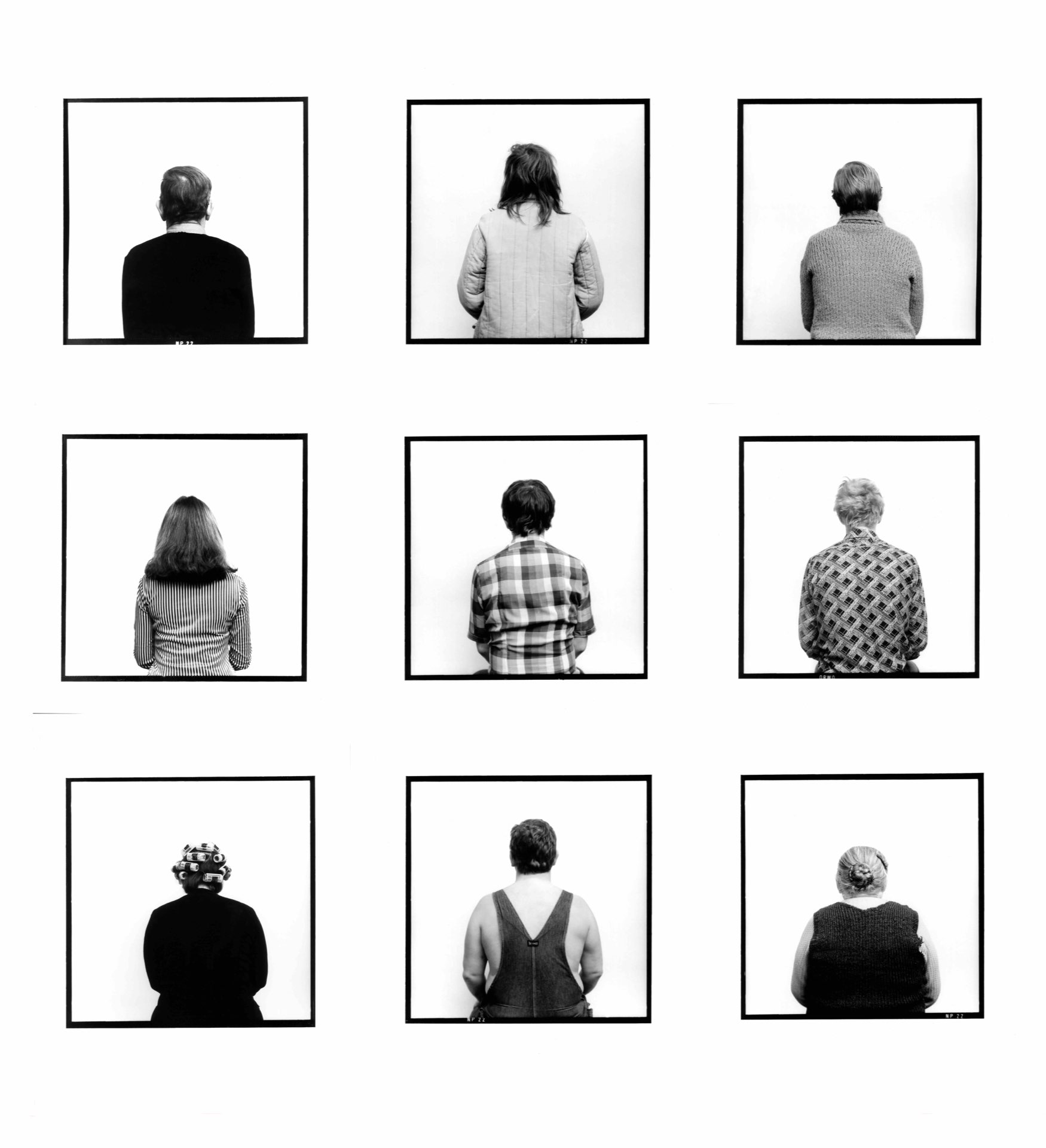
A shadow is an absence of light. Bogdan’s work is not only about darkness and light. His portraits are also mysterious. “Tyłem- Dos au Mur” (Backwards, Against the Wall) combines nine images photographed with a simple and consistent white background. He captures the backs of different people, and the photo grid collage strengthens the mystery and imagination.
Bogdan Konopka (1953 – 2019) is a Polish photographer who began taking photographs in the mid-1970s. Living in Breslau (Wrocław), a German city until 1945, he made part of an underground group of artists struggling against the communist party and was imprisoned for months. He moved to France in 1989 and was awarded the Grand Prix de la Ville de Vevey in the European Photo Competition in 1998. Bogdan Konopka preferred to work primarily on large-format cameras. His artworks were exhibited worldwide, including Centre Pompidou. The images displayed in this exhibition are a private collection from Mme Konopka.
Tyłem- Dos au mur, 1983, Courtesy of Boogie Woogie Photography
Darkness & Light
A Solo Exhibition by Bogdan Konopka
Date: 4 Feb – 4 March 2023
Time: 2-7pm (Wednesday – Saturday)
Address: The Loft, 8/F, E. Wah Factory Building,
56-60 Wong Chuk Hang Road, Wong Chuk Hang.
About Boogie Woogie Photography
Boogie Woogie Photography is a company founded in Hong Kong in 2016 to promote photography in Asia. The mission is to act as a platform for galleries, collectors, companies, and photographers aiming to develop photography projects in Hong Kong and Asia.
About PhotogStory
PhotogStory is an online Photography platform and Guest Curator based in Hong Kong. We focus on stories of local and international photographers, and stories behind classic photos.
這次展覽有26幅黑白作品,涵蓋攝影師的多個系列作品。早年生活在波蘭,可見他Wrocław、Kraków等波蘭城市捕捉的街頭景象;移居法國後,他在巴黎拍攝商店門口,也在昂熱、尼斯等城市拍攝圖書館、劇院、博物館等建築物空間。在巴黎拍攝的奧德翁劇院 (Théâtre de l’Odéon),長時間的曝光讓螢幕變成強烈的白光,令人想起杉本博司的《Theaters》劇場系列。雖然作品有種異曲同工之妙,不過Bogdan探索的不是時間的流逝,而是黑暗中的奇妙光源,作品中光線強烈的明暗對比,帶給人沉靜神秘的感受。
3 / Eine Kleine Nachtmusik, 2009, Courtesy of Boogie Woogie Photography
Bogdan Konopka極其注重照片質素,作品大多以8 x 10吋或4 x 5吋菲林的大片幅相機拍攝,然後親自在黑房裏以「接觸印相」(Contact Prints) 的方法製成銀鹽照片,這種方式直接將菲林與相紙進行接觸印製,在相紙上以1:1的比例呈現出菲林底片上的影像,展現出不同深淺的灰階及出色的光暗效果。相比起數碼打印的大尺寸照片,Bogdan的作品總是小小的,觀眾不得不近距離欣賞,去體會畫面中那些觸動人心的細節。
對他來說,黑房也是靈感的誕生之處,他在菲林底片上進行刮劃、塗畫,創作出別樹一幟的圖案。這種創作手法靈感源自法國詩人及畫家Henri Michaux的畫作,Bogdan閱讀他的詩歌,也深愛他的畫作,透過攝影與他進行對話。在黑房創作時,他彷彿與世界的喧囂隔絕,而陪伴他進行這項實驗性創作的還有音樂,如Tarkovsky Quartet的《白晝之夜》(Nuit Blanche)。他將這系列作品命名為《Eine kleine Nachtmuzik》,名稱來自莫札特的《弦樂小夜曲》。
Tyłem- Dos au mur, 1983, Courtesy of Boogie Woogie Photography
Bogdan的作品不只關於黑暗與光源,他拍攝的人物肖像也充滿神秘感。《Tyłem- Dos au Mur》(Backwards, Against the Wall) 是一幅以九張肖像並排而成的作品,全部以簡單、一致的白色背景拍攝不同人的背部,令人好奇被攝者的容貌。這些照片讓人想起楊德昌電影《一一》中的小男孩洋洋,他覺得人的眼睛只能看到一半的事物,能看到前方,卻看不到後面,於是他開始拍攝人的背面,用兒童單純而奇特的視角拍攝周圍的生活,Bogdan Konopka的這系列作品也體現出他獨特的攝影觸覺。