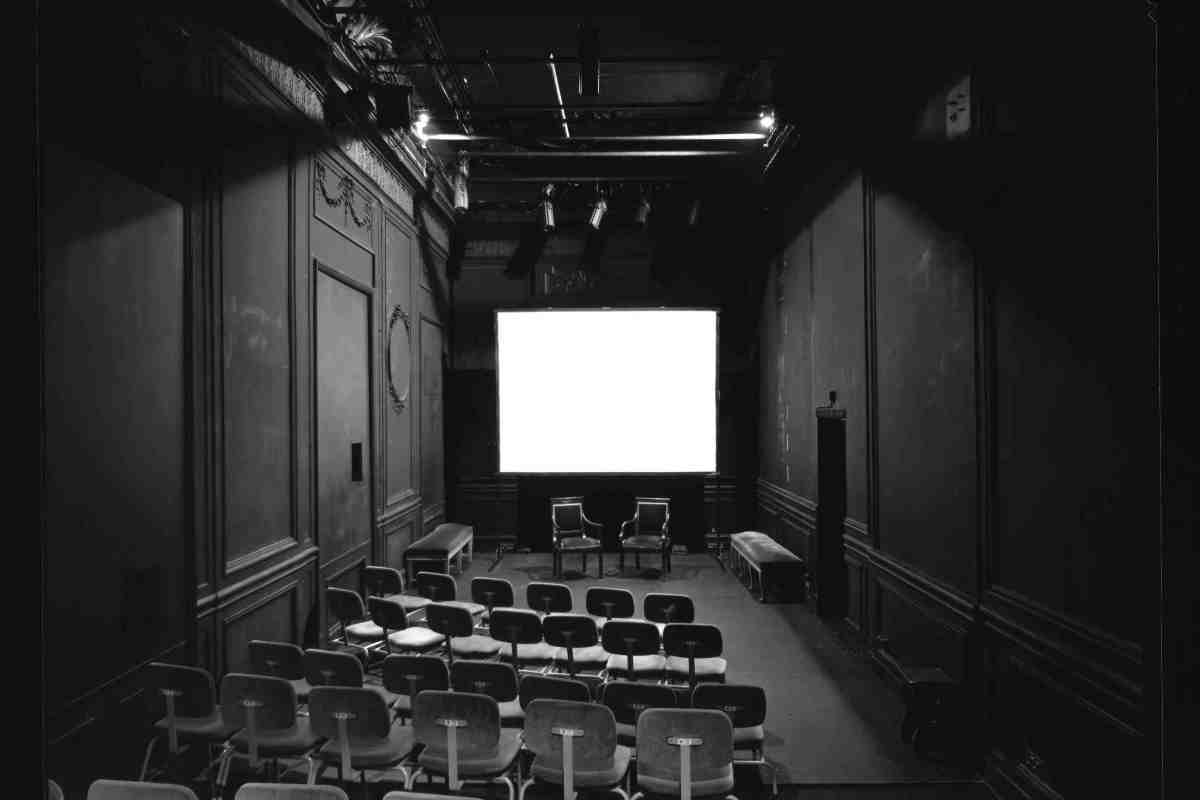
這次展覽有26幅黑白作品,涵蓋攝影師的多個系列作品。早年生活在波蘭,可見他Wrocław、Kraków等波蘭城市捕捉的街頭景象;移居法國後,他在巴黎拍攝商店門口,也在昂熱、尼斯等城市拍攝圖書館、劇院、博物館等建築物空間。在巴黎拍攝的奧德翁劇院 (Théâtre de l’Odéon),長時間的曝光讓螢幕變成強烈的白光,令人想起杉本博司的《Theaters》劇場系列。雖然作品有種異曲同工之妙,不過Bogdan探索的不是時間的流逝,而是黑暗中的奇妙光源,作品中光線強烈的明暗對比,帶給人沉靜神秘的感受。
3 / Eine Kleine Nachtmusik, 2009, Courtesy of Boogie Woogie Photography
Bogdan Konopka極其注重照片質素,作品大多以8 x 10吋或4 x 5吋菲林的大片幅相機拍攝,然後親自在黑房裏以「接觸印相」(Contact Prints) 的方法製成銀鹽照片,這種方式直接將菲林與相紙進行接觸印製,在相紙上以1:1的比例呈現出菲林底片上的影像,展現出不同深淺的灰階及出色的光暗效果。相比起數碼打印的大尺寸照片,Bogdan的作品總是小小的,觀眾不得不近距離欣賞,去體會畫面中那些觸動人心的細節。
對他來說,黑房也是靈感的誕生之處,他在菲林底片上進行刮劃、塗畫,創作出別樹一幟的圖案。這種創作手法靈感源自法國詩人及畫家Henri Michaux的畫作,Bogdan閱讀他的詩歌,也深愛他的畫作,透過攝影與他進行對話。在黑房創作時,他彷彿與世界的喧囂隔絕,而陪伴他進行這項實驗性創作的還有音樂,如Tarkovsky Quartet的《白晝之夜》(Nuit Blanche)。他將這系列作品命名為《Eine kleine Nachtmuzik》,名稱來自莫札特的《弦樂小夜曲》。
Tyłem- Dos au mur, 1983, Courtesy of Boogie Woogie Photography
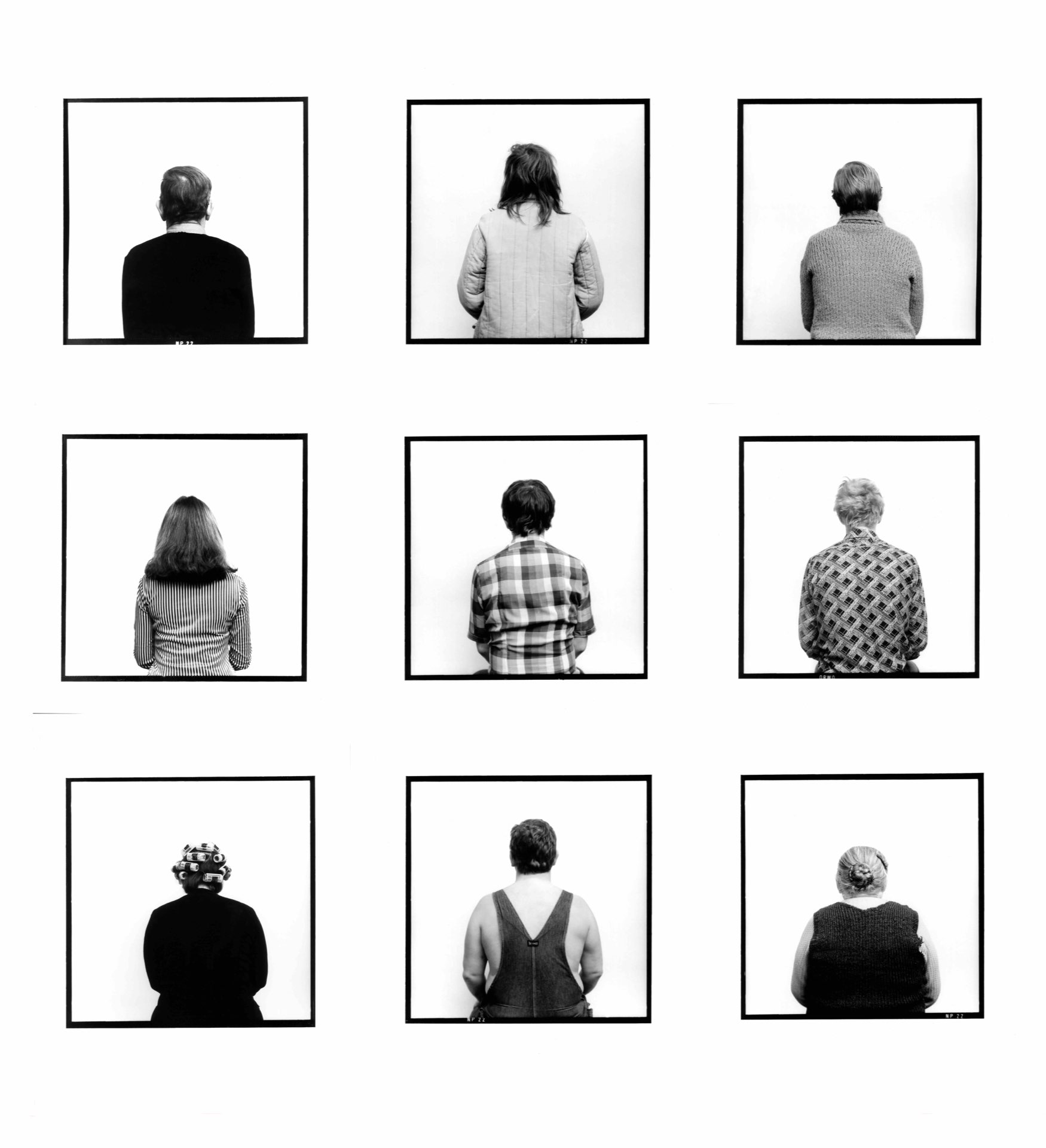
Bogdan的作品不只關於黑暗與光源,他拍攝的人物肖像也充滿神秘感。《Tyłem- Dos au Mur》(Backwards, Against the Wall) 是一幅以九張肖像並排而成的作品,全部以簡單、一致的白色背景拍攝不同人的背部,令人好奇被攝者的容貌。這些照片讓人想起楊德昌電影《一一》中的小男孩洋洋,他覺得人的眼睛只能看到一半的事物,能看到前方,卻看不到後面,於是他開始拍攝人的背面,用兒童單純而奇特的視角拍攝周圍的生活,Bogdan Konopka的這系列作品也體現出他獨特的攝影觸覺。
志鎌猛的作品被多個私人及公共藝術機構收藏,包括愛馬仕、法國國家圖書館 (Bibliothèque Nationale de France)、美國加州三藩市現代藝術博物館 (San Francisco Museum of Modern Art)、美國加州聖地牙哥攝影美術館 (Museum of Photographic Arts San Diego)、美國德州休士頓美術館 (Museum of Fine Arts, Houston)及美國俄勒岡州波特蘭美術館 (Portland Art Museum)等。
Boogie Woogie Photography & PhotogStory are pleased to present “Contemplations”, a solo exhibition by Takeshi Shikama at the Loft in Wong Chuk Hang from 10 December 2022 to 20 January 2023.
Born in Tokyo in 1948, Takeshi Shikama taught himself photography but never expected to be a photographer at the beginning. One day in early autumn 2001, as twilight set in, Shikama got lost in the mountain paths. Attracted by the darkness of the undergrowth, he found himself suddenly seized with a strong desire to take photographs. He set out to the same place again with a camera the following day, trying to capture the enigmatic feeling that animates him. This experience made him realize that he was not taking pictures of the woods out of his will but that the forest was inducing him to take its portraits. Since then, Shikama turned to photography after a lengthy career as a designer and never stopped photographing forests in Japan, the United States, and Europe.
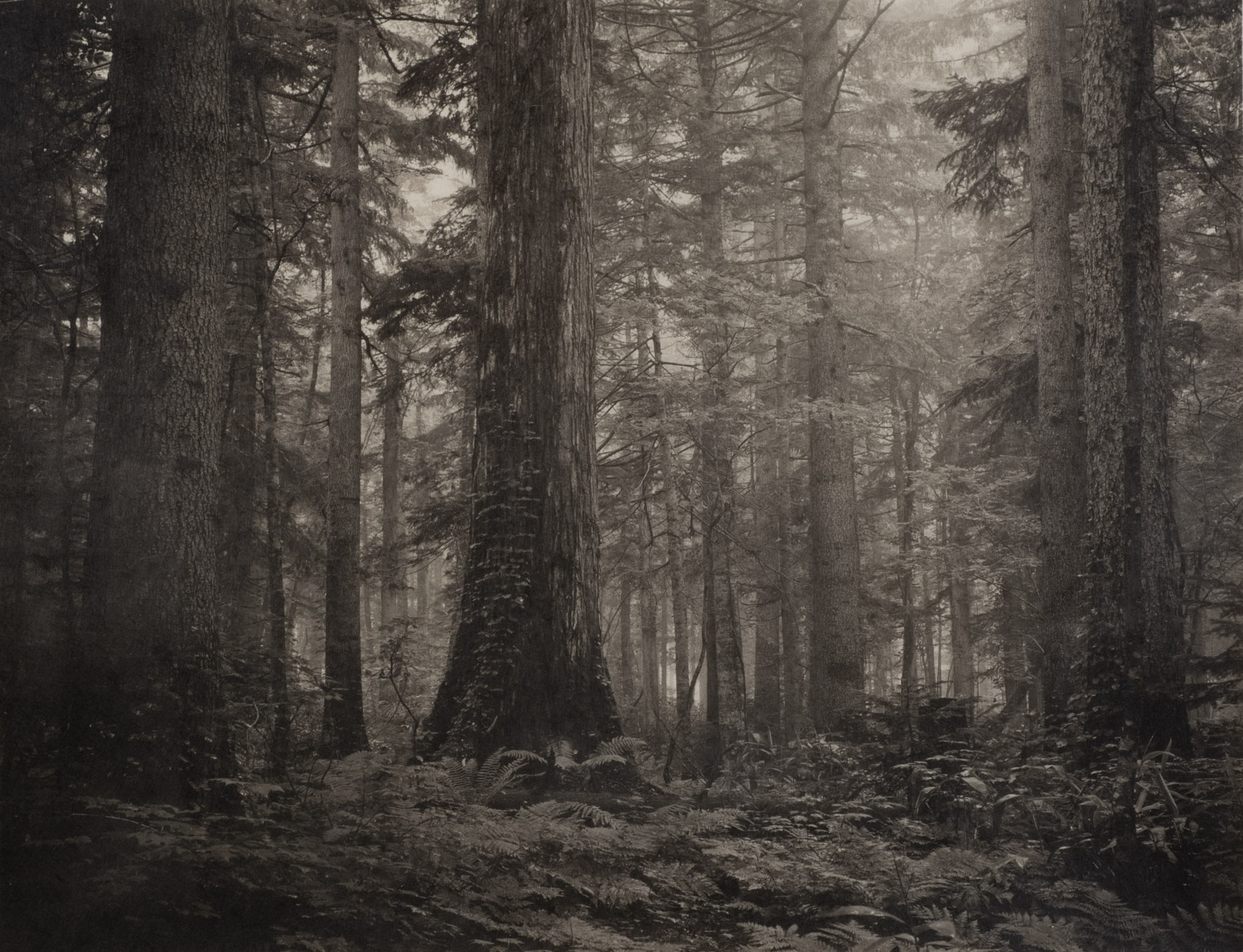
Silent Respiration of Forests – Hokkaido: Komatsubara, Courtesy of Boogie Woogie Photography
Looking back, he feels that this all began with the decision to build a mountain lodge with his hands. To clear a plot of land for constructing a lodge inside a small forest, Shikama had to fell Japanese red pine trees some eighty years old. Although many years have elapsed since then, he still vividly remembers the feeling as he sat astride the felled-down trees, stripping them of their barks.
Owing to the invaluable experience of spending the next ten years building the cottage, his sensitivity towards nature came to be fully awakened. Lured by this mysterious sensation, Shikama started to travel all over Japan, visiting the depth of forests and continuing to take photographs.
Shikama always carries cameras when traveling. He is curious how the lens will capture the air in various places in different countries. Unlike the rapid snapping of pictures that most people experience, an image is photographed one at a time. The large format camera with 4×5 inches film makes him possible to record the details and gives him more time to contemplate while setting the camera. He also likes the square format. The Hasselblad camera with 6×6 cm film is more convenient and suitable for capturing fleeting moments.
Silent Respiration of Forests-Yosemite: Yosemite #23, Courtesy of Boogie Woogie Photography
The exhibition Contemplations comprises 32 of Shikama’s images captured worldwide, including the winter scenery in Japan, the magnificent Yosemite National Park in California, the Isle of Skye in Scotland, and urban forests in Hong Kong, Taiwan, and France.
Breathe in, breathe out, and listen for the silence. As the exhibition title depicts, Shikama’s images of the forest and trees guided us through a visual contemplation that unlocks a journey toward discovering the nature of silence. Shikama wrote:”the forest always stands there, motionless in total stillness. This is the image I have always had of the forest. It has dawned upon me that the forest is, in fact, the home of numerous silent and peaceful activities”.
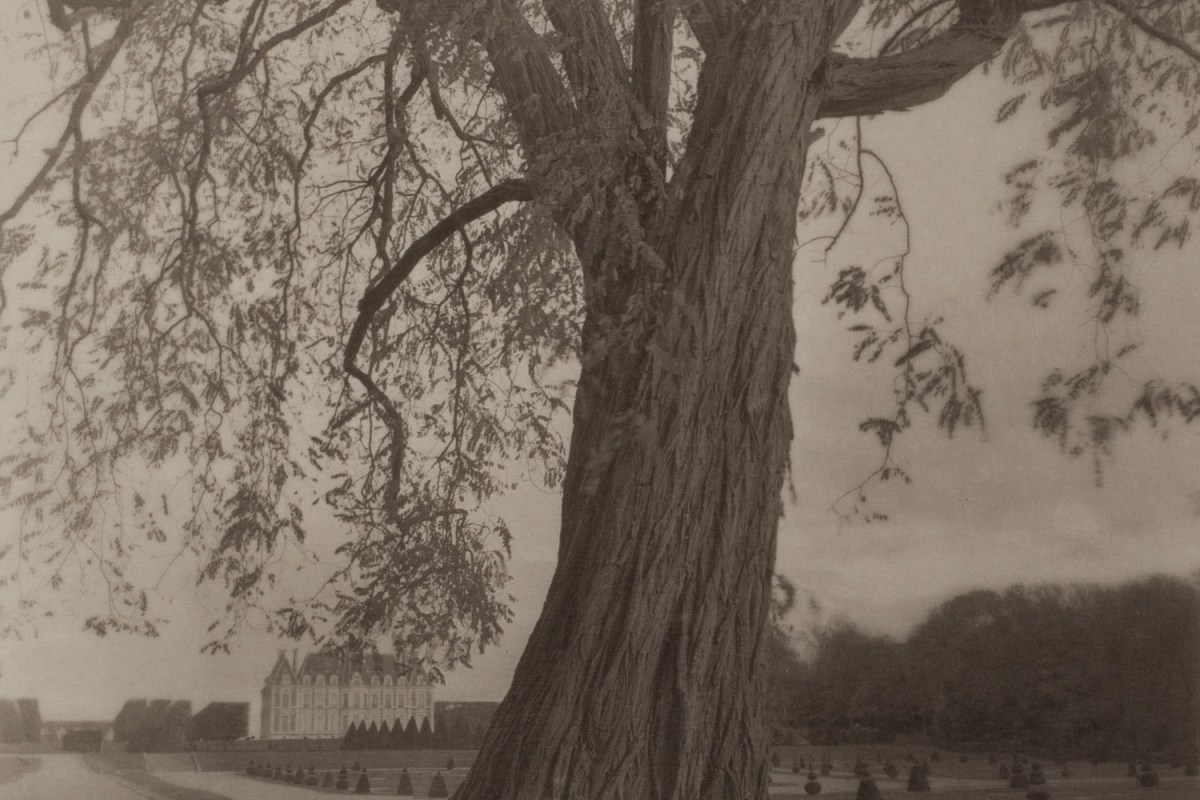
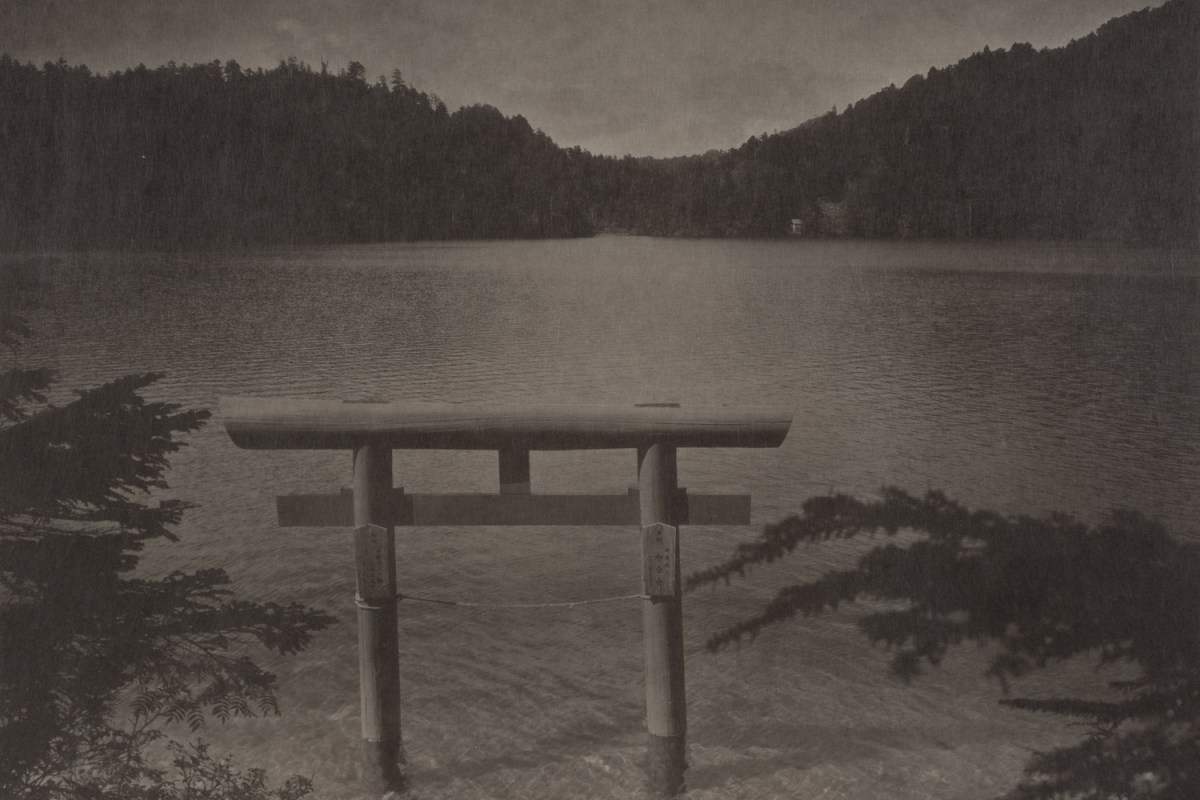
It is not just the trees and plants matter, but also the process of making the image from start to finish that is part of the journey. Shikama attaches as much importance to the details of the image as to the photographic object. His photographs are made in Japan and are both stunning and tranquil. He uses the platinum/palladium technique on handmade Gampi paper, which is traditional Japanese paper made of Gampi tree bark, giving the prints a natural sepia tone.
Urban Forest-Paris: Parco des Ceaux #2, Courtesy of Boogie Woogie Photography
He applies the emulsion by hand to each sheet, exposes the negative by contact, then reveals the image and fixes it chemically. This painstaking process requires mastery and attention that reflects the artist’s reverence for his subjects. The Gampi paper brings a unique and precious quality to each print, and its tone gives softness to the photo and reinforces the “stillness” of the forest in the final image.
Fascinated by the forest enveloped in natural and simple air, we hope these images in this exhibition can lead the viewers into Takeshi Shikama’s photography and meditation world. May the peace be with us.
Contemplations
A Solo Exhibition by Takeshi Shikama
Date: 10th December 2022 – 20th January 2023 (Closed from 28th -31st December)
Time: 2-7pm (Wednesday – Saturday)
Address: The Loft, 8/F, E Wah Factory Building,
56-60 Wong Chuk Hang Road, Wong Chuk Hang.
The artist will be present on Saturday, 10 December, 2-7pm
Contemplation – Snow: Kitayokodake #6, Courtesy of Boogie Woogie Photography
Takeshi Shikama (Japan, 1948)
Takeshi Shikama’s life ambition is to capture the “invisible” world that lingers beyond the visible world of the trees. Each photograph is hand-printed by Takeshi Shikama, using the ancient platinum/palladium technique, considered the highest quality in black and white photographic printing. The Japanese Gampi paper on which he prints is a handmade UNESCO national treasure. It requires a great deal of time and manual labor, which reflects the intimacy Shikama has with his subject matter.
The works of Takeshi Shikama appear in numerous private and public collections, including the Bibliothèque Nationale de France (Paris, France), Hermès International (Paris, France), the Museet for Fotokunst Brandts (Odense, Denmark), the Museum of Photographic Arts San Diego (California, United States), the Museum of Fine Arts, Houston (Texas, United States), the Santa Barbara Museum of Fine Art (California, United States), the Portland Art Museum (Oregon, USA) and the San Francisco Museum of Modern Art, (California, USA).
About Boogie Woogie Photography
Boogie Woogie Photography is a company founded in Hong Kong in 2016 to promote photography in Asia. The mission is to act as a platform for galleries, collectors, companies, and photographers aiming to develop photography projects in Hong Kong and Asia.
About PhotogStory
PhotogStory is an online Photography platform and Guest Curator based in Hong Kong. We focus on stories of local and international photographers and stories behind classic photos.
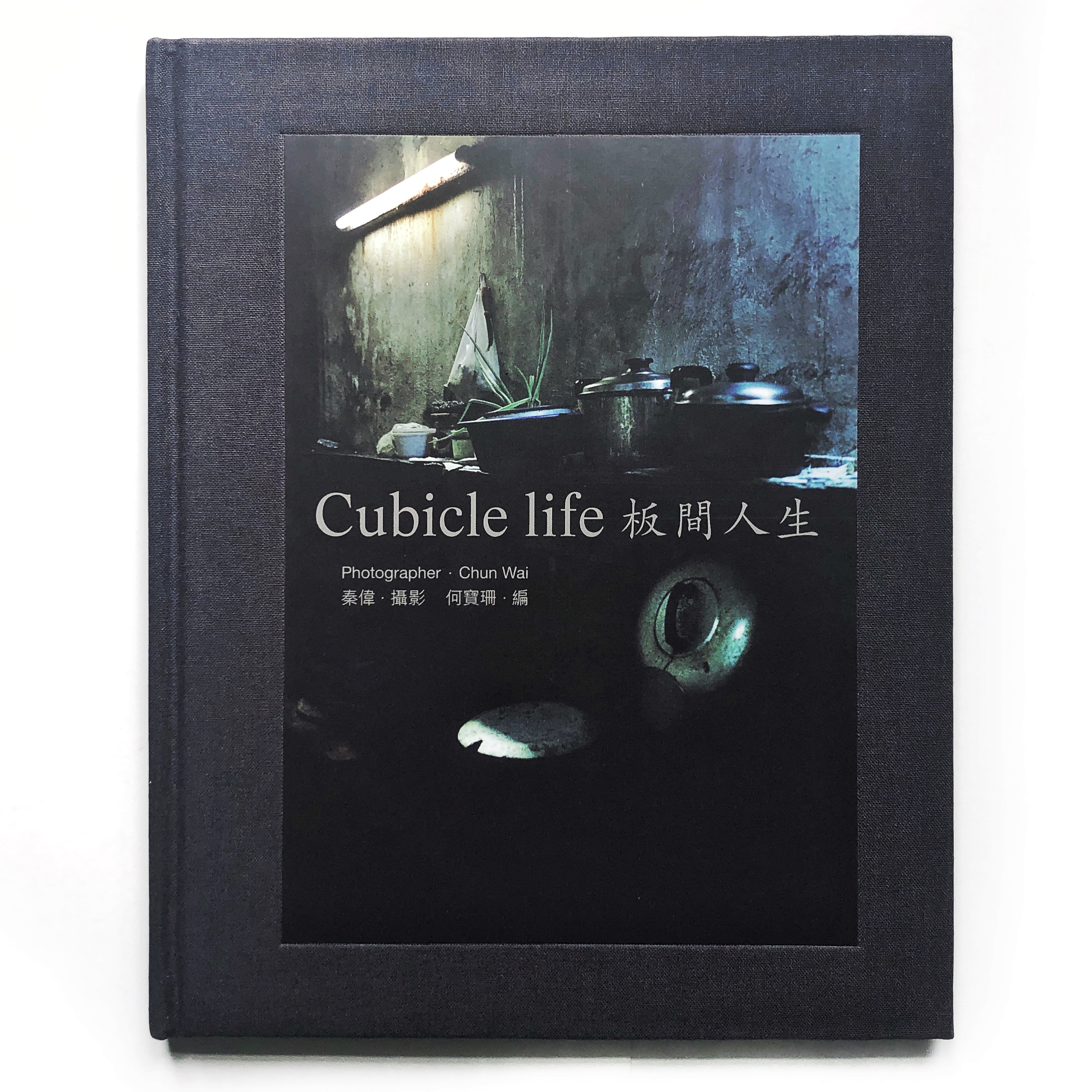
Chun Wai’s Cubicle Life narrates the livelihood of the poor in Hong Kong. These people have no alternative but to dwell in cubicles that have an area of only three to four square meters. These cubicles usually do not have windows; thus, the air does not circulate, and the atmosphere becomes stuffy. The room is unbearably hot in summer, and bed bugs run rampant, making it an extremely harsh living environment.
People dwelling in these cubicles are mainly the grassroots who have no means of changing their destiny. They barely exist below the poverty line, with poor quality of life and confined social networks, and thus often live in a passive, lost, alienated, and melancholy, sub-health mental state of mind.
The stories of cubicle dwellers are presented from cinematic angles through touching scenes, portraits, and point-of-view shots. With great sensitivity to color and tonal subtleties, a highly coherent body of powerful images has been created. Chun Wai deftly uses medium shots and close-ups to connect and interact with the subjects. The results were honest yet unobtrusive – to capture the characters on camera with their dignity.
Martin Heidegger, exploring Taoism in his later years, ruminated over the phrase:
‘Poetically man dwells.’
This is a state of life.
We must remove the shackles of alienation and oppression before we can end inhuman states of existence and enable every individual to reach their true potential.
Cubicle Life highlights the lives buried under the dictates of elitism revered by our society. It also exposes the plight of the underprivileged in a situation where they are deprived of any opportunity for upward mobility. It also attempts to find out the meaning of life and the worth of human existence.
Boogie Woogie Photography & PhotogStory are pleased to present « My Hong Kong, 我城 (Part II) », a group exhibition at the Loft in Wong Chuk Hang from 15 October to 27 November 2022.
Every city has its own story to tell. More stories are yet to be told in a vibrant and bustling city like Hong Kong. Following the success of the exhibition « My Hong Kong, 我城 », we are thrilled to present Part II, comprising twelve Hong Kong and international photographers’ artworks about the city.
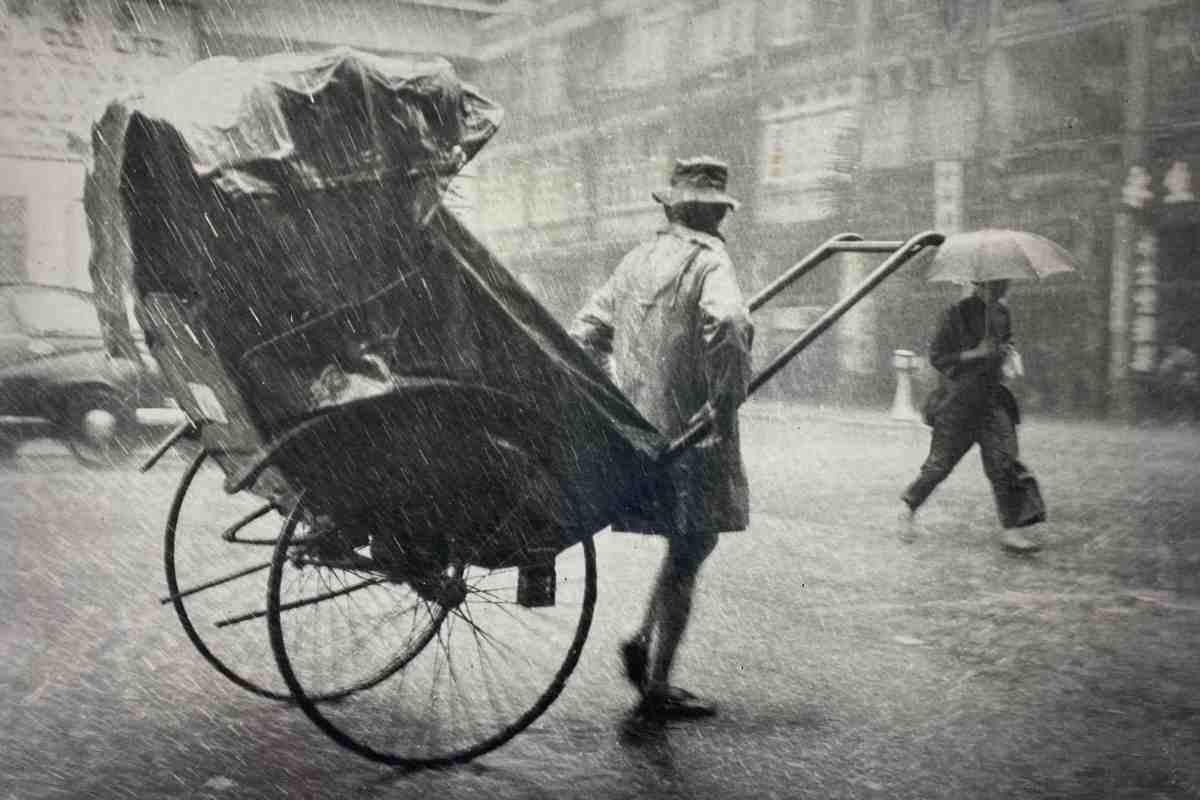
Raymond Cauchetier, Hong Kong, 1954. Photo Courtesy of Boogie Woogie Photography
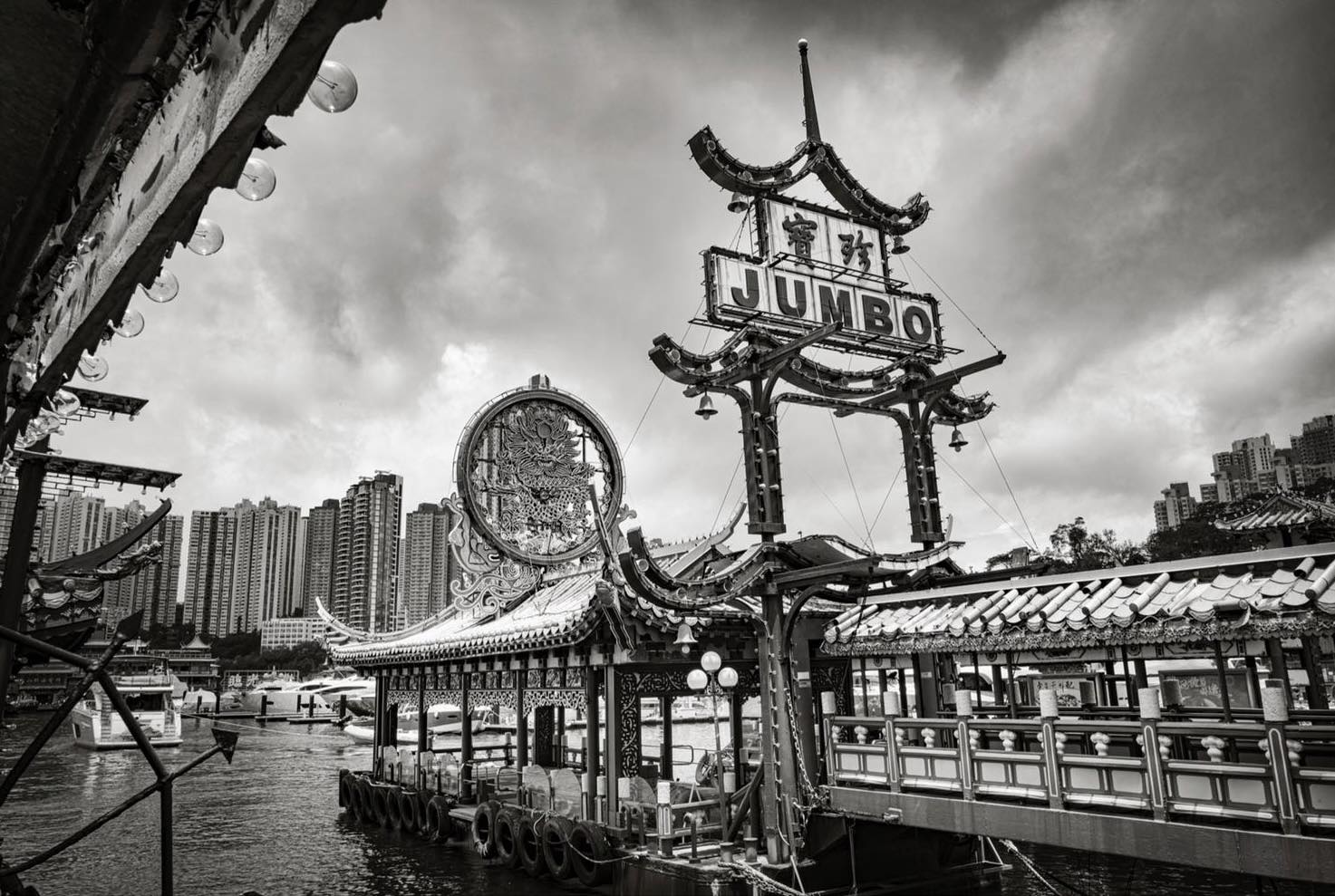
Everyone sees and feels the city from their perspective. People who have been to Hong Kong at different ages always have a reason to fall in love with the city. Raymond Cauchetier and James Chung‘s cityscapes from the 1950s and young talents’ impressions of Hong Kong are on display.
Even though Cauchetier and Chung lived in different worlds, they had similar paths. They were both self-taught photographers and recorded Hong Kong’s street scenes nearly seventy years ago. Their images reflect people’s simple life at that time. Later, in the 1960s, Cauchetier became a set photographer for the French New Wave and Chung for Hong Kong films. With the passing of Jean-Luc Godard in September of this year, Cauchetier’s photographs brought back vivid memories of the French New Wave director, which left a critical testimony of the golden era.
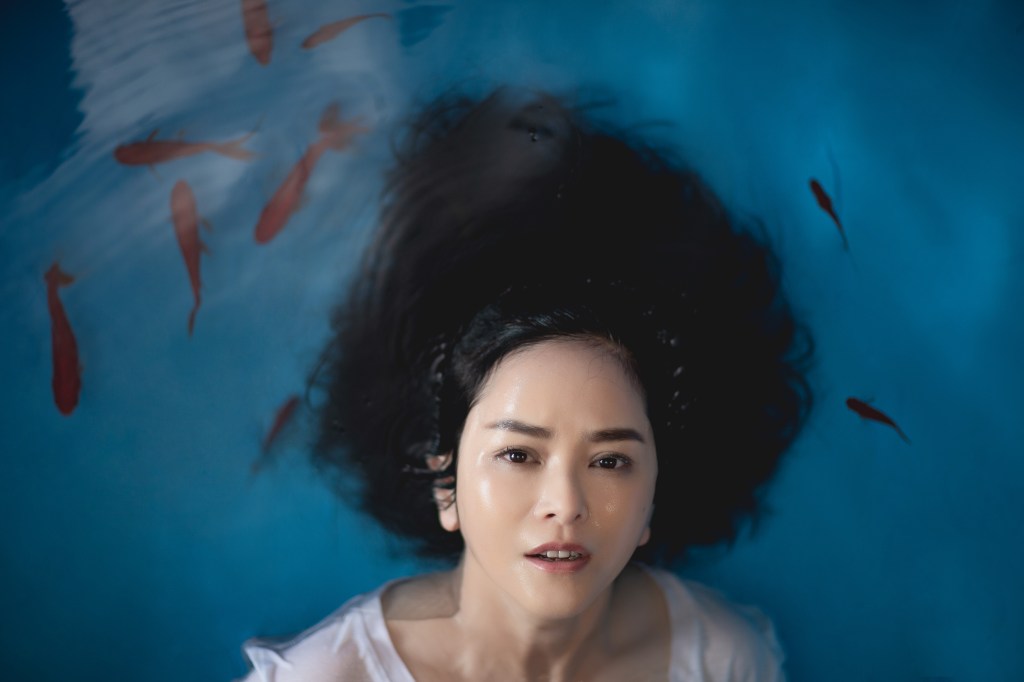
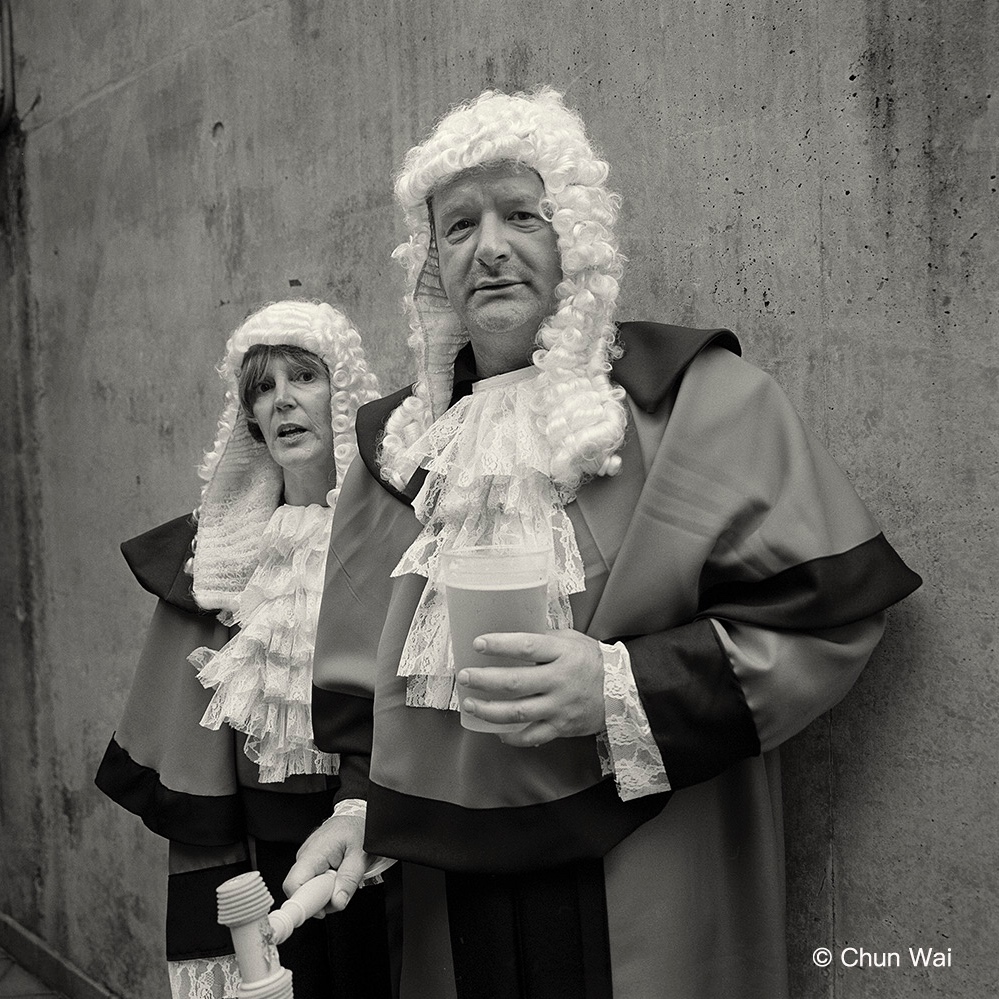
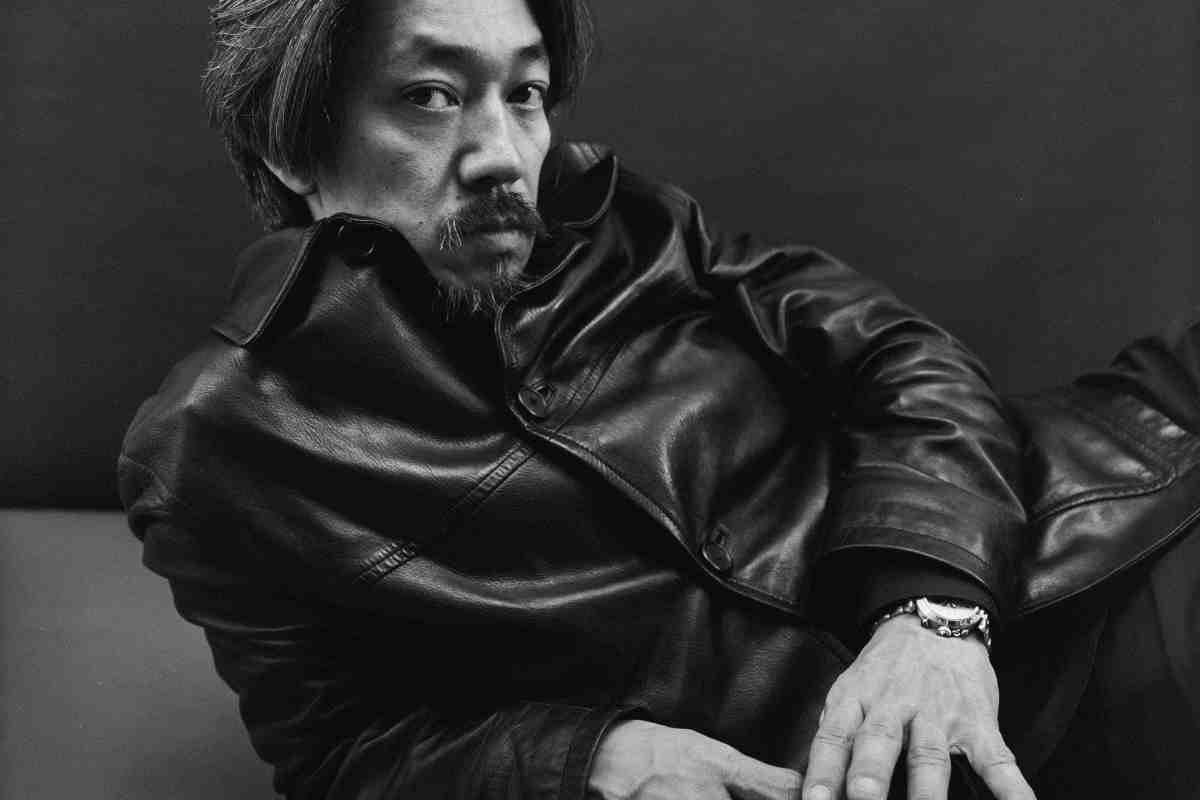
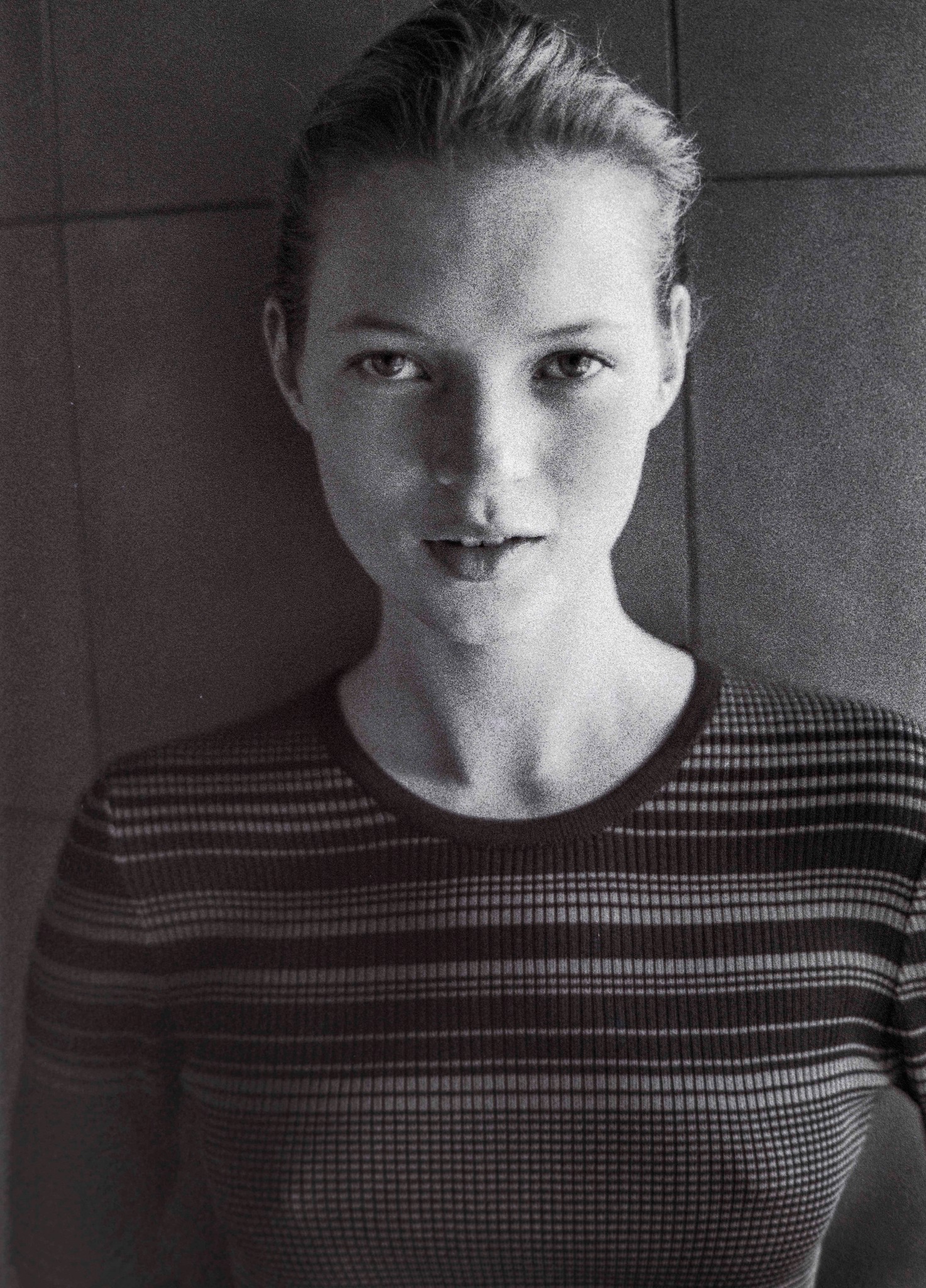
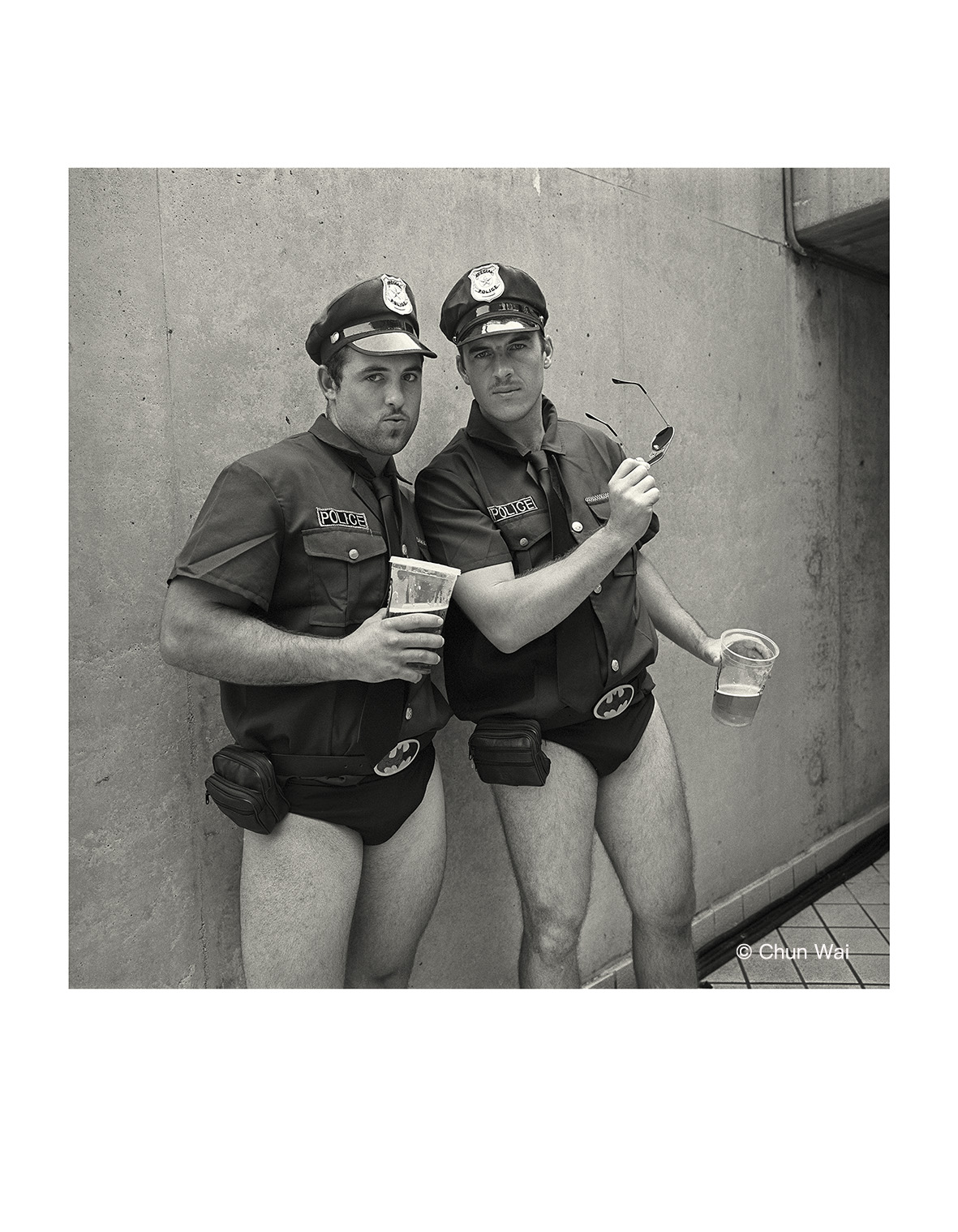
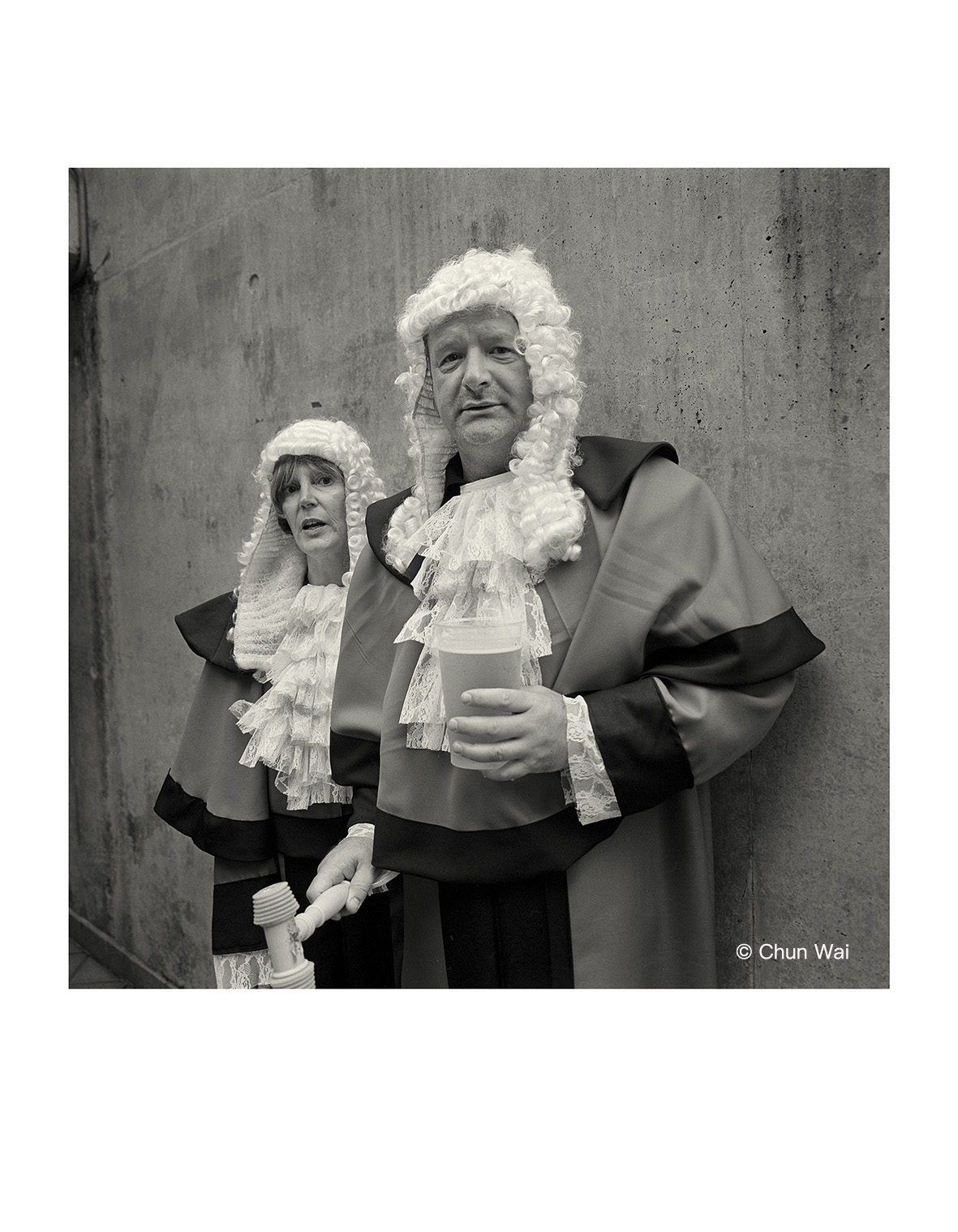
Hong Kong’s attraction is not only the city’s history and appearance but also the people who live here. For nearly two decades, photographer Chun Wai has photographed spectators dressed in amusing costumes during the Hong Kong Sevens. Meanwhile, Rensis Ho captured celebrities like Anita Mui and Kate Moss in Hong Kong, who are the Pop Culture Icons of our times.
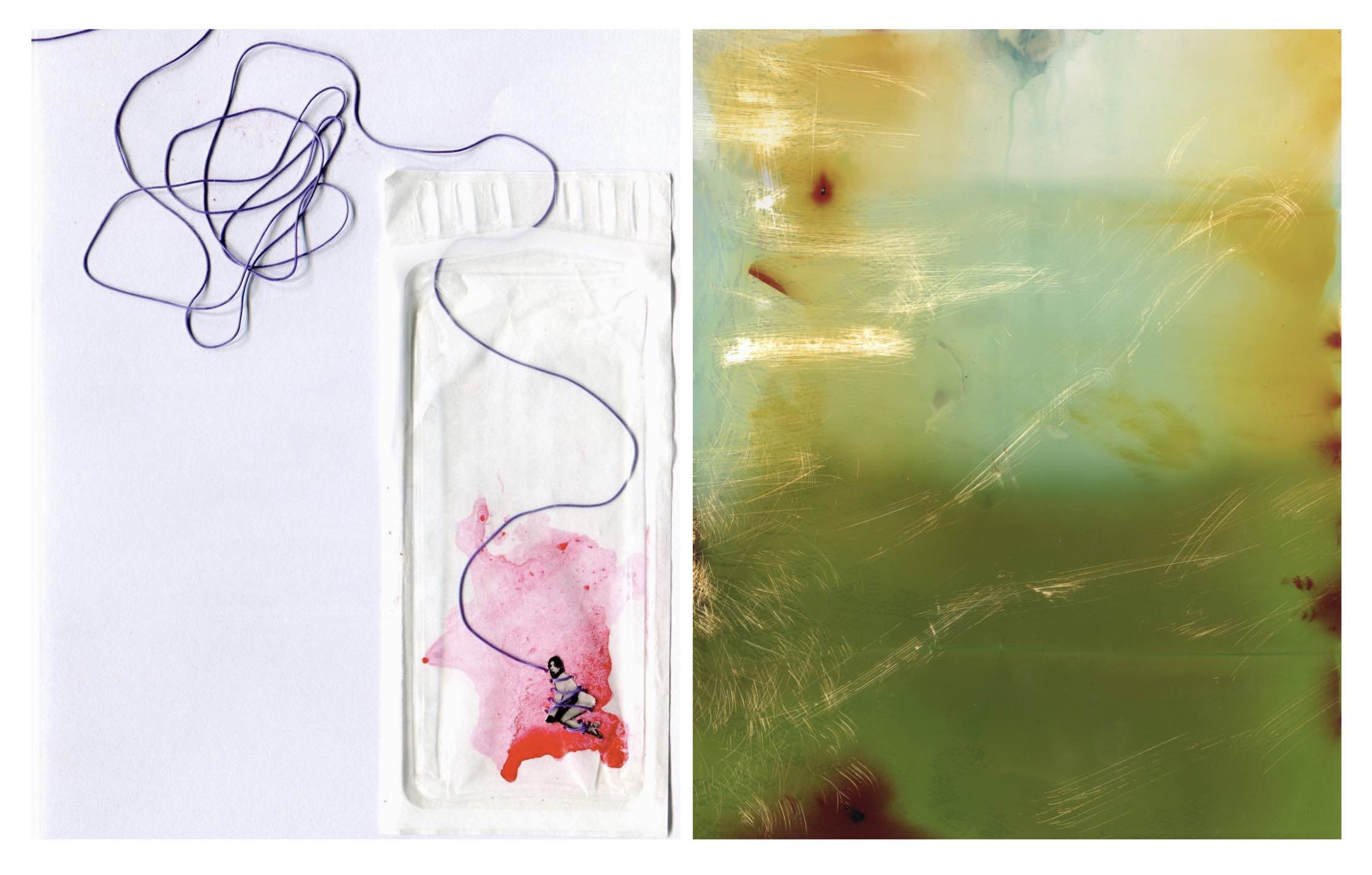
The culture of Hong Kong is a mix of Chinese and Western influences. Such background inspired photographer Lean Lui’s artistic experimentations project “Disorder Sensing” (2022). She folded the light-sensitive paper into a pinhole camera, repeatedly threw it at the wall, or tossed it in a washing machine for exposure.
The process is done in complete darkness, relies on her experience and imagination, and finally obtains a series of abstract and gorgeous tints on paper. The process echoes Lui’s interests in Tao Te Ching, which says, “everything bears Yin and embraces Yang, and rushes into harmony.” After experiencing darkness and light, the photographic paper shows the beauty brought by the balance of Yin and Yang, which is reminiscent of the Taoist philosophy.
Hong Kong is a charismatic city. Whether in the movies or the reality, this place always attracted and fascinated visitors. The exhibition not only presents the city’s past and present but also embraces the city’s diversity through the photographers’ eyes. We hope the audience can recall their unique memories of the city with this exhibition.
My Hong Kong, 我城 (Part II)
Date: 15 October – 27 November 2022
Time: 2-7 pm (Friday – Sunday)
Address: The Loft, 8/F, E Wah Factory Building,
56-60 Wong Chuk Hang Road, Wong Chuk Hang.
Guided tour with Curator and Artists: Saturday 12 November, 2-7 pm
About Boogie Woogie Photography
Boogie Woogie Photography is a company founded in Hong Kong in 2016 to promote photography in Asia. The mission is to act as a platform for galleries, collectors, companies, and photographers aiming to develop photography projects in Hong Kong and Asia.
About PhotogStory
PhotogStory is an online Photography platform and Guest Curator based in Hong Kong. We focus on reports of local and international photographers and stories behind classic photos.
Artists Profile
Raymond Cauchetier (France, 1920-2021)
Raymond Cauchetier was the most famous photographer of French New Wave cinema. His first photographs were taken in his thirties while serving in the French Air Force press corps in Indochina. Cauchetier traveled through Hong Kong in 1954 and stayed for one week. He left a bouquet of memories, a little yellowed but always authentic.
James Chung (Hong Kong, 1925-2018)
James Chung embarked on his journey in photography in 1957 when he acquired his first Rolleicord. Entirely self-taught, he became a full-time movie-still photographer in 1963. James started his studio in North Point In 1968, focusing on portraits for commercials and print enlargement. His achievements in photography were further recognized by the Honorary Fellowship from the Photographic Society of Hong Kong and Fellowship from the Royal Photographic Society of Great Britain later. The Hong Kong Heritage Museum collects his works.
Takeshi Shikama (Japan, 1948)
Takeshi Shikama’s life ambition is to capture the “invisible” world that lingers beyond the visible world of the trees. Each photograph is hand-printed by Takeshi Shikama, using the ancient platinum/palladium technique, considered the highest quality in black and white photographic printing. The Japanese Gampi paper on which he prints is a handmade UNESCO national treasure. It requires a great deal of time and manual labor, which reflects the intimacy Shikama has with his subject matter.
Roger Ballen (United States, 1950)
Roger Ballen’s photographs span over forty years, and he is one of the most influential and important photographic artists of the 21st century. His strange and extreme works confront the viewer and challenge them to come with him on a journey into their minds as he explores the deeper recesses of his own. Roger Ballen is one of the artists representing South Africa at the Venice Biennale 2022 in Italy.
Chun Wai (Hong Kong, 1958)
Born in Hong Kong and educated at the École supérieure des beaux-arts de Mulhouse in France, photographer Chun Wai’s perspective lies in his humanistic vision and macro-historical framework in interpreting the changing world. His project covered a vast area in the region, including Hong Kong. His work is full of a sorrowful yet romantic mood and reveals his personal landscape. The phantasmagorical image like a rhythm poem of a stray, is a unique work of art.
Thierry Cohen (France, 1963)
Thierry Cohen has been a professional photographer since 1985 and a pioneer in the use of digital techniques from the end of the 1980s. He lives and works between Paris and Monségur, close to the Atlantic Coast. Since 2006, he has devoted most of his time to personal work. Thierry is interested in the impact of human activities, particularly on nature. His works are held in private and public collections and regularly exhibited in New York, Los Angeles, and Paris.
Rensis Ho (Hong Kong, 1964)
Rensis Ho, a well-known Hong Kong photographer, studied finance in New York and then majored in photography at the Fashion Institute of Technology. After returning to Hong Kong in the 1990s, he has been engaged in photography for more than 25 years. Rensis is particularly noted for still life and portrait photography and has photographed numerous celebrities, including Kate Moss, Chloe Sevigny, Marc Jacobs, Sakamoto Ryuichi, Anita Mui, etc.
Julian Cohen (United Kingdom, 1967)
Julian came to Hong Kong in 1998 for three months, fell in love with the city, and stayed. He was called to
the Hong Kong Bar in 2010 and founded Resolution Chambers in 2021. He is today a renowned Barrister & Arbitrator. He photographs the city with his passion for the place and people.
Jocelyn Ho (Hong Kong, 1973)
Jocelyn has always been interested in photography – not to be behind or in front of a camera, but to see through a different pair of eyes. To her, everyone is a photographer. We may be looking in the same direction, the same object, but she believes we all see differently, and we choose which images to imprint on our minds.
Paul Bradshaw (United Kingdom, 1979)
Paul is a photographer, designer, and publisher based in Hong Kong since 2004. His photographs are either candid shots or spontaneous collaboration, which happens when his subject is suddenly confronted by the camera. The ambiguity of these fleeting moments, captured without exchanging words, encourages personal interpretation of the images.
Lean Lui (Hong Kong, 1999)
Lean Lui, a Hong Kong fine art and fashion photographer, graduated from Central Saint Martins (Philosophies & Photography MA). She has shot for the 2020 DIOR Global Campaign and VOGUE Magazine cover and was a guest of DIOR TALKS. Lean’s works were exhibited at the 2018 Beijing Three-shadow photography Award Exhibition, Hong Kong International Photo Festival, etc.
Dion Leung (Hong Kong, 1999)
Dion Leung is a Hong Kong-based visual artist who mainly works with photography and collage. She explores topics of rebellion and conflict with the practice of realism. As a self-taught artist, Dion is constantly looking for the expression of art amongst human interaction in other disciplines. Having an interest in history and politics, she is trying to fulfill her understanding of the sophisticated world through her art practice and reminding herself that everything true is beautiful.
致力於推廣攝影藝術的Boogie Woogie Photography與香港攝影平台「顯影 PhotogStory」在黃竹坑The Loft攜手呈獻攝影聯展《我城》(My Hong Kong, Part II),展期由2022年10月15日至11月27日。
展覽名稱《我城》源自作家西西的同名著作,作者透過不同角色的故事及他們生活日常中的瑣碎細節,共同編織起一個關於香港城市的故事。每篇章節內容均可視為一段獨立的情節,閱讀整部小說就如一部觀看「香港版」的《清明上河圖》。《My Hong Kong》攝影聯展的理念,恰好與西西小說中多重視點的敘述手法不謀而合,展覽中的每位攝影師均有屬於自己的香港故事,他們眼中的香港也不盡相同,而這正體現這座城市的多元及迷人之處。
《我城》小說寫於1970年代,並以當時的香港為背景,作者在小說中坦言「目前的世界不好,但年輕人可以依理想來創造美麗的新世界。」這些對白放諸刻下的香港,其實也深有共鳴。《My Hong Kong》展覽以本地攝影師Jocelyn Ho一幅中環街市的一縷陽光為終結,既呼應老一輩攝影師在1950及1960年代在中環街市拍攝的照片,同時帶出對我城的一絲希望,這一縷陽光,也象徵著城市的生命力。
Raymond Cauchetier是法國新浪潮電影劇照攝影師,1951年,他隨法國空軍到胡志明市 (舊稱西貢) 服役,當時正值第一次印度支那戰爭,他拍攝空軍的行動以及戰役,為此還得到戴高樂將軍的褒獎。1954年戰爭結束後,他展開遊覽東南亞的旅程,在香港、澳門、越南、柬埔寨、老撾及日本等地拍攝當地的風土民情,在他的舊香港照片中,可見掛滿招牌的街道。
何耀燊,本地著名攝影師,在紐約攻讀金融,及後入讀Fashion Institute of Technology主修攝影,回港後從事攝影工作超過二十五年。何氏擅長靜物和人像攝影,曾拍攝無數中外時尚名人紅星,包括Kate Moss、Isabella Rossellini、Chloe Sevigny、Marc Jacobs、Nigo、坂本龍一、梅艷芳、郭富城、舒淇等。