Raymond Cauchetier, Courtesy of Boogie Woogie Photography.
展覽《我城》展出十三位本地及外國攝影師關於香港的攝影作品,他們來自法國、美國或日本,也有多位香港本地攝影師;他們有的在1950年代已開始攝影,也有剛開始攝影生涯的年輕攝影師。每位攝影師均有屬於自己的香港故事,這也是這次展覽「My Hong Kong」的由來,他們對香港有不同看法,眼中的香港也不盡相同,而這正體現這座城市的多樣性。
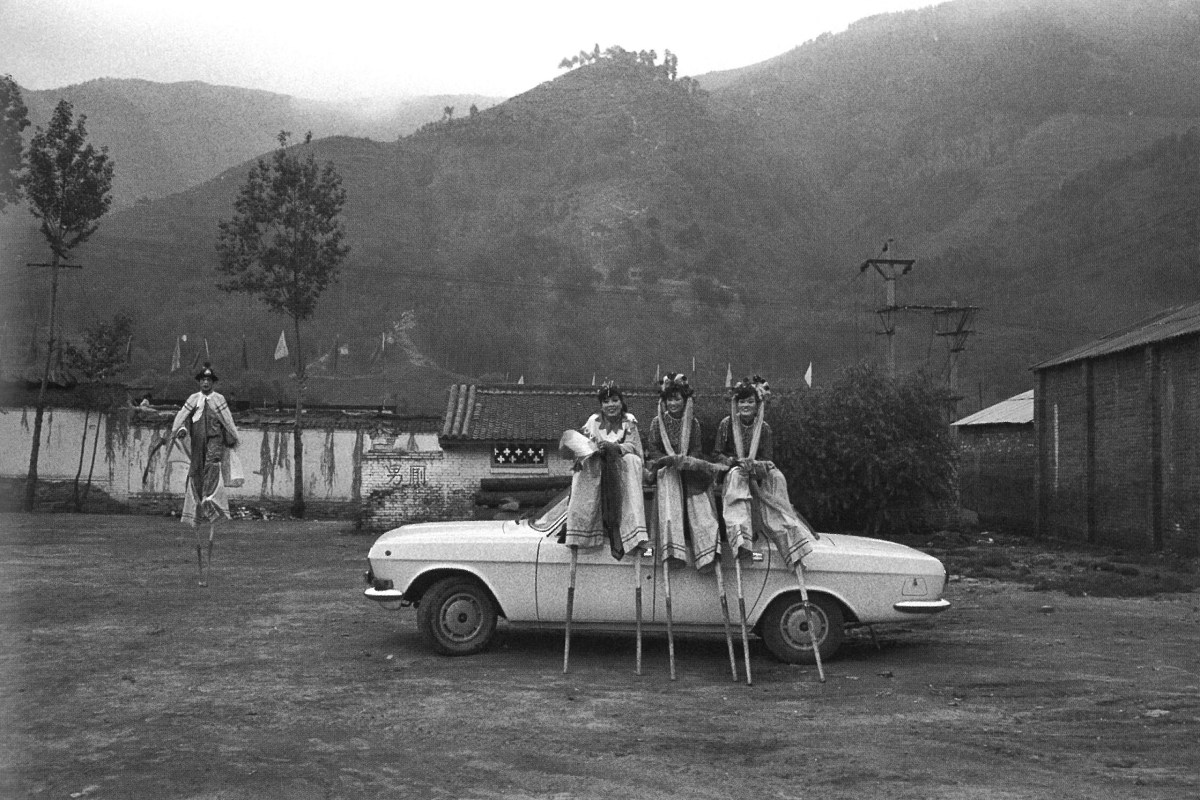
Raymond Cauchetier是法國新浪潮電影劇照攝影師,1951年,他隨法國空軍到胡志明市 (舊稱西貢) 服役,當時正值第一次印度支那戰爭,他拍攝空軍的行動以及戰役,為此還得到戴高樂將軍的褒獎。1954年戰爭結束後,他展開遊覽東南亞的旅程,在香港、澳門、越南、柬埔寨、老撾及日本等地拍攝當地的風土民情,在他的舊香港照片中,可見掛滿招牌的街道。
Boogie Woogie Photography & PhotogStory are pleased to present “My Hong Kong, 我城”, a group exhibition at the Loft Wong Chuk Hang, from 3 September to 15 October 2022.
Every city has its own story to tell. In a vibrant and bustling city like Hong Kong, more stories are yet to be told. For Boogie Woogie Photography and PhotogStory, Photography brought us together. Although we have different backgrounds, we share the same passion for photography and fondness for this city. We met several years ago at an Art Fair, and now we’re thrilled to curate this exhibition, “My Hong Kong, 我城”, in Wong Chuk Hang.
James Chung, Queen’s Road Central, 1959. Courtesy of Boogie Woogie Photography.
“My Hong Kong, 我城”, comprises thirteen Hong Kong and international photographers’ artworks about the city. On display are Raymond Cauchetier and James Chung’s cityscapes from the 1950s as well as young talents’ impressions of Hong Kong. These images not only present the city’s past and present but also embrace the city’s diversity through the photographers’ eyes. We hope you enjoy the exhibition as we enjoy the city that we’re much-loved.
Raymond Cauchetier, Courtesy of Boogie Woogie Photography.
Everyone sees and feels the city from their perspective. People who have been to Hong Kong at different ages always have a reason to fall in love with the city. Under the lens of James Chung and French photographer Raymond Cauchetier, there is street scenery full of Chinese characters, reflecting people’s simple life at that time. Even though Chung and Cauchetier lived in different worlds, they had similar fates. Both were self-taught photographers and recorded Hong Kong’s street scene nearly seventy years ago. Later, they became set photographers, respectively for Hong Kong Films and for the French New Wave in the 1960s. Their photographs left a critical testimony of the golden era.
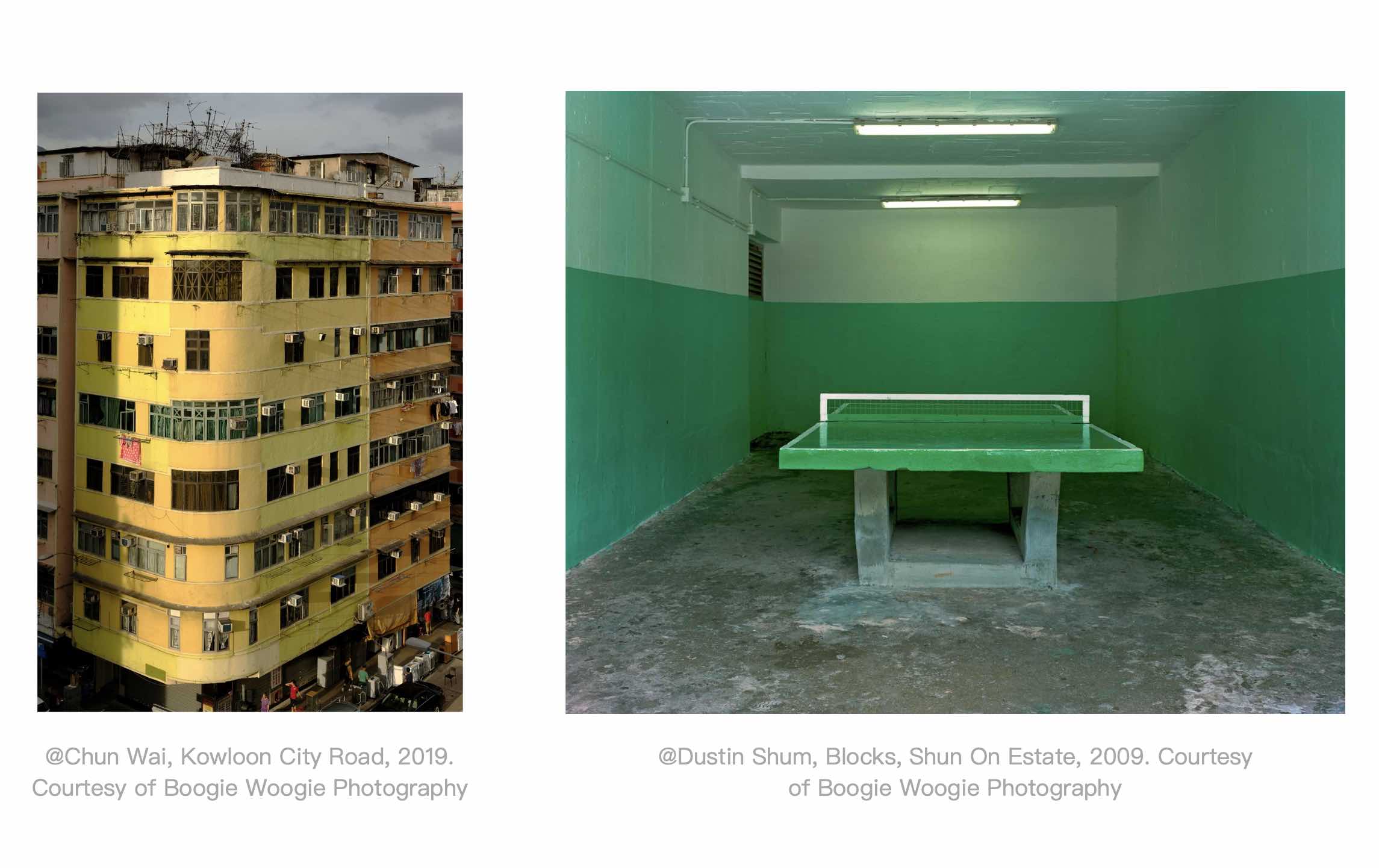
Hong Kong’s architecture also reflects the city’s character. Chun Wai photographed buildings with rounded corners, a practical architectural style popular in the post-war. Under the lens of Dustin Shum, a ping pong table painted in bright green in Shun on Estate is reminiscent of American director Wes Anderson’s movies at first glance. Yet, the bright colors contrasted with the mottled ground if you look closely, revealing the refurbishment in public housing estates, where the city’s low-income residents live. Photographer Felix Wong focuses on skyscrapers, extracting the background and apparent characteristics of the buildings, and simply presenting its aesthetics with geometric lines.
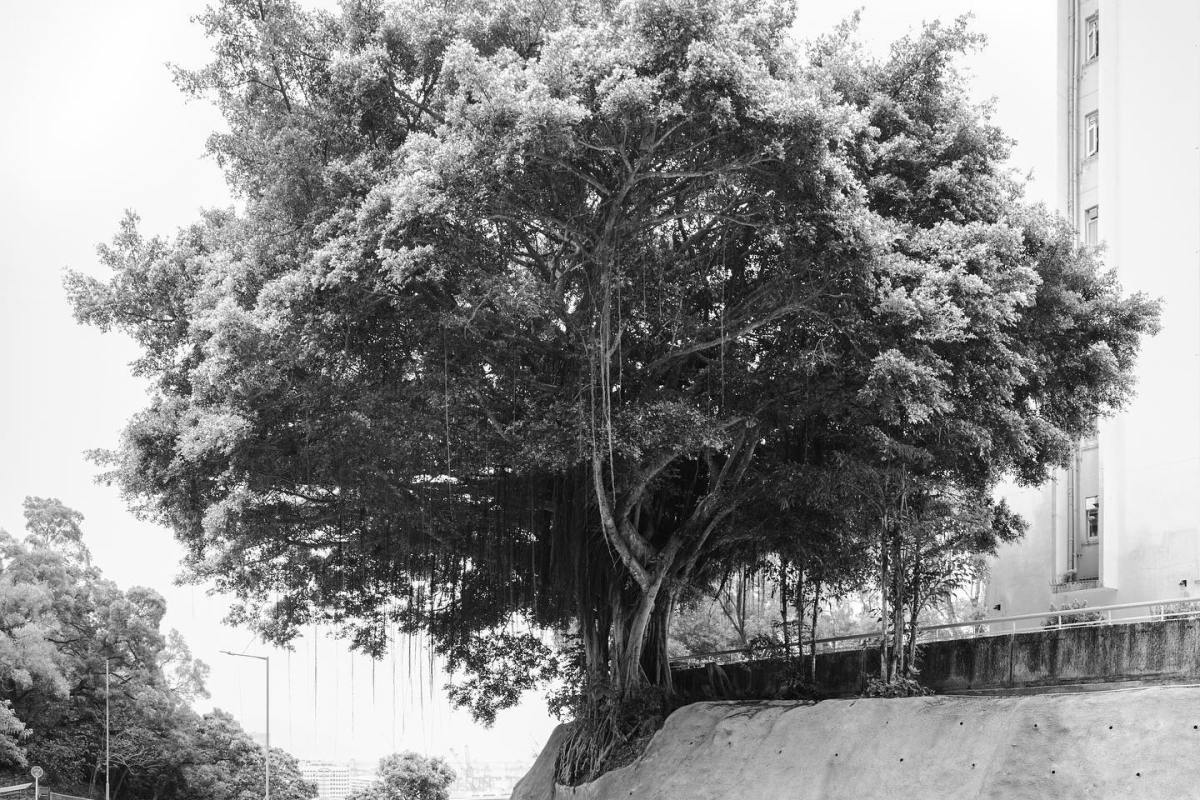
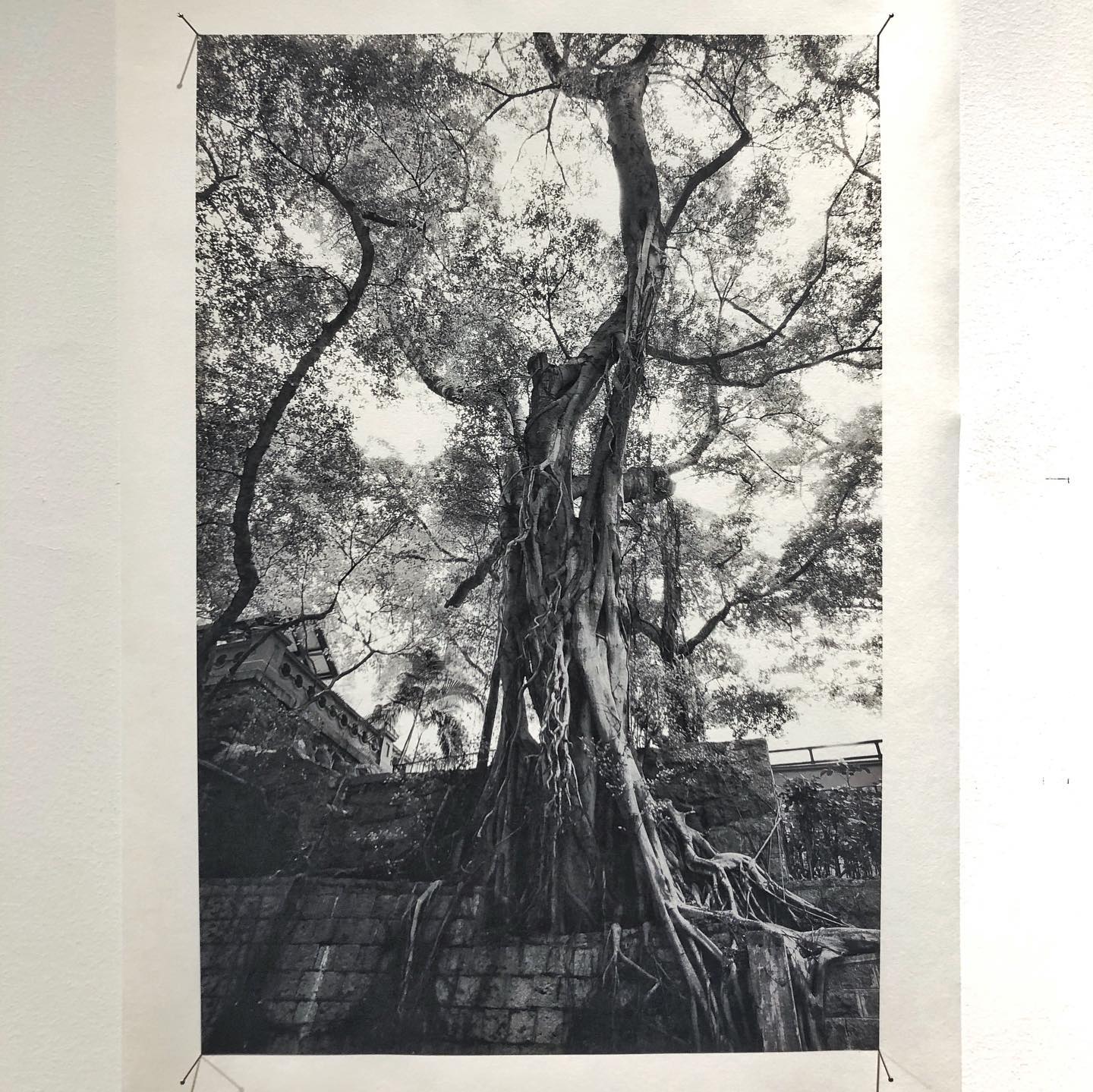
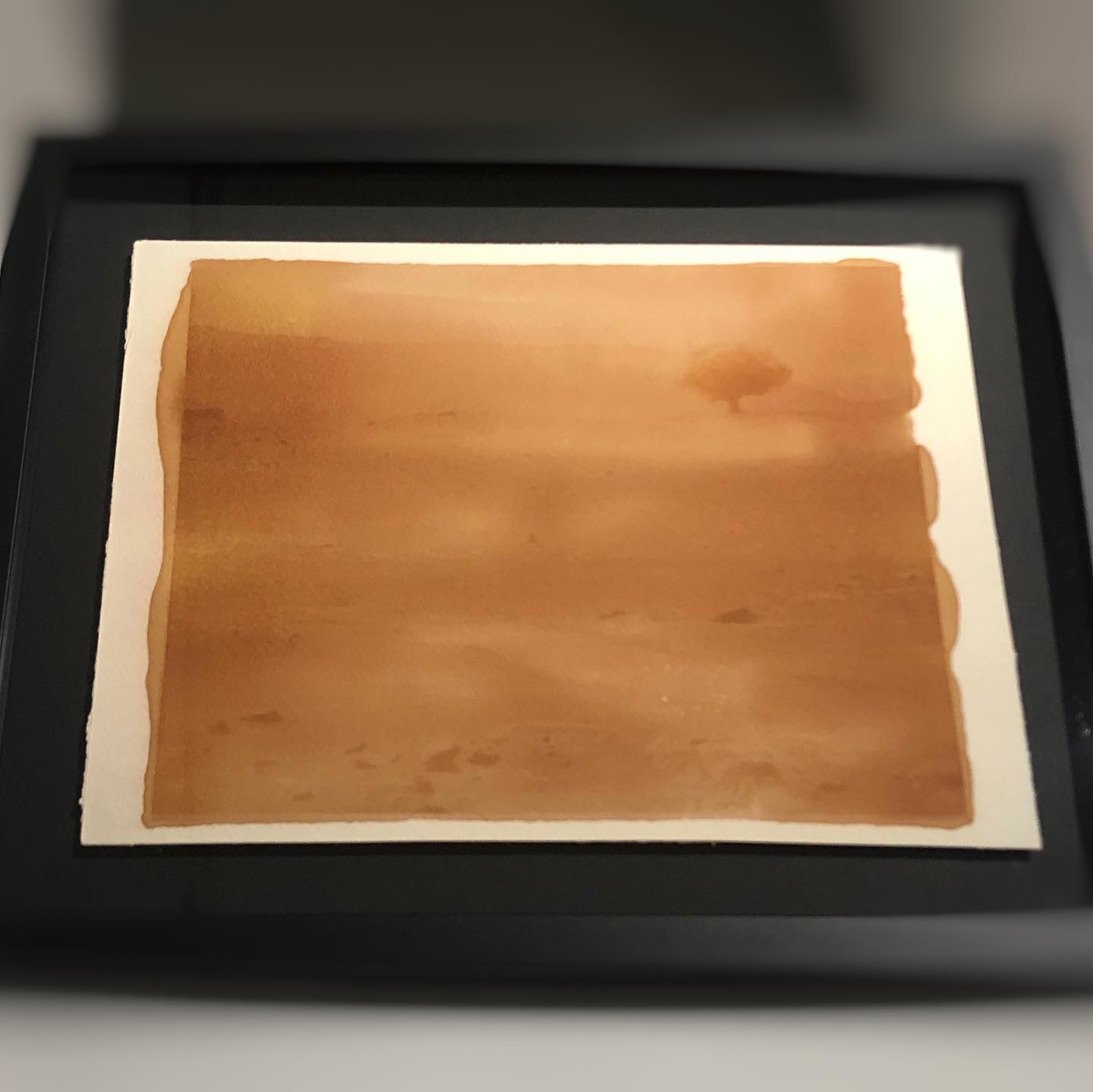
Hong Kong is known for its distinctive tower-studded cityscape. The high-rise buildings captured by photographers Stephen King and Thierry Cohen present a typical overlook of the city. Thierry Cohen combined stars shot separately from remoted deserts to the Victoria Harbour night scene with digital techniques, to give the cityscape a romantic and surreal look. Although Hong Kong is full of skyscrapers, nature is not far from the city. Japanese photographer Takeshi Shikama captured this urban jungle. The photographs are hand-printed on Japanese handmade Ganpi paper with the ancient platinum technique. His images demonstrate the city’s rarely seen elegant silent beauty.
Thierry Cohen, Hong Kong 22° 16’ 38’’ N 2012-03-22 lst 14:00, From Darkened Cities series, 2010-2012. Courtesy of Boogie Woogie Photography.
Hong Kong is a charismatic city. Whether in the movies or the reality, this place always attracted and fascinated visitors. We hope the audiences can arouse unique memories of the city in the “My Hong Kong, 我城” exhibition.
My Hong Kong, 我城
Date: 3 Sep – 1 Oct, 11-15 Oct 2022
Time: 2-7pm (Tuesday – Saturday)
Address: The Loft, 8/F, E Wah Factory Building,
56-60 Wong Chuk Hang Road, Wong Chuk Hang.
Guided tour with the artists: Saturday 10 September, 2-4pm
PS: 4-8 Oct will be exhibiting at Fine Art Asia in HKCEC Wan Chai.
About Boogie Woogie Photography
Boogie Woogie Photography is a company founded in Hong Kong in 2016 to promote photography in Asia. The mission is to act as a platform for galleries, collectors, companies, and photographers aiming to develop photography projects in Hong Kong and Asia.
About PhotogStory
PhotogStory is an online Photography platform and Guest Curator based in Hong Kong. We focus on stories of local and international photographers and stories behind classic photos.
Artists Profile
Raymond Cauchetier (France, 1920-2021)
Raymond Cauchetier was the most famous photographer of French New Wave cinema. His first photographs were taken in his thirties while serving in the press corps of the French Air Force in Indochina. Cauchetier traveled through Hong Kong in 1954 because the city was conveniently on the air route he had chosen on his way to France on his return from Indochina. He thought he would stay there for only 24 hours, but the city fascinated him, and his stay extended for one week. Hong Kong was still a quiet colonial city. It was a port and a compulsory crossing point for sailors rather than a place to stay. He left a bouquet of memories, a little yellowed but always authentic.
James Chung (China, 1925-2018)
James Chung embarked on his journey in photography in 1957 when he acquired his first Rolleicord. Entirely self-taught, he became a full-time movie-still photographer in 1963. James started his studio in North Point In 1968, focusing on portraits for commercials and print enlargement. His achievements in photography were further recognized by the Honorary Fellowship from the Photographic Society of Hong Kong and Fellowship from the Royal Photographic Society of Great Britain later. The Hong Kong Heritage Museum collects his works.
Fan Ho (China, 1931-2016)
Dubbed the “Cartier-Bresson of the East”, Fan Ho patiently always waited for the decisive moment. His images are often a collision of the unexpected, framed against a very clever composed background of geometrical construction, patterns, and texture. He often created drama and atmosphere with backlit effects or through the combination of smoke and light. His favorite locations were the streets, alleys, and markets around dusk or life on the sea. His works were in many private and public collections, including the M+ Museum & the Heritage Museum in Hong Kong, the San Francisco Museum of Modern Art in the USA, and many more.
Takeshi Shikama (Japan, 1948)
Takeshi Shikama’s life ambition is to capture the “invisible” world that lingers beyond the visible world of the trees. Each photograph is hand-printed by Takeshi Shikama, using the ancient platinum/palladium technique, considered the highest quality in black and white photographic printing. The Japanese Gampi paper on which he prints is a handmade UNESCO national treasure. It requires a great deal of time and manual labor, which reflects the intimacy Shikama has with his subject matter.
Roger Ballen (the United States, 1950)
Roger Ballen’s photographs span over forty years, and he is one of the most influential and important photographic artists of the 21st century. His strange and extreme works confront the viewer and challenge them to come with him on a journey into their minds as he explores the deeper recesses of his own. Roger Ballen is one of the artists representing South Africa at the Venice Biennale 2022 in Italy.
Chun Wai (Hong Kong, 1958)
Born in Hong Kong and educated at the École supérieure des beaux-arts de Mulhouse in France, photographer Chun Wai’s perspective lies in his humanistic vision and macro-historical framework in interpreting the changing world. His project covered a vast area in the region, including Hong Kong. His work is full of a sorrowful yet romantic mood and reveals his personal landscape. The phantasmagorical image like a rhythm poem of a stray, is a unique work of art.
Thierry Cohen (France, 1963)
Thierry Cohen has been a professional photographer since 1985 and a pioneer in the use of digital techniques from the end of the 1980s. He lives and works between Paris and Monségur, close to the Atlantic Coast. Since 2006, he has devoted most of his time to personal work. Thierry is interested in the impact of human activities, particularly on nature. His works are held in private and public collections and regularly exhibited in New York, Los Angeles, and Paris.
Stephen King (the United States, 1966)
Stephen is an award-winning photographer based in Hong Kong, known for his painterly and carefully composed depictions of the natural and urban landscape. A product of two cultures, Stephen points to his love of Chinese ink and American Abstract Expressionist painting as influences that help inform his aesthetic. Ordinarily an intrepid world traveler, due to the pandemic, Stephen has spent much of the last few years in Hong Kong, exploring the colors and light in Hong Kong’s urban environment.
Julian Cohen (the United Kingdom, 1967)
Julian came to Hong Kong in 1998 for three months, fell in love with the city, and has stayed. He was called to
the Hong Kong Bar in 2010 and founded Resolution Chambers in 2021. He is today a renowned Barrister & Arbitrator. He photographs the city with his passion for the place and people.
Dustin Shum (Hong Kong, 1971)
Dustin Shum is a Hong Kong-based artist and documentary photographer. He has published several monographs on various topics, including Themeless Parks (2008), BLOCKS, and Live and Times (both in 2014). His works were collected by the SFMoMA, the Hong Kong Heritage Museum, and private collectors.
Jocelyne Ho (Hong Kong, 1973)
Jocelyne has always been interested in photography – not to be behind or in front of a camera, but to see through a different pair of eyes, perhaps because she was aware that her eyes did not give her 20/20 vision. To her, everyone is a photographer. We may be looking in the same direction, the same object, but she believes we all see differently, and we choose which images to imprint on our minds.
Felix Sze Chung Wong (Hong Kong, 1991)
His passion for photography was sparked during high school by his peers and father. After a few years working as a photographer assistant for photographers of different sectors, Felix decided to study further in the field of art in the UK. Felix Sze Chung Wong is a Photographic artist who explores one’s relationship with the city through its facades.
Dion Leung (Hong Kong, 1999)
Dion Leung is a Hong Kong-based visual artist, mainly working with photography, videography, and collage. She explores topics of rebellion and conflict with a practice of realism. As a self-taught artist, Dion is constantly looking for the expression of art amongst human interaction in other disciplines. Having an interest in history and politics, she is trying to fulfill her understanding of the sophisticated world through her art practice and reminding herself that everything true is beautiful.
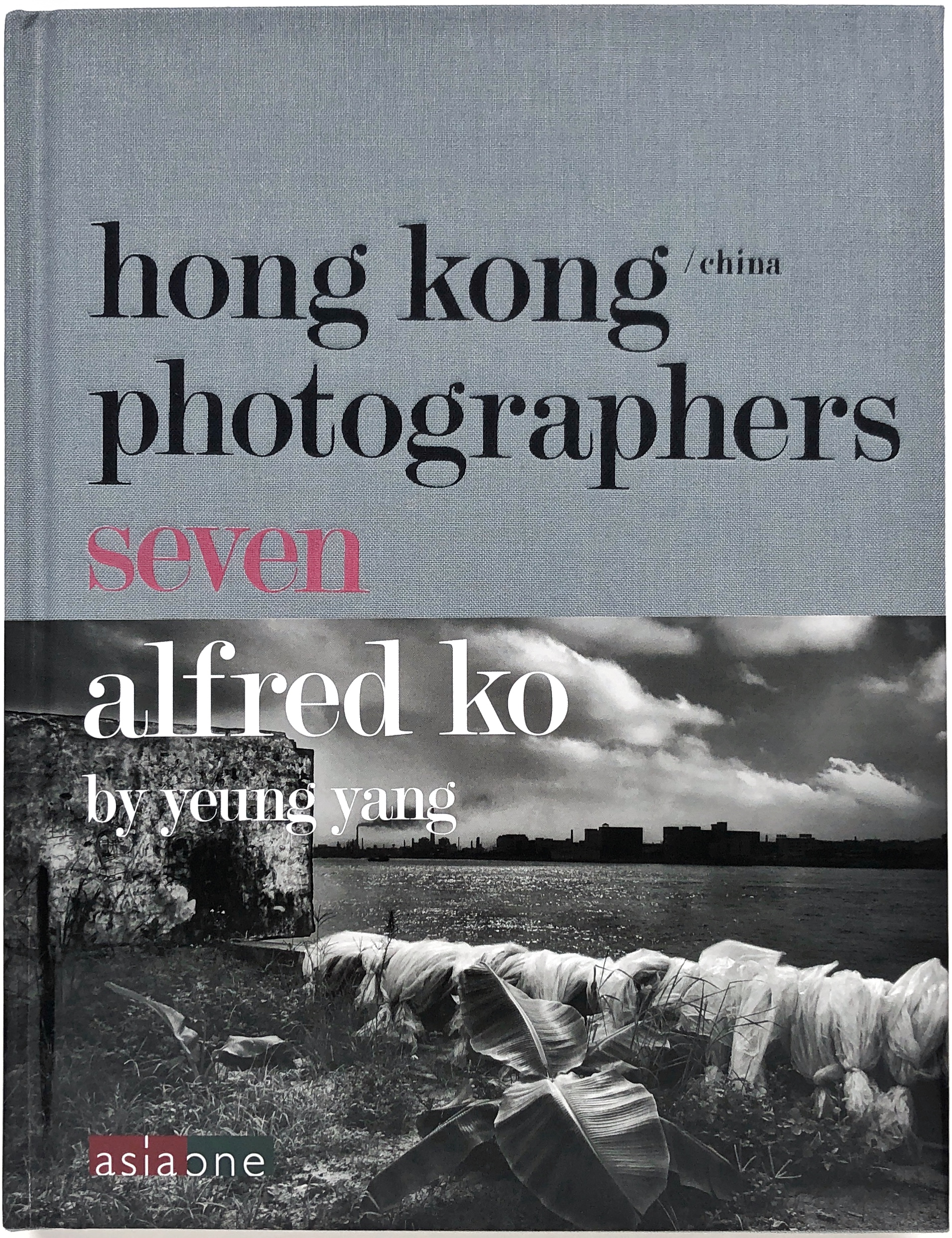
香港攝影師高志強1953於香港出生,十三歲已對攝影產生興趣,1975年在加拿大班夫藝術學院(The Banff School of Fine Arts)學習攝影。1977年回港後成為自由攝影師,並於大一設計學院及香港理工學院教授攝影。1979年至1982年,他先後與攝影師馮漢紀合作策劃「Fotocine 影藝攝影學校」及「Photo Centre 攝影中心」,致力推動攝影教育。高志強曾是香港專業攝師公會創會會員,也曾任香港國際攝影節主席,作品被香港文化博物館收藏。
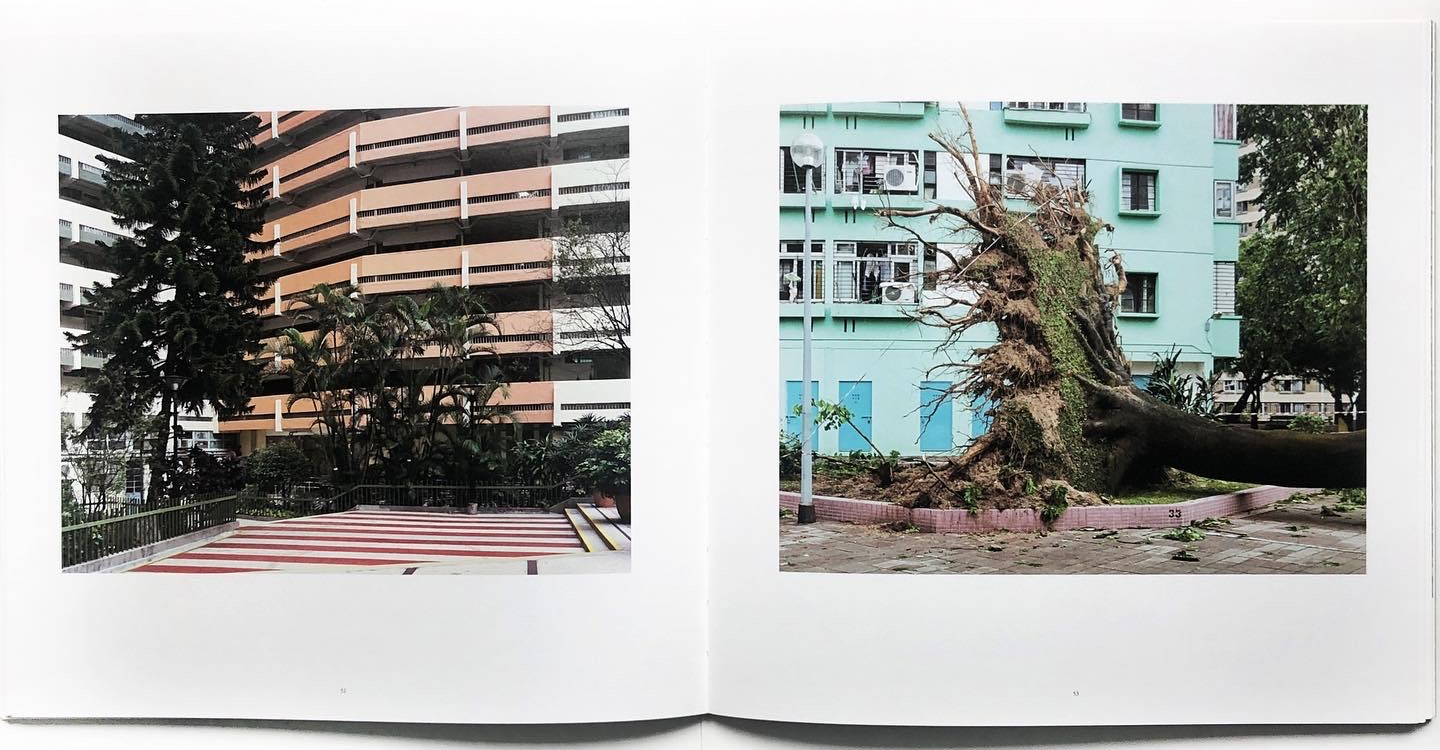
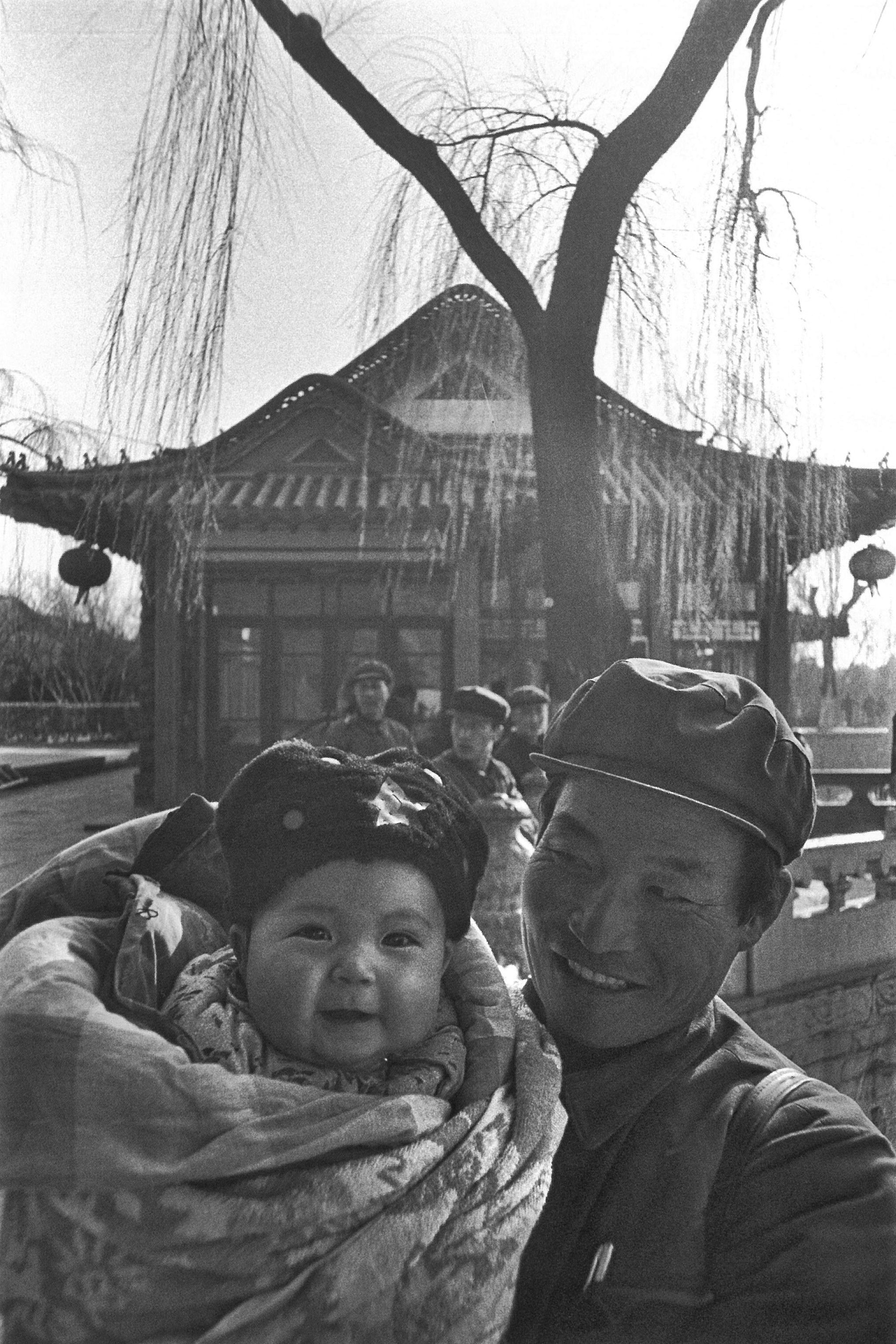
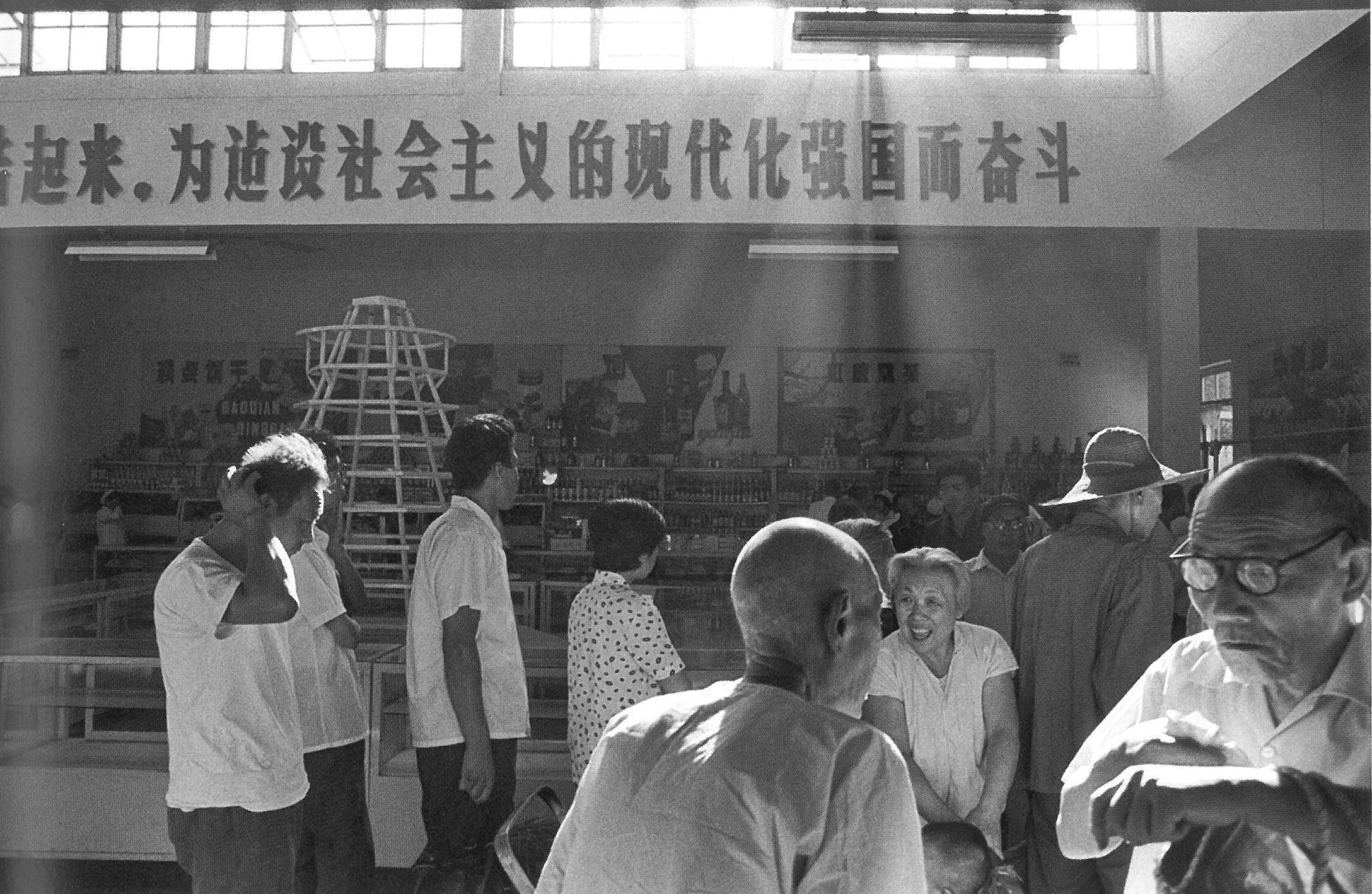
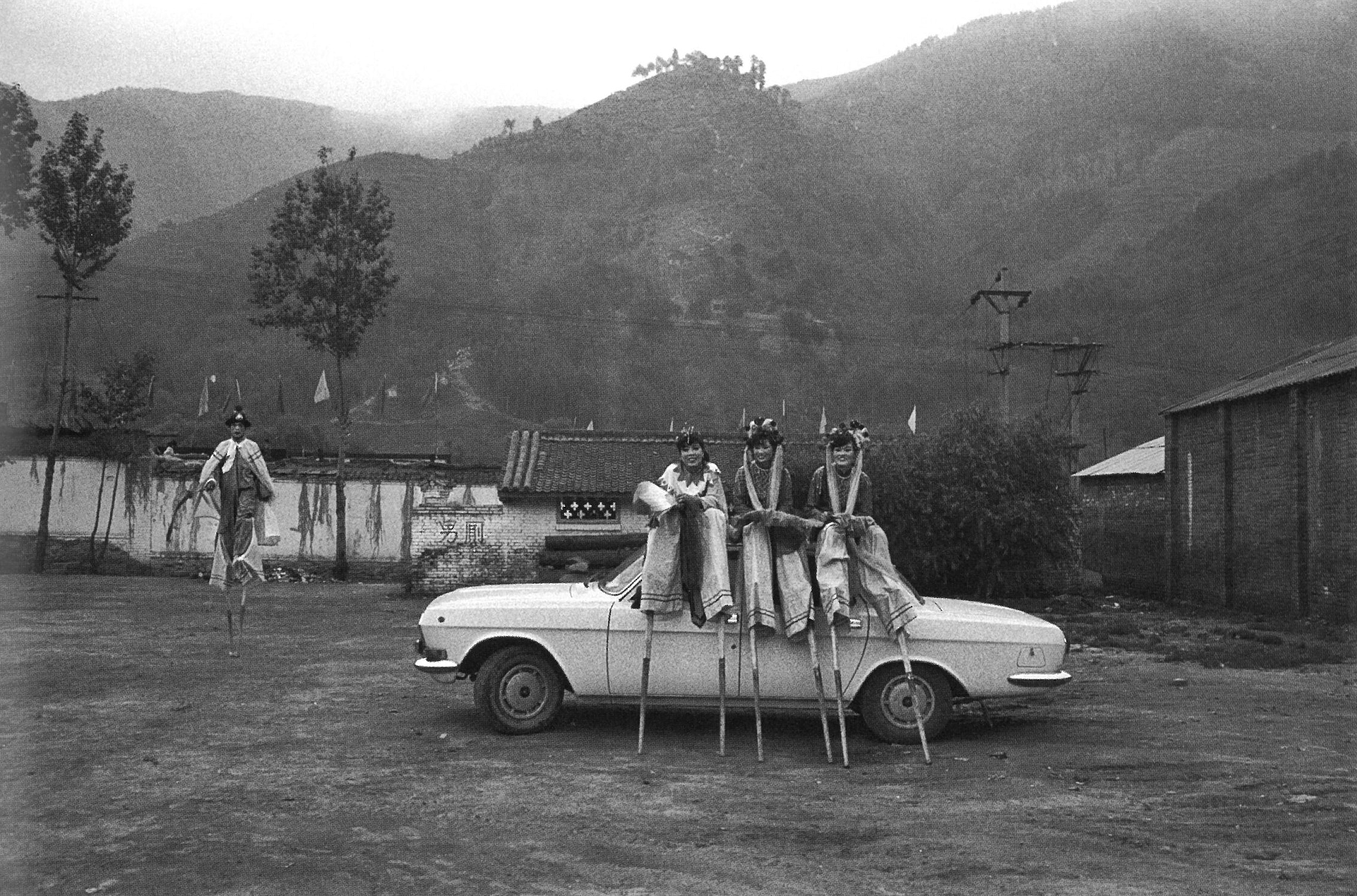
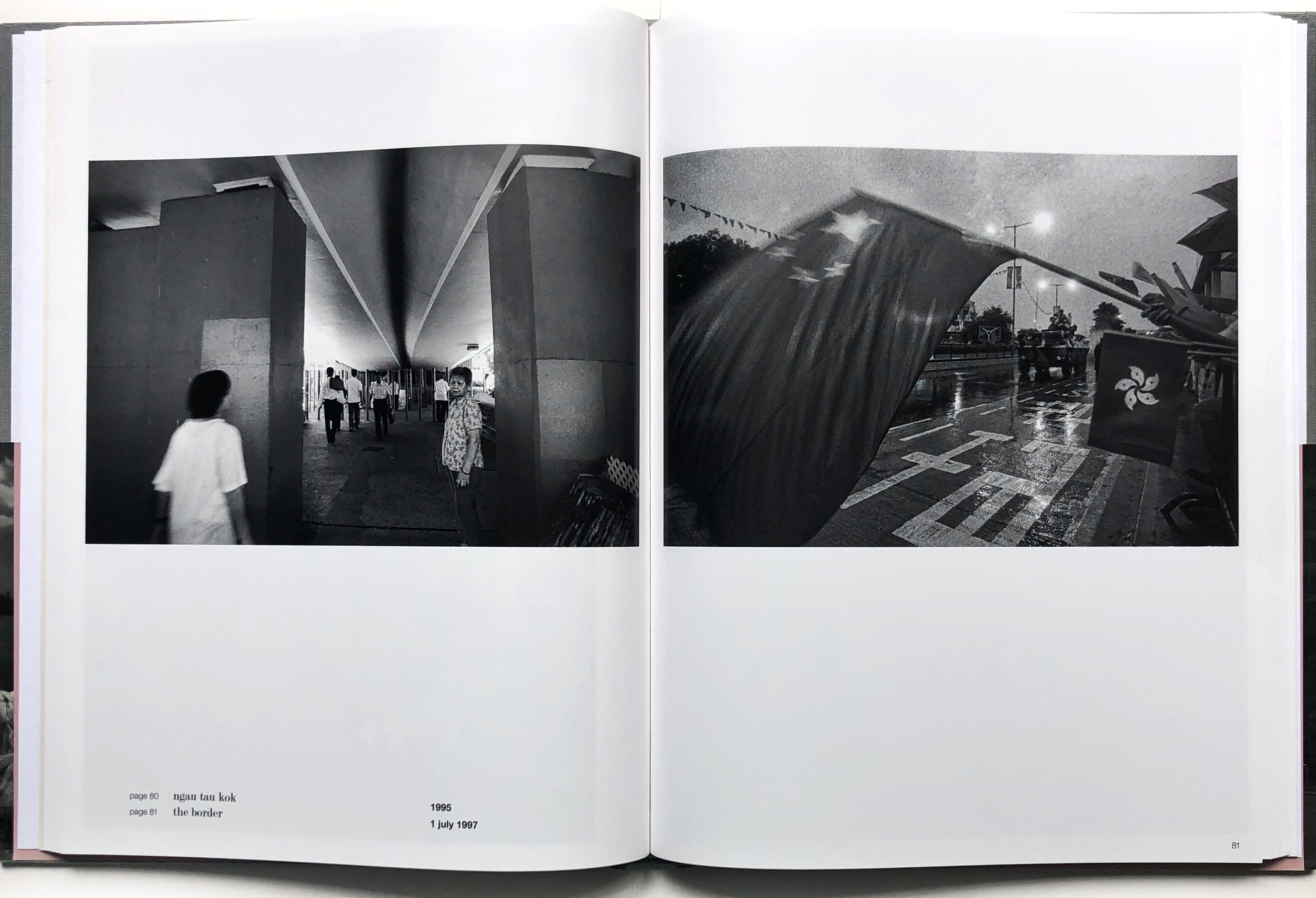
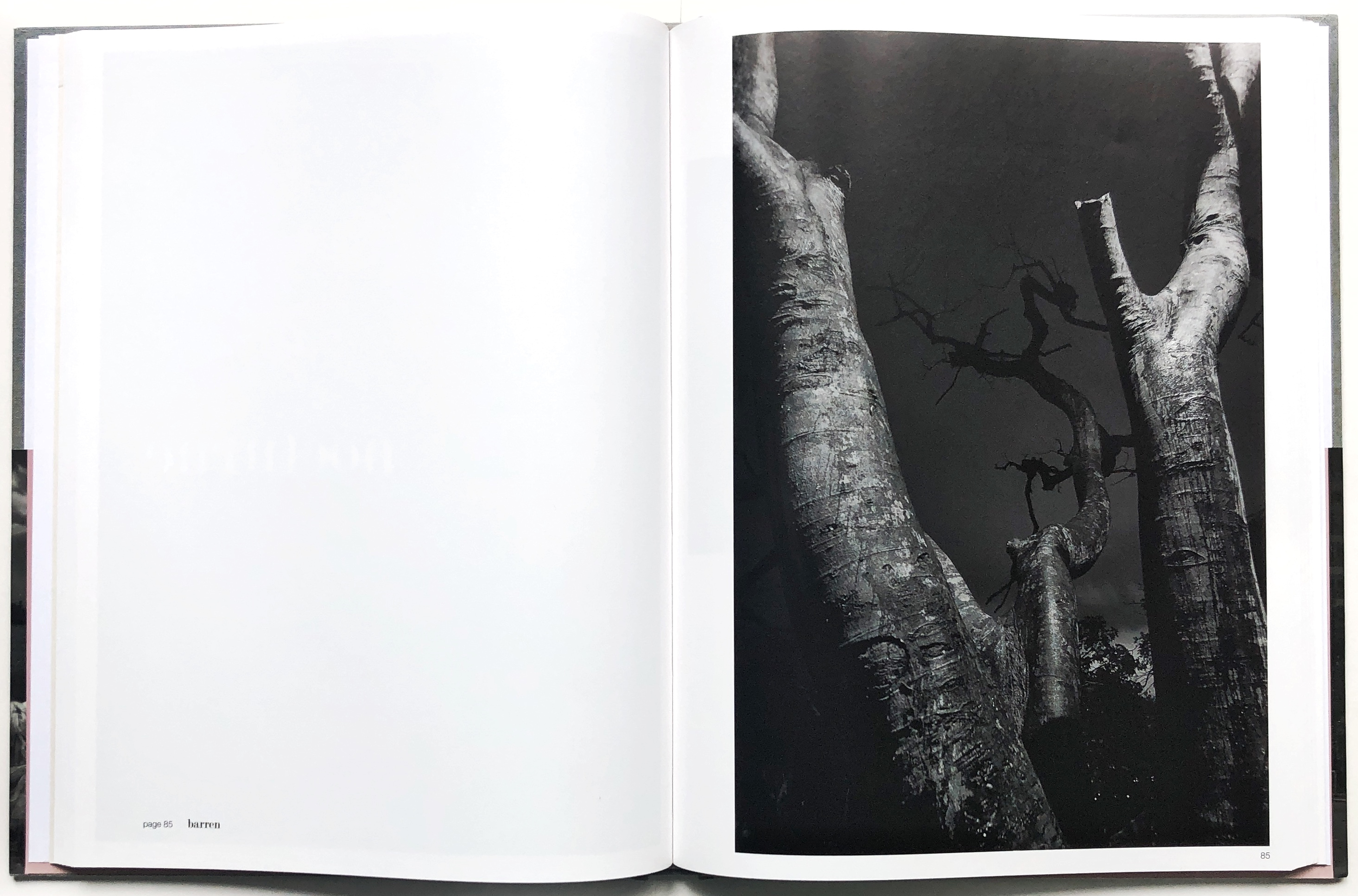
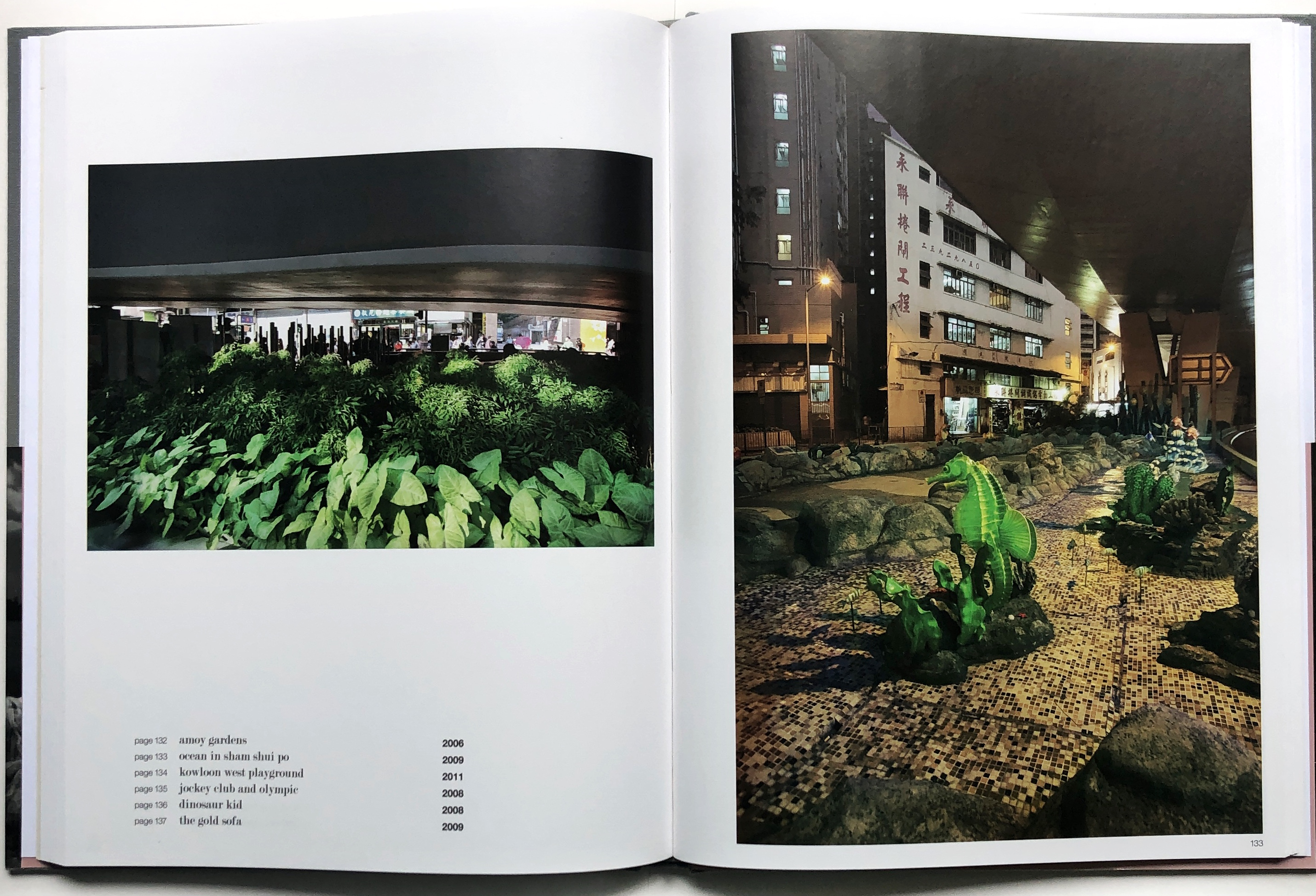
這本2012年由Asia One出版的攝影集《Hong Kong Photographers Seven-Alfred Ko》,收錄高志強從1978年至2012年的作品,第一篇章「Home Coming」是他早年在中國內地拍攝的黑白照片。1978年,中國改革開放後,全世界的目光隨即轉向這片廣袤的神州大地,來自全球各地的攝影師均渴望踏足中國拍攝,香港攝影師自然也不例外,梁家泰、高志強、馮漢紀、蘇慶強等人不約而同進入內地,記錄下當時人們簡單而質樸的生活。
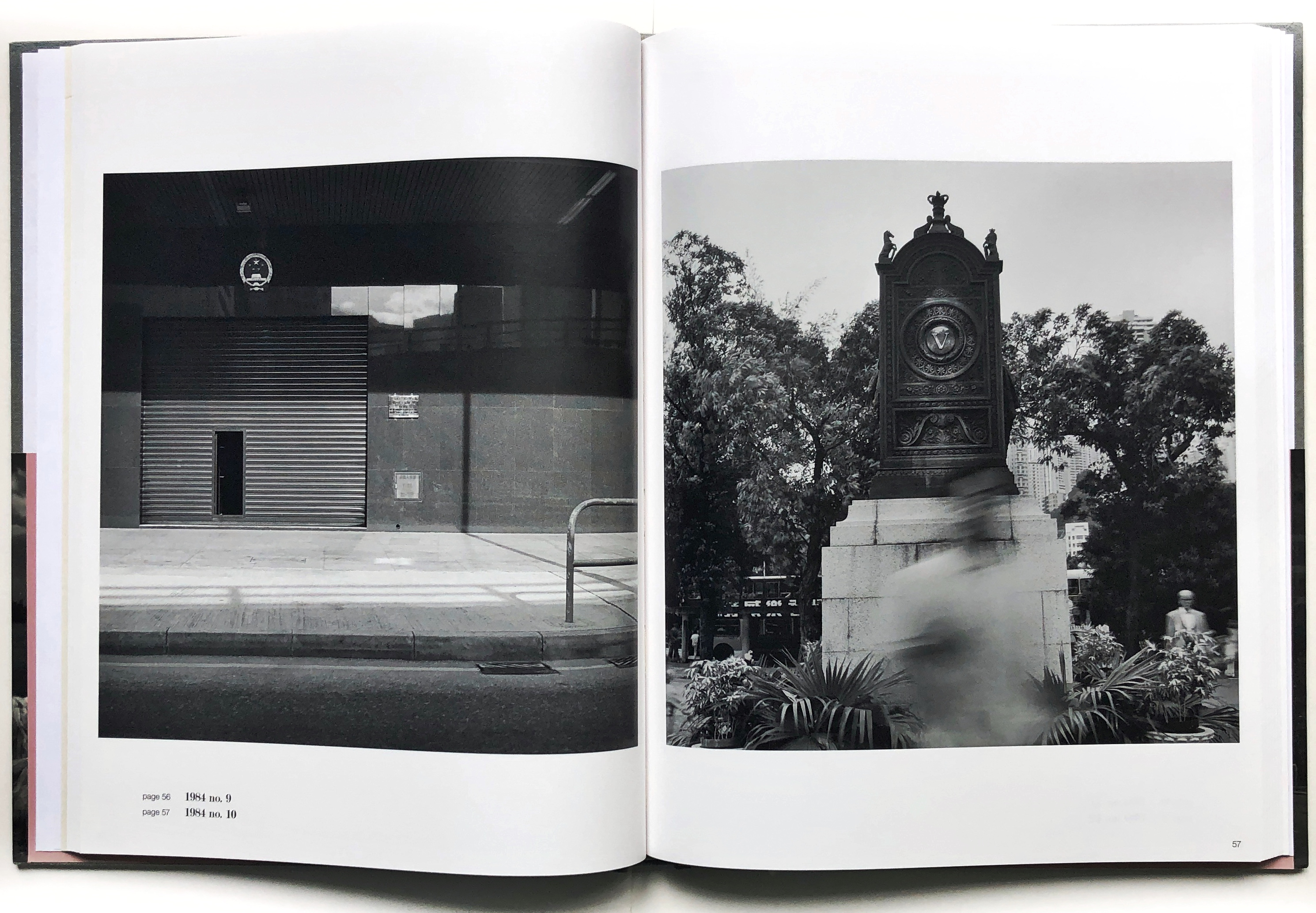
延續第一個章節對家園/ Home coming的探索,第二、三個章節是「1984」及「藍調」(The Blues),則以特定的年份及事件,把鏡頭對準回歸前夕的香港。1984年是「中英聯合聲明」簽署的年份,高志強以120菲林拍攝香港的人造風景,以記錄心中的矛盾感覺。自小在香港讀天主教學校、及後到加拿大深造,然而當時他的思想卻是偏左的,面對即將到來的1997年,難免會反思自己的身分。雖然他也有拍攝維園的英女王雕像及中國國徽等充滿符號性的物件(攝影集將兩張相片並列更加強當中的隱喻),但更多的是天橋底的遊樂設施、發電廠設備等,很詩意、平靜地記錄原本應是充滿政治色彩的一年。
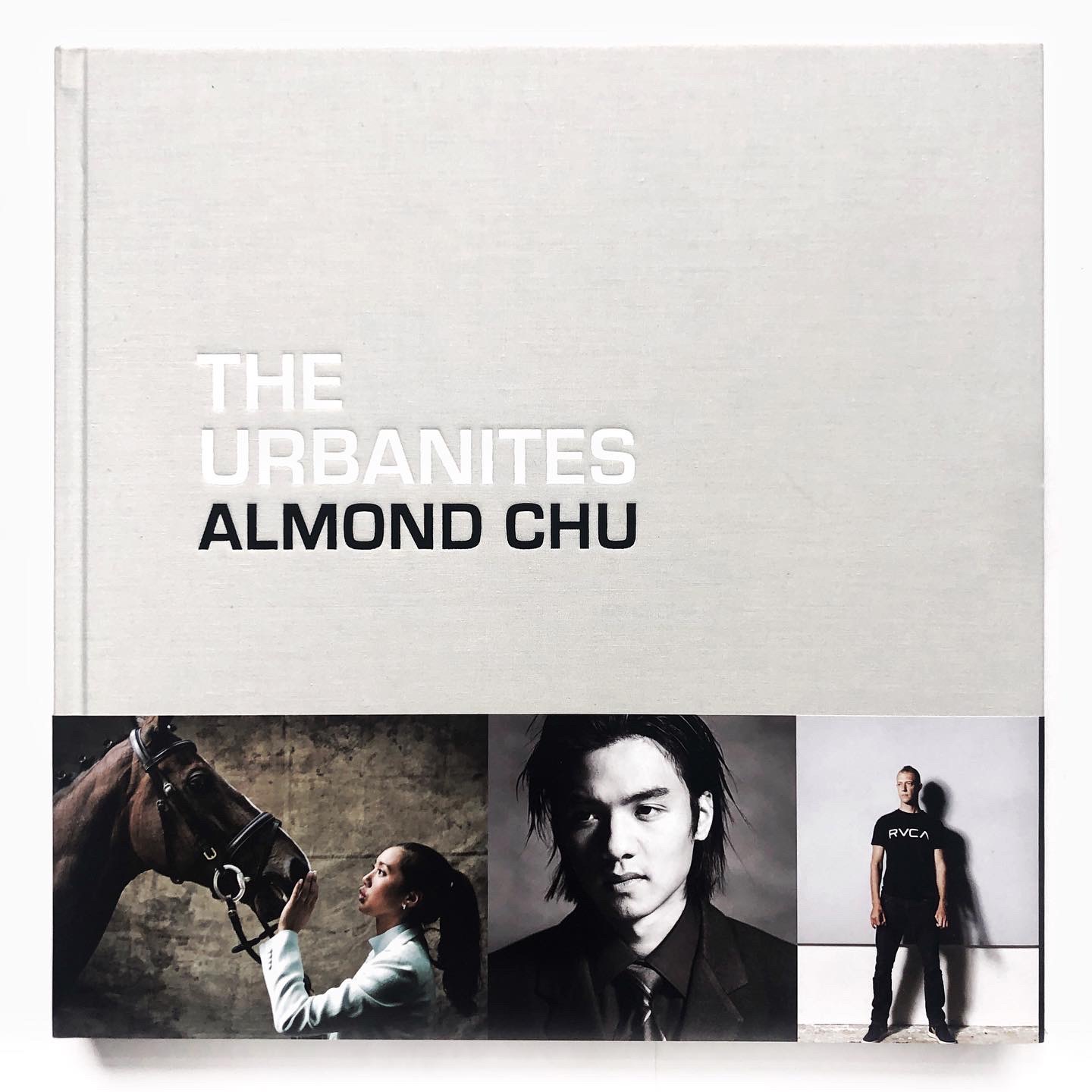
「疫情期間很多負面新聞,也會擔心感染,心情難免受影響。原本的生活雖已不再如常,但也要如常生活下去。」Bobby如此解釋攝影集的書名。影集的白色封面寫著「生活如常」,封底則是英文標題「As Life Goes On」,白色的設計傳遞出正面、積極的信息,相集最後一幅照片是位懷胎十月的女士,新生命的誕生也象徵著希望。笑言怕死的Bobby,在拍攝過程中也有新的領悟,「這次拍攝計畫接觸很多不同的人,他們在疫情期間仍堅持工作,對我也是有啟發的。這麼多人願意參與我們的拍攝計畫,令我體會到不同人的故事及感受,過程中也更認識自己。這次拍攝對我而言,也有療癒的作用。」
他說《生活如常——疫下群像》不是單純的影集,相片固然有價值,但文字的配合也很有心思,他在攝影集開端引述毛利人諺語——「世間萬物人為貴」(The Most Important Thing in the World is People.),這次疫情是全球性的,也關乎人類的處境,當病毒仍是現在進行式,如何擺脫疫情的恐懼與無奈,或許是人生必須面對的新課題。影集最尾引用英國作家Samuel Butler的名句,「生活猶如在公共場合獨奏小提琴,邊拉邊學。」(Life is like playing a violin solo in public and learning the instrument as one goes on.) 言簡意賅的文字擲地有聲,也很切合疫情下世人的處世哲學。
《生活如常——疫下群像》一書很容易令人聯想起Richard Avedon著作《In The American West》,這系列每幅照片構圖精準嚴謹,著名的養蜂人肖像更分三次共拍攝121張照片,從而挑選出傳世之作。大片幅相機的拍攝成本很高,Bobby不像Avedon般有博物館贊助,他們專程為這次拍攝計畫買來相機、鏡頭、菲林及片夾等,每幅人像大概拍攝五張照片,事前自然做足準備功夫。許多人拍攝大片幅照片時會進行後期剪裁,以獲得更理想的畫面,他們則堅持不剪裁全片幅相片,這也是一種挑戰,同時令照片顯得更有誠意。