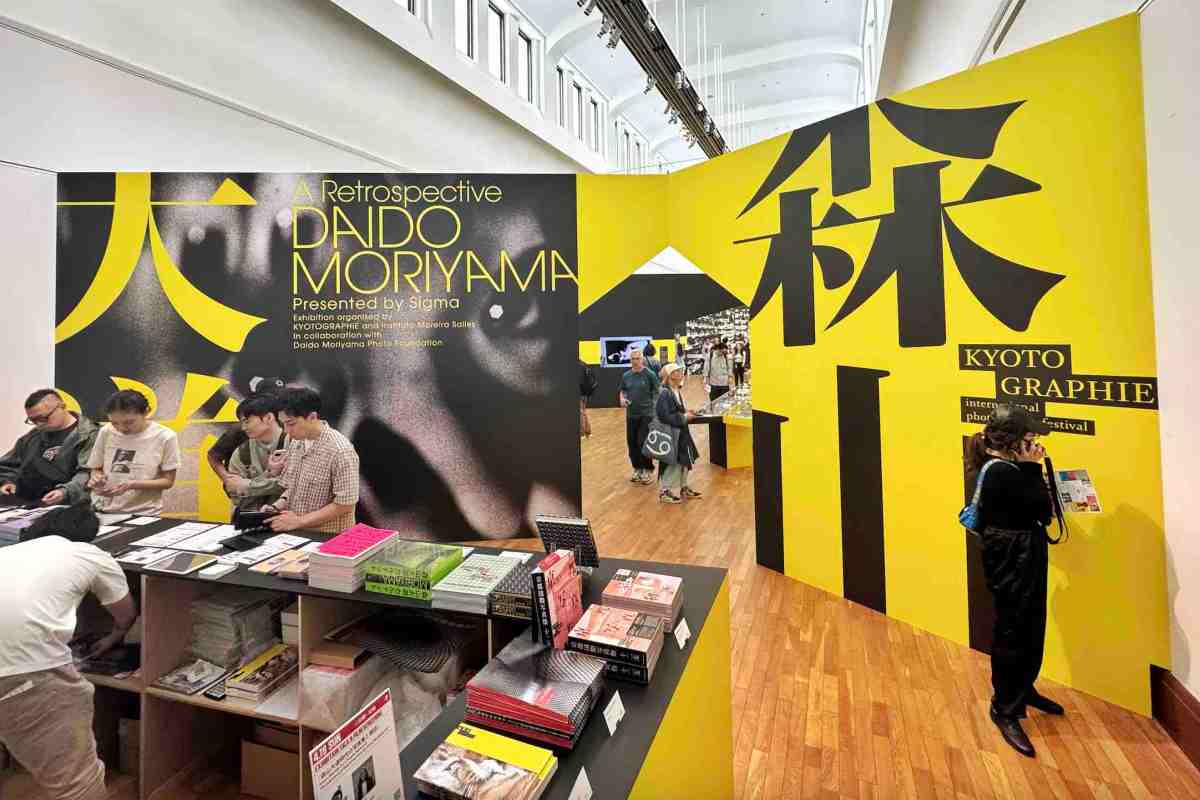
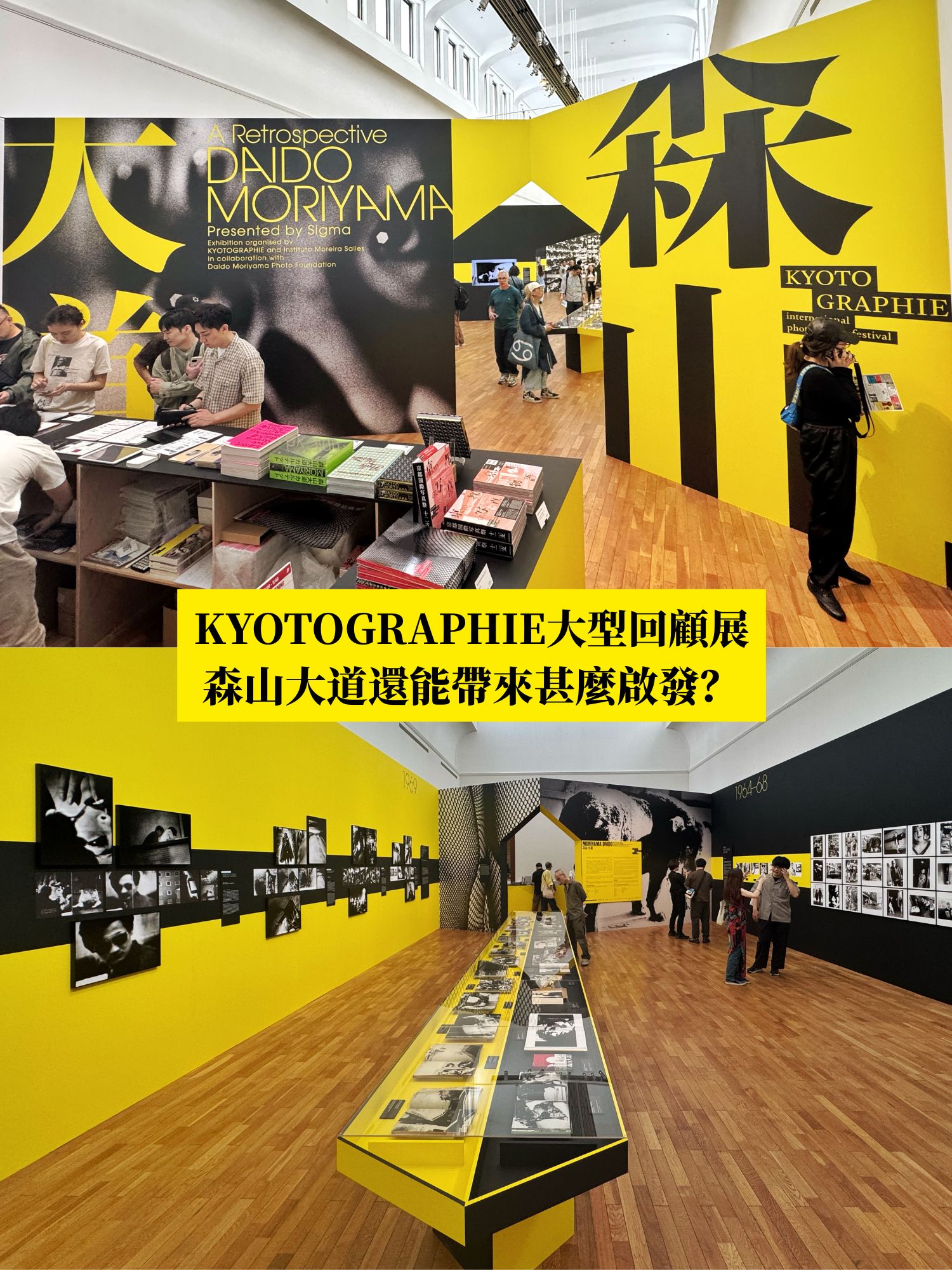
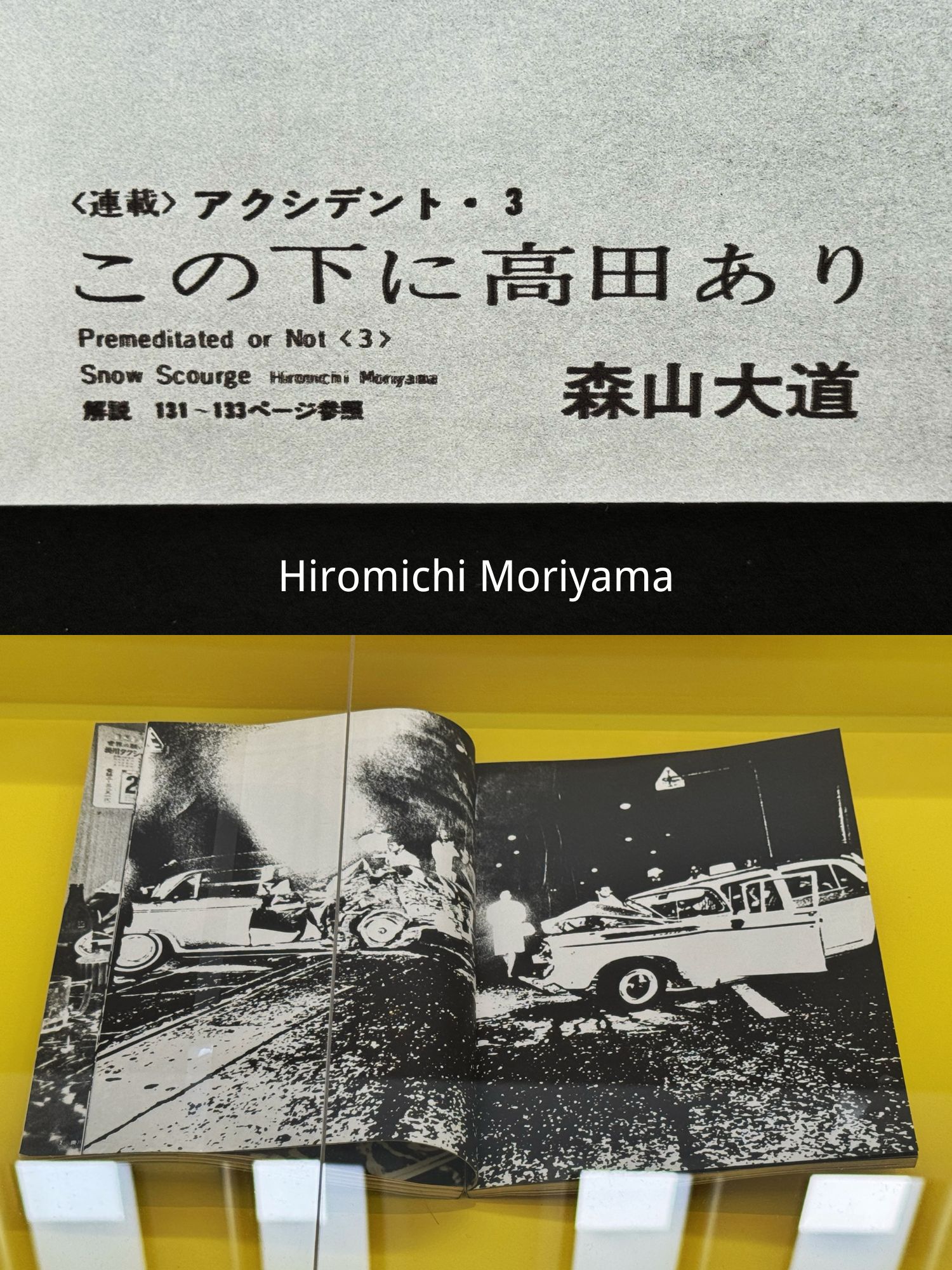
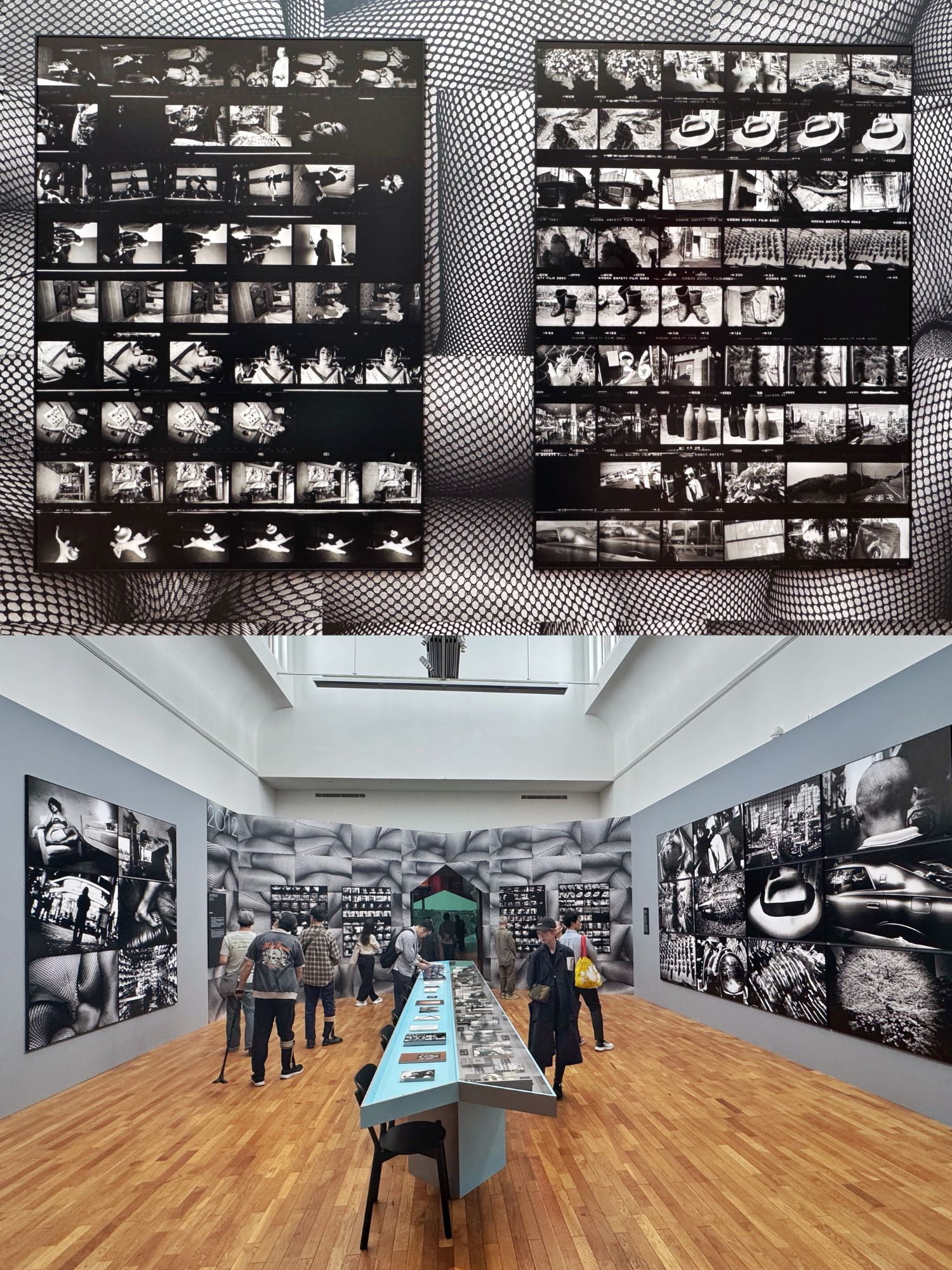
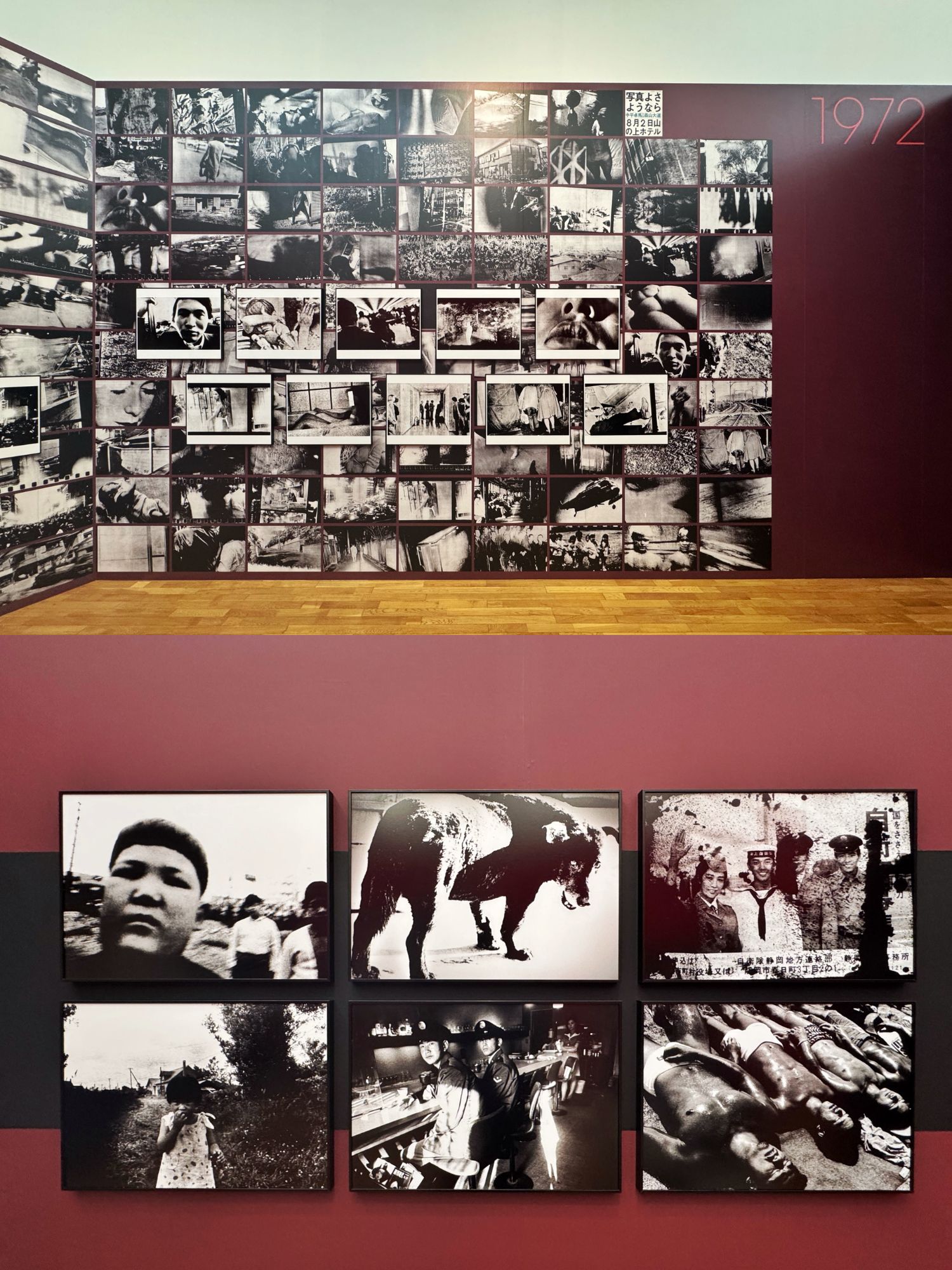
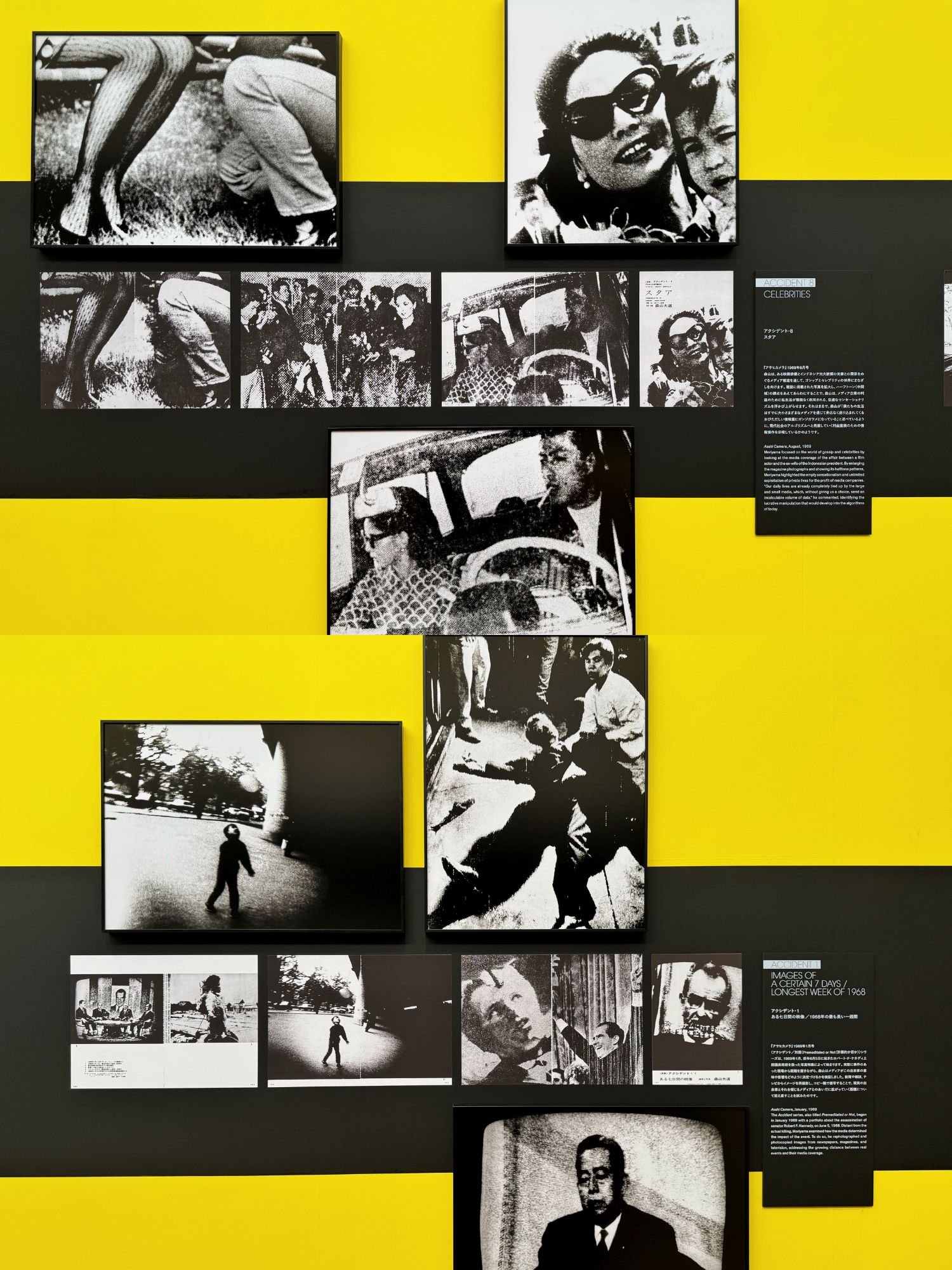
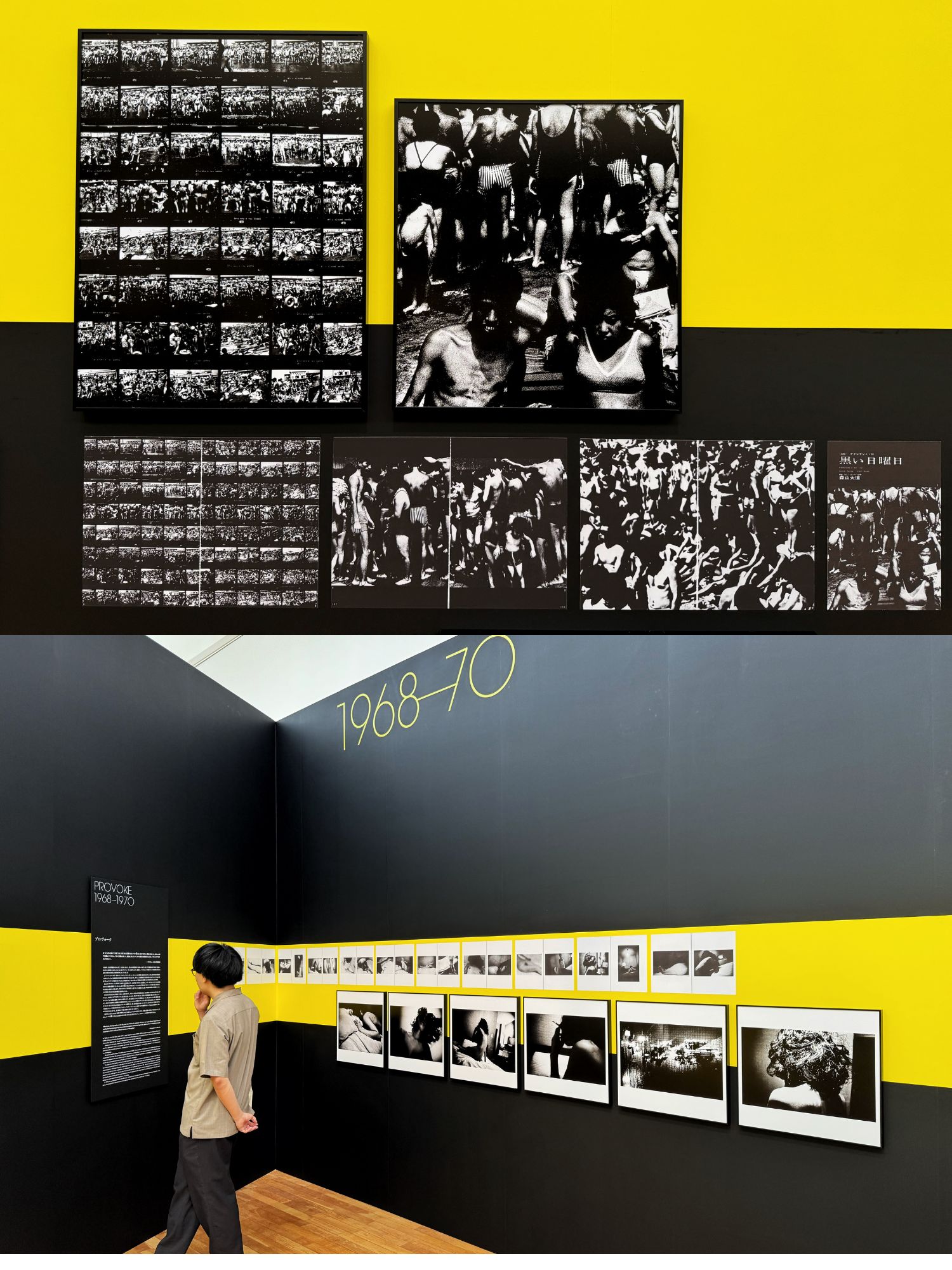
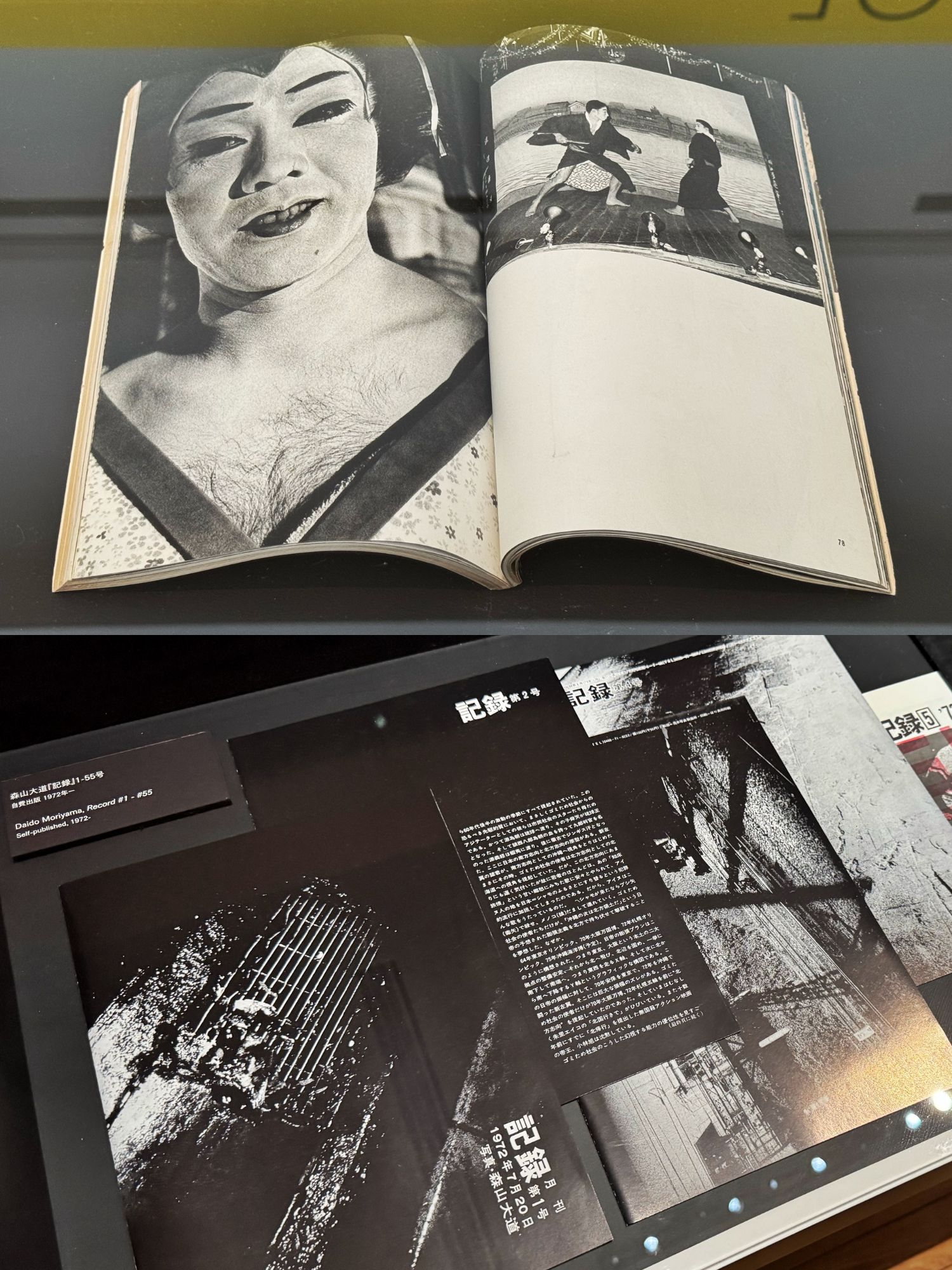
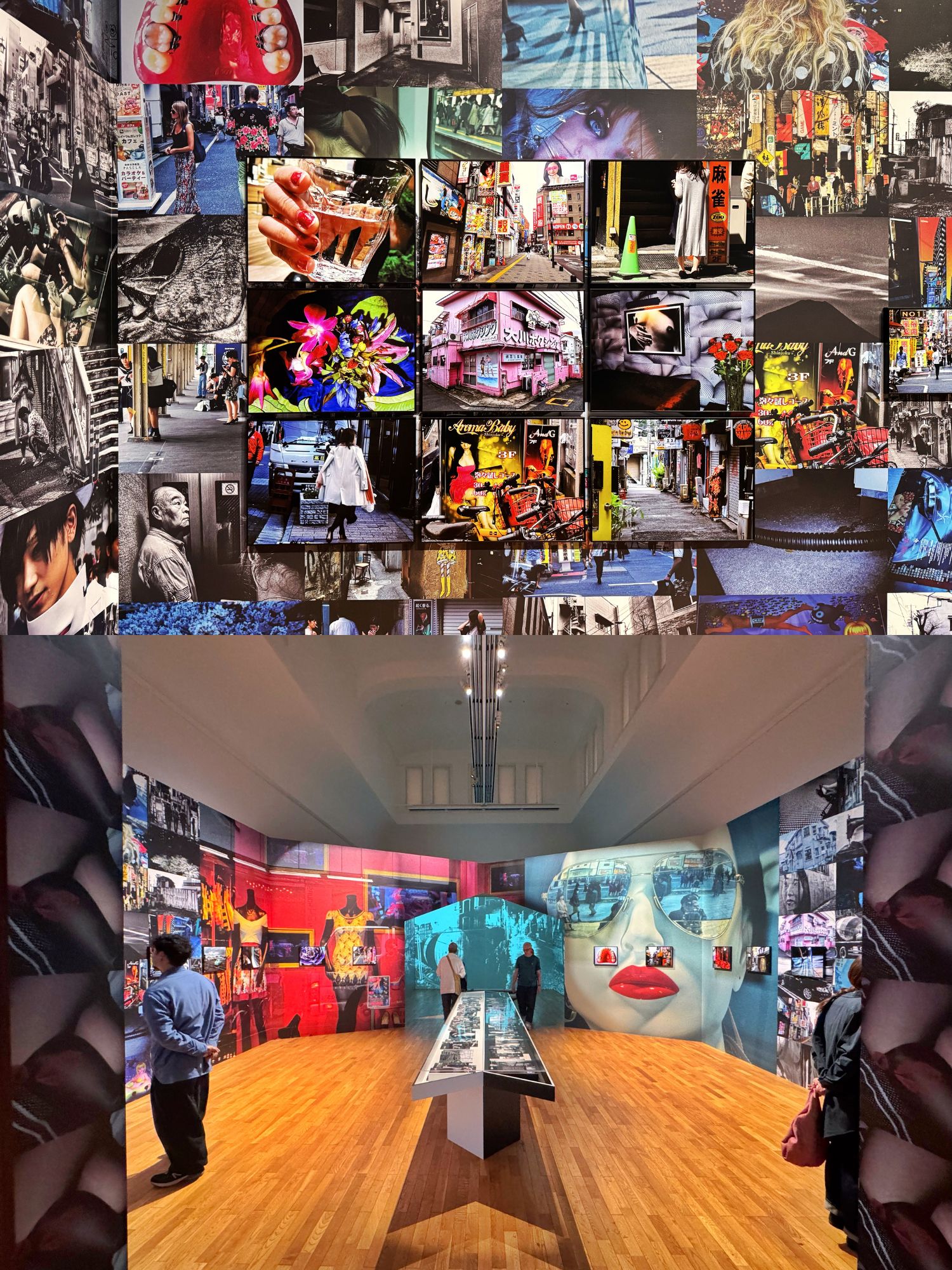
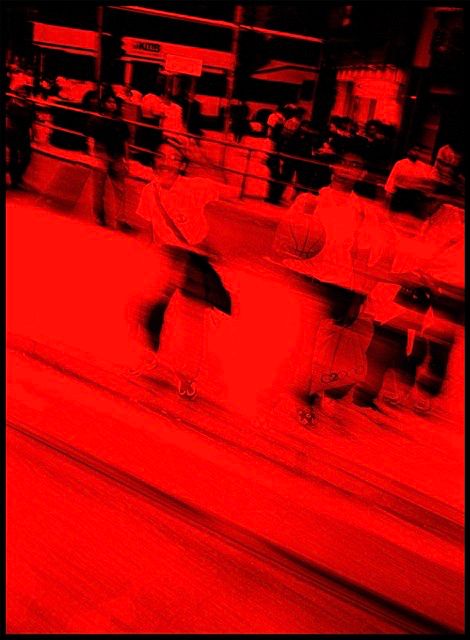
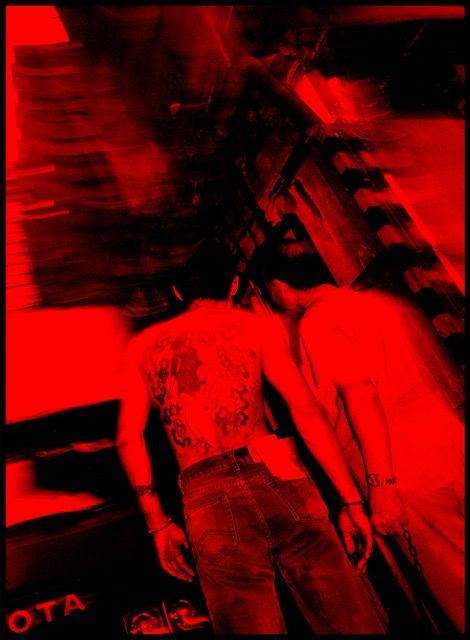
3. Outtake的照片先不要刪除,多年後看可能有新的想法。 當你以某種標準去看照片時,它可能是不及格的作品,但並不代表它是不好的。1972年,森山大道出版攝影集《写真よさようなら》(Shashin yo Sayonara),書中收錄的,就是他過往棄用或忽略的照片,看似毫無關聯,也缺乏敘事性,道出現實世界與其影像之間的割裂感。
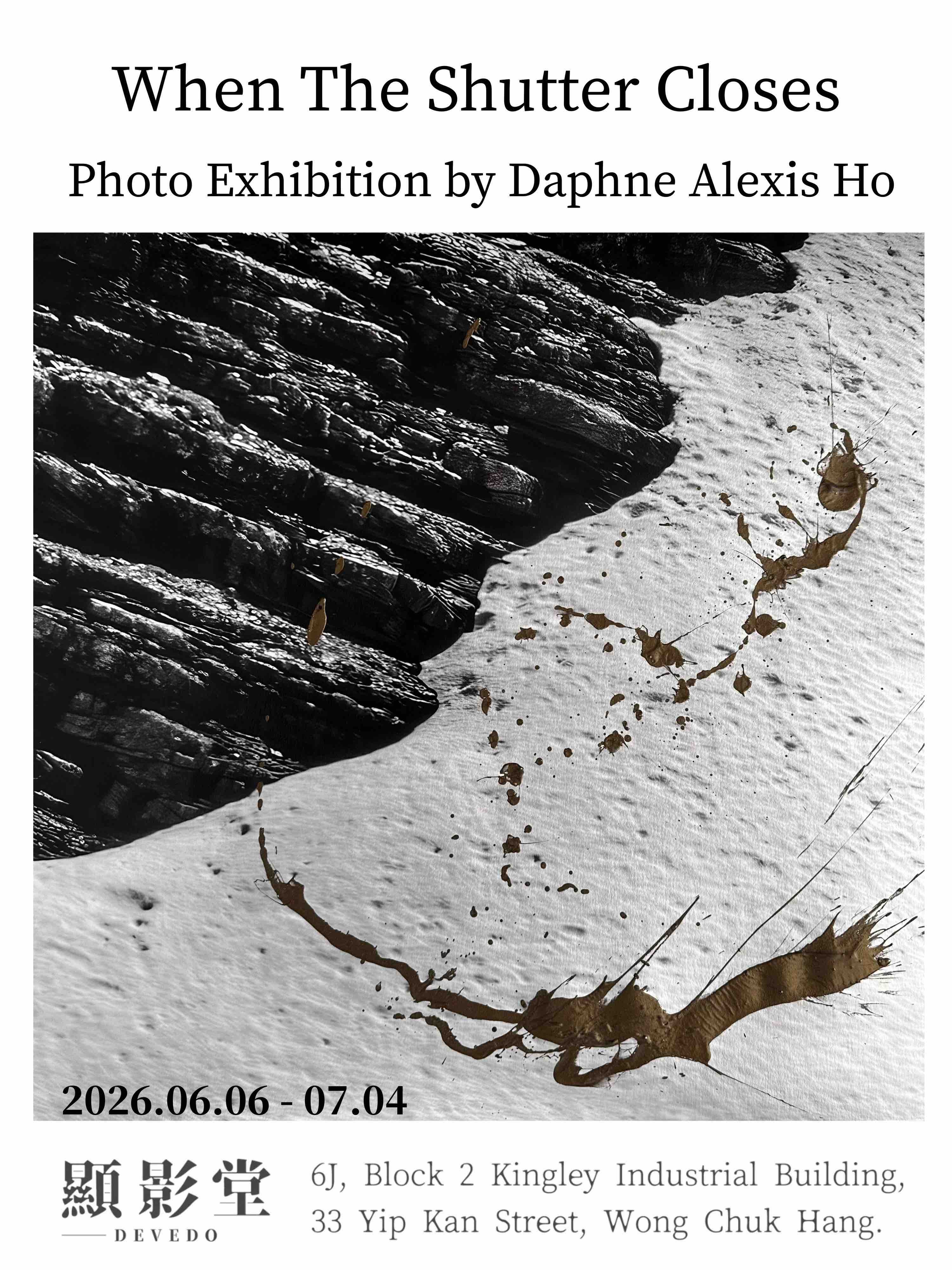
DEVEDO is pleased to present When The Shutter Closes, a solo exhibition by Hong Kong photographic artist Daphne Alexis Ho, on view from June 6 to July 4, 2026.
When the shutter closes, something ends — yet something else inevitably begins. In the exhibition, Ho considers whether a photograph ever truly reaches completion, or whether each image continues to unfold beyond the moment of capture.
The exhibition brings together three interconnected series — UNSTILL, TEAR, and STILL. Rather than treating the photograph as a fixed record, Ho approaches it as both surface and object, capable of change. What happens after the image is taken becomes central: the photograph is not an endpoint, but the beginning of another process.
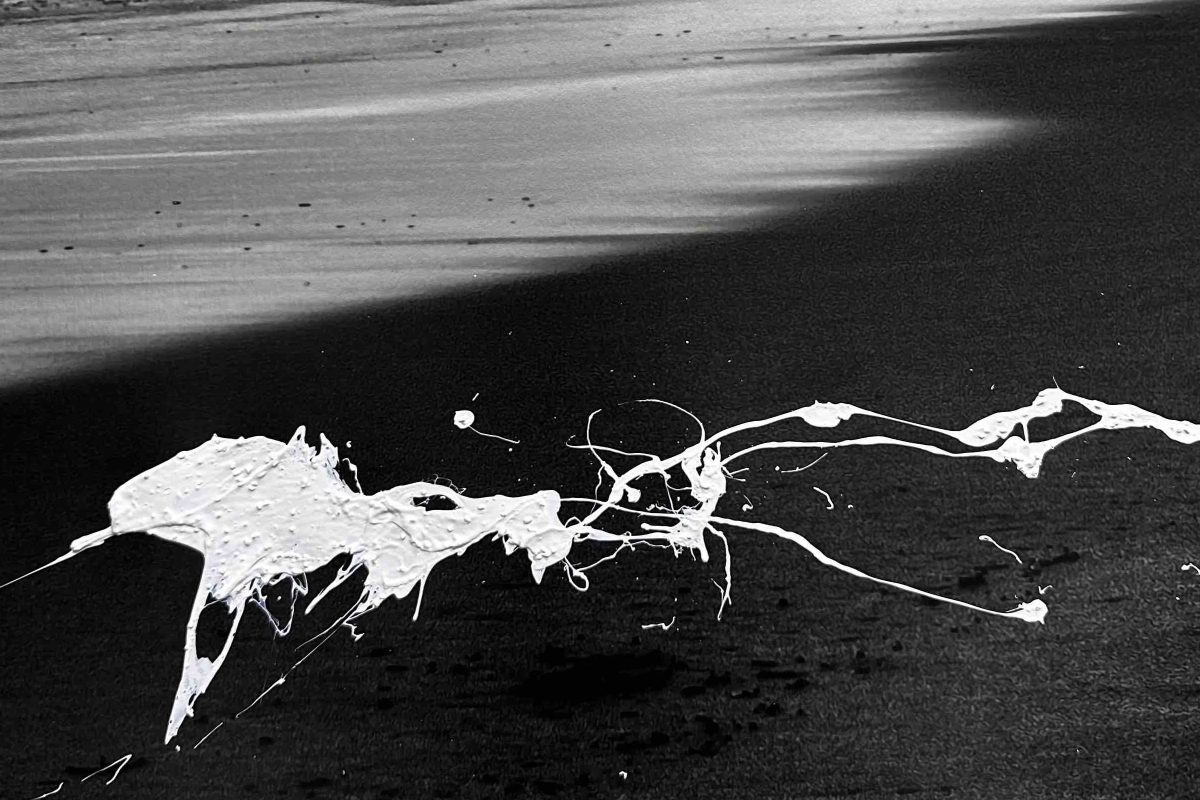
In UNSTILL, granulated natural pigments of white, black gold, and black silver scatter across monochromatic landscapes. The pigments disrupt the image’s apparent stillness, loosening its structure and introducing movement and uncertainty. Landscapes hover between formation and dispersal, suggesting that the photographic image is never entirely static.
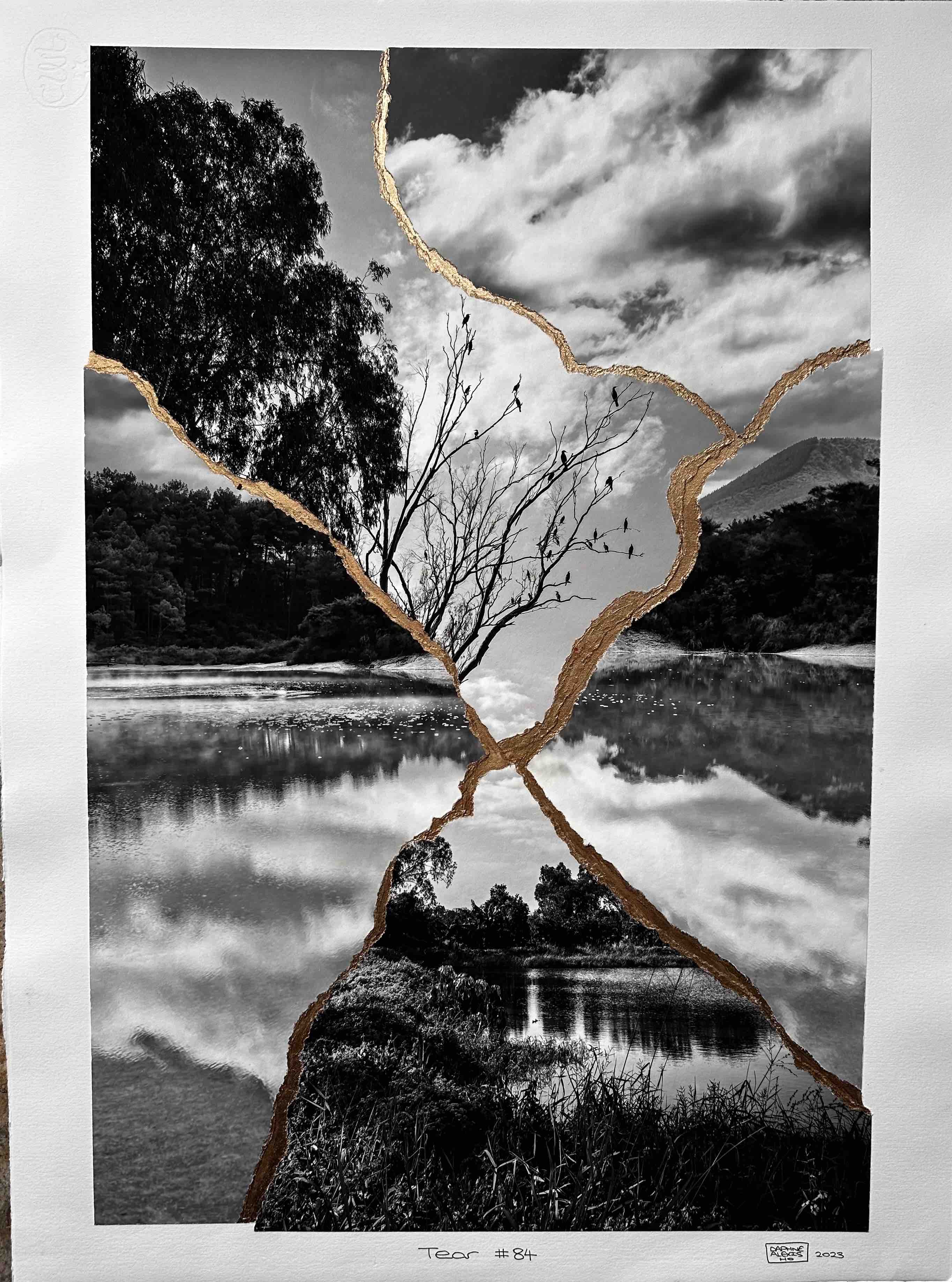
The TEAR series extends this inquiry through acts of rupture and repair. Photographs are torn and meticulously rejoined along seams traced with gold pigment. Fractures remain visible; what first appears as damage becomes a careful act of restoration. The works hold destruction and mending in tension, revealing the photograph as both vulnerable and enduring.
By contrast, the works in the STILL series remain untouched. Their stillness is not a refusal of change, but an acceptance of what already exists. Without intervention, these images suggest that completion may reside within the photograph itself — a quiet presence that requires no further alteration.
Across the three series, Ho reflects on impermanence and transformation. Whether altered or left intact, each photograph exists in a state of becoming. Completion is not presented as a fixed conclusion, but as an awareness that emerges through sustained looking and attention.
Exhibition Details
Date: June 6 – July 4, 2026
Time: 2:00–7:00 PM (Wednesday–Saturday, by appointment)
Venue: DEVEDO, 6J, Block 2 Kingley Industrial Building, 33 Yip Kan Street, Wong Chuk Hang, Hong Kong
Daphne Alexis Ho
Daphne received a Bachelor of Fine Arts (2011) and Master of Fine Arts (2014), co-presented by Hong Kong Art School and RMIT University, and a Doctor of Philosophy (2018) from the Royal Melbourne Institute of Technology (RMIT), Australia.
DEVEDO 顯影堂
DEVEDO is one of Hong Kong’s distinguished photography bookstores, founded in July 2025 by LAU Tung-Pui, photography curator and founder of the Hong Kong photography platform PhotogStory. In addition to offering a wide selection of photography books, DEVEDO also regularly hosts photography talks and exhibitions.
Artist Statement
When the Shutter Closes
In When the Shutter Closes, I explore when — or whether — a photographic work can ever be considered complete. Through three series — UNSTILL, TEAR, and STILL — I trace the life of an image after the moment of capture. Each gesture, from scattering paints to mending ruptures or leaving a photograph untouched, becomes a way to listen to the photograph’s unfolding, to what continues beyond the visible frame.
I am drawn to the uncertain space between image and awareness. The act of photography often suggests finality, yet for me it is the beginning of dialogue and transformation. I am interested in what happens in the interval after the shutter closes: an invisible moment of stillness where meaning shifts, disperses, and quietly begins again.
My work is guided by the Japanese aesthetic sensibility of ma — the living pause, the space between moments where things breathe and become. This sense of openness echoes through my process: layering, tearing, and waiting. Photography, for me, is a contemplative practice — a search for the balance between action and rest, completion and continuation. Within that space, I find the rhythm of my work — discovered only when the shutter closes.
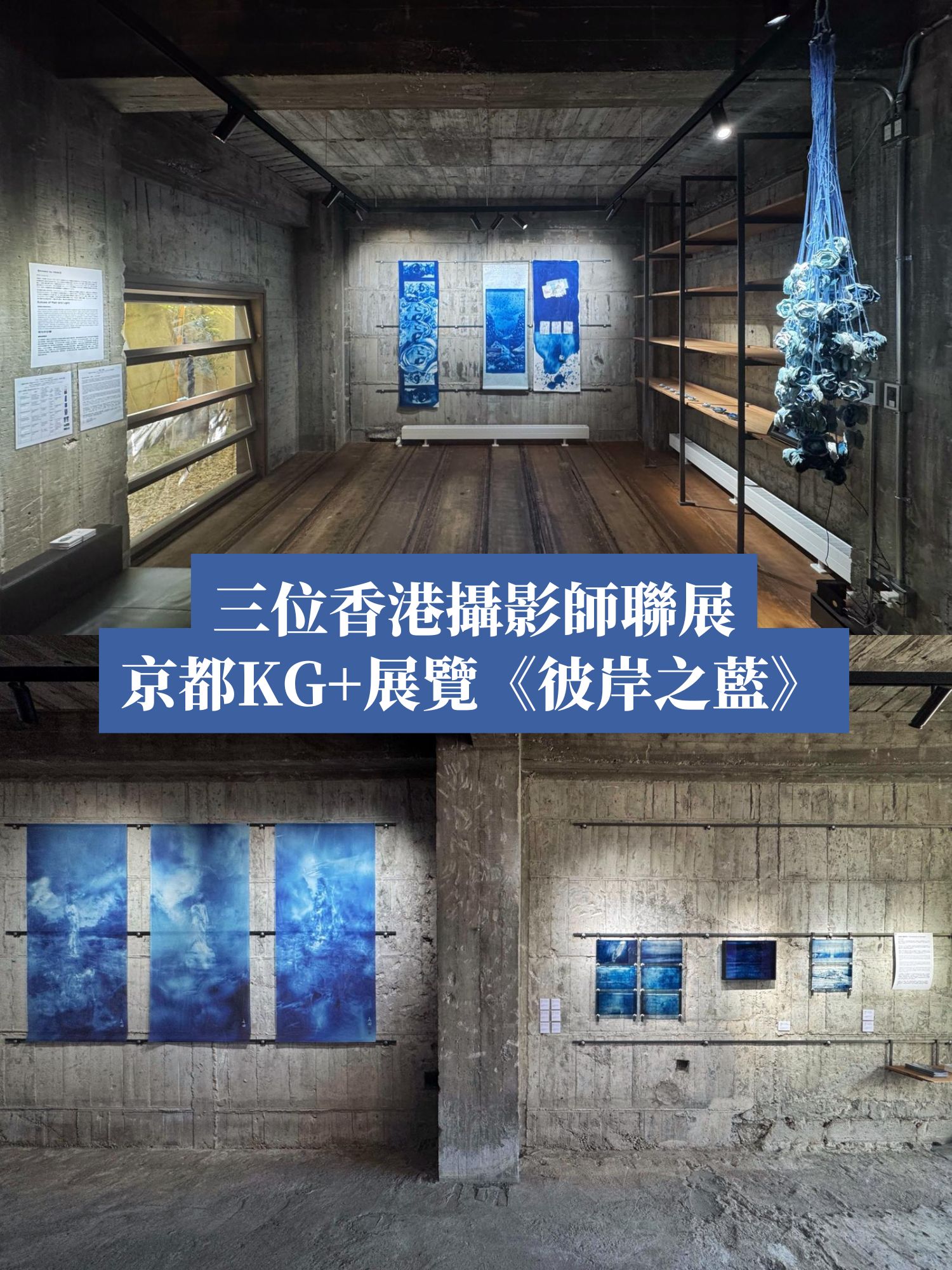
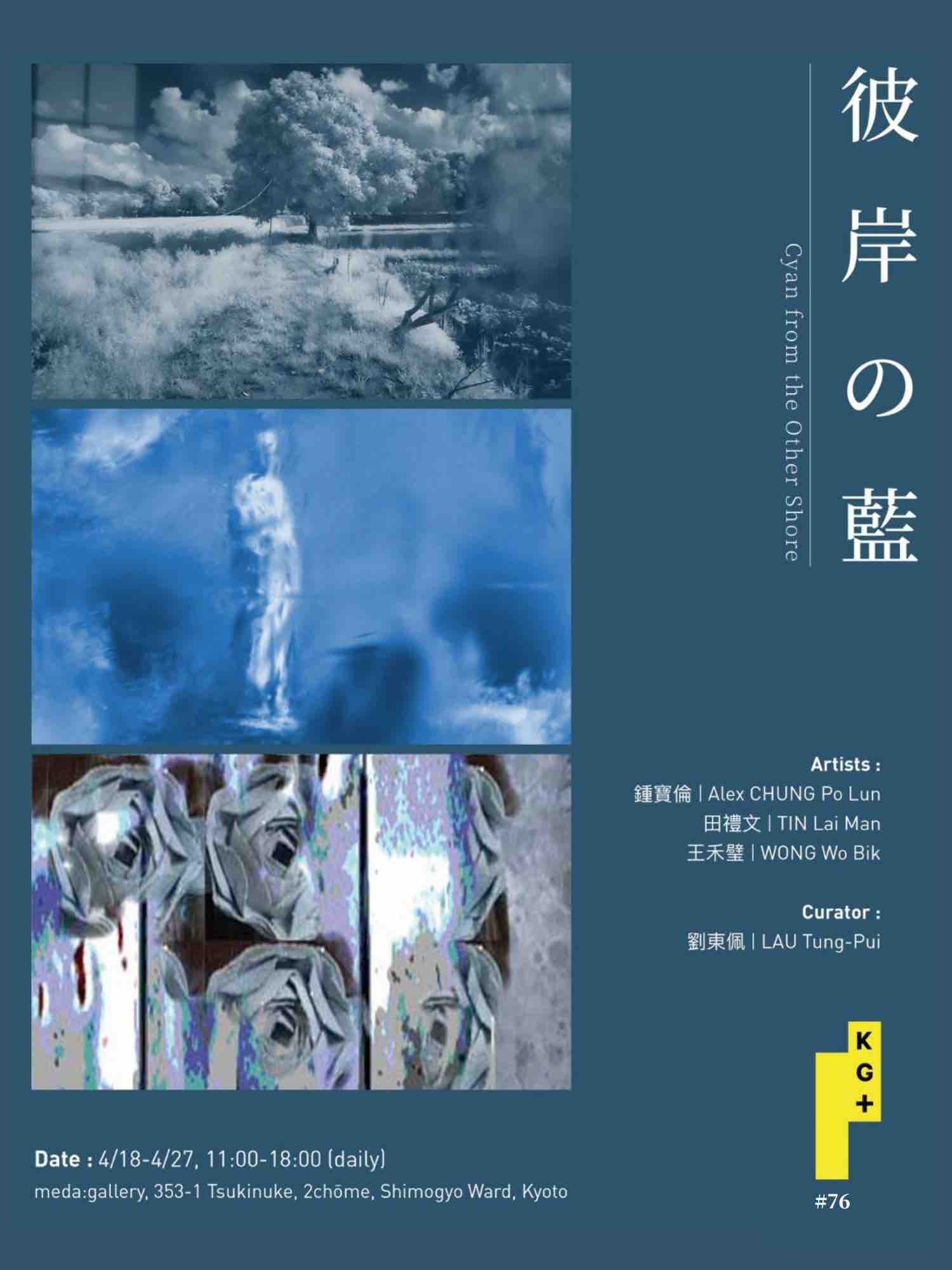
In Buddhist teachings, This Shore refers to the Sahā world—the realm of sentient beings where suffering and desire reside. The Other Shore, by contrast, symbolizes an ideal realm beyond, a state of spiritual liberation and enlightenment. Within the realm of photography, This Shore may be seen as the tangible world we live in, while The Other Shore becomes a metaphor for transcendence—an inner pursuit of vision and spirit through the image.
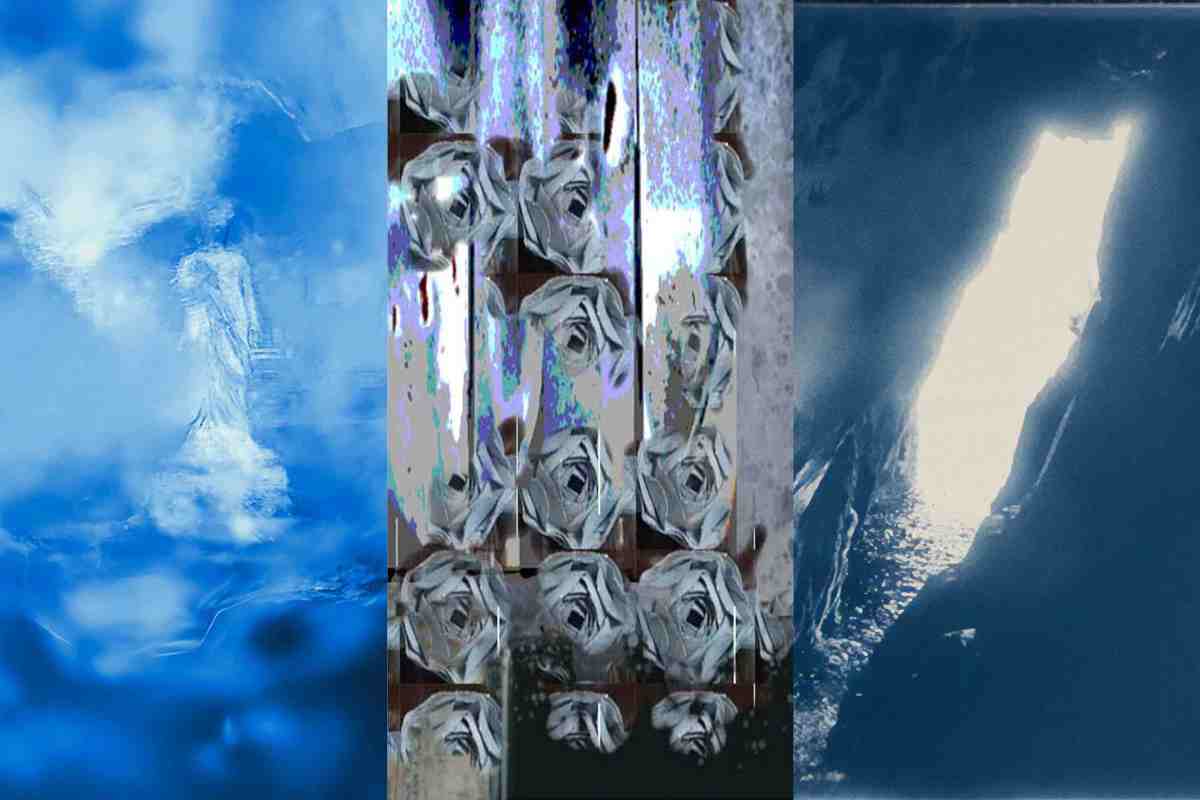
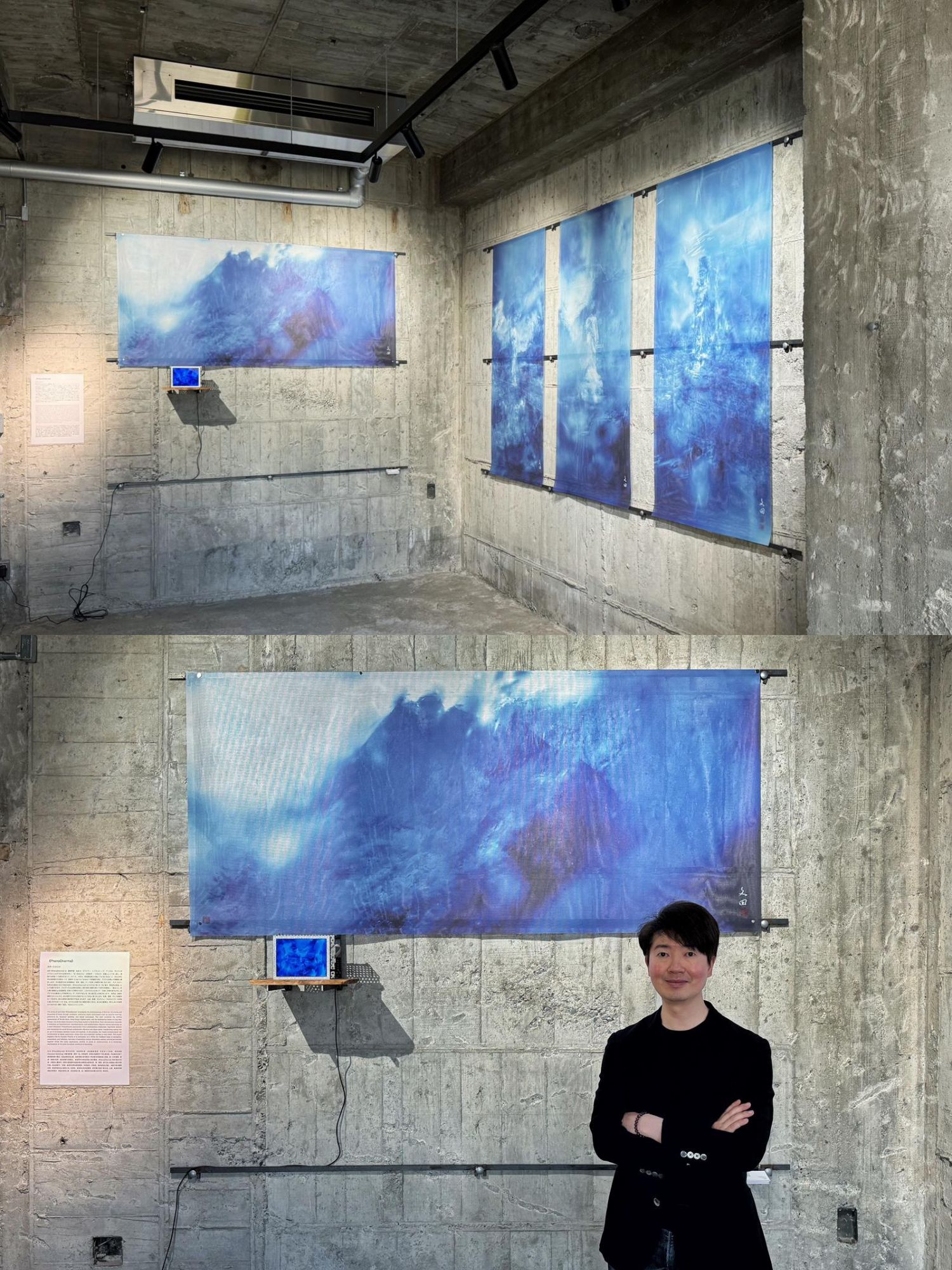
In the works of three Hong Kong artists—Alex Chung, WONG Wo Bik, and Man Tin—image becomes a vessel that voyages across the boundaries of reality. Whether through Chung’s infrared photography, WONG’s AI-generated images, or Man Tin’s visuals using Gaussian Splatting, each artist traverses the threshold between the visible and the unseen, arriving at their own Other Shore of the image.
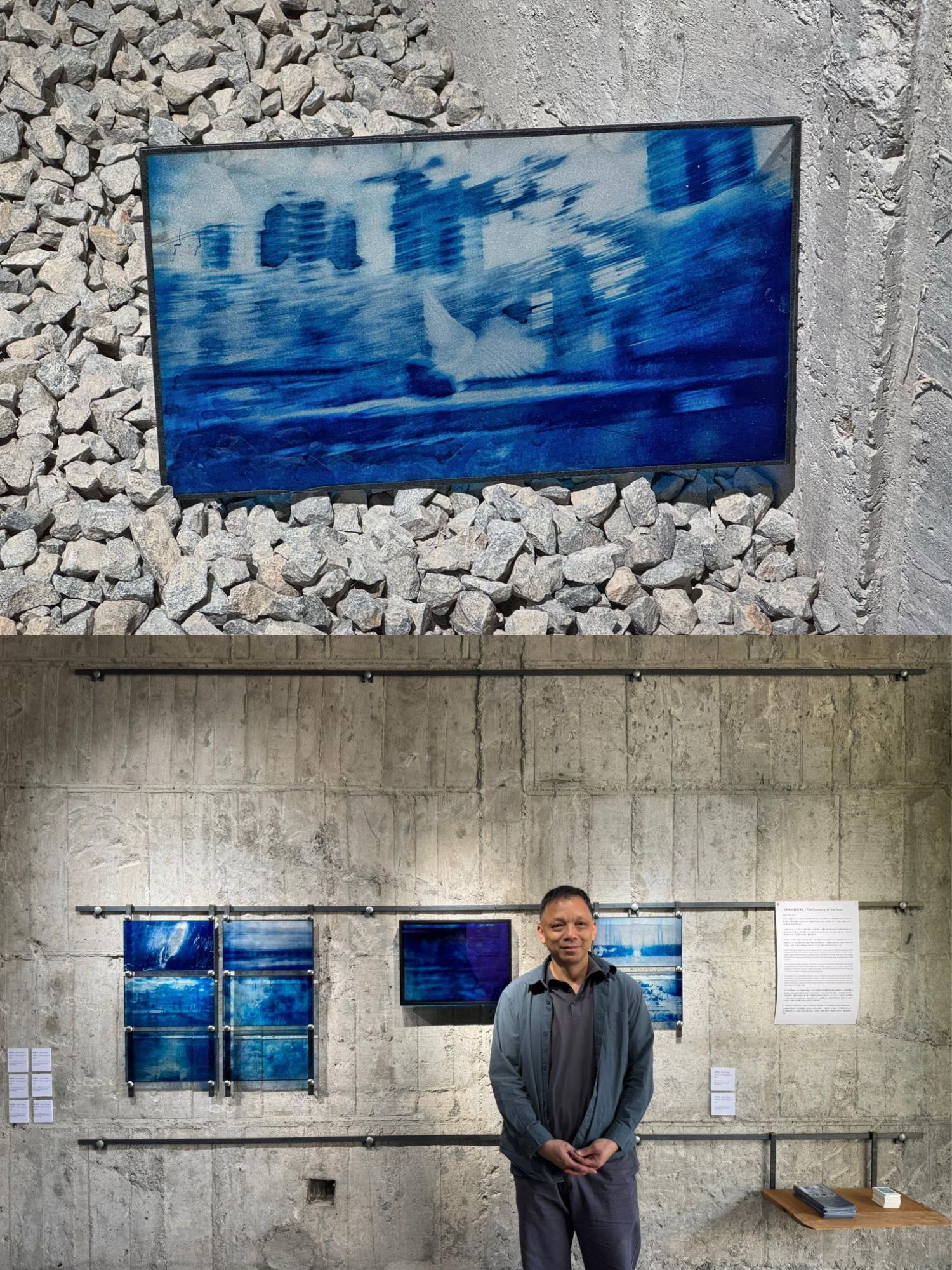
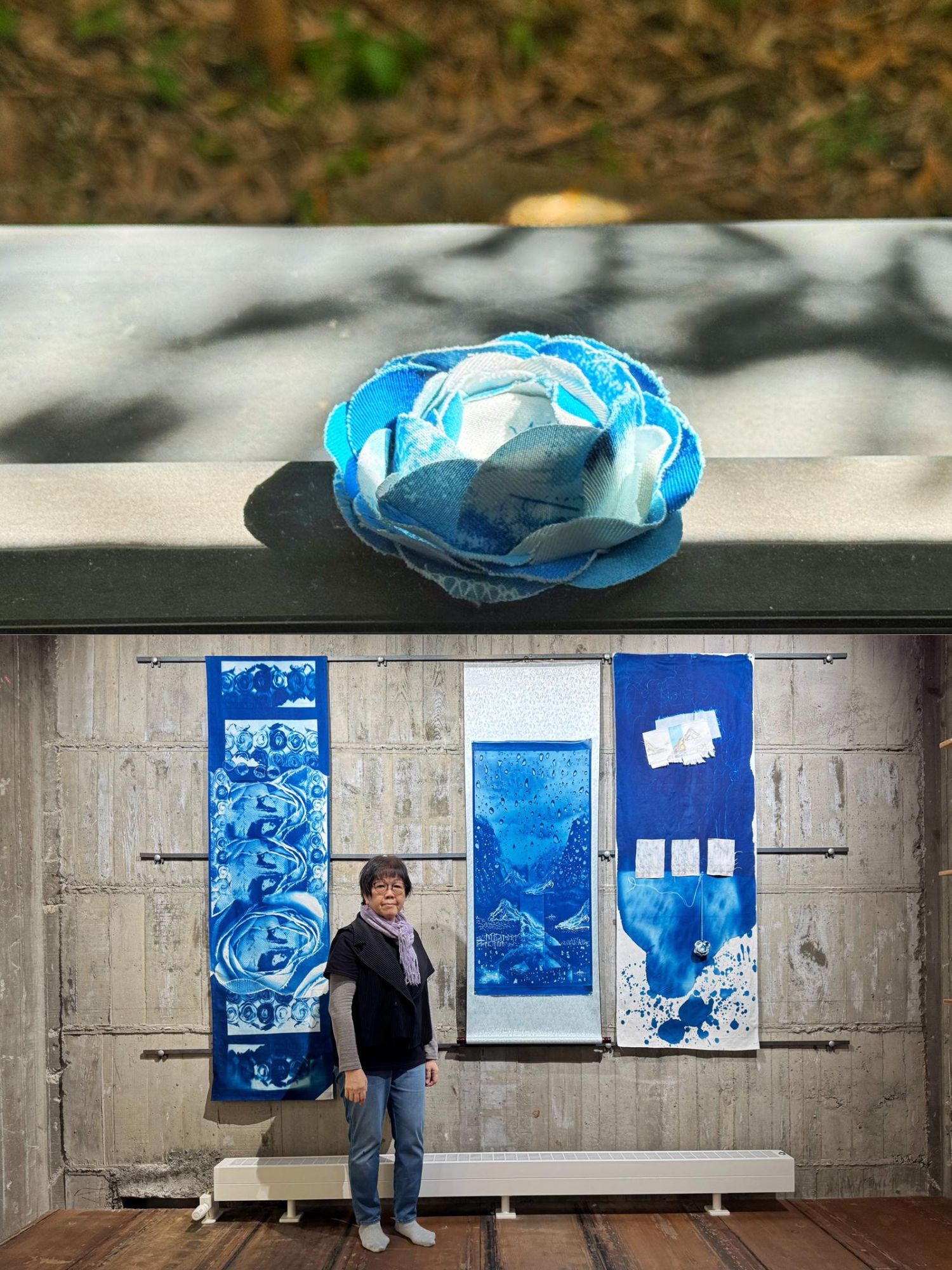
Then, what color is The Other Shore? In the works of these artists, it is, without doubt, blue—the deep, tranquil hue of cyanotype. As an early photographic printing process, cyanotype exudes a classical, contemplative elegance. In the twenty-first century, this technique has been renewed through diverse contemporary expressions—from Alex Chung’s cyanotypes on glass plate and Man Tin’s simulated digital cyanotypes to WONG Wo Bik’s cyanotype-flower sculptures. Cyanotype here becomes an alchemy of the image—fusing lived experience, nature, and visual illusion into an act of meditation.
Each artist’s work resonates with Buddhist thought in invisible ways. This Shore is the world of delusion and distress; The Other Shore is the realm of liberation beyond. Alex Chung imagines what his father might have seen at the threshold of life and death—fields of flowers, spectral silhouettes in mist, or perhaps the blazing radiance of a Buddha. With an infrared camera, he captures that liminal moment, using transparent glass to bear the invisible spectrum of light—images of the soul itself, revealing the ambiguity between being and dissolution. Mist, light, blossoms, and heat shimmer as omens of the Other Shore.
WONG Wo Bik’s work draws inspiration from King Hu’s film Raining in the Mountain—a cinematic meditation that unites Buddhist philosophy with martial-arts elements. Extending her engagement with classical cinema, she translates the film’s reverence for nature into an immersive visual hymn. Folding cyanotype images into floral forms and intertwining them with AI-generated imagery and moving images, she composes a multisensory environment where vision, sound, craft, and technology converge.
Man Tin’s work re-envisions Hong Kong’s highest peak—Tai Mo Shan—and the Bodhisattva statue at the Ling Wan Monastery in Kwun Yam Shan in the nearby area. Through digital reconstruction, he reflects upon the arising and passing away of form under causation. The visuals become a meditation on impermanence, dependent origination, and transformation.
This exhibition adopts cyanotype as both a medium and a metaphor—a luminous bridge between This Shore and The Other Shore. Through varied technological vocabularies, the artists reconstruct worlds beyond, transforming the image from material representation into a spiritual symbol, and their works invite viewers into a contemplative space.
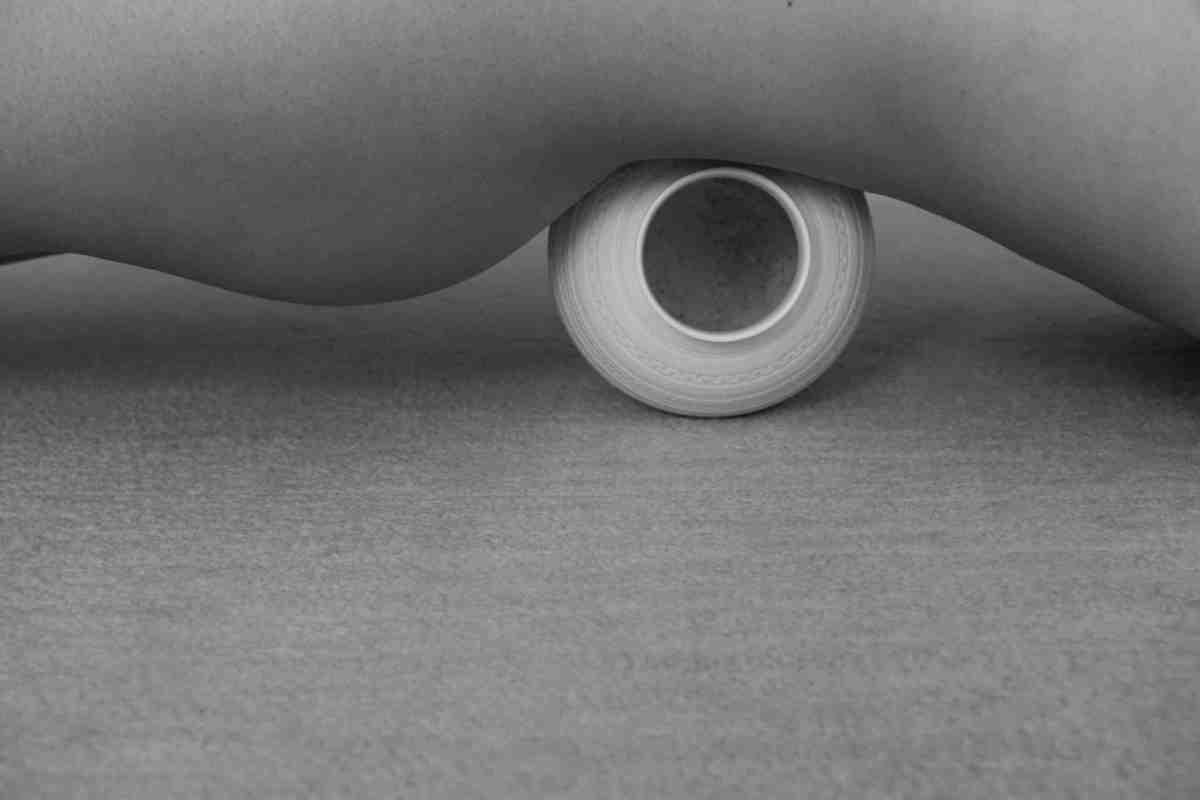
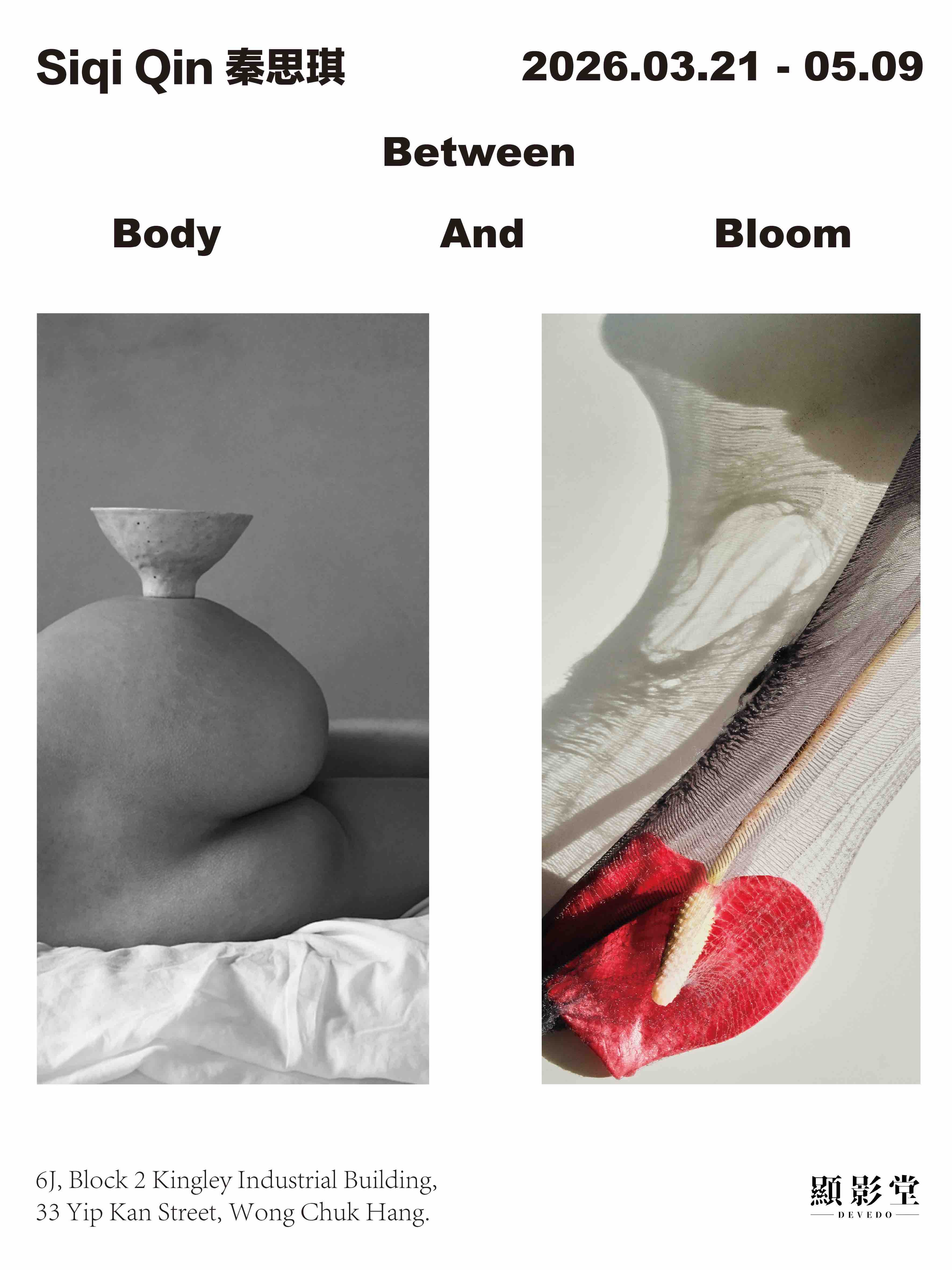
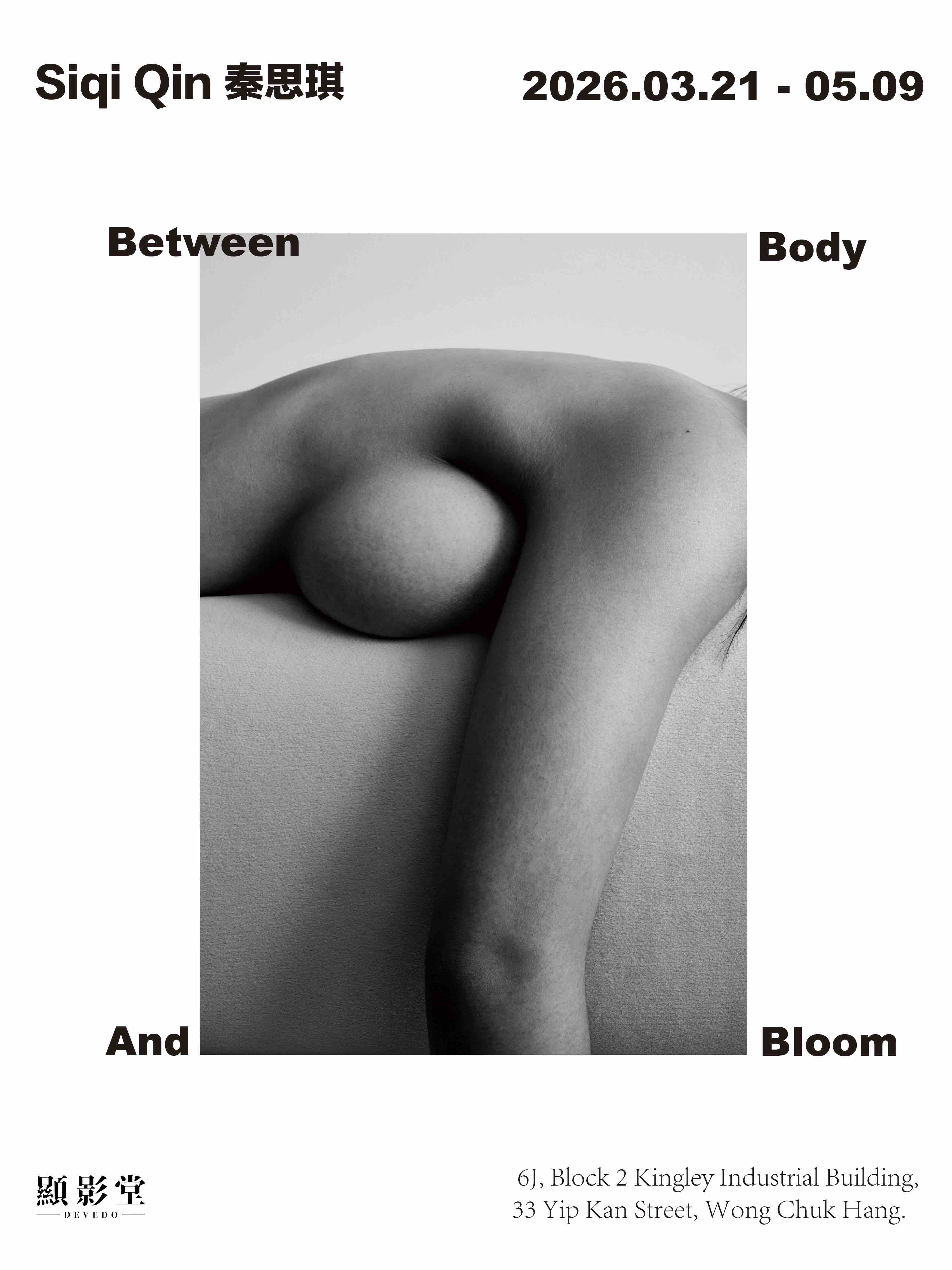
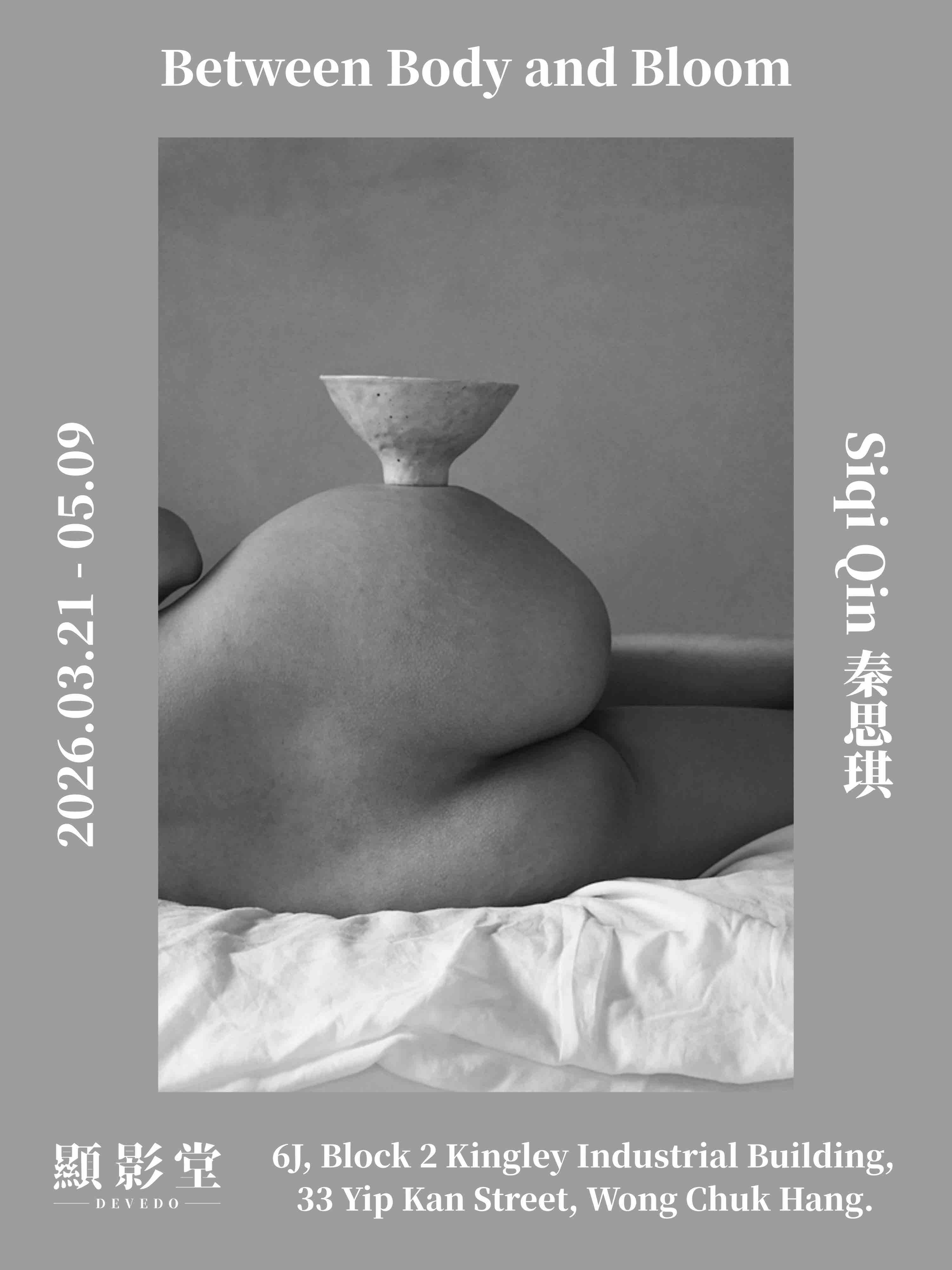
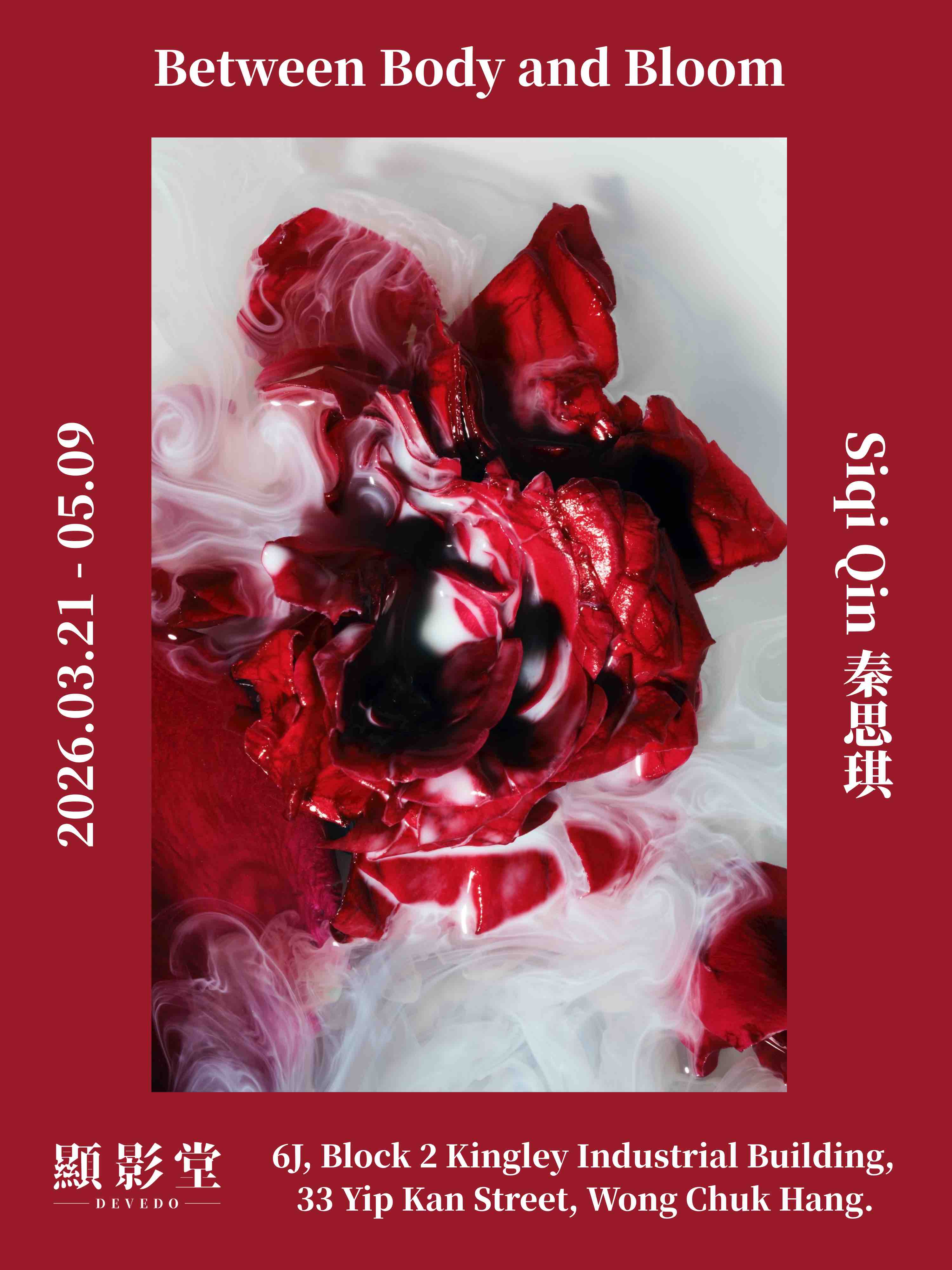
DEVEDO is pleased to present Chinese artist Siqi Qin’s first solo exhibition in Hong Kong, featuring two of her iconic series: the Human Aesthetics and Flowers.
Human Aesthetics was inspired by Robert Mapplethorpe. Siqi portrays the body’s ultimate beauty—sometimes sculptural and still, other times dynamic and fluid. Her refined approach to composition and light recalls the classic nudes of Bill Brandt and Edward Weston.
Flowers focus on blooms such as roses and anthuriums, which quietly bloom within the exhibition space. Her sensitive mastery of composition achieves a balance between restraint and tenderness, presenting a poetic vision of nature’s beauty. Inspired by Georgia O’Keeffe and photographer Nobuyoshi Araki, Siqi brings together floristry and photography to construct a narrative of emotion that is both gentle and charged with tension.
Throughout the history of photography, flowers have long been a beloved subject. American photographer Imogen Cunningham captured the texture and vitality of blooms with exquisite light and shadow, establishing a feminine aesthetic foundation for floral photography.
Building upon this lineage, Siqi uses chosen objects as subtle counterparts and assigns each work a carefully considered title—such as The Ecstasy of Venus and Ariadne’s Thread—drawing from the Bible and Greco-Roman mythology. Through these symbolic gestures, she expands the semantic field of her work, alluding to humanity’s longing and attachment to nature and life.
Flowers bloom and wither; they mirror the fleeting nature of life and the movement of desire. The human body also exists within this cycle of vitality and decay. Through the dual metaphors of the flower and the body, Siqi contemplates the fragility and grace of existence. What she captures is not merely form, but emotional reverberation—a reflection of her sincere and delicate inner landscape, suspended between softness and strength.
Between Body and Bloom
Date: 2026.03.21 – 2026.05.09
Time: 2-7pm (Wednesday-Saturday, By Appointment)
Venue: DEVEDO, 6J, Block 2, Kingley Industrial Building, 33 Yip Kan Street, Wong Chuk Hang.
Born in Beijing in 1998, graduated from the Design Department of Lehigh University in 2021, and from the Digital Photography Department of the School of Visual Arts with a master’s degree in 2022. Qin held solo exhibitions in Shanghai and New York, and currently works and lives in Beijing and New York.
DEVEDO is one of Hong Kong’s rare photography bookstores, founded in July 2025 by LAU Tung-Pui, founder of the Hong Kong photography platform PhotogStory. In addition to offering a wide selection of photography books, DEVEDO also regularly hosts photography talks and exhibitions.
由香港攝影平台「顯影 PhotogStory」創辦人劉東佩在2025年成立的「顯影堂 DEVEDO」,是香港罕有專注攝影書籍的書店。店內除了出售多種攝影書籍,也會定期舉辦攝影相關講座及舉辦攝影展,繼首個攝影展覽《間まMa:Ryuichi by Rensis》後,現正舉辦多媒介作品展《探|二人三觸》。
【DEVEDO Exhibition】
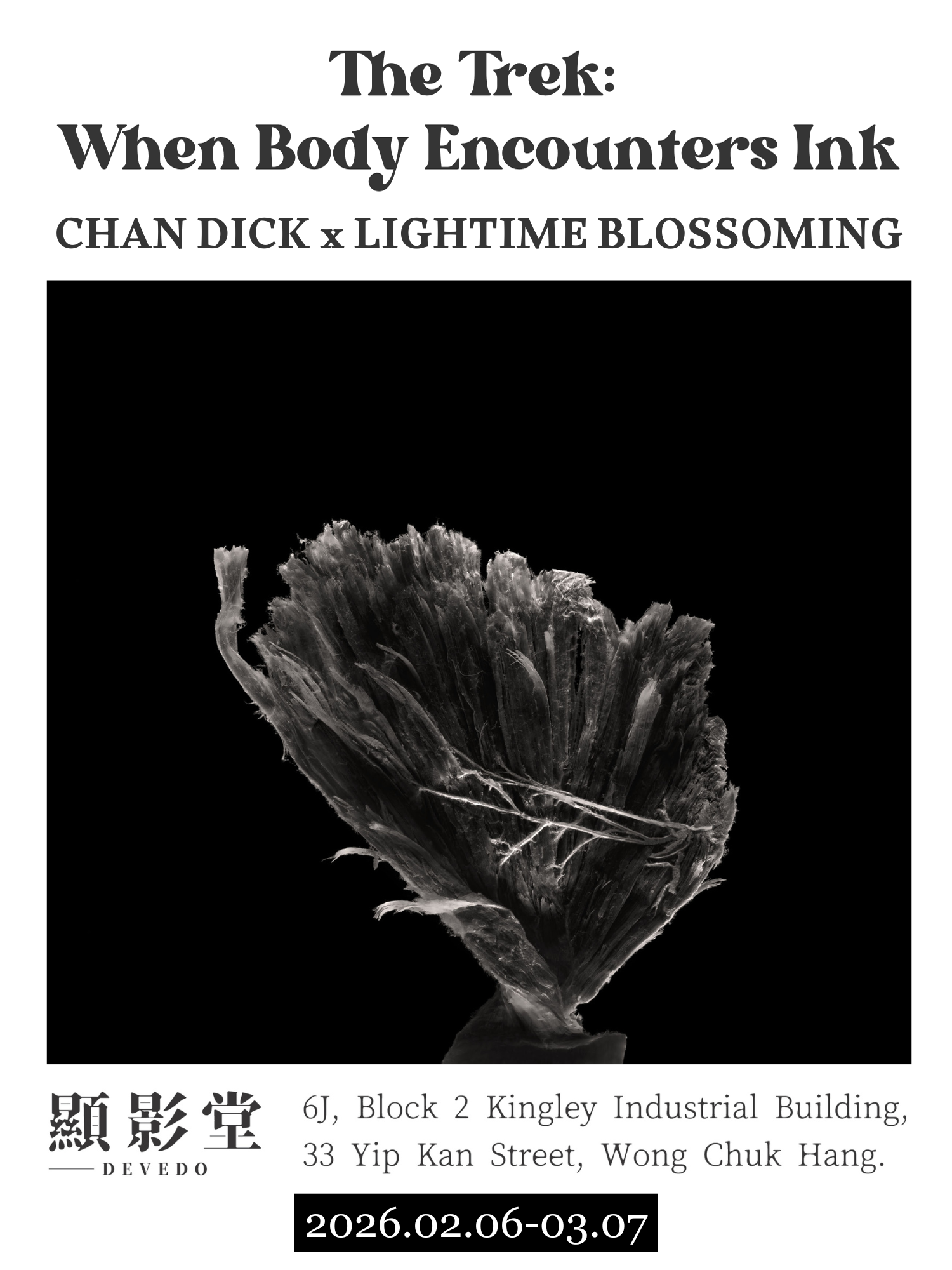
CHAN DICK × LIGHTIME BLOSSOMING The Trek: When Body Encounters Ink
How do you sense the presence of your own body?
In The Trek: When Body Encounters Ink, Hong Kong photographer CHAN DICK and calligrapher LIGHTIME BLOSSOMING trace the unseen landscapes of the body through the dialogue of lens and brush.
This exhibition unfolds as an intimate dialogue between image, ink, and breath. Through layered seeing and feeling, it transforms the body from an object of observation into the origin of perception itself.
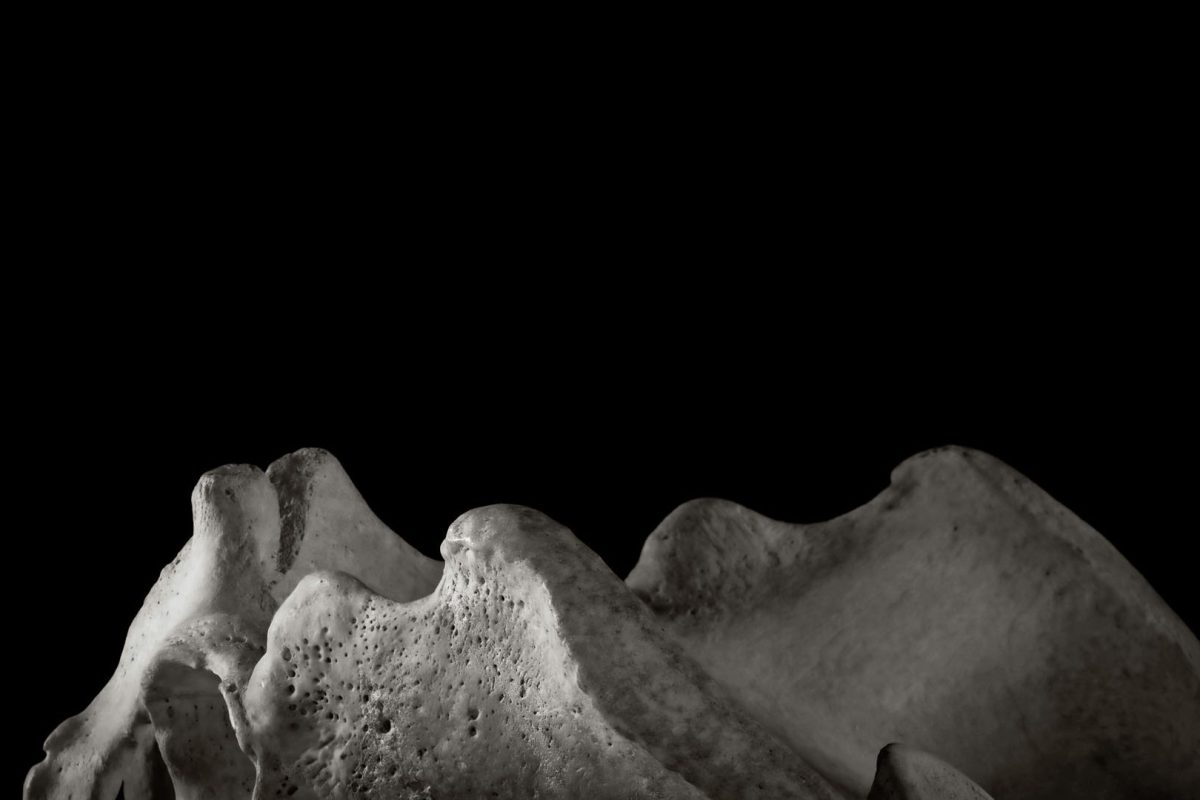
CHAN DICK’s photographs approach the body with quiet tenderness. Lungs branch like trees, the pelvis rises like distant peaks, and the greater omentum drifts like a translucent veil. These are not anatomy lessons but living landscapes within. Gazing at them, you are drawn inward to traverse your own inner body scenery.
Printed on SKIN fine art paper, the photographs evoke tactile intimacy. In response, LIGHTIME BLOSSOMING inscribes the names of body parts on skin-toned cicada paper, letting each ink stroke breathe upon the image like a second layer of skin. Only by gently lifting the paper can viewers uncover what lies beneath—an act akin to touching their own depths.
Together, the two artists bridge photography and calligraphy to explore the body’s dual nature—its material and spiritual aspects. The lens captures the texture of flesh, while the brush grants language to sensation. Their collaboration invites us to ask how we recognize its quiet presence in daily life.
The Trek – When Body Encounters Ink Date: 2026.02.06 – 03.07 Time: 2-7pm (Wednesday-Saturday, By Appointment) Venue: 顯影堂 DEVEDO , 6J, Block 2 Kingley Industrial Building, 33 Yip Kan Street, Wong Chuk Hang.
Hong Kong-based photographer CHAN DICK was fascinated by simple lines and minimalistic compositions. Chan’s works often explore the ambiguous attraction between reality and illusion, as in the photobooks I SEE and The Trek.
His iconic series “Chai Wan Fire Station” won first prizes at both the Tokyo International Foto Awards and the Hong Kong Photo Book Awards. This series was exhibited in Japan and the Netherlands and is now in the collections of the Hong Kong Heritage Museum and Japan’s Irie Taikichi Memorial Museum of Photography in Nara City.
LIGHTIME BLOSSOMING
Lightime Blossoming, founded by 33 (“saam 1 saam 1”), is a creative brand focusing on calligraphy and graphic design in Hong Kong. 33 has been working on calligraphy, drawing on traditional Chinese calligraphy as a foundation to transform and incorporate her own imagination and ideas.
By indicating the image’s structure, rhythm, and solids and voids, she practises the diversity of changes in thoughts and emotions in detail. The style is either soft and gentle, or hard and heavy, like the wind. Her artworks have primarily been printed on paper and circulated as prints and zines, and she has begun creating personal works.
About DEVEDO
顯影堂 DEVEDO is one of Hong Kong’s rare photography bookstores, founded in July 2025 by LAU Tung-Pui, founder of the Hong Kong photography platform PhotogStory. In addition to offering a wide selection of photography books, DEVEDO also regularly hosts photography talks and exhibitions.
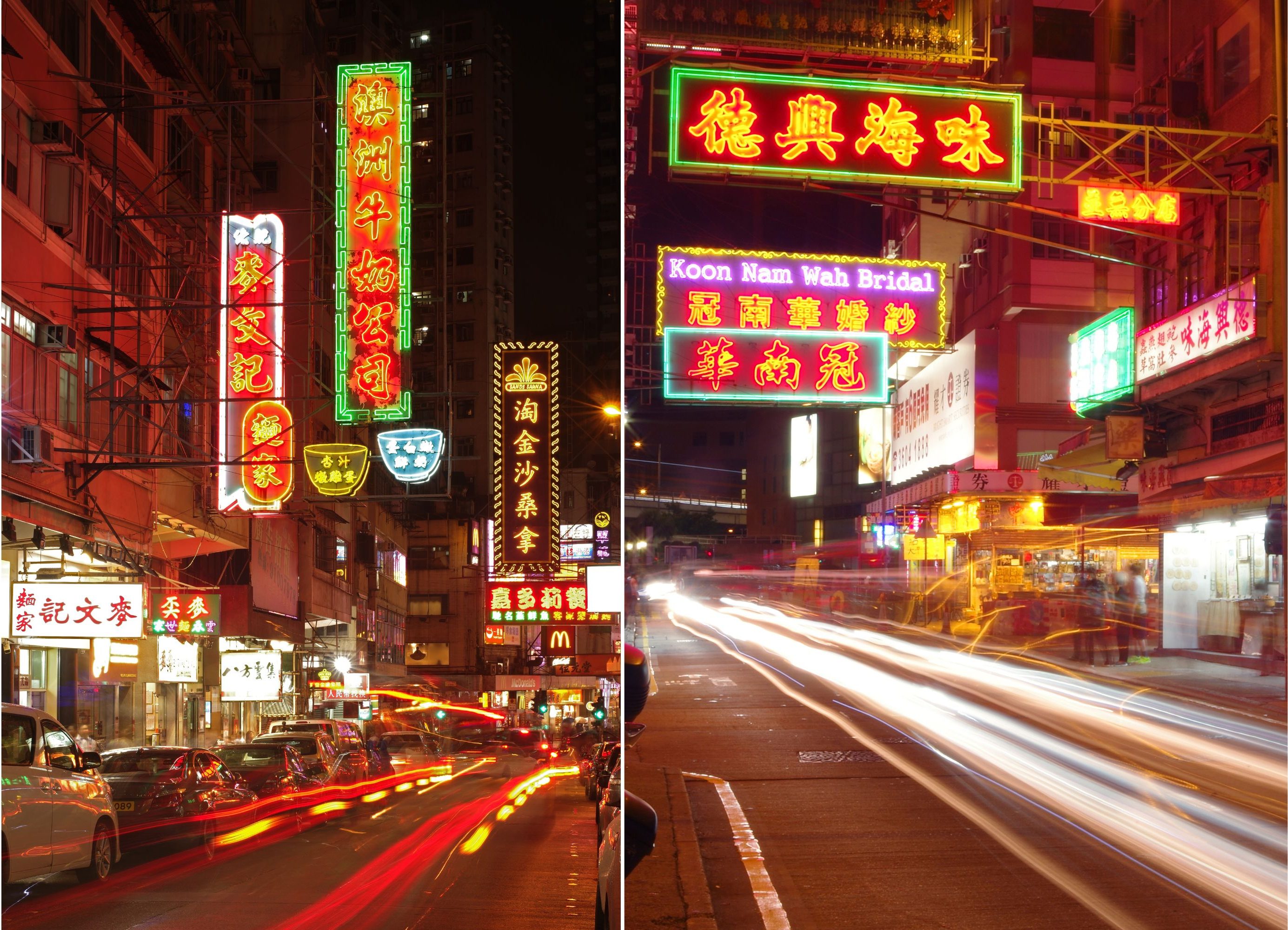
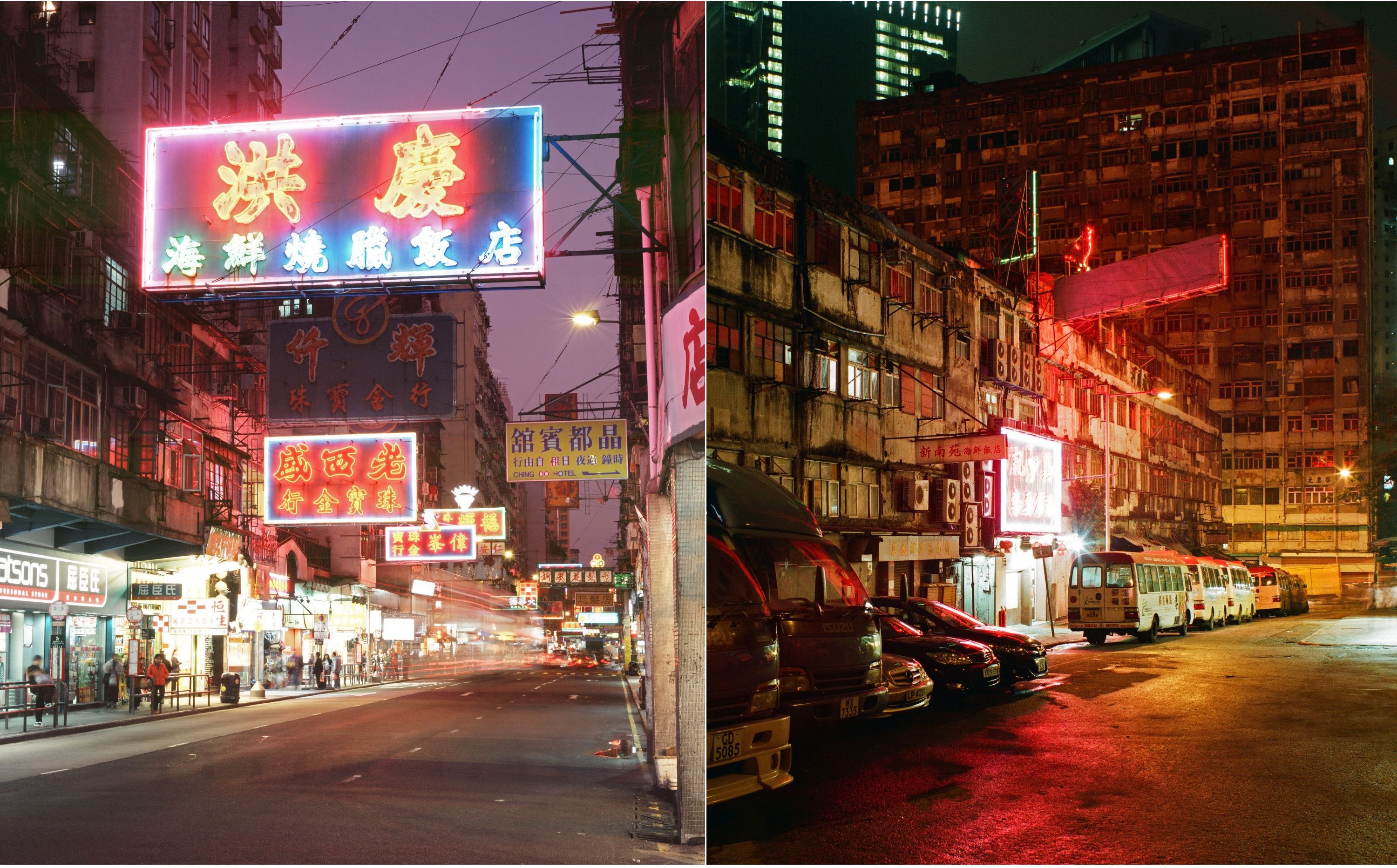
繼去年十月參展倫敦Affordable Art Fair後,Laurence將於今年一月底參加街頭攝影平台TOKYO STREETS在東京日比谷OKUROJI商店街空間舉辦的大型攝影聯展,該展覽展出逾30位來自世界各地攝影師的街頭攝影和紀實攝影作品,包括Deep Chan和Wilson Poon等三位來自香港的攝影師,而Laurence以一系列「消失的霓虹」(Disappearing Neon Signs) 的作品參展,在異國他鄉訴說屬於香港的情懷與記憶。
TOKYO STREETS 10 日期:1月27日至2月1日 時間: 11:00 – 20:00 地址:東京千代田區日比谷Okuroji
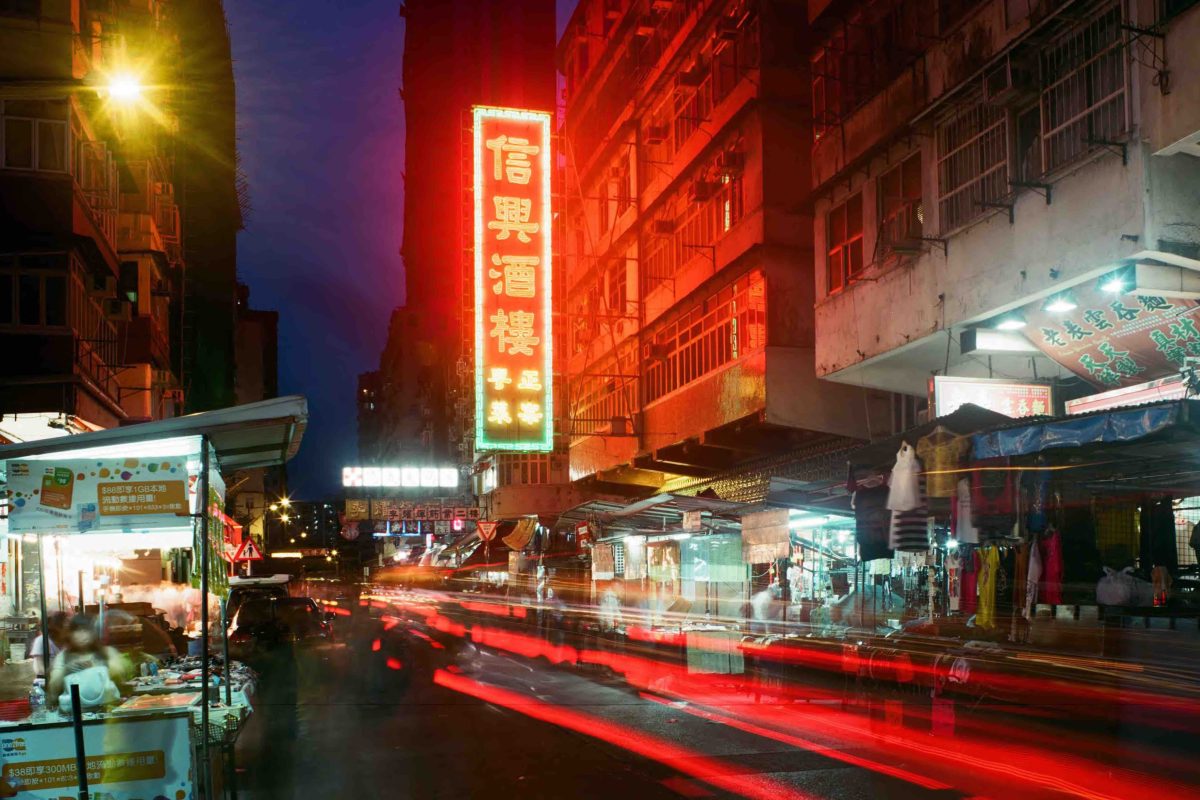
Renowned Hong Kong photographer Laurence Lai is set to feature his works at the TOKYO STREETS exhibition, taking place in Hibiya Okuroji in Tokyo at the end of January.
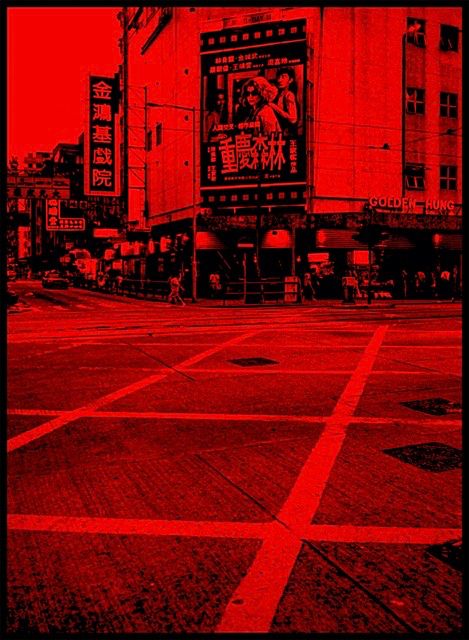
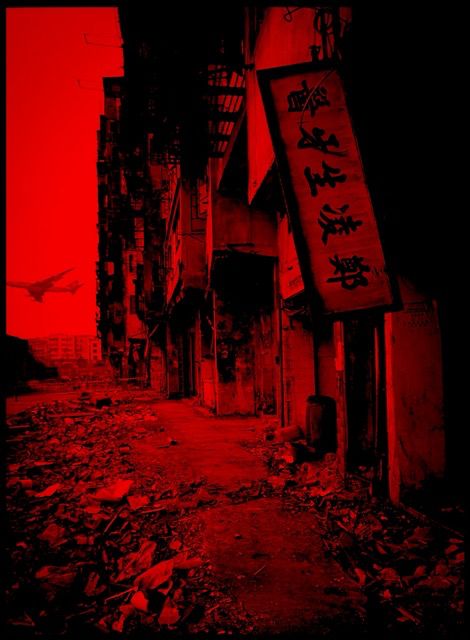
Laurence’s evocative photographs will center on the iconic neon signs that once illuminated Hong Kong’s cityscape, capturing a visual language synonymous with the city’s vibrant urban culture. Through his lens, Laurence not only showcases these dazzling relics of the past but also invites viewers to reflect on the rapid transformation of Hong Kong’s streetscapes.
Sadly, the majority of the neon signs immortalized in his striking images have now vanished, their absence adds a poignant sense of nostalgia to the exhibition, offering Tokyo audiences a rare glimpse into a bygone era of Hong Kong’s history.