Romain Jacquet-Lagrèze’s ‘Concrete Stories’: A Fresh Angle on Hong Kong Rooftop Photography
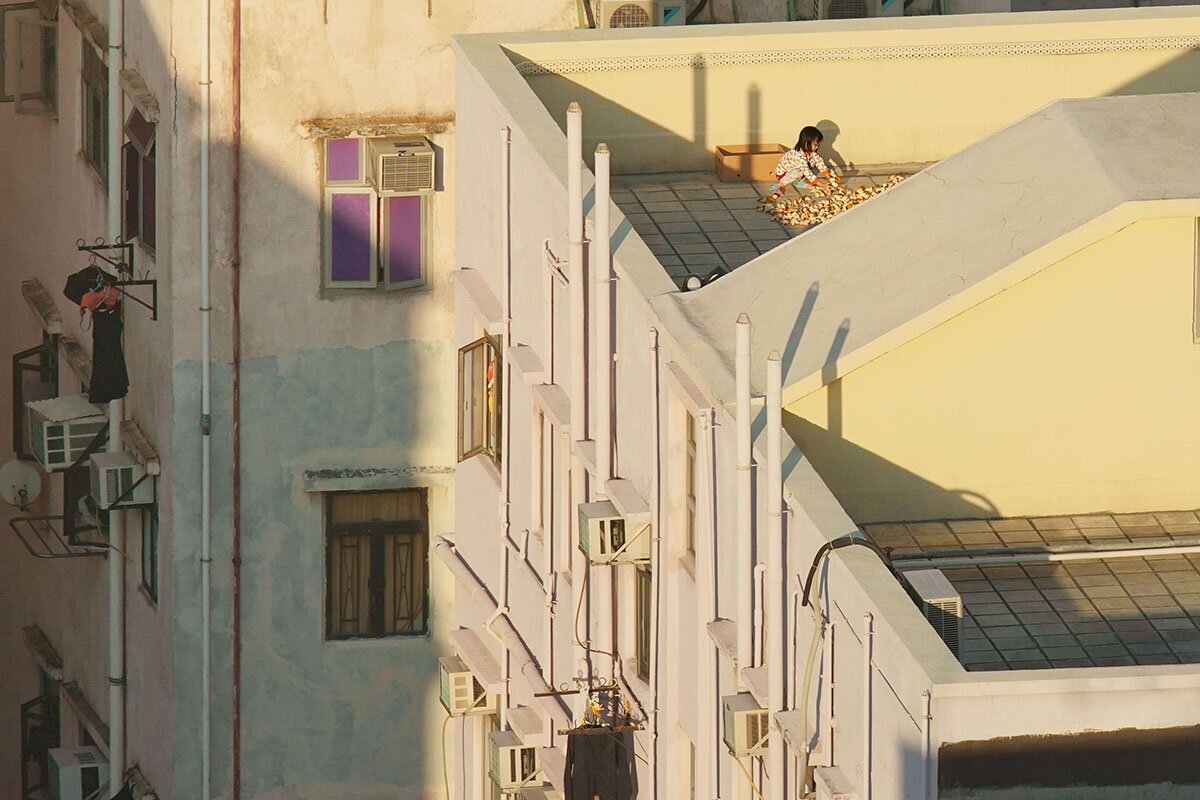
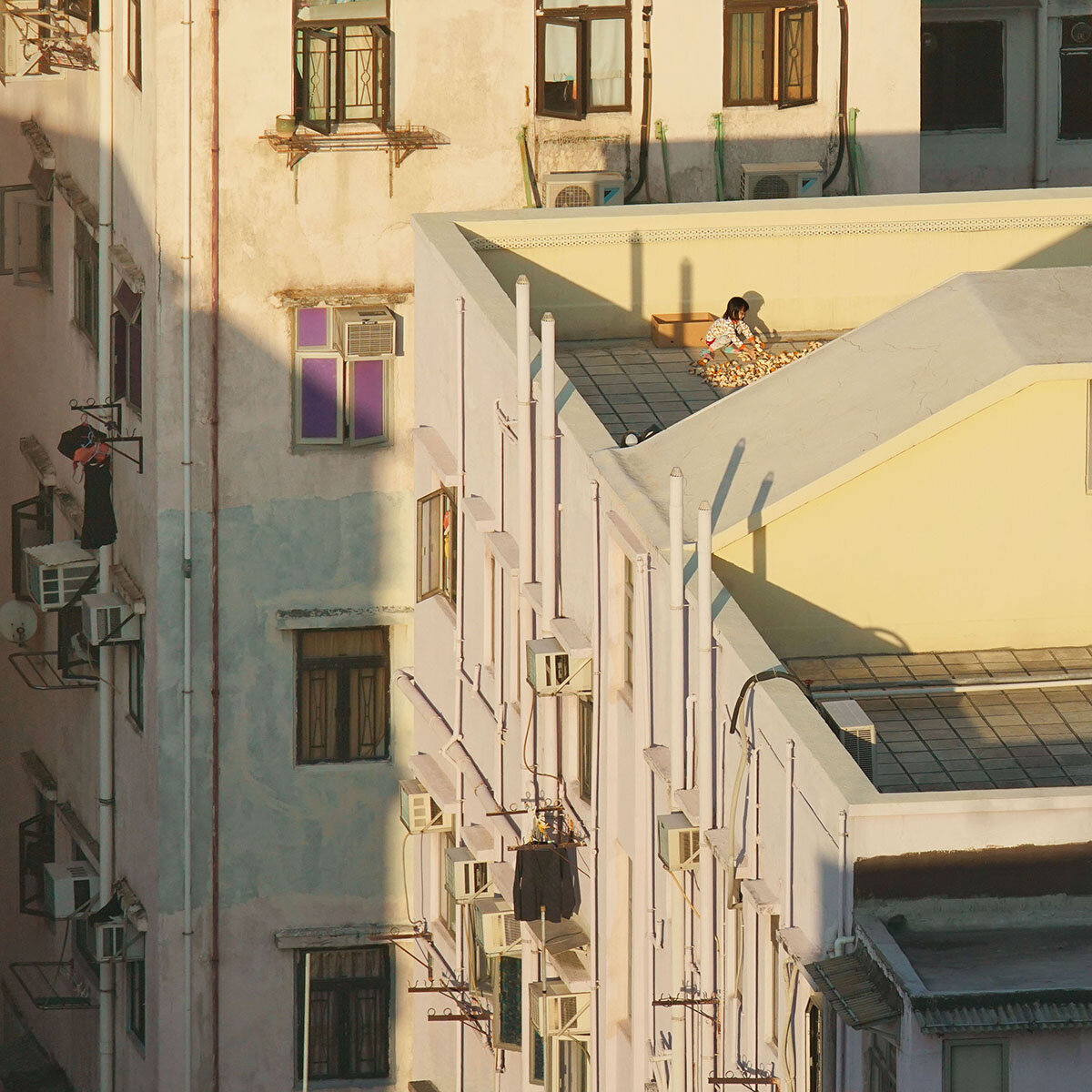
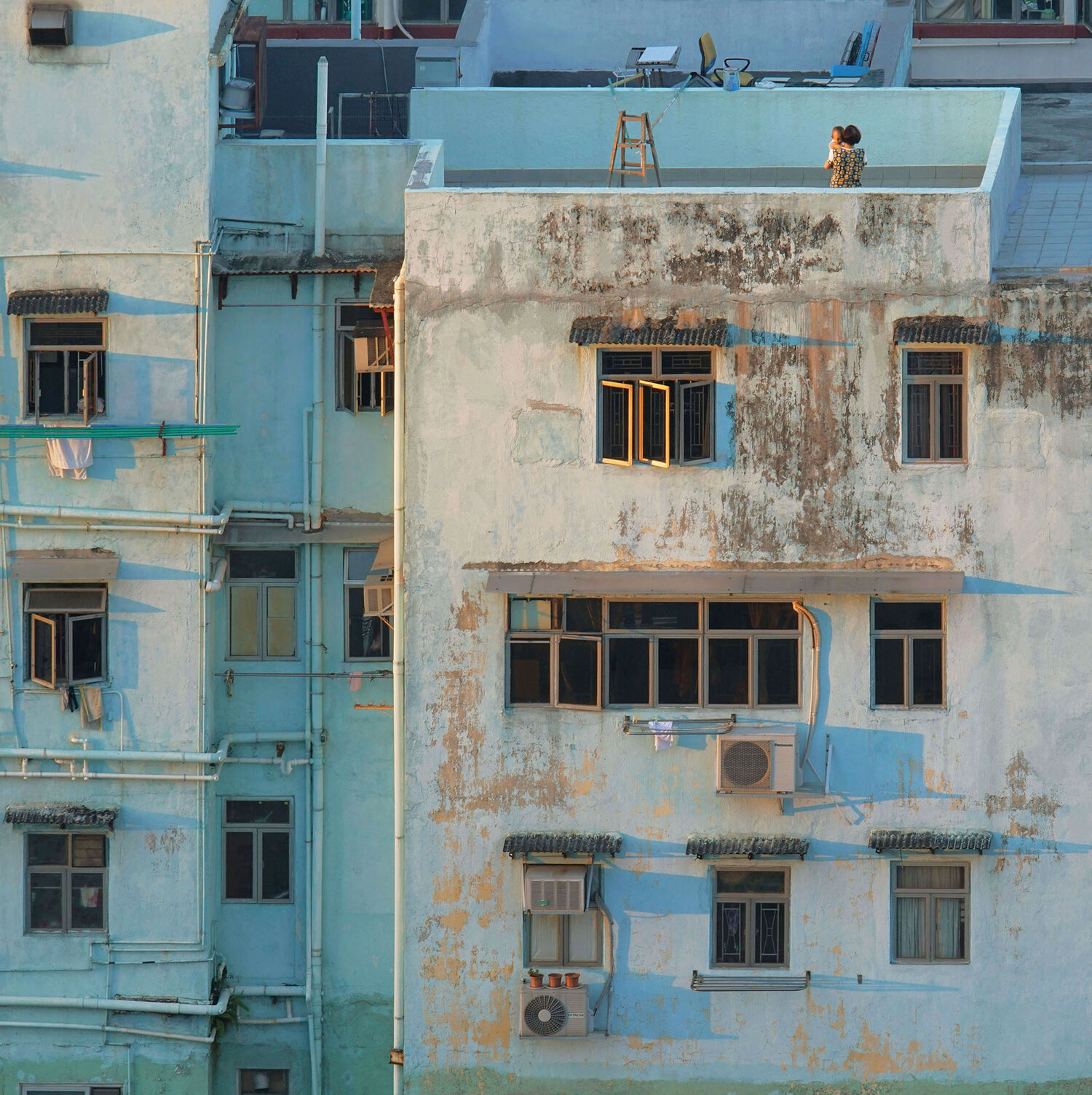
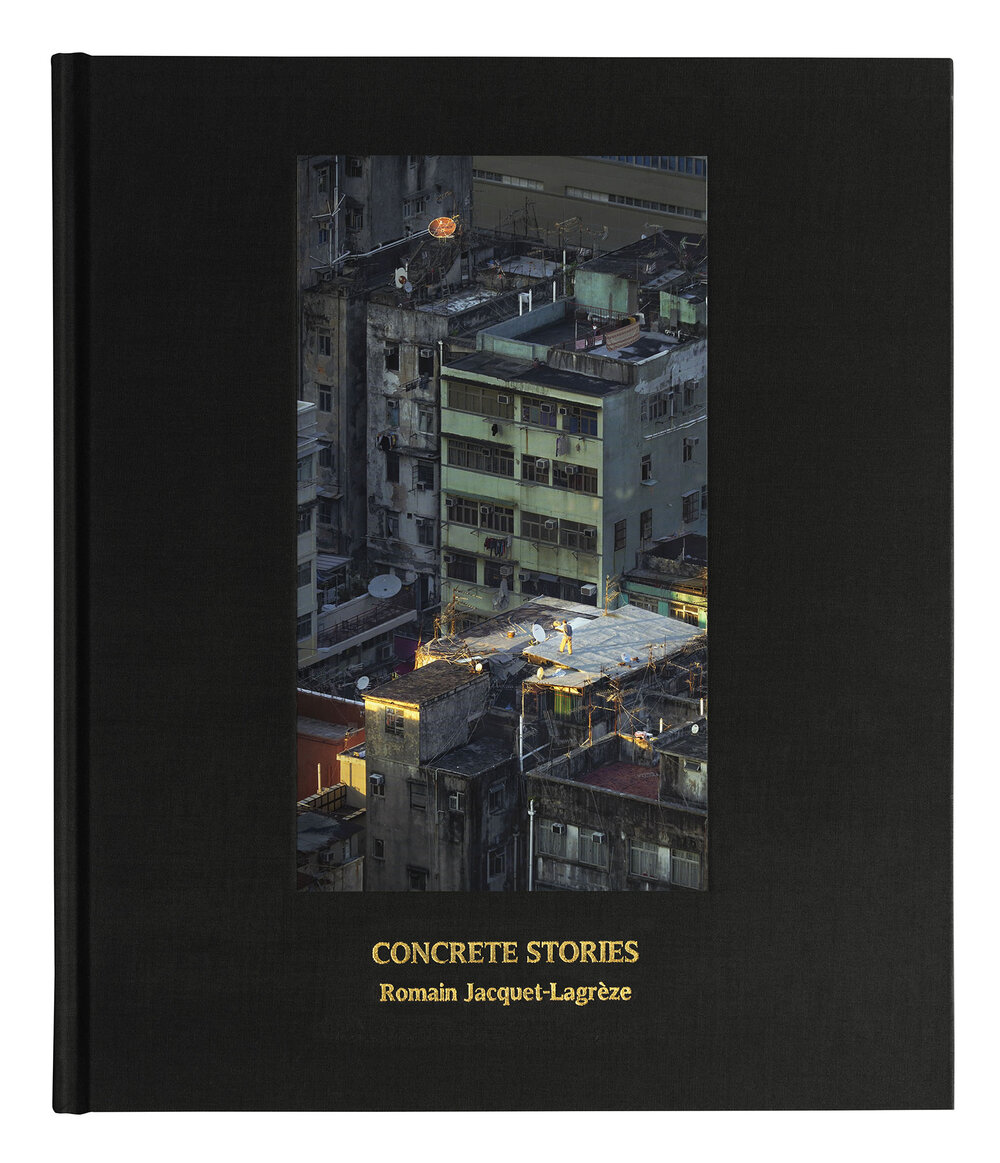
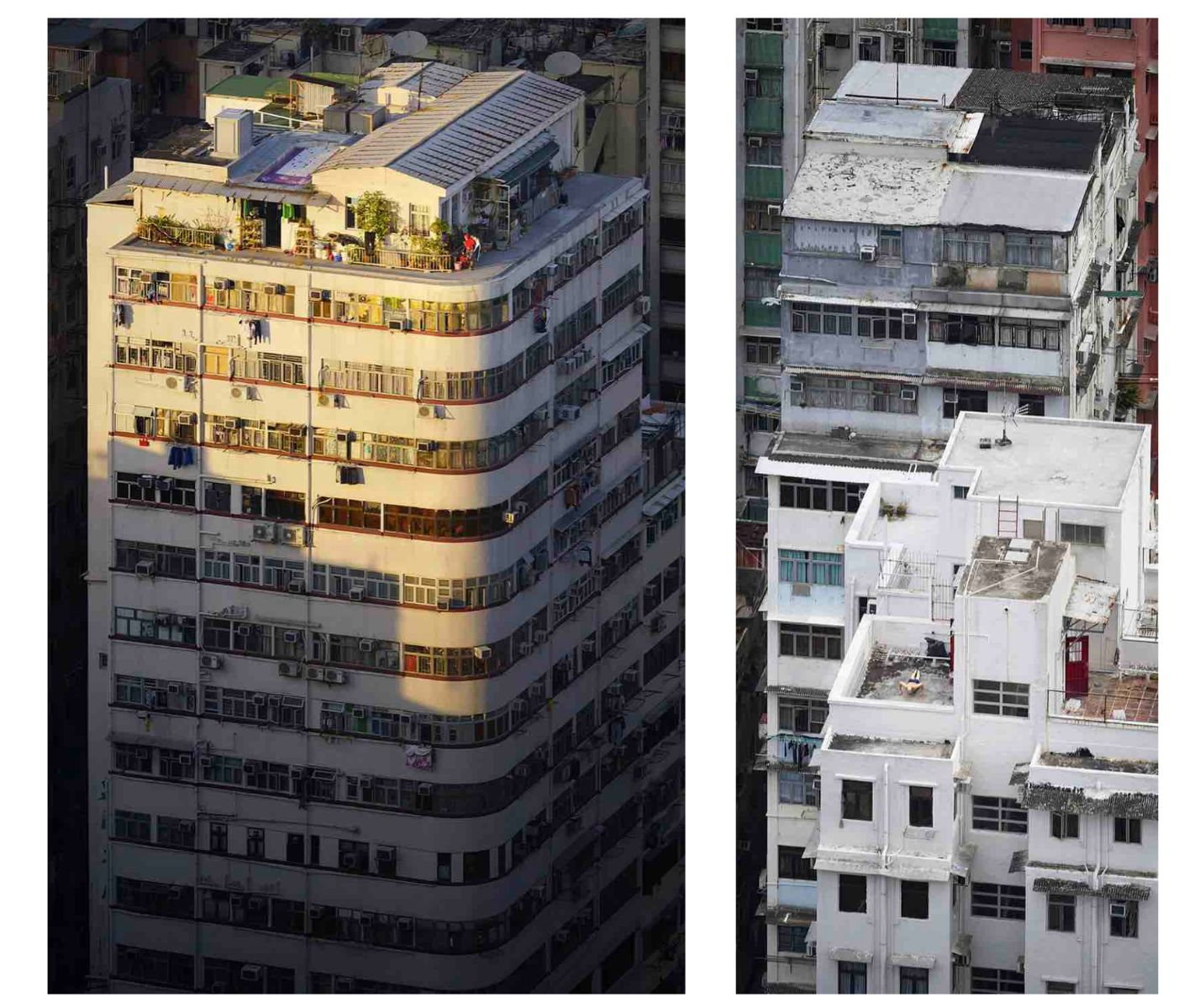
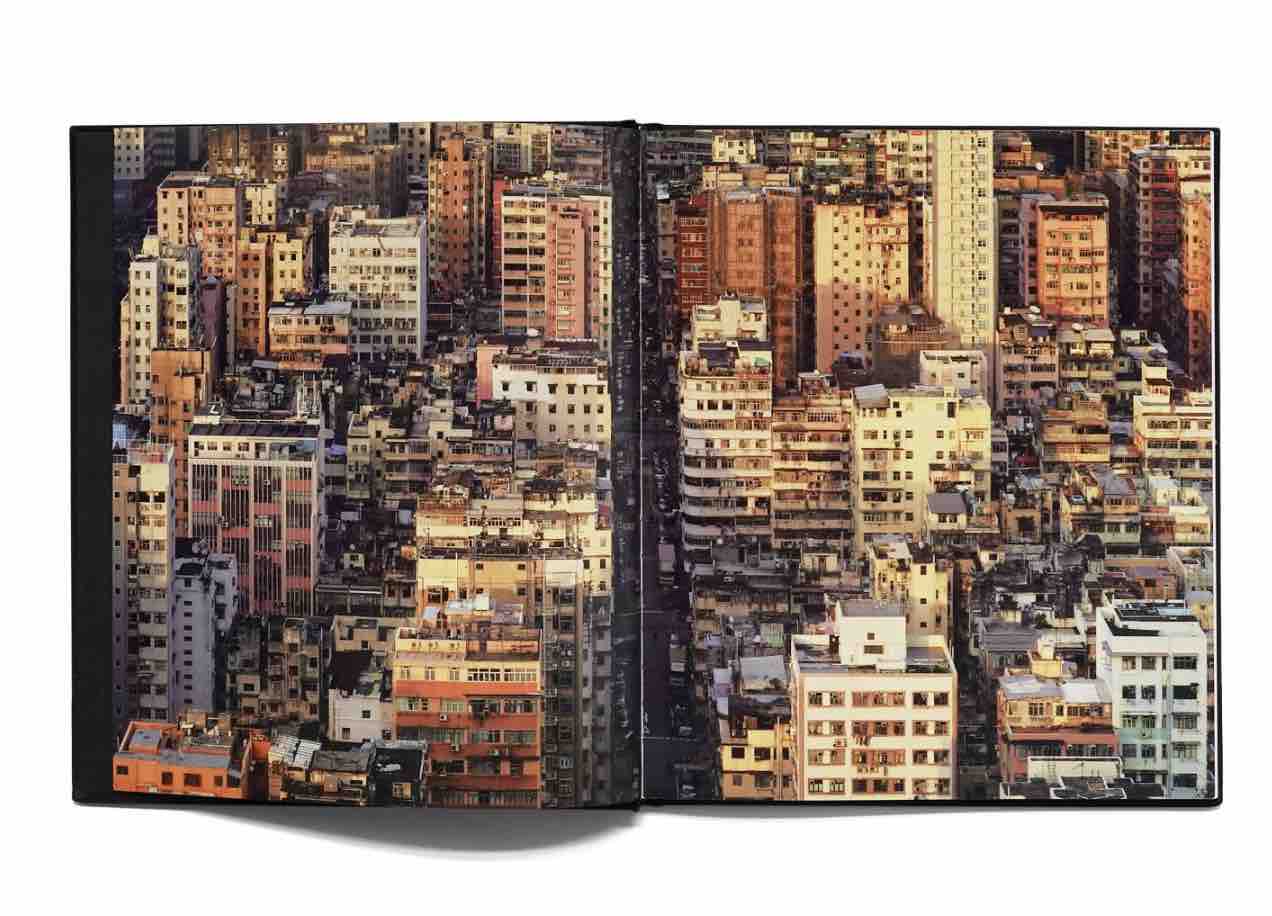
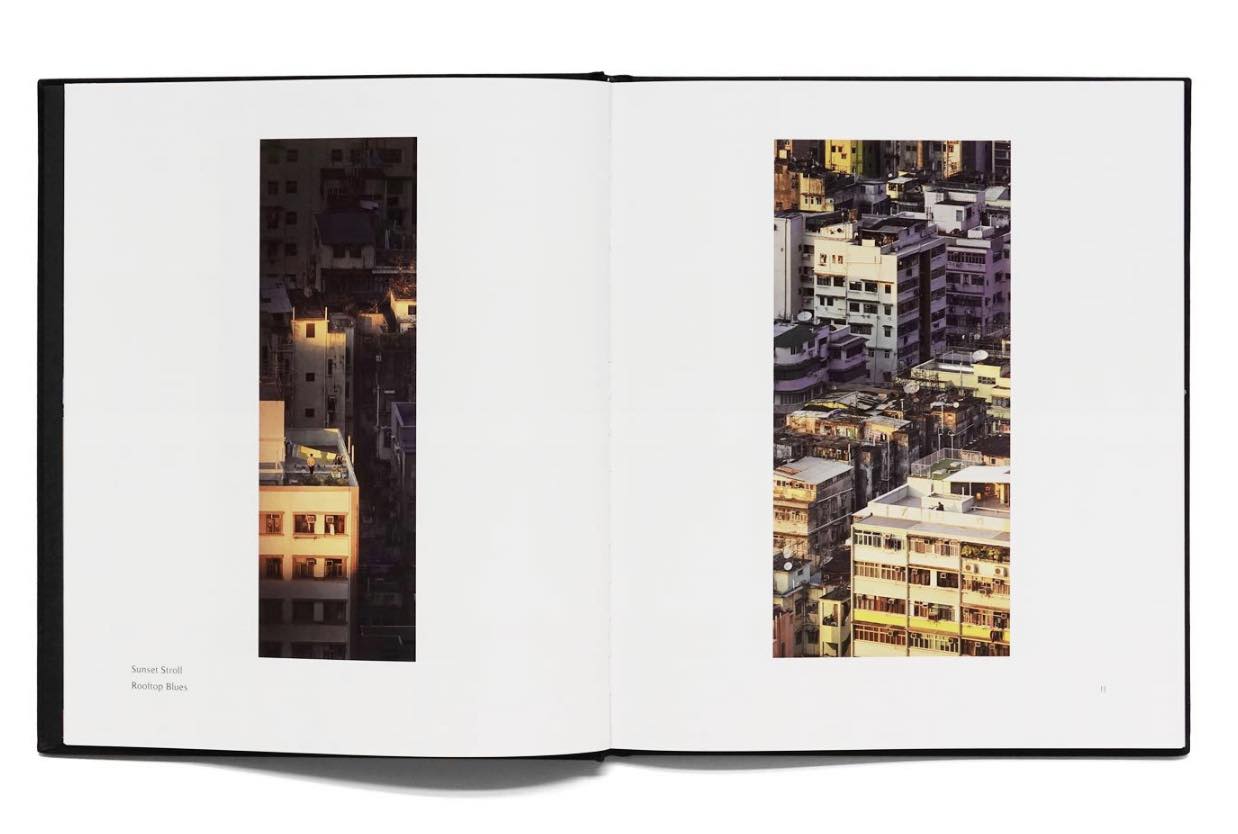
‘Concrete Stories’ is a collection of genuine moments capturing people’s daily lives from the rooftops in Kowloon districts.
From 2014 to 2018, Romain Jacquet-Lagrèze, a French photographer based in Hong Kong, explored the city’s rooftops in a unique way. His lens captured the city from a fresh angle, focusing on aged buildings without alarms or security cameras and favoring sunny days for enhanced luminosity.
In his lens, you can see students skipping rope, women drying clothes, and people practicing Tai Chi. The scenes on the rooftop become more dramatic under the setting sunlight. After taking the photo, the final step was to carefully crop the images to highlight the rooftop and people’s activities.
These buildings, once a vibrant part of the city’s landscape, are now disappearing at an alarming rate. The pressing need for land has led to the demolition of low-rise structures, making way for taller, more modern ones, often with inaccessible rooftops.
宮本隆司鏡頭下的九龍城寨,建築物及裡面的空間是主體,既有城寨的外觀全貌,也有各式各樣的店舖環境。由於城寨內燈光昏暗,加上他沒有開閃光燈,因此人的臉孔都顯得很模糊,恍如鬼魅。相比起《City of Darkness Revisited》的彩色照片及對居民的深度訪問,宮本隆司的黑白照片強調的是建築,反而人的元素並不突出,照片也瀰漫著一股荒涼感,彷彿預示著九龍城寨的命運。
Ryūji Miyamoto was honored with the prestigious 14th Kimura Ihei Award for his works, Architectural Apocalypse and Kowloon Walled City, both published in 1988.
Miyamoto decided to visit Hong Kong in 1987 when the Hong Kong government officially announced that Kowloon Walled City would be demolished. After spending his first day photographing only the exterior, he hired a local guide and entered the Walled City on his second day. He described the maze-like streets that discharge sewage as a medieval city.
Miyamoto initially captured the alleyways, cramped apartments, terraces, signboards, dentists’ offices, and the disarrayed cables and pipes. When he returned in the fall of 1987, he paid for a helicopter to capture the building’s birds-eye views.
He published his first photobook on Kowloon Walled City in 1988, which was a great success. Miyamoto visited the Walled City in 1992 and 1993 before it was entirely demolished in 1994. His photographs remain a practical resource as documentation until now, and the photobook was republished in 1997, 2009, and 2017.
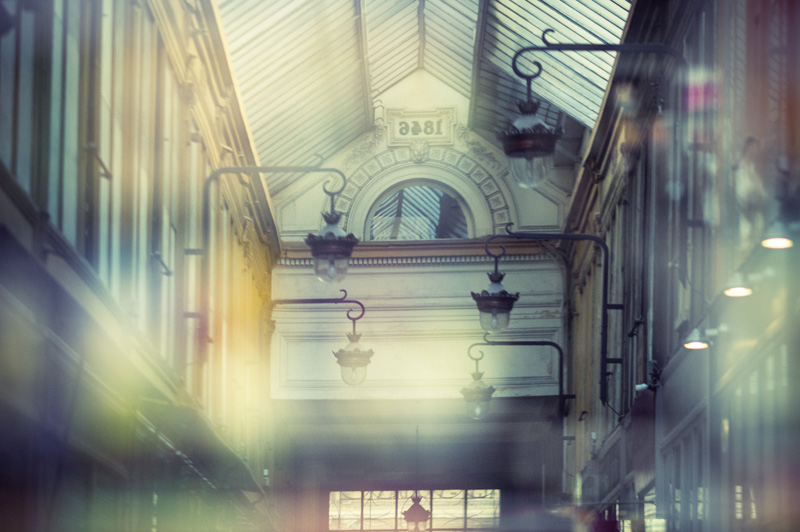
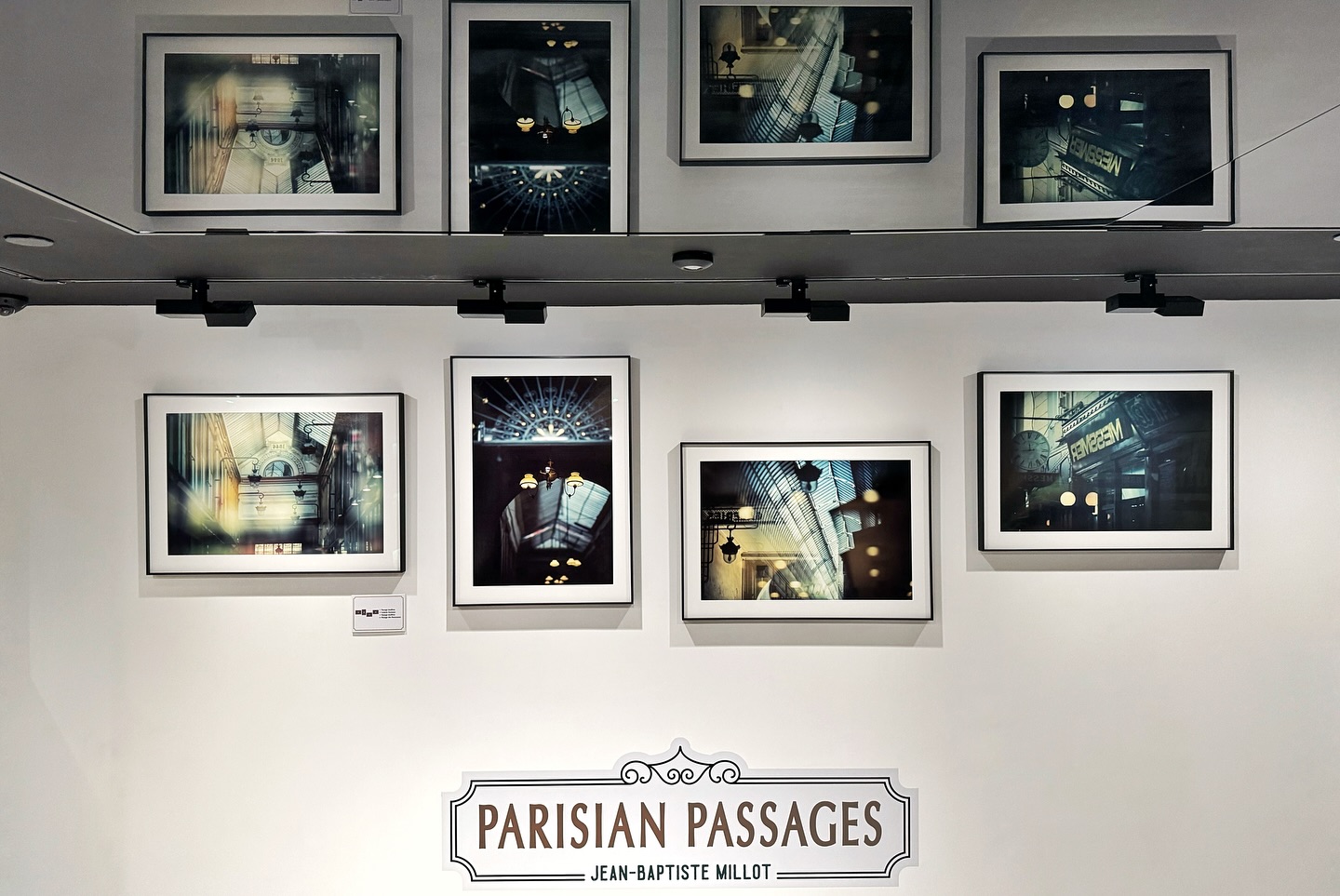
PARISIAN PASSAGES by Jean-Baptiste Millot is an exquisite photography exhibition featuring the exquisite glass-covered shopping arcades that debuted in 19th-century Paris. These passages weaved gracefully through the bustling city, leaving a lasting imprint on its culture, art, and architecture.
Steeped in history, the Parisian passages are a treasure trove of the past. Its architecture showcases a blend of neoclassical, Art Nouveau, and Belle Époque styles, exuding an air of elegance and sophistication of its time. Each passage boasts distinctive architectural traits, showcasing the craftsmanship and meticulousness of the era.
The passages offer a unique historical perspective, enclosed in covered walkways, adorned with mosaic floors, and bathed in enchanting light. The ornate decorations, rich historical significance, eclectic array of shops, and architectural diversity create a charming and poetic atmosphere.
Millot skillfully captures the passages’ timeless allure, using light and mirrors to create a unique visual experience.
Parisian Passages Exhibition period: From 21 May 2024, 11am-7pm (Tuesday to Sunday) Venue: f22 foto space, Shops BW11 & BW13, The Peninsula Hotel, Tsim Sha Tsui.
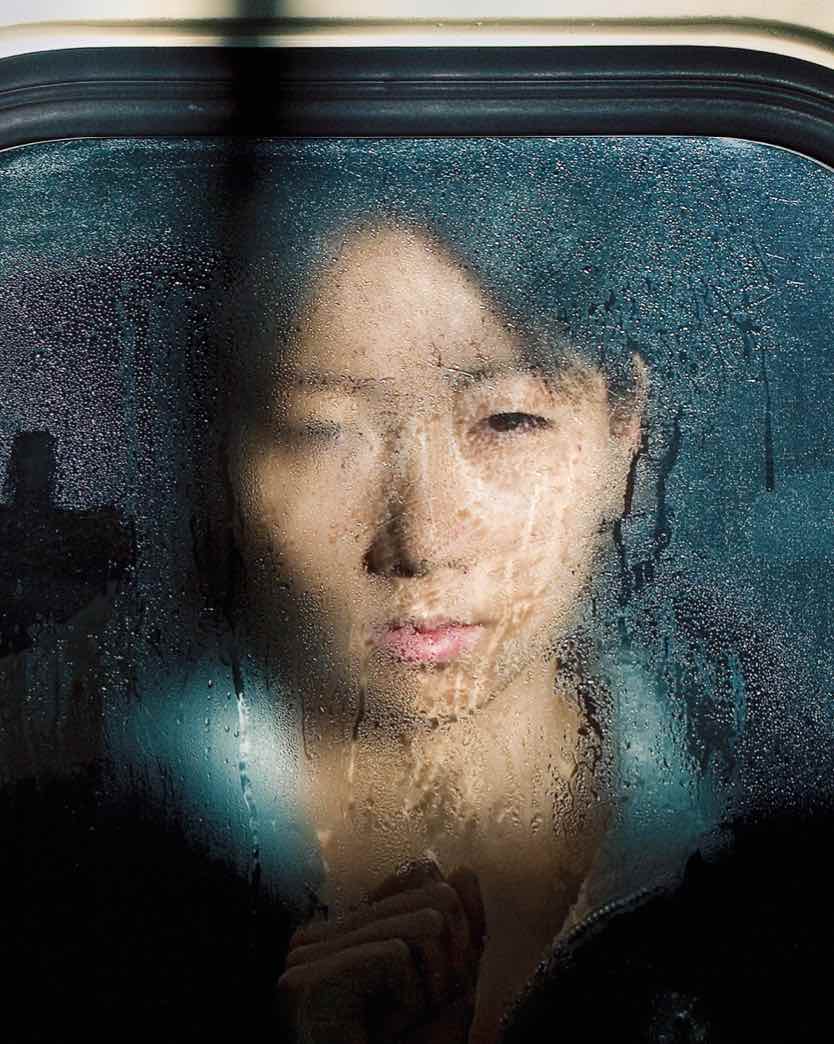
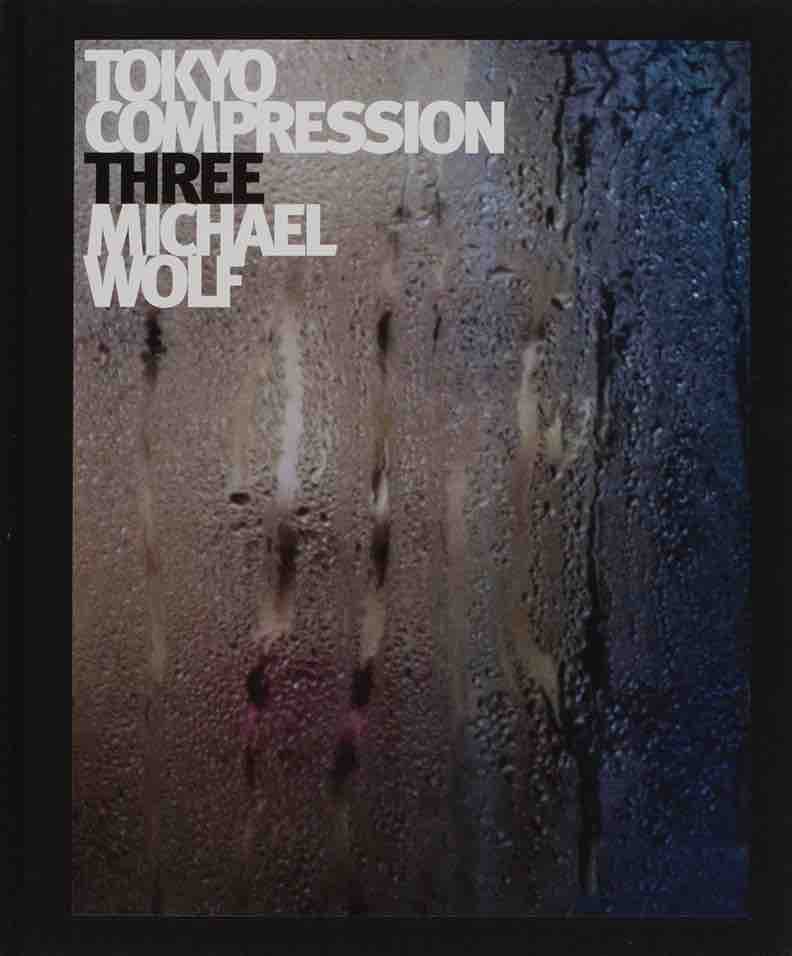
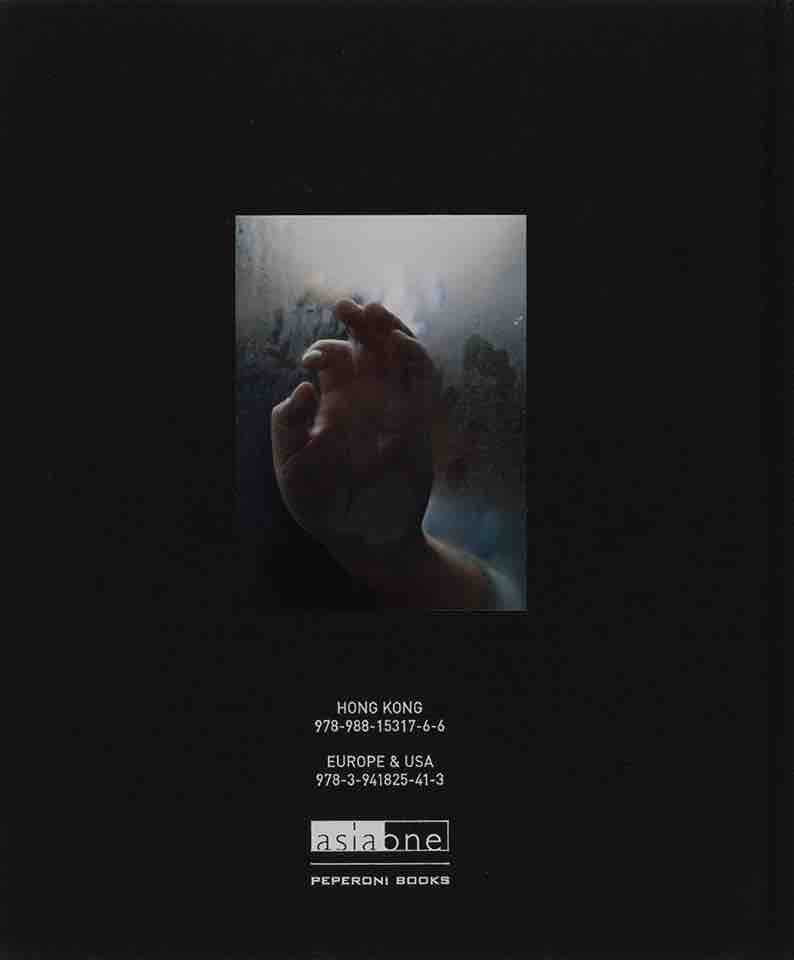
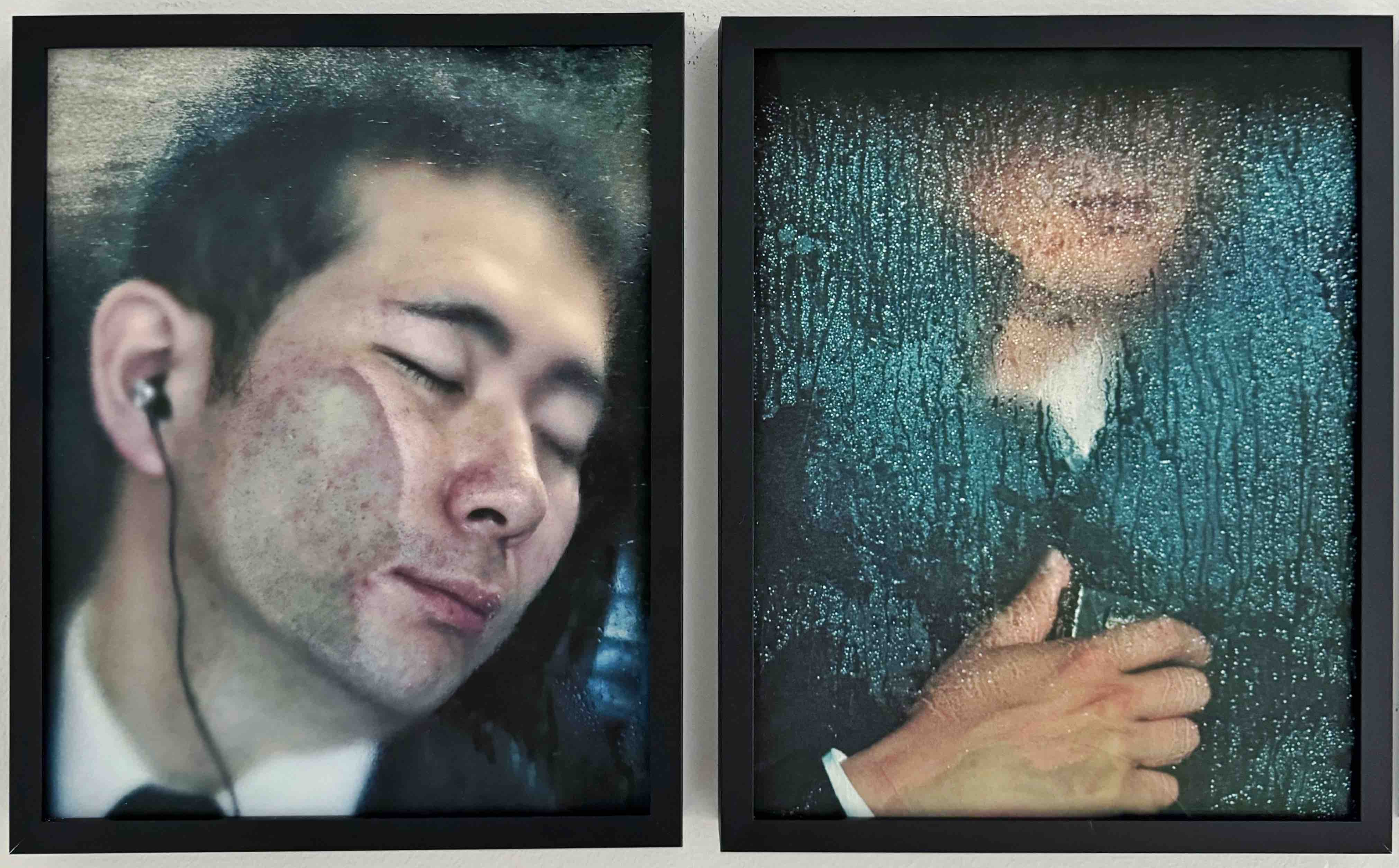
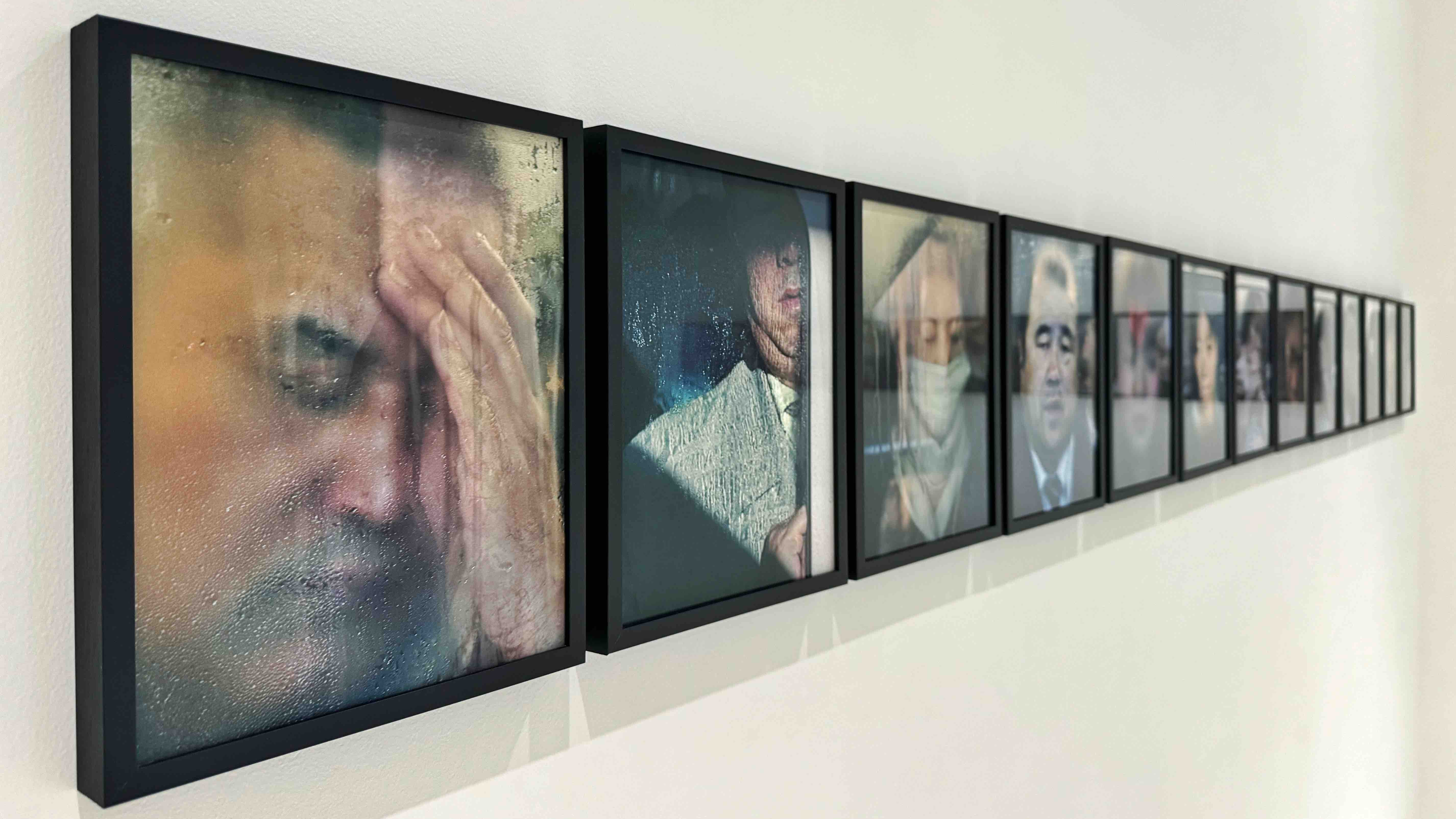
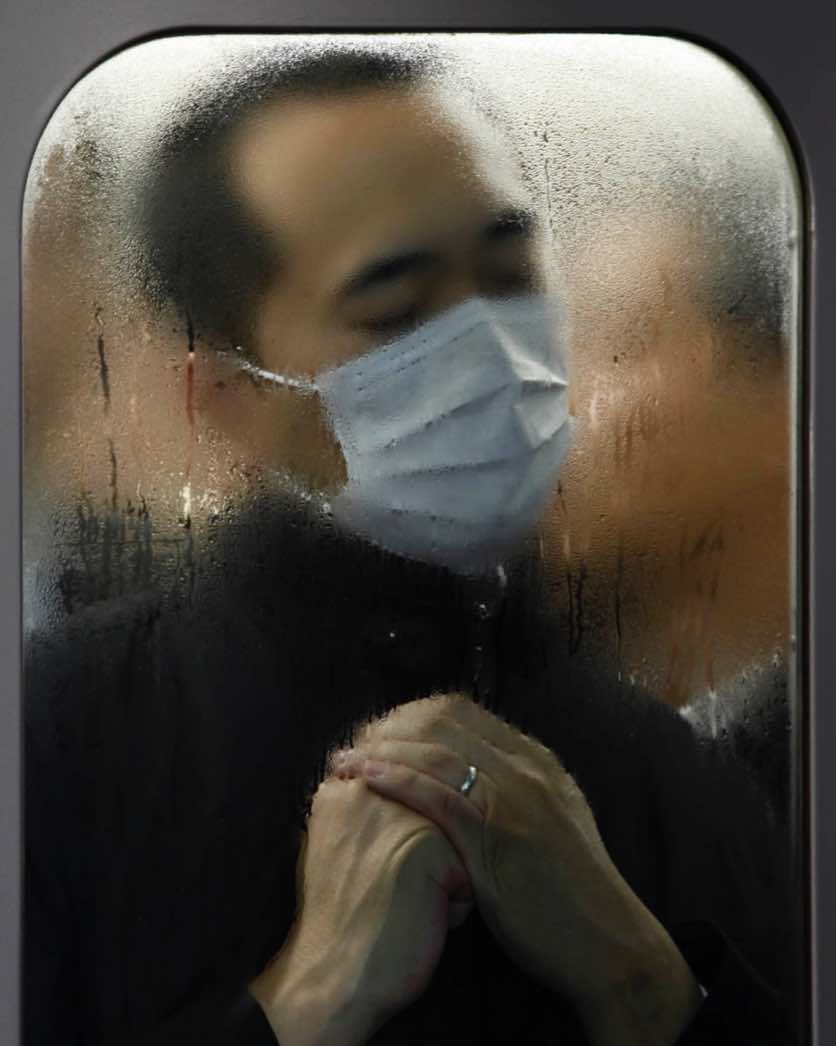
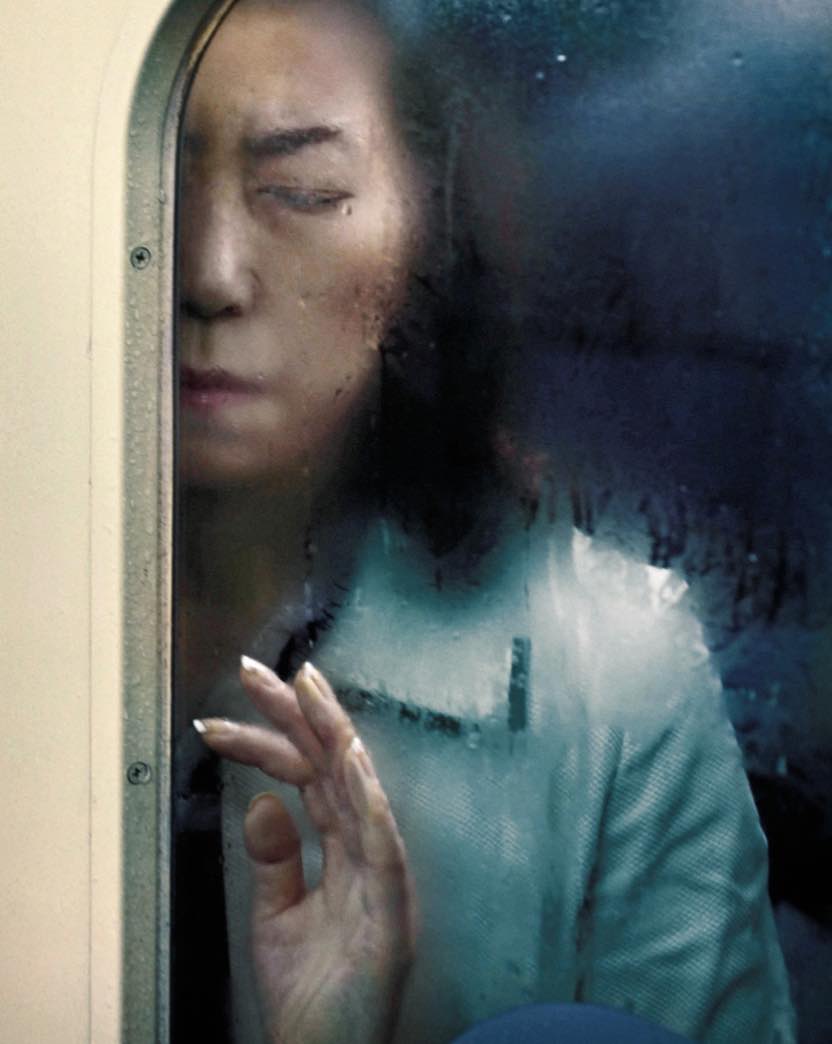
Tokyo is a densely populated city, and millions commute by subway daily. During rush hours, all passengers are squeezed into the metro like sardines, making people feel suffocating. Michael Wolf’s “Tokyo Compression” focuses on the craziness of Tokyo’s underground system, photographing the subway commuters who were constrained between glass and steel.
The photographer deliberately captured passengers’ faces at Shimokitazawa station in Tokyo from 2009 to 2012. People were uneasy and bewildered; some closed their eyes as if they were escaping the helplessness of life. The series won many awards and has been exhibited worldwide.
Wolf found the subway system appropriate for studying the mental state of the city’s inhabitants. He excluded all other elements and concentrated solely on capturing expressions and body language. With his unconventional aesthetics, Wolf produces highly intense images that shockingly portray people’s inner lives.
Tokyo Compression Date: now till 29 June 2024 Time: 12 – 6 pm (Tue-Sat) Site: Flowers Gallery, 49 Tung Street, Sheung Wan
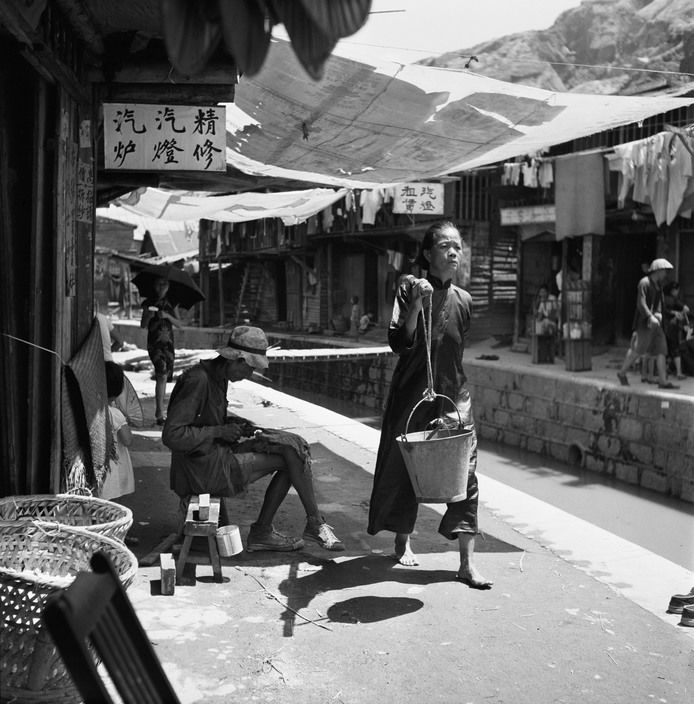
Werner Bischof的作品真實而自然,冷靜而細緻,不刻意追求嘩眾取寵的畫面或強烈的光影效果,單純地記錄他日常所遇見的事物,頗為完整地拍攝香港當時的風土民情。七十年過後,這些定格在菲林裏的影像,既見證著歷史的時空,也帶我們返回1950年代的香港。
Swiss photographer Werner Bischof(1916-1954) was known for his humanist photography after World War II. He started his career in 1936 and joined Magnum Photos in 1949. During his years of photography, Bischof traveled to Europe, South America, and Southeast Asia.
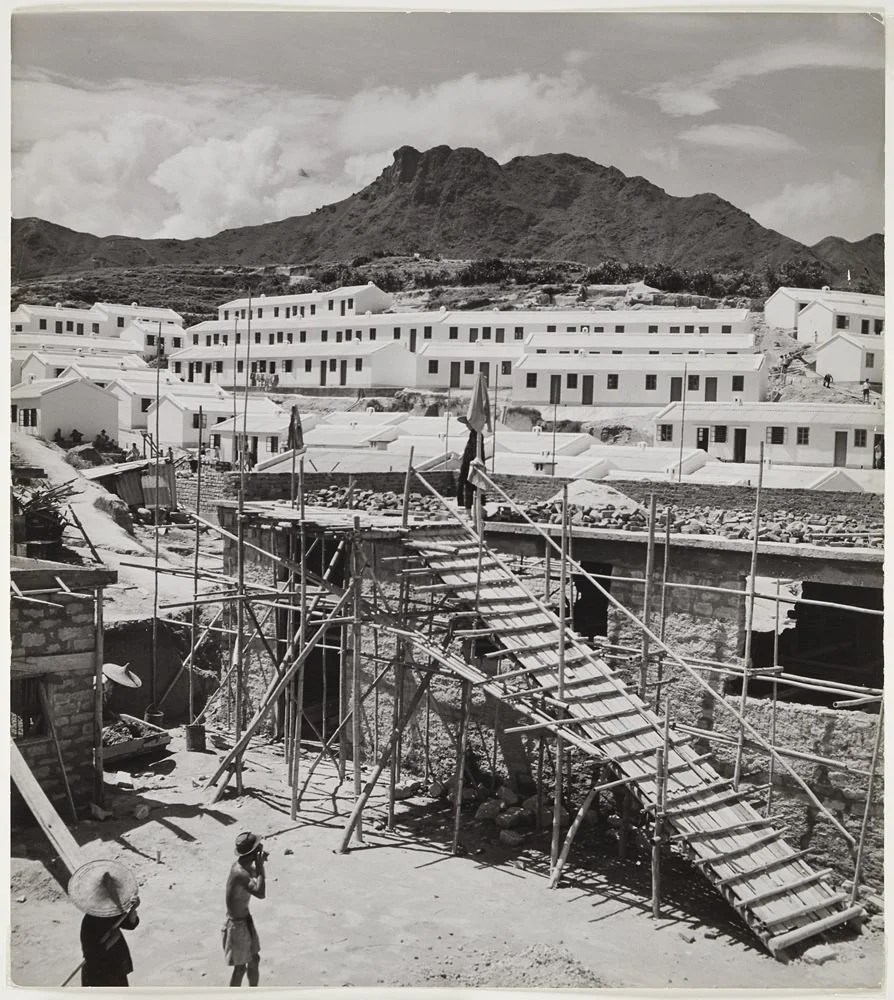
Arriving in Hong Kong in 1952, Bischof spent two months capturing the city’s vitality. Hong Kong was in ruins after the war. The hillsides of Kowloon were full of squatter houses, and people lived a simple way of life. Meanwhile, the scene was different on Hong Kong Island, with colonial buildings in Central and ladies watching horse races in Happy Valley. The sharp contrast impressed the photographer, who planned to return to Hong Kong for more photographs.
Unfortunately, he died in 1954 at the age of 38 after his vehicle plunged into a ravine in the Peruvian Andes. The car was found several days later, and all passengers were determined to be dead.
Werner Bischof’s images are natural and meticulous. He does not deliberately pursue intense light and shadow effects but photographs people’s daily lives and captures the local customs. Seventy years later, these images take us back to Hong Kong in the 1950s, revealing a vivid lifestyle of that era.
Images Credit to Werner Bischof Estate / Magnum Photos
SWITZERLAND. Zurich. 1940. Self-portrait of Swiss photographer Werner BISCHOF in his Studio.
From 8th March to 9th June 2024, the Ernst Leitz Museum in Wetzlar is presenting the life’s work of the great Swiss photographer. 德國Ernst Leitz Museum現正舉辦「Werner Bischof: photographer, artist, witness」回顧展覽,作品貫穿他從商業攝影師轉型成為攝影記者的整個歷程。這批規模龐大的作品及檔案,一直由他的家人保存和維護,被視為20世紀攝影史上的珍貴資料。
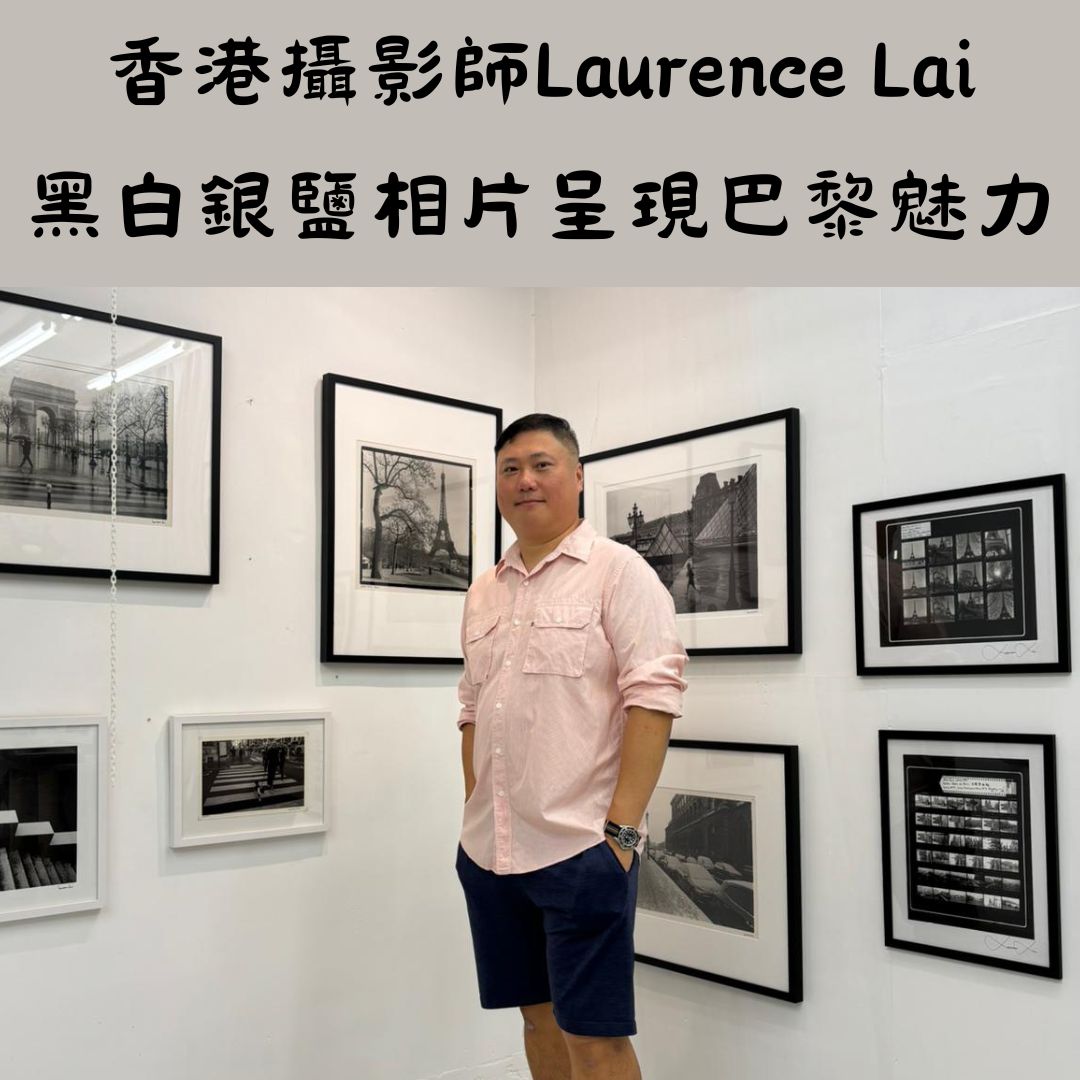
每天早上天微亮,他帶著兩部相機遊走巴黎街頭,露天的小餐館、牽著小狗的途人、街頭畫家、在地鐵車廂閱讀的乘客、牆上的塗鴉等,一一定格在他的黑白菲林裡。Laurence也喜歡拍攝當地的建築物,雨天的凱旋門街景、途人在羅浮宮外快步流星,令人想起布列松1932年的名作《Behind the Gare Saint-Lazare》。最令人印象深刻的一幅巴黎鐵塔的照片,冬日的枯枝與地標巴黎鐵塔形成對比,恍如靜態版的電影畫面。攝影師刻意選用暖色調相紙,將菲林影像沖曬成黑白銀鹽相片,感覺就如上世紀的懷舊風景。
遊歷巴黎後,他深刻感受到巴黎人的生活態度,「香港人普遍工作壓力大,我們經常說work-life balance,但法國人卻是放慢腳步去享受生活。」身為攝影師,同時在中環碼頭經營攝影畫廊Laurence Lai Gallery,日常生活固然忙碌,因此這次巴黎之旅也令他感觸良多。
Photographer Laurence Lai’s first visit to France was in 1991. It was a short stay, and his memories have become fuzzy. He always wanted to spend more time truly appreciating and immersing himself in the local culture. Finally, he embarked on his journey through Paris earlier this year.
Laurence wandered around some of Paris’s major landmarks and captured urban landscapes. He also photographed people and buildings on the streets. He noticed that the French have a great sense of style—men and women dress impeccably! Whether sitting in a café or public transportation commuters, they exuded a unique fashion culture. This city deeply captivated him!
He carefully selected some of his favorite works for this exhibition. The iconic Eiffel Tower, the historical Arc de Triomphe in the rain, and the snow-covered quaint streets are all black-and-white silver gelatin prints handmade in the darkroom. The warm-toned museum-grade cotton fiber paper emphasizes the historical context of the artwork and his emotions.
Echoes of Space 黑 白 間
Date: now till 12 May 2024
Time: 1pm-7pm(Tues-Fri) , 11am-7pm(Sat-Sun)
Site: Garome, 902, Bonham Centre, 79 Bonham Strand, Sheung Wan