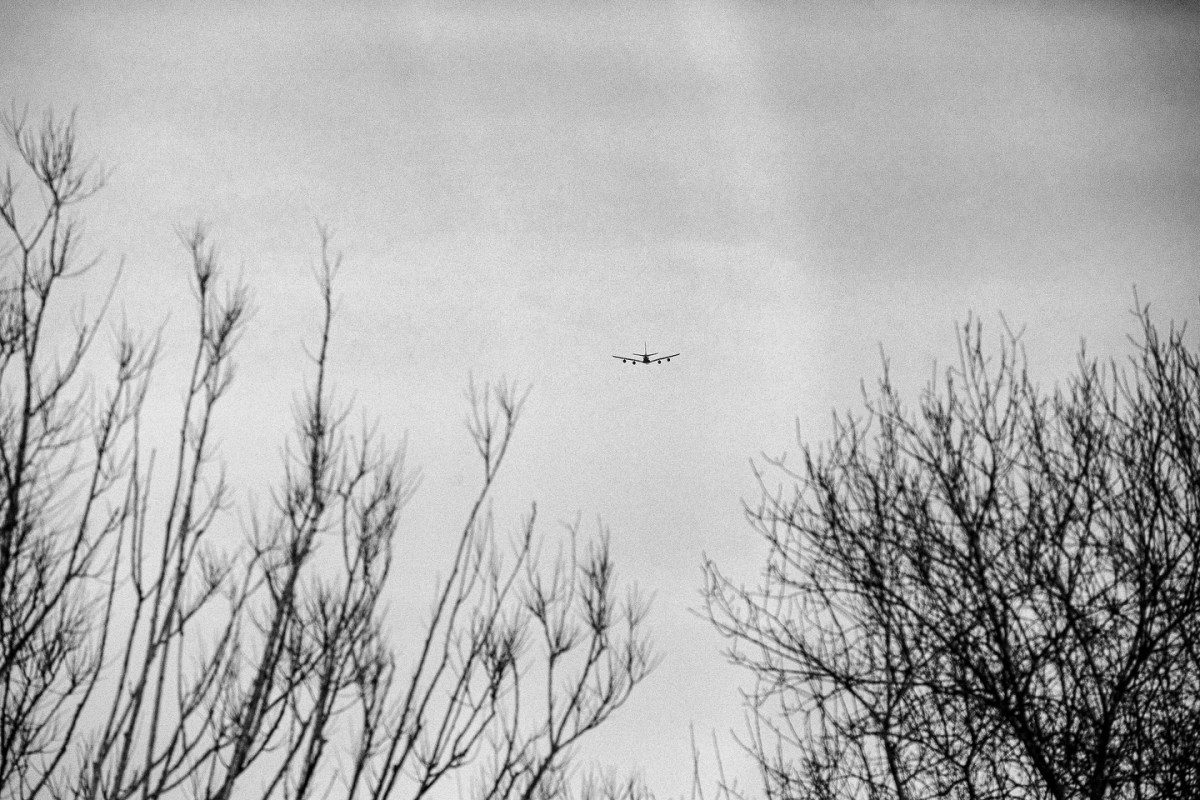
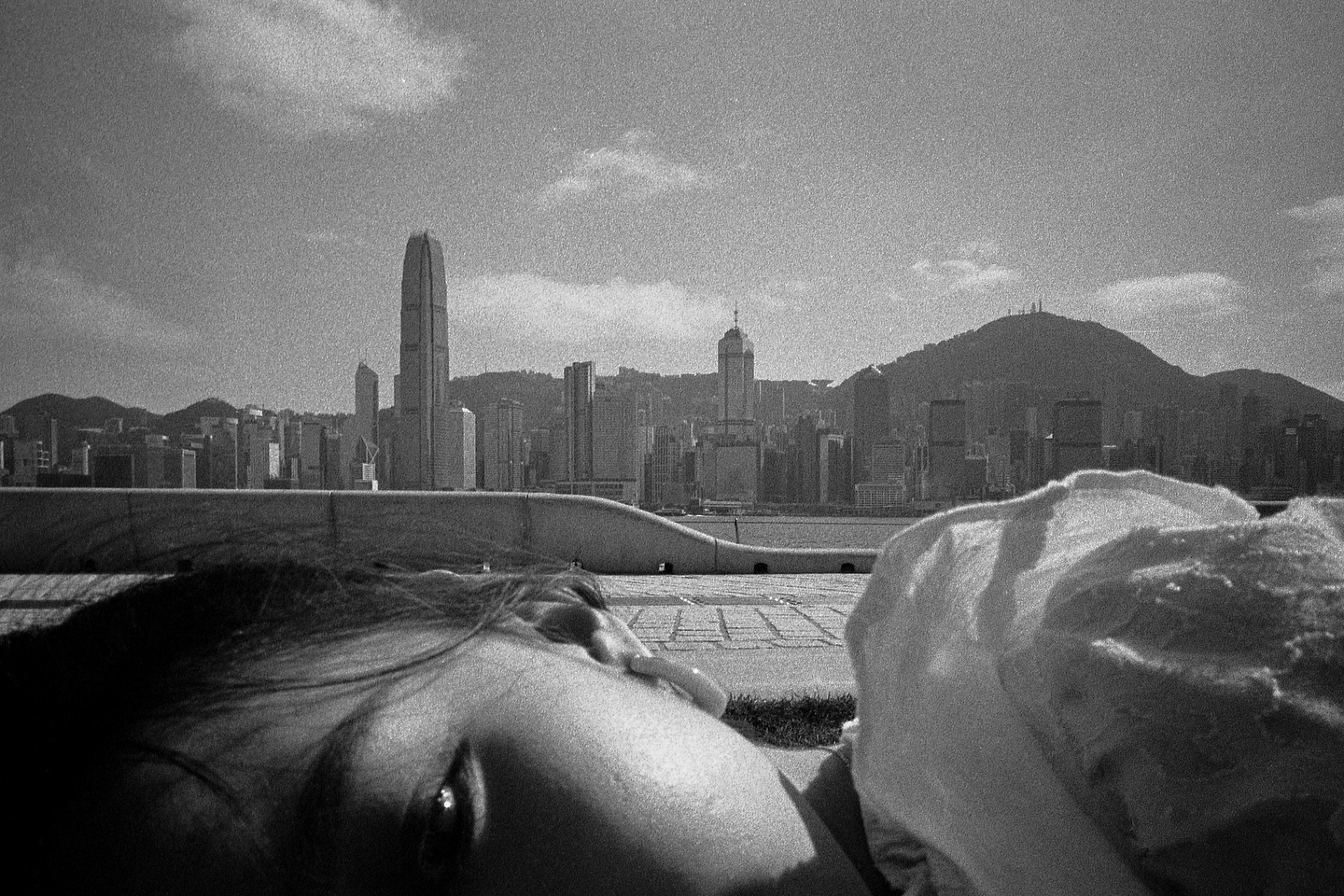
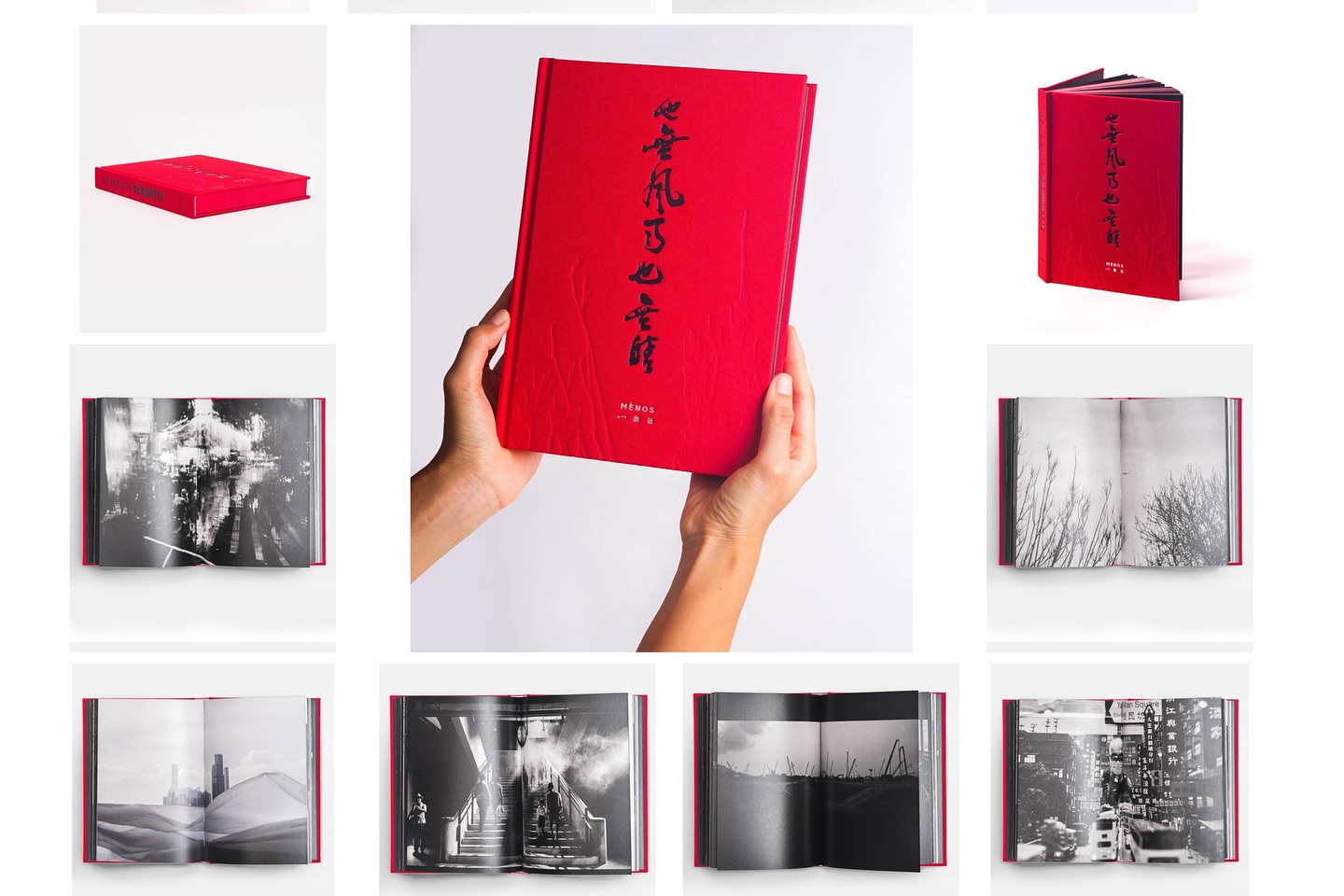
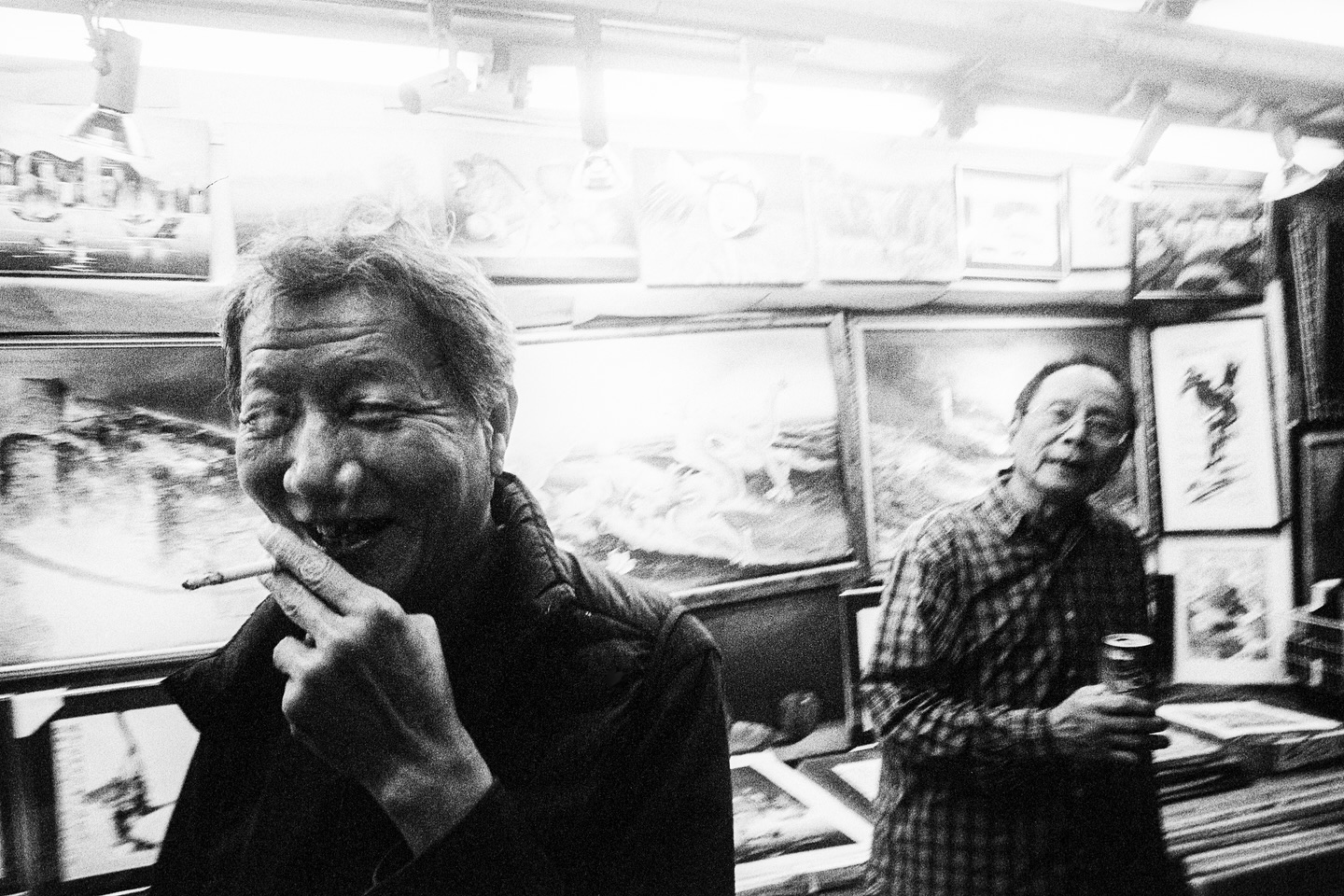
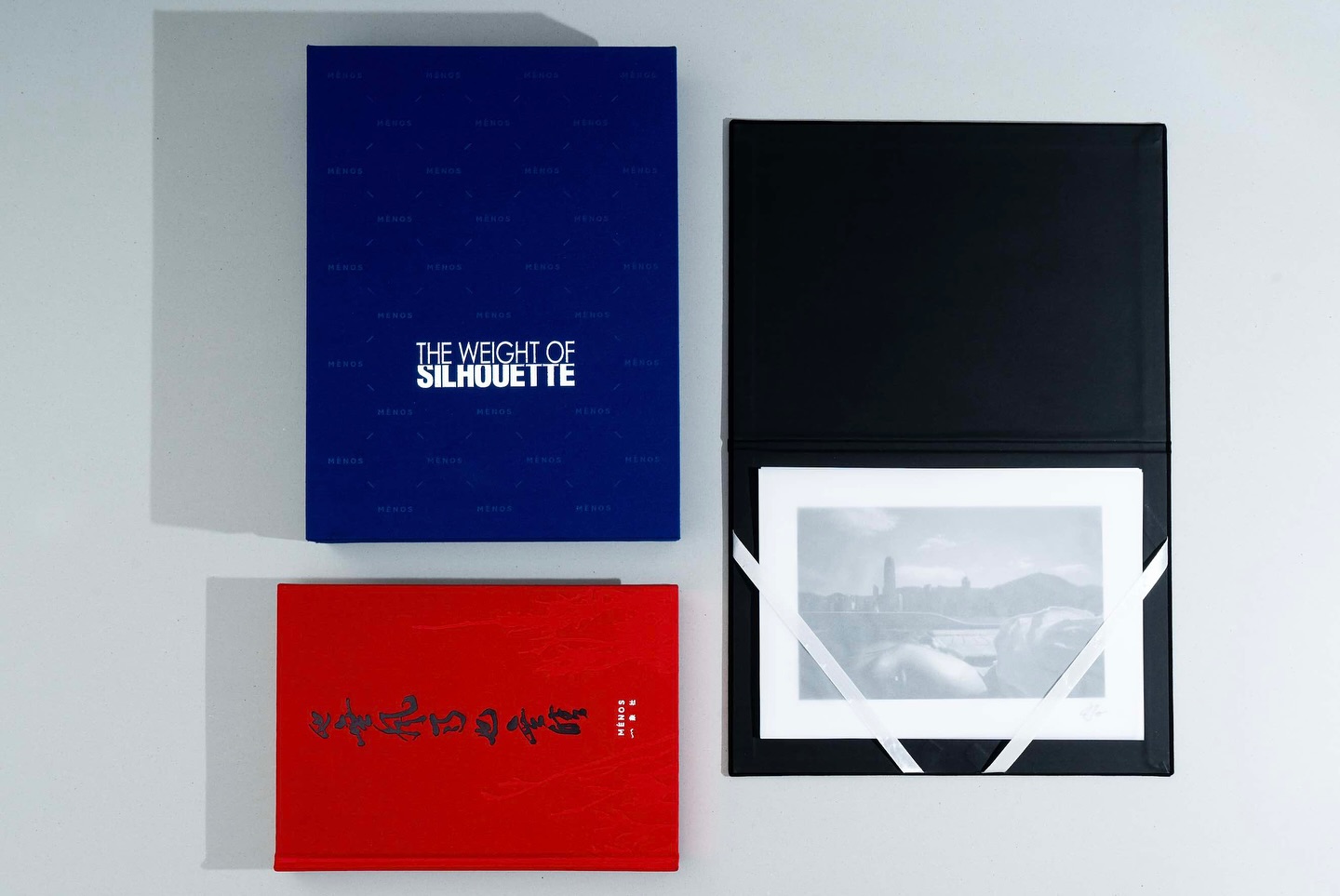
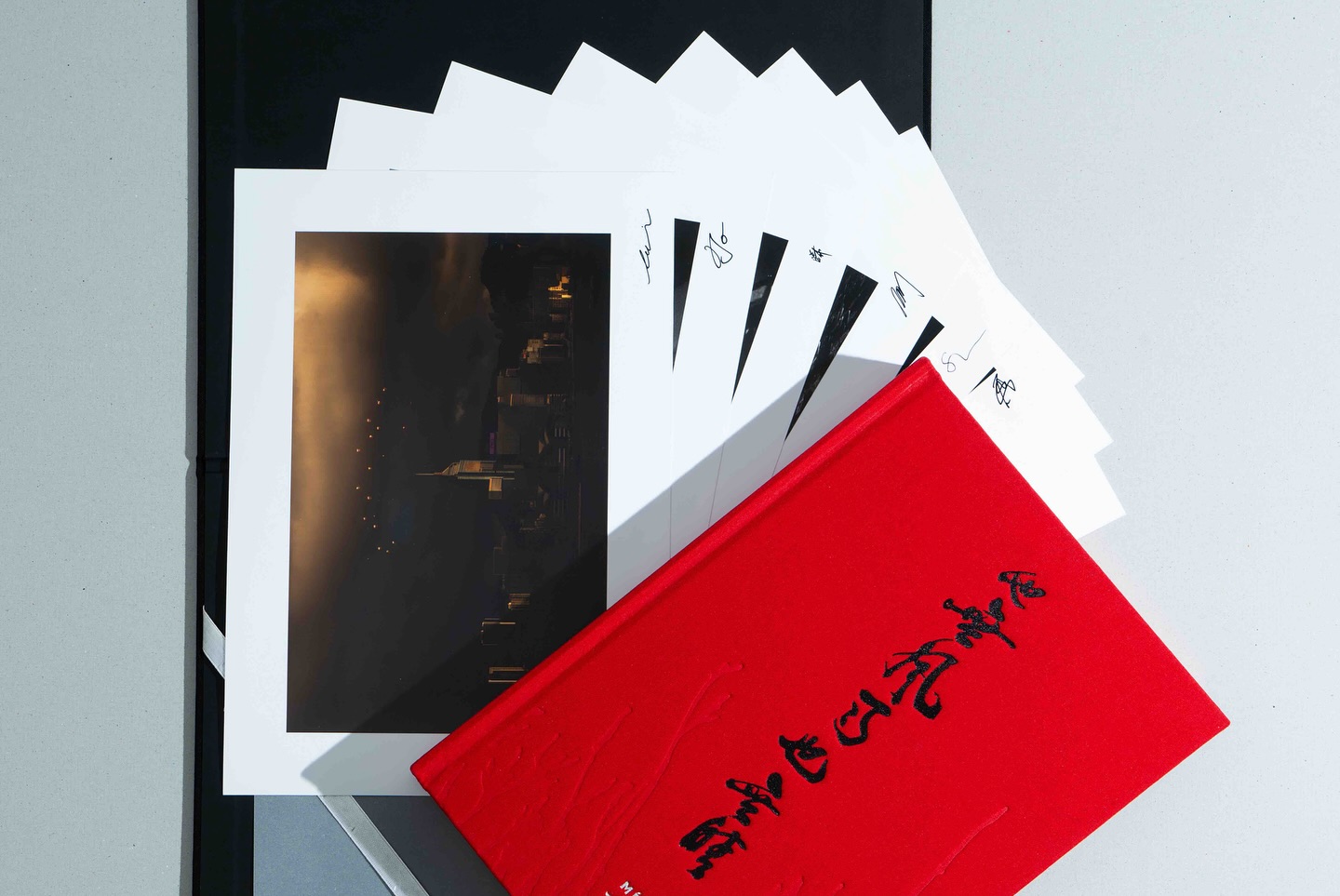
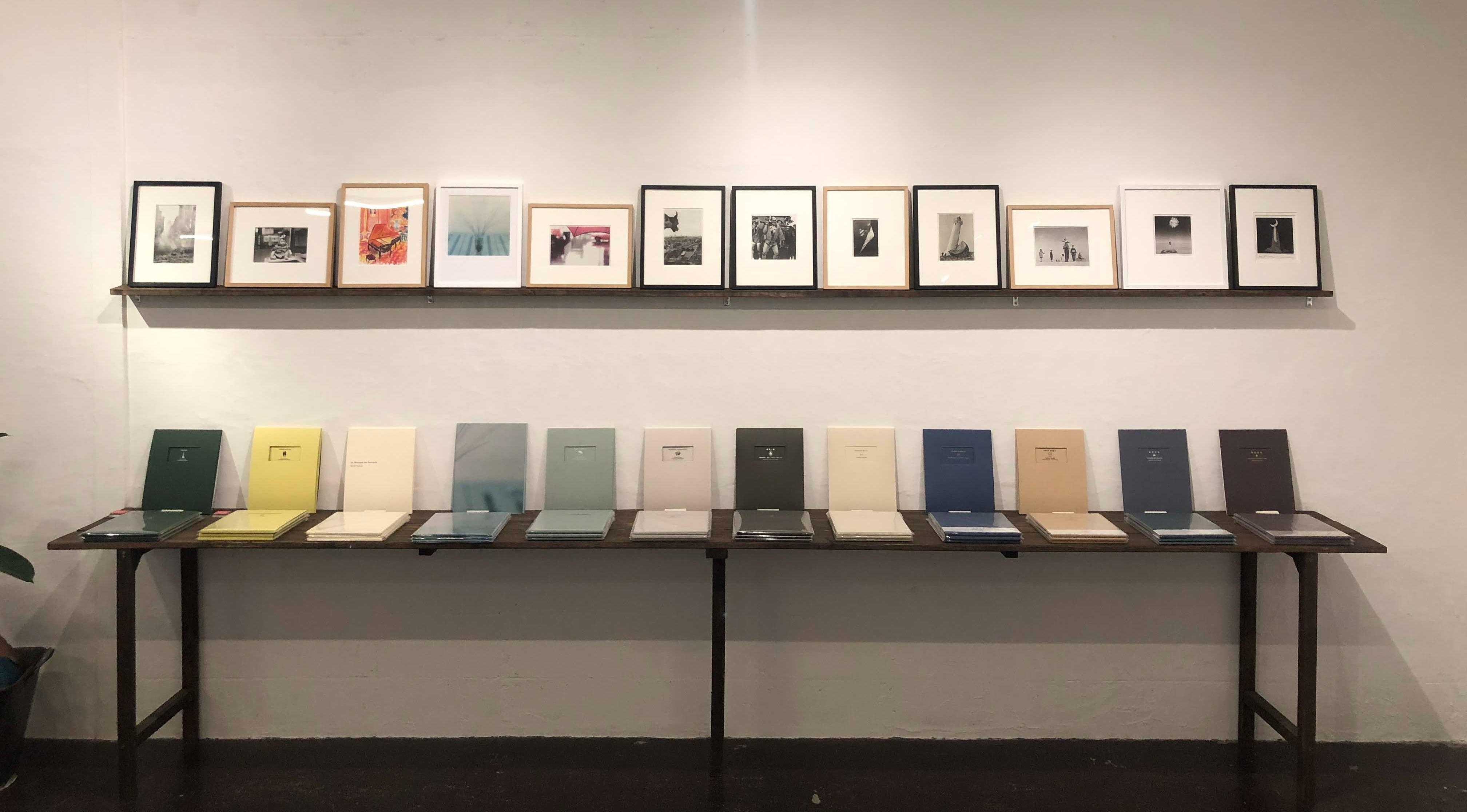
2018年初,一班本地攝影愛好者成立攝影組織「Ménos 心象社」,不定期舉辦攝影講座及Photo Walk等活動,2019年結集逾10位成員作品推出攝影集《Prologue》,首期主題是「Hong Kong Street」,收錄眾人的街頭攝影作品。事隔五年、經歷過疫情,第二本攝影集《也無風雨也無晴 The Weight of SilhouetteI》也於2024年底出版。
書名《也無風雨也無晴》出自北宋文學家蘇東坡的詞作《定風波》,是一種在逆境中憑心境自樂的豁達精神,回想過去數年的疫情歲月,許多人經歷過無助與憂鬱,一句「也無風雨也無晴」既是安慰,也是一種豁達。英文名稱「The Weight of Silhouette」也頗有意思,虛幻的剪影本無重量,但攝影師的拍攝注入情感,觀者也會結合個人記憶而觀看,為相片增添意義,令那刻的光影也彷彿有了重量。
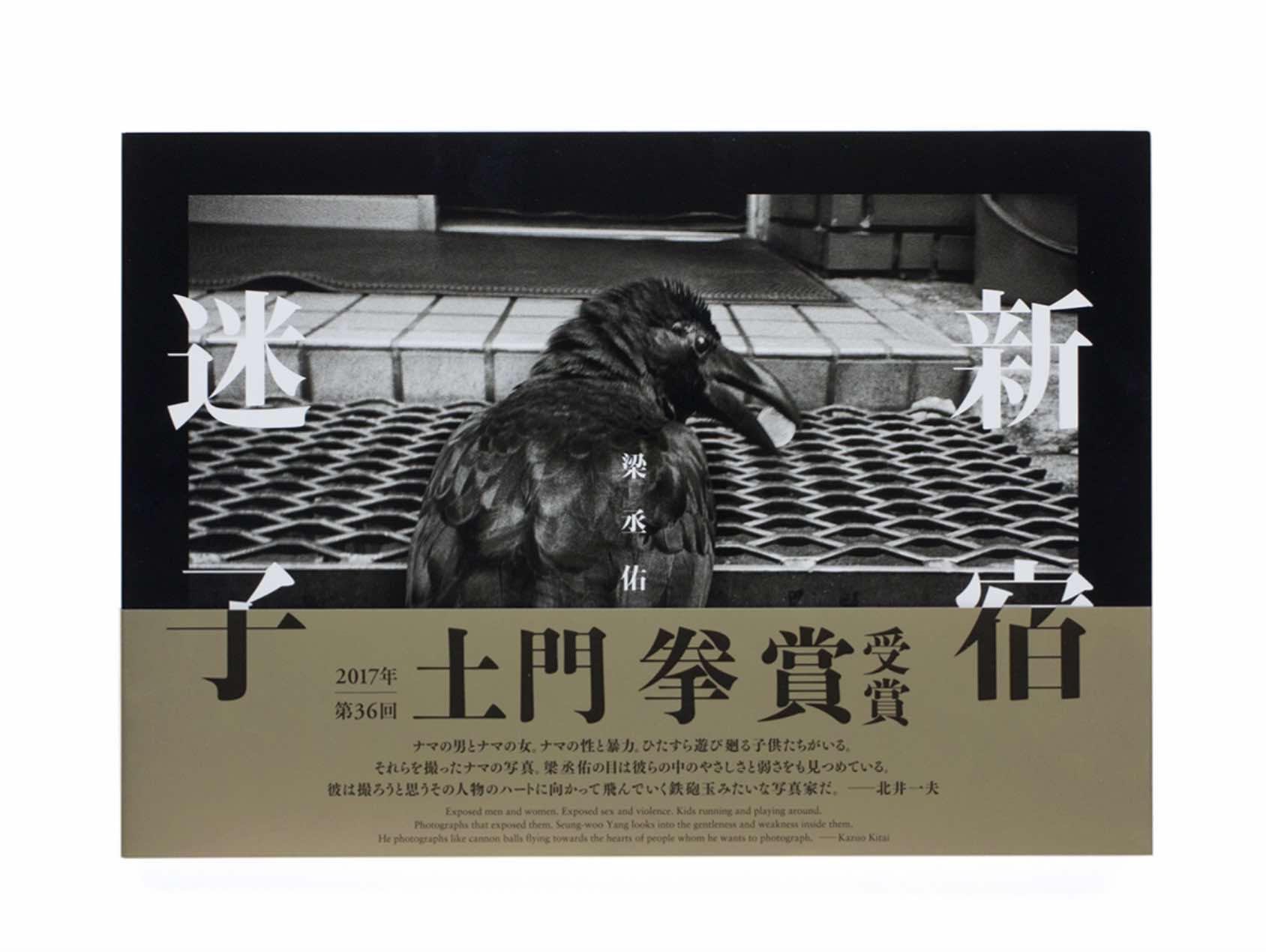
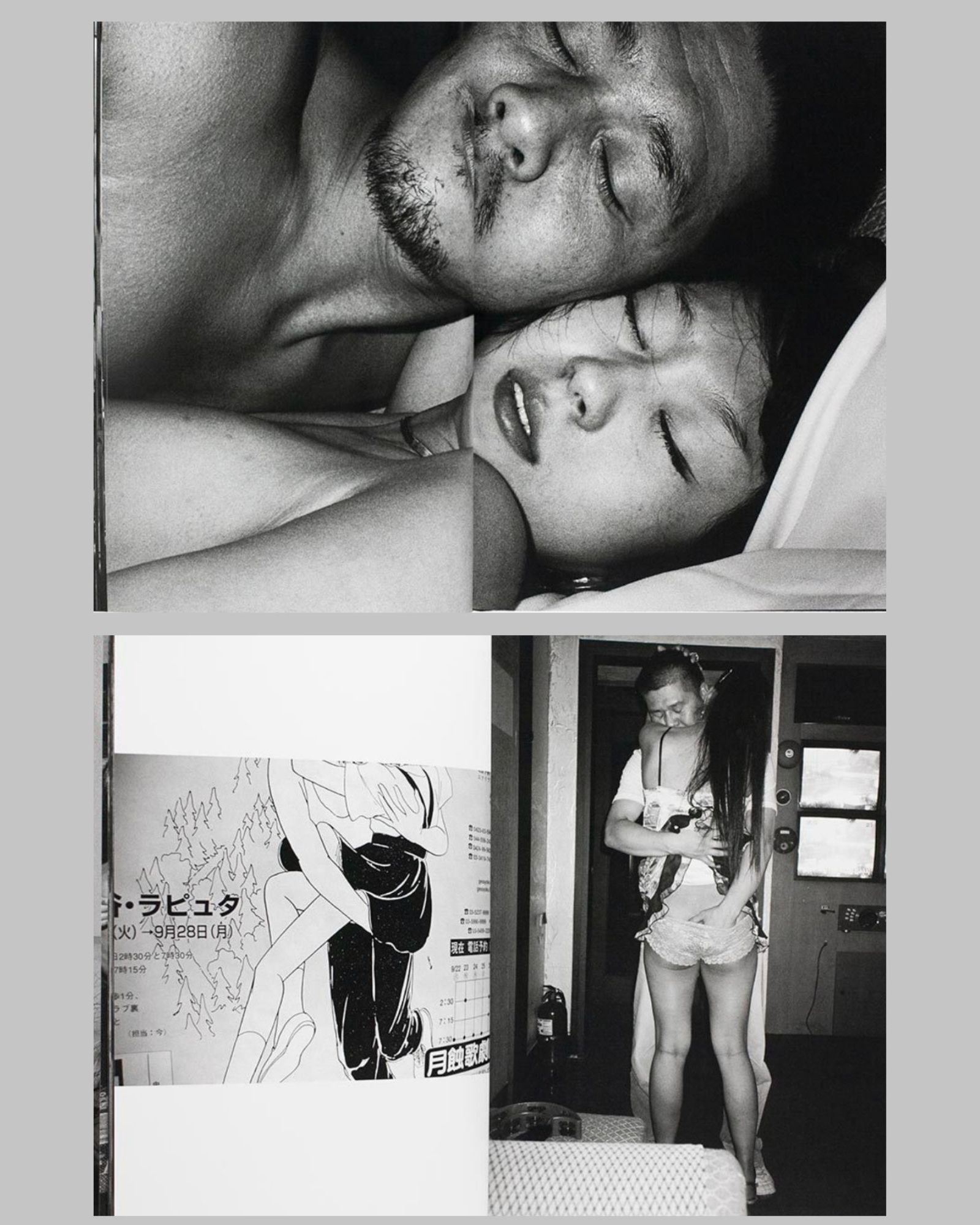
2004年,東京都知事提倡「淨化歌舞伎町」,讓它成為一個能讓所有人感到安心的街區,但根深蒂固的風俗在這個區域是否就會輕易被改變?梁承佑的照片涵蓋黑幫、慾望與暴力,也有在街頭玩耍、噴跑的孩子,呈現出「淨化歌舞伎町」前後的微妙對比,也審視他們內心的溫柔和脆弱。2016年,日本攝影畫廊Zen Foto Gallery出版《新宿迷子》(Shinjuku Lost Child),這本以新宿歌舞伎町人物為主題的黑白街頭攝影集,榮獲2017年第36屆土門拳獎,2017年得獎後再推出第二版。
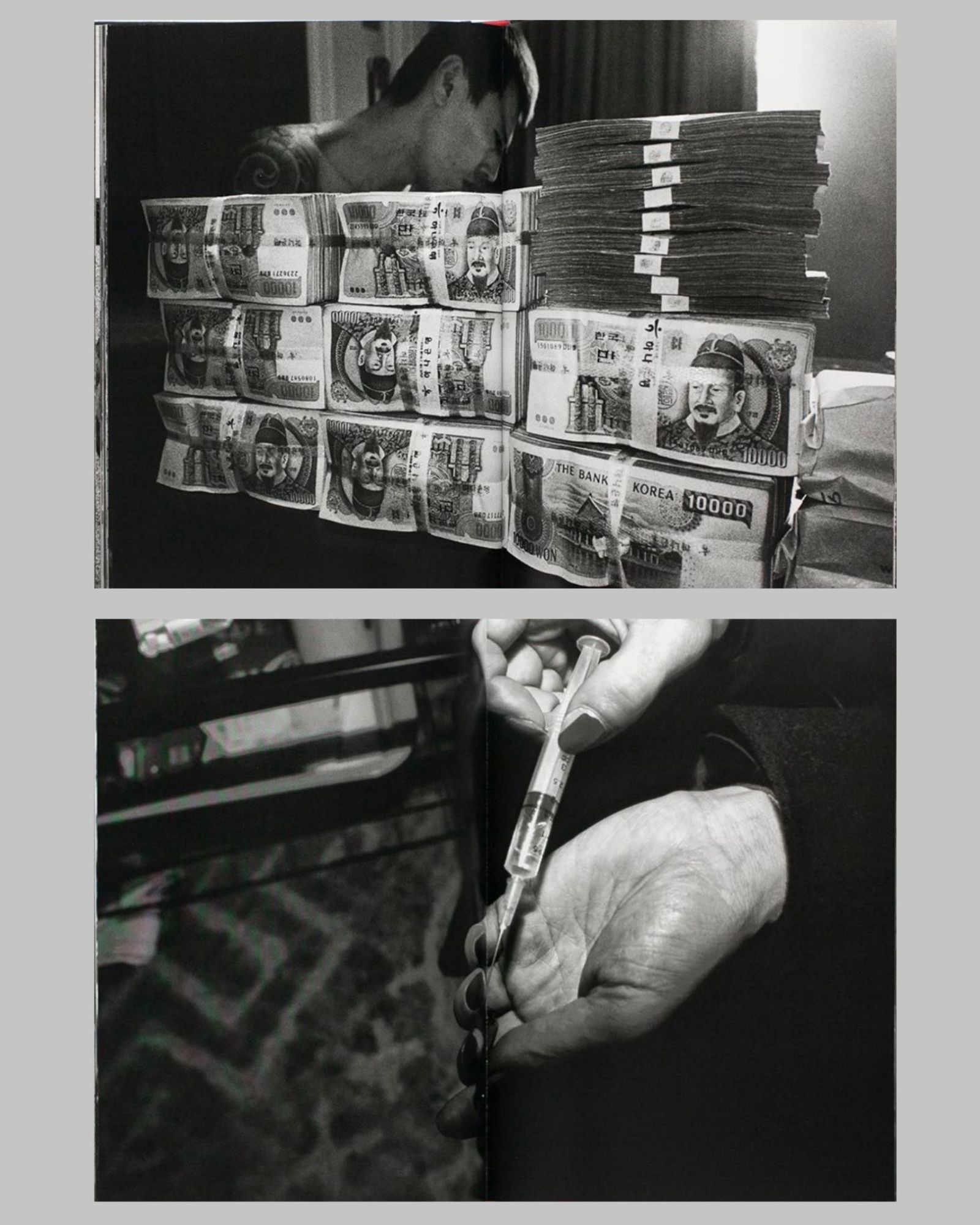
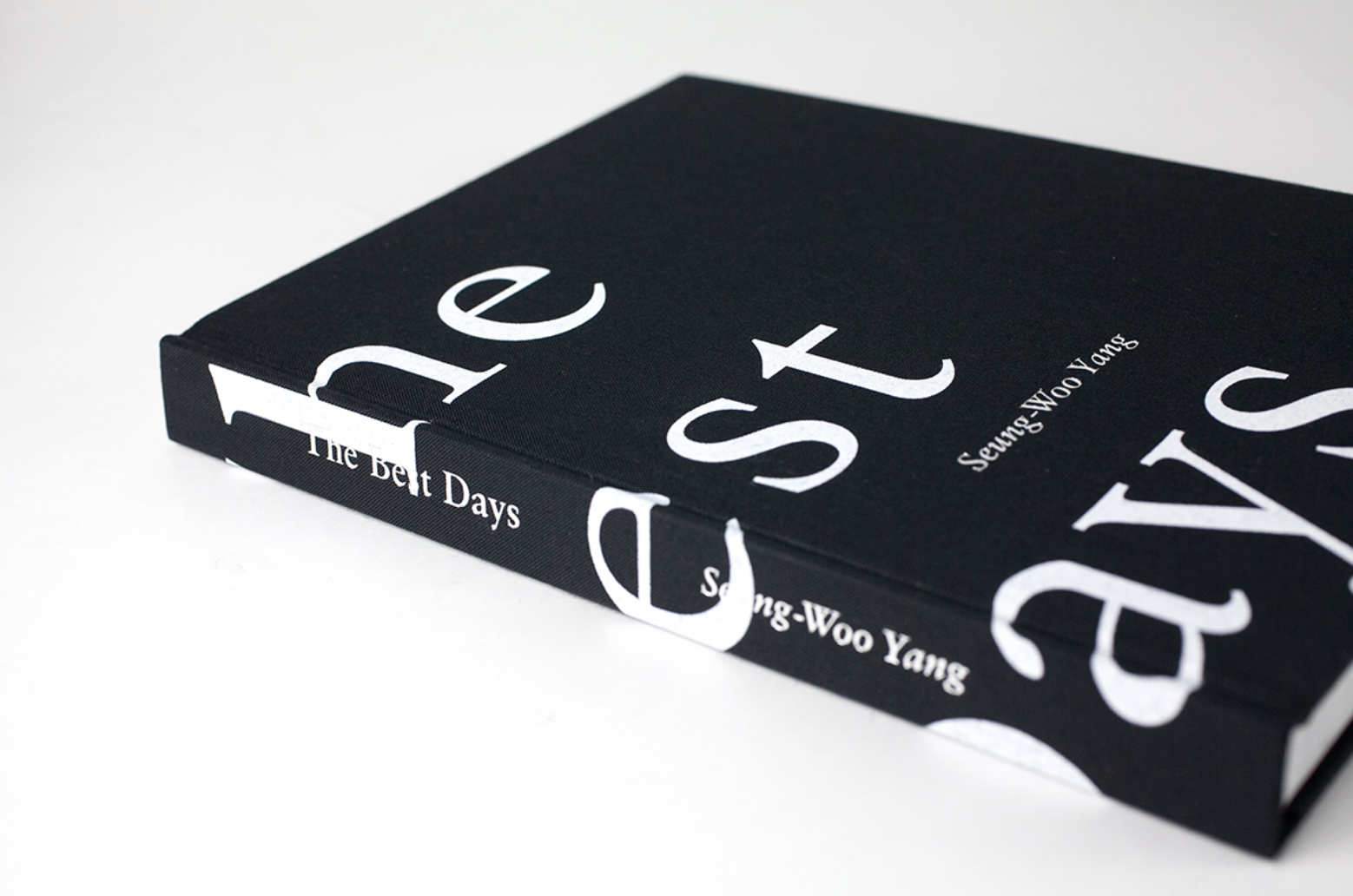
這本攝影集攝是梁承佑早期的作品,攝於1999年至2006年,拍攝身邊幫派朋友的生活,將韓國黑社會聲色犬馬的日常一一記錄,取名《青春吉日》( The Best Days),2012年首次出版。之後此書絕版一冊難求,他也憑藉2016年作品《新宿迷子》獲得土門拳賞,這本精裝版《青春吉日》在2019年出版,重新編輯過相片內容。
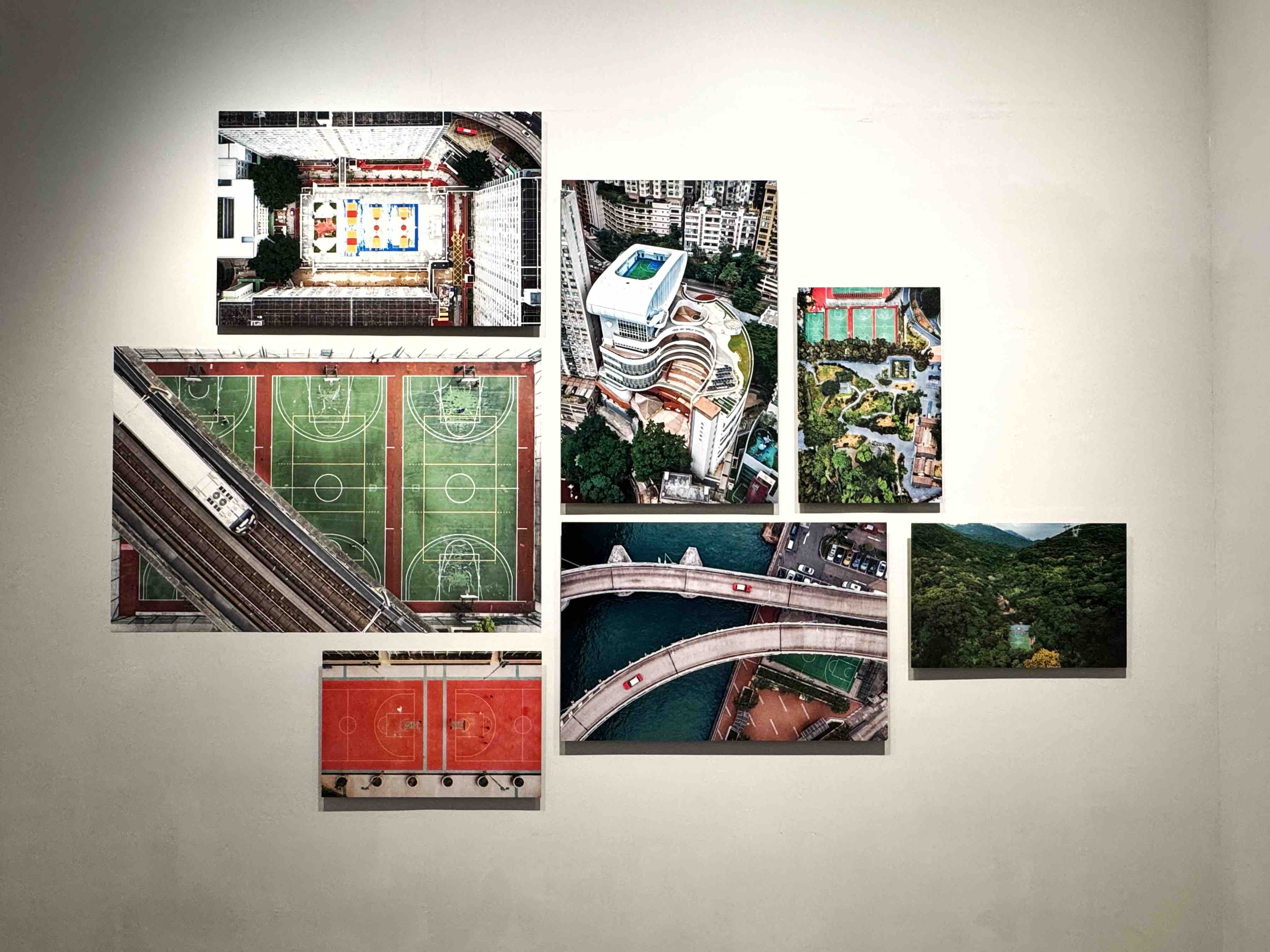
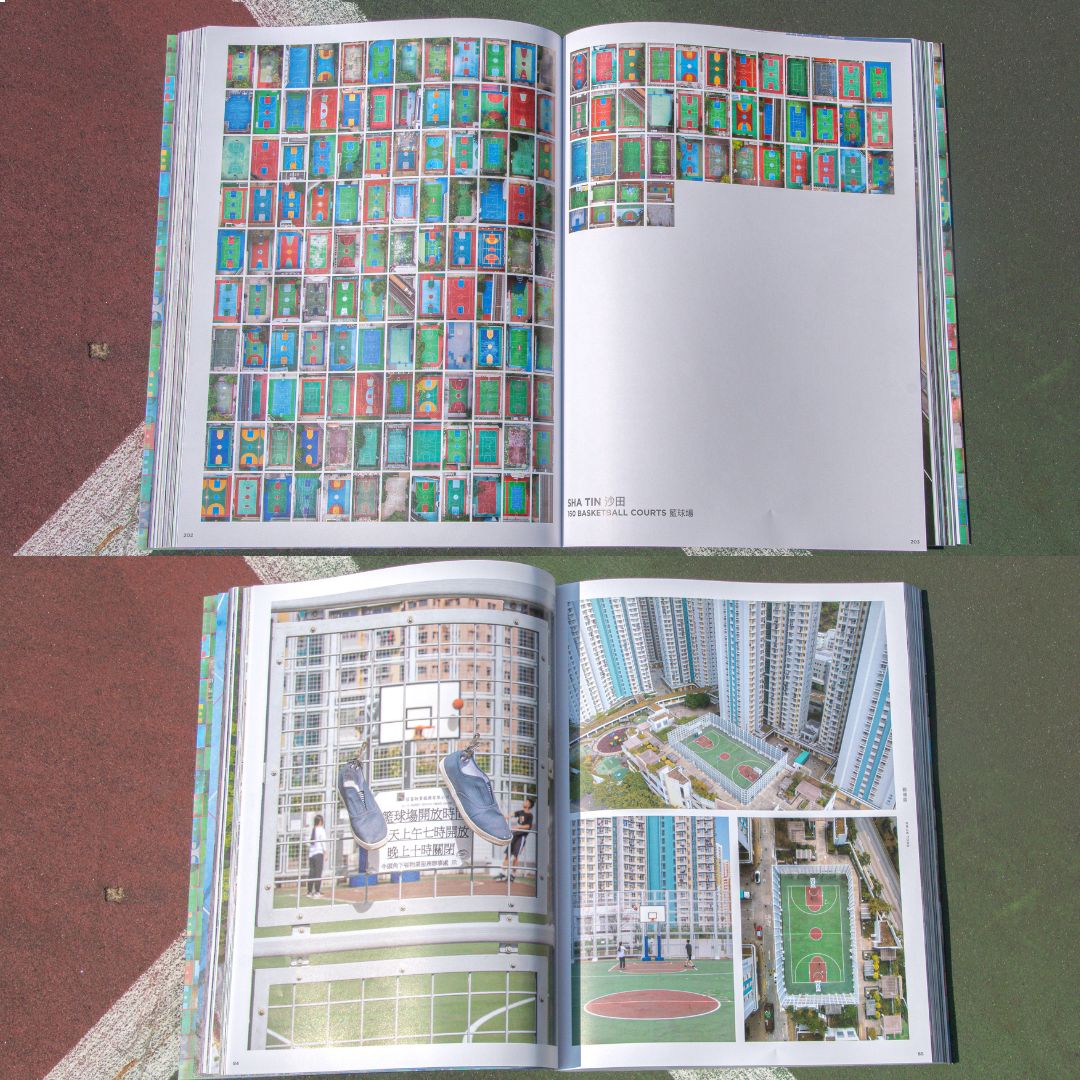
SHOOTING HOOPS is an exhibition at Blue Lotus Gallery and an accompanying photo book launch that showcases Austin Bell’s photographic documentation of all 2,549 outdoor basketball courts in Hong Kong.
Basketball is one of the most popular sports among Hong Kong’s young people, and outdoor courts are often found at schools, playgrounds, and public housing estates.
When US photographer Austin Bell first visited Hong Kong in 2017, he was intrigued by the color and design of the city’s basketball courts. He returned in 2019 to photograph all of them.
His project expanded to include multiple visits and documented 2,549 courts in nearly five months with over 40,000 photos. Bell was drawn to these courts for their vivid designs, often featuring bright colors and accompanying the colorful housing estates and nearby schools. This vibrancy becomes even more pronounced from above, providing a striking contrast to the city’s vertical density.
The Shooting Hoops book showcases all the courts in Hong Kong and includes additional statistics, Bell’s article, and architectural and photographic commentary on the project.
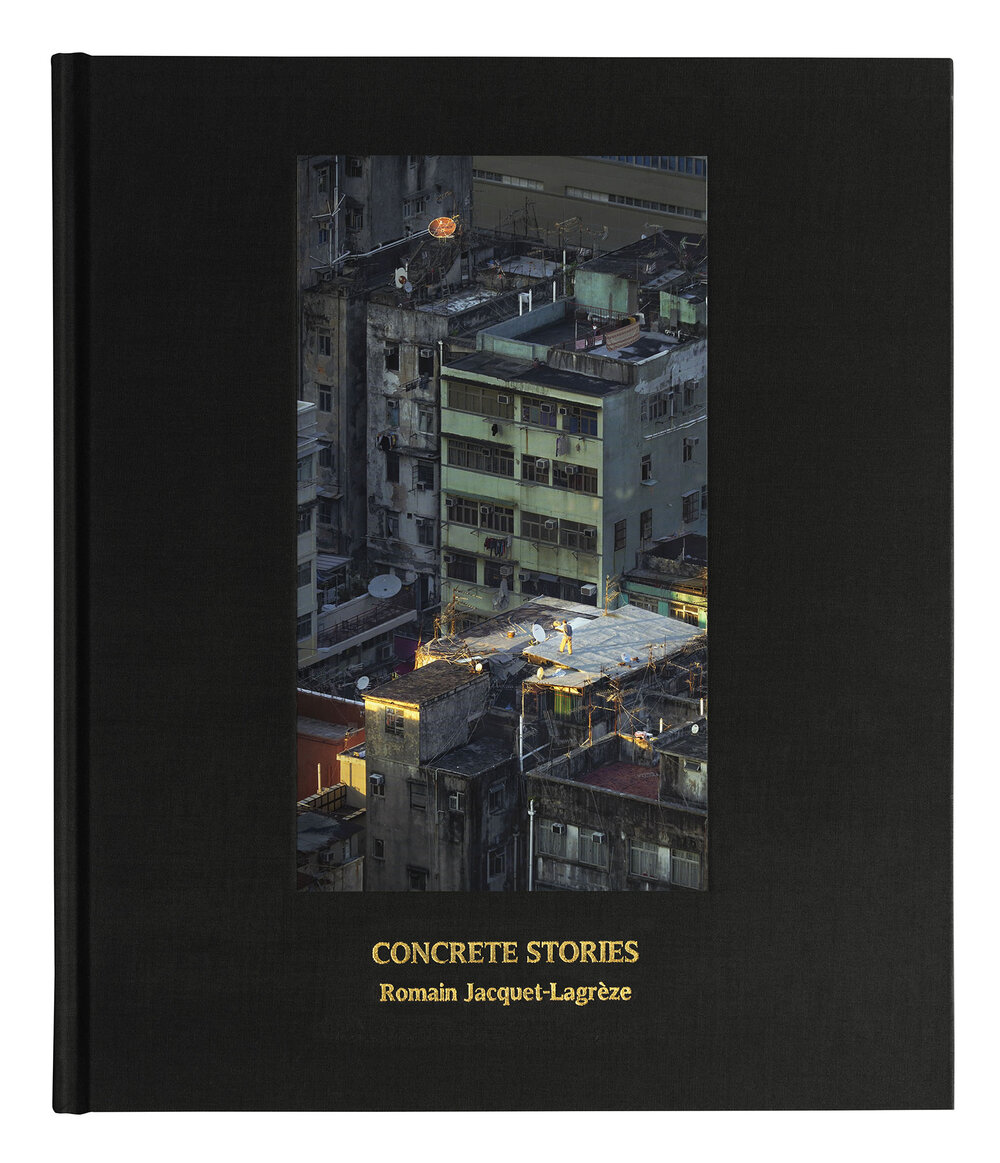
Romain Jacquet-Lagrèze’s ‘Concrete Stories’: A Fresh Angle on Hong Kong Rooftop Photography
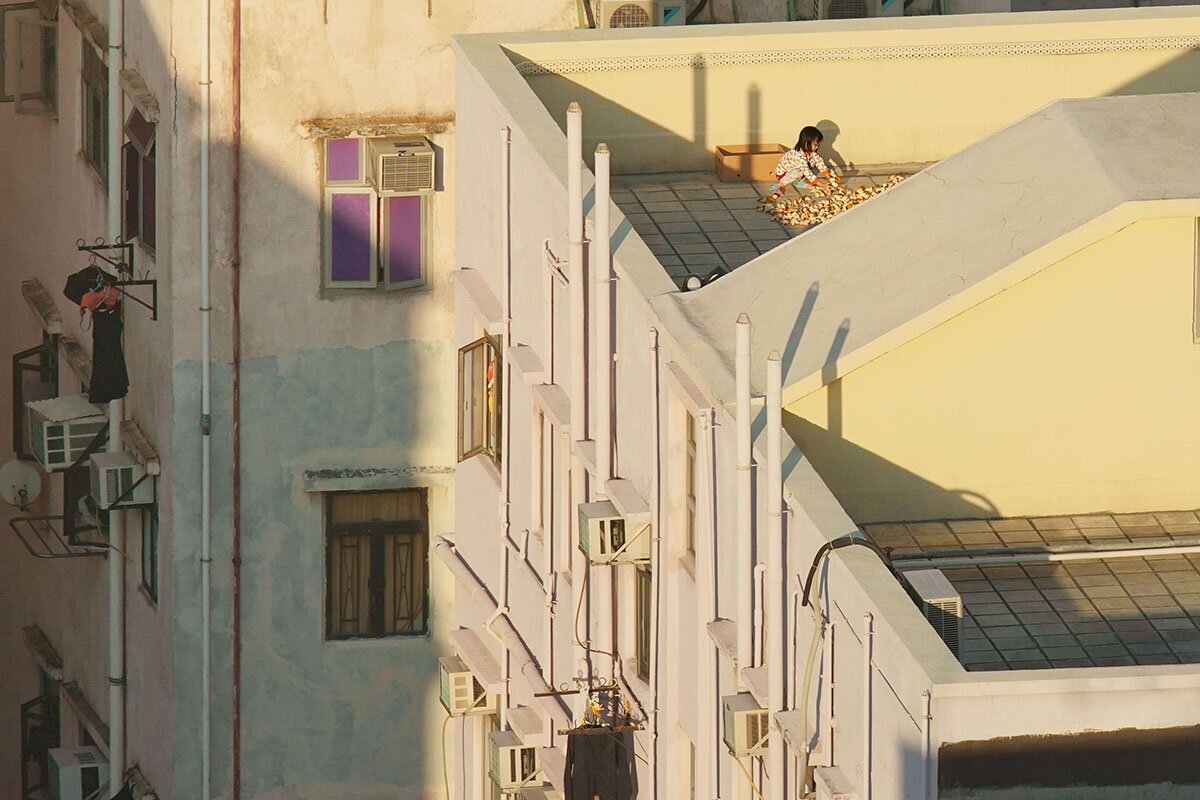
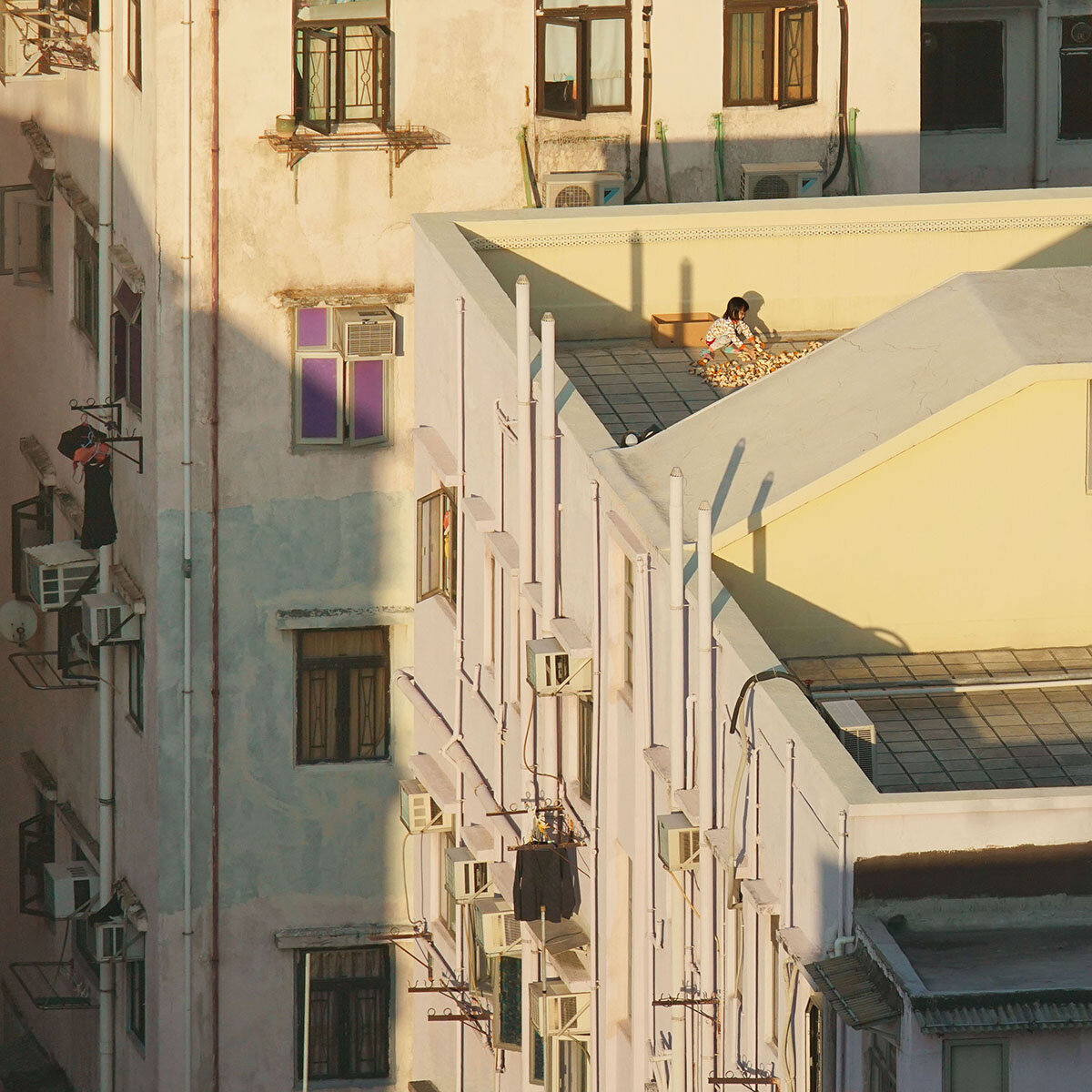
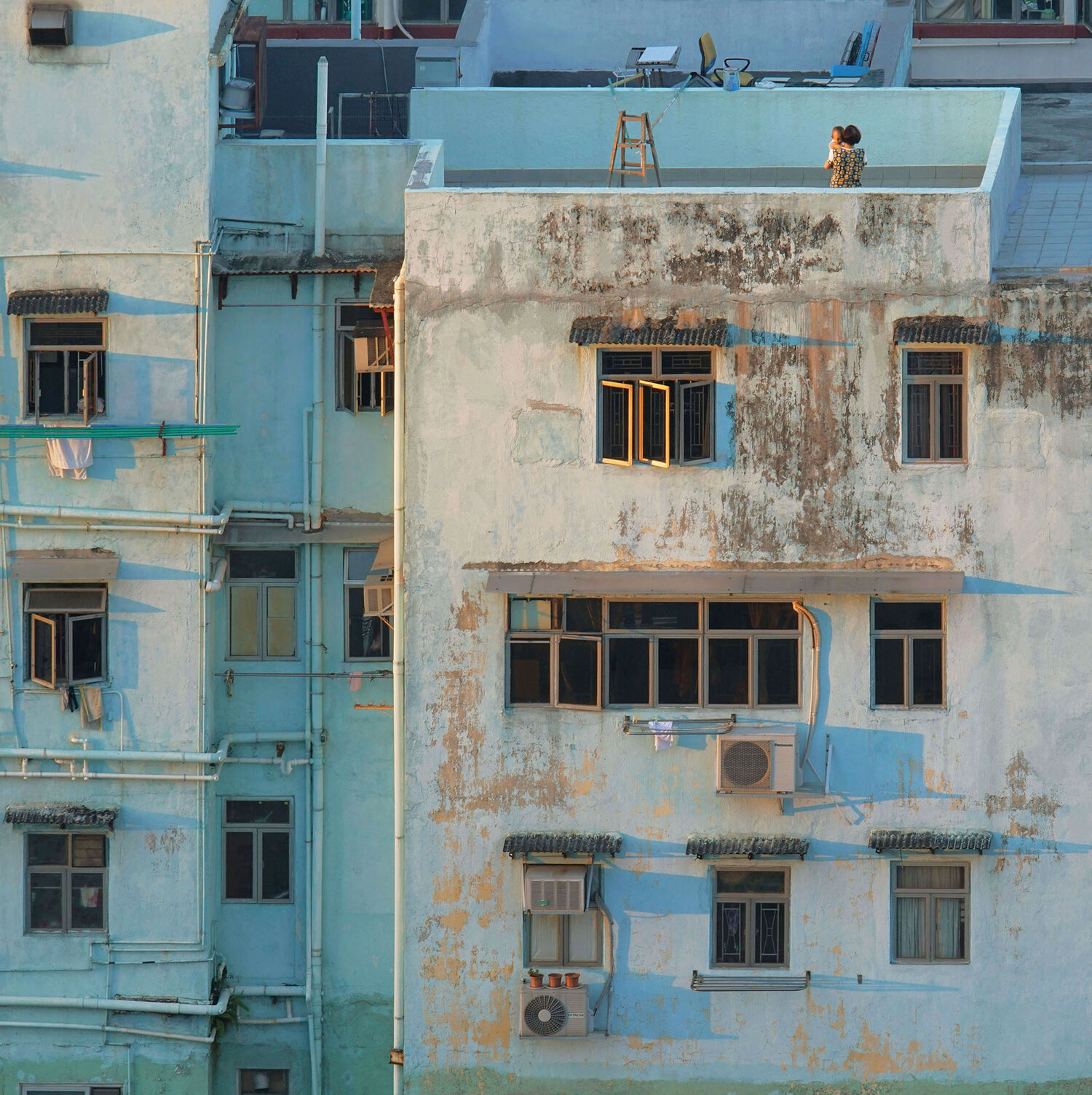
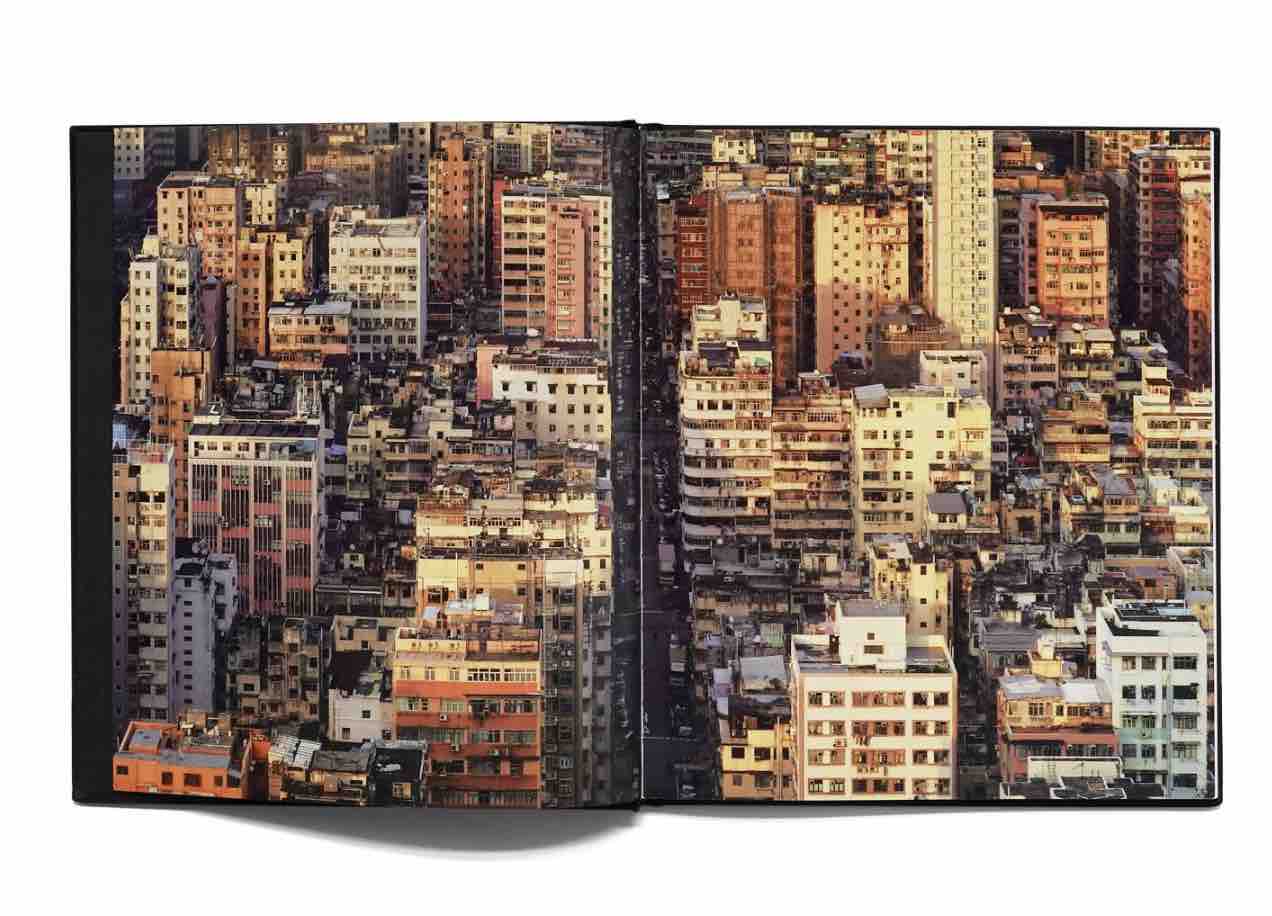
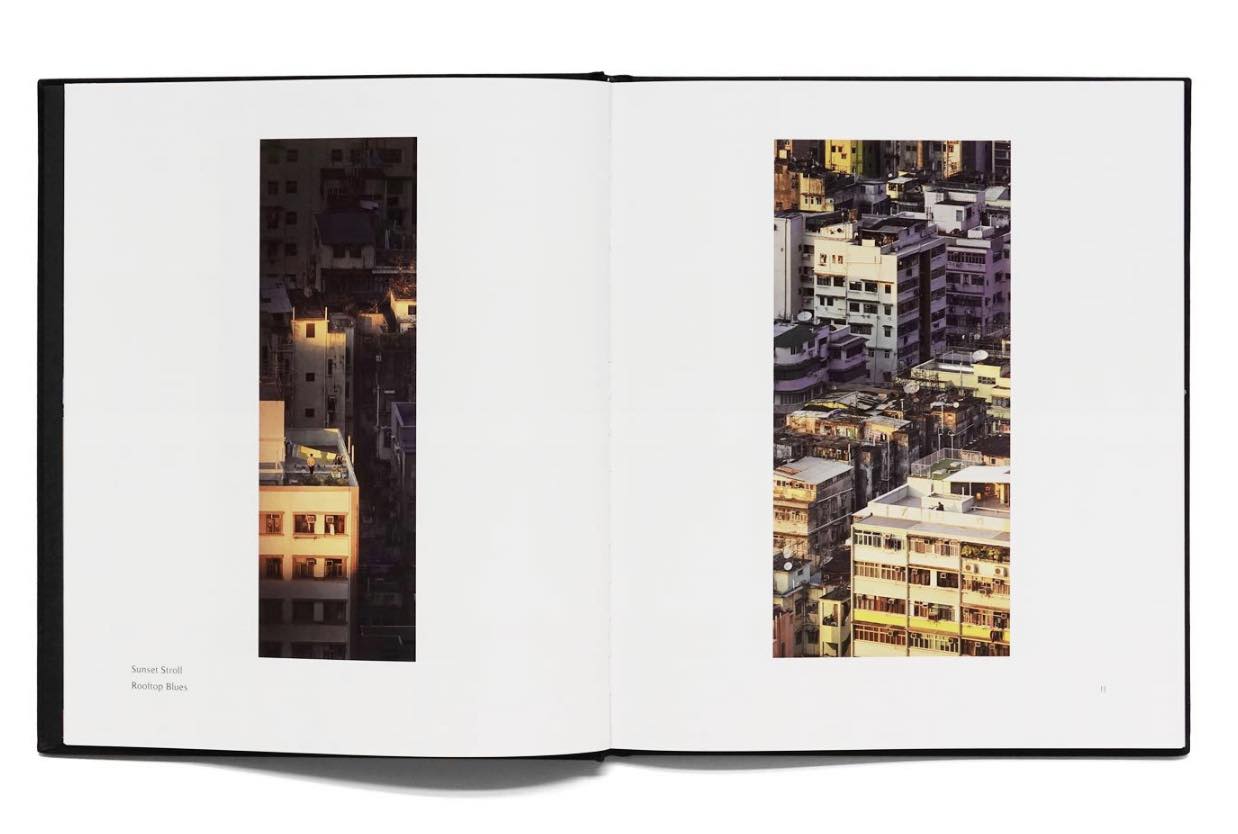
‘Concrete Stories’ is a collection of genuine moments capturing people’s daily lives from the rooftops in Kowloon districts.
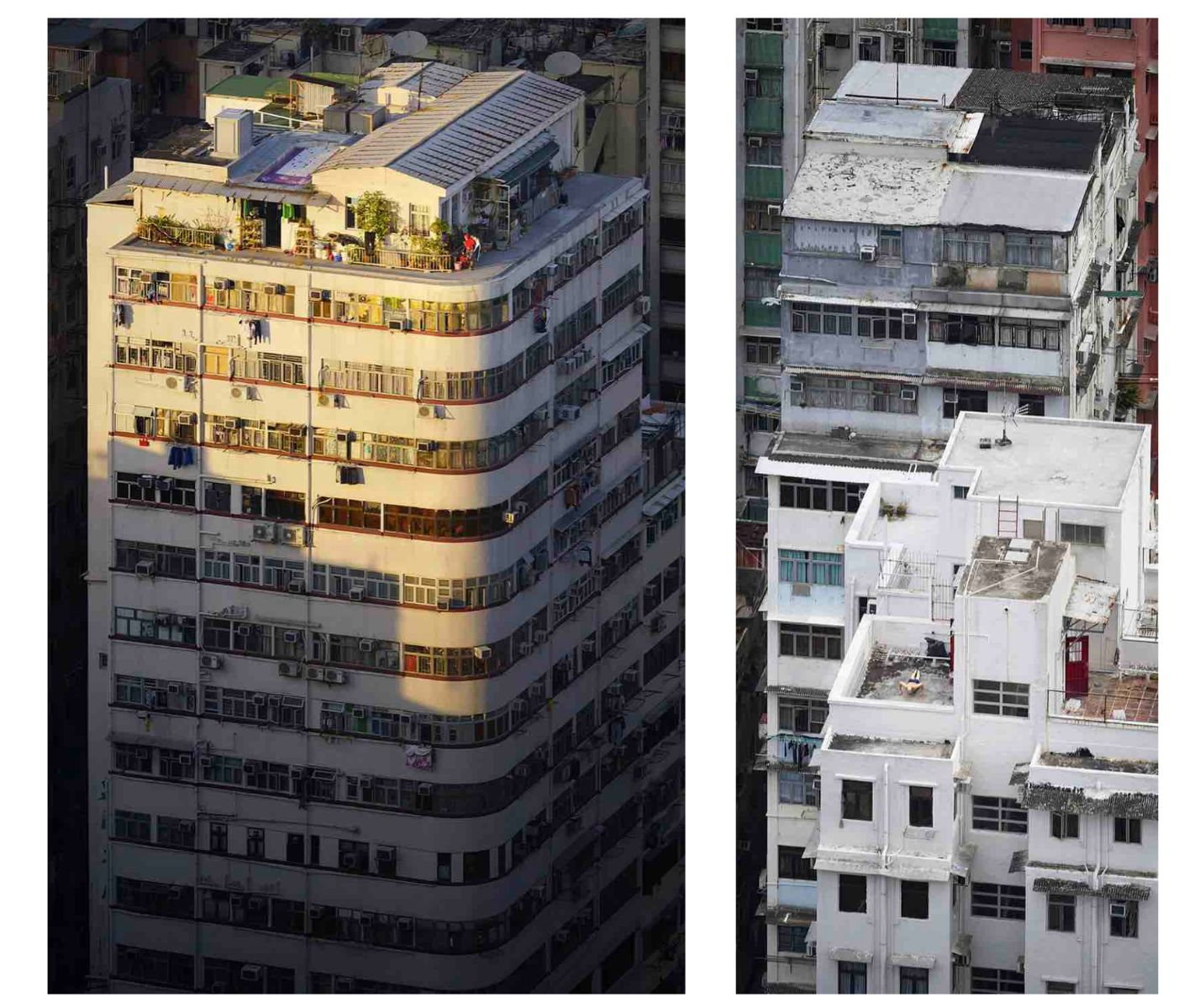
From 2014 to 2018, Romain Jacquet-Lagrèze, a French photographer based in Hong Kong, explored the city’s rooftops in a unique way. His lens captured the city from a fresh angle, focusing on aged buildings without alarms or security cameras and favoring sunny days for enhanced luminosity.
In his lens, you can see students skipping rope, women drying clothes, and people practicing Tai Chi. The scenes on the rooftop become more dramatic under the setting sunlight. After taking the photo, the final step was to carefully crop the images to highlight the rooftop and people’s activities.
These buildings, once a vibrant part of the city’s landscape, are now disappearing at an alarming rate. The pressing need for land has led to the demolition of low-rise structures, making way for taller, more modern ones, often with inaccessible rooftops.
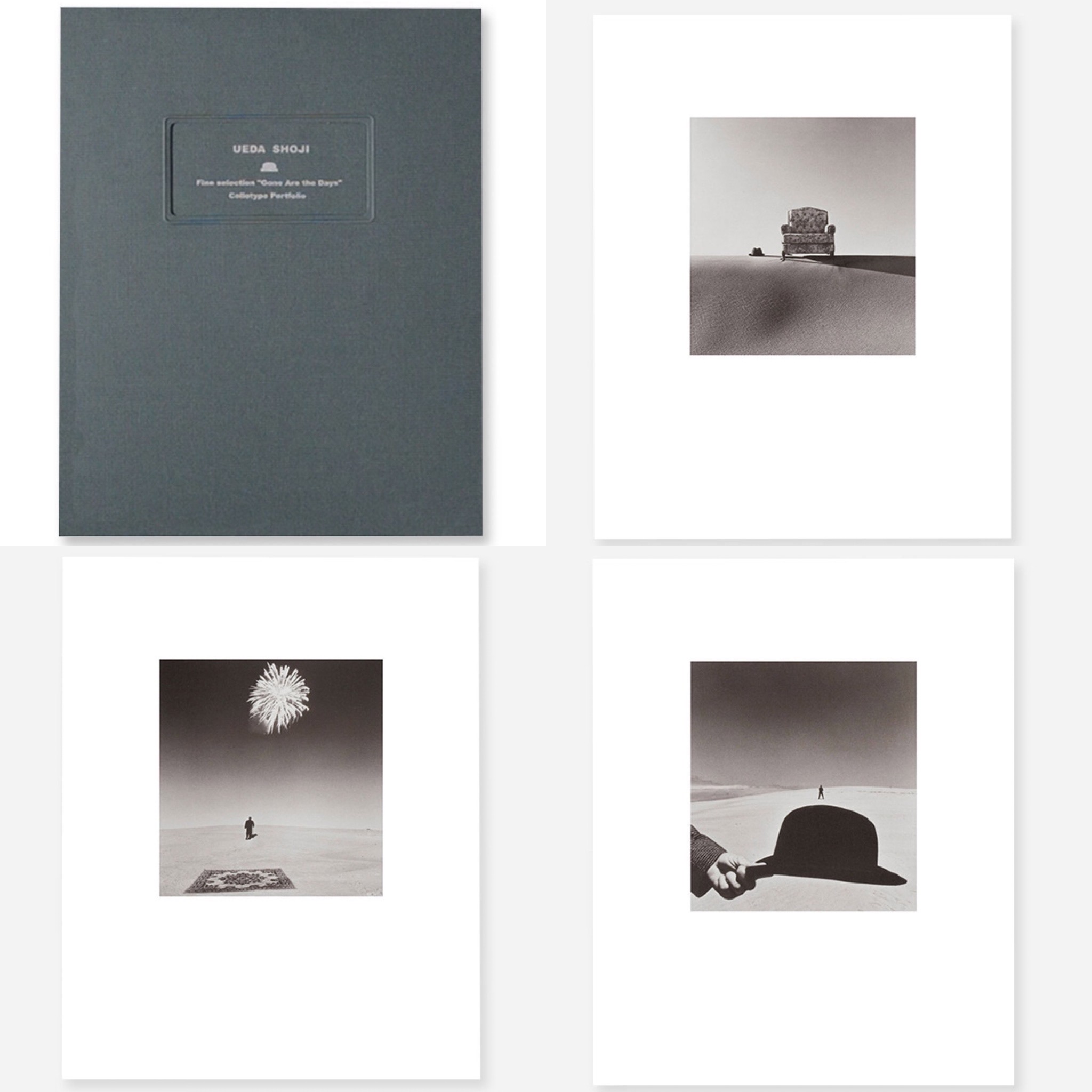
植田正治曾說過:「只有普通人看得懂的照片,才是真正的好照片。」以業餘攝影愛好者自居的他,一生主要以沙丘為舞台,拍攝家人與家鄉鳥取的人文風景,雖然大部分作品都如舞台攝影般以「擺拍」進行,但卻絲毫不顯生硬,反而有一種魔幻的趣味。由日本便利堂(Benrido)推出的珂羅版迷你作品集《Gone are the Days》,精選六幅植田正治與家人在鳥取沙丘擺拍的照片。
Shoji Ueda《Gone are the Days》 時間來到1983年,一直支持植田正治的妻子紀枝離世,對他造成巨大打擊,他變得沉默不語,甚至喪失對攝影的興趣。讓植田重燃熱情的人,是身為藝術總監的二兒子充,他委託父親為設計師菊池武夫的品牌Takeo Kikuchi拍攝時尚寫真。一向以業餘自居的植田正治,忽然要拍攝商業攝影,震驚當時的攝影界。
不過對植田而言,這卻是難得的經歷,他重回熟悉的鳥取沙丘,模特兒自由地表演,他則透過鏡頭重拾攝影的樂趣。由日本便利堂推出的這本植田正治迷你作品集《Gone are the Days》,是植田正治晚年時期的商業創作,精選六幅由珂羅版 (Collotype) 印刷的照片,包括沙丘上的地壇與煙花、頗有Rene Magritte超現實風格的手持圓頂禮帽的照片等,這種充滿舞台感的超現實畫面,正是為人熟悉的「植田調」。
Issei Suda《Anonymous Men and Women Tokyo 1976-78》,「顯影·書櫃」有售。
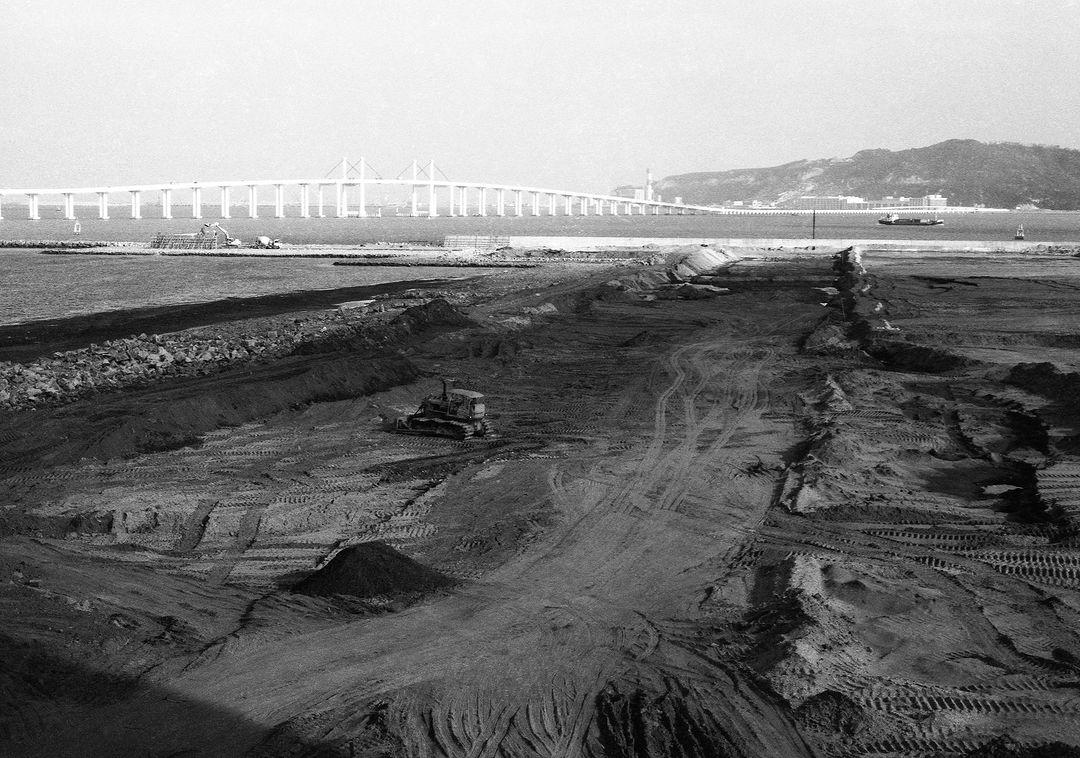
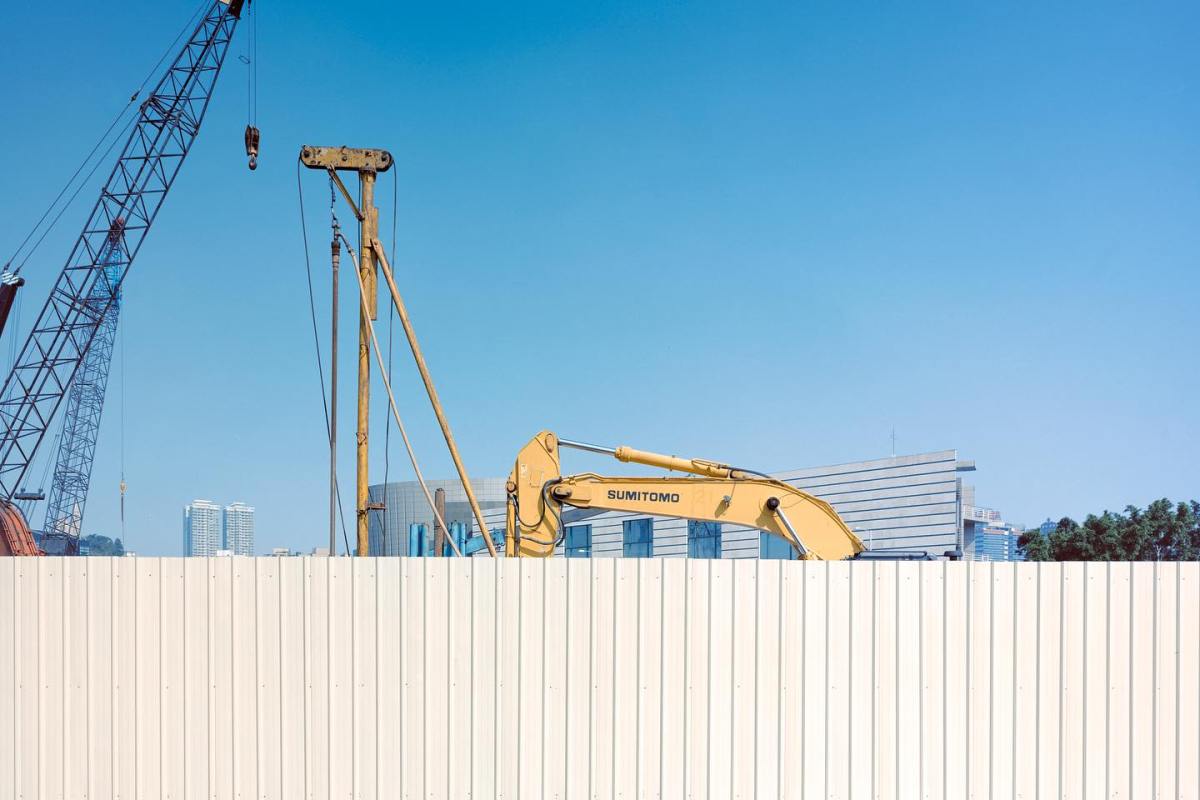
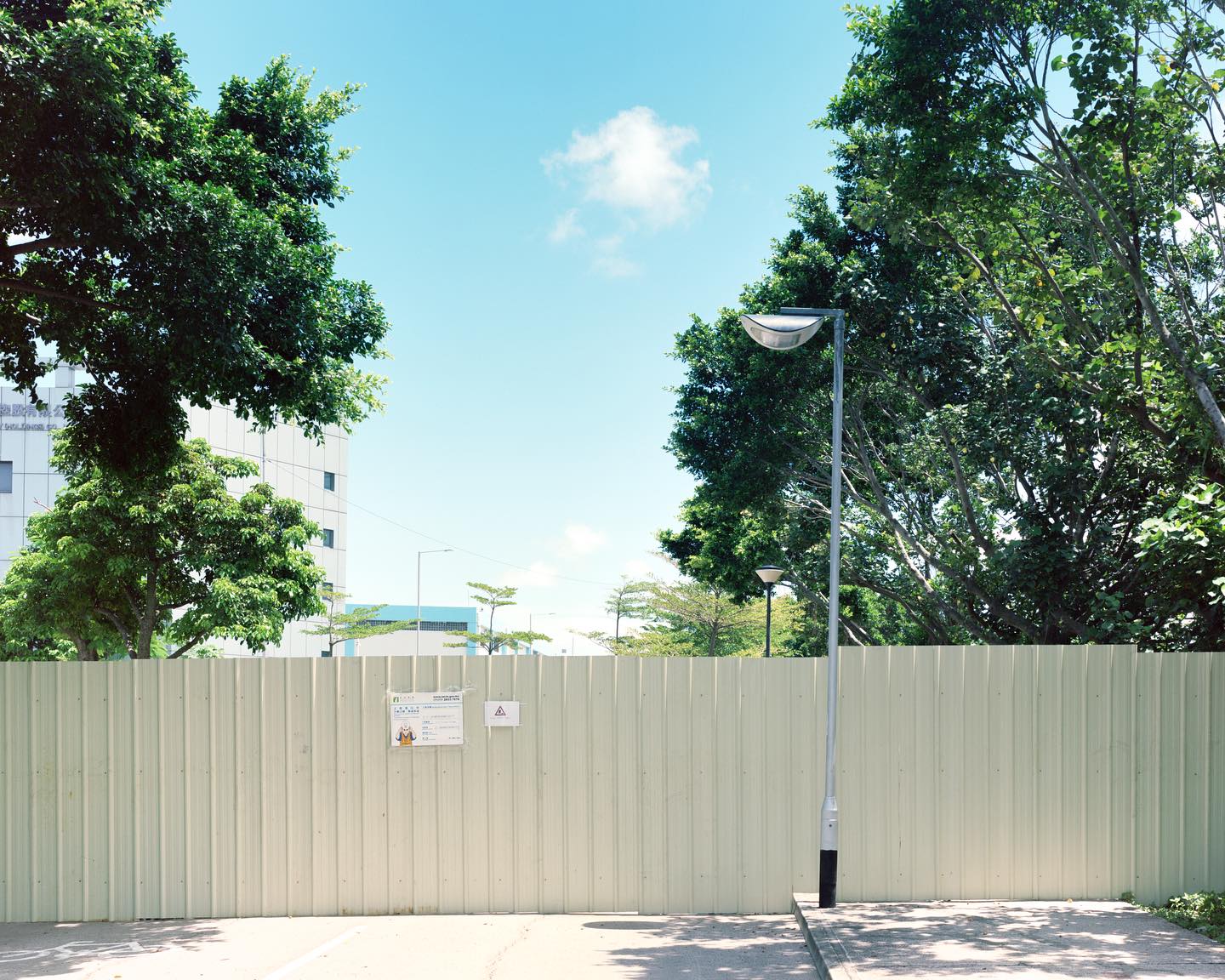
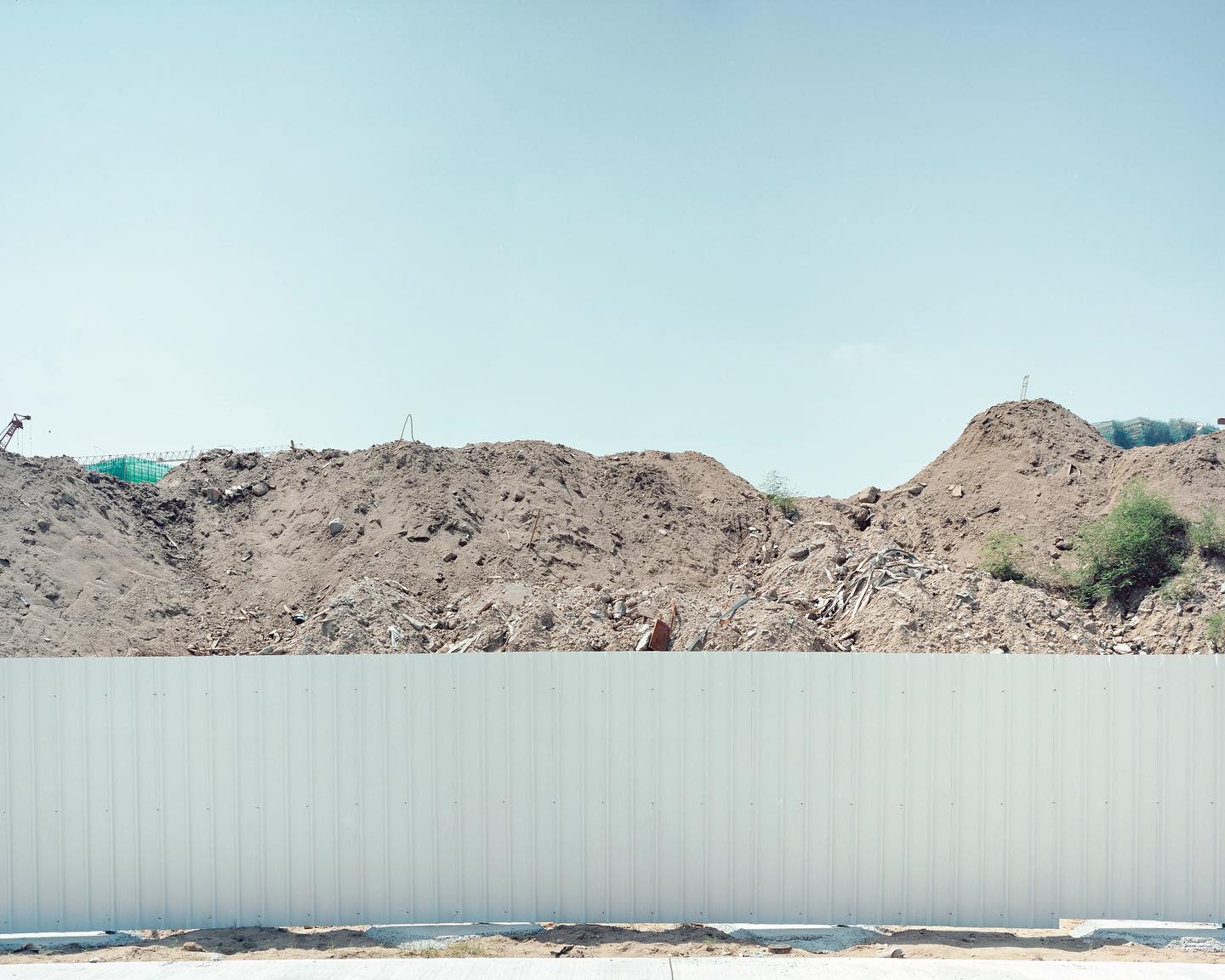
Enclosed Landscape is an urban landscape documentary project by Alan Ieon related to his hometown Macau, a place known for its spectacular casinos.
Hidden from the spectacle-like scenery, Ieon focused his camera on the artificial construction hoardings. Viewers are confronted with these tall steel fences that wrap around and disguise construction sites keeping curious on-lookers away. Whether it is an idle land resumption by the government or an under-construction area, one can always find these pre-fabricated, man-made objects lurking in the foreground.
These hoardings occupy the city’s skyline and shape the physical boundary of our sight toward the Landscape. The photographer deliberately combines the construction hoarding with the background in a typological attempt, and these repetitive landscapes are juxtaposed precisely like displaying specimens. The barrier landscape also challenges the seemingly natural relationship between development and landscape.