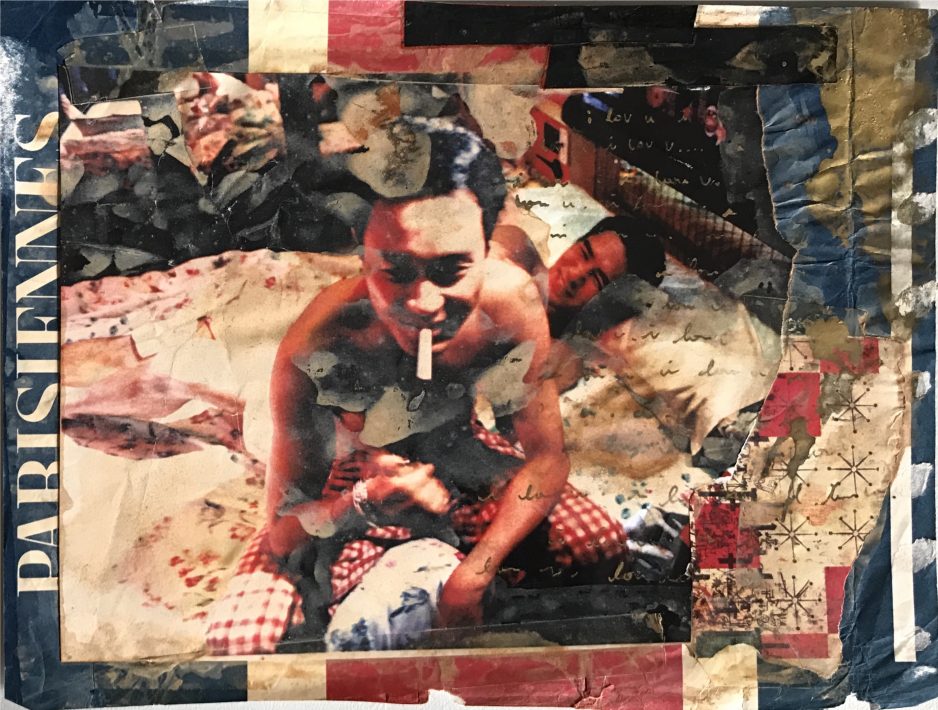
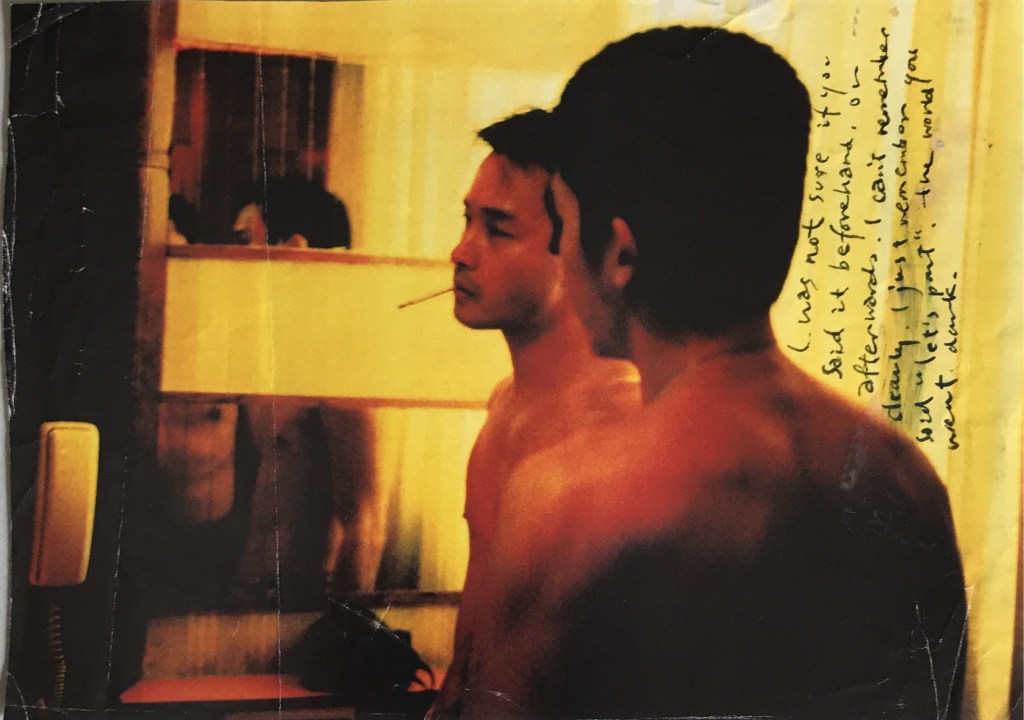
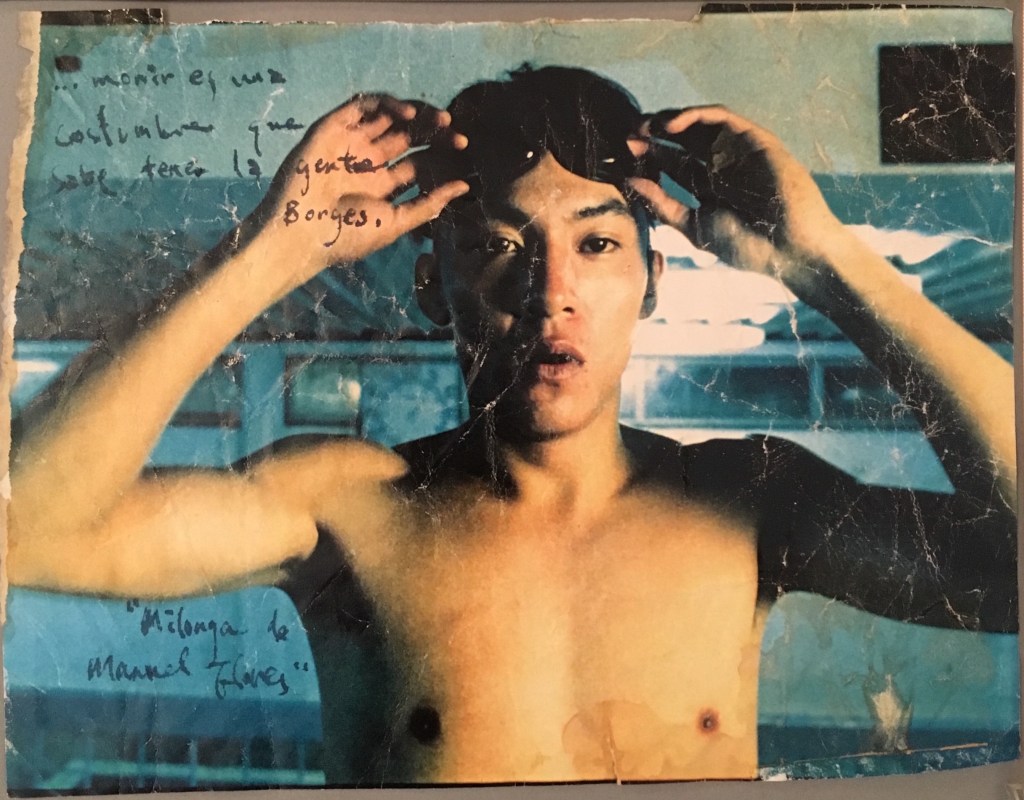
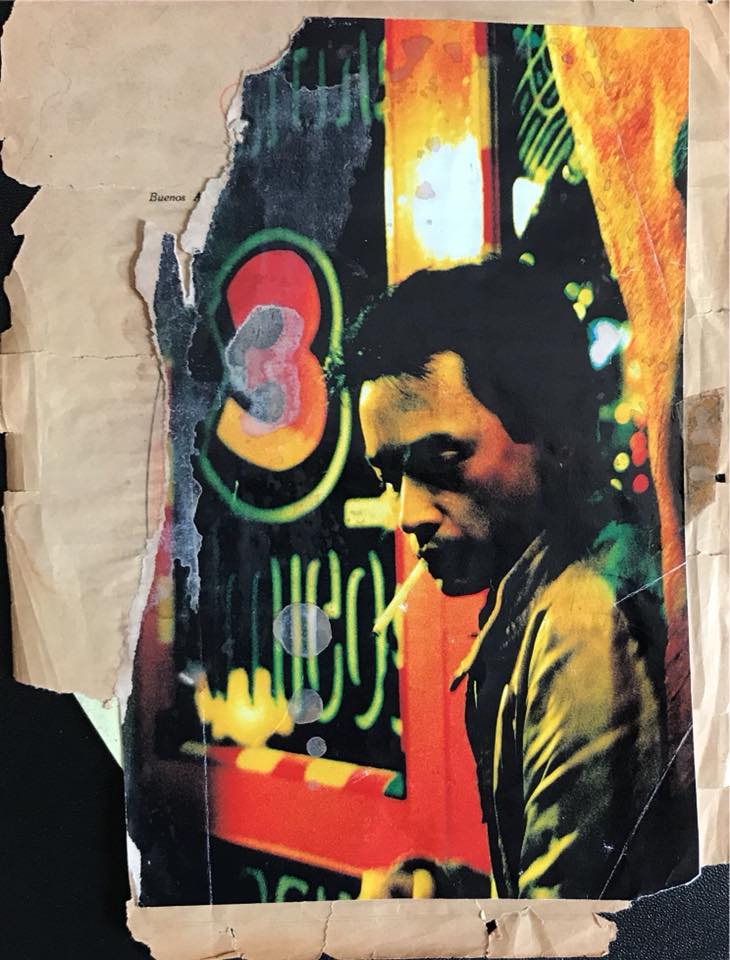
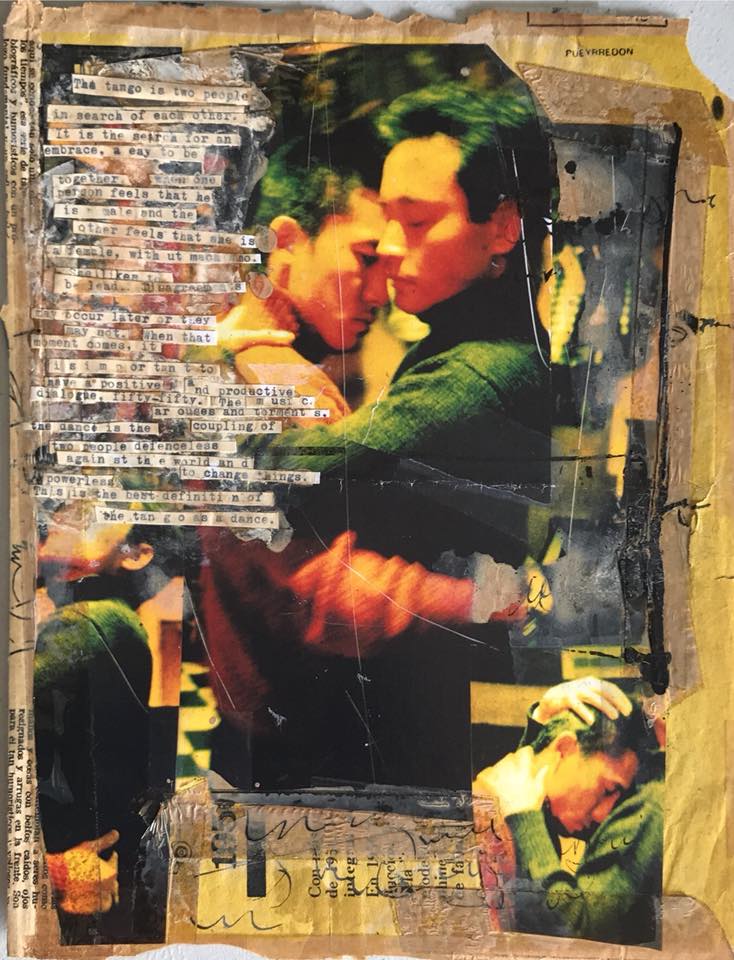
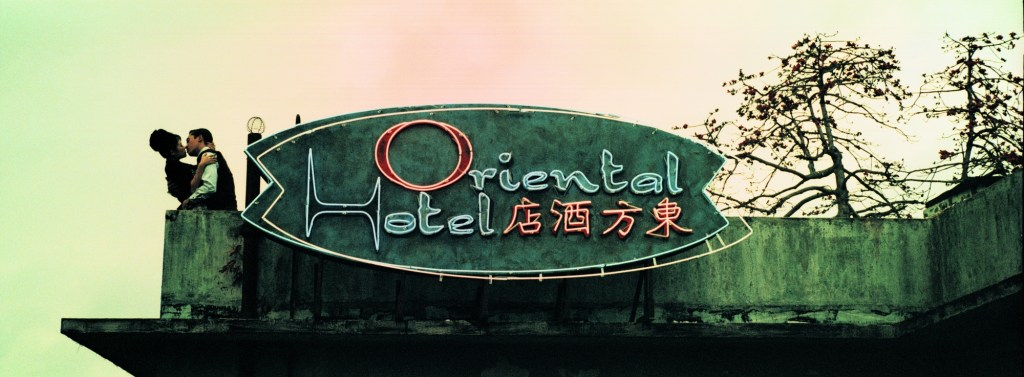
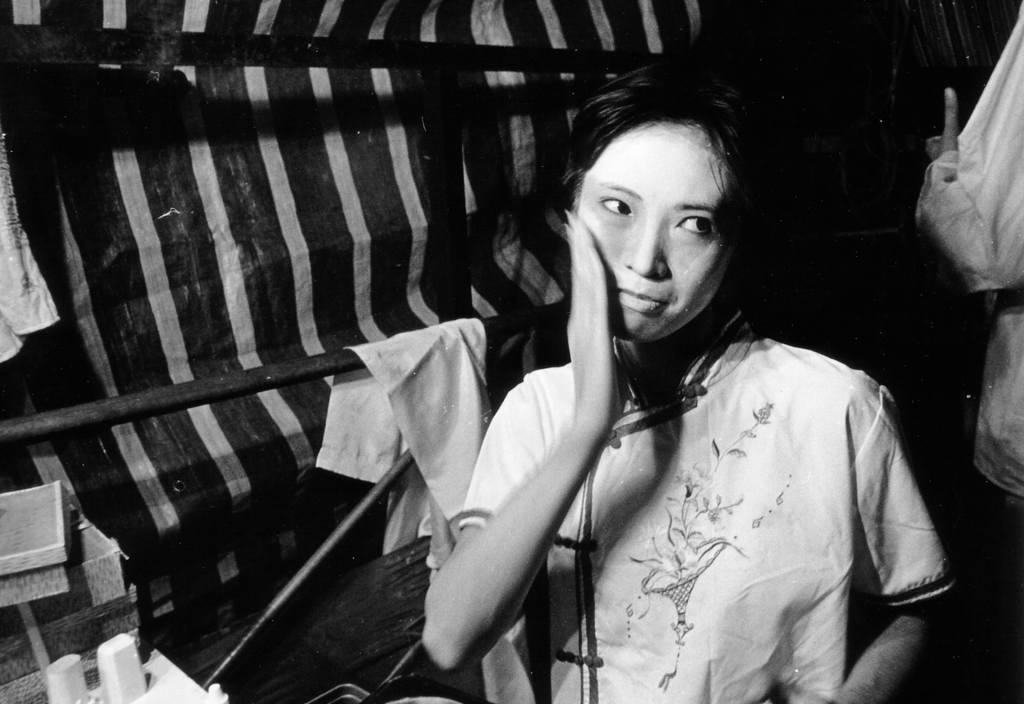
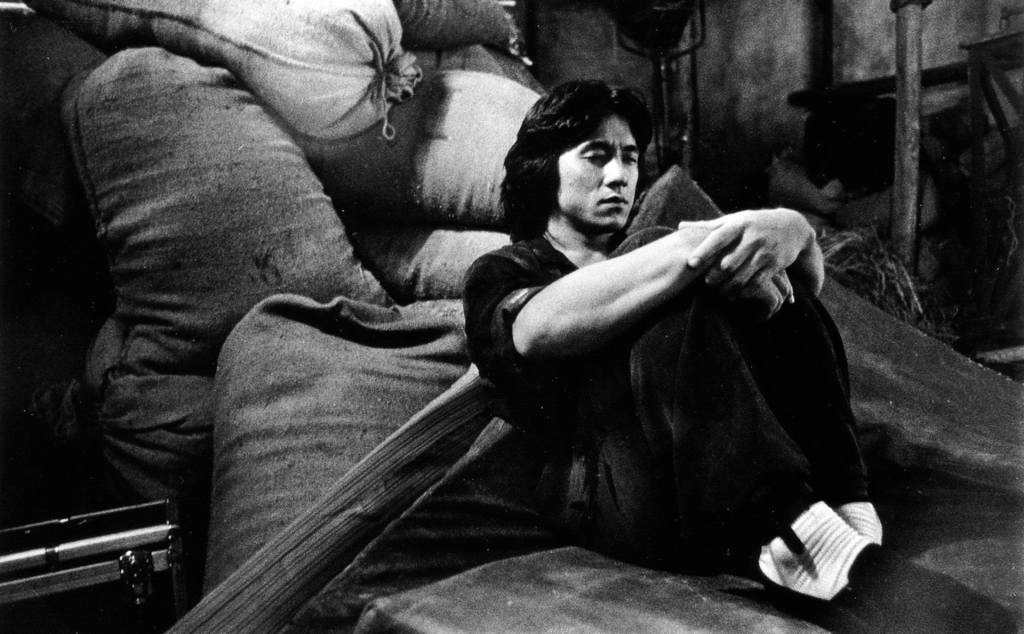
Happy Together, released in 1997, is a romance film directed by Wong Kar-wai, which depicts a turbulent love story of gay lovers. The film aesthetics is undoubtedly mesmerizing. Meanwhile, the atmospheric movie stills capture by Wing Shya, which also becomes classic.
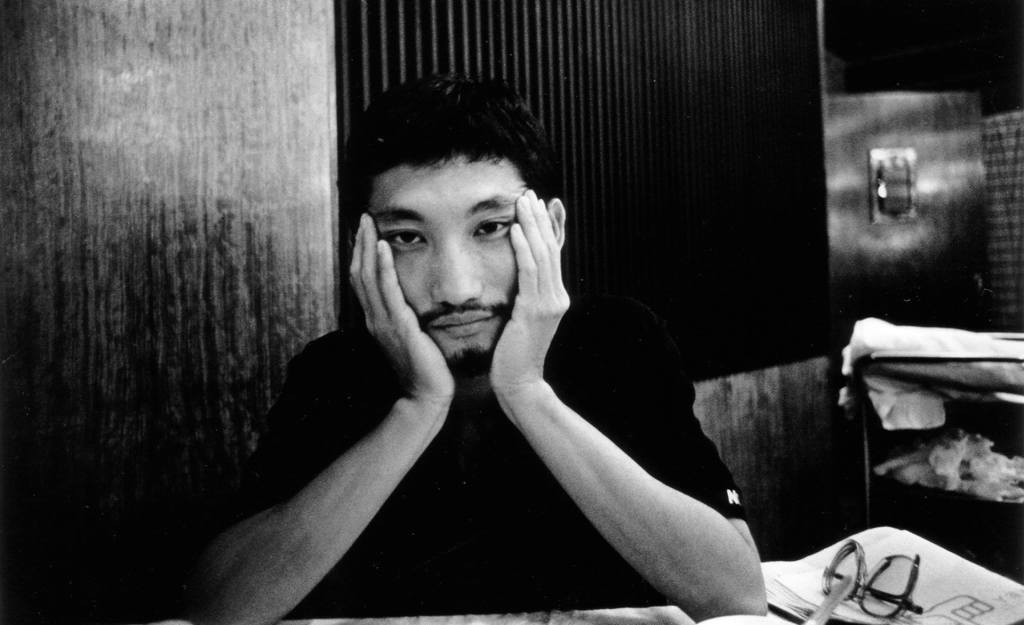
Wing Shya was initially a graphic designer. He liked to make collages at school and even tried to pick up trash on the street to create. When photographing film stills for Happy Together, he designs the collage with the stills and script text, which is more artistic than the film stills.
Wing Shya recently exhibited his diversified creations in the gallery. The exhibition is named “Happy Together.” In addition to the collages of movie stills, there are also commercial photography works taken throughout the years. He said, “Happy Together” is a love story. The photographs I have taken over the years are also related to love. The similar scenes of two people Happy Together.”
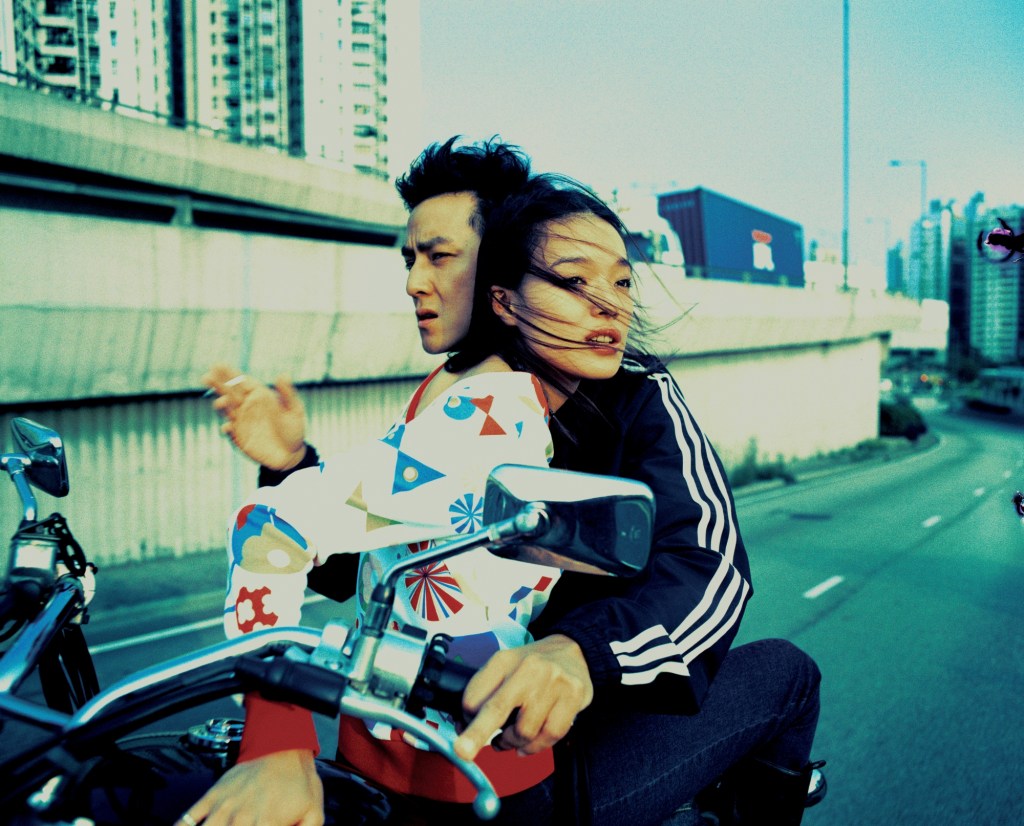
He photographed Daniel Wu and Shu Qi for fashion magazine “iD” in 2002. The protagonists were hugging each other on a motorcycle and staged a loving moment, and such a fancy-free style may be traced back to the movie “Happy Together.”
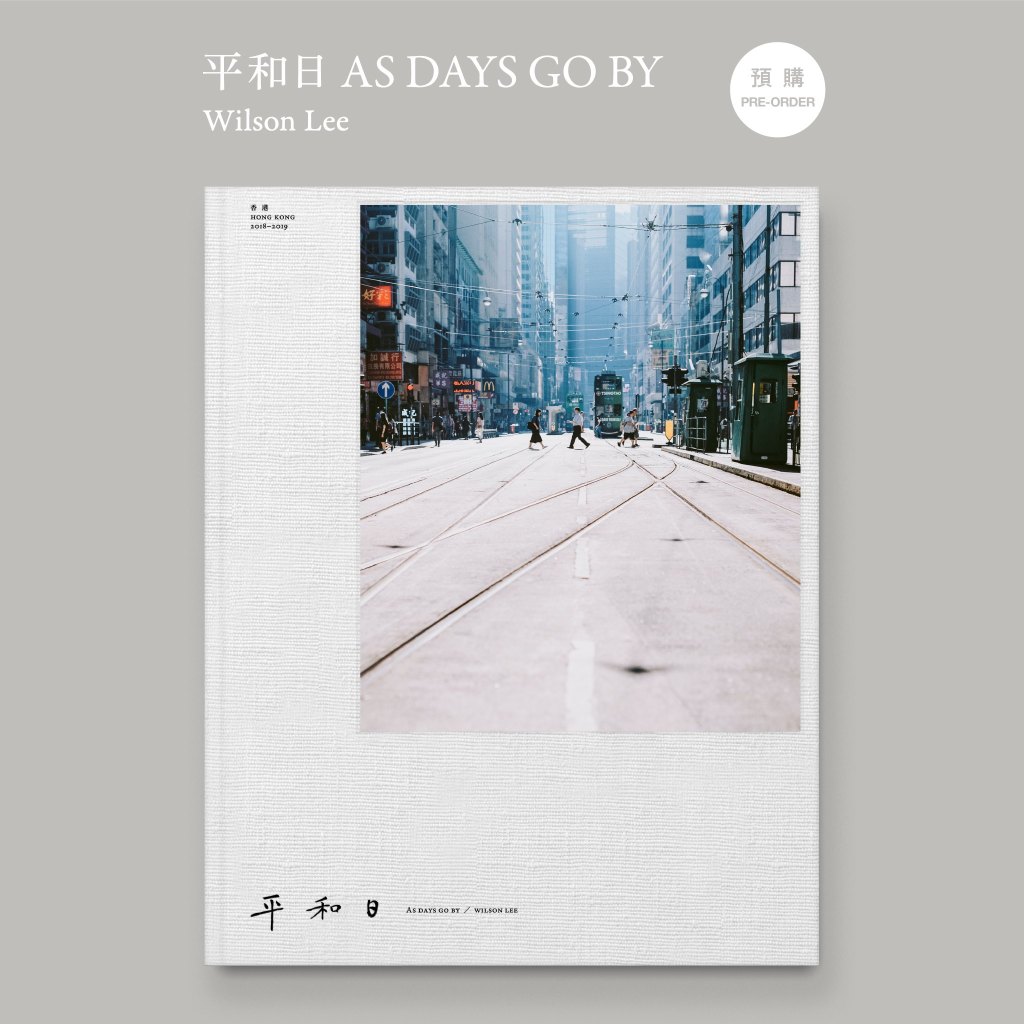
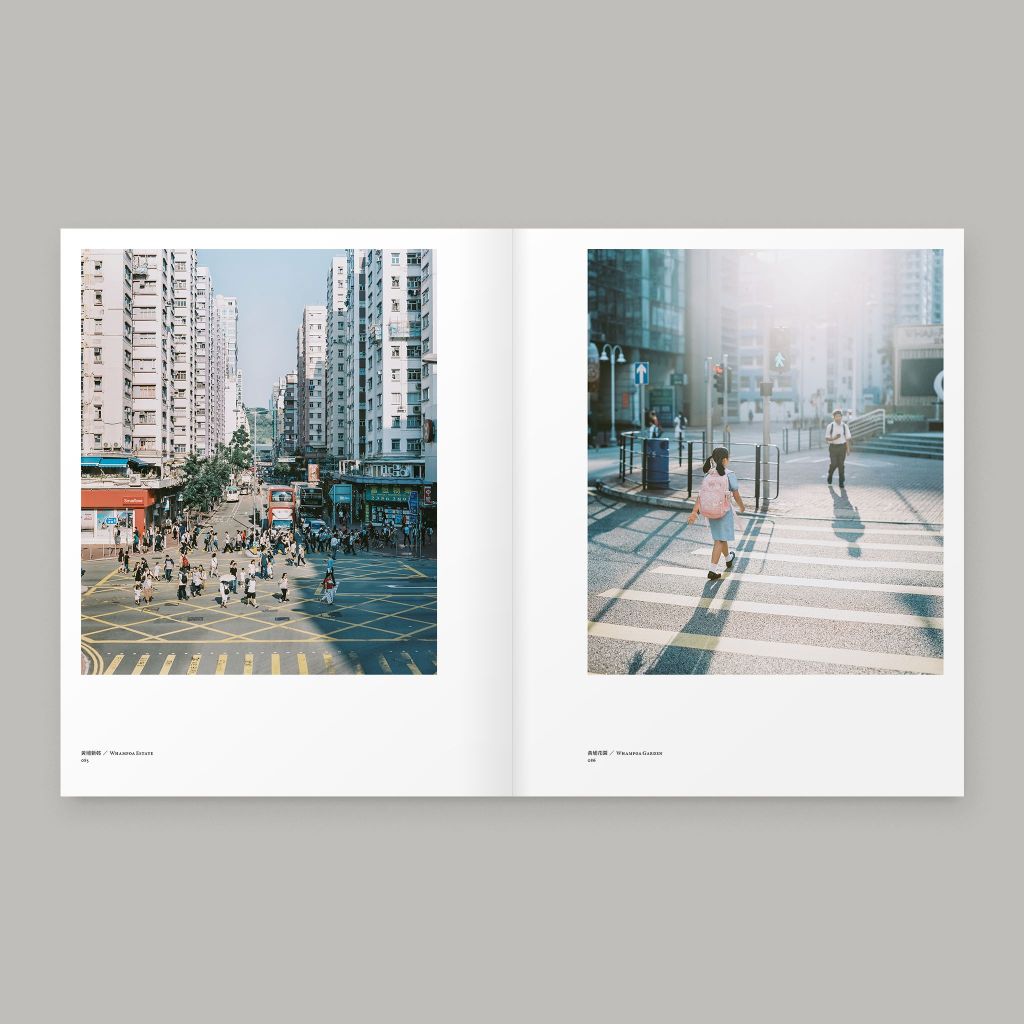
在人人都可以拍攝的年代,一張照片或許只能吸睛一兩秒,Wilson希望以個人視角記錄香港,留住一個時代的記憶,若干年後回看,至少對自己而言,是有特別意義。2016年,他在東京修讀短期課程時,每日從一個高位拍攝東京,集結成《Japan From Above》一書,「攝影集會鼓勵你拍攝系列式的相片,令作品、想法更加完整。」
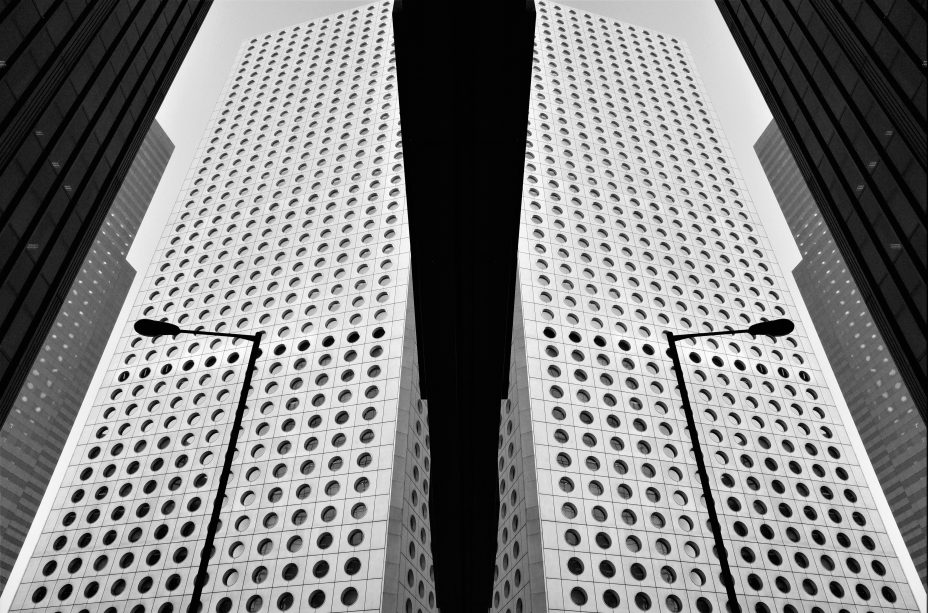
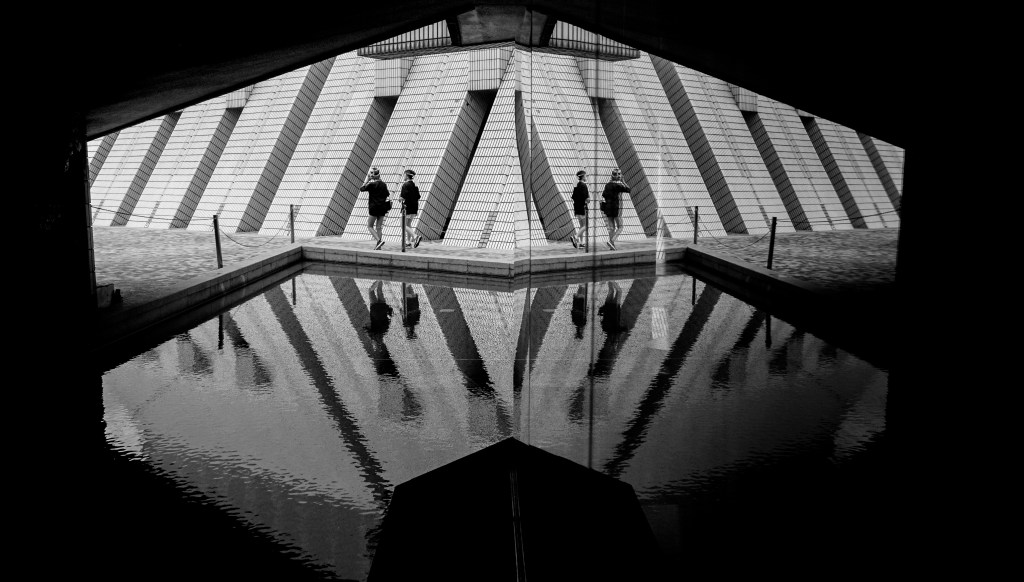
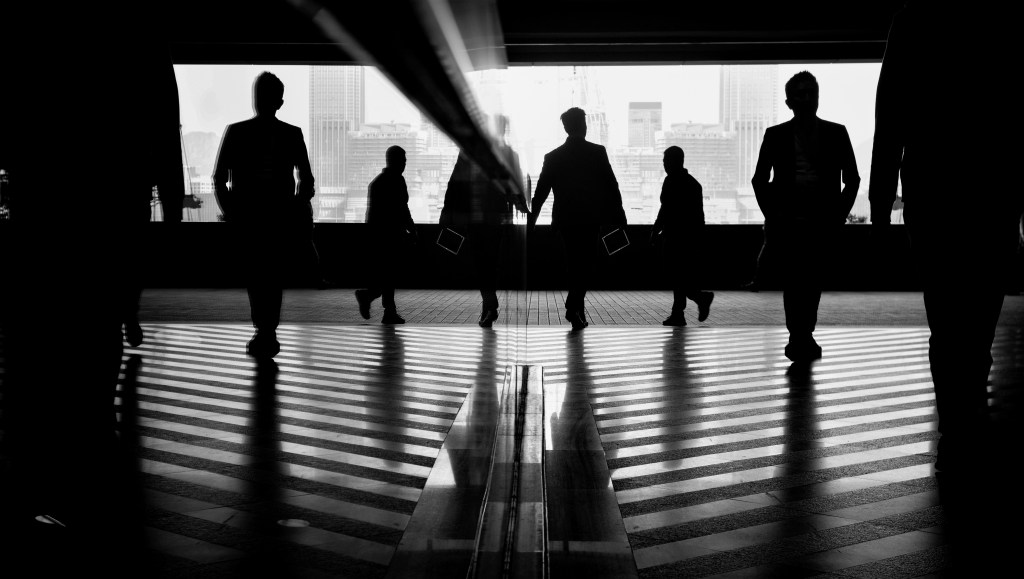
As an amateur photographer with the interior design background, Louis Cheung is very sensitive to lines, light and shadows, and objects that can reflect things. With the help of glass and the reflection of the pool, the corner of the Hong Kong Cultural Centre hides a hexagon; the hurry pedestrians in Wan Chai create an extraordinary mirror effect. For Louis, the reflection is not necessarily glass or water. The reflective car reflects the deformed Jardine House, and the remarkable picture looks like an abstract painting.
Hong Kong is a “City of Glass,” and the city is full of reflections. Jardine House is one of the landmarks in Central; photographer Louis Cheung used the reflection of glass to take a picture of two Jardine Houses side by side. The familiar buildings suddenly become a novelty.
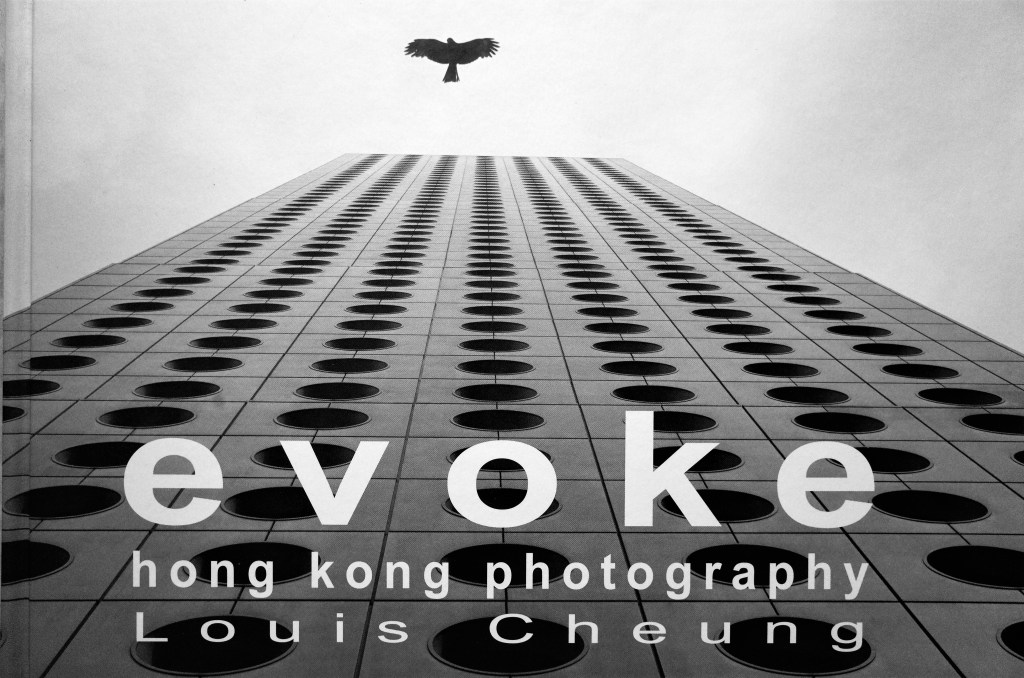
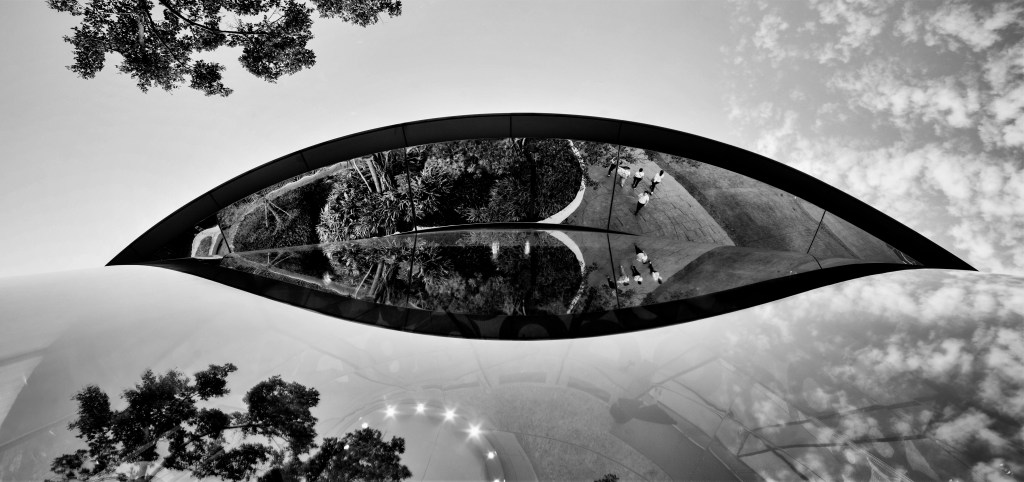
Outside the Tsim Sha Tsui shopping mall, he photographs the sky from the ground. The reflective image is like an abstract eye. It is resonant with a famous saying of photographer Elliott Erwitt: photography is an art of observation. It’s about finding something interesting in an ordinary place. Recently, Louis published a black and white photo book, “evoke hong kong photography,” to awaken the public concern about Hong Kong.
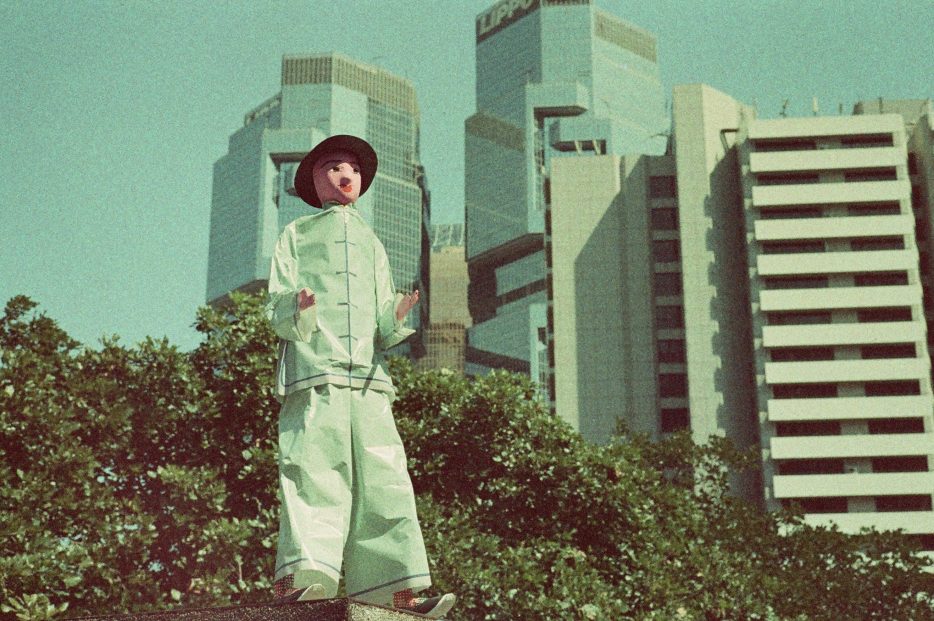
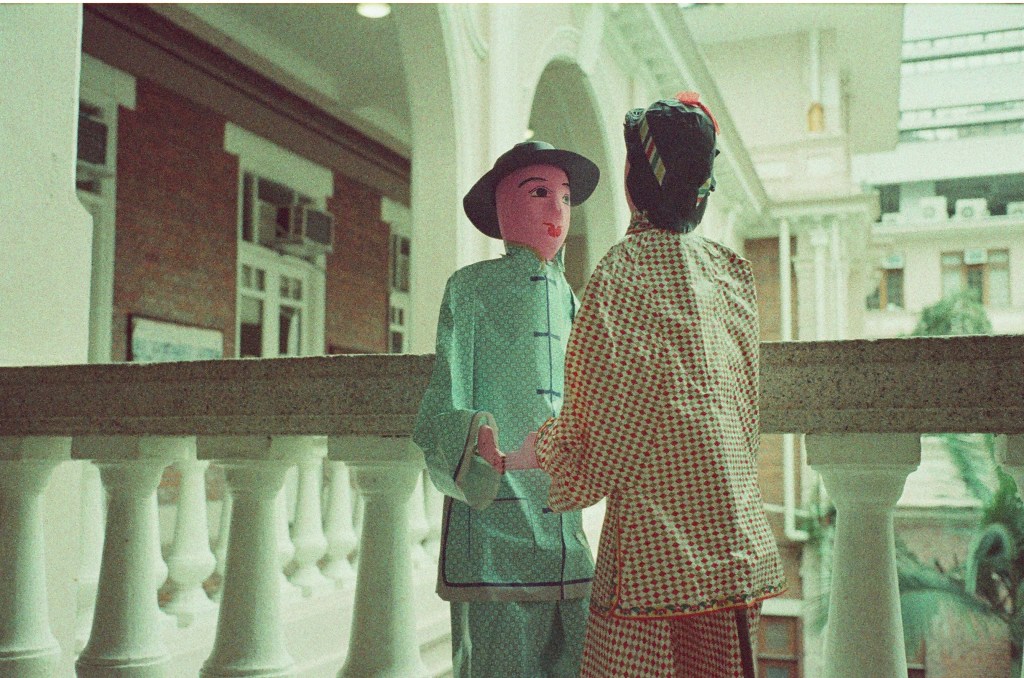
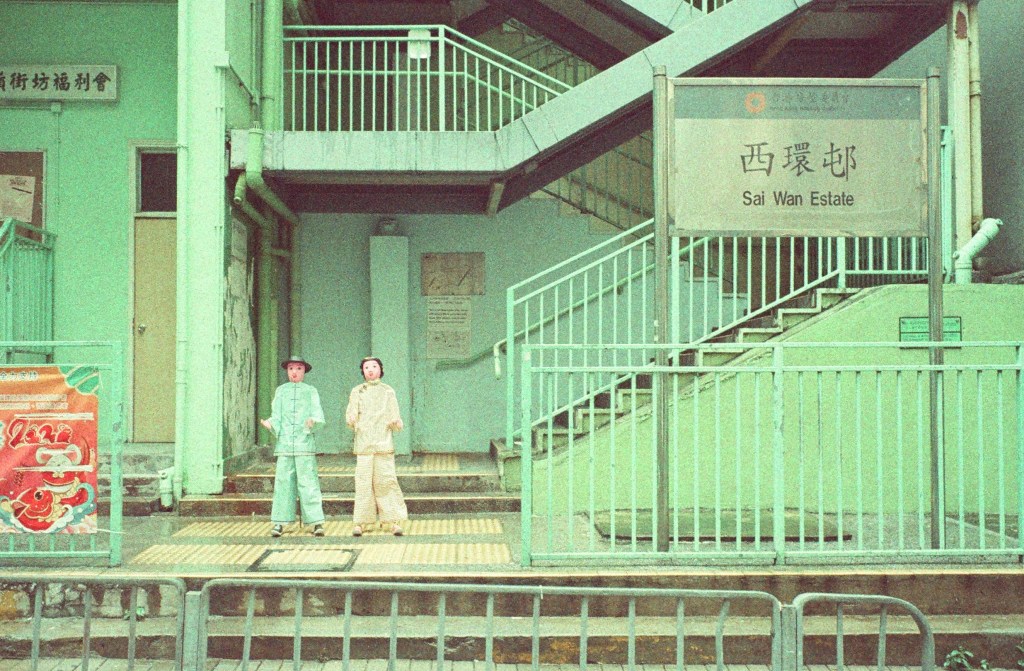
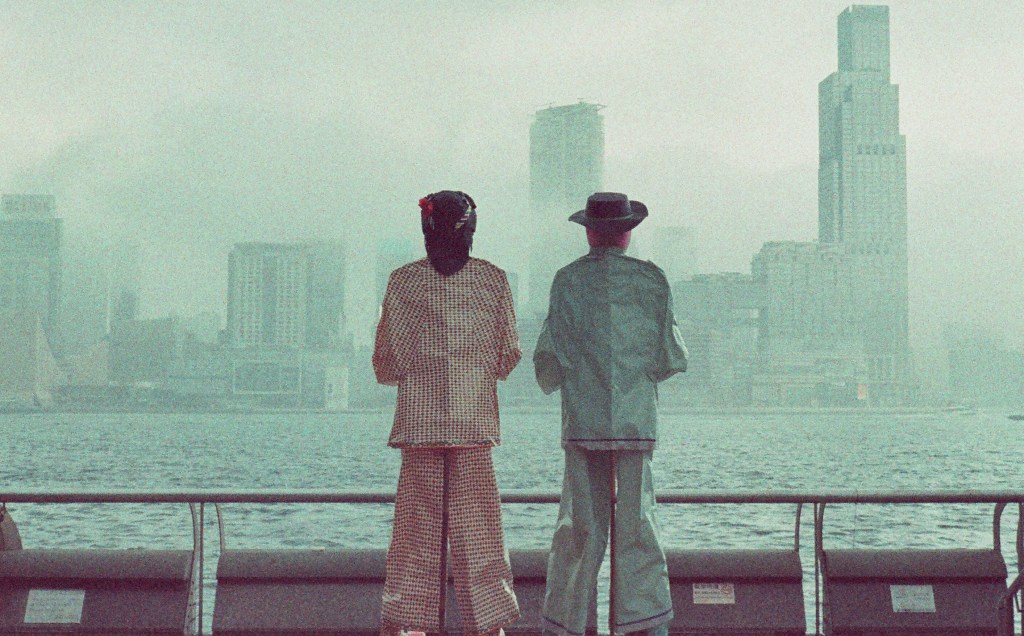
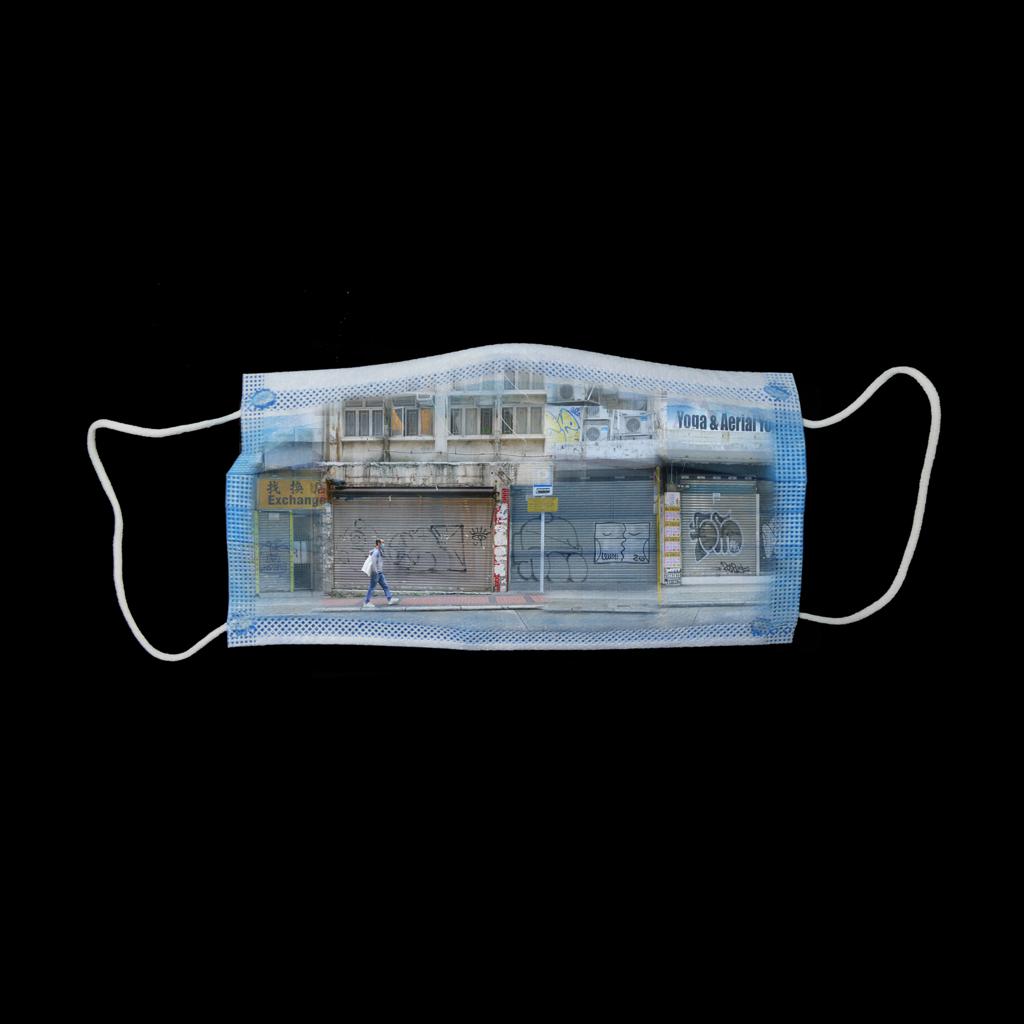
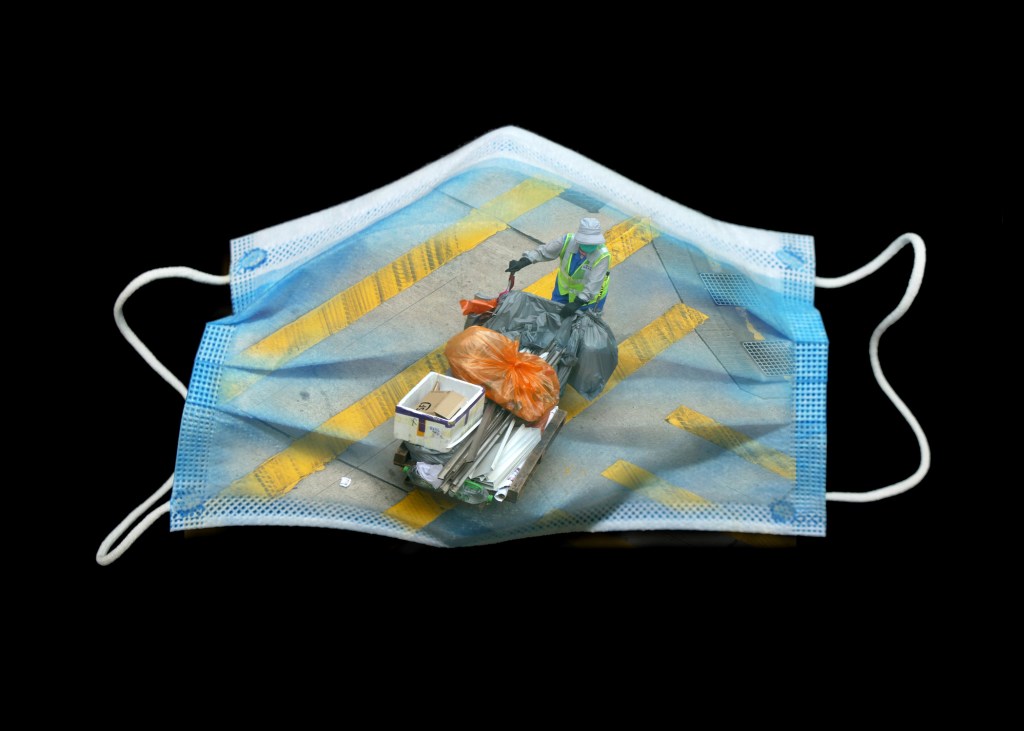
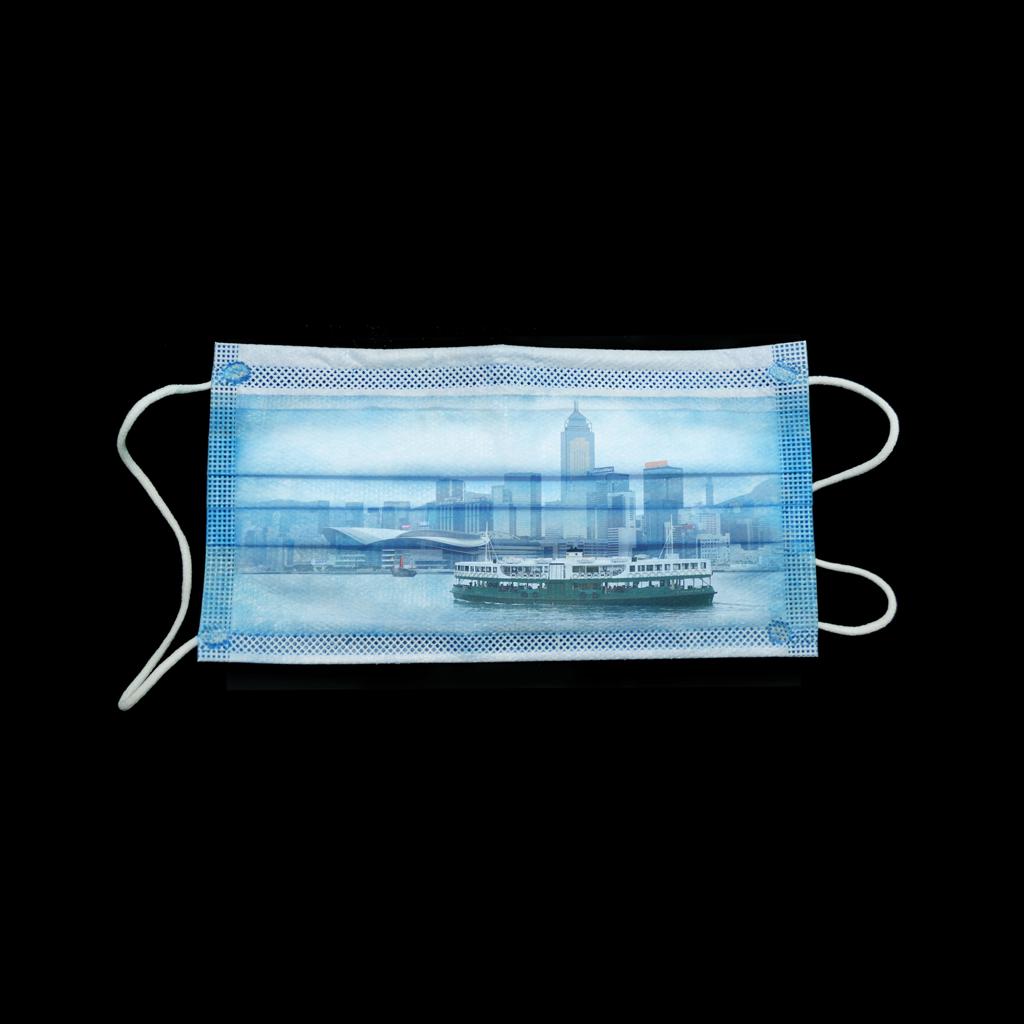
熱衷於以黑白菲林拍攝街頭照片的Kasper,2016年開始以香港人的身份認同為命題,展開為期十年的「Conflict Hong Kong」拍攝計劃 。他鏡頭下的香港,不是美輪美奐的建築風景或山明水秀的自然景觀,而是透過捕捉城市的矛盾及陰暗一面,例如露宿者、少數族裔、Drag Queen等,記錄被人們遺忘的社群。「香港不只有動感之都的一面,這並不是很真實,我用鏡頭探索大家不願了解的一面,構成完整的香港印象。」不過,在《金童玉女》裏,他一改創作風格,畫面中不見任何人物,而是以死物象徵香港人,訴說另一個香江故事。
這種迷惘,不只是政治因素,亦與香港社會的發展息息相關。近年,「摘去鮮花種出大廈」的案例不斷重演,他故意避開新簇簇的建築物,而是在香港大學、海洋公園、美利樓、西環邨、天星小輪等令人想起舊香港的地方拍攝,「當你不斷拆掉舊事物時,這城市便慢慢沒有了根。」仔細觀看照片,會發現瀰漫着一種藍綠色調,他特意在兩年前開始儲存停產的Adox color implosion菲林。「鬼戲都是這種綠色,拍攝的照片也有一種鬼魅感覺,表面上很平靜,但是內心卻是有暗湧的。」
《人間山水》的英文名稱是My Kind of Landscape,劉智聰透過作品尋找自己的山水定義,他鏡頭下的城市山水不是隨處可見的花草樹木,而是鬧市街頭的山水風景象徵物,垂吊的長帘像是瀑布、滿地的服飾恍如河流,全是他對都市山水的想像,也擴闊傳統的山水定義。另一邊廂,他走入即將清拆的家居,發現另一種山水風景。「很多人家中有森林或山水的牆紙或窗簾,用來裝飾家居,這某程度上可見屋主的品味,只是這些朝夕相處的大自然風景,他們可能永遠不會去。」