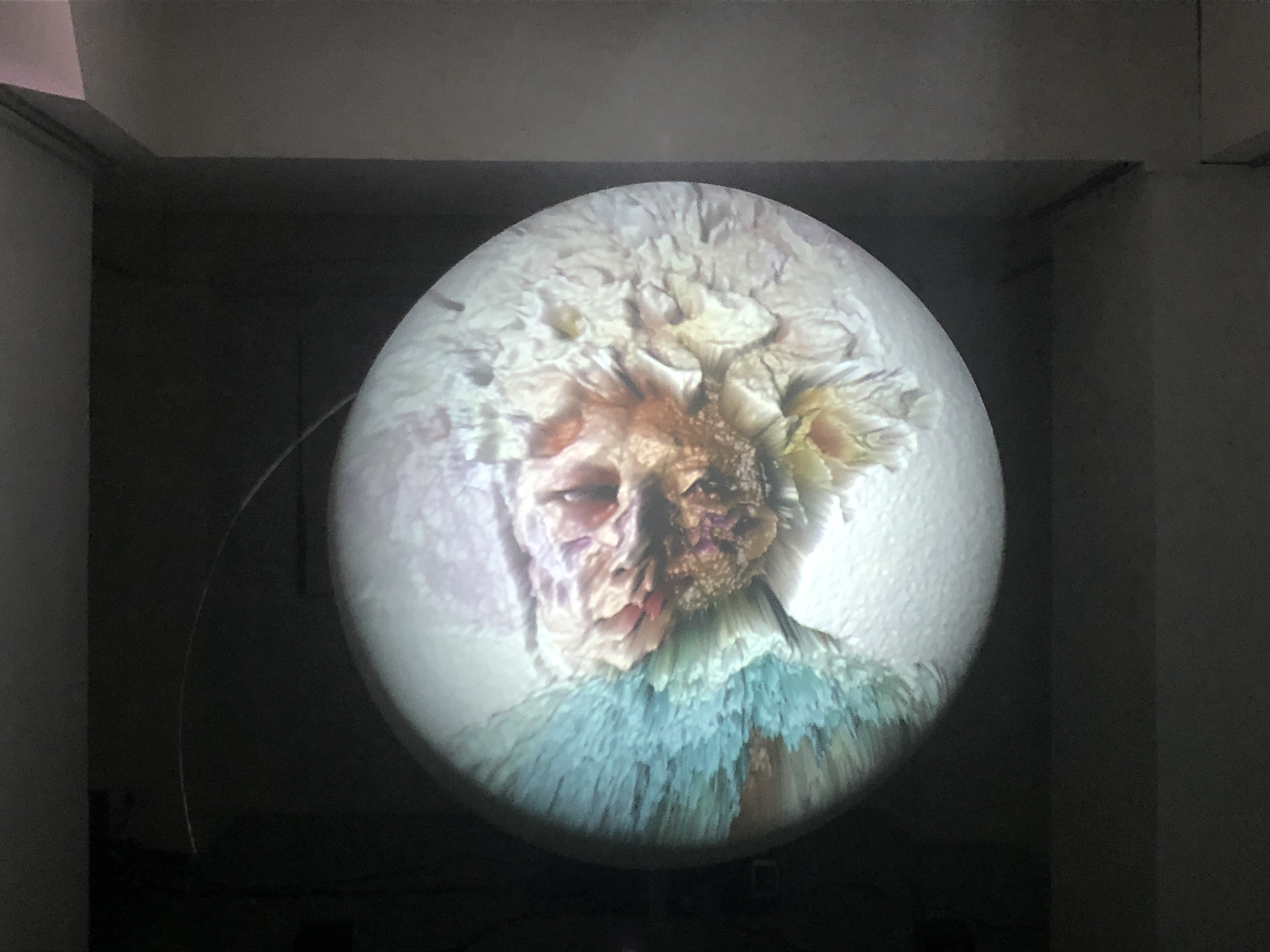
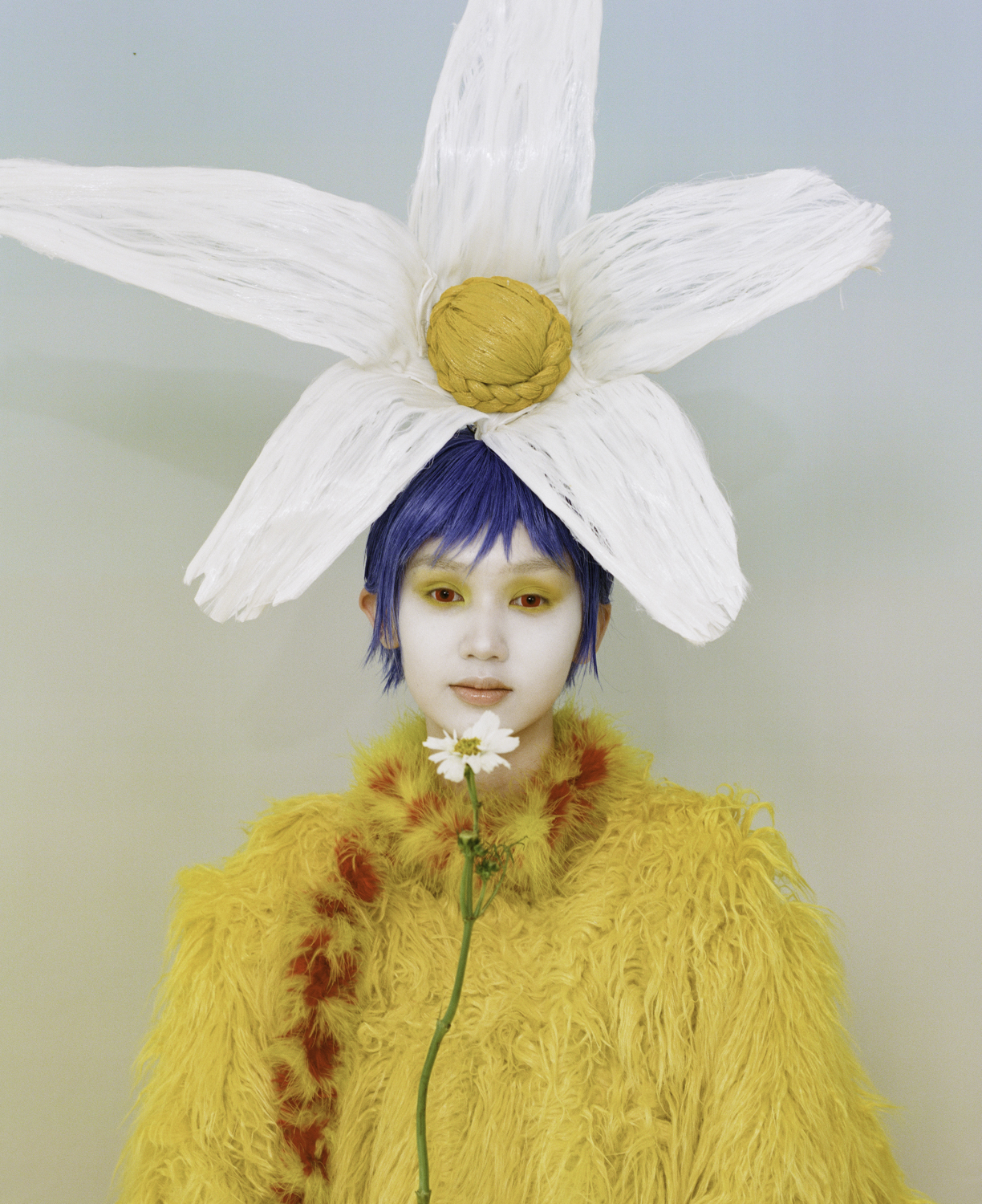
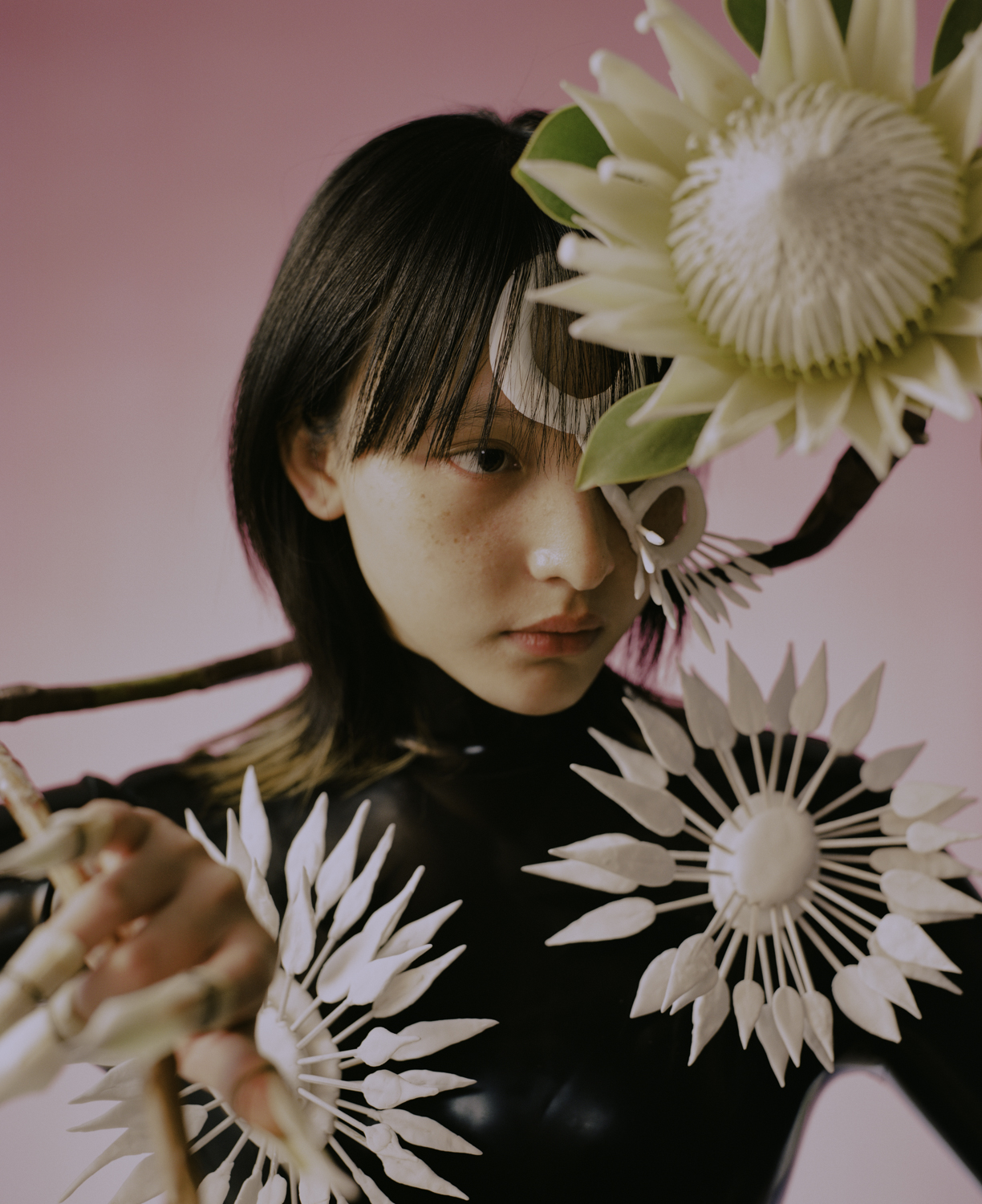
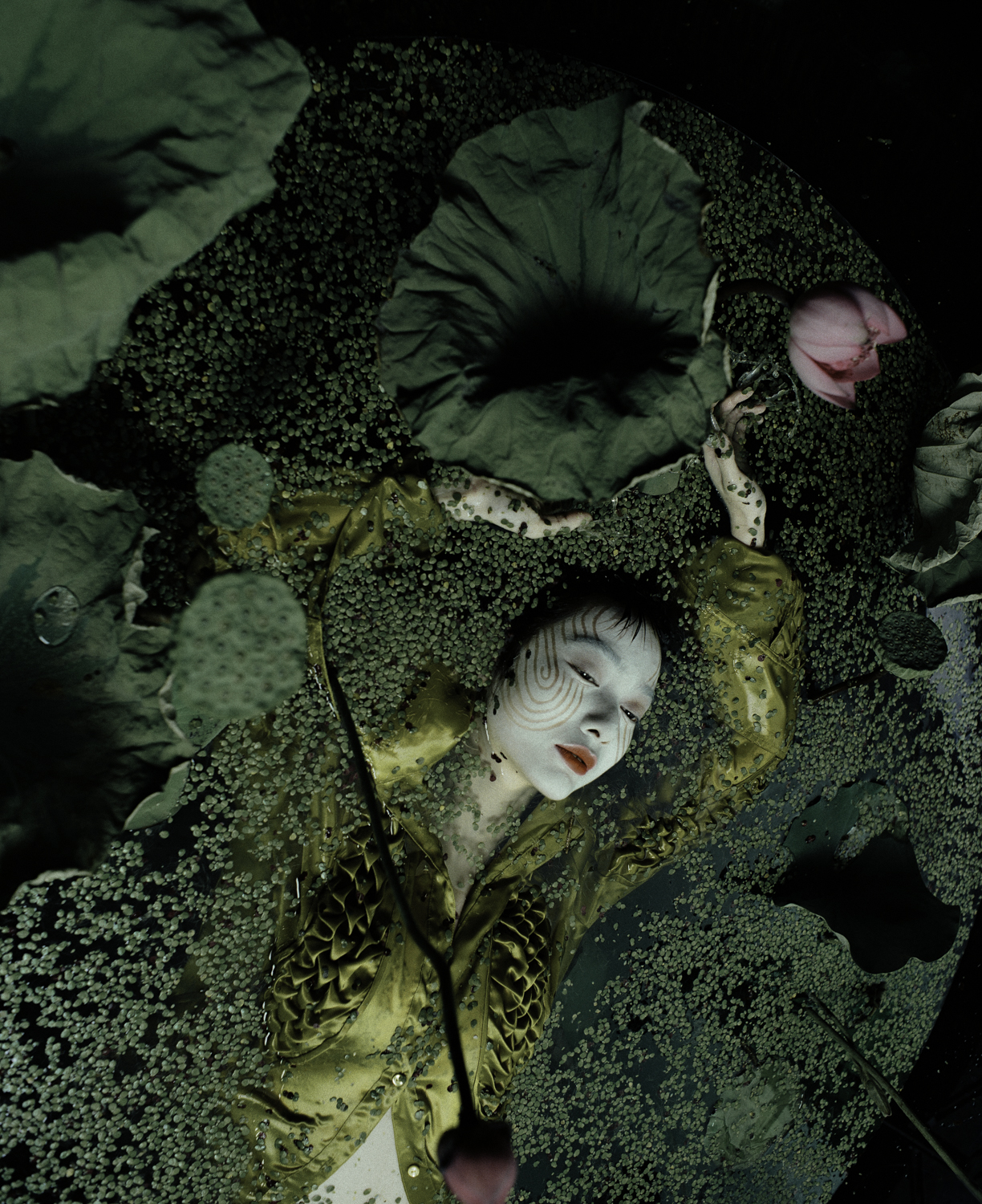
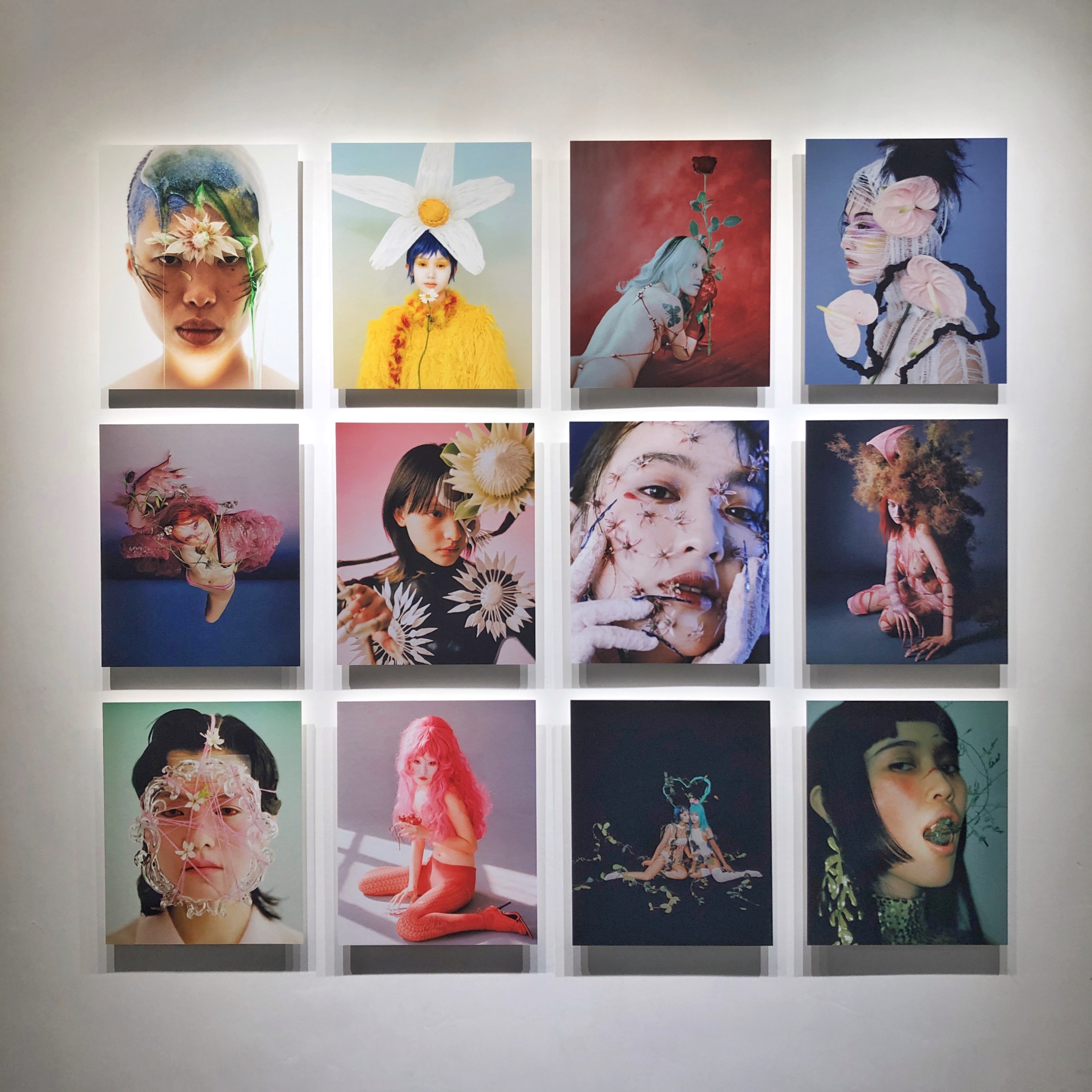
創作於2009年的「I Miss You Already」系列,則把鏡頭對準赤裸的自己,利用身體作為表達媒介。「取名時我更傾向於不具象的、浪漫詩意的名字,畢竟我的作品是feeling-project,它們更多的是傳輸一種情感。」當時,他在意大利做駐地藝術家項目,在一個封閉、黑暗的洞穴裏,做起瑜伽的輪式動作,將身體支撐成一道拱門,創作出該系列首張作品《Self-portrait(Bent)》。成長於都市的他對大自然特別嚮往,不論是身處樹林或湖邊,總想着以身體融入大自然。「創作對我而言,就是對大自然空間作出的本能反應,把身體融入空間。」
華人世界對於裸體相對較保守,也曾有人覺得他的作品很情色,然而他對於赤裸並無任何「罪惡感」,只想透過身體讓人感受到情緒,而這種感受情緒的途徑就是攝影。「肢體的美感是很主觀的東西,拍攝時我不會去刻意琢磨肢體動作,只想以最自然、最真實的狀態展示出來。」他把《I Miss You Already》視為自我回顧和自我探索的過程,十年過後,除了年齡、外表的轉變,更多、更複雜是內心的變化,反映出不同階段的自己。「任何人在十年裏都會有變化,個人經歷讓人更成熟,思想上也有很多改變,這些都在我的作品裏表現出來。」
Hong Kong, in the 1950s and 1960s, has an unadorned beauty. There were not many skyscrapers around, and sunlight always left long shadows on the streets and pedestrians. The late photographer James Chung (鍾文略, 1925-2018) once captured that era’s exquisiteness and aesthetic. The exhibition “Long Shadow-James Chung” is like wandering in Hong Kong’s past, immerse yourself in the beautiful light and shadow.
Under the Windows, North Point, 1958
When James Chung came to Hong Kong from Guangdong in 1947, his grandmother gave him two gold bars. According to his eldest son Stanley’s recollection, he exchanged gold bars to work as a movie advertisement apprentice in the theater. He was often exposed to celebrity images, and that spark his interest in photography.
Water Lily, Central, 1957
James Chung bought his first camera in 1957. After the store clerk explained the basic knowledge of aperture and shutter, he immediately rushed to the Zoological and Botanical Gardens. He photographed the shiny lotus flower under the sunlight, and it became his iconic work in early times. Unexpectedly, the image is quite exquisite and published in newspapers and magazines. He bought more film and photographic paper with the remuneration to continue his hobby.
Let There Be Light, Wan Chai, 1957
As an apprentice of movie poster painter, he often stayed in the cinema, which allowed him to observe the light differently. Sometimes the theater staff raised dust when cleaning, and it looks stunning under the sunlight streaming through the windows. Although James was new to photography, he has a unique sense of light and shadow. According to Stanley’s recollection, he always has artistic visions. Benefit from his painting and woodcarving experience in his early years. He created his extraordinary skills in photography.
Qipao Elegance, Central, 1961
Double Braid Amah, North Point, 1963
Although living conditions in the 1950s and 1960s were difficult, he still insisted on photographing every day. Sometimes, he pawned the camera to buy photographic paper and then used the prize money from the photography competition to redeem the camera. What made James determined to devote himself to photography was his participation in the newspaper’s Photography Competition in 1958. He went out early to take pictures every day and carry a camera even on duty.
Gaze, Kowloon Tsai, 1958
There was a time when his job was to whitewashed a school’s walls. He took pictures of the building in his spare time and later invited his wife and classmate to model inside the school. He captured a triangular pattern from the bottom of the building. The stunning image won a camera in the contest, which significantly strengthened his confidence and continued to improve his photography skills through the competitions.
New Frontier, Kwun Tong, 1962
In 1963, under the introduction of director Li Han-Hsiang, he worked for a film studio. His job was to create movie stills and actors’ portraits, preserving visual memories for many filmmakers. After that, he founded a photo studio in 1968 to engage in the photography and printing business until he retired in 1991. During the most exciting 30 years of his life, photography has been inseparable.
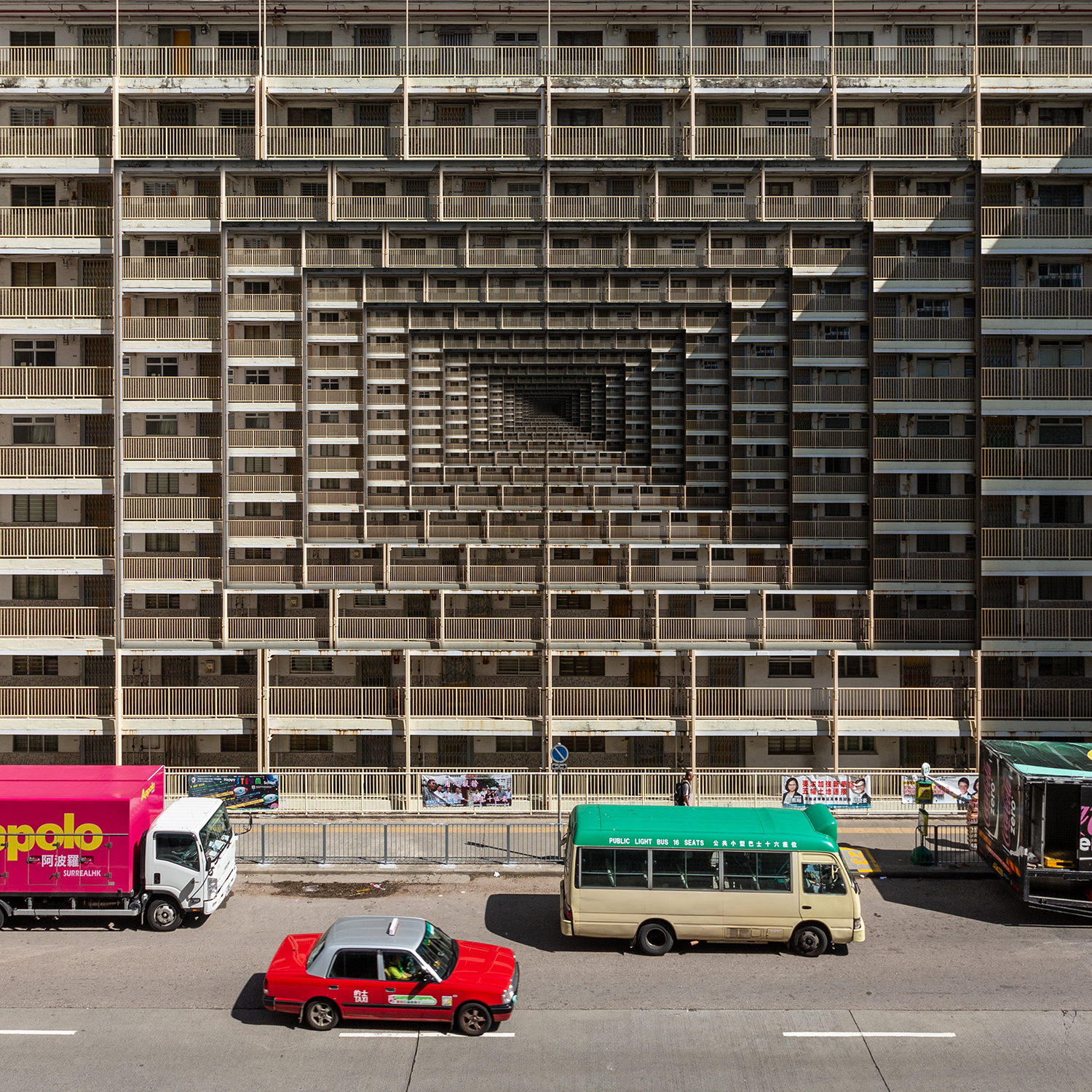
Tommy的照片並非一味搞笑,作品背後都有深層意思,藉此喚起大家關注、討論各種社會議題。早於2013年,身在南美的他曾創作講述空氣污染問題的作品《瓶中香港》(Hong Kong in Bottle),隱喻港人被困在一個充滿煙霧的玻璃樽,作品還入選WYNG大師攝影獎。2017年初,他成立「SurrealHK」,儘管呈現手法不一樣,但以攝影關注社會議題的想法早已埋下。
When the public housing unit becomes dominoes in the “Tetris” game, which offers a fascinating glimpse of the surreal life in hong kong, photographer Tommy Fung added his work a description. ”What if the housing problem in Hong Kong is a game? Are we going to win or lose?”
Tetris was all the rage in the 1980s and 1990s. Tommy also played this game when he was a child, and it inspired him to create the Choi Hung Estate unit as “flat dominoes,” which he made for the latest exhibition. “The dominoes of Tetris will drop faster and faster with the difficulty of the game, and it is easy to game over if you are not careful. How to solve the housing problem and win the game is worth discussing.”
Choi Hung Estate has become the most photogenic spot in Hong Kong. Its rainbow-colored external wall hooked visitors. Meanwhile, the residents living inside the Estate are facing the problem of inadequate living space. Tommy Fung copied and shrunk the colorful outer walls of buildings, turning them into infinite smaller subdivided units, pointing out the problem of subdivided flats.
Another artwork is about Wah Fu Estate. He used the same method to present the infinite composition as a metaphor for public housing’s long waiting time. He made the image into a three-dimensional installation, and the layer of images strengthen the message—the more beautiful on the surface, the more absurd the truth behind it.