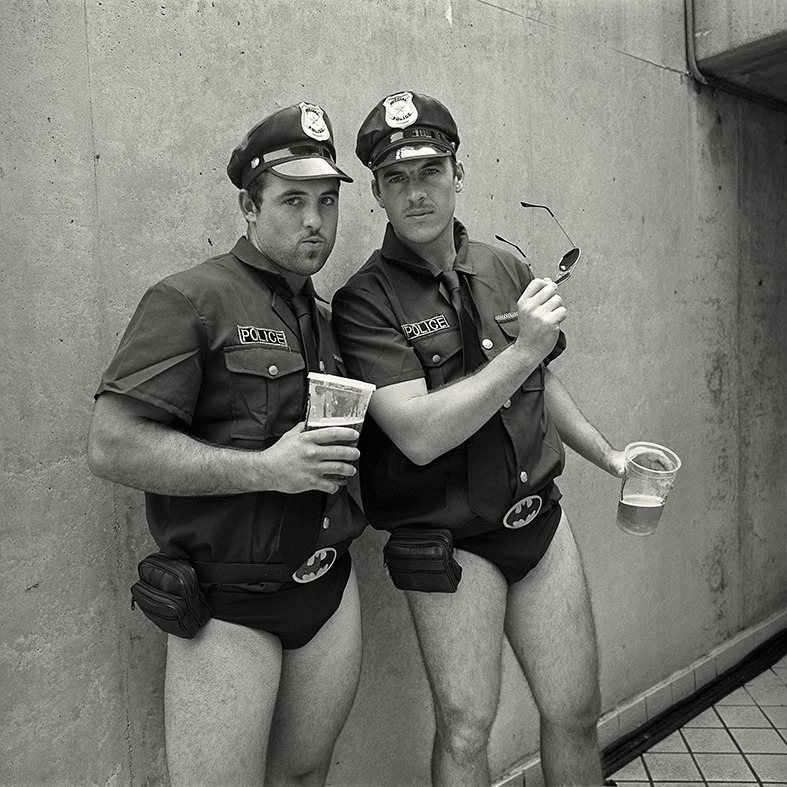
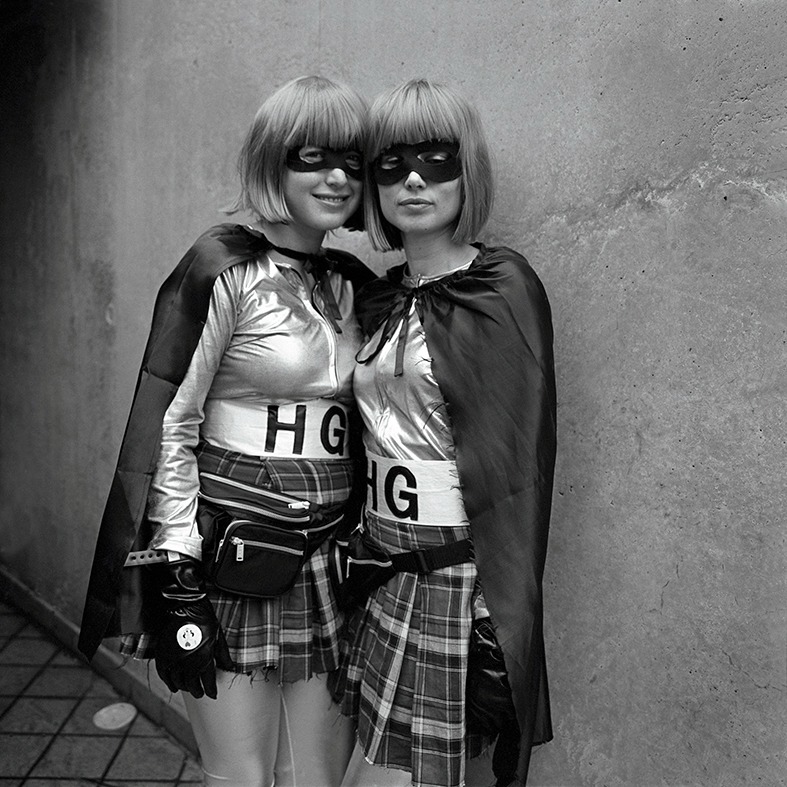
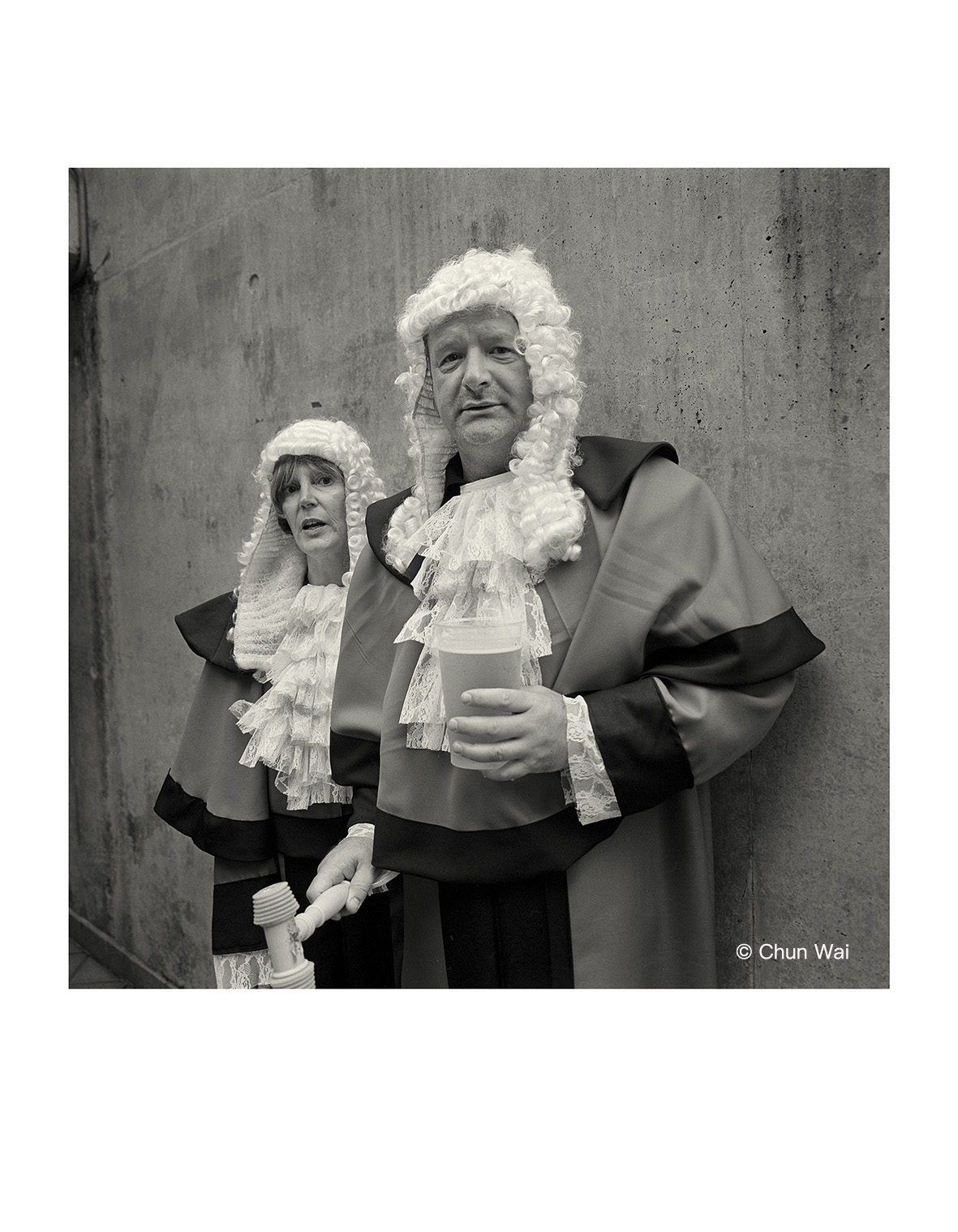
PhotogStory is pleased to present “A Revelrous Heterotopia – The South Stand of Hong Kong,” a solo exhibition by Hong Kong photographer Chun Wai at Kubrick in Yau Ma Tei from 3 July to 30 August 2023.
The Chancellors, cardinal, batman, court nobles, disheveled policemen, Snow White, and a lame ballet dancer will be on stage at Kubrick bookstore, surprisingly.
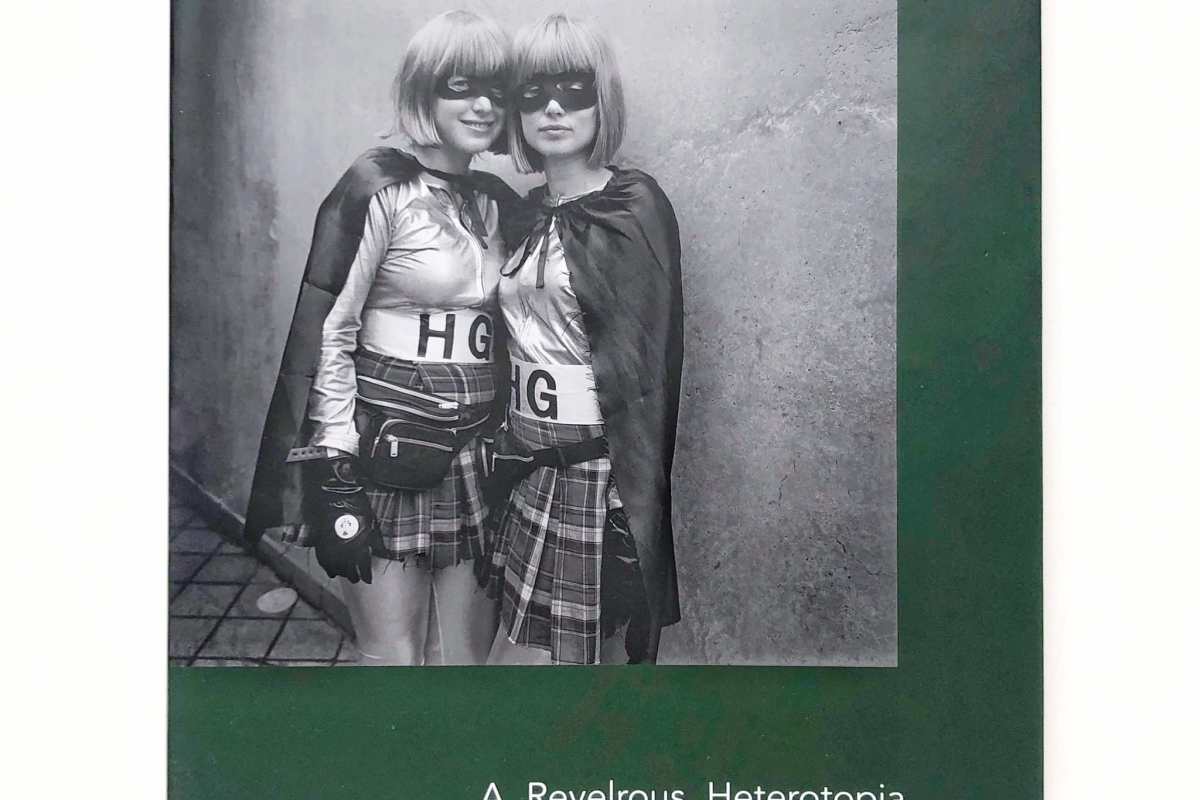
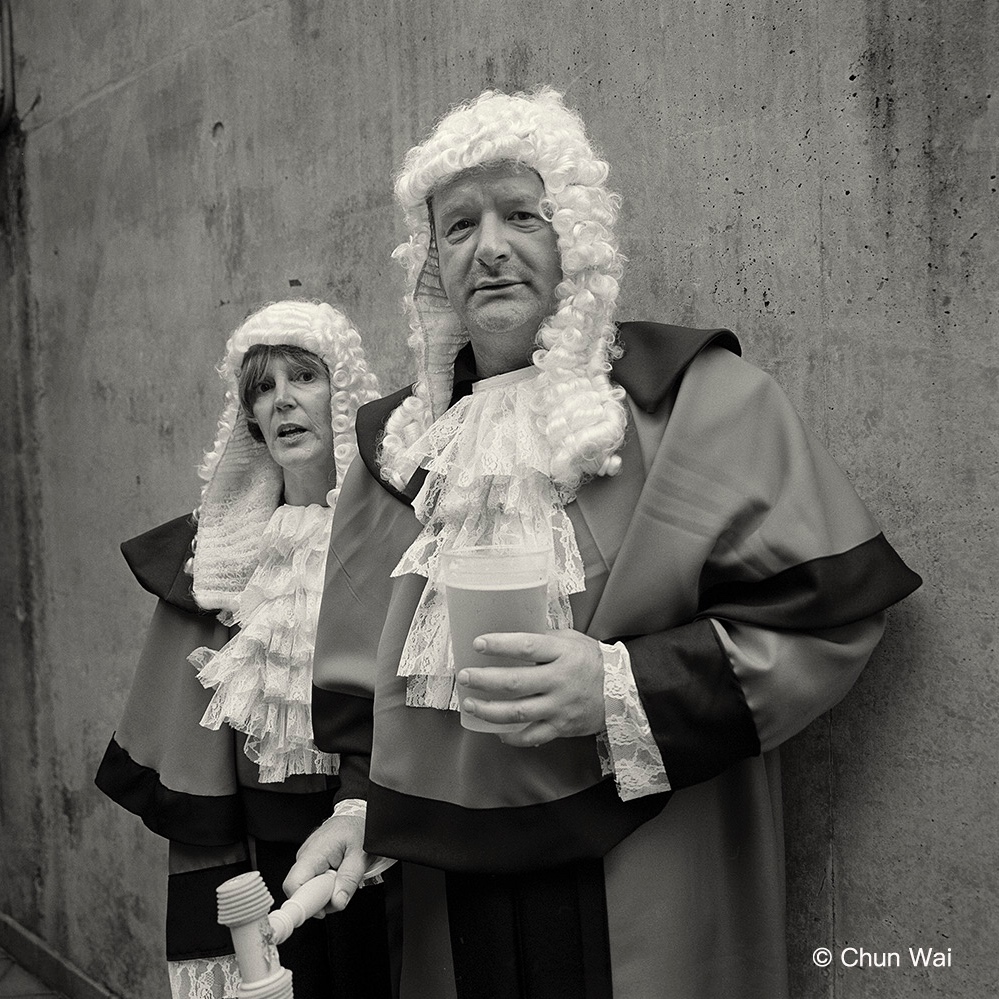
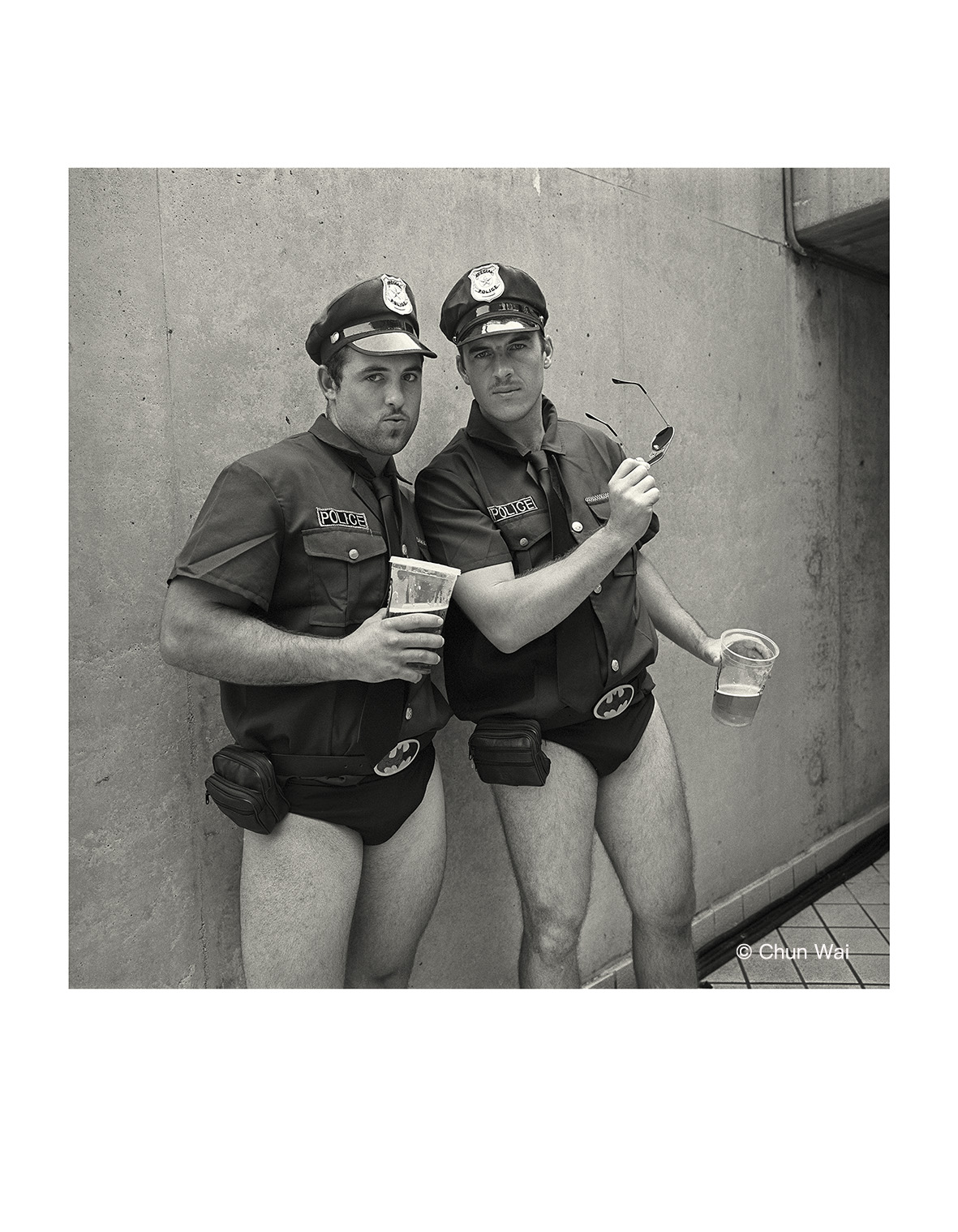
Chun Wai’s photo project – A Revelrous Heterotopia – The South Stand of Hong Kong, is elegant and absurd. For more than 20 years since 1995, he recorded diligently the snippets of life that transpired in the Hong Kong Sevens. With his rigorous visual senses, each captured moment was examined for its inner meaning and metaphor.
The photographer cleverly used the cold background of the concrete wall with a medium gray scale color tone, slowly pushing the inner tension of the image. The hilarious character roles and the comic-style visual element as if they come from an indefinite time and space.
The exhibition is accompanied by the homonymous photo book at the Kubrick bookstore.
The book contains over a hundred portraits and three essays that provide readers with different perspectives, exploring issues such as the reverse thinking inspired by the origin of rugby, the association between the phenomenon of raving fans and the meaning behind the “Carnival Culture” proposed by the former Soviet literary theorist Bakhtin, the relationship between photography and theatre and the language and thinking of photography.
A Reverlous Heterotopia -The South Stand of Hong Kong is a light-hearted, humorous collection of photographs and a photo essay presenting a different thought.
A Revelrous Heterotopia – The South Stand of Hong Kong
Date: 3 July – 30 August 2023
Time: 11:30am-10pm (Every day)
Address: Kubrick, Shop H2, Prosperous Garden, 3 Public Square Street, Yau Ma Tei
秦偉曾多次獲頒人權新聞獎。已出版作品包括《異域狂歡》、《時間的漫遊》、《另一段的地平線》、《在天堂之下》及《板間人生》。作品獲香港大學美術博物館、香港文化博物館、法國Mulhouse市政府、阿根廷薩塔爾當代美術館(Museum of Contemporary Art of Salta,Argentina)收藏。
Born in Hong Kong and educated at the École supérieure des beaux-arts de Mulhouse in France, photographer Chun Wai’s perspective lies in his humanistic vision and macro-historical framework in interpreting the changing world. His project covered a vast area in the region, including Hong Kong. His work is full of a sorrowful yet romantic mood and reveals his personal landscape. The phantasmagorical image like a rhythm poem of a stray, is a unique work of art.
About PhotogStory
PhotogStory is an online Photography platform and Guest Curator based in Hong Kong. We focus on stories of local and international photographers and stories behind classic photos.
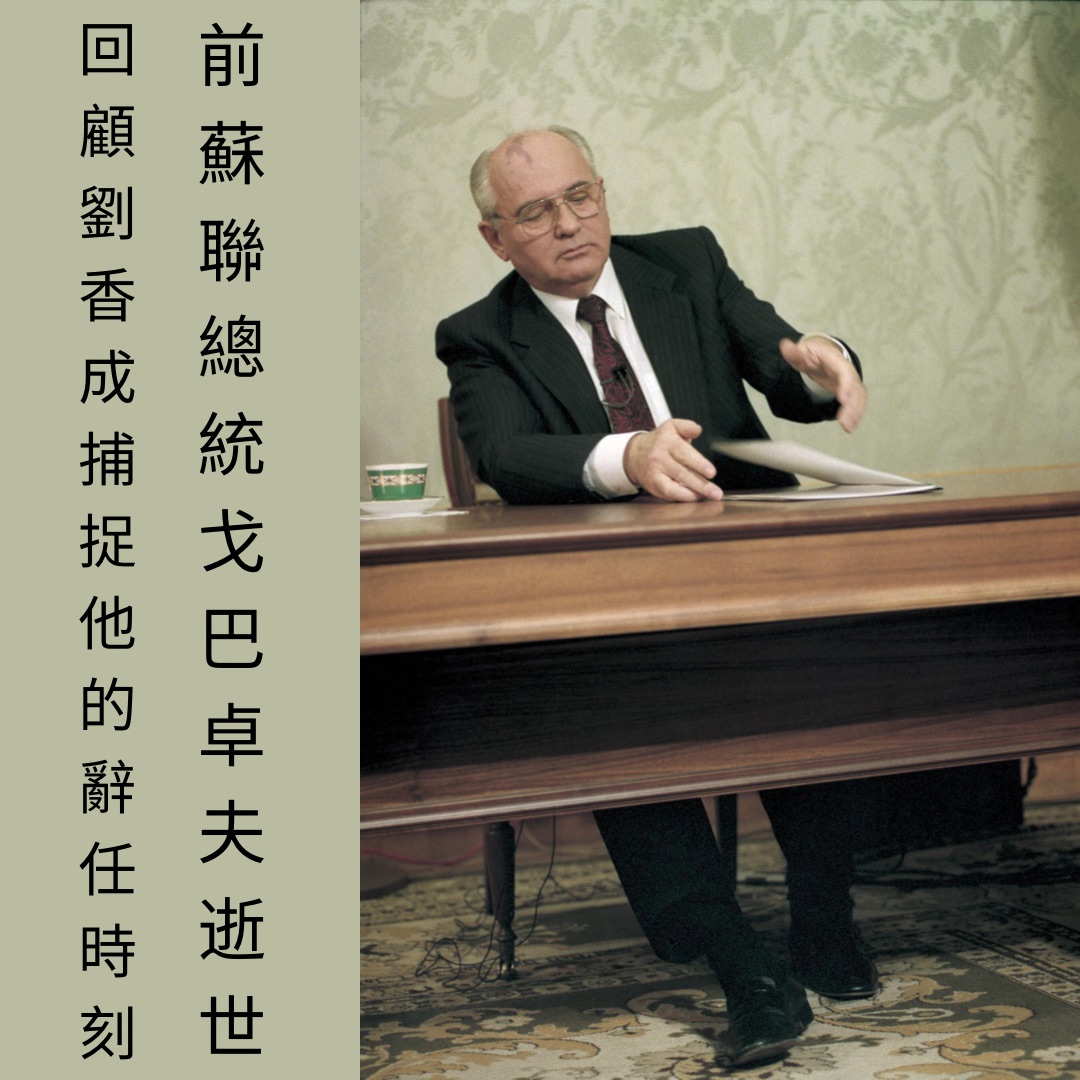
Mihail Gorbachev folded his speech after a televised broadcast to the nation from the Kremlin in which he announced his resignation from the post of General Secretary of the Soviet Communist Party, Moscow, on December 25, 1991, which represents the Dissolution of the Soviet Union. Associated Press Moscow correspondent Liu Heung Shing took this historical image. Here is how he recalled the moment in his book “A Life In a Sea of Red.”
“In order to capture this milestone in 20th-century history. I decided to focus on the moment when, at the end of his speech, Mihail Gorbachev signed his resignation paper. To make it work, it had to be done with a slow shutter of 1/30 second. Only this would show the motion of the speech paper as he laid it down on the table in front of him and, in so doing, laid to rest the U.S.S.R. With only one chance to get the shot at his moment, I had to take what was a calculated technical risk. The slow shutter speed could just have easily resulted in an entirely blurred picture.”
In 1992, Liu shared a Pulitzer Prize for Spot News Photography with his colleagues for documenting the collapse of the Soviet Union. On August 30, 2022, Mihail Gorbachev died in Moscow at the age of 92.
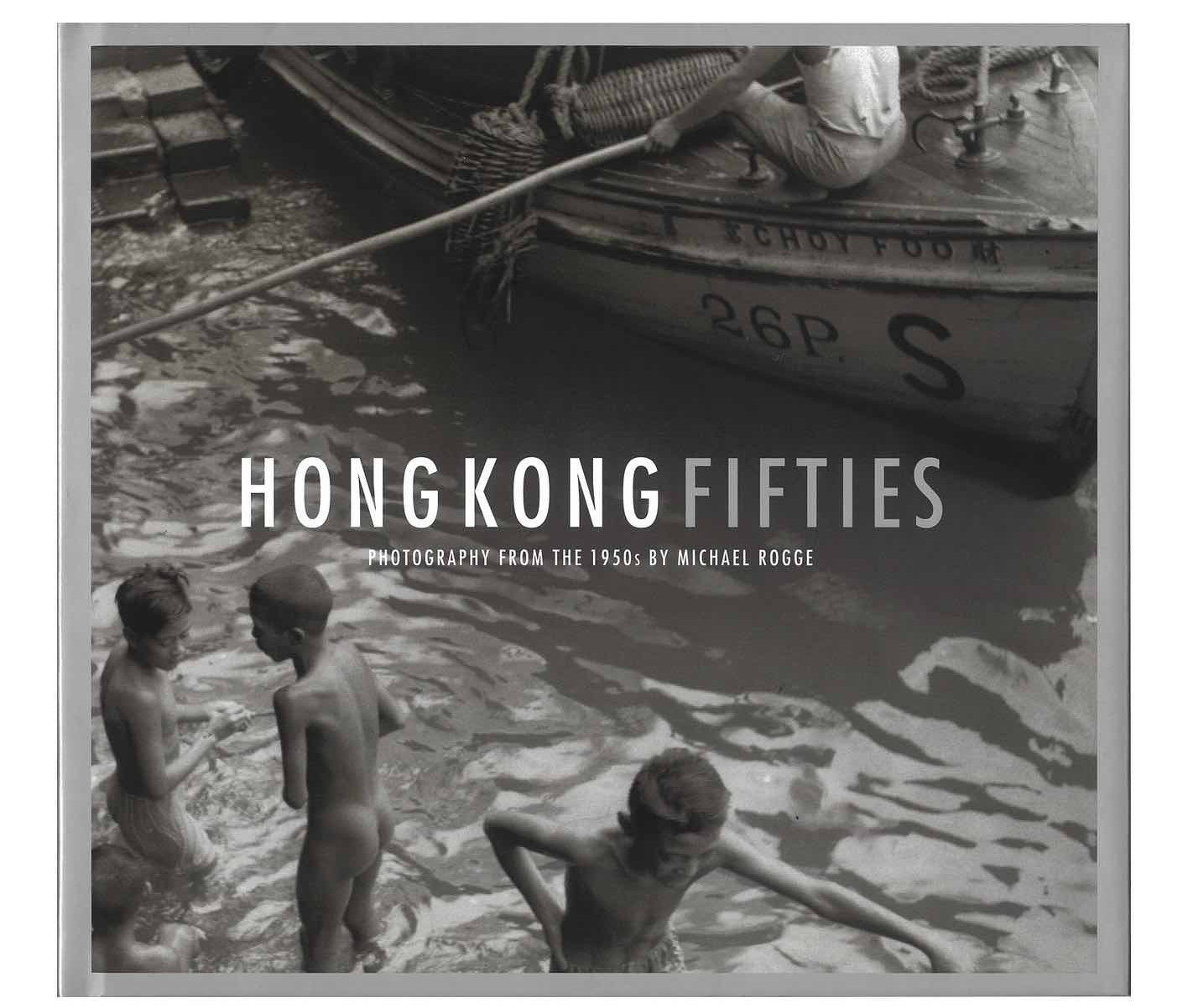
Michael Rogge是當時少有在香港拍攝16米釐片段的攝影師,1952年,他是HK Amateur Cine Club聯合創辦人之一,留港數年間拍攝許多珍貴片段。十多年前他開始在Youtube公開當年拍攝的片段,這些影像引起很大迴響及關注,連在影片中穿插的舊香港照片也引起人們的興趣。2010年,中環Tao Evolution畫廊邀請他舉辦攝影展覽,並出版攝影集《Hong Kong Fifties》,他的故事及照片在香港也逐漸為人所知。
攝影集《Hong Kong Fifties》,54頁,精裝版,26.4 x 32.8cm,HKD250。「顯影·書櫃」 @photogshop 有售。
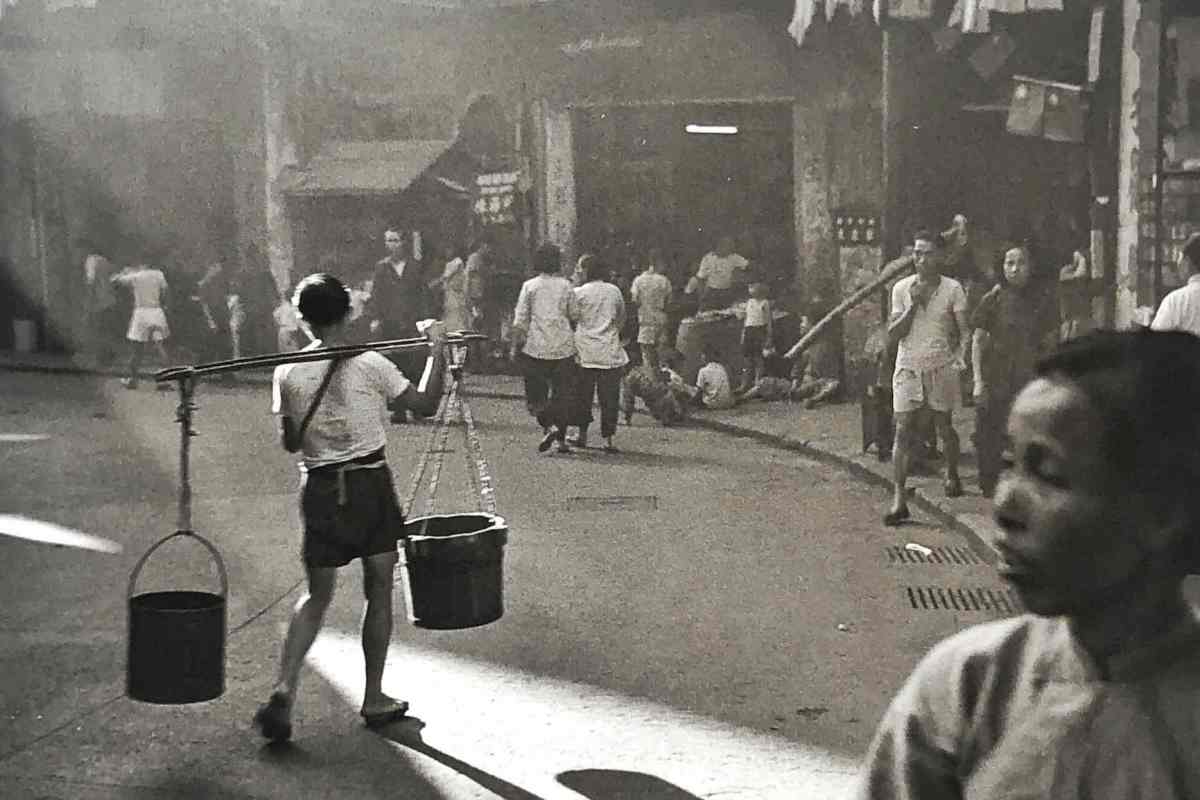
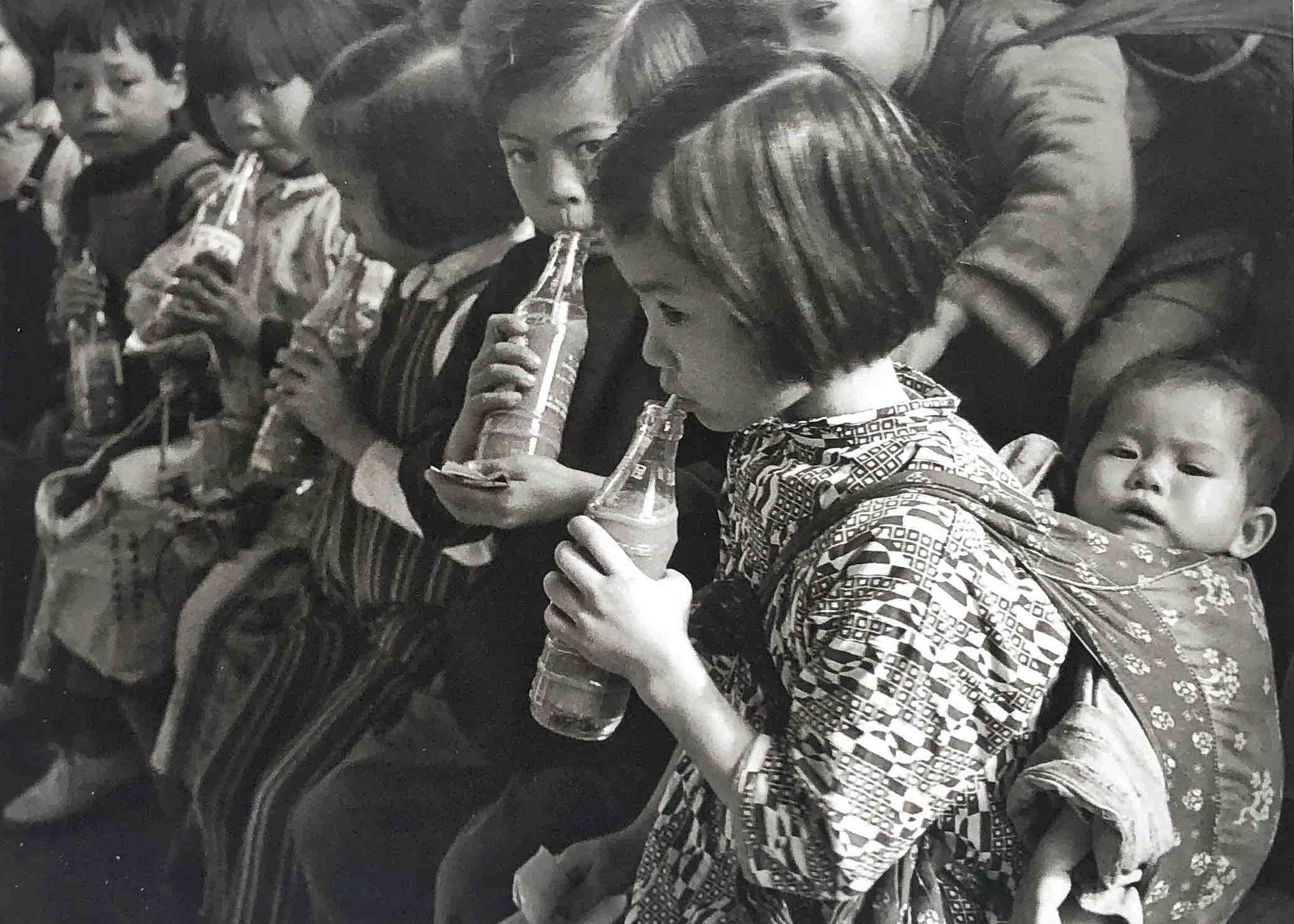
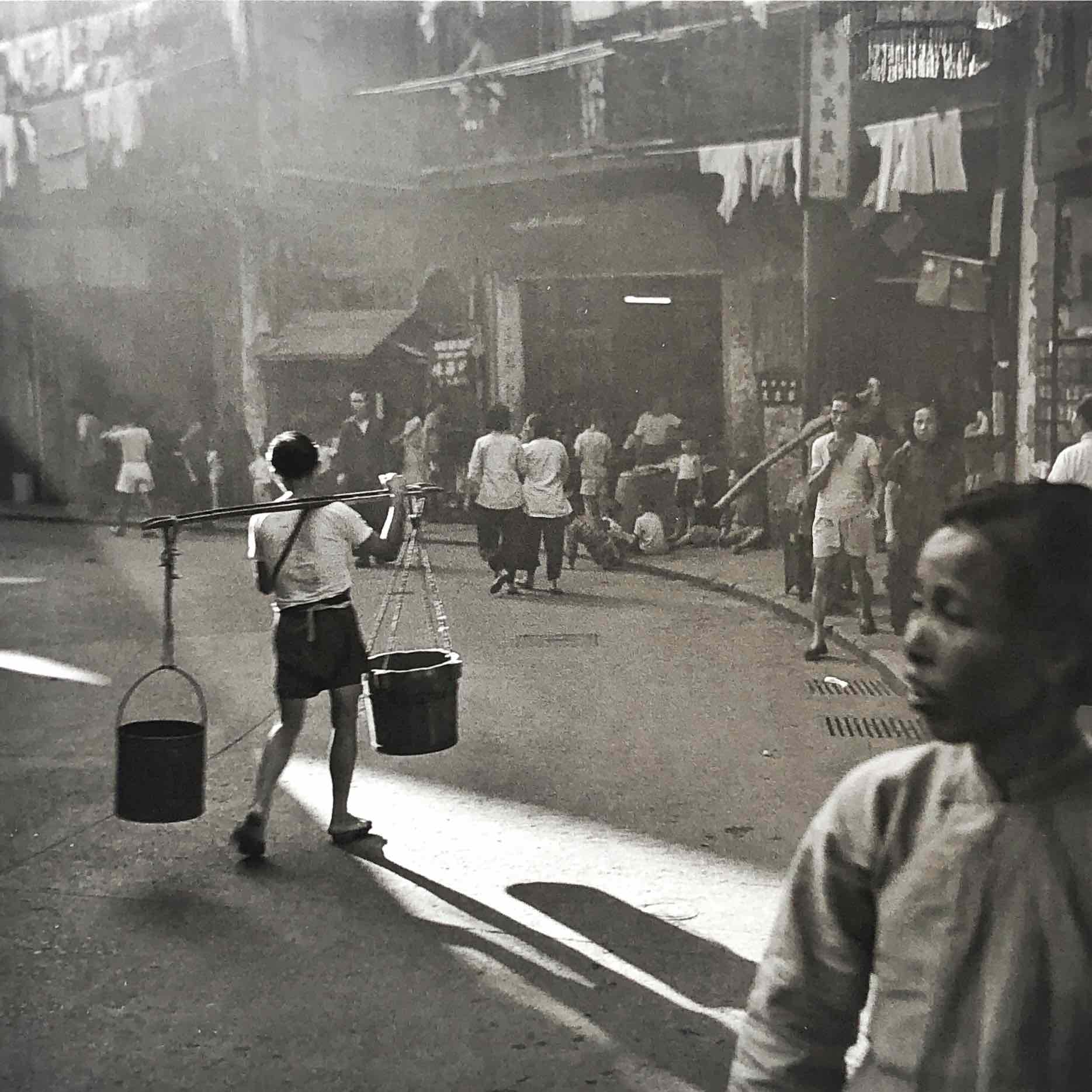
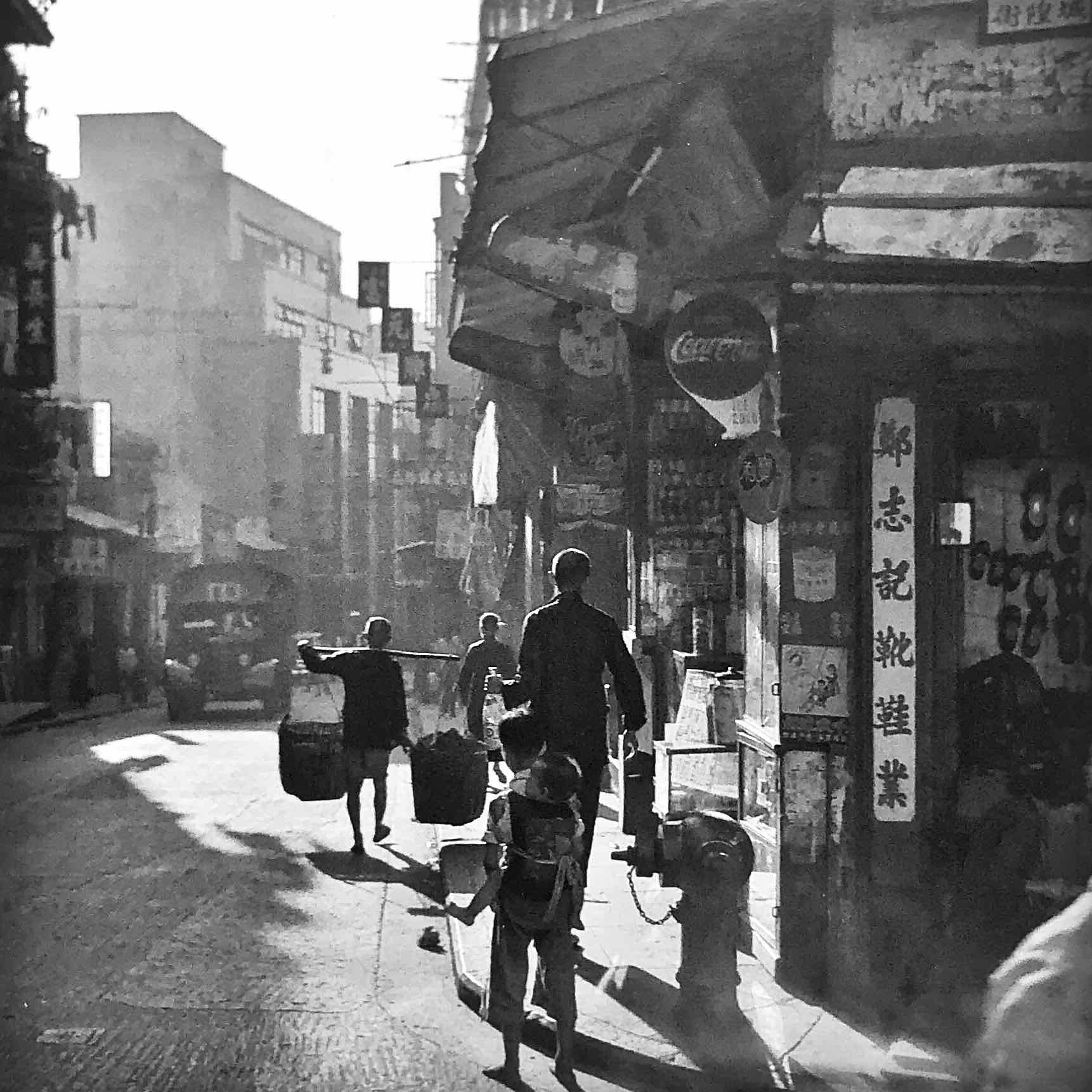
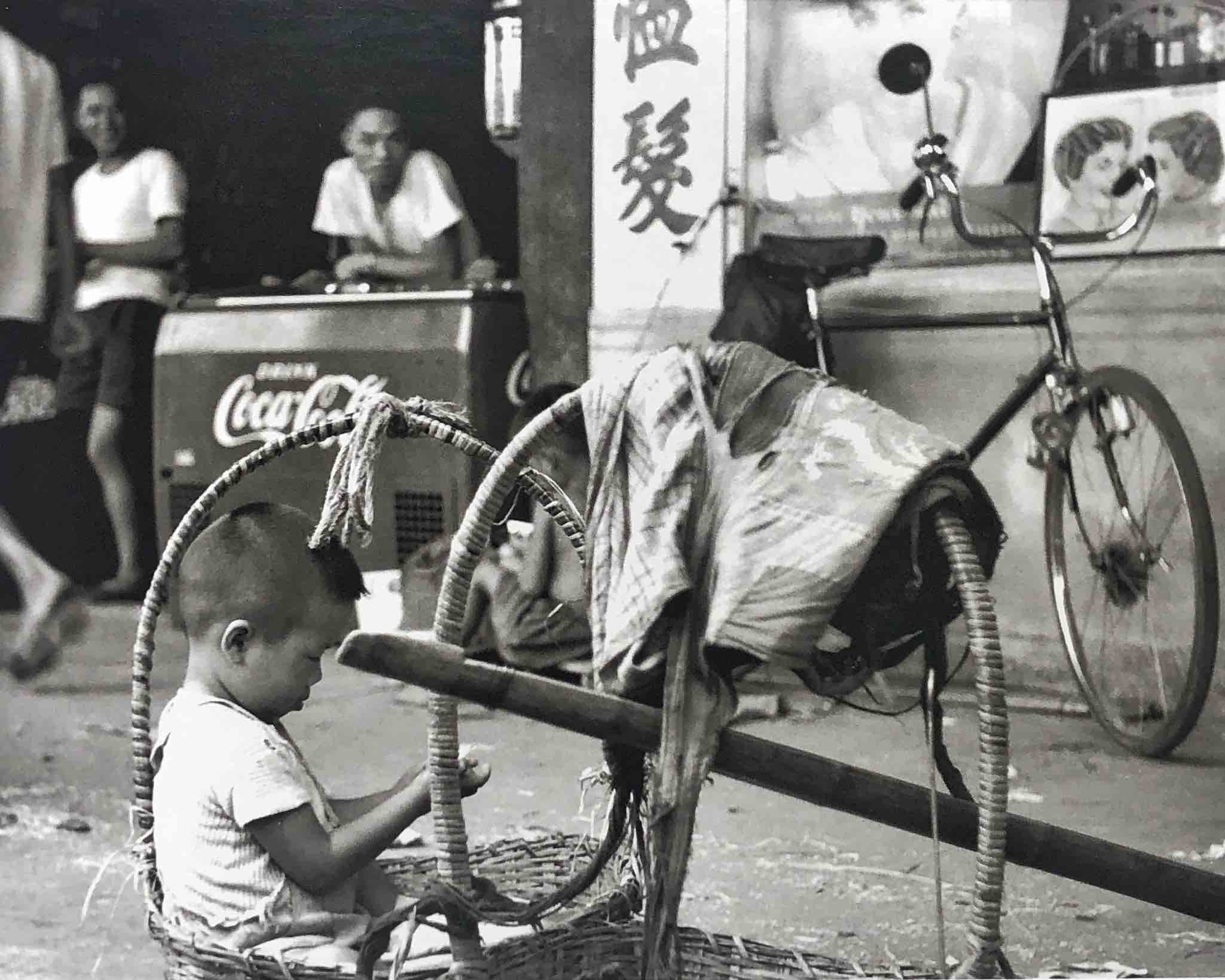
The 94-year-old Dutch photographer Michael Rogge set foot in Hong Kong in 1949 to work for a Dutch Bank. He has been a genuine enthusiast of photography and filmmaking since childhood. He always carried a small Kine Exakta 135mm camera and a Paillard Bolex movie camera to walk through the streets of Hong Kong to document people’s daily lives. Street barbers, letter writers, and passers-by carrying wooden barrels with a shoulder pole, his camera witnesses the life of ordinary people in Hong Kong at that time. Children are always seen under his lens, little girls drinking beverages with younger siblings on their backs, a boy sitting in a rattan basket, and the kids swimming at the pier.
Michael Rogge left Hong Kong for Japan in 1955 and then briefly returned to Hong Kong in 1961 to continue photographing the city. After 28 years, when he returned to Hong Kong in 1989, the city underwent tremendous changes in the era of economic take-off. Many colonial buildings had long gone, and the country lanes in Shatin became concrete roads. The images he recorded can hardly be seen anymore.
對秦偉而言,香港國際七人欖球賽作為香港回歸後碩果僅存的大型英式體育文化活動之一,其實是有象徵意義的。1993年,在法國留學多年的他回到香港,思考如何捕捉這座殖民地城市的最後歲月,於是萌生拍攝七人欖球賽的念頭。從1995年至2018年期間,秦偉幾乎每屆賽事均會在南看台附近為裝扮趣怪的球迷拍攝肖像,這些照片最近結集成攝影集《異域狂歡 香港的南看台》(A Revelrous Heterotopia – The South Stand of Hong Kong)。
多年來,秦偉拍攝過數以百計的球迷照片,在攝影集中,他以球迷所扮演的角色並置,天使與神父、蝙蝠俠 vs 超人、蘇聯士兵與公安,可見排版與編輯的心思。當這些照片以並排的手法呈現時,既有歸類效果,同時也加強觀看時的趣味,令人不禁好奇下一頁會是甚麼角色。事隔三年,香港國際七人欖球賽去年尾再次在香港大球場舉行,重看這些作品時,不免有久違之感。
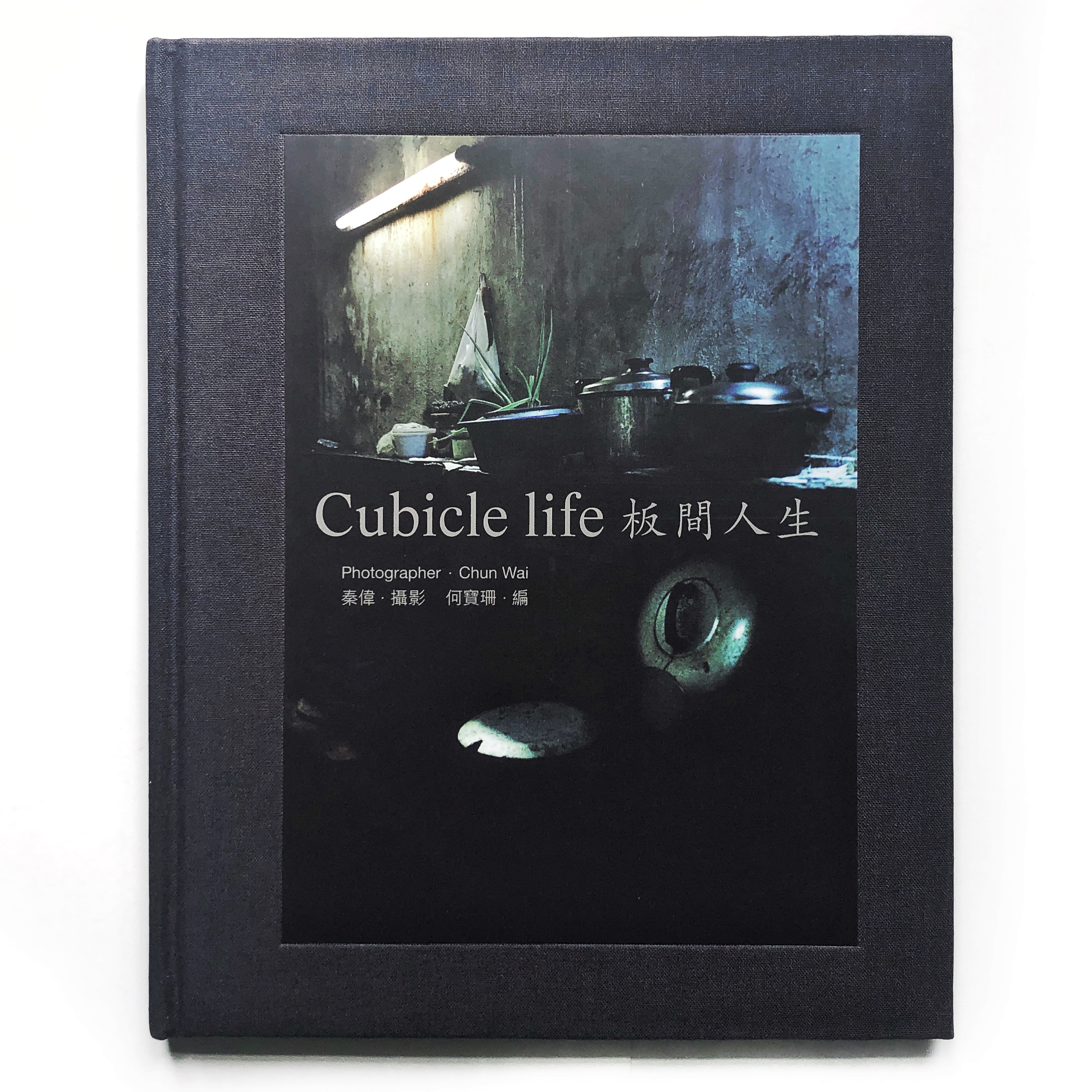
Chun Wai’s Cubicle Life narrates the livelihood of the poor in Hong Kong. These people have no alternative but to dwell in cubicles that have an area of only three to four square meters. These cubicles usually do not have windows; thus, the air does not circulate, and the atmosphere becomes stuffy. The room is unbearably hot in summer, and bed bugs run rampant, making it an extremely harsh living environment.
People dwelling in these cubicles are mainly the grassroots who have no means of changing their destiny. They barely exist below the poverty line, with poor quality of life and confined social networks, and thus often live in a passive, lost, alienated, and melancholy, sub-health mental state of mind.
The stories of cubicle dwellers are presented from cinematic angles through touching scenes, portraits, and point-of-view shots. With great sensitivity to color and tonal subtleties, a highly coherent body of powerful images has been created. Chun Wai deftly uses medium shots and close-ups to connect and interact with the subjects. The results were honest yet unobtrusive – to capture the characters on camera with their dignity.
Martin Heidegger, exploring Taoism in his later years, ruminated over the phrase:
‘Poetically man dwells.’
This is a state of life.
We must remove the shackles of alienation and oppression before we can end inhuman states of existence and enable every individual to reach their true potential.
Cubicle Life highlights the lives buried under the dictates of elitism revered by our society. It also exposes the plight of the underprivileged in a situation where they are deprived of any opportunity for upward mobility. It also attempts to find out the meaning of life and the worth of human existence.
Boogie Woogie Photography & PhotogStory are pleased to present « My Hong Kong, 我城 (Part II) », a group exhibition at the Loft in Wong Chuk Hang from 15 October to 27 November 2022.
Every city has its own story to tell. More stories are yet to be told in a vibrant and bustling city like Hong Kong. Following the success of the exhibition « My Hong Kong, 我城 », we are thrilled to present Part II, comprising twelve Hong Kong and international photographers’ artworks about the city.
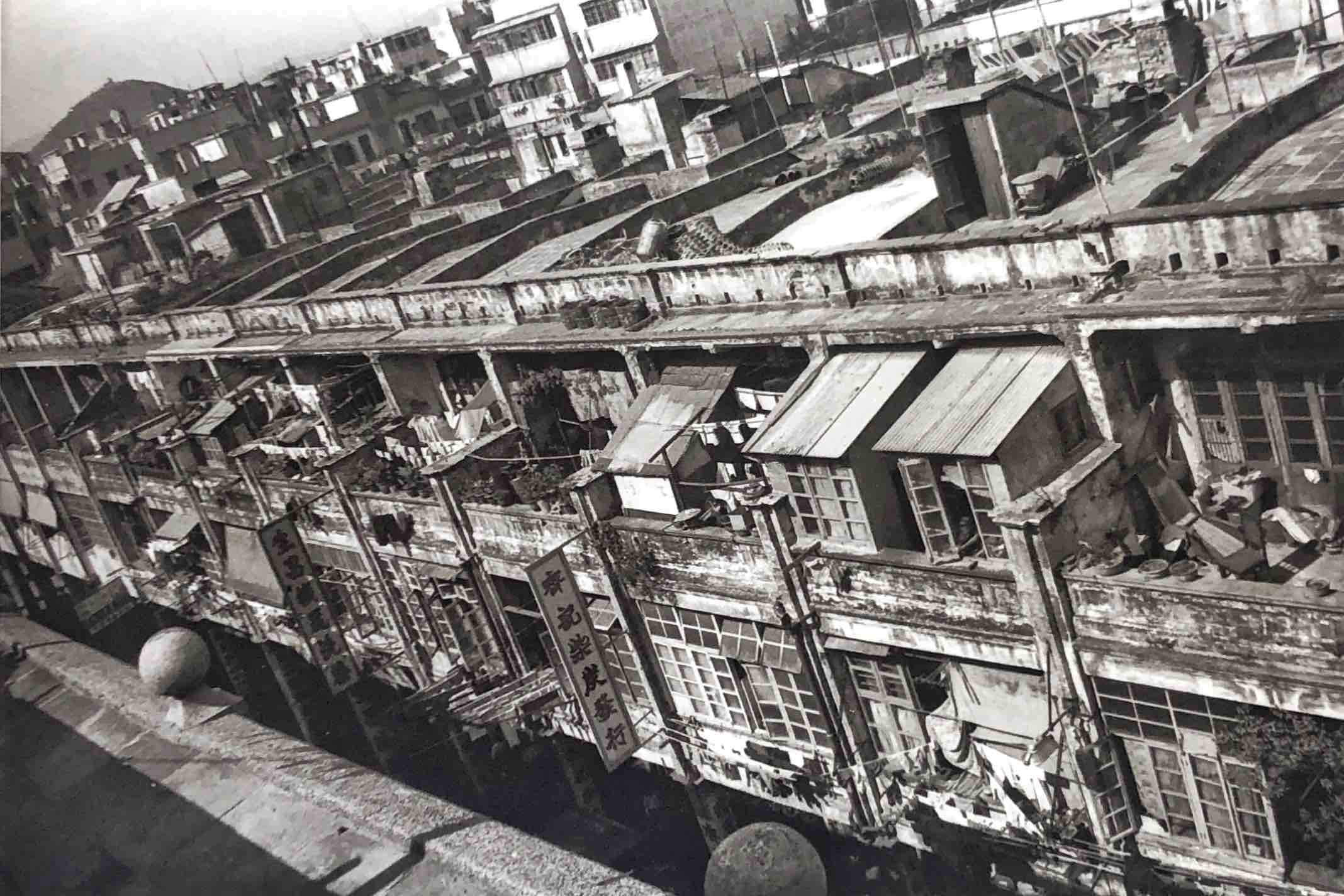
Raymond Cauchetier, Hong Kong, 1954. Photo Courtesy of Boogie Woogie Photography
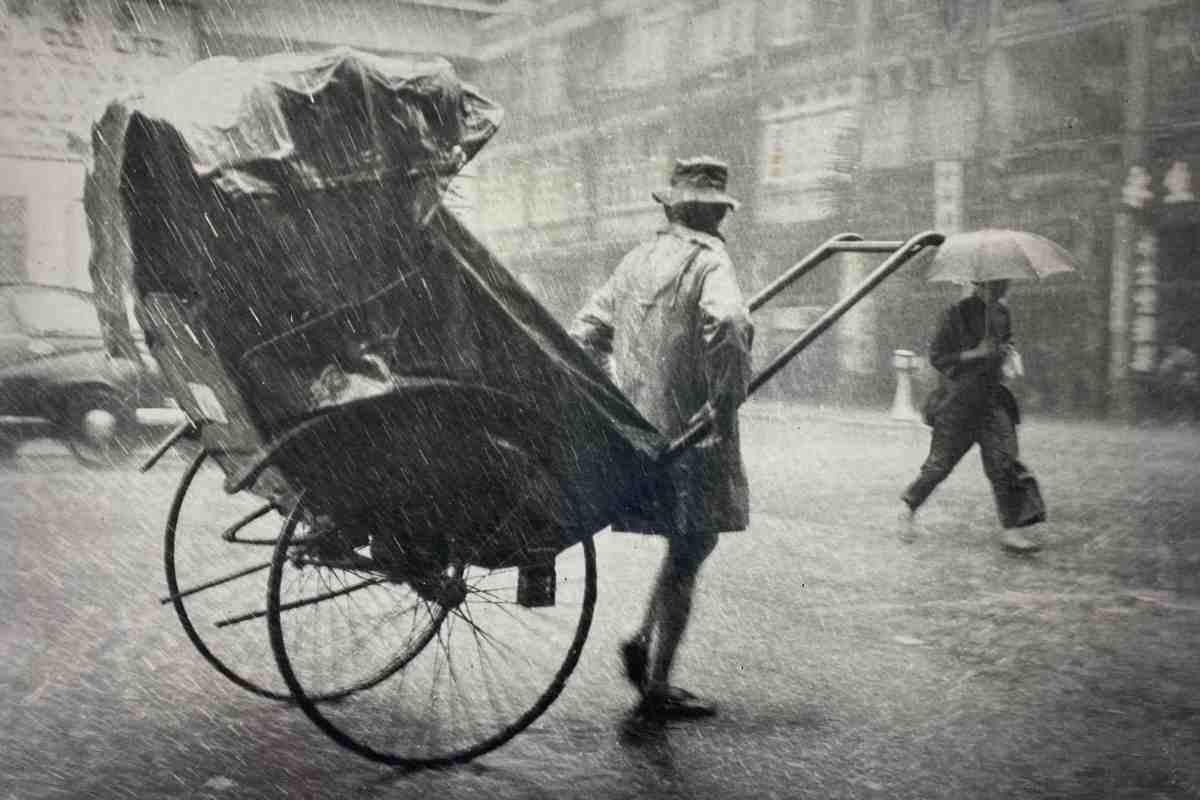
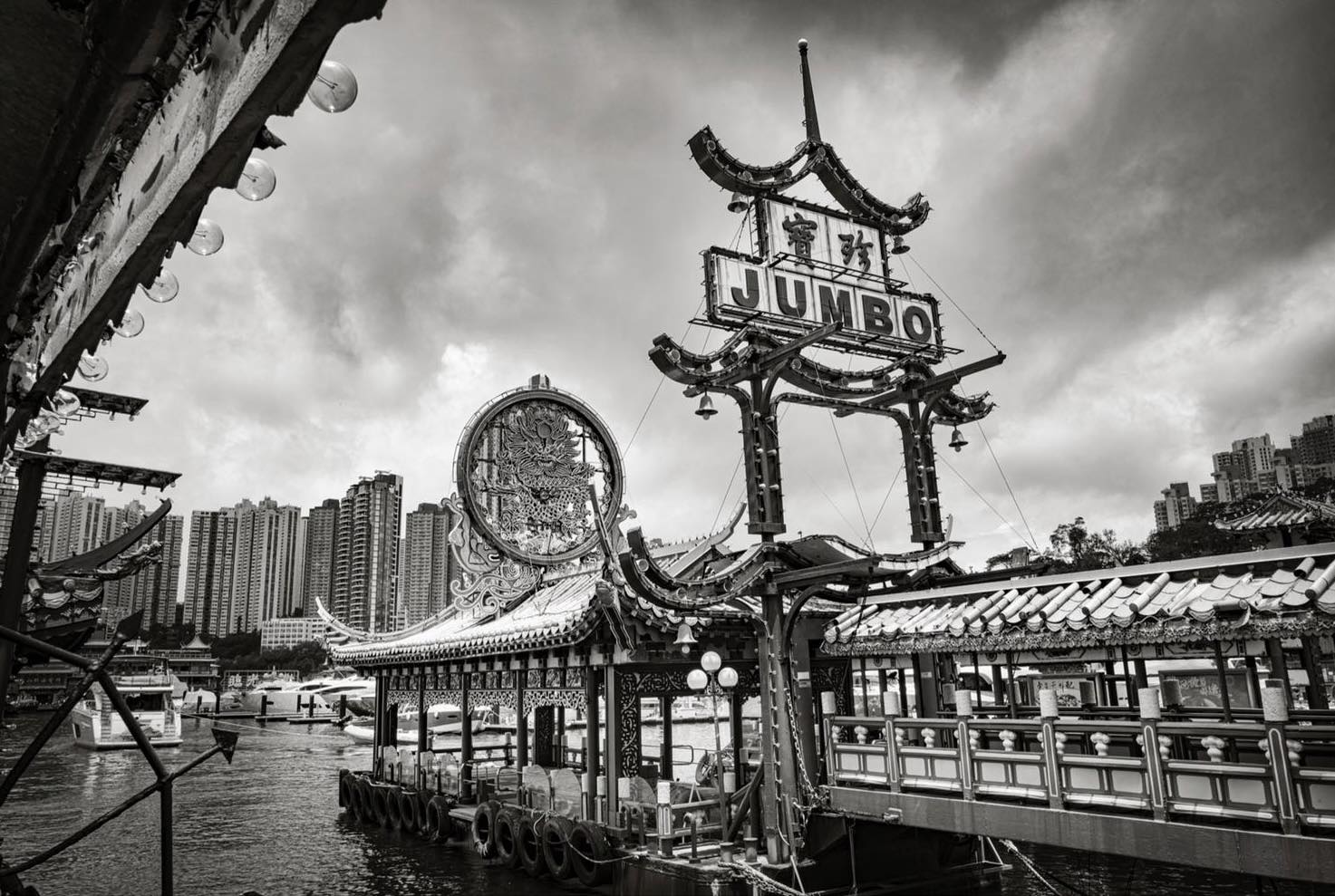
Everyone sees and feels the city from their perspective. People who have been to Hong Kong at different ages always have a reason to fall in love with the city. Raymond Cauchetier and James Chung‘s cityscapes from the 1950s and young talents’ impressions of Hong Kong are on display.
Even though Cauchetier and Chung lived in different worlds, they had similar paths. They were both self-taught photographers and recorded Hong Kong’s street scenes nearly seventy years ago. Their images reflect people’s simple life at that time. Later, in the 1960s, Cauchetier became a set photographer for the French New Wave and Chung for Hong Kong films. With the passing of Jean-Luc Godard in September of this year, Cauchetier’s photographs brought back vivid memories of the French New Wave director, which left a critical testimony of the golden era.
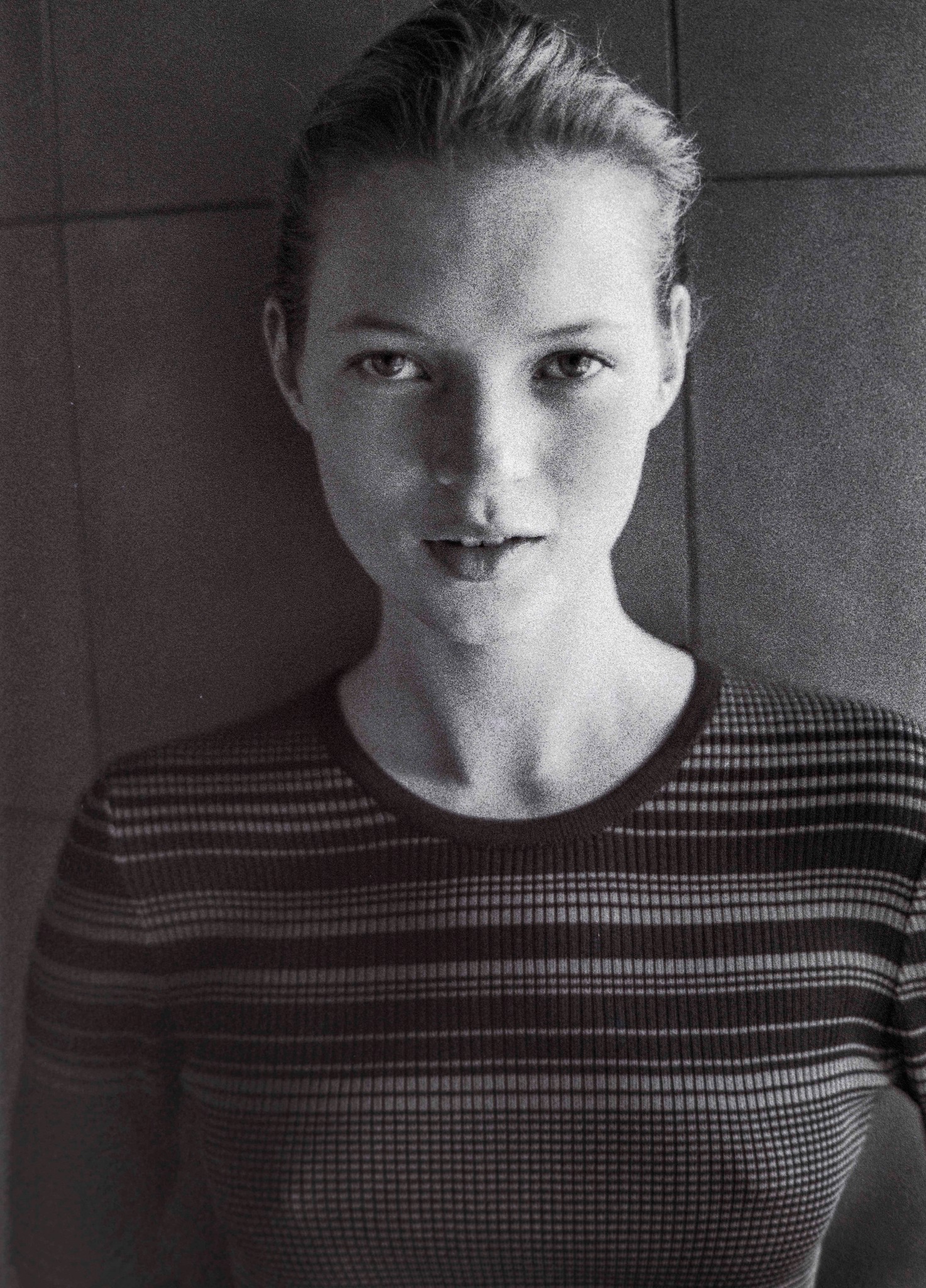
Hong Kong’s attraction is not only the city’s history and appearance but also the people who live here. For nearly two decades, photographer Chun Wai has photographed spectators dressed in amusing costumes during the Hong Kong Sevens. Meanwhile, Rensis Ho captured celebrities like Anita Mui and Kate Moss in Hong Kong, who are the Pop Culture Icons of our times.
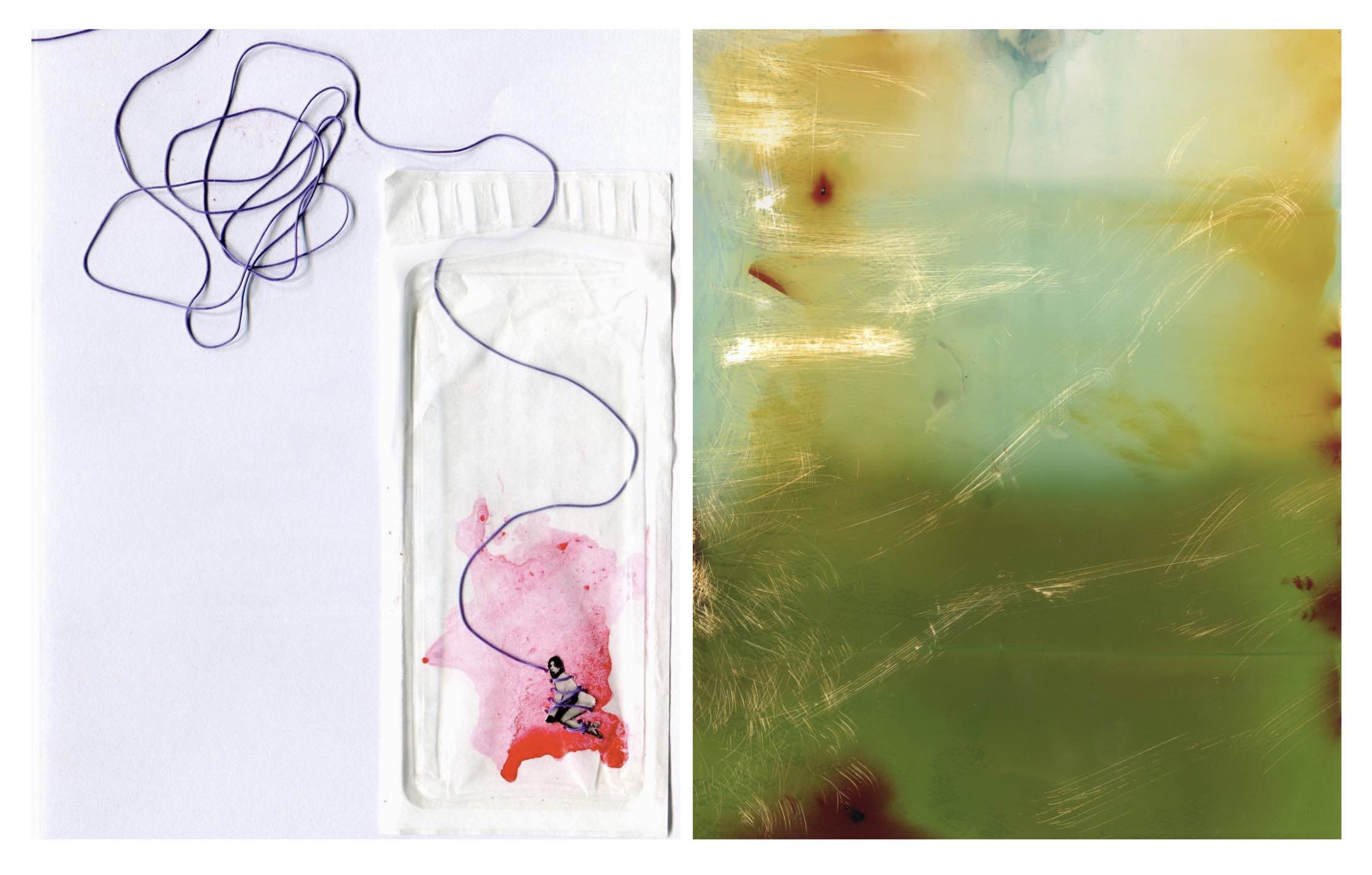
The culture of Hong Kong is a mix of Chinese and Western influences. Such background inspired photographer Lean Lui’s artistic experimentations project “Disorder Sensing” (2022). She folded the light-sensitive paper into a pinhole camera, repeatedly threw it at the wall, or tossed it in a washing machine for exposure.
The process is done in complete darkness, relies on her experience and imagination, and finally obtains a series of abstract and gorgeous tints on paper. The process echoes Lui’s interests in Tao Te Ching, which says, “everything bears Yin and embraces Yang, and rushes into harmony.” After experiencing darkness and light, the photographic paper shows the beauty brought by the balance of Yin and Yang, which is reminiscent of the Taoist philosophy.
Hong Kong is a charismatic city. Whether in the movies or the reality, this place always attracted and fascinated visitors. The exhibition not only presents the city’s past and present but also embraces the city’s diversity through the photographers’ eyes. We hope the audience can recall their unique memories of the city with this exhibition.
My Hong Kong, 我城 (Part II)
Date: 15 October – 27 November 2022
Time: 2-7 pm (Friday – Sunday)
Address: The Loft, 8/F, E Wah Factory Building,
56-60 Wong Chuk Hang Road, Wong Chuk Hang.
Guided tour with Curator and Artists: Saturday 12 November, 2-7 pm
About Boogie Woogie Photography
Boogie Woogie Photography is a company founded in Hong Kong in 2016 to promote photography in Asia. The mission is to act as a platform for galleries, collectors, companies, and photographers aiming to develop photography projects in Hong Kong and Asia.
About PhotogStory
PhotogStory is an online Photography platform and Guest Curator based in Hong Kong. We focus on reports of local and international photographers and stories behind classic photos.
Artists Profile
Raymond Cauchetier (France, 1920-2021)
Raymond Cauchetier was the most famous photographer of French New Wave cinema. His first photographs were taken in his thirties while serving in the French Air Force press corps in Indochina. Cauchetier traveled through Hong Kong in 1954 and stayed for one week. He left a bouquet of memories, a little yellowed but always authentic.
James Chung (Hong Kong, 1925-2018)
James Chung embarked on his journey in photography in 1957 when he acquired his first Rolleicord. Entirely self-taught, he became a full-time movie-still photographer in 1963. James started his studio in North Point In 1968, focusing on portraits for commercials and print enlargement. His achievements in photography were further recognized by the Honorary Fellowship from the Photographic Society of Hong Kong and Fellowship from the Royal Photographic Society of Great Britain later. The Hong Kong Heritage Museum collects his works.
Takeshi Shikama (Japan, 1948)
Takeshi Shikama’s life ambition is to capture the “invisible” world that lingers beyond the visible world of the trees. Each photograph is hand-printed by Takeshi Shikama, using the ancient platinum/palladium technique, considered the highest quality in black and white photographic printing. The Japanese Gampi paper on which he prints is a handmade UNESCO national treasure. It requires a great deal of time and manual labor, which reflects the intimacy Shikama has with his subject matter.
Roger Ballen (United States, 1950)
Roger Ballen’s photographs span over forty years, and he is one of the most influential and important photographic artists of the 21st century. His strange and extreme works confront the viewer and challenge them to come with him on a journey into their minds as he explores the deeper recesses of his own. Roger Ballen is one of the artists representing South Africa at the Venice Biennale 2022 in Italy.
Chun Wai (Hong Kong, 1958)
Born in Hong Kong and educated at the École supérieure des beaux-arts de Mulhouse in France, photographer Chun Wai’s perspective lies in his humanistic vision and macro-historical framework in interpreting the changing world. His project covered a vast area in the region, including Hong Kong. His work is full of a sorrowful yet romantic mood and reveals his personal landscape. The phantasmagorical image like a rhythm poem of a stray, is a unique work of art.
Thierry Cohen (France, 1963)
Thierry Cohen has been a professional photographer since 1985 and a pioneer in the use of digital techniques from the end of the 1980s. He lives and works between Paris and Monségur, close to the Atlantic Coast. Since 2006, he has devoted most of his time to personal work. Thierry is interested in the impact of human activities, particularly on nature. His works are held in private and public collections and regularly exhibited in New York, Los Angeles, and Paris.
Rensis Ho (Hong Kong, 1964)
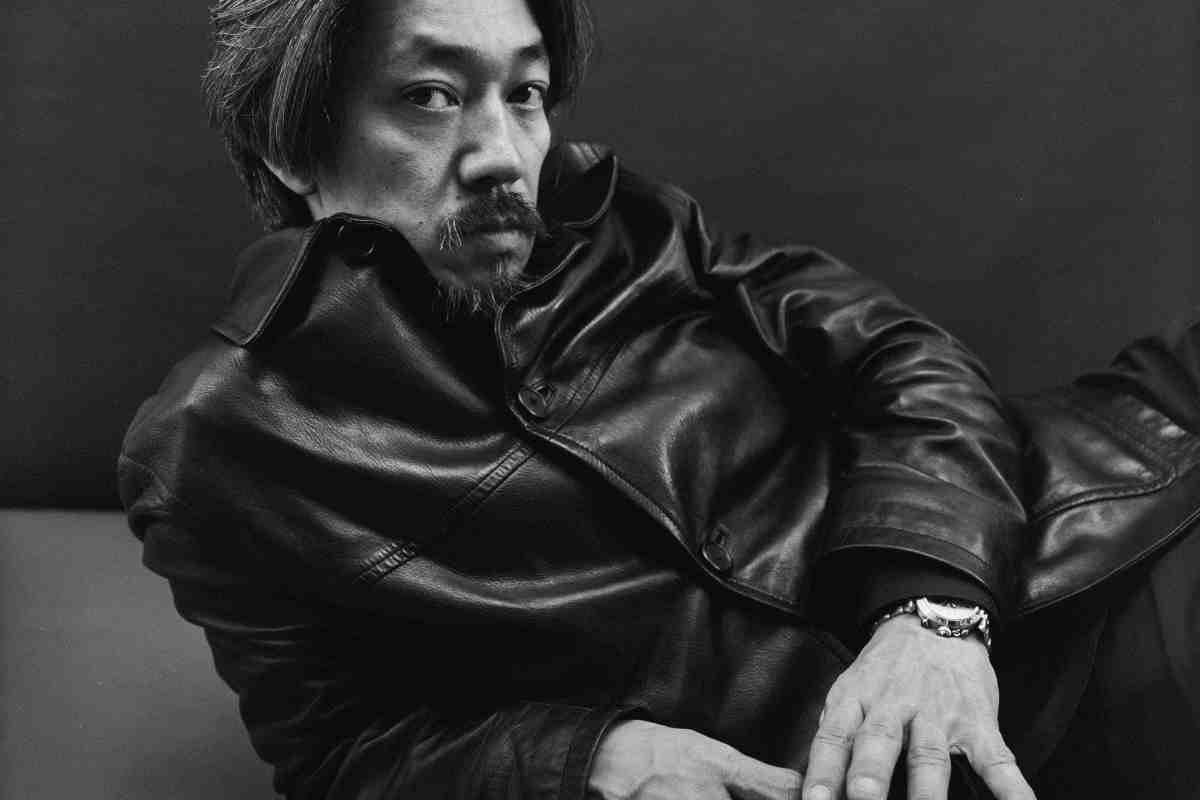
Rensis Ho, a well-known Hong Kong photographer, studied finance in New York and then majored in photography at the Fashion Institute of Technology. After returning to Hong Kong in the 1990s, he has been engaged in photography for more than 25 years. Rensis is particularly noted for still life and portrait photography and has photographed numerous celebrities, including Kate Moss, Chloe Sevigny, Marc Jacobs, Sakamoto Ryuichi, Anita Mui, etc.
Julian Cohen (United Kingdom, 1967)
Julian came to Hong Kong in 1998 for three months, fell in love with the city, and stayed. He was called to
the Hong Kong Bar in 2010 and founded Resolution Chambers in 2021. He is today a renowned Barrister & Arbitrator. He photographs the city with his passion for the place and people.
Jocelyn Ho (Hong Kong, 1973)
Jocelyn has always been interested in photography – not to be behind or in front of a camera, but to see through a different pair of eyes. To her, everyone is a photographer. We may be looking in the same direction, the same object, but she believes we all see differently, and we choose which images to imprint on our minds.
Paul Bradshaw (United Kingdom, 1979)
Paul is a photographer, designer, and publisher based in Hong Kong since 2004. His photographs are either candid shots or spontaneous collaboration, which happens when his subject is suddenly confronted by the camera. The ambiguity of these fleeting moments, captured without exchanging words, encourages personal interpretation of the images.
Lean Lui (Hong Kong, 1999)
Lean Lui, a Hong Kong fine art and fashion photographer, graduated from Central Saint Martins (Philosophies & Photography MA). She has shot for the 2020 DIOR Global Campaign and VOGUE Magazine cover and was a guest of DIOR TALKS. Lean’s works were exhibited at the 2018 Beijing Three-shadow photography Award Exhibition, Hong Kong International Photo Festival, etc.
Dion Leung (Hong Kong, 1999)
Dion Leung is a Hong Kong-based visual artist who mainly works with photography and collage. She explores topics of rebellion and conflict with the practice of realism. As a self-taught artist, Dion is constantly looking for the expression of art amongst human interaction in other disciplines. Having an interest in history and politics, she is trying to fulfill her understanding of the sophisticated world through her art practice and reminding herself that everything true is beautiful.
致力於推廣攝影藝術的Boogie Woogie Photography與香港攝影平台「顯影 PhotogStory」在黃竹坑The Loft攜手呈獻攝影聯展《我城》(My Hong Kong, Part II),展期由2022年10月15日至11月27日。
展覽名稱《我城》源自作家西西的同名著作,作者透過不同角色的故事及他們生活日常中的瑣碎細節,共同編織起一個關於香港城市的故事。每篇章節內容均可視為一段獨立的情節,閱讀整部小說就如一部觀看「香港版」的《清明上河圖》。《My Hong Kong》攝影聯展的理念,恰好與西西小說中多重視點的敘述手法不謀而合,展覽中的每位攝影師均有屬於自己的香港故事,他們眼中的香港也不盡相同,而這正體現這座城市的多元及迷人之處。
《我城》小說寫於1970年代,並以當時的香港為背景,作者在小說中坦言「目前的世界不好,但年輕人可以依理想來創造美麗的新世界。」這些對白放諸刻下的香港,其實也深有共鳴。《My Hong Kong》展覽以本地攝影師Jocelyn Ho一幅中環街市的一縷陽光為終結,既呼應老一輩攝影師在1950及1960年代在中環街市拍攝的照片,同時帶出對我城的一絲希望,這一縷陽光,也象徵著城市的生命力。
Raymond Cauchetier是法國新浪潮電影劇照攝影師,1951年,他隨法國空軍到胡志明市 (舊稱西貢) 服役,當時正值第一次印度支那戰爭,他拍攝空軍的行動以及戰役,為此還得到戴高樂將軍的褒獎。1954年戰爭結束後,他展開遊覽東南亞的旅程,在香港、澳門、越南、柬埔寨、老撾及日本等地拍攝當地的風土民情,在他的舊香港照片中,可見掛滿招牌的街道。
何耀燊,本地著名攝影師,在紐約攻讀金融,及後入讀Fashion Institute of Technology主修攝影,回港後從事攝影工作超過二十五年。何氏擅長靜物和人像攝影,曾拍攝無數中外時尚名人紅星,包括Kate Moss、Isabella Rossellini、Chloe Sevigny、Marc Jacobs、Nigo、坂本龍一、梅艷芳、郭富城、舒淇等。