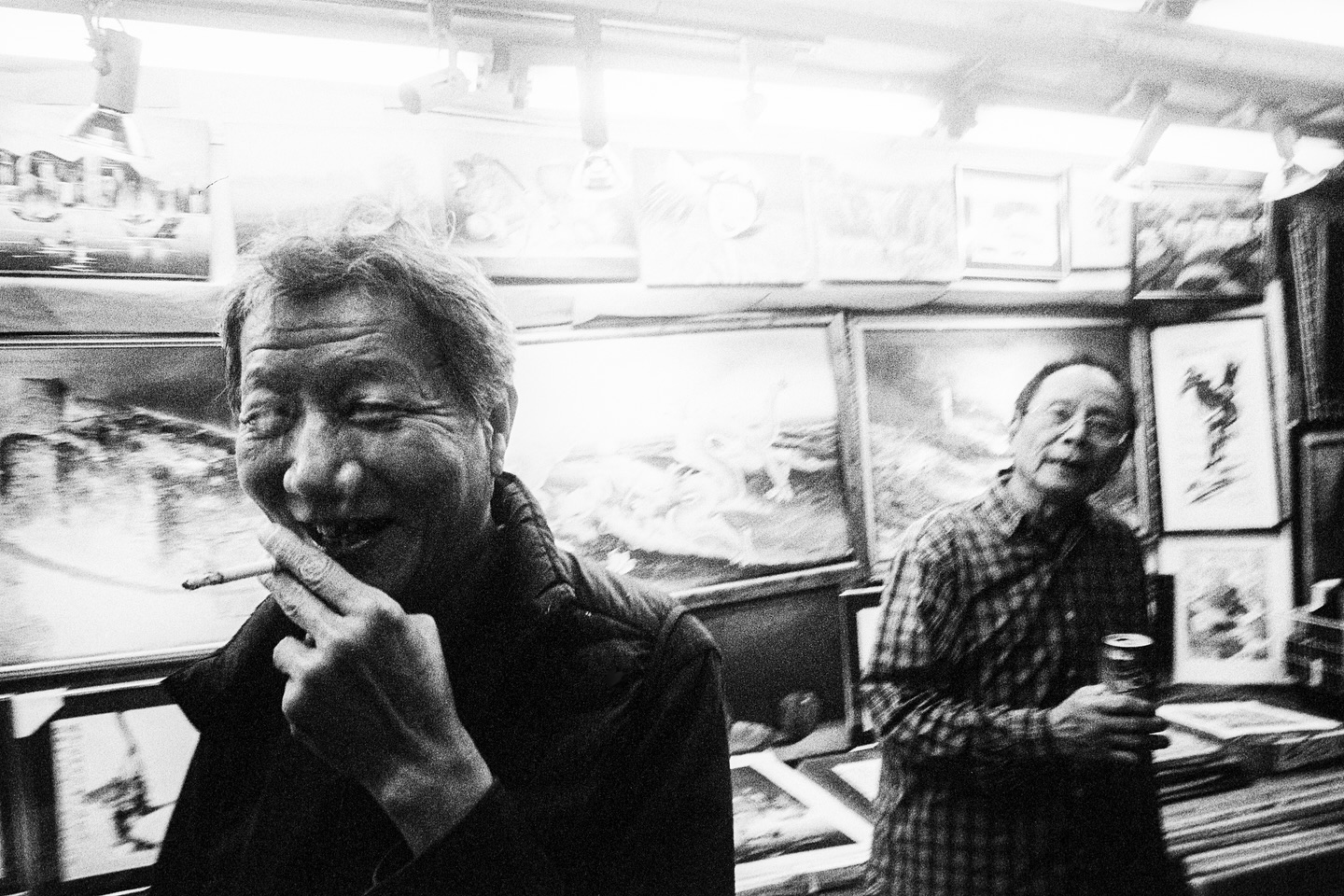
‘I hope this exhibition will lead you to know Hong Kong’s past, walk into the world of my memories together, and feel the emotions of the past together.’ —— Lau Koon-Tan.
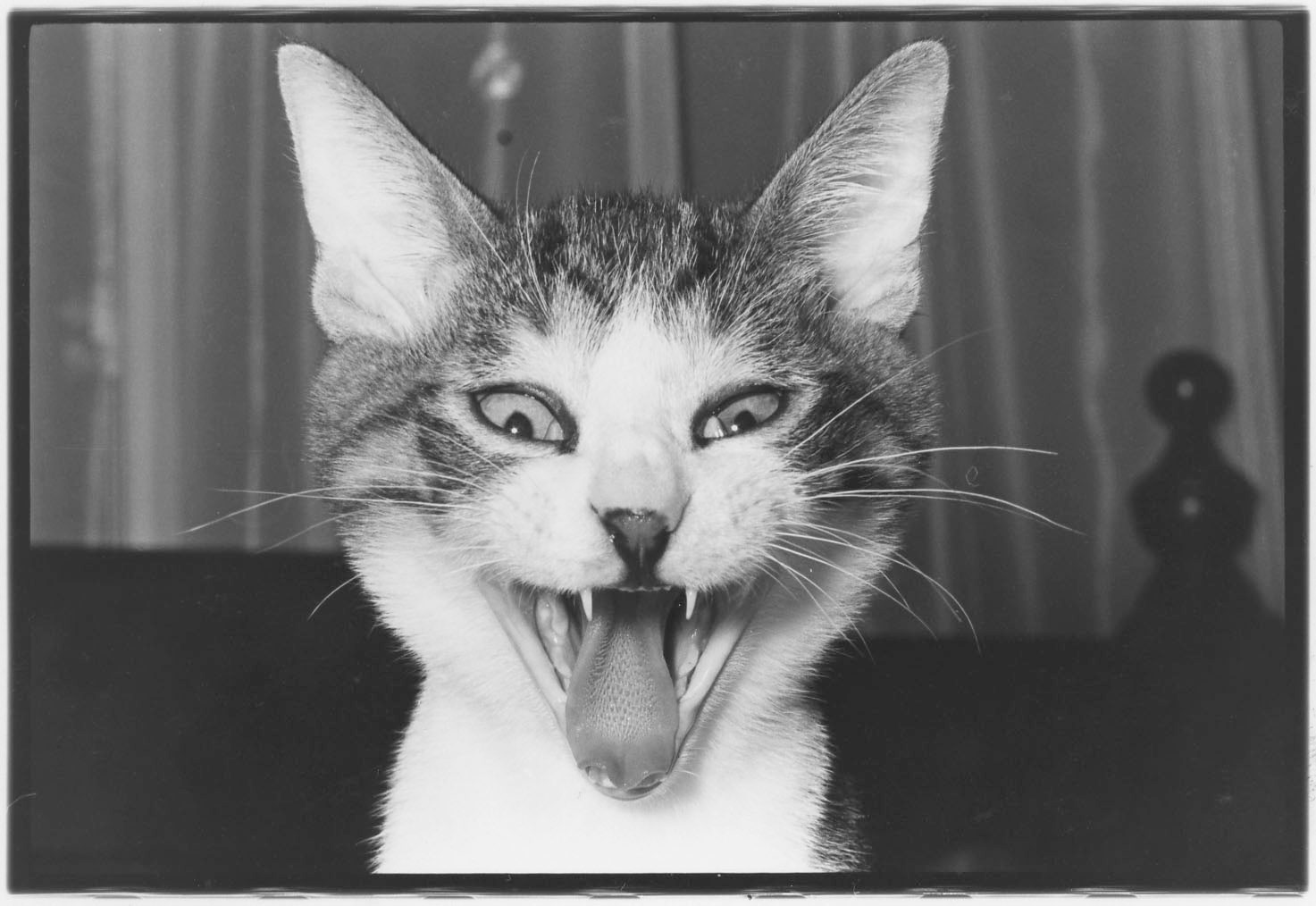
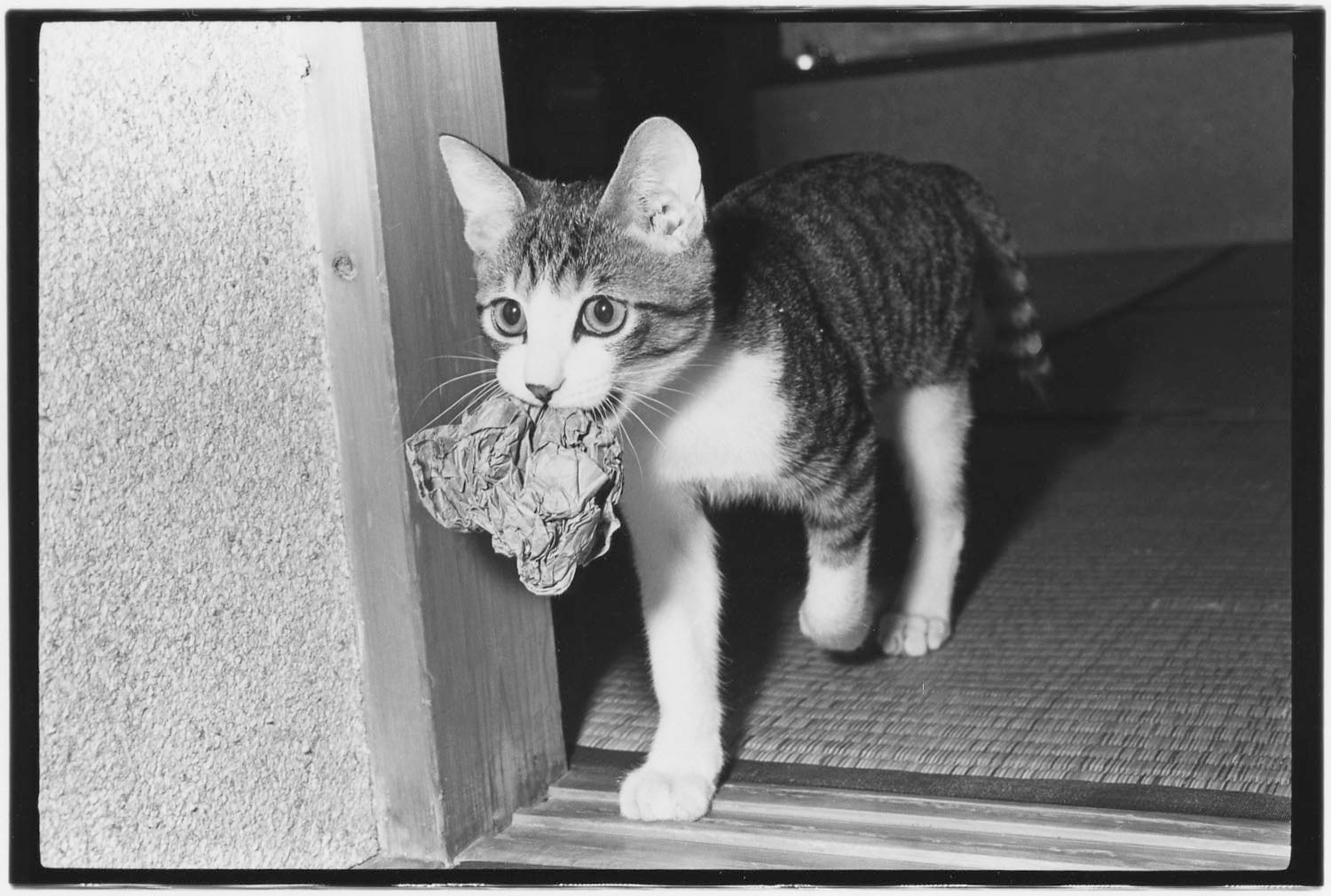
Following the success of his first photo book, Old Hong Kong – The Way We Were, in 2023, photographer Lau Koon-Tan recently published his sequel. It will accompany an exhibition titled Old Hong Kong – The Way We Were 2, which displays nearly 20 hand-made silver Gelatin prints.
Lau Koon-Tan has been photographed in our city for over 60 years. In the 1960s, amid economic hardship and political instability in Hong Kong, a young man emerged as a photographer dedicated to capturing the essence of his city.
From Street dentist and tricycle driver to newspaper hawker and coolie, Lau’s photographs vividly depicted the various aspects of life, reflecting the circumstances of that era, documenting the diverse facets of society through his camera lens, and offering future generations a glimpse into the lives of those who came before them.
These pictures showcase his exceptional skills and serve as a precious testament to Hong Kong’s history. Now, in his advanced years, Lau remains actively engaged in promoting photography. He serves as a judge for competitions and offers free photography lectures and talks, encouraging more people to embrace this artistic form.
Lau Koon-Tan won numerous competitions of the Chinese Photographic Association of Hong Kong and the Photographic Society of Hong Kong in the 1960s and 1970s. He was also an honorary member and judge of many photographic societies.
Notably, the Hong Kong Museum of History has permanently collected many of Lau’s works, acknowledging his contributions and the significance of his role in the photography community. In this small yet vibrant city, Lau’s story and artistry have undoubtedly left an everlasting mark on the history of photography.
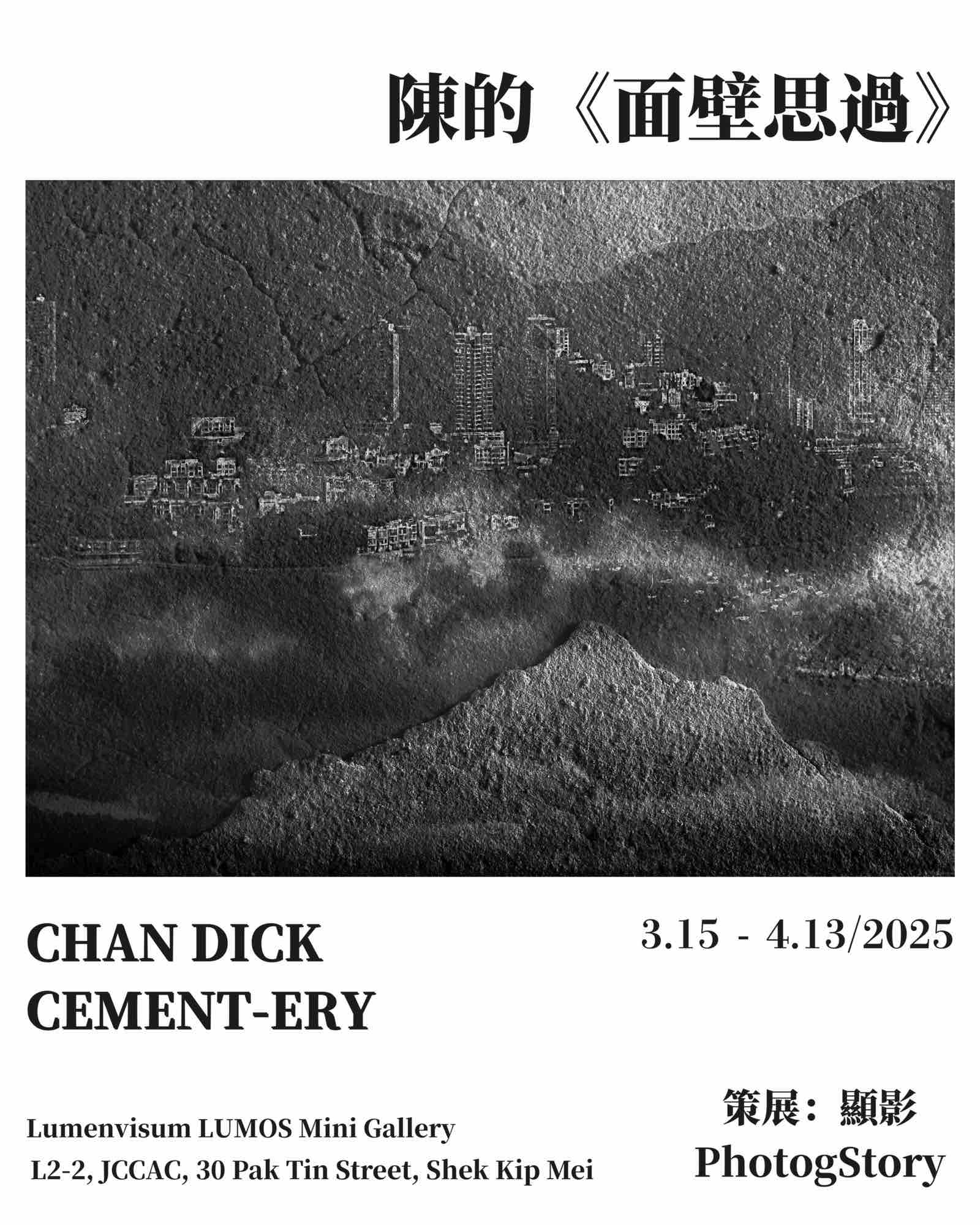
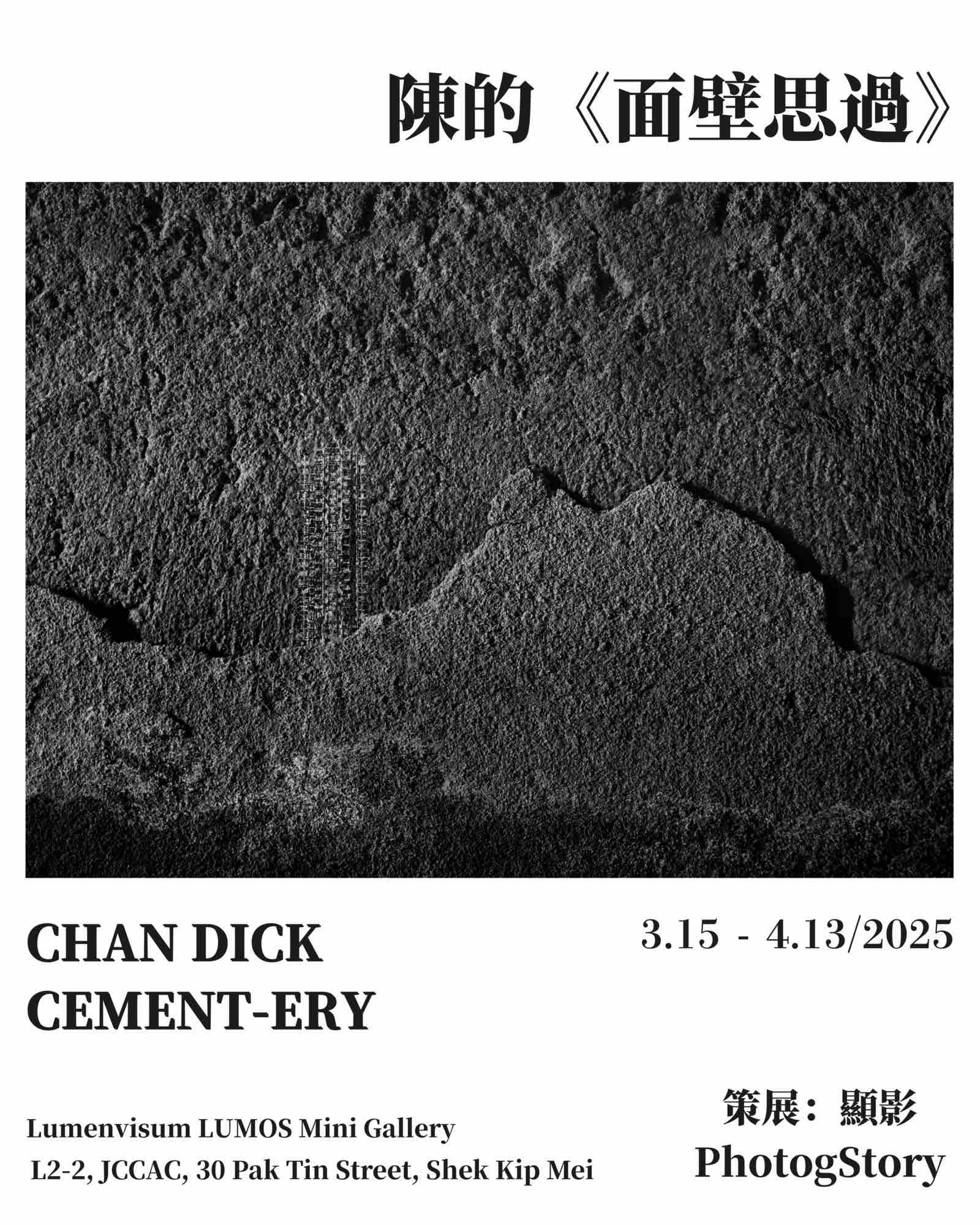
In 2025, photographer Chan Dick will celebrate the 10th anniversary of his series, CEMENT-ERY. This collection not only reflects his thoughts on the redevelopment of Yue Man Square in Kwun Tong, the community where he grew up, but also preserves the memories of his mother, who passed away earlier this year.
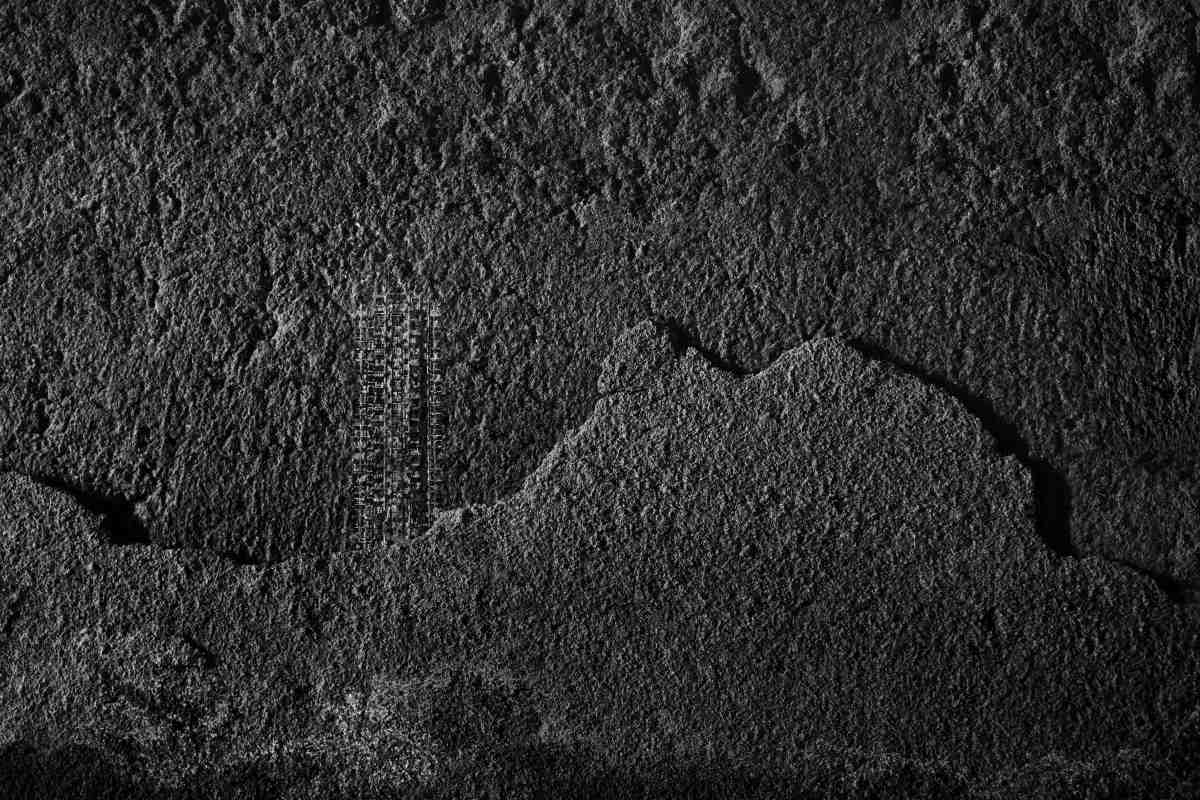
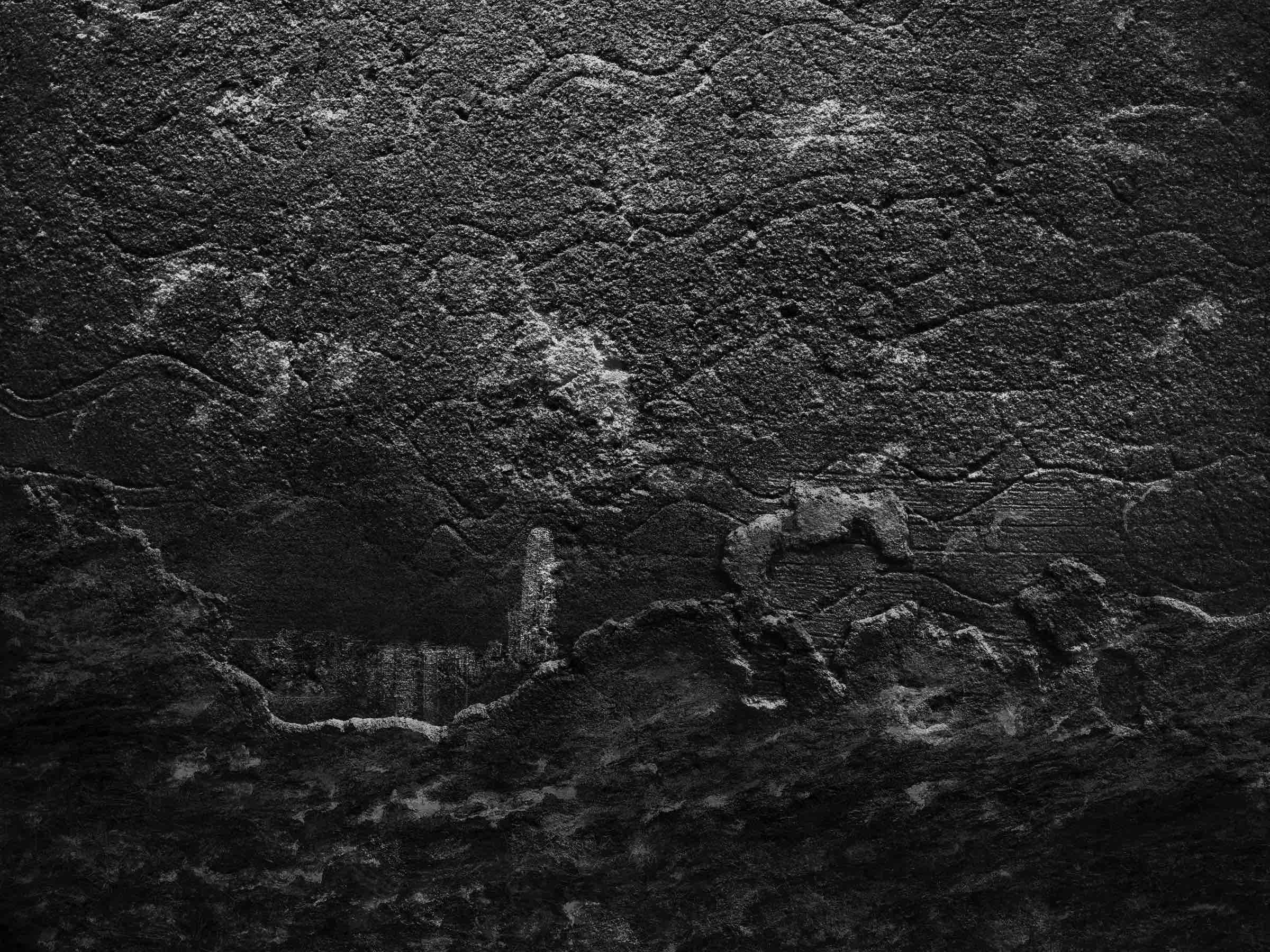
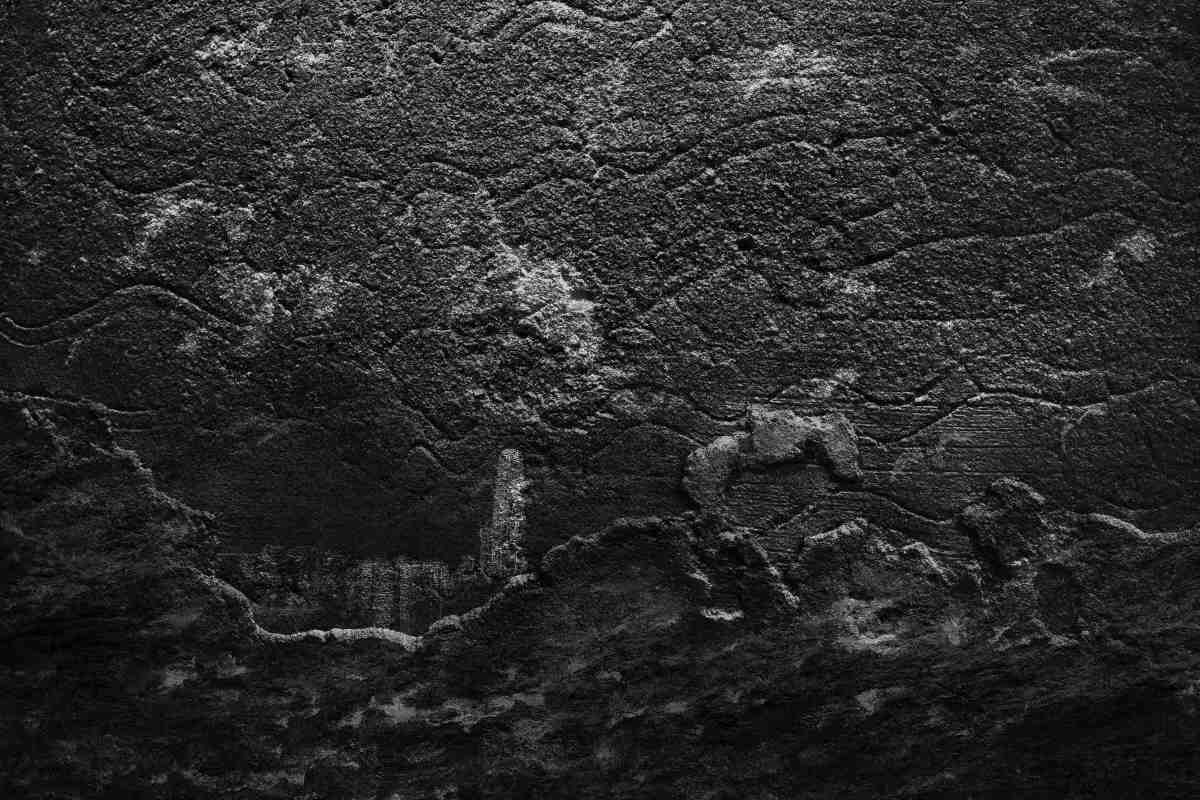
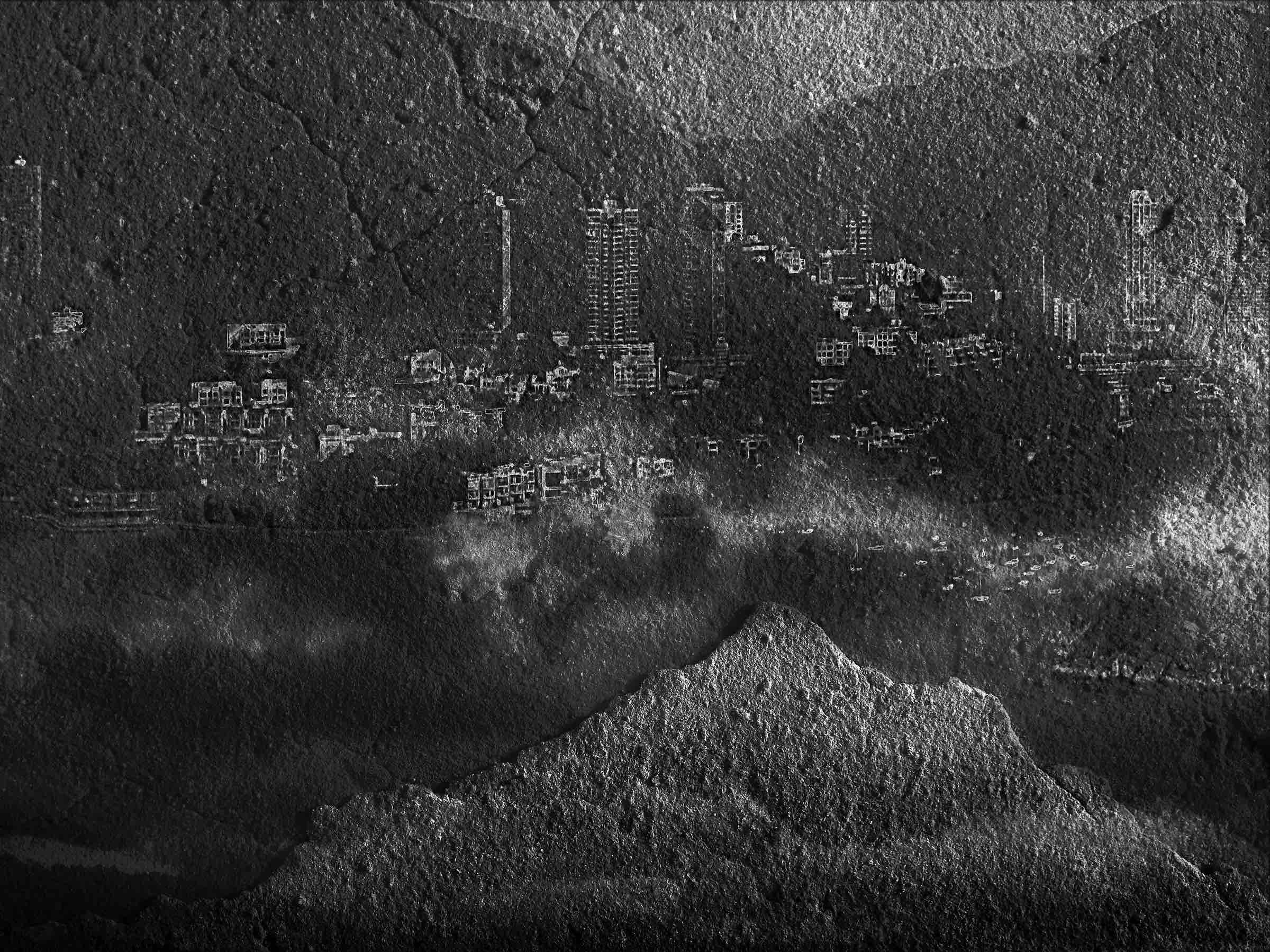
In this special moment, the Hong Kong photography platform PhotogStory curated a small exhibition titled “CEMENT-ERY” for Chan Dick, showcasing this series of photos that combine wall surfaces with Hong Kong’s urban landscapes for the first time. Familiar landscapes emerge through the remaining wall marks like reflections, encouraging viewers to contemplate the delicate relationship between urban redevelopment and preservation.
In 2015, as the Kwun Tong Town Centre Redevelopment Project progressed rapidly, Chan Dick returned to Yue Man Square on a quiet afternoon. He wandered back into the familiar community and, out of curiosity, stepped into Yue Wah Mansion, which was already empty and desolate. Strolling through the staircase, the wires that once cluttered the corners had been removed, but their traces were still clearly visible. At that moment of inspiration, the twisted wire marks reminded him of the mountains’ outline and inexplicably brought to mind the scenery of the Tsing Ma Bridge.
The South 淺水灣
As he carefully explored the walls, he noticed wave-like indentations on another wall that resembled the waves of ukiyo-e, matching the view from Hung Hom towards Central. That day, the photographer took seven photographs, some depicting clouds resembling cotton candy, while others look like long-exposure star trails. When I interviewed Chan Dick years ago, I was deeply captivated by this series of works and amazed that he could envision so many landscapes on mottled walls through his extraordinary imagination. However, these photos, created concurrently with his iconic work “Chai Wan Fire Station,” had never been exhibited before.
Returning to Yue Man Square a decade later, Chan Dick saw that Yue Wah Mansion had been demolished, leaving behind a pile of black rubble mixed with debris. Imagining these were the traces left behind by the building, he picked up stones and held them in his hand. They were heavy and dark, stirring a wave of nostalgia and mixed emotions within him. It is time to sort through these thoughts intertwined with memories and feelings of familial affection.
Chan Dick — CEMENT-ERY
Date: March 15 – April 13, 2025
Time: 11am-1pm, 2pm-6pm (Tuesday to Sunday)
Venue: Lumenvisum LUMOS Mini Gallery, L2-2, JCCAC, 30 Pak Tin Street, Shek Kip Mei
About Chan Dick
Chan Dick studied graphic design and first became involved in photography when given his graduation assignment. As a still-life and architectural photographer, he is devoted to creating personal works, often touching on social issues and everyday life discoveries.
While fascinated by simple lines and minimalistic compositions, Chan’s works emphasize the ambiguous attraction between reality and illusion. His iconic series “Chai Wan Fire Station” earned him first prizes respectively at the Tokyo International Foto Awards and the Hong Kong Photo Book Awards. This series was exhibited in Japan and the Netherlands and collected by the Hong Kong Heritage Museum and Japan’s Irie Taikichi Memorial Museum of Photography Nara City.
Chan also collaborated with the Faculty of Medicine of the University of Hong Kong by photographing their collection of human specimens. He produced an aesthetic set of images called “The Trek,” which challenges the general public’s shared perception of the topic. The work was published as a photo book and won a Gold Prize at the Tokyo International Foto Awards (TIFA).
About PhotogStory
Hong Kong-based Photography platform PhotogStory was founded by photography writer and curator LAU Tung-Pui. The platform introduces local & international photographers’ artwork, the history behind classic images, and photo books.
PhotoStory’s curated exhibitions include Hidden Town at Wure Area (Kowloon Bay), Chun Wai’s solo exhibition at Kubrick (Yau Mai Tei), Mak Fung‘s solo exhibition at EastPro Gallery (Causeway Bay) and co-curated group exhibitions at Boogie Woogie Photography (Wong Chuk Hang) and at Fine Art Asia 2024.
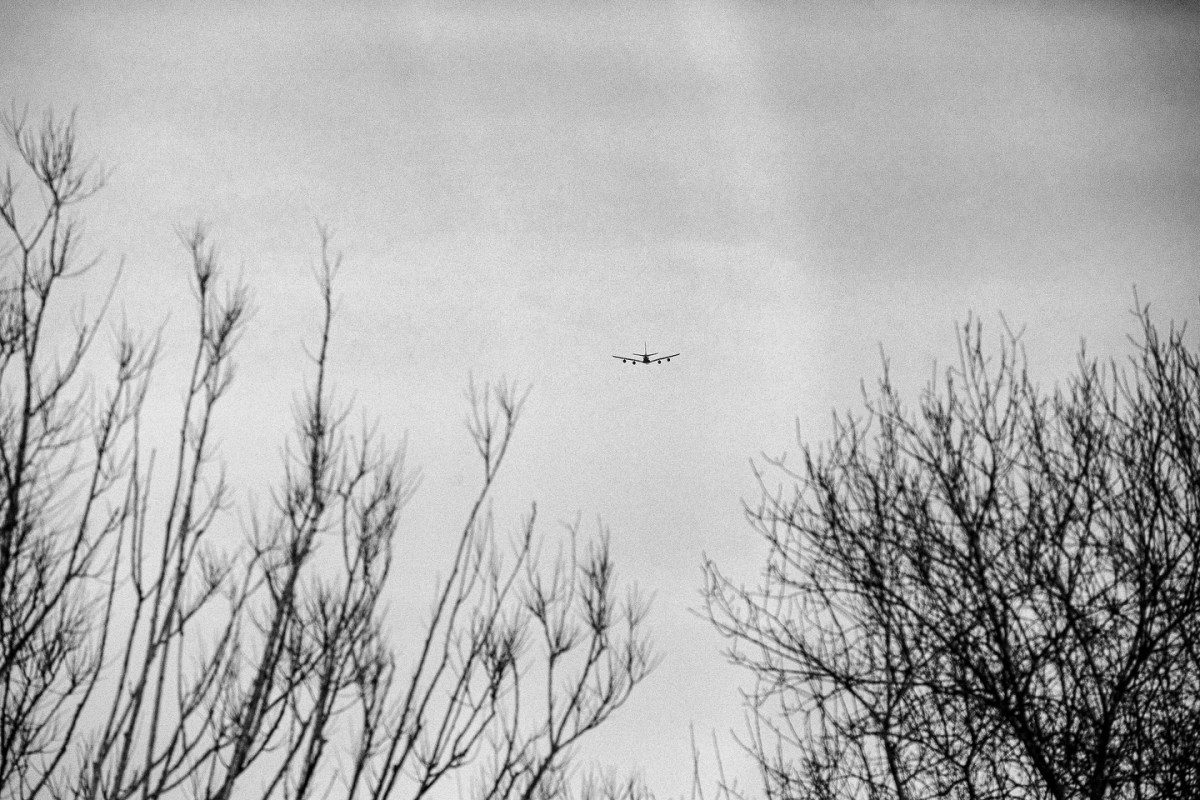
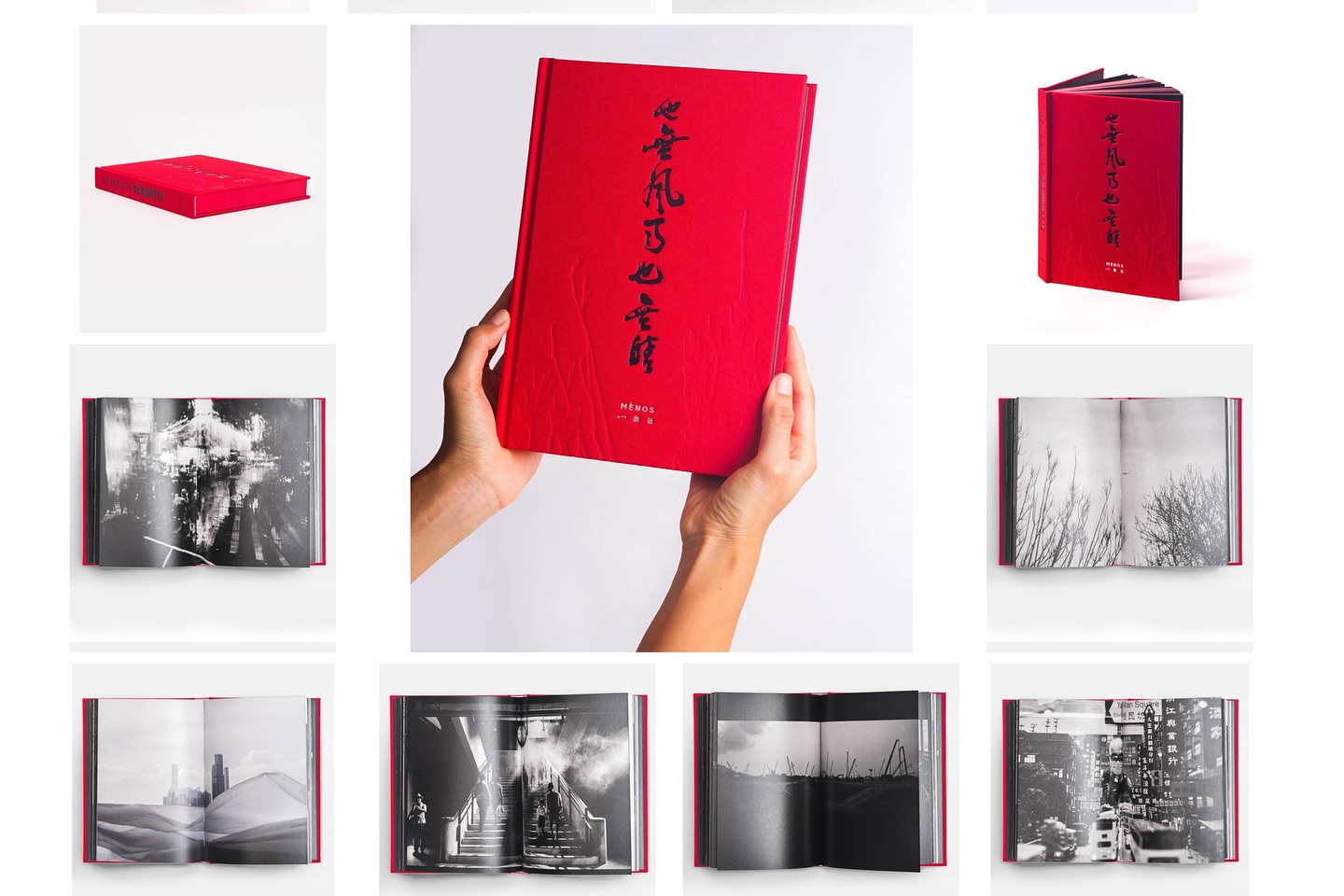
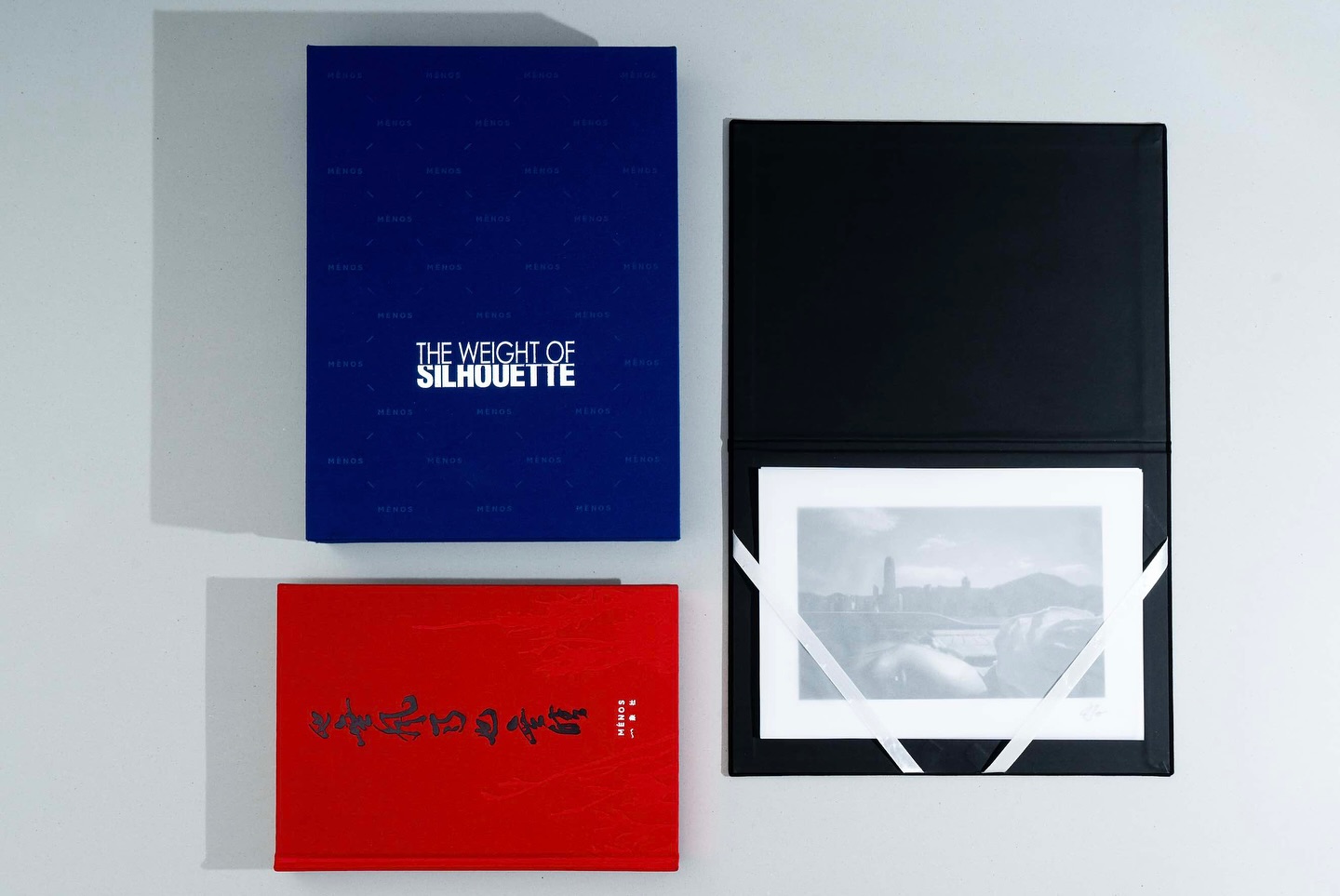
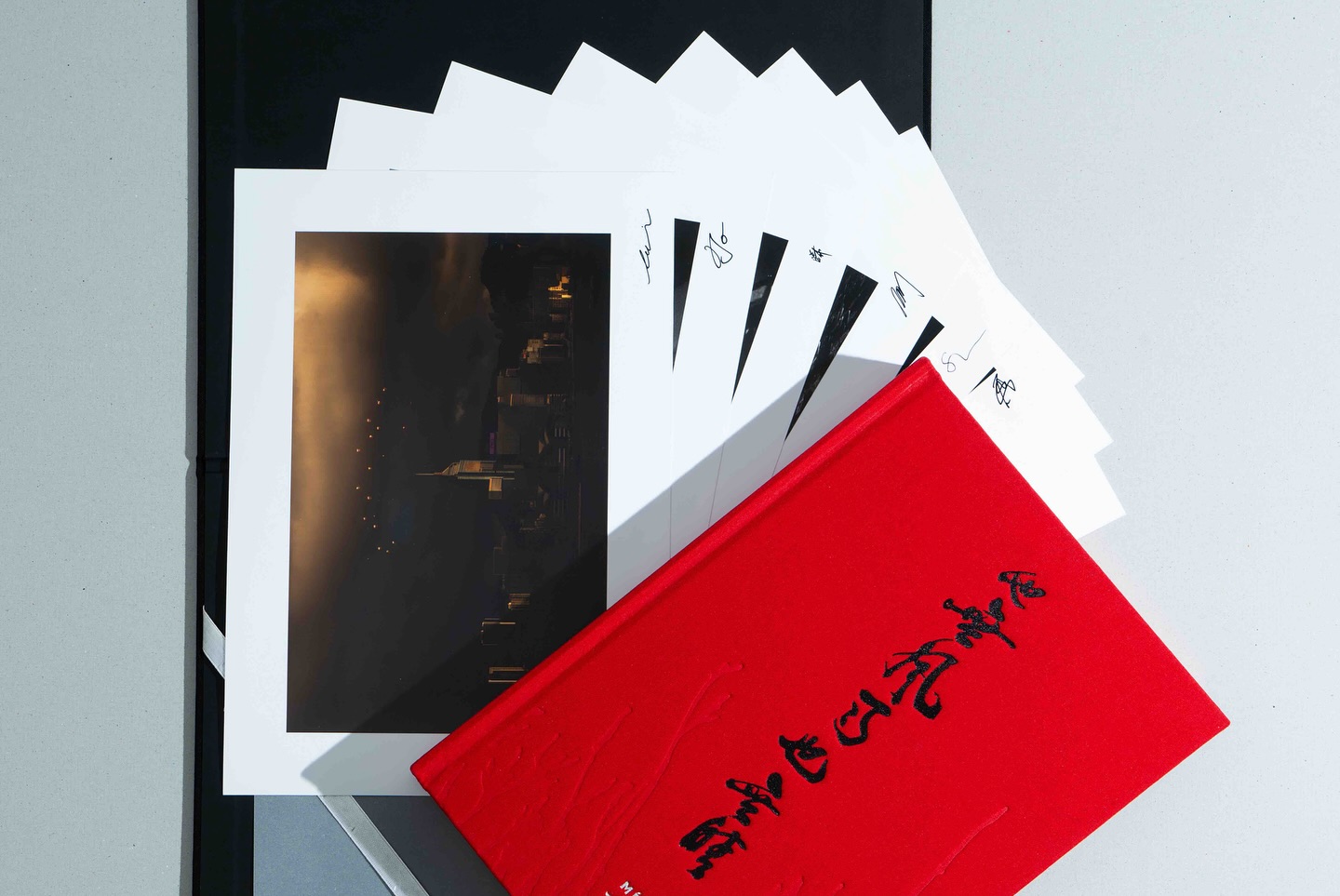
2018年初,一班本地攝影愛好者成立攝影組織「Ménos 心象社」,不定期舉辦攝影講座及Photo Walk等活動,2019年結集逾10位成員作品推出攝影集《Prologue》,首期主題是「Hong Kong Street」,收錄眾人的街頭攝影作品。事隔五年、經歷過疫情,第二本攝影集《也無風雨也無晴 The Weight of SilhouetteI》也於2024年底出版。
書名《也無風雨也無晴》出自北宋文學家蘇東坡的詞作《定風波》,是一種在逆境中憑心境自樂的豁達精神,回想過去數年的疫情歲月,許多人經歷過無助與憂鬱,一句「也無風雨也無晴」既是安慰,也是一種豁達。英文名稱「The Weight of Silhouette」也頗有意思,虛幻的剪影本無重量,但攝影師的拍攝注入情感,觀者也會結合個人記憶而觀看,為相片增添意義,令那刻的光影也彷彿有了重量。
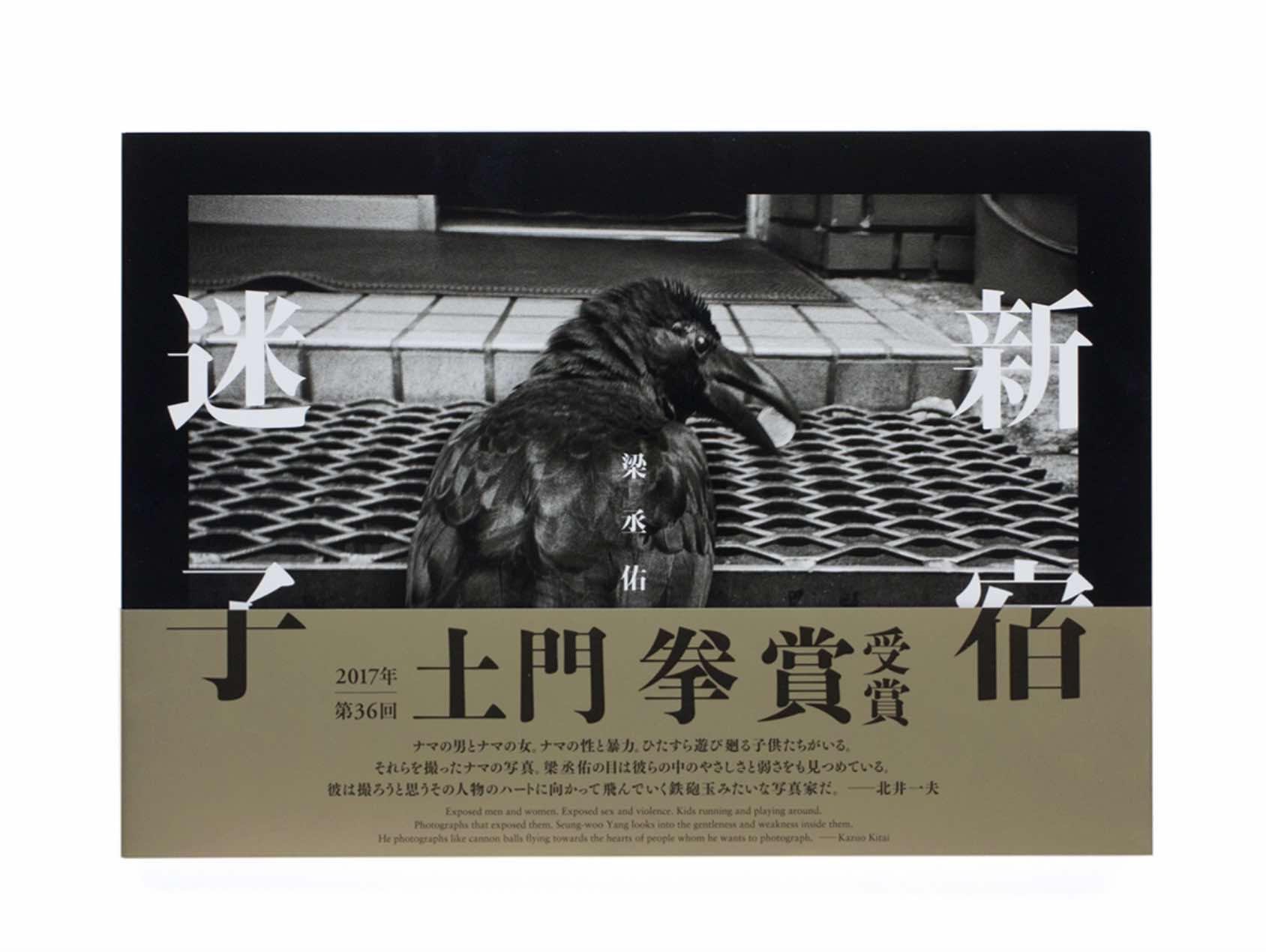
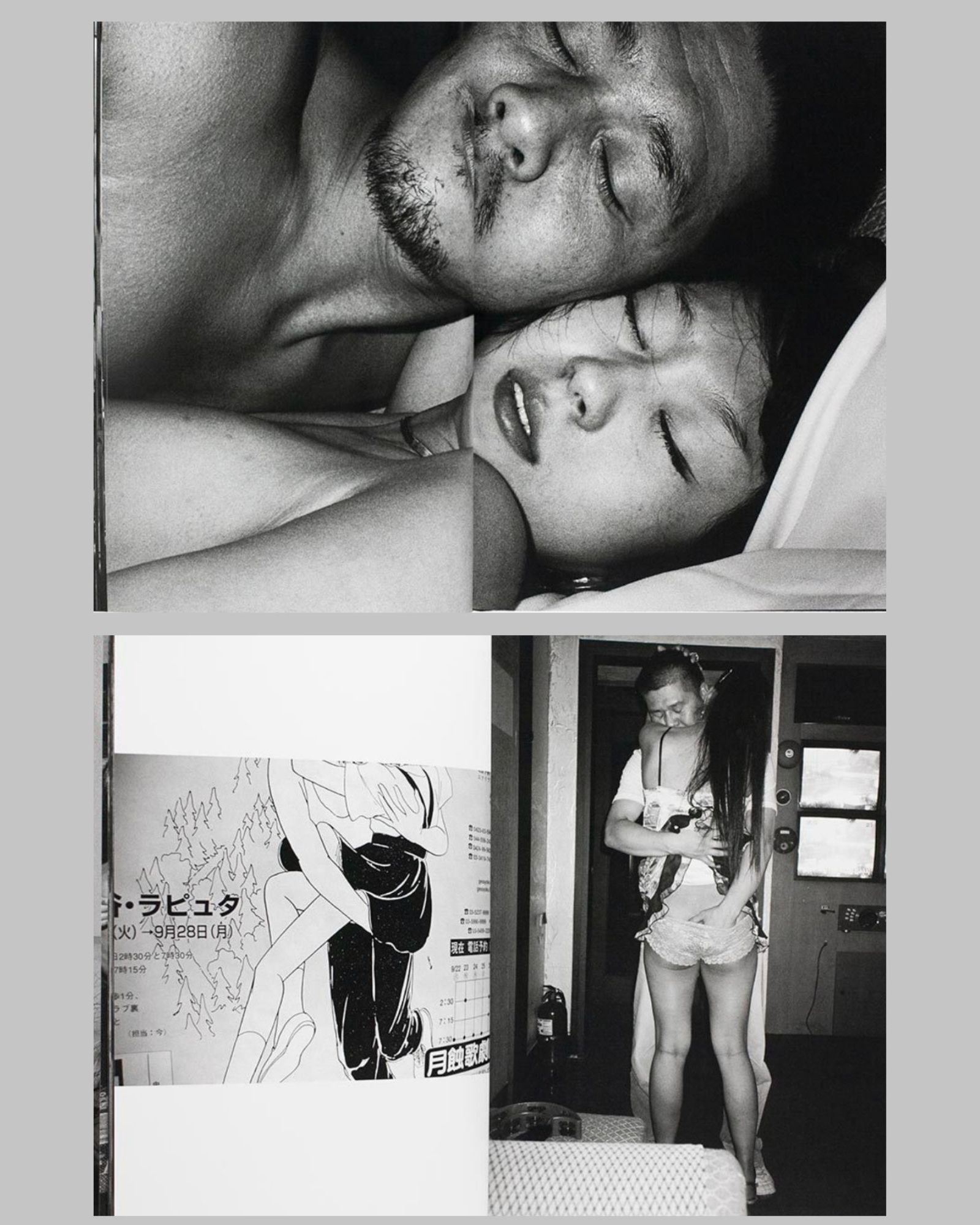
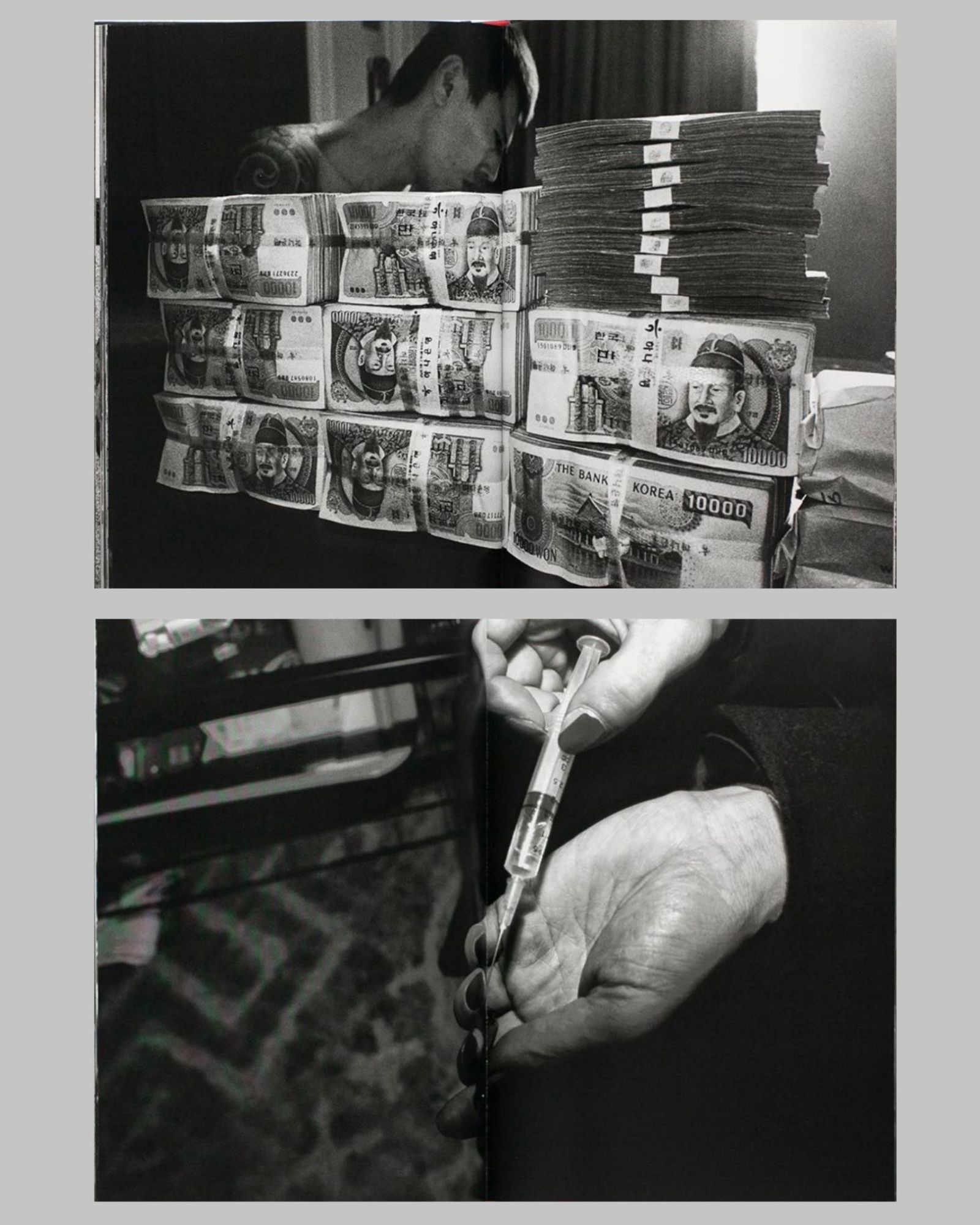
2004年,東京都知事提倡「淨化歌舞伎町」,讓它成為一個能讓所有人感到安心的街區,但根深蒂固的風俗在這個區域是否就會輕易被改變?梁承佑的照片涵蓋黑幫、慾望與暴力,也有在街頭玩耍、噴跑的孩子,呈現出「淨化歌舞伎町」前後的微妙對比,也審視他們內心的溫柔和脆弱。2016年,日本攝影畫廊Zen Foto Gallery出版《新宿迷子》(Shinjuku Lost Child),這本以新宿歌舞伎町人物為主題的黑白街頭攝影集,榮獲2017年第36屆土門拳獎,2017年得獎後再推出第二版。
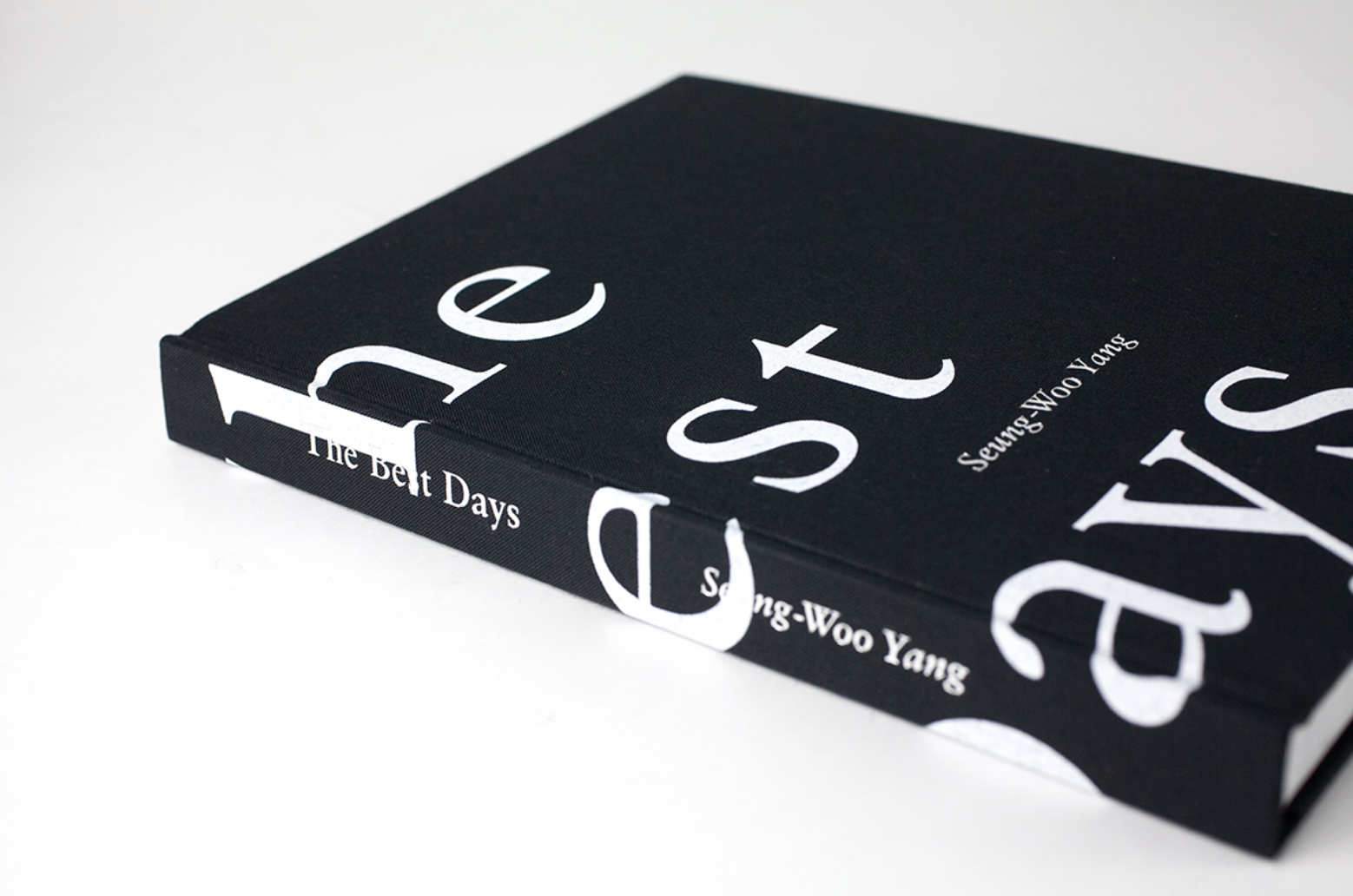
這本攝影集攝是梁承佑早期的作品,攝於1999年至2006年,拍攝身邊幫派朋友的生活,將韓國黑社會聲色犬馬的日常一一記錄,取名《青春吉日》( The Best Days),2012年首次出版。之後此書絕版一冊難求,他也憑藉2016年作品《新宿迷子》獲得土門拳賞,這本精裝版《青春吉日》在2019年出版,重新編輯過相片內容。
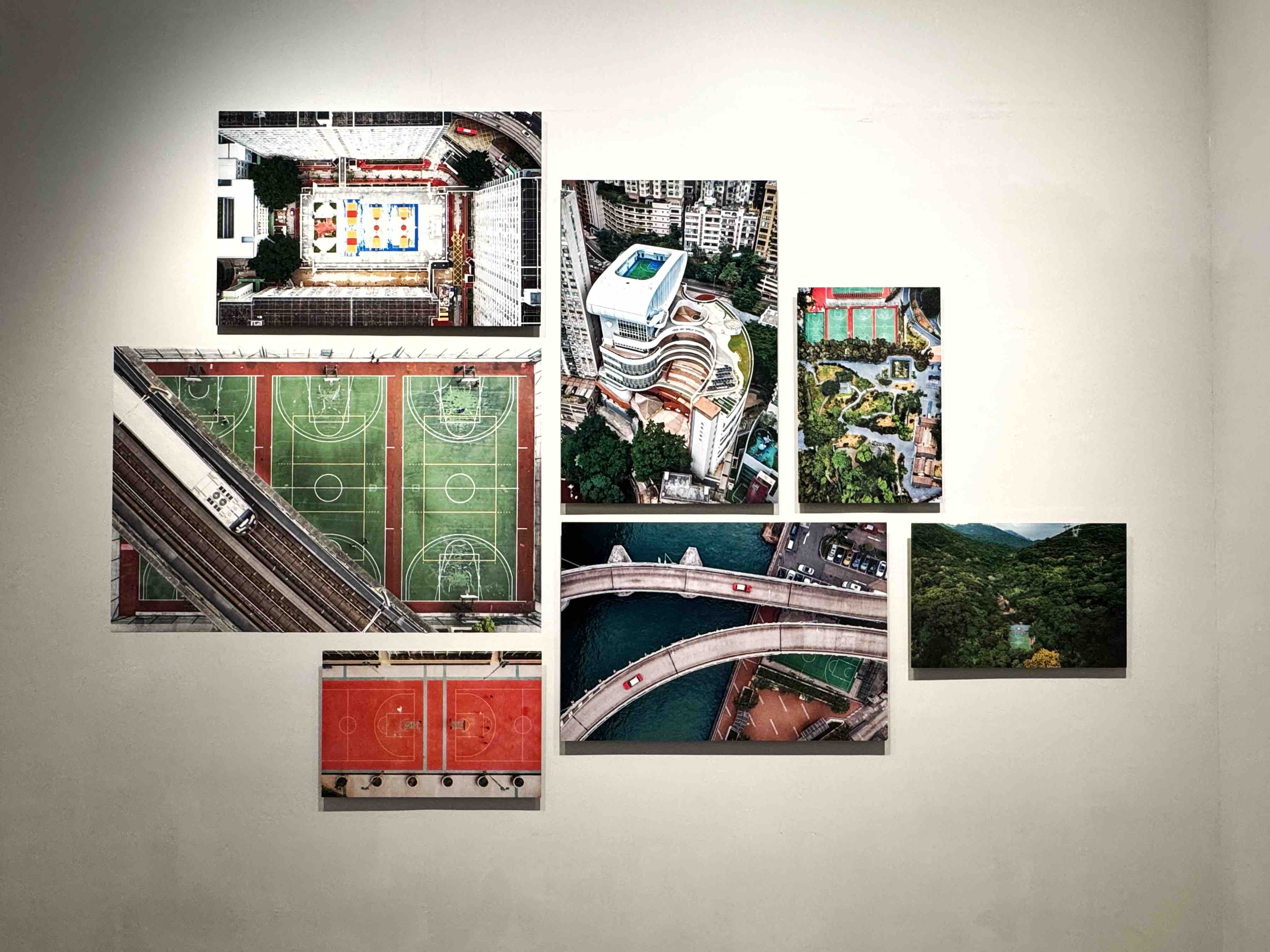
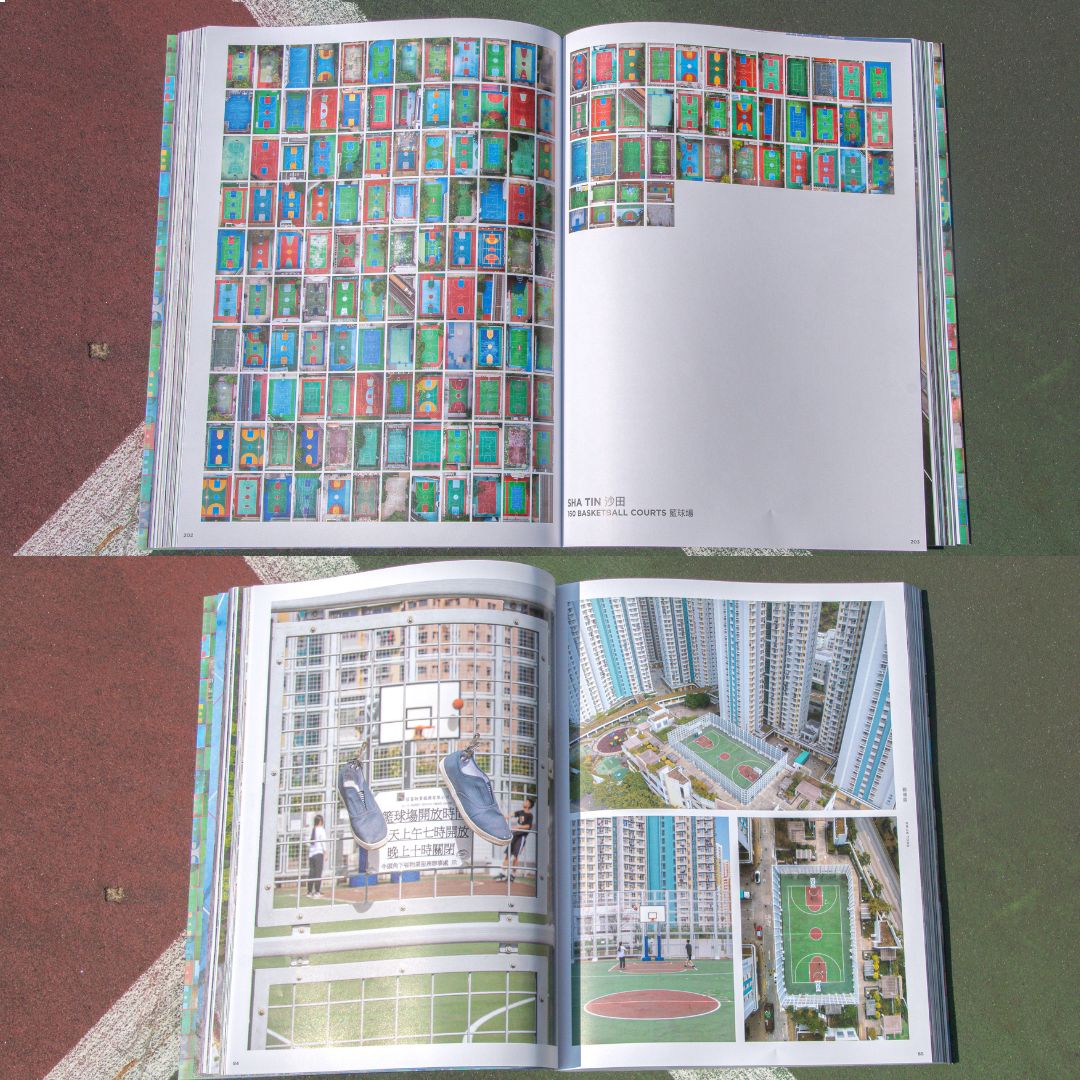
SHOOTING HOOPS is an exhibition at Blue Lotus Gallery and an accompanying photo book launch that showcases Austin Bell’s photographic documentation of all 2,549 outdoor basketball courts in Hong Kong.
Basketball is one of the most popular sports among Hong Kong’s young people, and outdoor courts are often found at schools, playgrounds, and public housing estates.
When US photographer Austin Bell first visited Hong Kong in 2017, he was intrigued by the color and design of the city’s basketball courts. He returned in 2019 to photograph all of them.
His project expanded to include multiple visits and documented 2,549 courts in nearly five months with over 40,000 photos. Bell was drawn to these courts for their vivid designs, often featuring bright colors and accompanying the colorful housing estates and nearby schools. This vibrancy becomes even more pronounced from above, providing a striking contrast to the city’s vertical density.
The Shooting Hoops book showcases all the courts in Hong Kong and includes additional statistics, Bell’s article, and architectural and photographic commentary on the project.
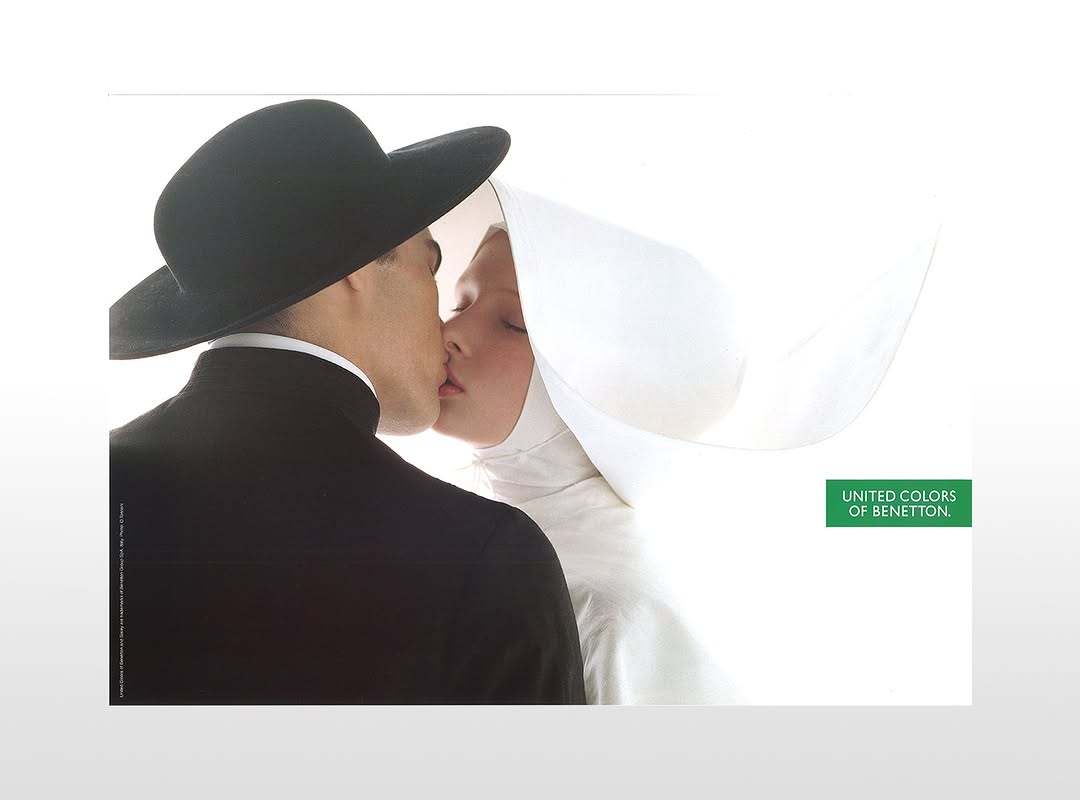
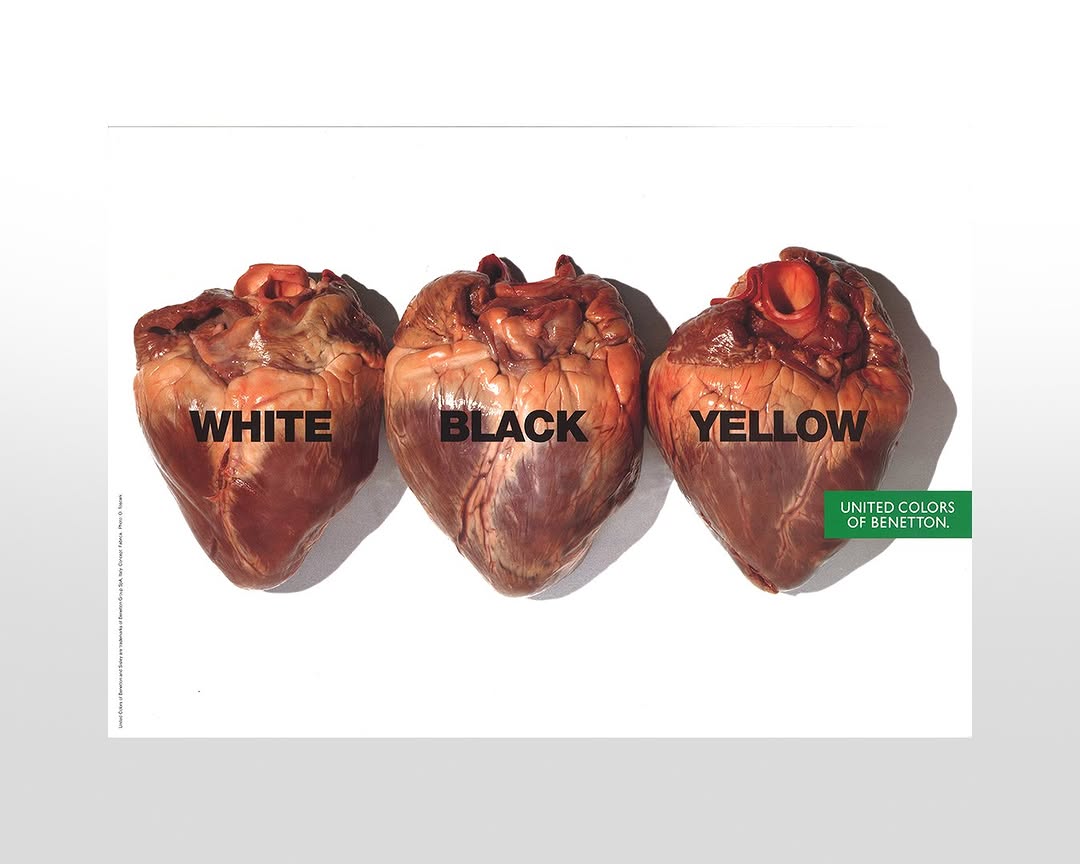
From the projects promoting diversity and freedom of expression to the images raising awareness about AIDS, the legendary photographer Oliviero Toscani’s work for United Colors of Benetton had the power to turn corporate communications into a tool for social and cultural change.
The late Italian photographer Oliviero Toscani (1946-2025) is known for Benneton’s advertising images. For him, conventional advertising always sells happiness by representing a fantasy world. Yet, he believes the media and advertising are responsible for raising social issues and making people think.
Toscani was Benetton’s creative director from 1982 to 2000. His advertisements focused on racism, AIDS, and war, sparking striking yet controversial reactions.
The 1991 ad was a cemetery photograph that conveyed a message of reflection on war. The neatly arranged cross tombstones are shocking. This image caused criticism and was banned by many countries during the Gulf War. Another controversial ad was in 1994, which featured a photograph of the blood-soaked clothing of a dead Bosnian soldier.
Benetton’s advertisements are not about clothes but attract the world’s attention to particular topics through shocking images. Although these images caused censorship and objections, the advertisements undoubtedly attracted great attention.
However, he was fired after campaign photos of death row prisoners in the US in 2000, which caused significant economic losses for the company. But this is not the end of the story; Benetton invited him to photograph advertisements again in 2018. He presented the issue of racial diversity with a picture of naked men and women of different skin colors embracing each other, which is captivating.