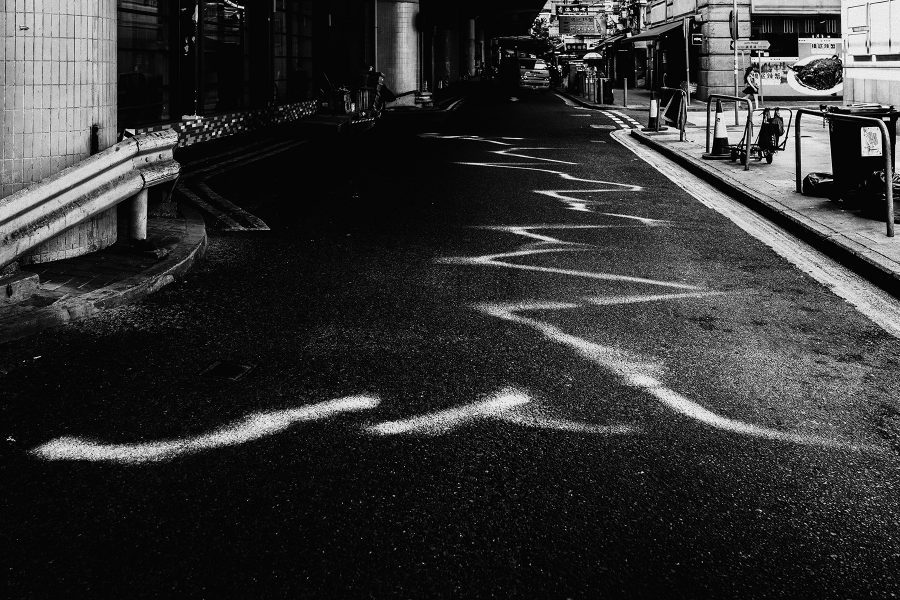
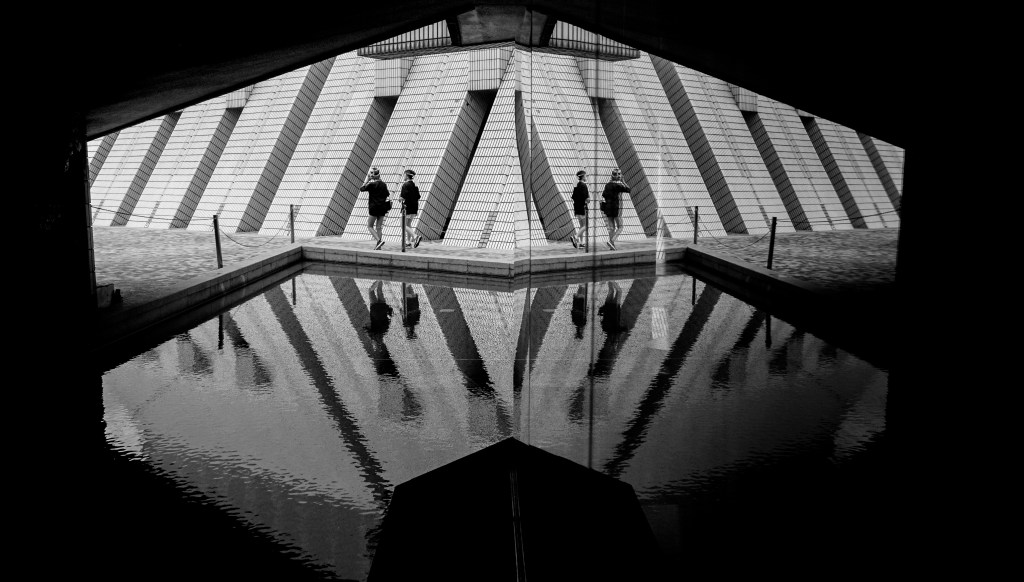
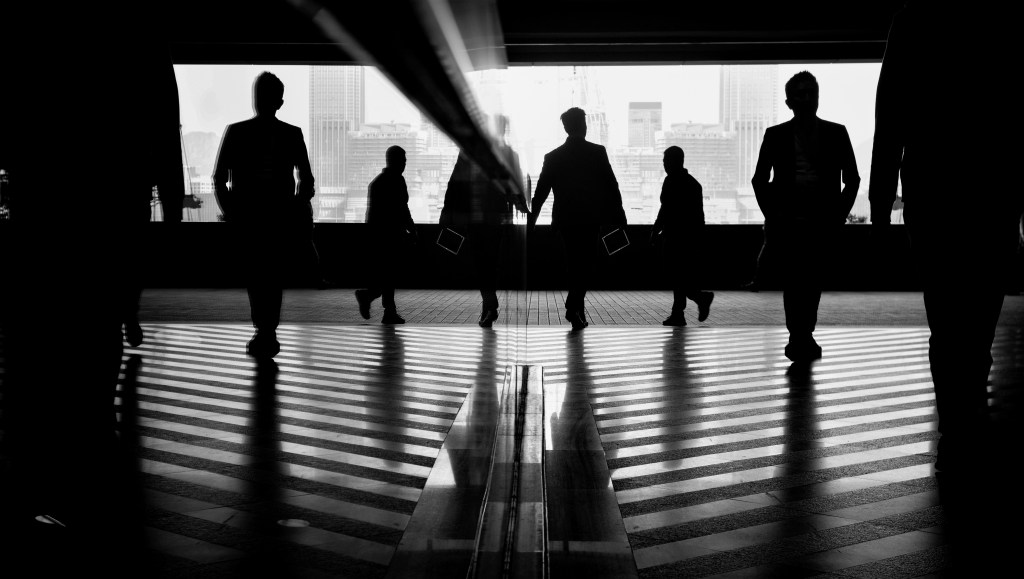
As an amateur photographer with the interior design background, Louis Cheung is very sensitive to lines, light and shadows, and objects that can reflect things. With the help of glass and the reflection of the pool, the corner of the Hong Kong Cultural Centre hides a hexagon; the hurry pedestrians in Wan Chai create an extraordinary mirror effect. For Louis, the reflection is not necessarily glass or water. The reflective car reflects the deformed Jardine House, and the remarkable picture looks like an abstract painting.
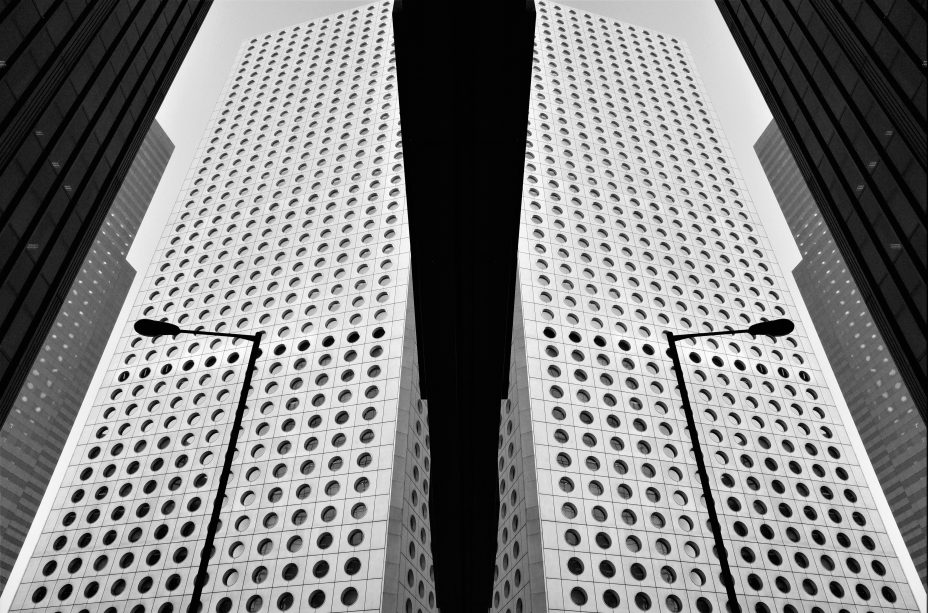
Hong Kong is a “City of Glass,” and the city is full of reflections. Jardine House is one of the landmarks in Central; photographer Louis Cheung used the reflection of glass to take a picture of two Jardine Houses side by side. The familiar buildings suddenly become a novelty.
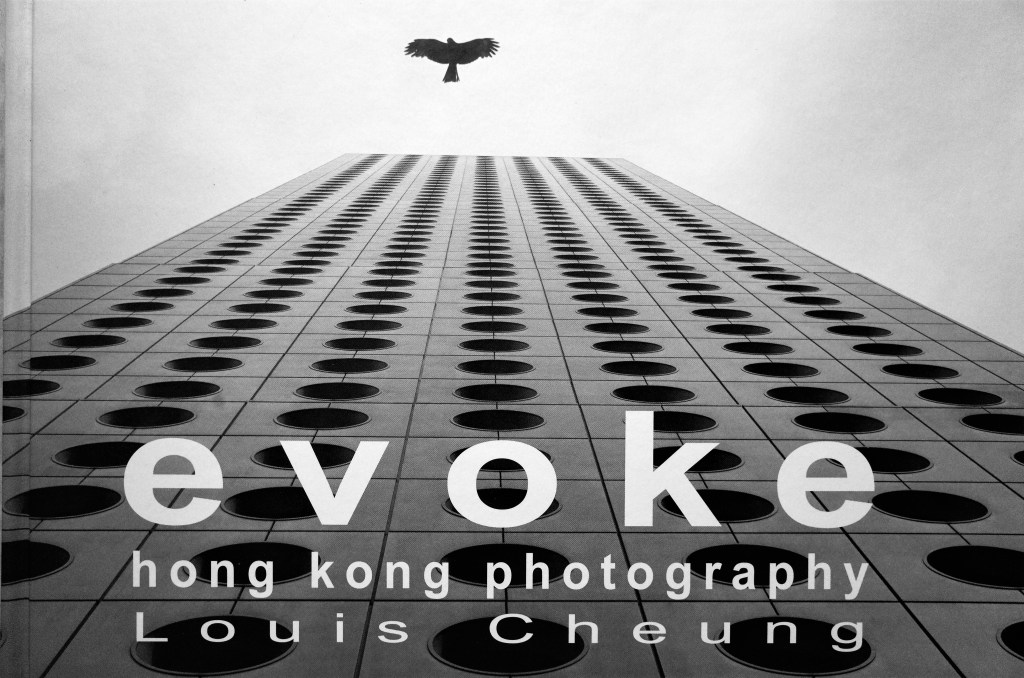
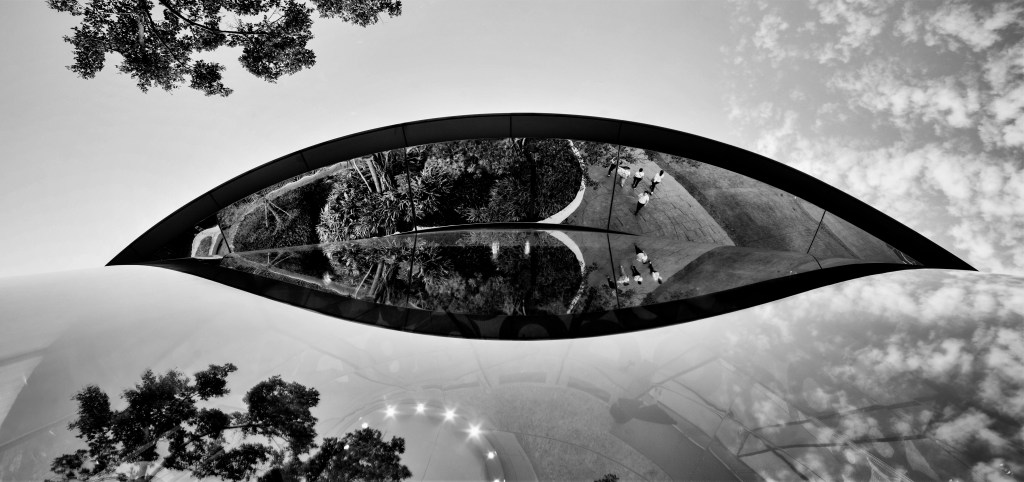
Outside the Tsim Sha Tsui shopping mall, he photographs the sky from the ground. The reflective image is like an abstract eye. It is resonant with a famous saying of photographer Elliott Erwitt: photography is an art of observation. It’s about finding something interesting in an ordinary place. Recently, Louis published a black and white photo book, “evoke hong kong photography,” to awaken the public concern about Hong Kong.
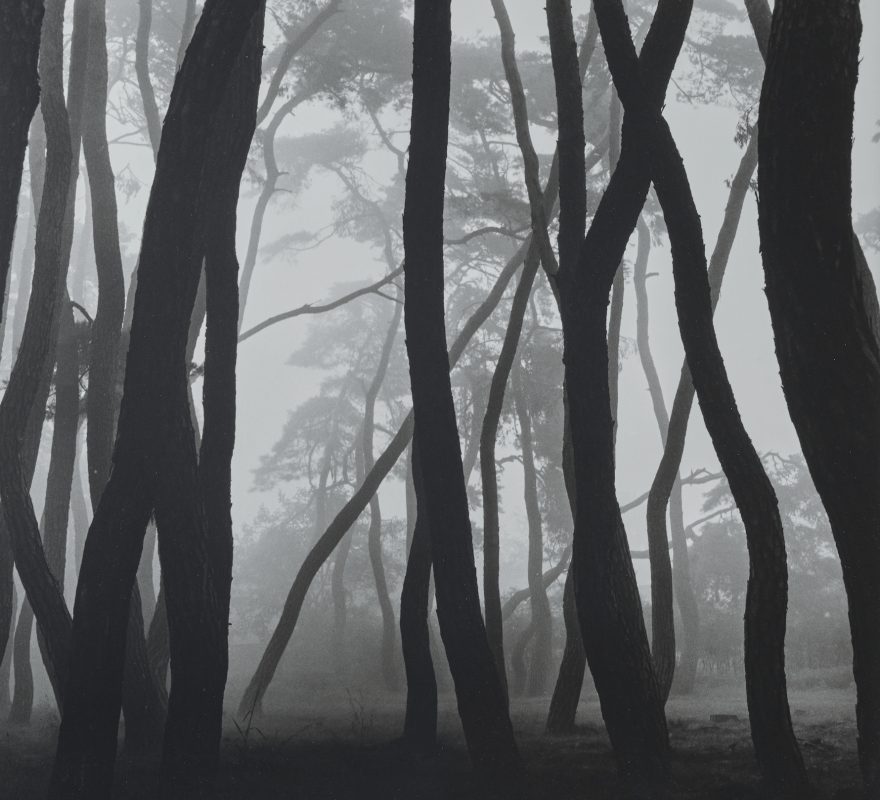
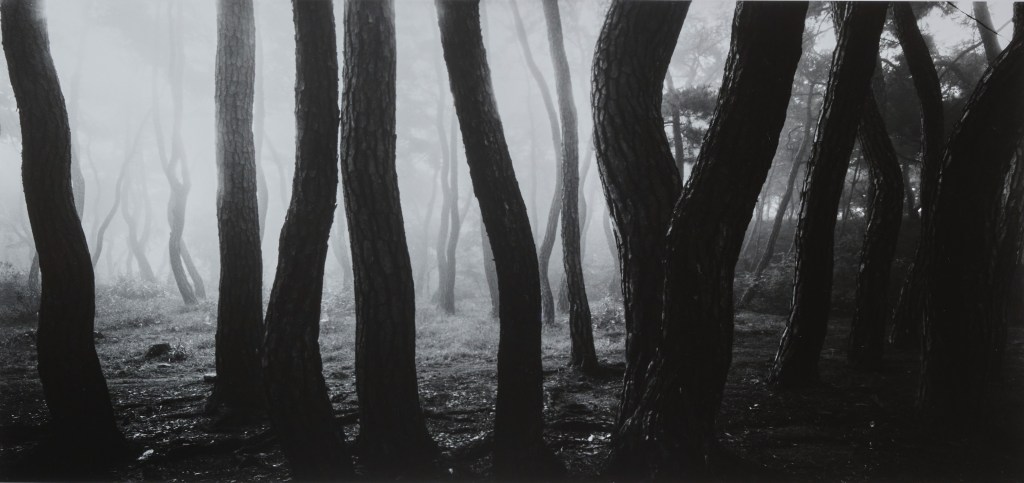
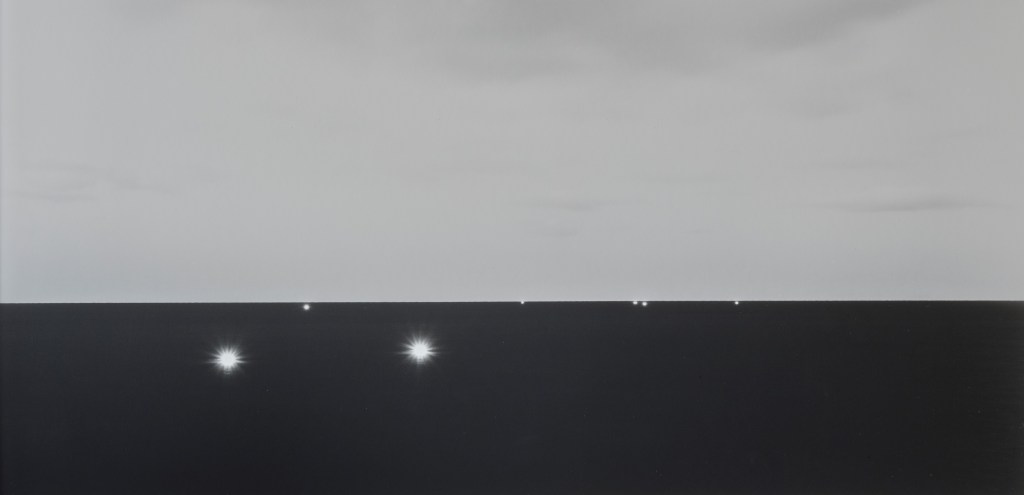
四年前,裴炳雨首次在香港展出大尺寸的松樹作品,從中環移師黃竹坑的Axel Vervoordt畫廊,最近再次舉辦他的展覽,展出十多幅由他親自沖印的小型作品,除了松樹,還有在濟州島拍攝的海景照片,每幅都是獨一無二。早在1980年代,當韓國人尚未認真將攝影當成藝術的年代,身為首爾藝術大學(Seoul Institute of the Arts)的教授,裴炳雨已開始在黑房裏用明膠銀鹽相紙曬相。
戰後的日本深受美國影響,思想上,他喜歡Jack Kerouac描寫美國旅途生活的小說《旅途上》,啟發他用相機替代寫作,在日本踏上「On the Road」的旅程。視覺上,他受美國攝影師William Klein的《紐約》影響,其隨性、不受審美標準限制的照片,呈現大都會粗野的一面,令他深覺震撼。而最早奠定他晃動、高反差、粗微粒風格的,是1968年與實驗電影大師寺山修司共同創作的首本攝影集《日本劇場寫真帖》,巡迴演出劇團、同性戀者、脫衣舞孃……那是一個充滿慾望的城市,森山大道以風格凌厲的黑白影像,顛覆既有的攝影觀念。
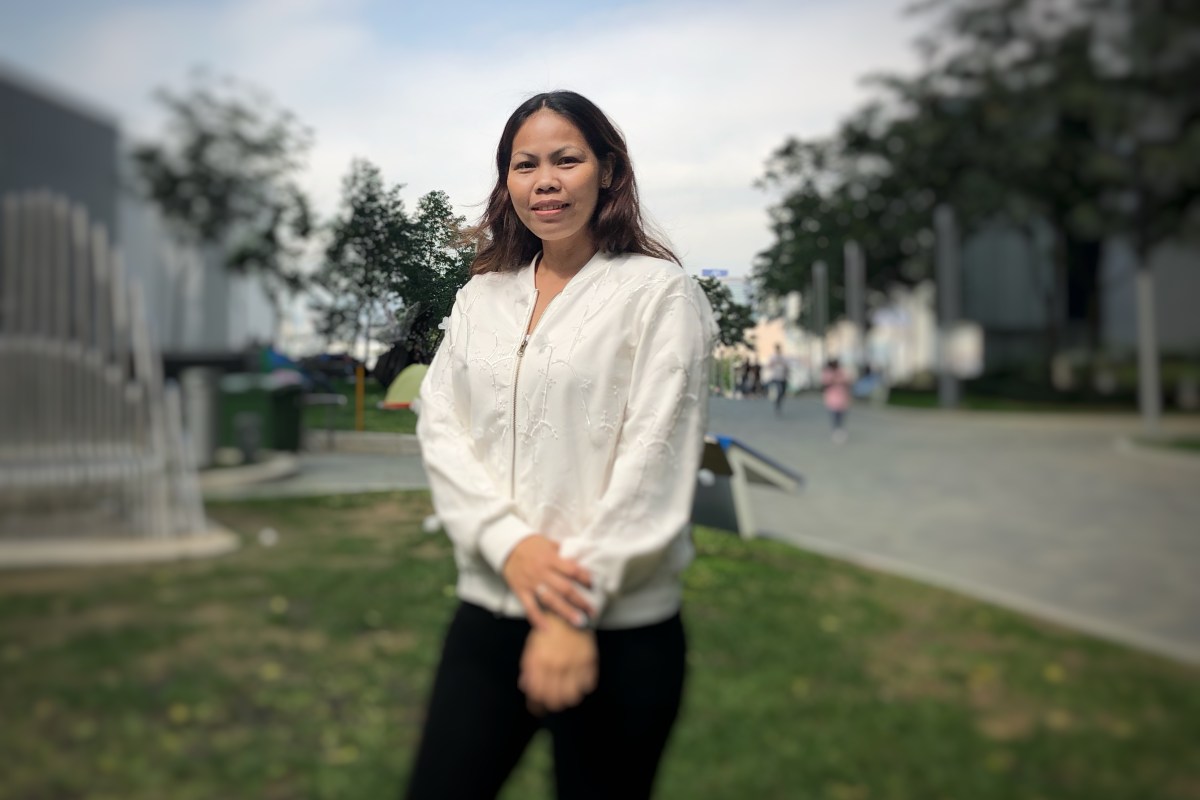
Joan喜歡極簡主義,照片簡潔留白,頗有想像空間。事實上,她總寄情於相,有一幅在銅鑼灣Apple Store隔着玻璃拍攝的腳印剪影叫《Walk with me》,「那時經常自己一個人,感覺沒有東西支撐,照片無形中給予我力量。」或許如此,她的照片流露出淡淡的憂傷與孤獨,鏡頭下的香港不見熱鬧,反而都是獨行的人。作品常見元素有雨傘,對港人而言有象徵意義,對她卻是個人感受,「我離開兒子的時候,是在一個雨天。」這把傘,擋着雨水,也撐着思念。