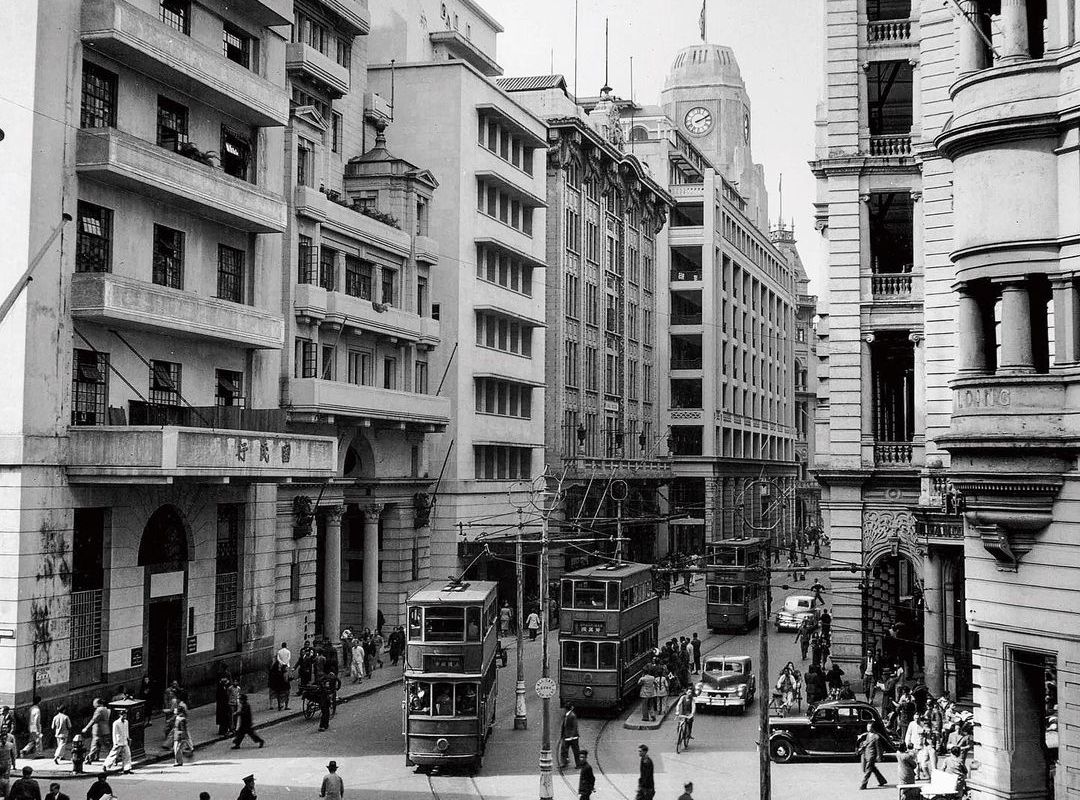
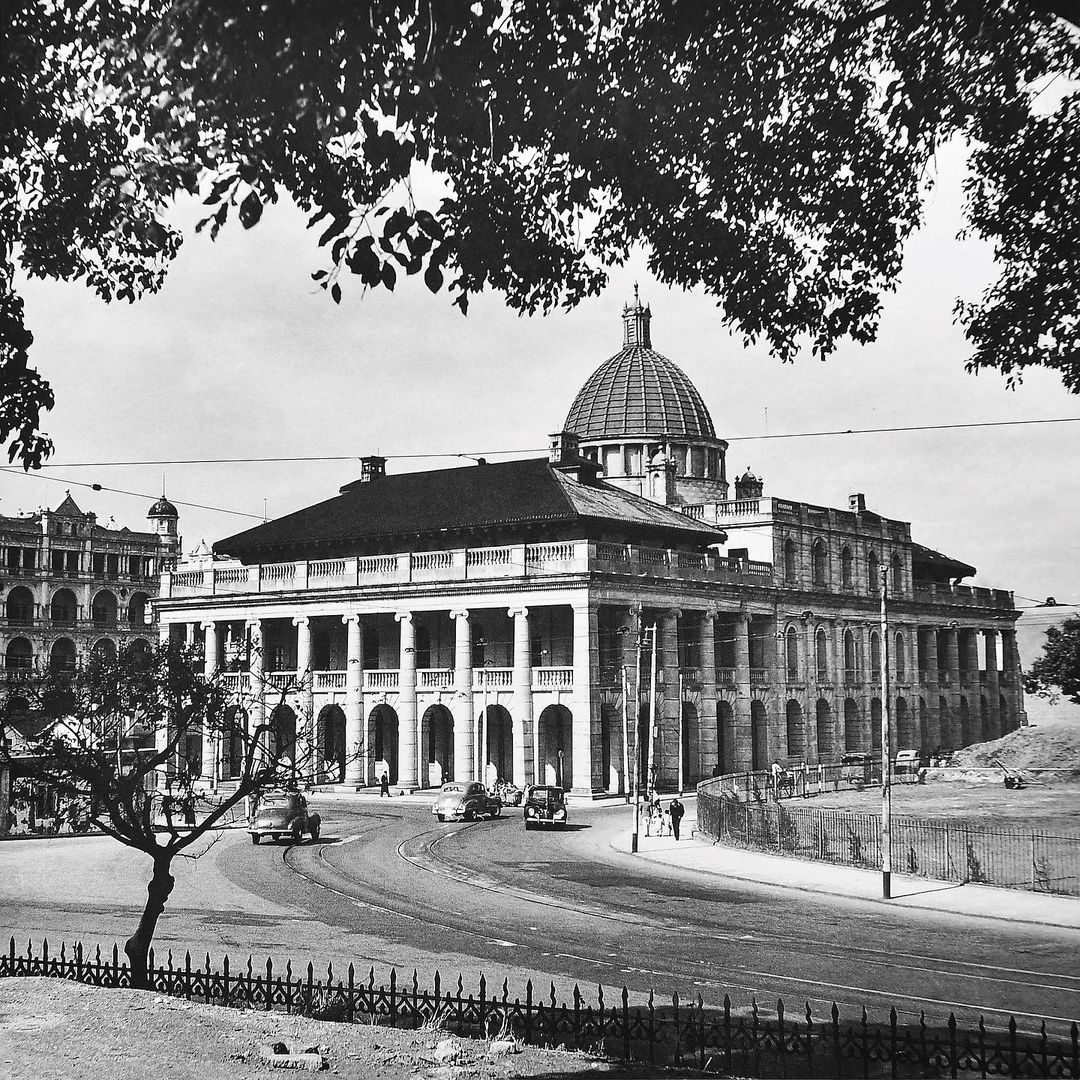
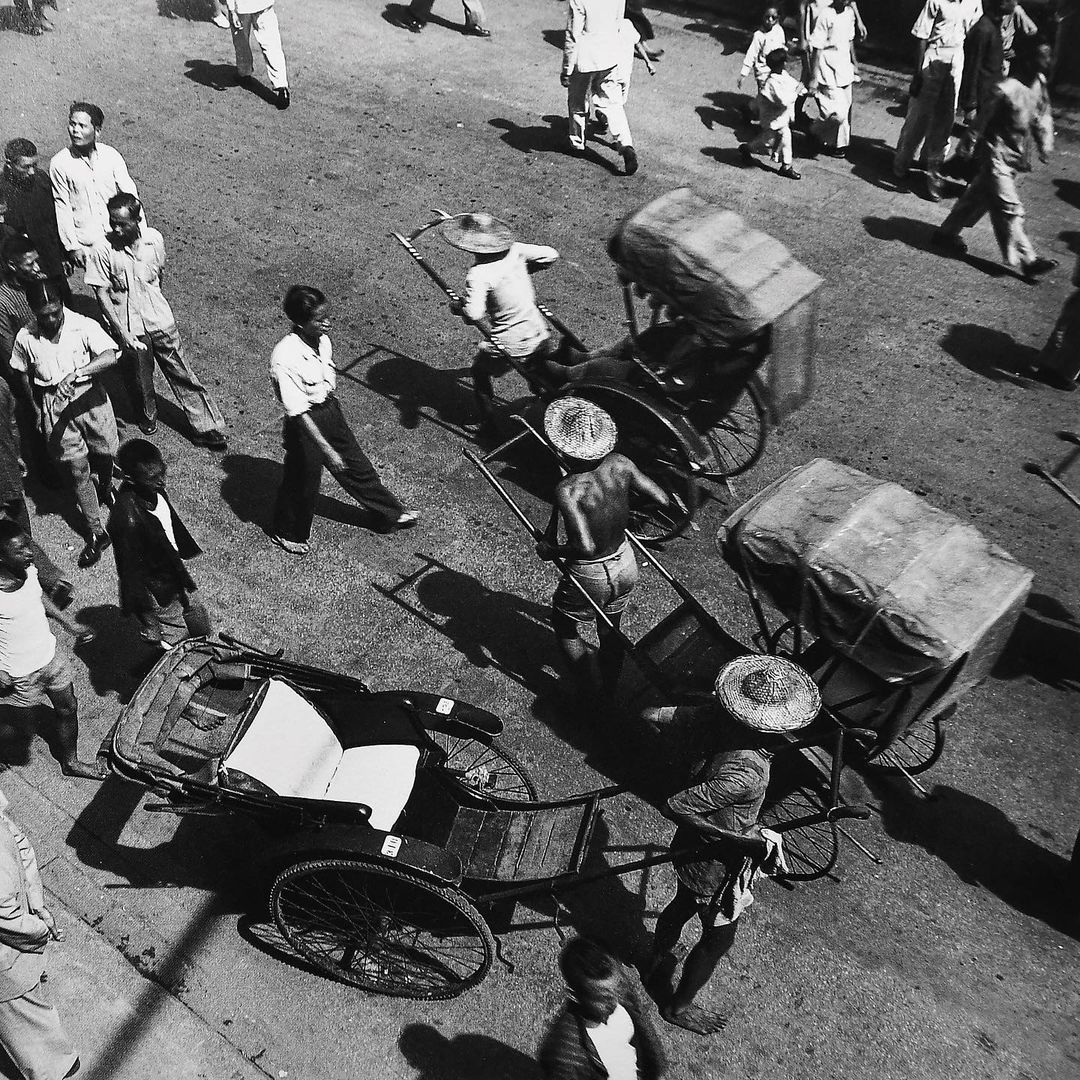
何藩出版過數本攝影集,65歲退下導演崗位後,他離開香港,前往聖荷西與家人團聚。在家人鼓勵下,他開始整理年輕時拍攝的相片,出版《香港追憶》(Hong Kong Yesterday, 2006)、《人生舞台》(The Living Theatre, 2009) 、《香港‧往日情懷》(A Hong Kong Memoir, 2014)及逝世後的《念香港人的舊》(Portrait of Hong Kong, 2016,2021年出版第四版)、《感情・感悟・感覺》(Photography. My Passion. My Life. 2021)等攝影集。他曾說過,在演員、導演及攝影師三重身份中,他最喜歡的仍是攝影。
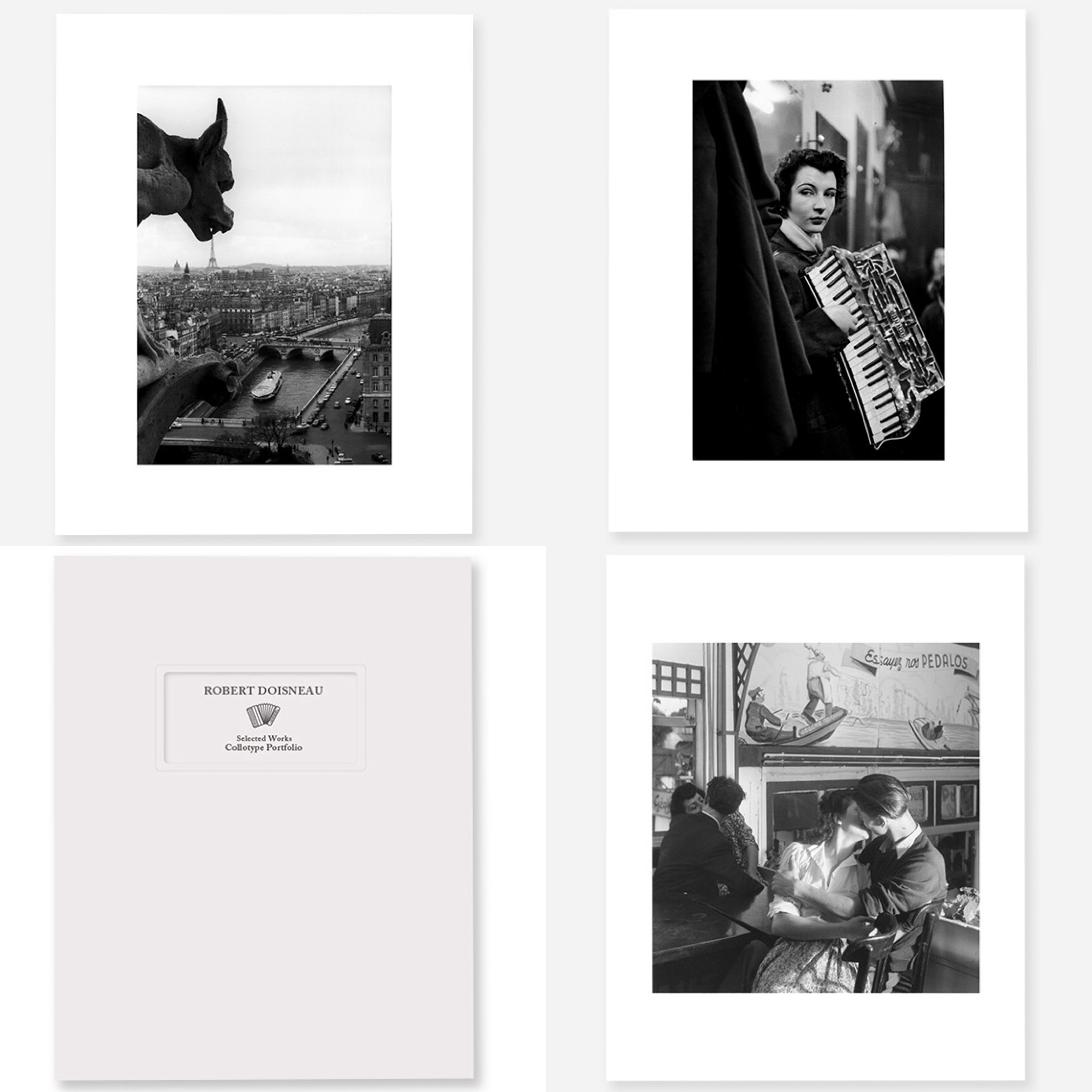
Robert Doisneau一生以他所居住的巴黎為主要拍攝對象,在日常生活中捕捉風趣幽默的瞬間。布列松在1947年成立Magnum Photos後,曾邀請他加入通訊社,Doisneau明白自己的根在巴黎,並不嚮往國際性的拍攝任務,因此婉拒布列松的邀請,繼續留在Rapho Agency,終其一生絕大部份時間在花都拍攝,至今遺下45萬張菲林底片。
1950年代是Doisneau的巔峰時期,很多著名照片都是在這段時間拍攝,包括那幅最廣為人知的《市政廳前之吻》(Le Baiser de l’Hôtel de Ville, 1950),這幅作品現在幾乎已成為浪漫巴黎的代名詞。他的鏡頭拍攝巴黎人的生活百態,即使在平凡的日常裏,也總能發掘出耐人尋味的瞬間,彷彿正在觀看一齣齣靜態的法國電影。
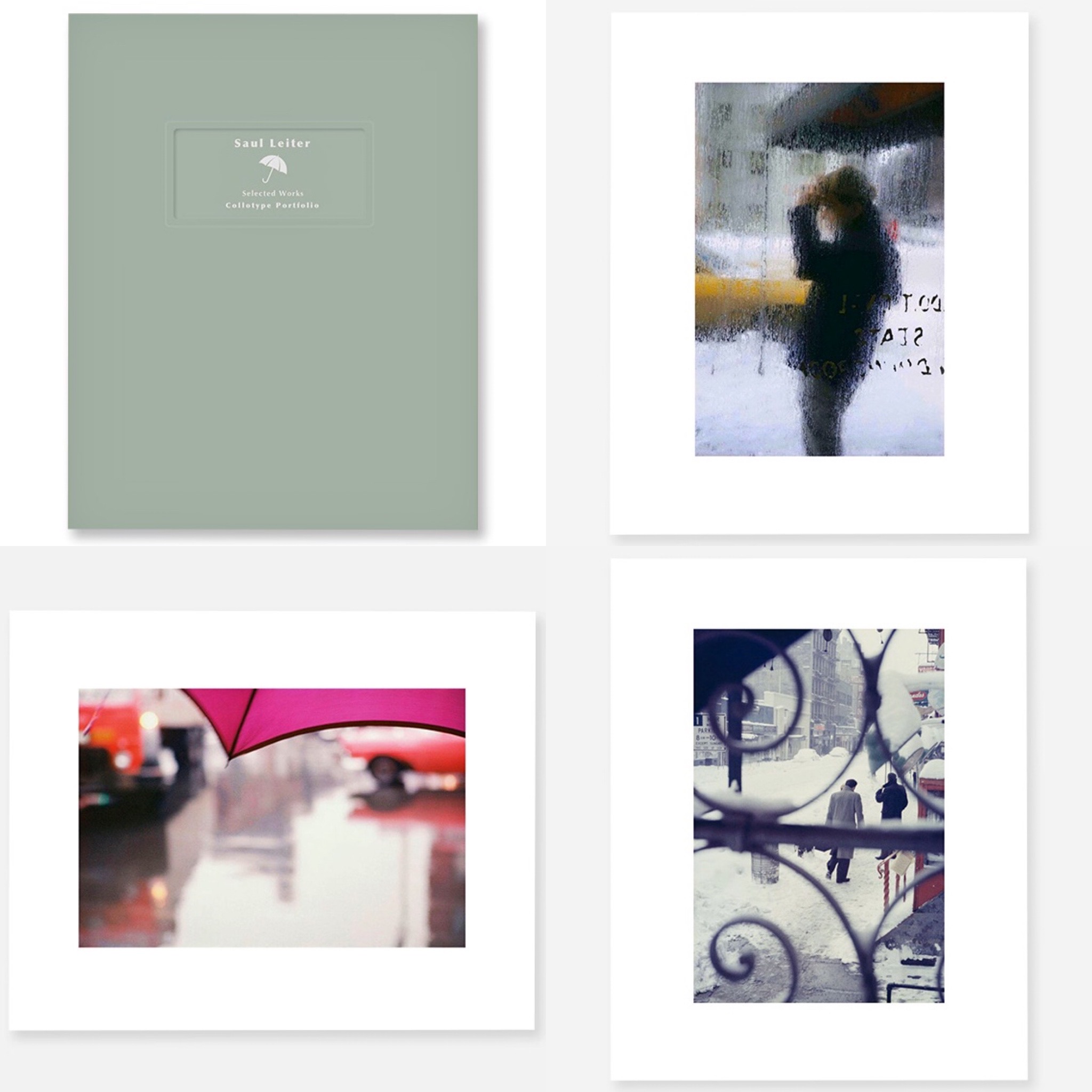
美國攝影師Saul Leiter (1923-2013)曾說「A window covered with raindrops interests me more than a photograph of a famous person.」他鏡頭下的紐約街頭,朦朧、優雅、淡然,若你喜歡雨,相信對他的照片愛不釋手,玻璃窗上的水滴,有種浪漫的遐想。
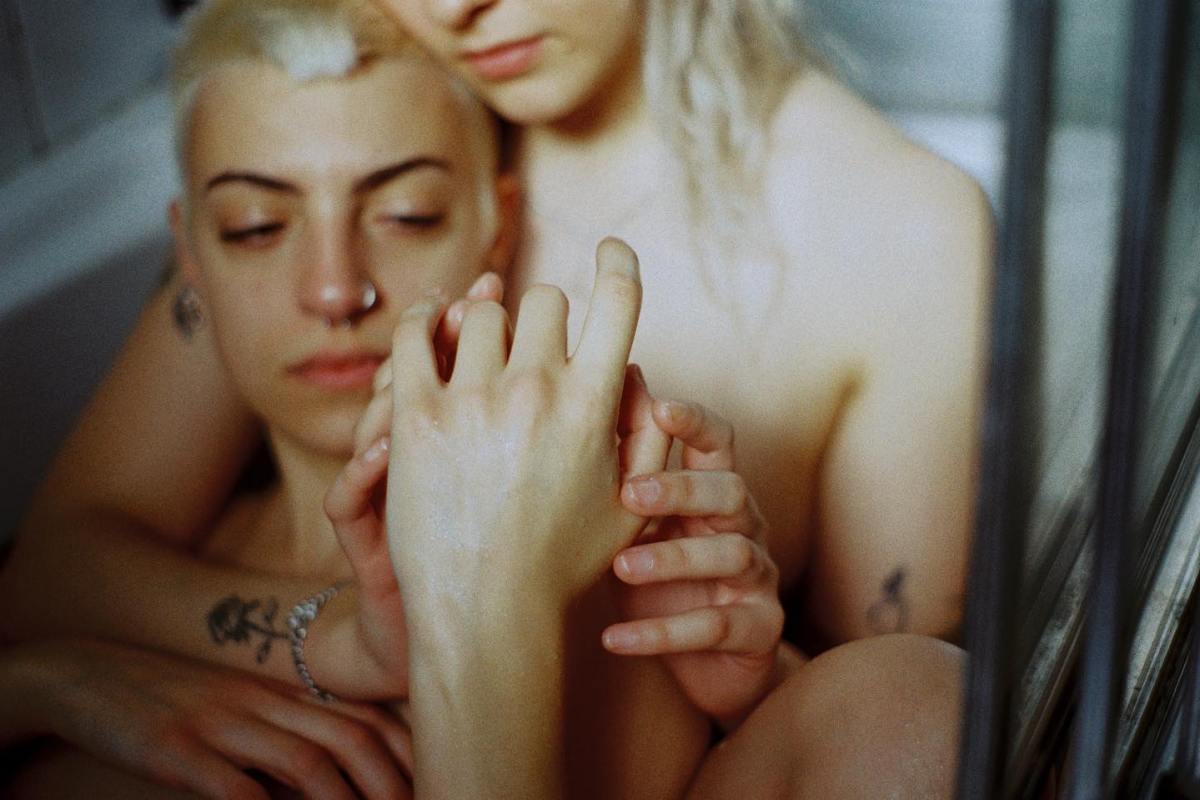
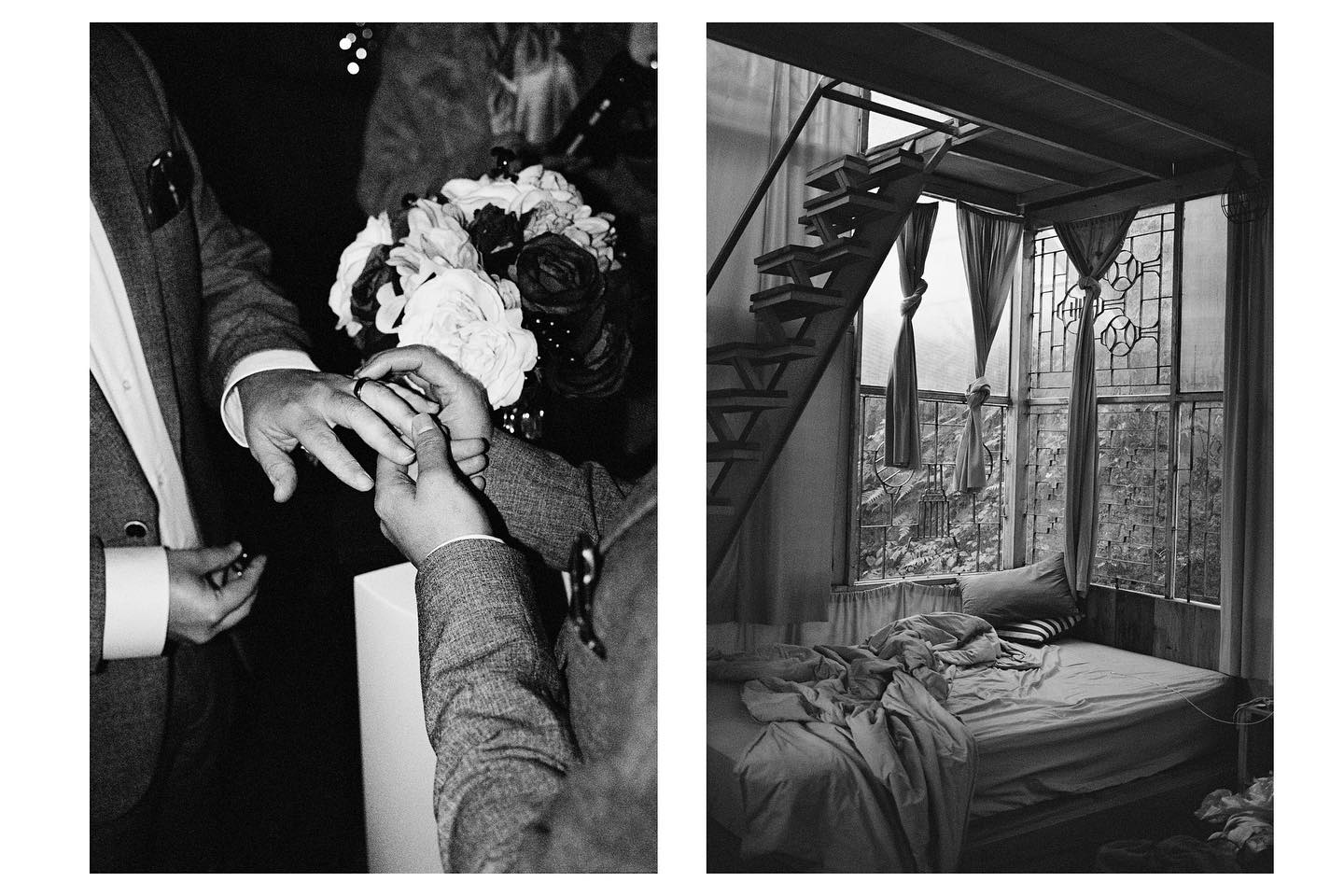
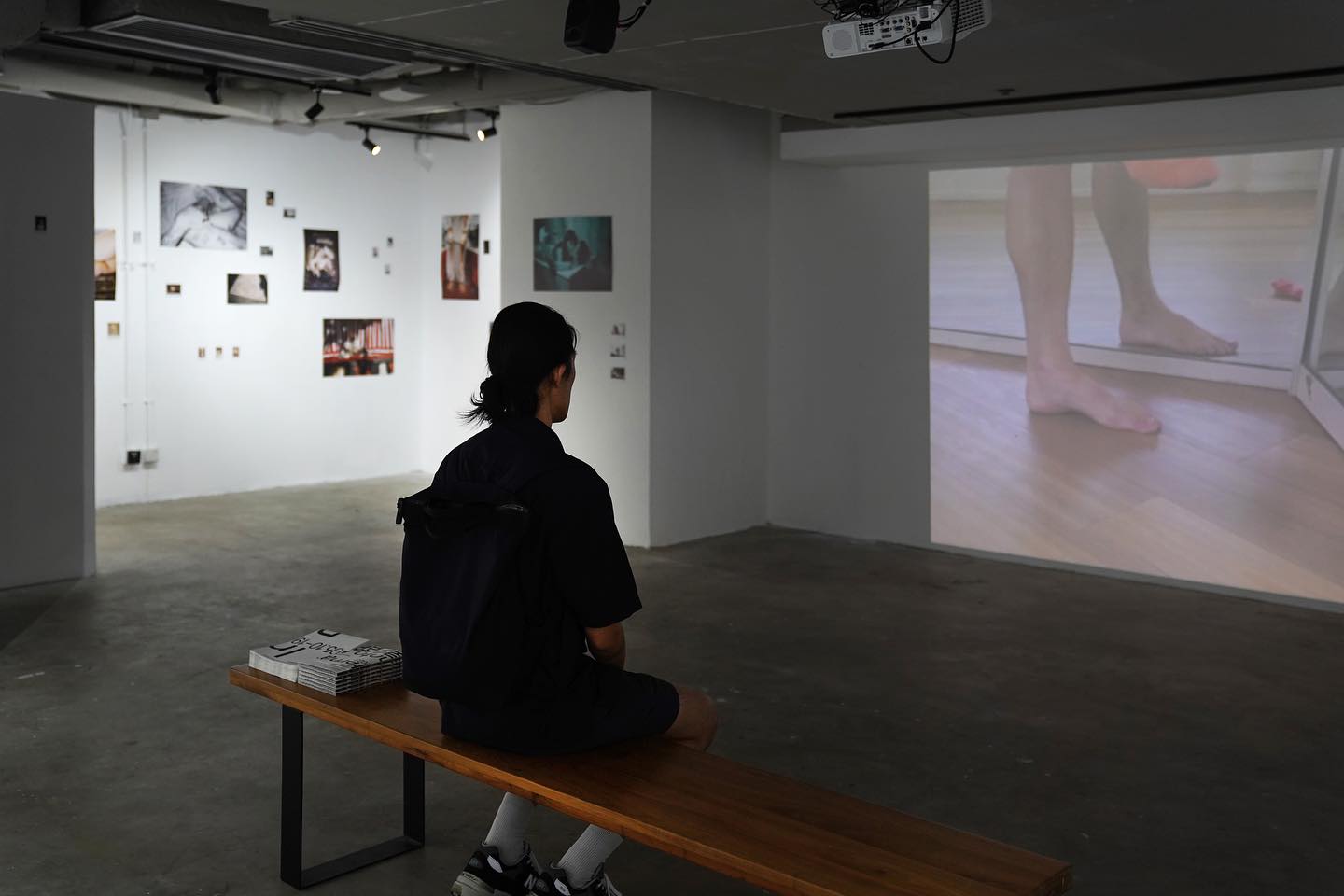
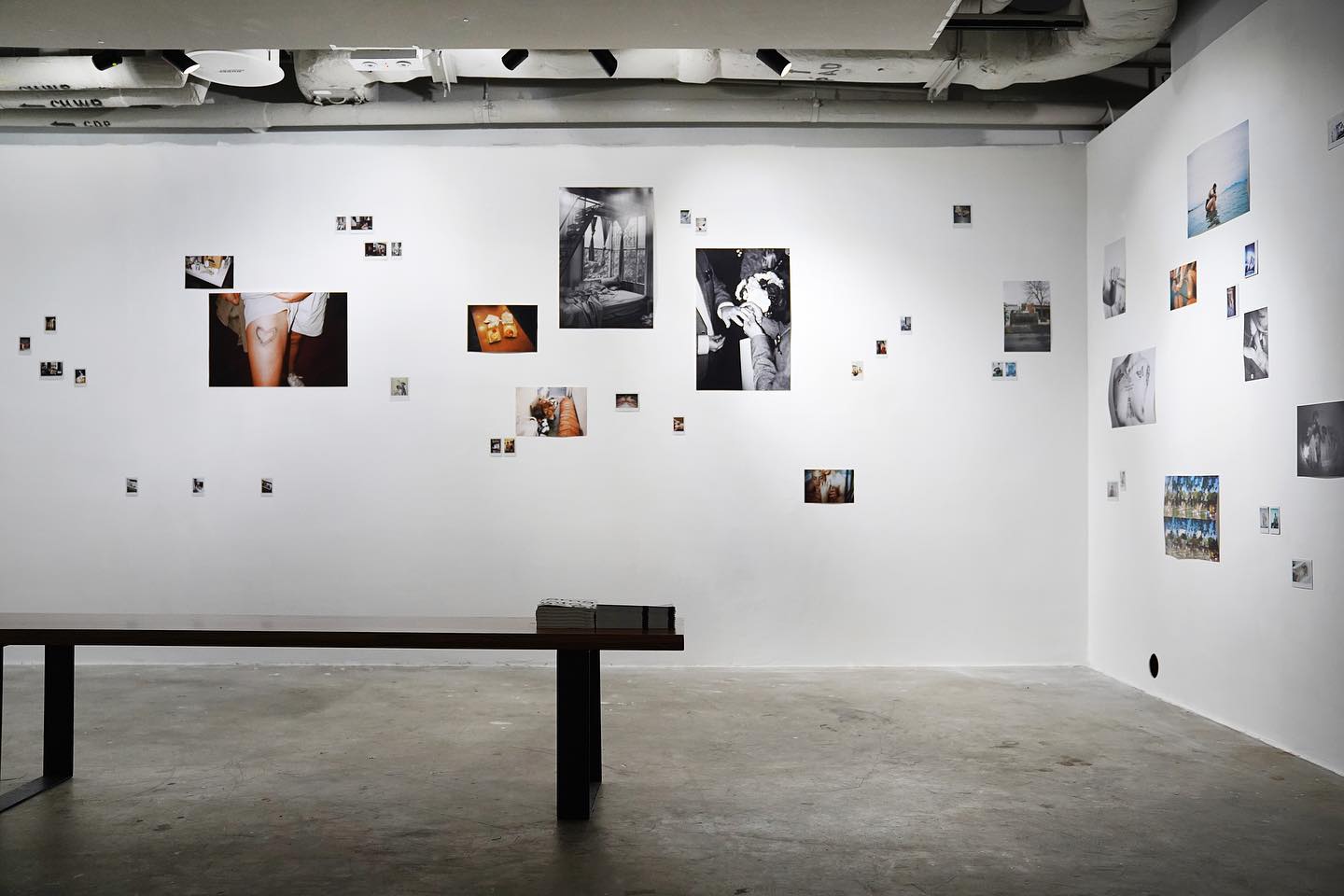
對許多人來說,家是容身之所;對毛利人酷兒藝術家J Davies而言,家更是一種情感的依歸。此心安處是吾家,藝術家現時在香港的展覽《Home (Away From Home》,藉著在家與離家拍攝的親密影像,既記錄當代酷兒的生活面貌,同時也探索他們的親密關係與家的歸屬感。
家的不同定義
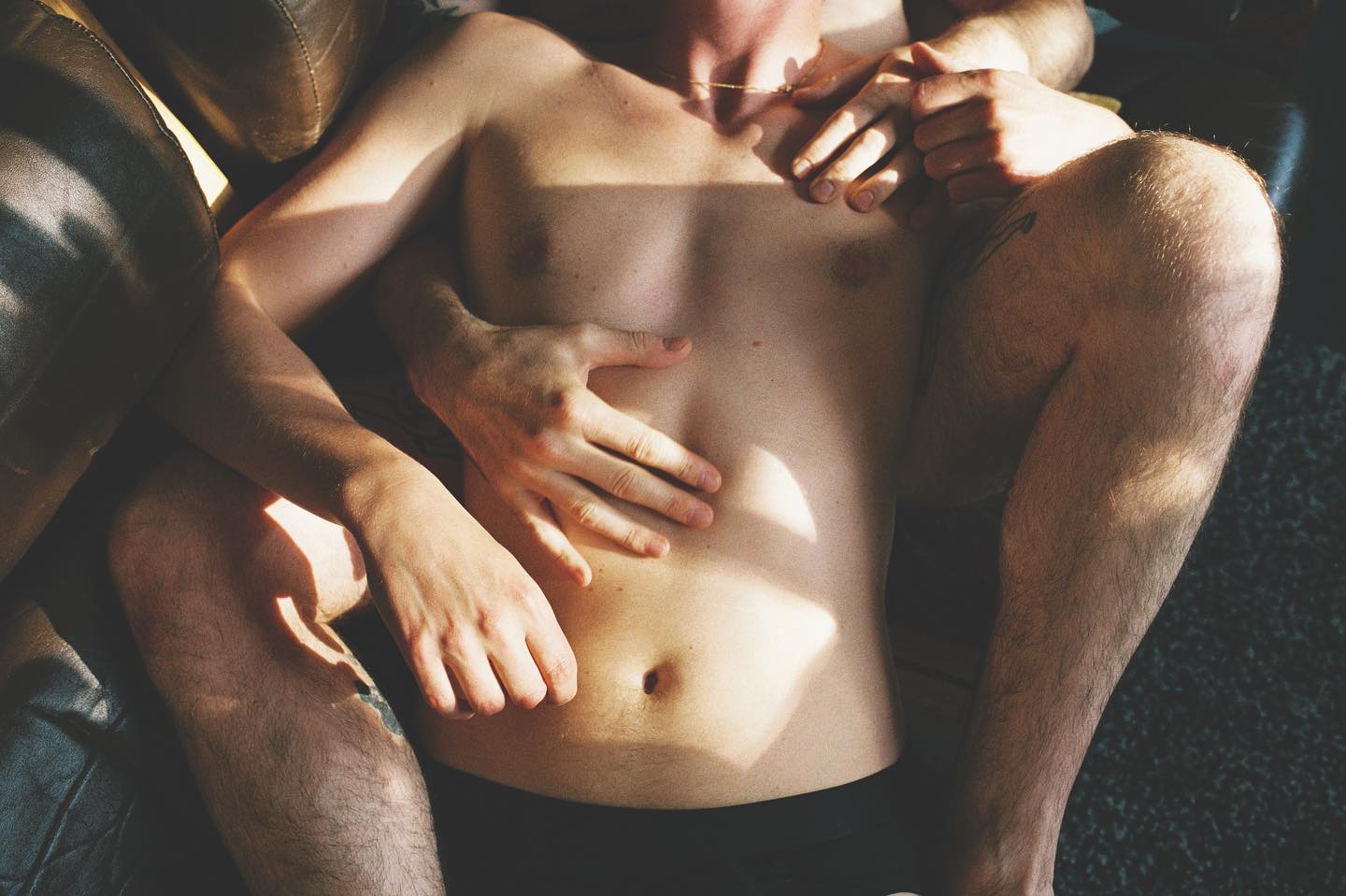
展覽標題《Home (Away From Home》可以分為兩部份去解讀,但探索的同樣是情侶或朋友間的情感。Home是指藝術家在家中以及在墨爾本拍攝身邊朋友的親密時刻,他們或擁抱或依偎,有的在嬉戲或親熱,記錄著澳洲酷兒的日常。至於Away From Home則是在世界各地旅行時的記錄,例如作品中有一幅在越南拍攝的一張亂成一團的床,即使相片不在家中拍攝,卻能令J Davies感受到家的儀式感及安全感。「我與朋友的親密關係,令我覺得有一種家的感覺。當時我和三個朋友住在一起,他們的床都在樓上,每天早上我們都會在這張床上討論當日的行程。床變成一個聚會場所,見證我們的親近關係。」
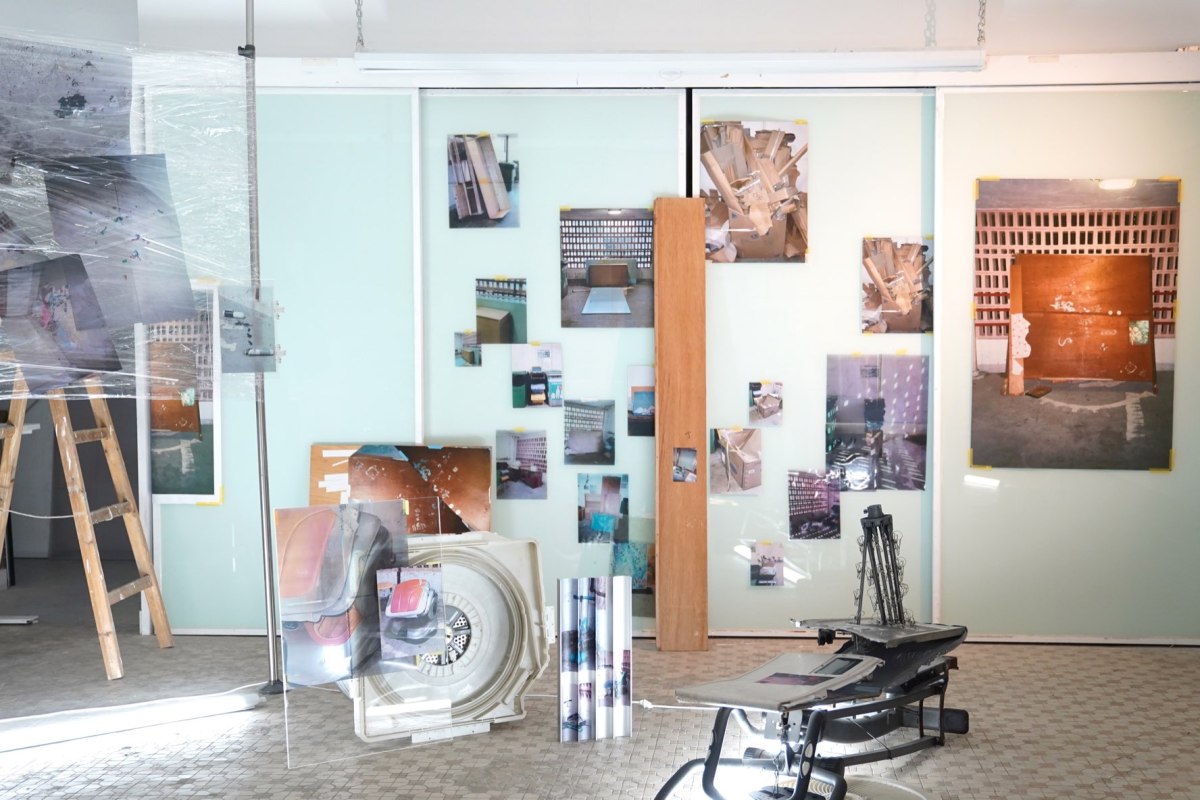
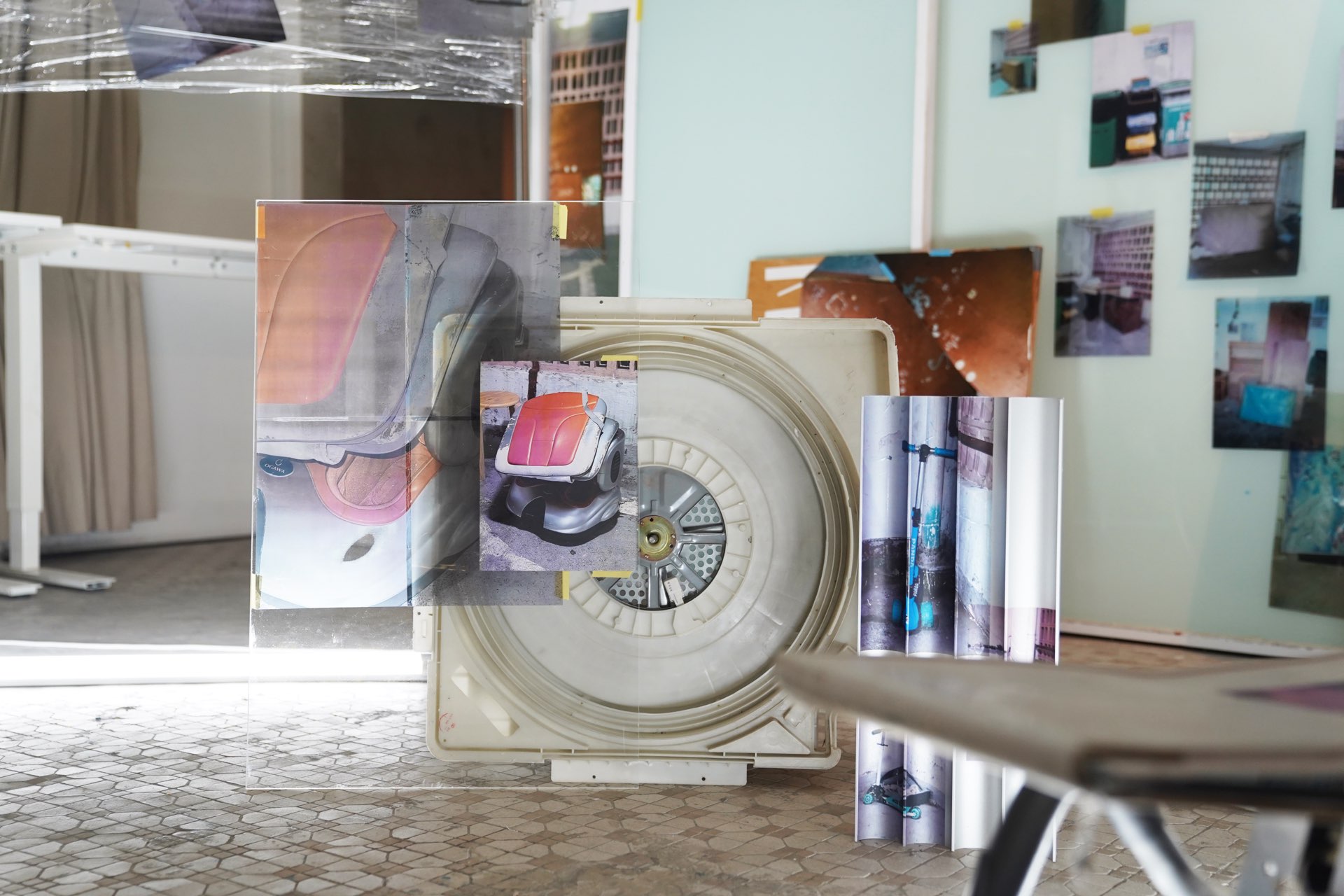
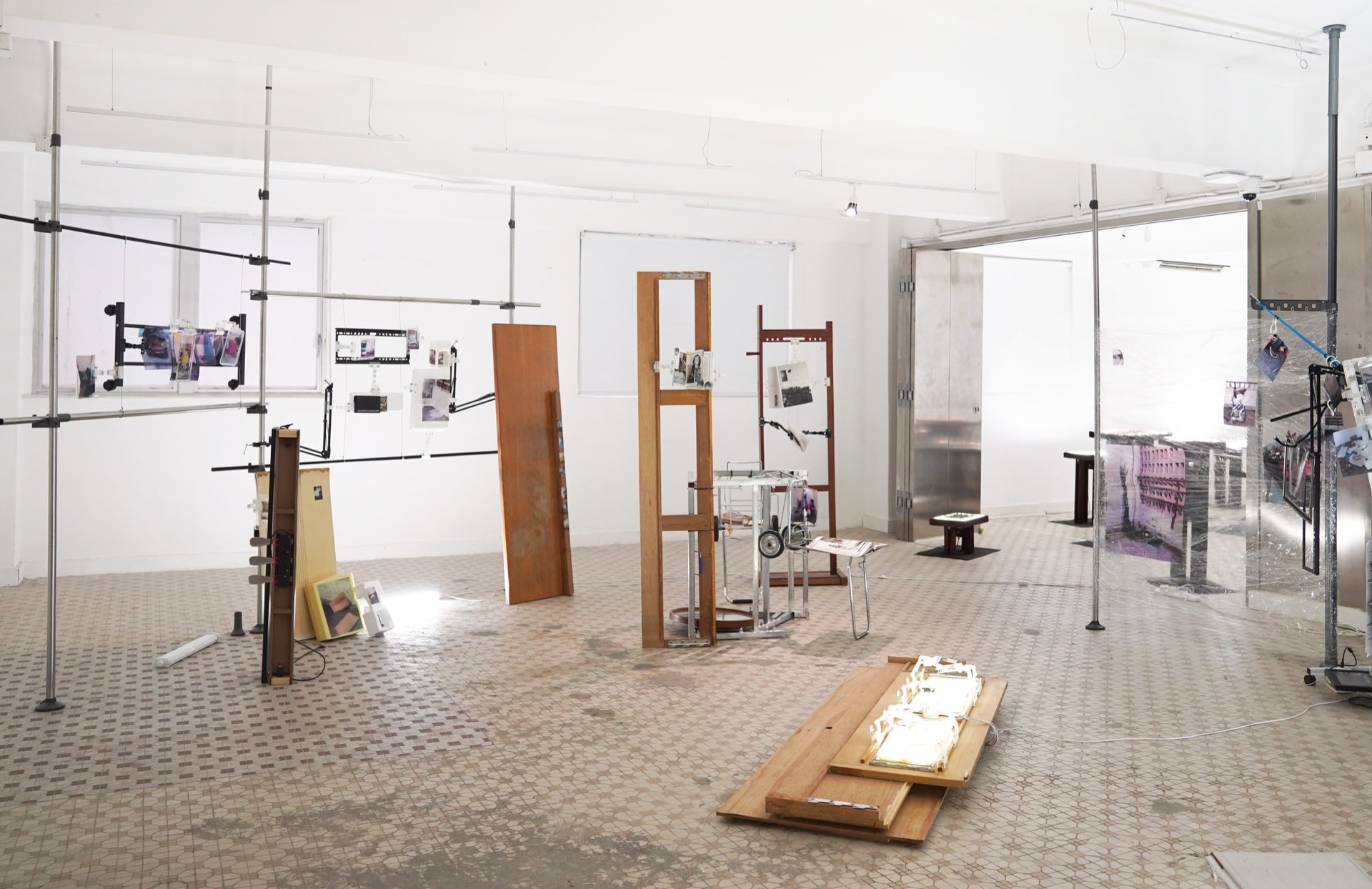
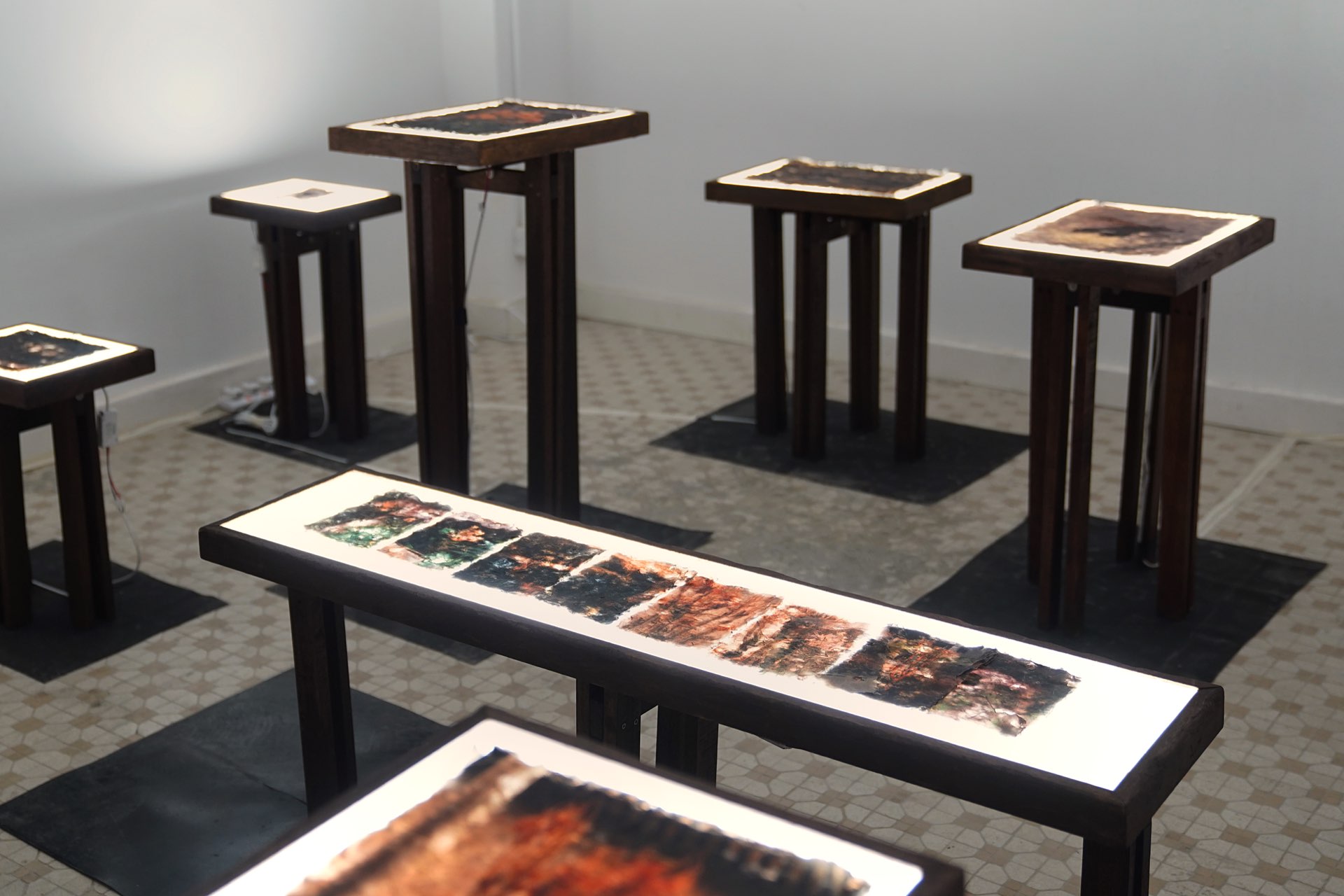
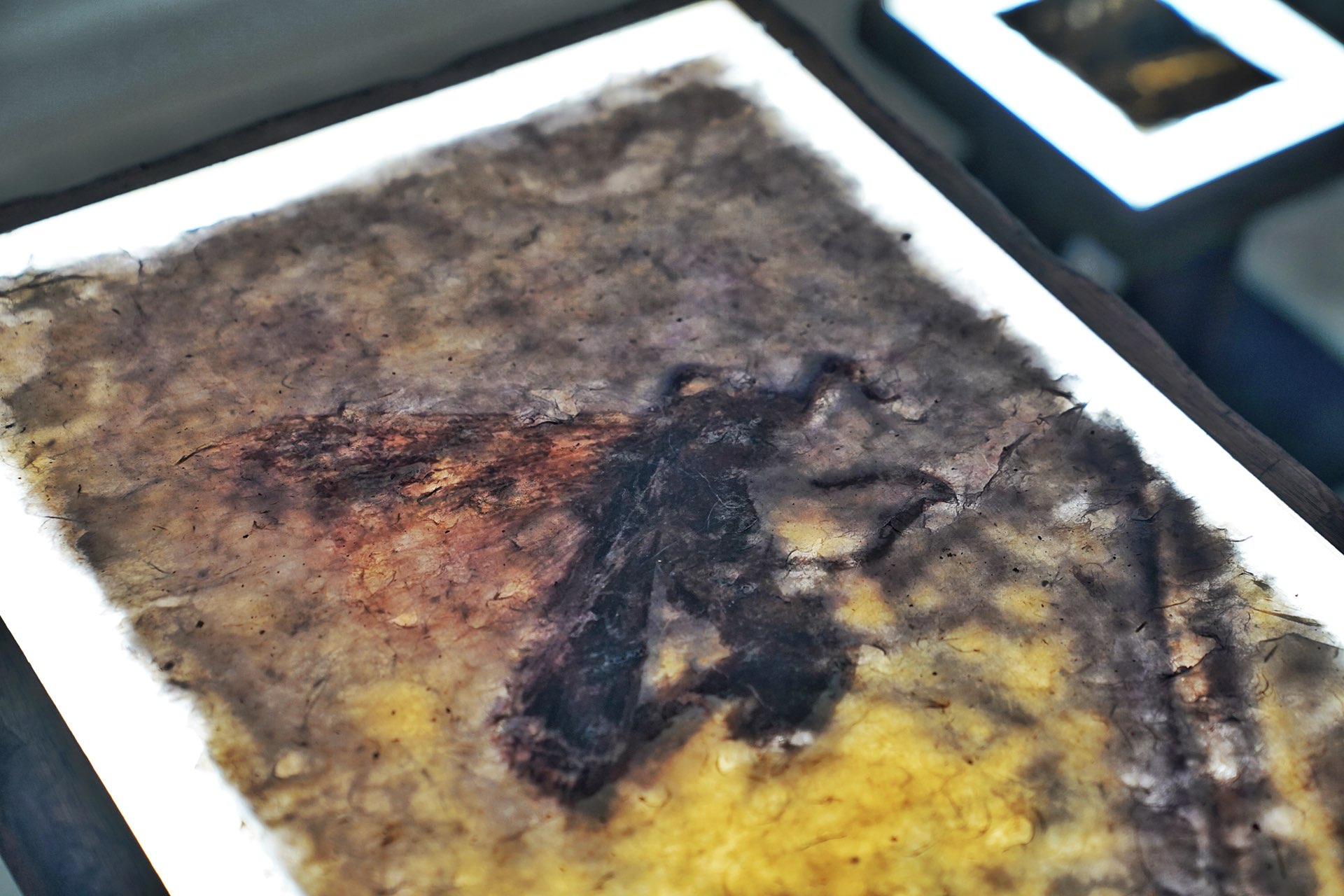
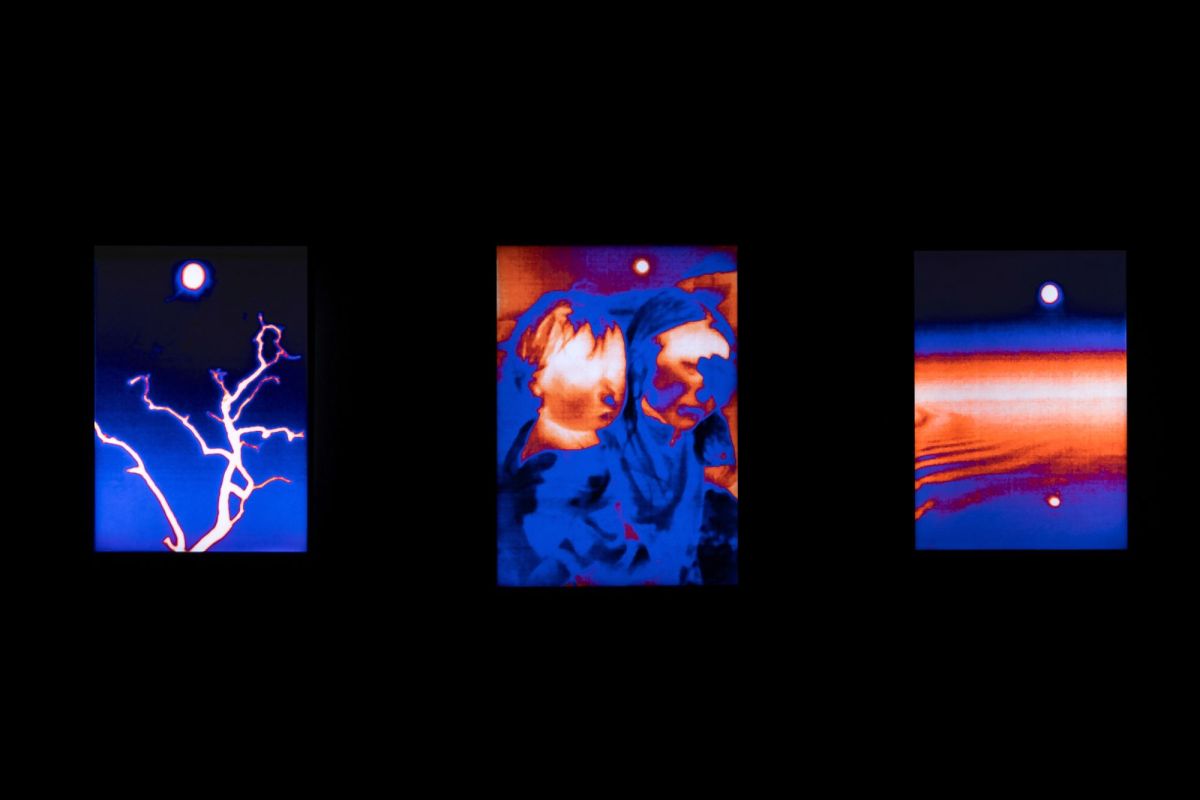
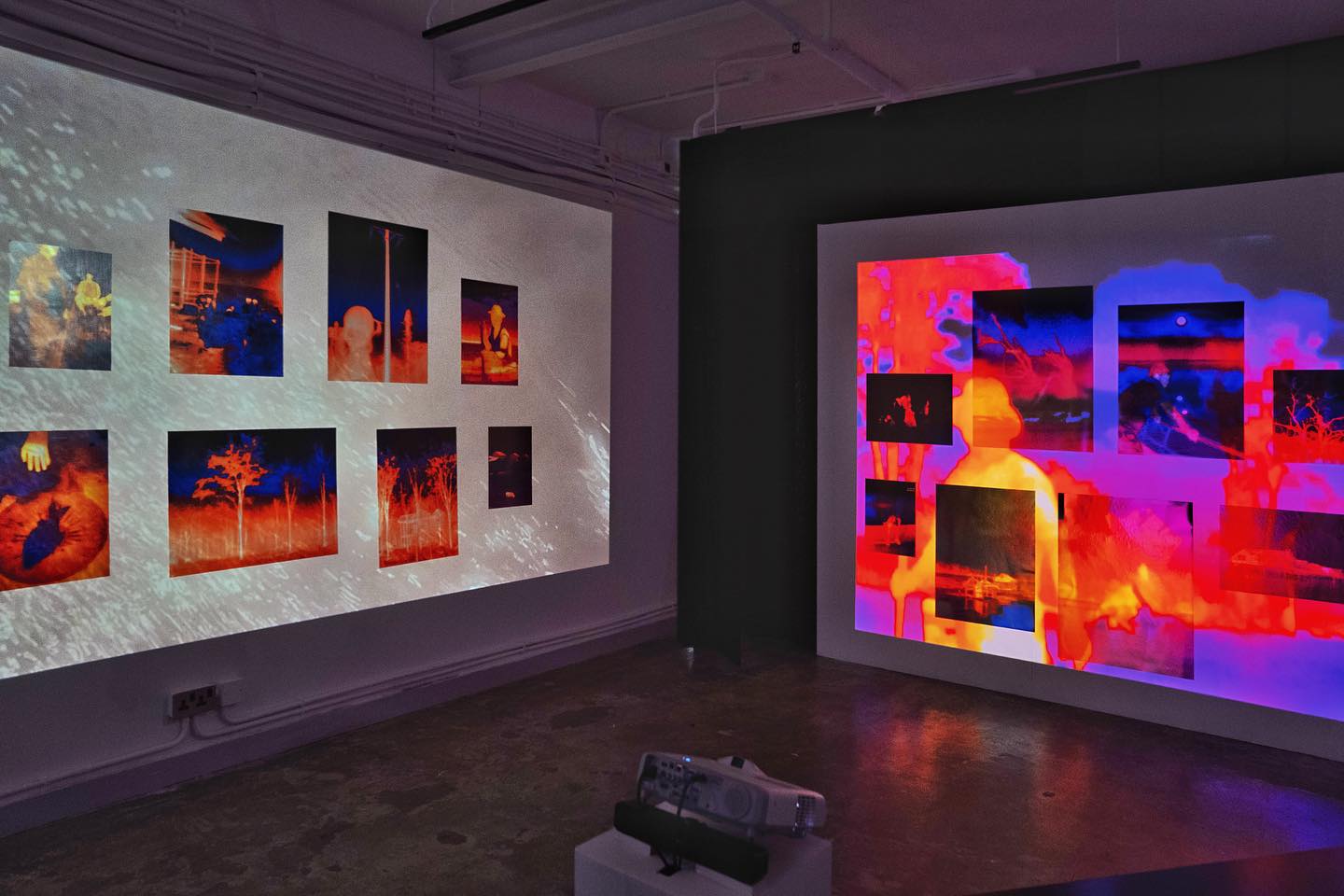
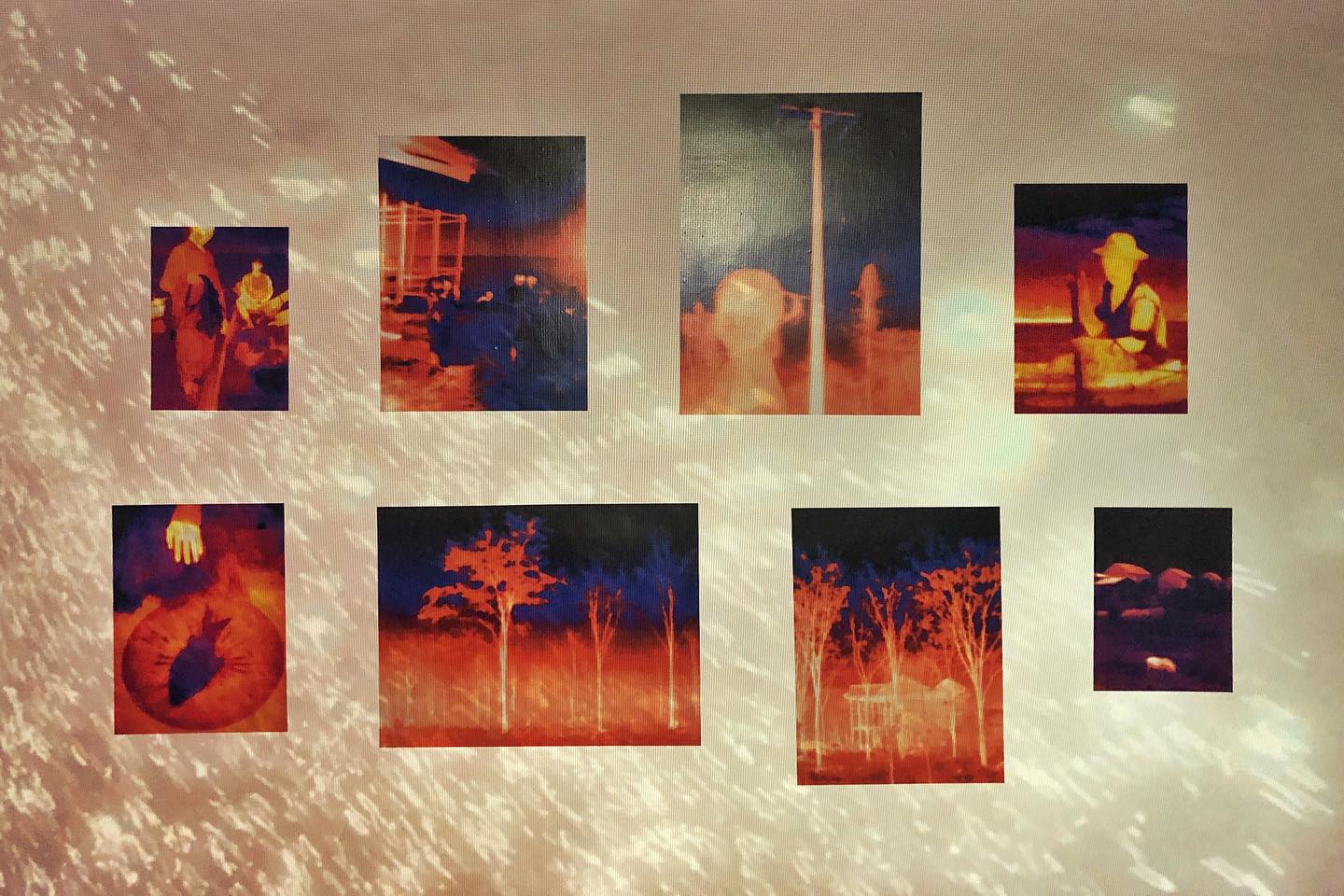
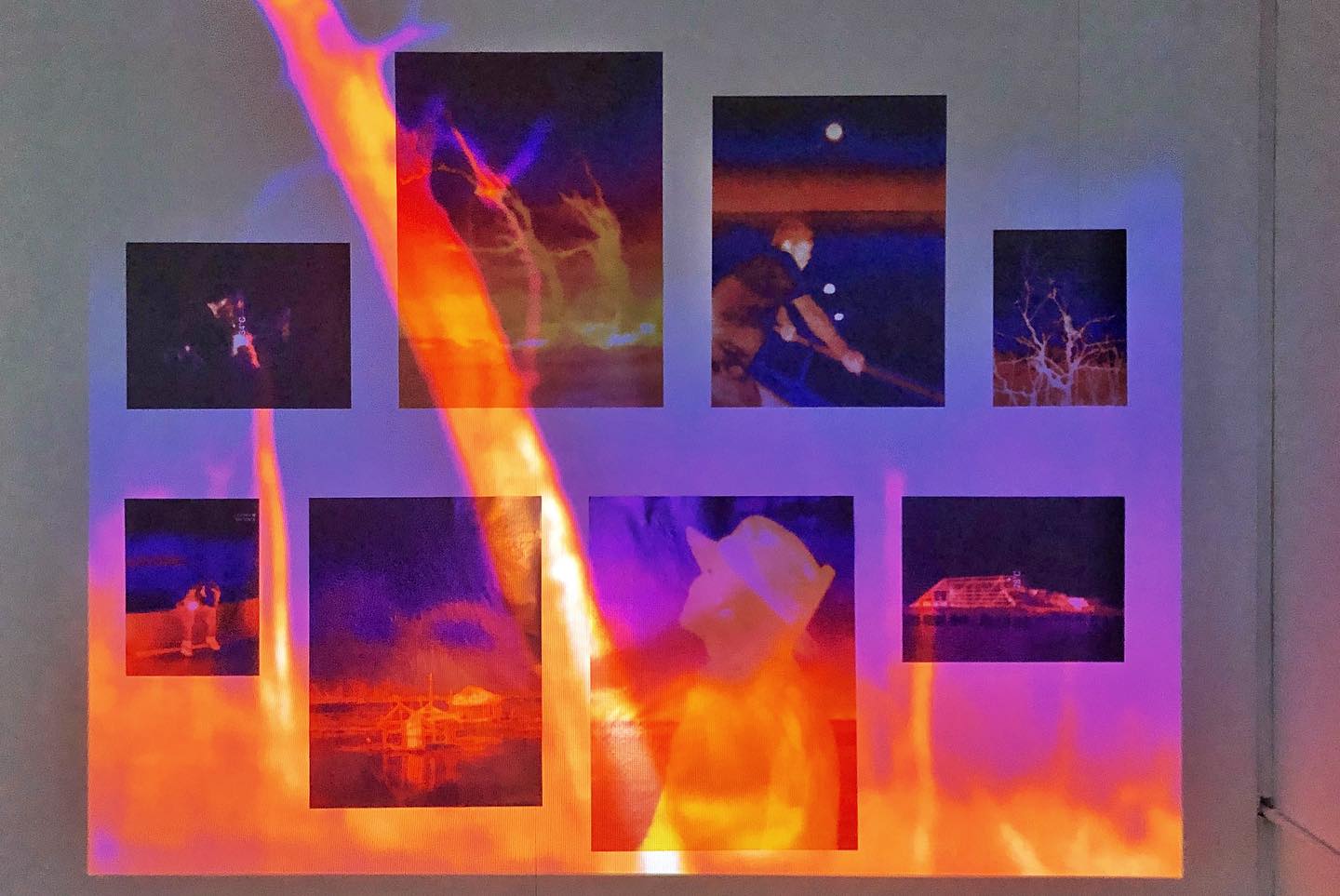
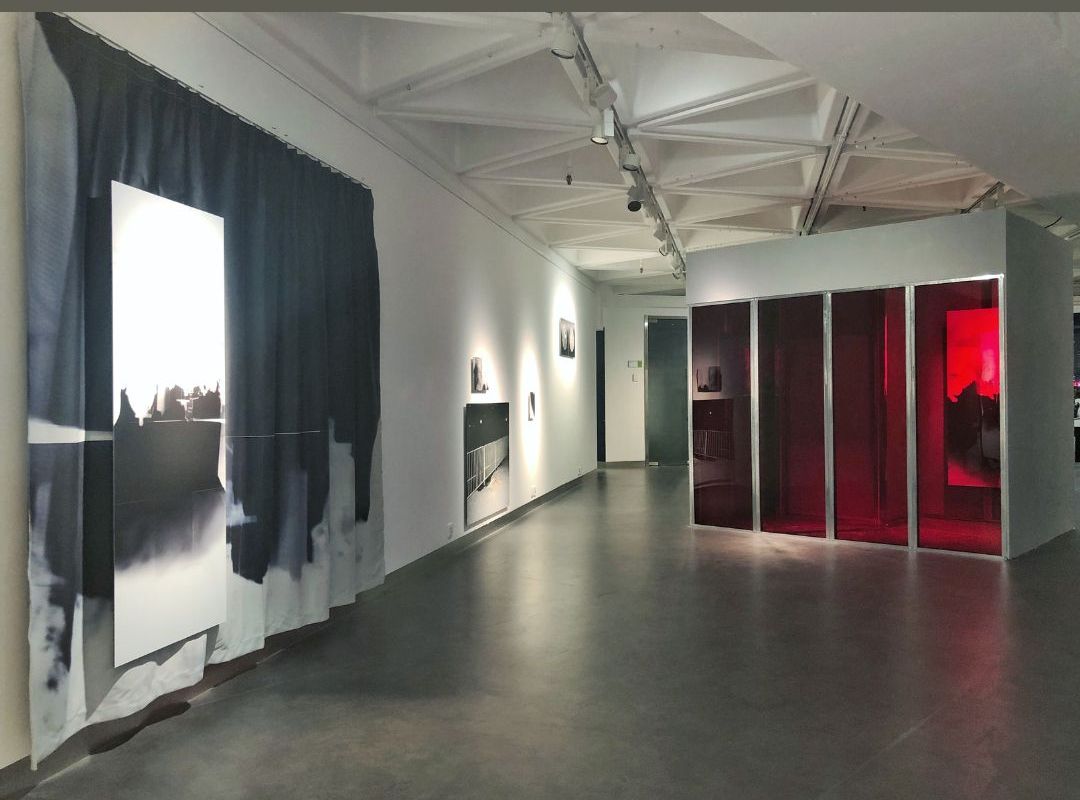
Sereyrath的作品向來關注環保及社會不公等議題,她從研究報告得知,2018年竣工的水力發電大壩工程Lower Se San 2 Dam,導致多個村落被摧毀淹沒,不但迫使數千名村民搬遷,由於大壩阻止魚類洄遊等原因,生活在河流沿岸的原住民賴以生存的漁業資源也大幅減少,而且他們的生活環境只會越來越差。
對觀者而言,這個展覽或許也是一種「沉浸式體驗」,當人們進入房間後,溫度會發生輕微的變化,藉此帶出溫度對人類心理影響的訊息。只是,作為觀眾的我們,在展場的「溫室」效果下,頂多只是感覺比較侷促,甚至是流汗。然而對生活在當地的村民而言,他們所面臨的困境,更關乎生存環境。「如果溫度持續升高、情況繼續惡化的話,那麼它將改變那裡所有的一切。」 或許,這正如她為展覽撰寫的詩句所言:When the sacred sun reaches the sacred river, we will know we are not in control。
Sereyrath Mech《When the Sun Reaches the River》 @ 【香港國際攝影節2023衛星展覽】
Boogie Woogie Photography & PhotogStory are pleased to present “Capturing Life: The Photography of Willy Ronis,” a solo exhibition by the renowned French photographer at the Loft in Wong Chuk Hang from 16 September to 21 October 2023.
Willy Ronis (1910-2009) was a pioneer of humanist photography, a movement that emerged in post-war France, seeking to document the human condition with authenticity and empathy. Inspired by his surroundings, Willy Ronis masterfully captured everyday life’s essence with his artistic vision.
Place de la Concorde, Paris 1952, Courtesy of Boogie Woogie Photography.
Throughout his long and prolific career, Ronis left precious visual memories of France in the twentieth century. Focused on documenting Parisian life and people’s joy and sorrow, he developed a unique style characterized by his deep sensitivity and ability to find poetry in the mundane. From the bustling streets of Paris to the intimate moments between lovers, Ronis’ images offer a glimpse into the universal human experience.
This carefully curated exhibition of Ronis’ most iconic works is a rare selection from the private collection of Stephane Kovalsky, Ronis’ grandson. It showcases Ronis’ remarkable talent for composition and storytelling. Each photograph is a testament to Ronis’ unwavering curiosity about the world and his ability to find beauty in unexpected places.
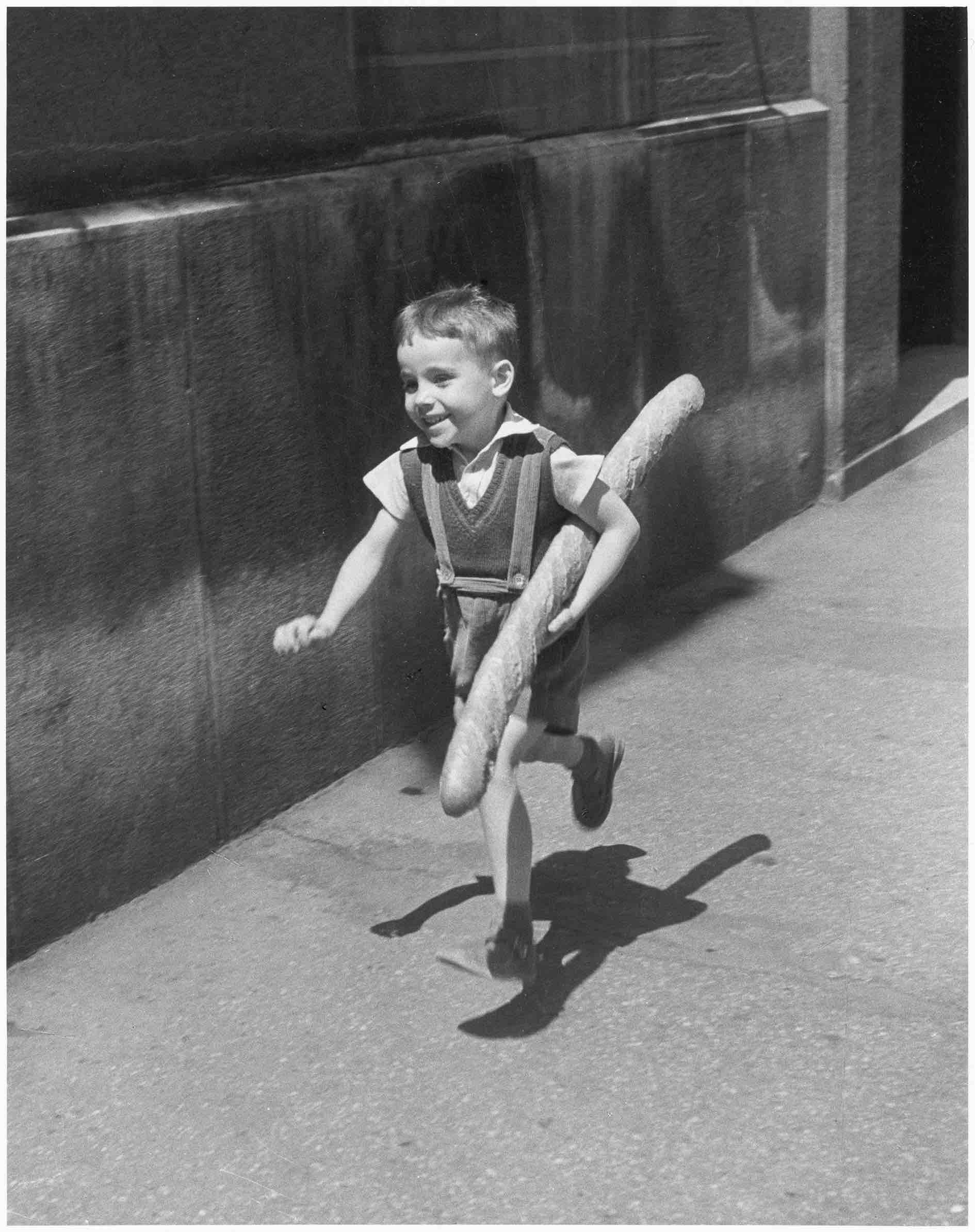
Le Nu Provençal, 1949The Little Parisian, 1952.
“Le Nu Provençal” is perhaps Ronis’ most famous photograph. The image is renowned as an intimate and respectful portrait of his wife Marie-Anne Lansiaux at their home in Gordes, Provence, taken in the summer of 1949.
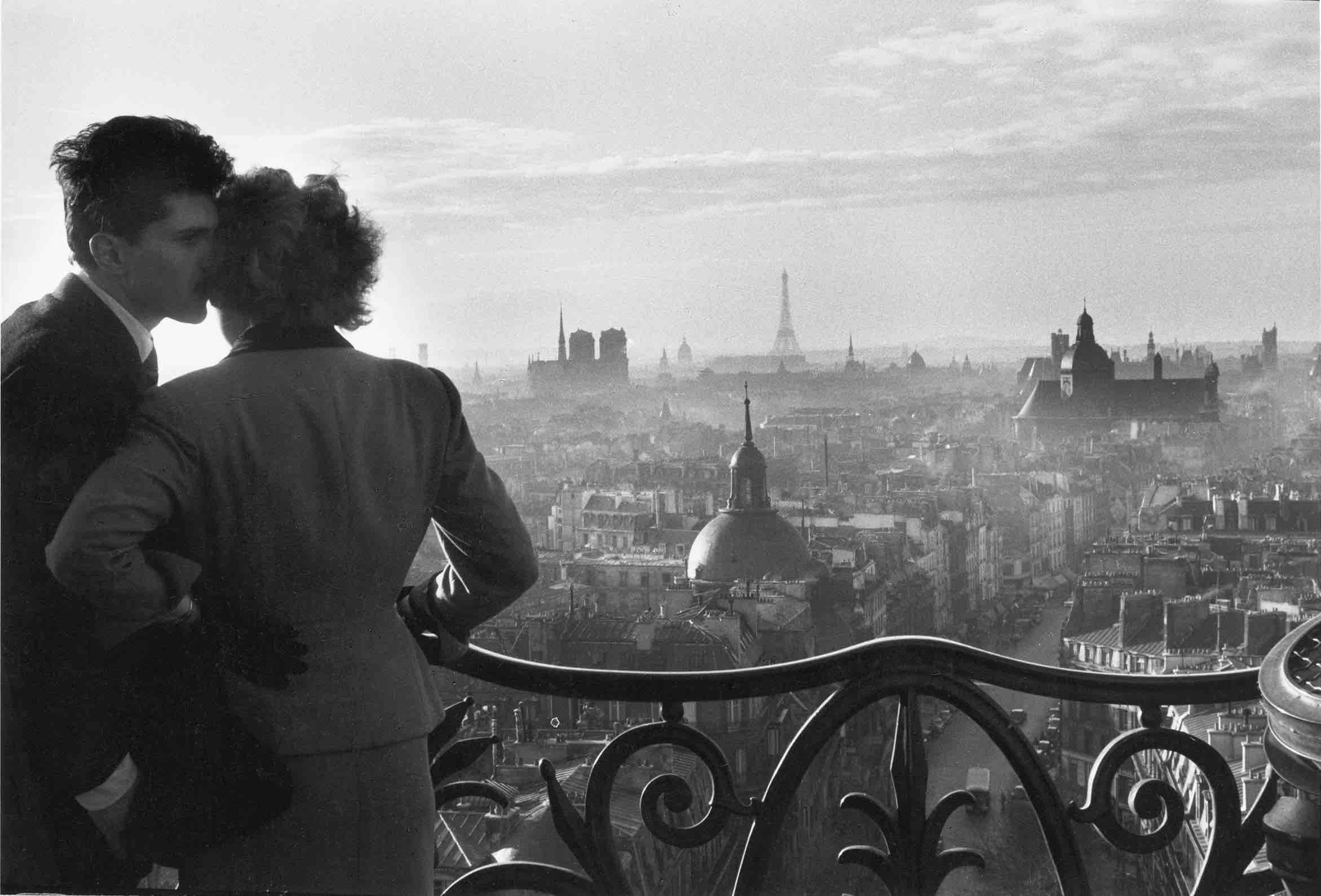
Shot at the top of the Colonne de Juillet in 1957, “Lovers at the Bastille” portrays a loving couple standing out against the panorama of Paris, their joy captured by the photographer during a serene post-rain afternoon. Ronis’ photographs transcend the boundaries of time and place, inviting us to reflect on the universal themes of love, joy, and resilience.
In this exhibition, we invite viewers to appreciate the fleeting moments in our lives. May Ronis’ photographs serve as a timeless reminder that a profound and extraordinary beauty is waiting to be discovered within the fabric of everyday life.
ImagesCourtesy of Boogie Woogie Photography and the S.Kovalsky collection
About Boogie Woogie Photography
Boogie Woogie Photography was founded in Hong Kong in 2016 to promote photography in Asia. The mission is to act as a platform for galleries, collectors, companies, and photographers aiming to develop photography projects in Hong Kong and Asia.
PhotogStory is an online Photography platform and Guest Curator based in Hong Kong. We focus on stories of local and international photographers and stories behind classic photos.
A photobook that documents Kazuo Kitai’s journey to China in 1973 on invitation by Ihei Kimura. This publication captures a journey that saw Kitai travel back to his place of birth to recreate a “lost childhood experience,” searching for an image within the landscape that would contain a memory of his past.
Kazuo Kitai, born in China in 1944, is best known for his protest photography of the 1960s and 1970s. He earned the prestigious Ihei Kimura Memorial Award for Photography for his work “Mura-e,” a year-long documentation of Japan’s rural life. In the 1980s, he concerned himself with the citizens of Osaka and Tokyo (”Shinsekai Monogatari,” “Funabashi Monogatari”). Recent years have seen him publish a regular column in Nippon Camera magazine (”Walking with Leica”) and a rise in public interest in his work both in Japan and overseas.
北井一夫《1973中國》,捕捉文革後期中國人樸素生活,25 cm × 18 cm,「顯影·書櫃」有售。
當時的香港正處於過渡期,高樓大廈尚未拔地而起,人口也未開始大幅增長,長長的街道不見擠迫(當然中環樓梯街一帶依然熱鬧非凡),德輔道稀疏的車輛在緩慢行駛。遼闊的海港景觀開揚,海面上泊滿各種船隻,既有水上人的蜑家艇及漁船、運載各類貨品的貨船,還有停泊在維港的軍艦,這種熱鬧的場景,彷彿也預示著香港在二戰後的繁榮發展。在西環和昂船洲對開的海域,更可見有沉船殘骸及桅桿,不經意地揭露出戰爭的殘酷。二戰後,香港的改變翻天覆地,如此景象早已面目全非。文章轉載自《Milk Motor Club》雜誌。
2005年,攝影集《Hedda Morrison’s Hong Kong: Photographs & Impressions 1946-47》(逝影留踪·香港一九四六–四七)出版後,世人才得以完整地了解她的作品,攝影集可於「顯影·書櫃」購買。完整文章見於《Milk Motor Club》雜誌029期。