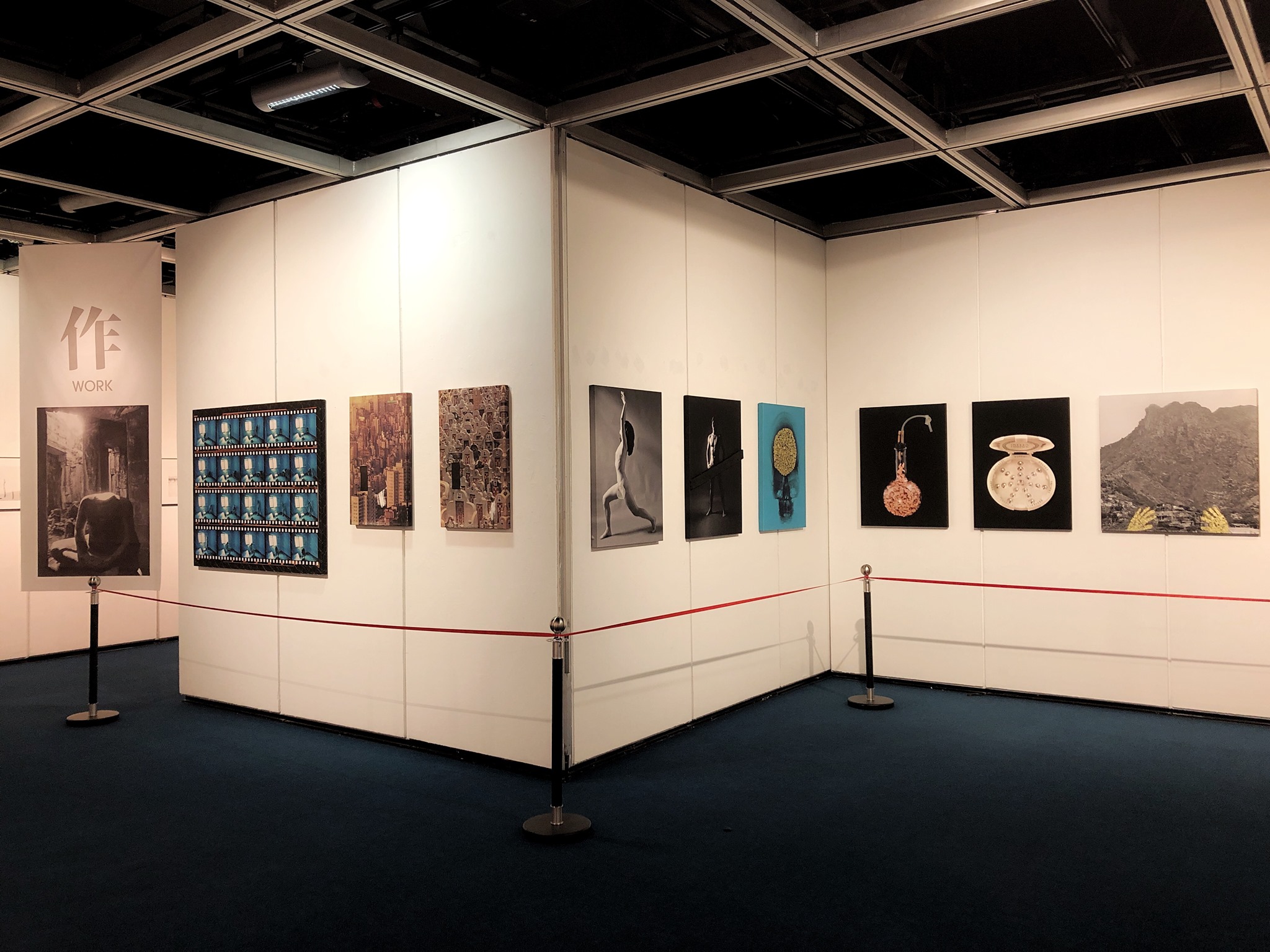
Boogie Woogie Photography & PhotogStory are pleased to present « My Hong Kong, 我城 (Part II) », a group exhibition at the Loft in Wong Chuk Hang from 15 October to 27 November 2022.
Every city has its own story to tell. More stories are yet to be told in a vibrant and bustling city like Hong Kong. Following the success of the exhibition « My Hong Kong, 我城 », we are thrilled to present Part II, comprising twelve Hong Kong and international photographers’ artworks about the city.

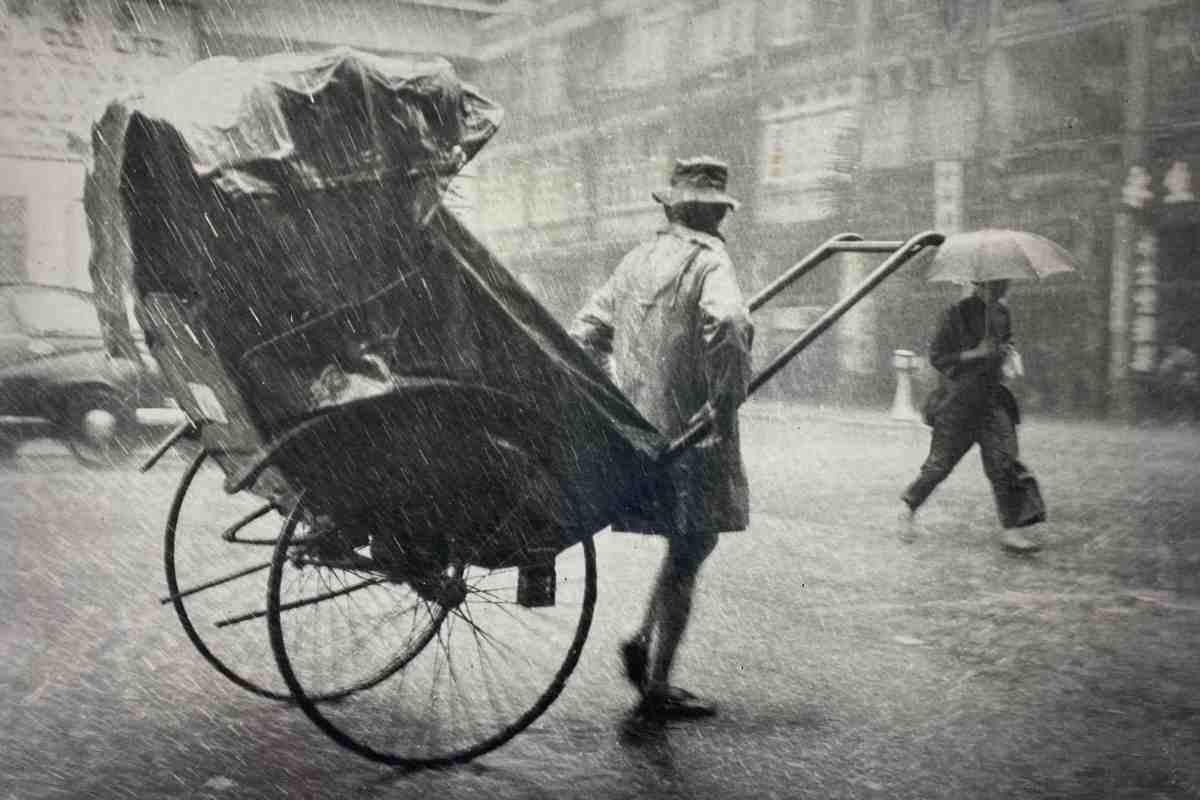
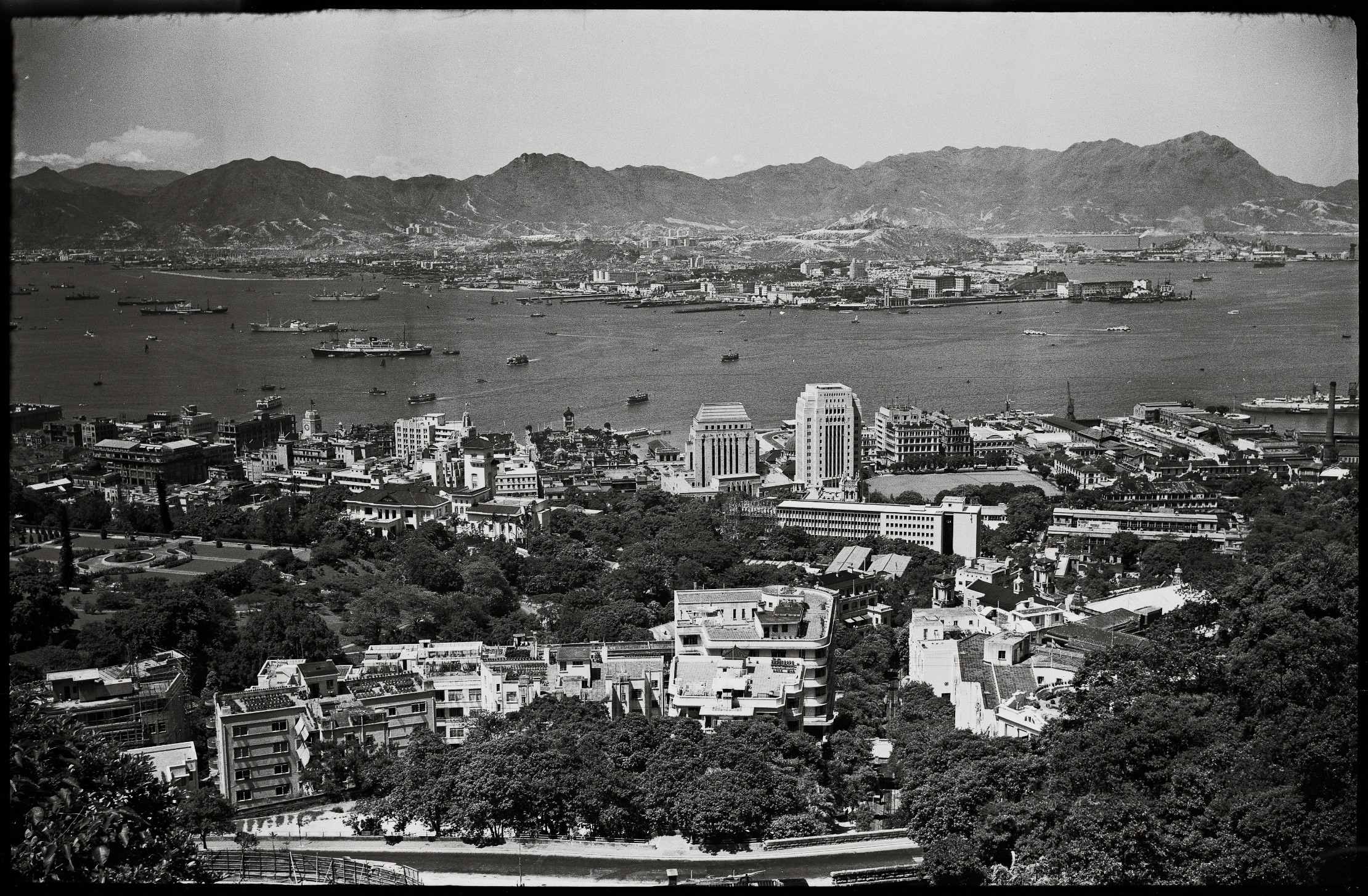
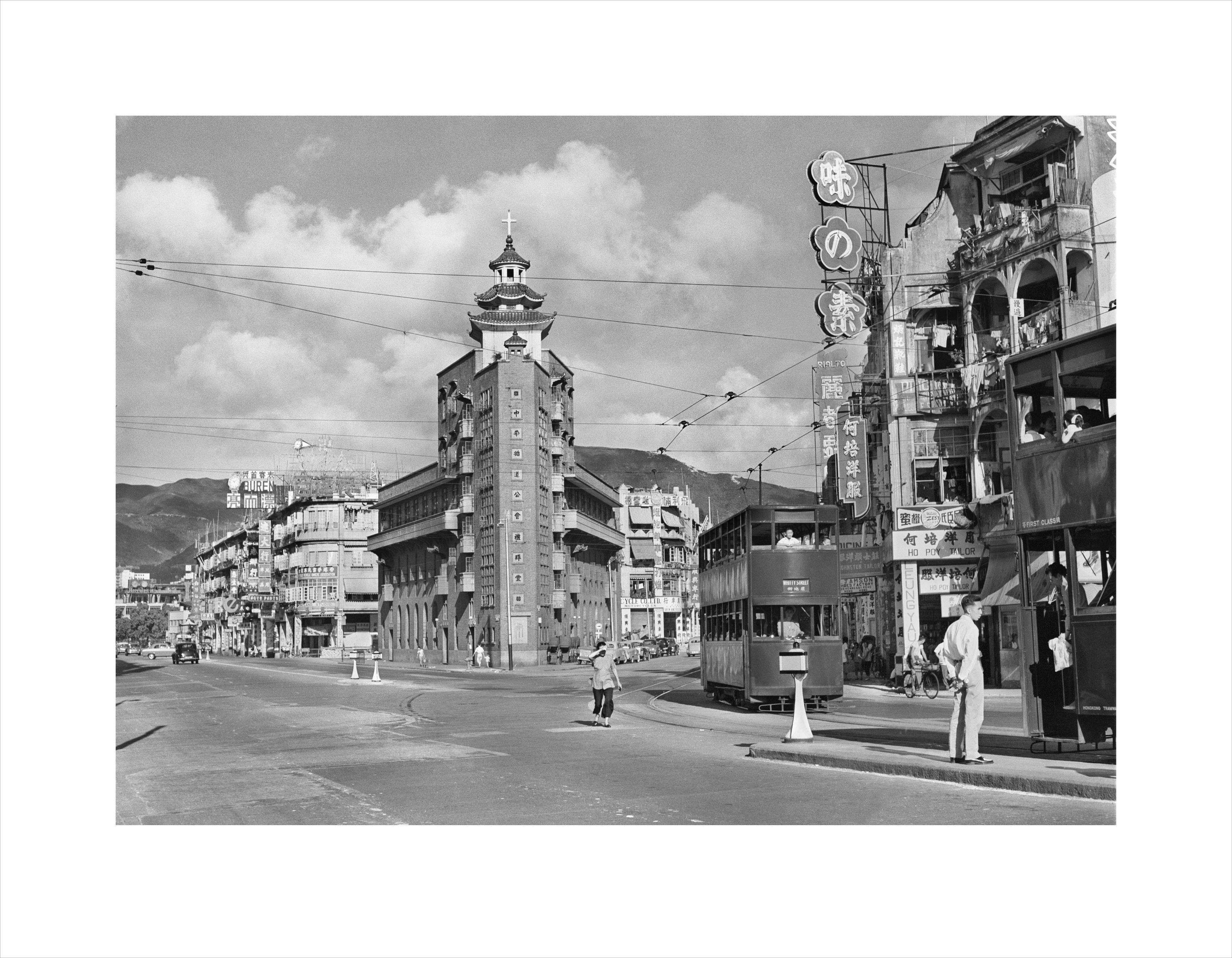
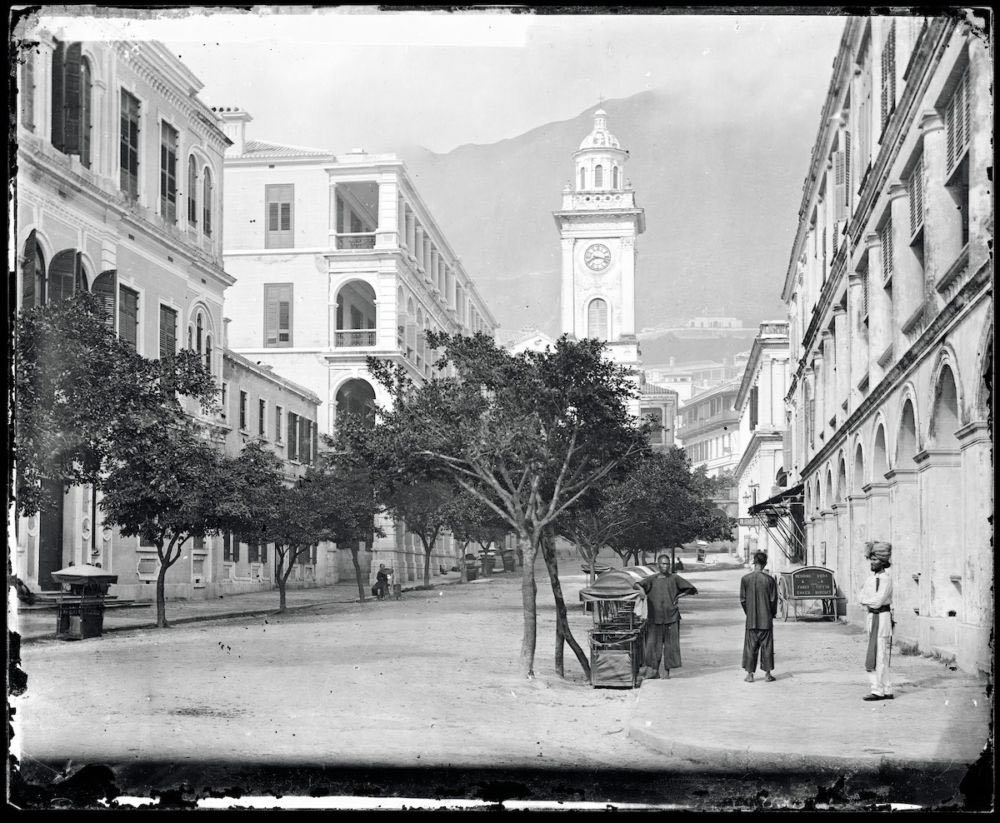
Raymond Cauchetier, Hong Kong, 1954. Photo Courtesy of Boogie Woogie Photography
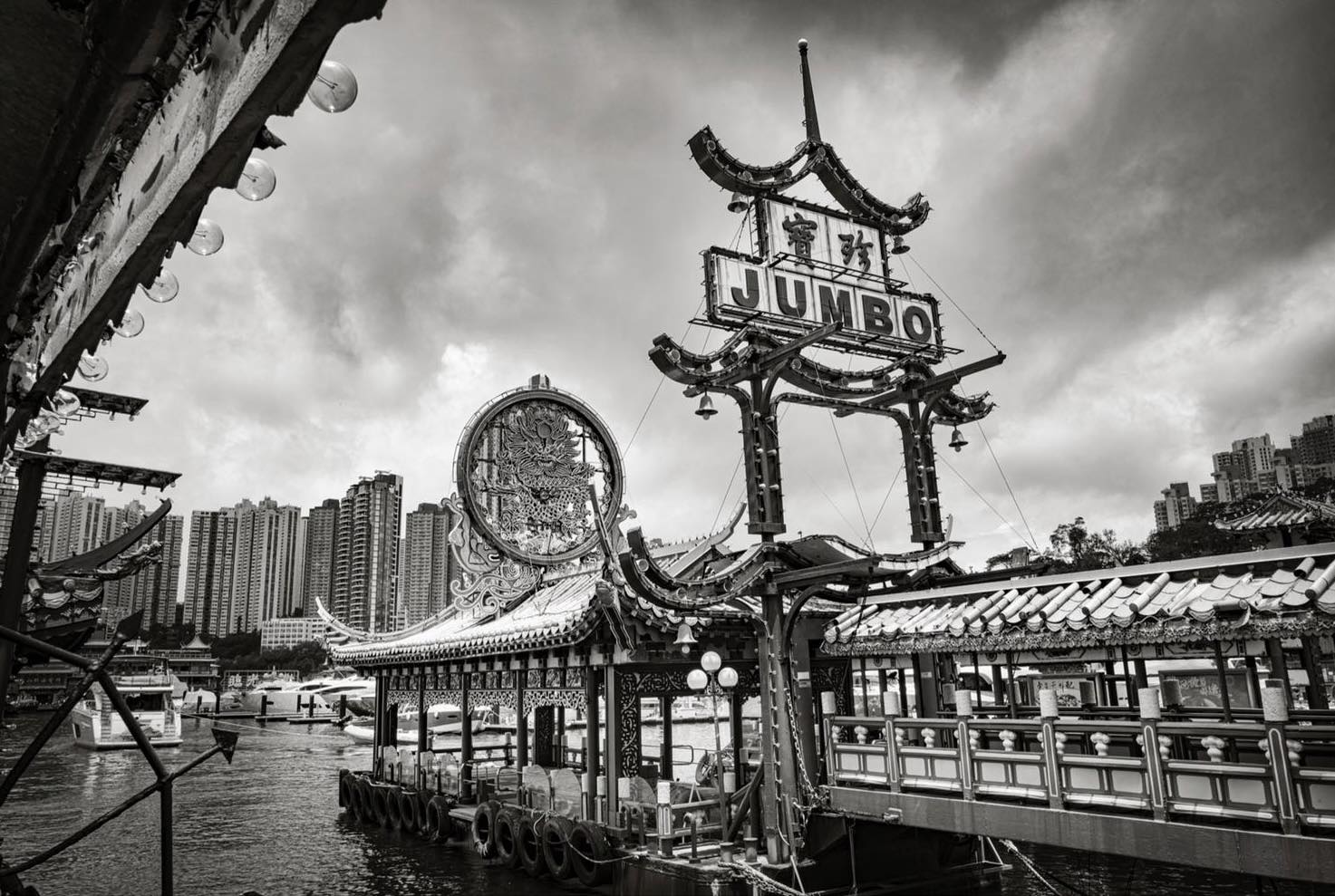
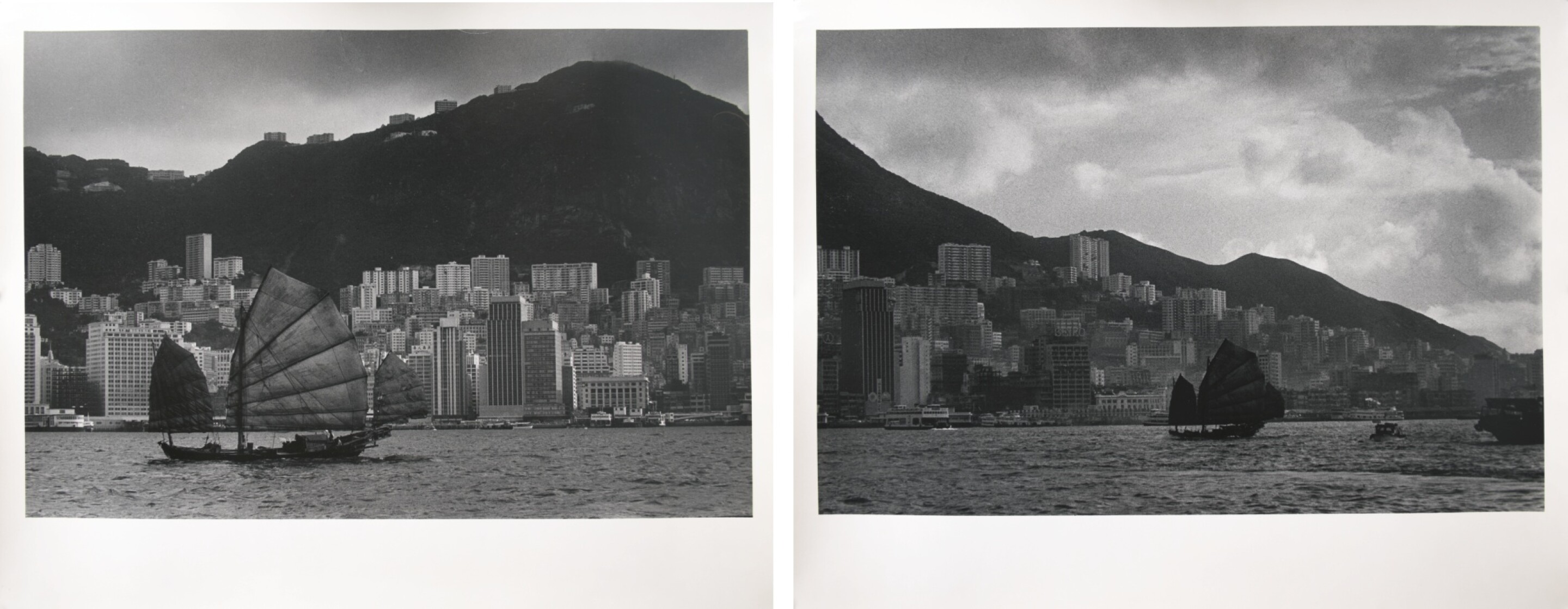
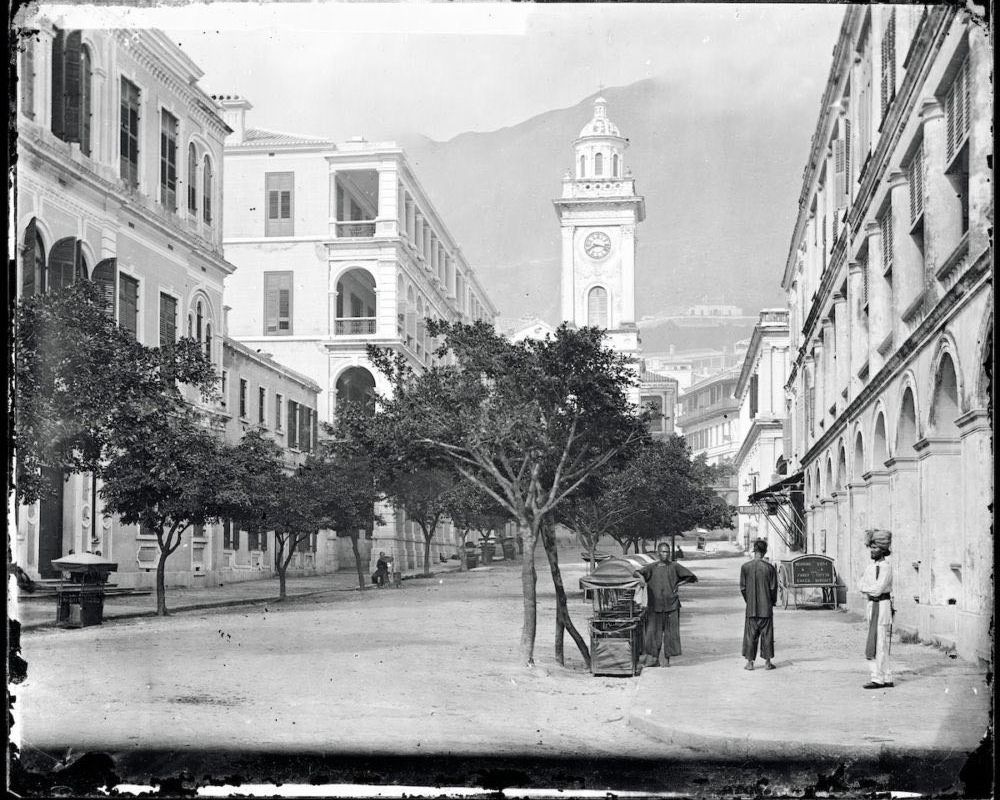
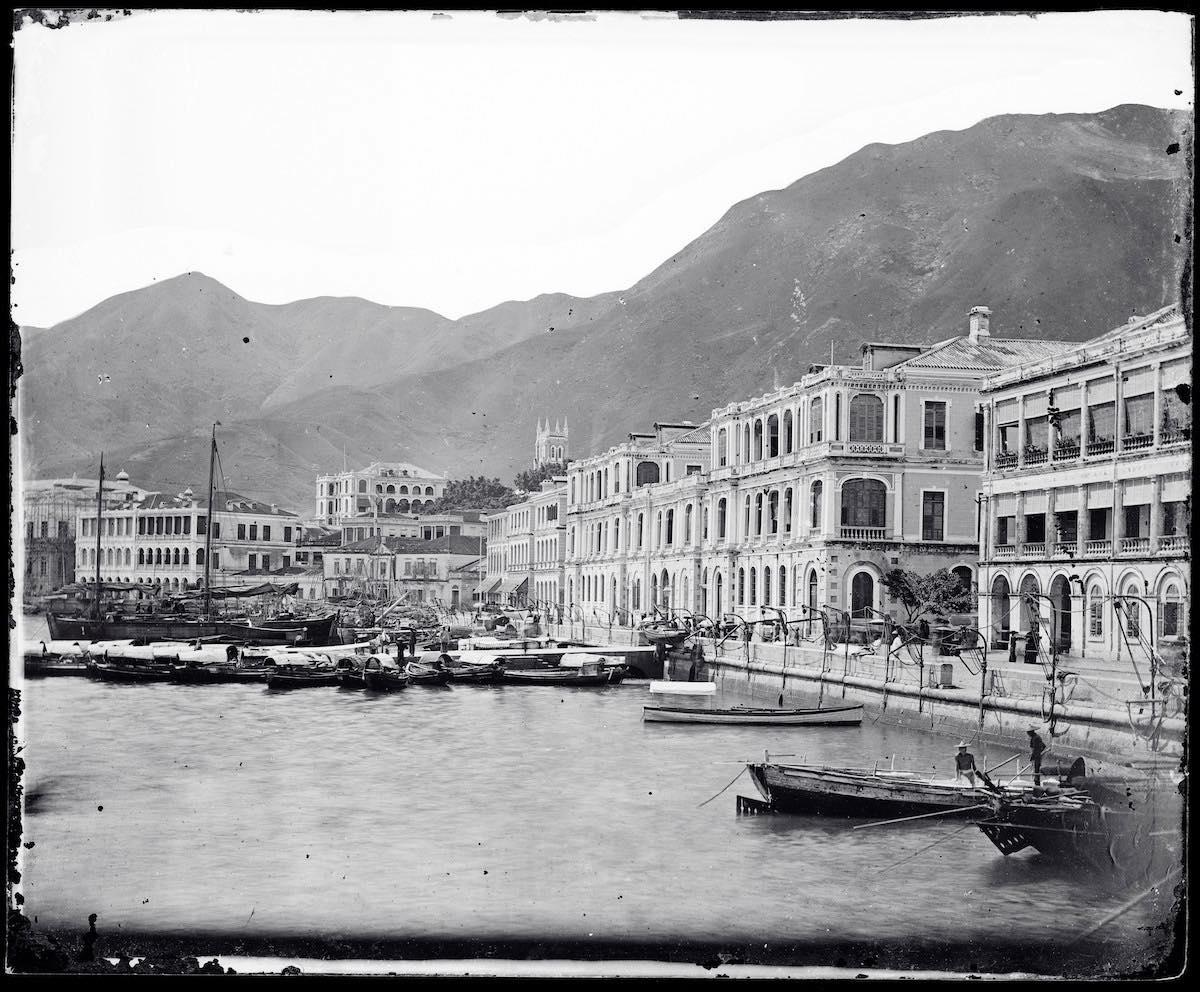
Everyone sees and feels the city from their perspective. People who have been to Hong Kong at different ages always have a reason to fall in love with the city. Raymond Cauchetier and James Chung‘s cityscapes from the 1950s and young talents’ impressions of Hong Kong are on display.
Even though Cauchetier and Chung lived in different worlds, they had similar paths. They were both self-taught photographers and recorded Hong Kong’s street scenes nearly seventy years ago. Their images reflect people’s simple life at that time. Later, in the 1960s, Cauchetier became a set photographer for the French New Wave and Chung for Hong Kong films. With the passing of Jean-Luc Godard in September of this year, Cauchetier’s photographs brought back vivid memories of the French New Wave director, which left a critical testimony of the golden era.

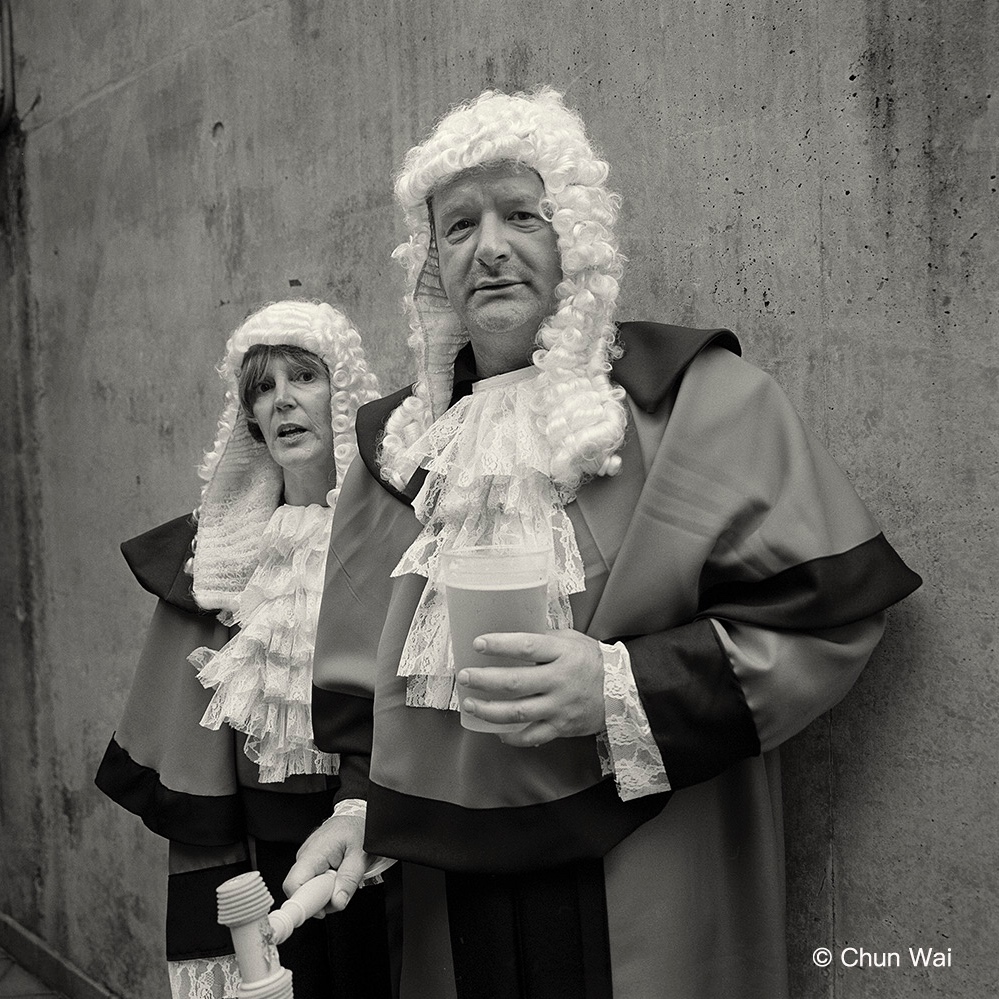
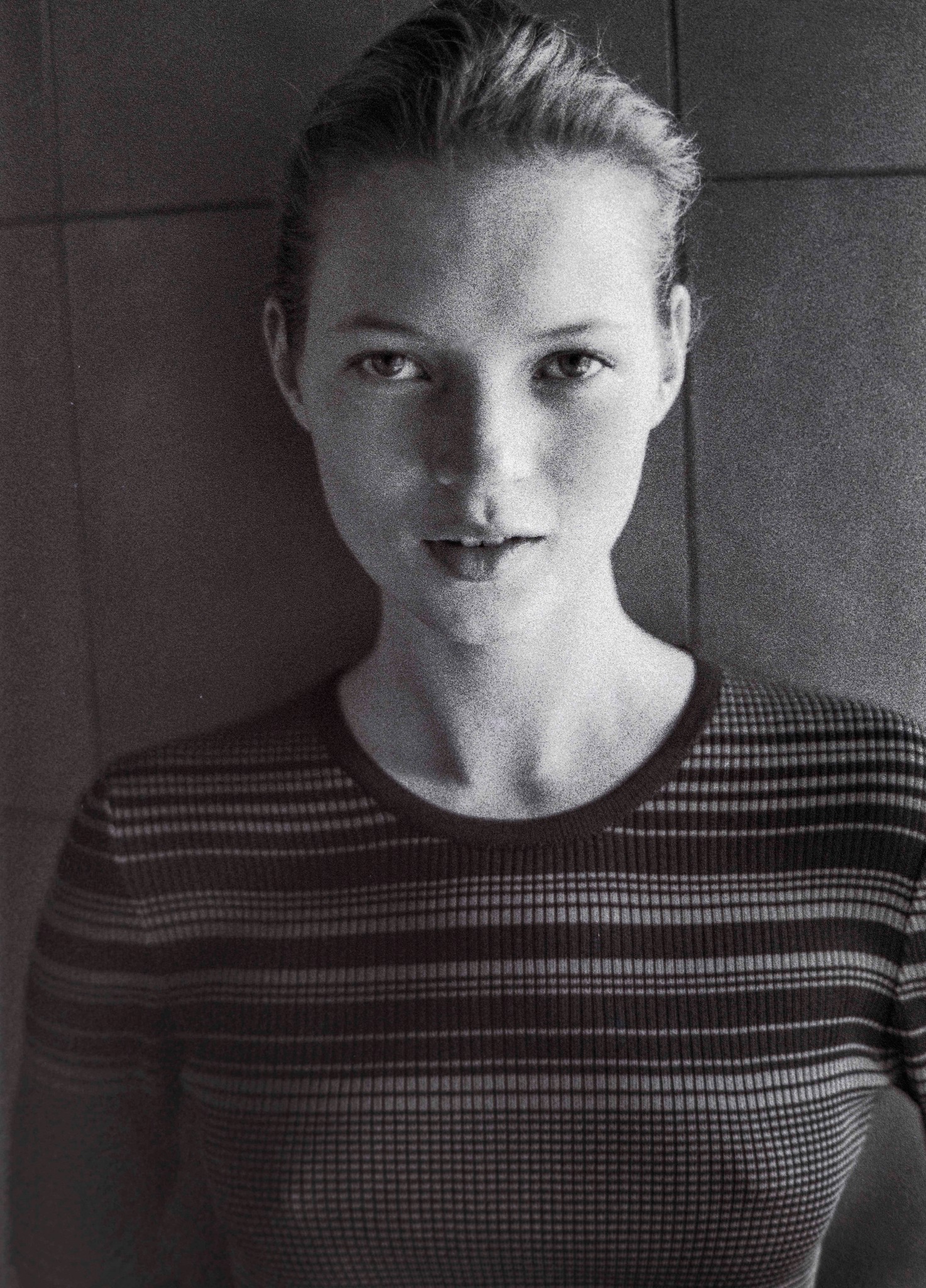
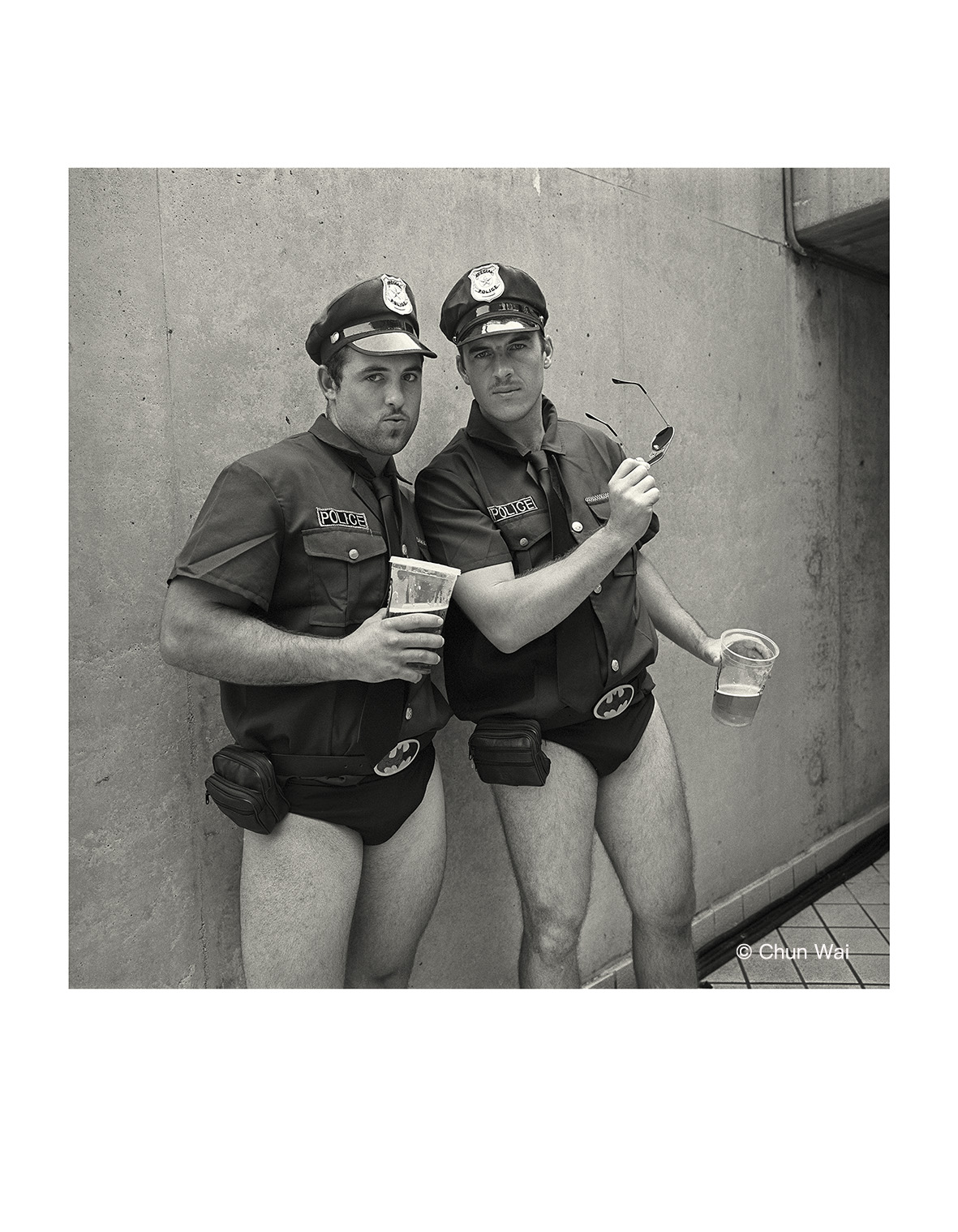
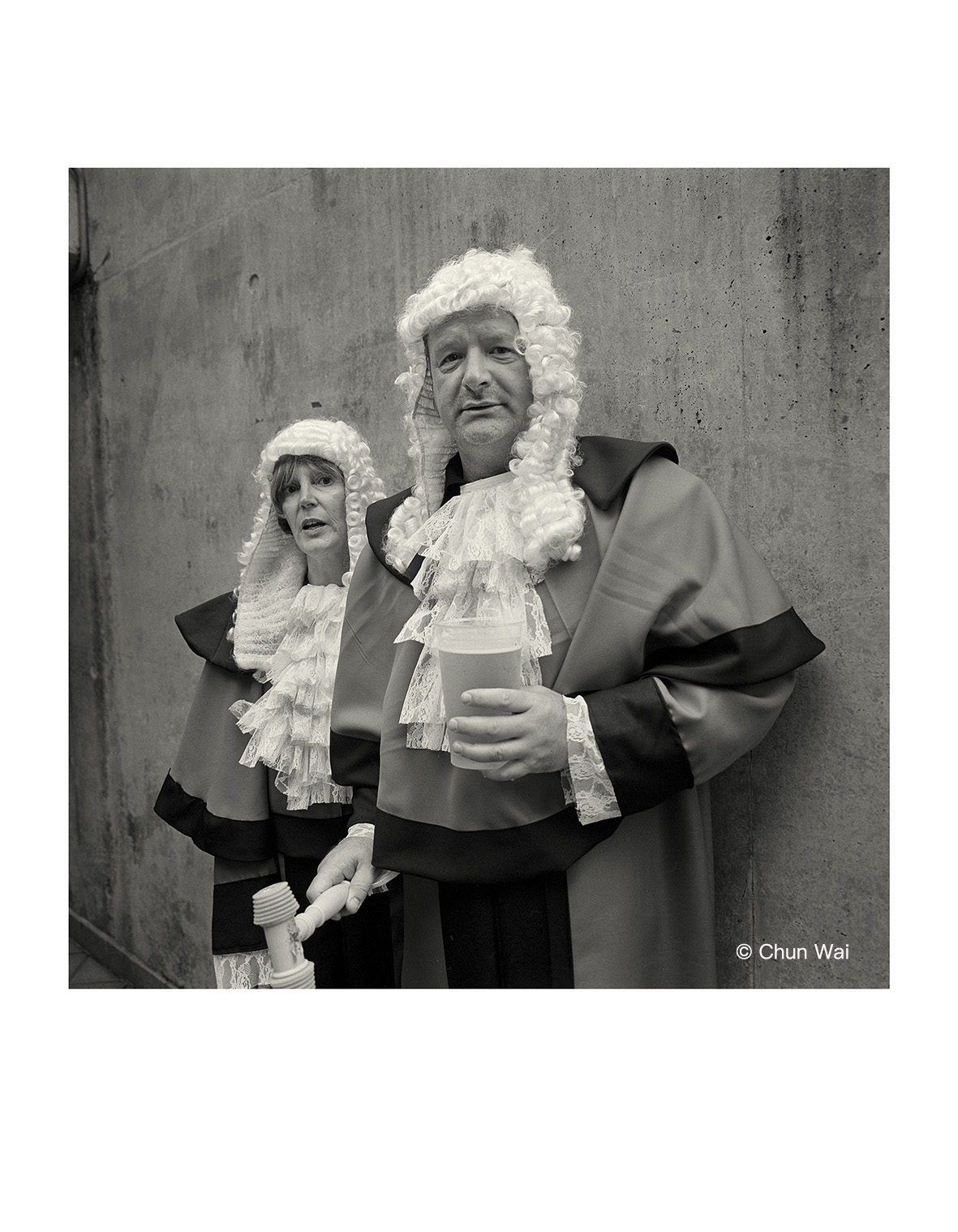
Hong Kong’s attraction is not only the city’s history and appearance but also the people who live here. For nearly two decades, photographer Chun Wai has photographed spectators dressed in amusing costumes during the Hong Kong Sevens. Meanwhile, Rensis Ho captured celebrities like Anita Mui and Kate Moss in Hong Kong, who are the Pop Culture Icons of our times.
The culture of Hong Kong is a mix of Chinese and Western influences. Such background inspired photographer Lean Lui’s artistic experimentations project “Disorder Sensing” (2022). She folded the light-sensitive paper into a pinhole camera, repeatedly threw it at the wall, or tossed it in a washing machine for exposure.
The process is done in complete darkness, relies on her experience and imagination, and finally obtains a series of abstract and gorgeous tints on paper. The process echoes Lui’s interests in Tao Te Ching, which says, “everything bears Yin and embraces Yang, and rushes into harmony.” After experiencing darkness and light, the photographic paper shows the beauty brought by the balance of Yin and Yang, which is reminiscent of the Taoist philosophy.
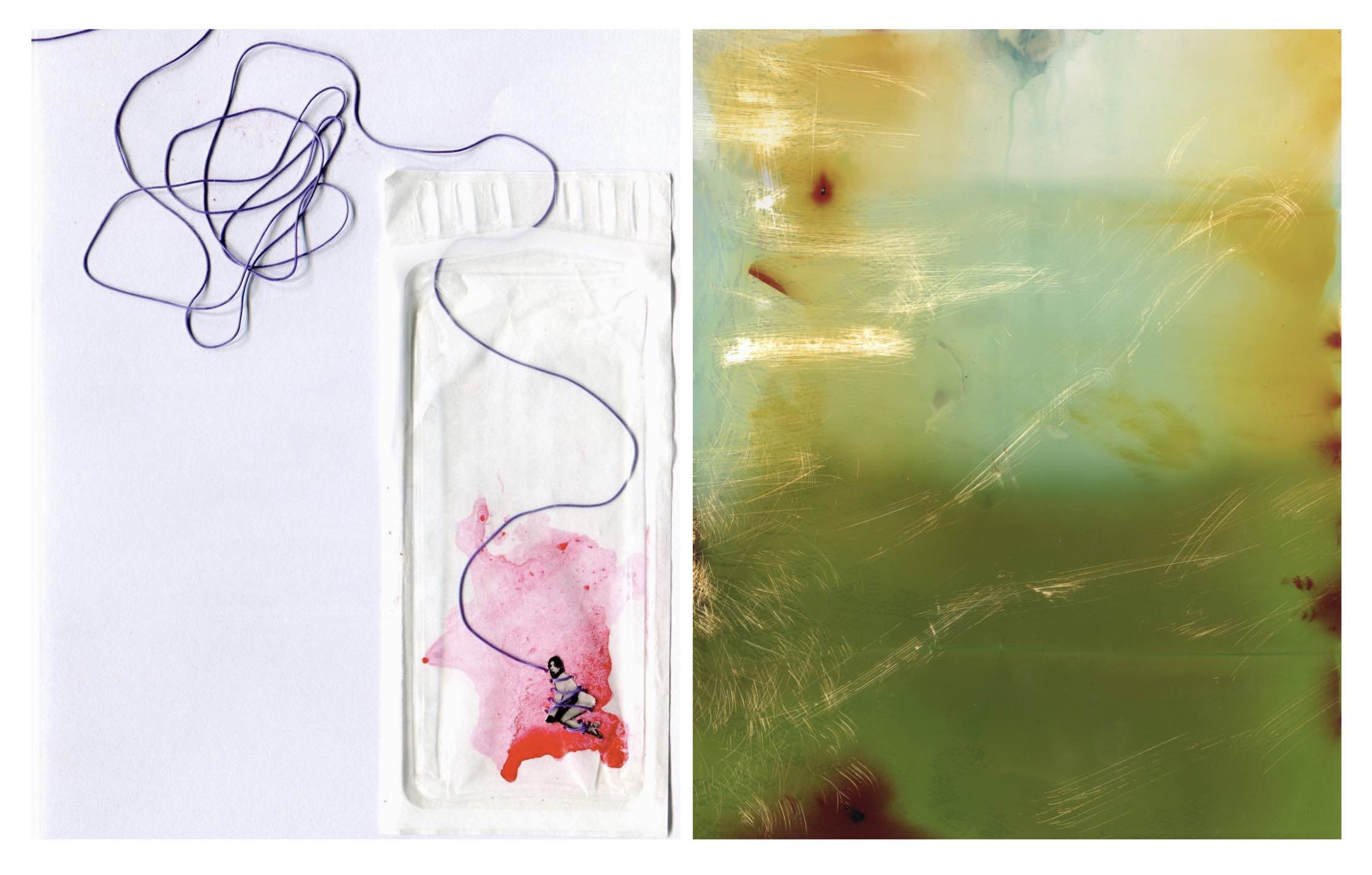
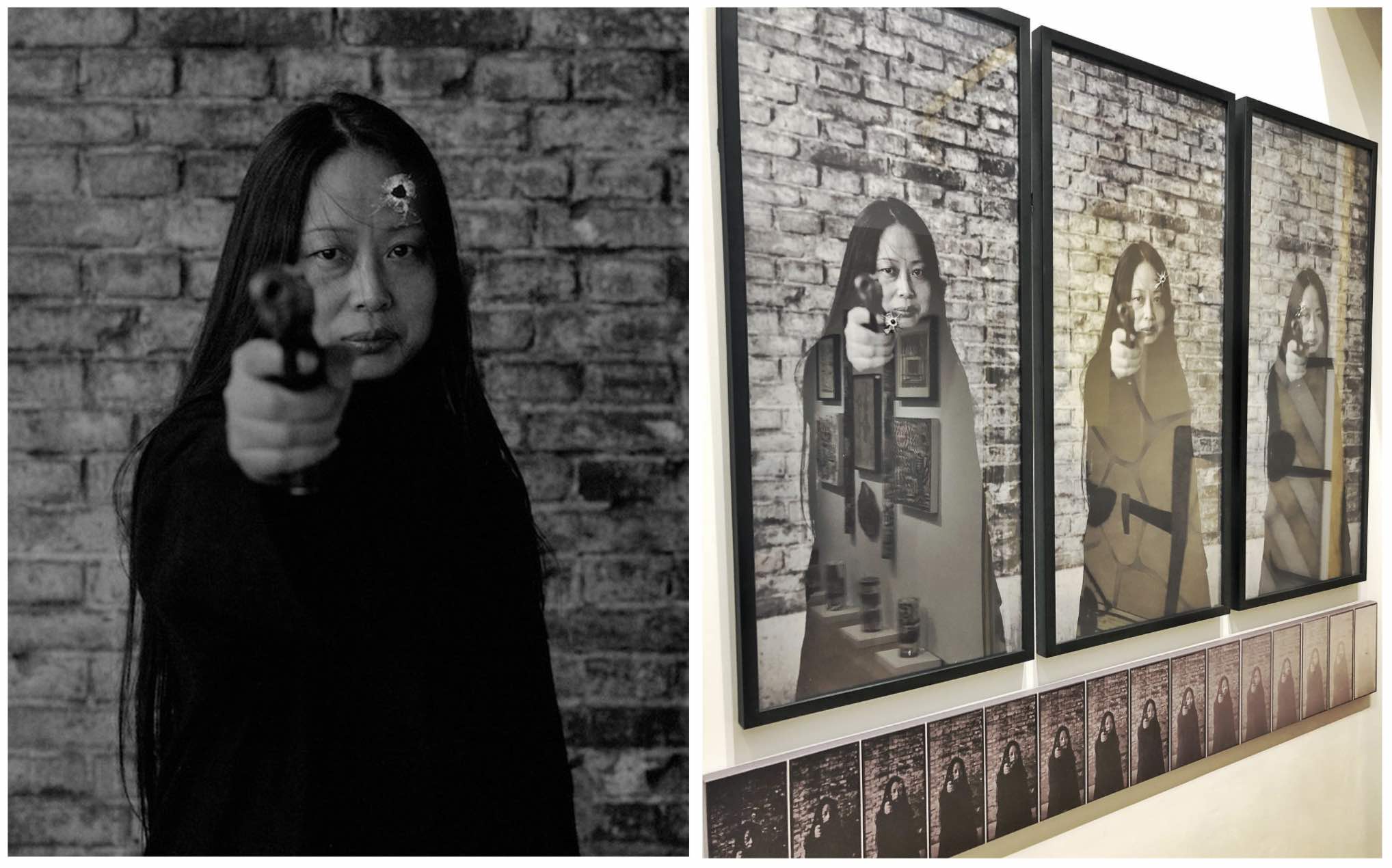
Left: ©Dion Leung, Was I wrong? / Right: ©Lean Lui, Disorder Sensing. Courtesy of Boogie Woogie Photography
Hong Kong is a charismatic city. Whether in the movies or the reality, this place always attracted and fascinated visitors. The exhibition not only presents the city’s past and present but also embraces the city’s diversity through the photographers’ eyes. We hope the audience can recall their unique memories of the city with this exhibition.
My Hong Kong, 我城 (Part II)
Date: 15 October – 27 November 2022
Time: 2-7 pm (Friday – Sunday)
Address: The Loft, 8/F, E Wah Factory Building,
56-60 Wong Chuk Hang Road, Wong Chuk Hang.
Guided tour with Curator and Artists: Saturday 12 November, 2-7 pm
About Boogie Woogie Photography
Boogie Woogie Photography is a company founded in Hong Kong in 2016 to promote photography in Asia. The mission is to act as a platform for galleries, collectors, companies, and photographers aiming to develop photography projects in Hong Kong and Asia.
About PhotogStory
PhotogStory is an online Photography platform and Guest Curator based in Hong Kong. We focus on reports of local and international photographers and stories behind classic photos.
Artists Profile
Raymond Cauchetier (France, 1920-2021)
Raymond Cauchetier was the most famous photographer of French New Wave cinema. His first photographs were taken in his thirties while serving in the French Air Force press corps in Indochina. Cauchetier traveled through Hong Kong in 1954 and stayed for one week. He left a bouquet of memories, a little yellowed but always authentic.
James Chung (Hong Kong, 1925-2018)
James Chung embarked on his journey in photography in 1957 when he acquired his first Rolleicord. Entirely self-taught, he became a full-time movie-still photographer in 1963. James started his studio in North Point In 1968, focusing on portraits for commercials and print enlargement. His achievements in photography were further recognized by the Honorary Fellowship from the Photographic Society of Hong Kong and Fellowship from the Royal Photographic Society of Great Britain later. The Hong Kong Heritage Museum collects his works.
Takeshi Shikama (Japan, 1948)
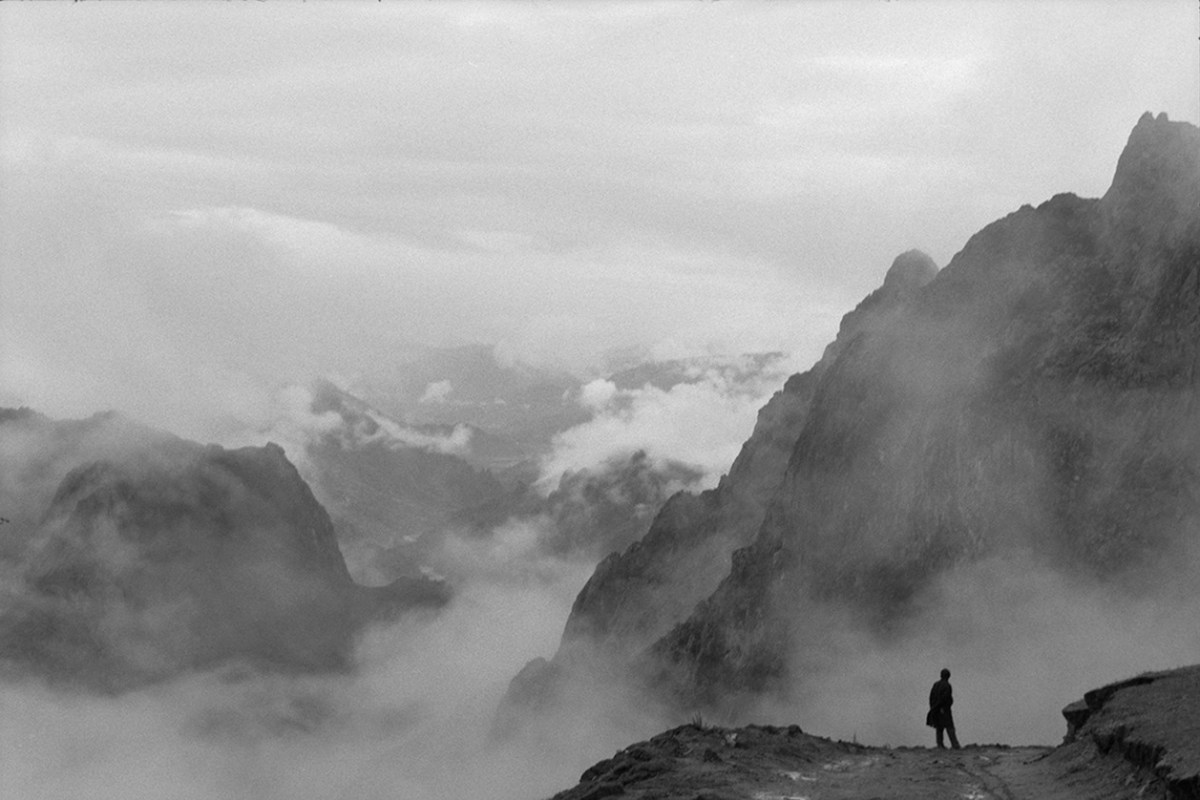
Takeshi Shikama’s life ambition is to capture the “invisible” world that lingers beyond the visible world of the trees. Each photograph is hand-printed by Takeshi Shikama, using the ancient platinum/palladium technique, considered the highest quality in black and white photographic printing. The Japanese Gampi paper on which he prints is a handmade UNESCO national treasure. It requires a great deal of time and manual labor, which reflects the intimacy Shikama has with his subject matter.
Roger Ballen (United States, 1950)
Roger Ballen’s photographs span over forty years, and he is one of the most influential and important photographic artists of the 21st century. His strange and extreme works confront the viewer and challenge them to come with him on a journey into their minds as he explores the deeper recesses of his own. Roger Ballen is one of the artists representing South Africa at the Venice Biennale 2022 in Italy.
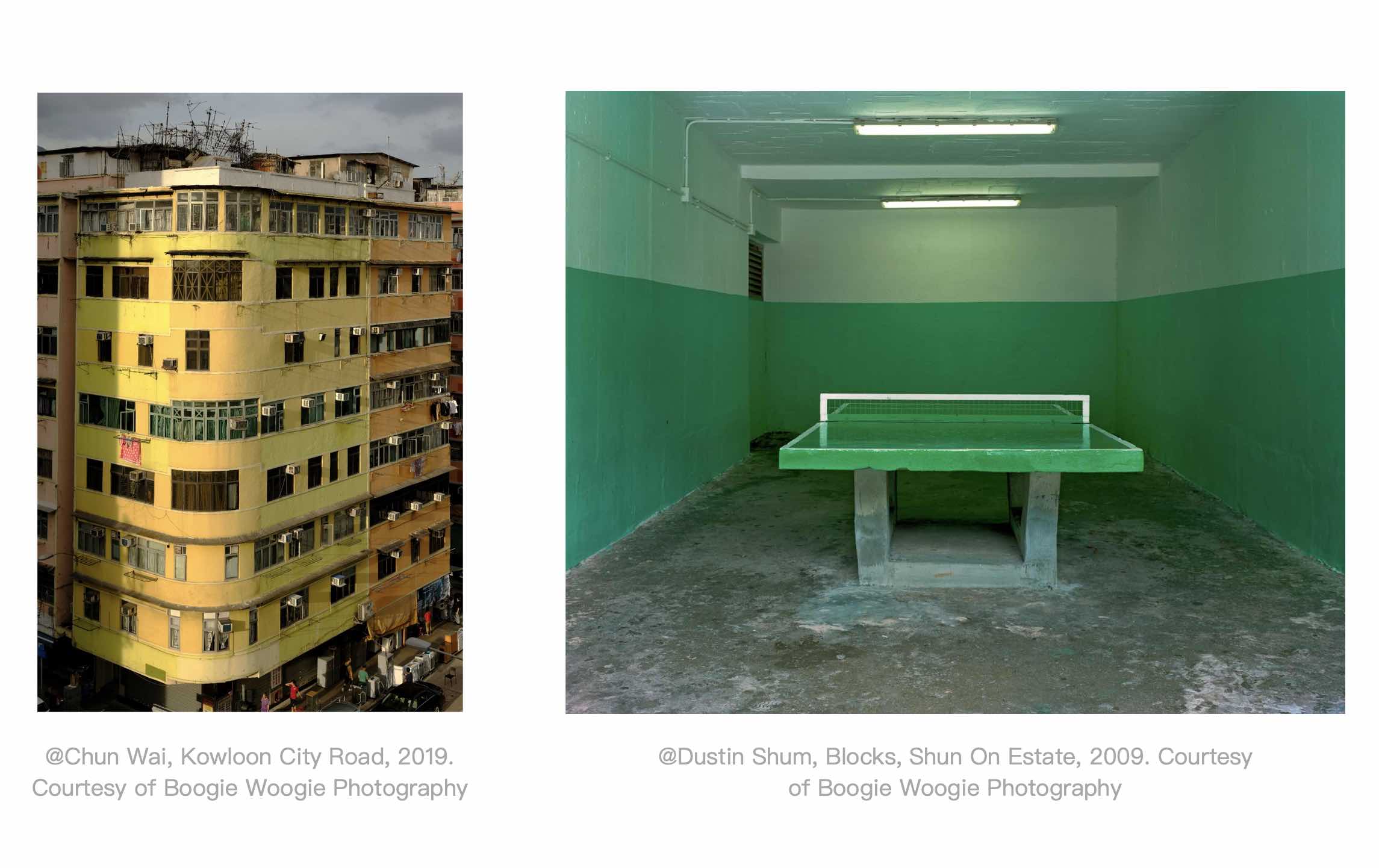
Chun Wai (Hong Kong, 1958)
Born in Hong Kong and educated at the École supérieure des beaux-arts de Mulhouse in France, photographer Chun Wai’s perspective lies in his humanistic vision and macro-historical framework in interpreting the changing world. His project covered a vast area in the region, including Hong Kong. His work is full of a sorrowful yet romantic mood and reveals his personal landscape. The phantasmagorical image like a rhythm poem of a stray, is a unique work of art.
Thierry Cohen (France, 1963)
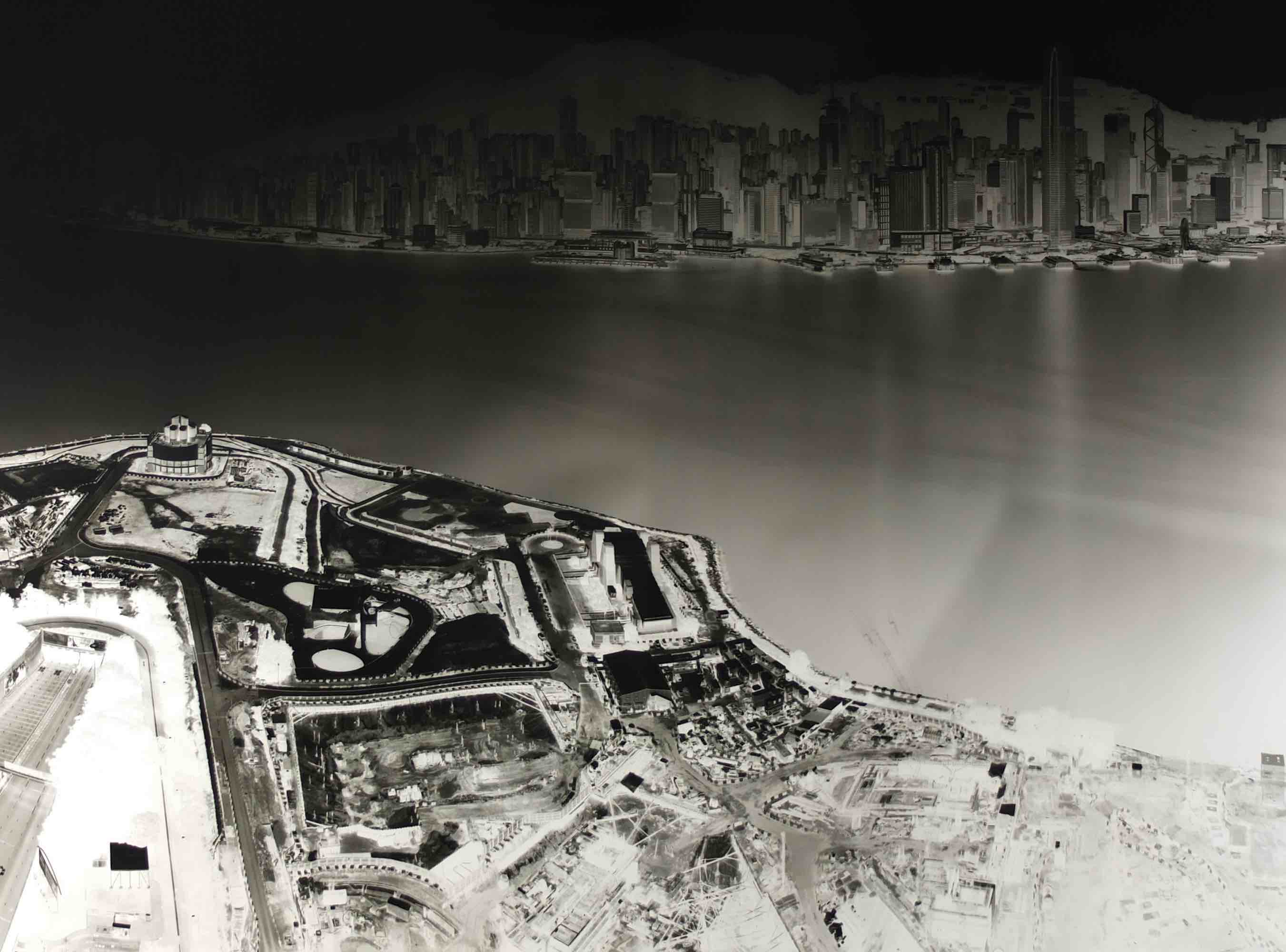
Thierry Cohen has been a professional photographer since 1985 and a pioneer in the use of digital techniques from the end of the 1980s. He lives and works between Paris and Monségur, close to the Atlantic Coast. Since 2006, he has devoted most of his time to personal work. Thierry is interested in the impact of human activities, particularly on nature. His works are held in private and public collections and regularly exhibited in New York, Los Angeles, and Paris.
Rensis Ho (Hong Kong, 1964)
Rensis Ho, a well-known Hong Kong photographer, studied finance in New York and then majored in photography at the Fashion Institute of Technology. After returning to Hong Kong in the 1990s, he has been engaged in photography for more than 25 years. Rensis is particularly noted for still life and portrait photography and has photographed numerous celebrities, including Kate Moss, Chloe Sevigny, Marc Jacobs, Sakamoto Ryuichi, Anita Mui, etc.
Julian Cohen (United Kingdom, 1967)
Julian came to Hong Kong in 1998 for three months, fell in love with the city, and stayed. He was called to
the Hong Kong Bar in 2010 and founded Resolution Chambers in 2021. He is today a renowned Barrister & Arbitrator. He photographs the city with his passion for the place and people.
Jocelyn Ho (Hong Kong, 1973)
Jocelyn has always been interested in photography – not to be behind or in front of a camera, but to see through a different pair of eyes. To her, everyone is a photographer. We may be looking in the same direction, the same object, but she believes we all see differently, and we choose which images to imprint on our minds.
Paul Bradshaw (United Kingdom, 1979)
Paul is a photographer, designer, and publisher based in Hong Kong since 2004. His photographs are either candid shots or spontaneous collaboration, which happens when his subject is suddenly confronted by the camera. The ambiguity of these fleeting moments, captured without exchanging words, encourages personal interpretation of the images.
Lean Lui (Hong Kong, 1999)
Lean Lui, a Hong Kong fine art and fashion photographer, graduated from Central Saint Martins (Philosophies & Photography MA). She has shot for the 2020 DIOR Global Campaign and VOGUE Magazine cover and was a guest of DIOR TALKS. Lean’s works were exhibited at the 2018 Beijing Three-shadow photography Award Exhibition, Hong Kong International Photo Festival, etc.
Dion Leung (Hong Kong, 1999)
Dion Leung is a Hong Kong-based visual artist who mainly works with photography and collage. She explores topics of rebellion and conflict with the practice of realism. As a self-taught artist, Dion is constantly looking for the expression of art amongst human interaction in other disciplines. Having an interest in history and politics, she is trying to fulfill her understanding of the sophisticated world through her art practice and reminding herself that everything true is beautiful.