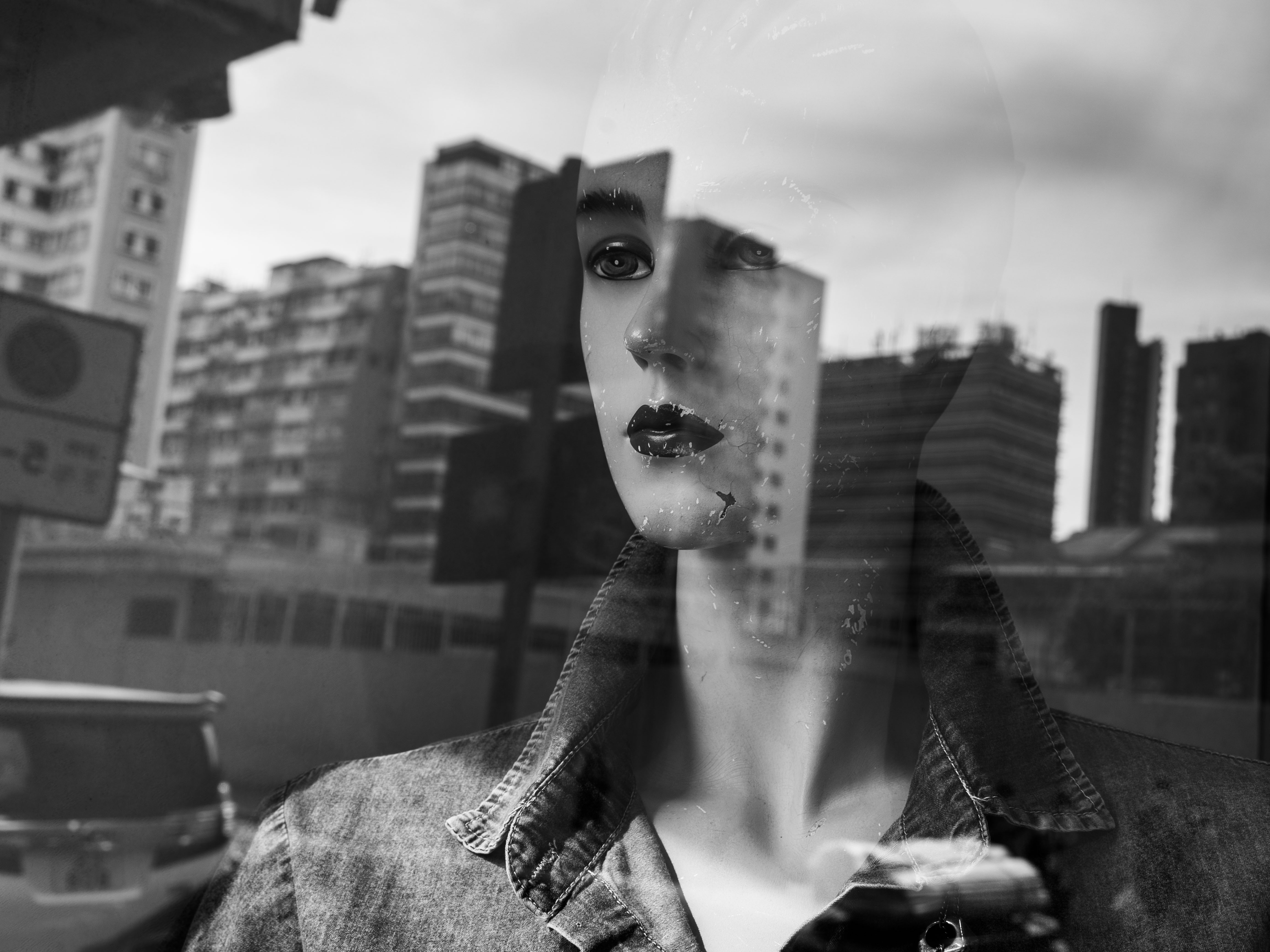
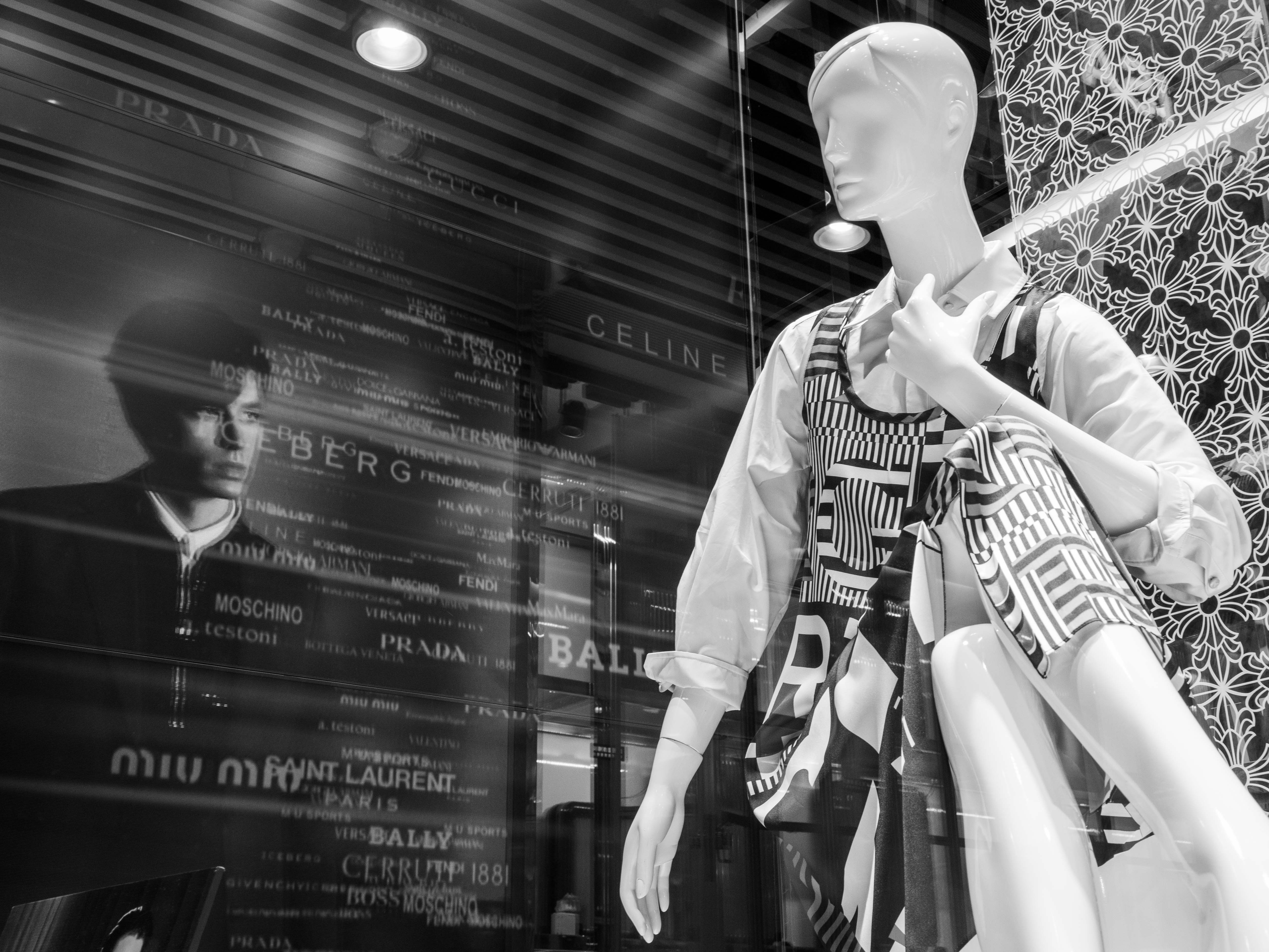
在自然界,一年有四季。隨着速食時裝(Fast Fashion)興起,在時裝界,一年變成52季,每星期都有新貨上架,換裝速度之快令人詫異,換言之,展示服飾的櫥窗公仔每年便要變裝52次。攝影師蔡耀龍(Ray Choi)以櫥窗公仔為靈感 ,2019年展開名為「The Lady of Fifty-Two Seasons」的攝影計劃,當盲目追隨潮流的人季季換衫,其實與櫥窗公仔有何不同?
Ray在2016年開始街頭攝影,當時是為陪伴心情低落的朋友用攝影走出困局,結果反而自己愛上攝影,一直拍攝至今。他曾用四年時間在旺角、深水埗等地拍攝「Long Way Back Home」計劃,聚焦途人的臉孔,他說香港人的臉上總是沒有表情,感覺就如櫥窗公仔。有次,他在太子一間店舖見到破爛的櫥窗公仔,心想究竟它何時會被換走,結果幾個月又幾個月,依舊如故。「一般人只當櫥窗公仔是工具,根本不在乎它有點破爛,只要能展出衣服已足夠。」這啟發他創作《Wounds》,成為這個拍攝計劃的開端。
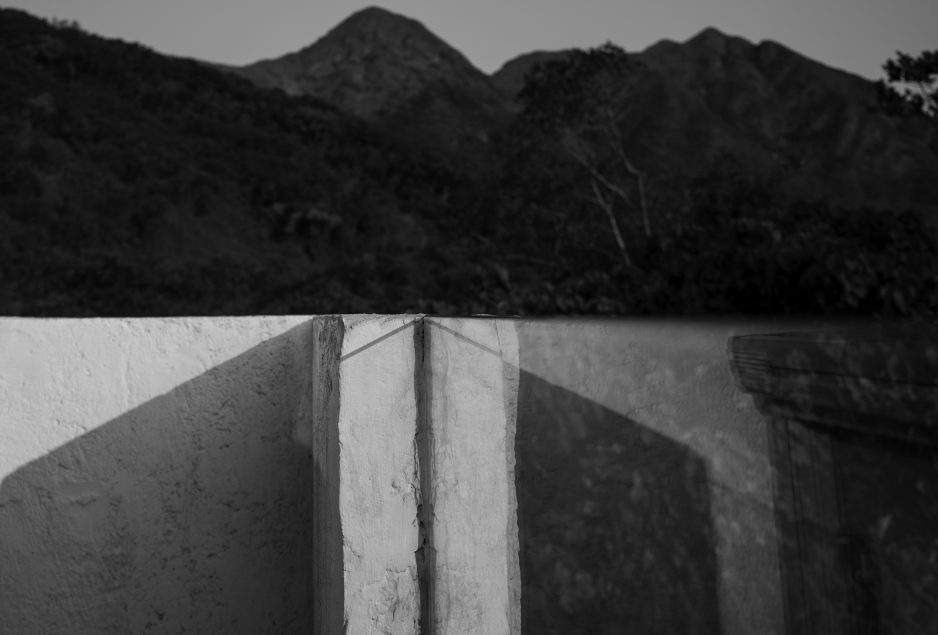
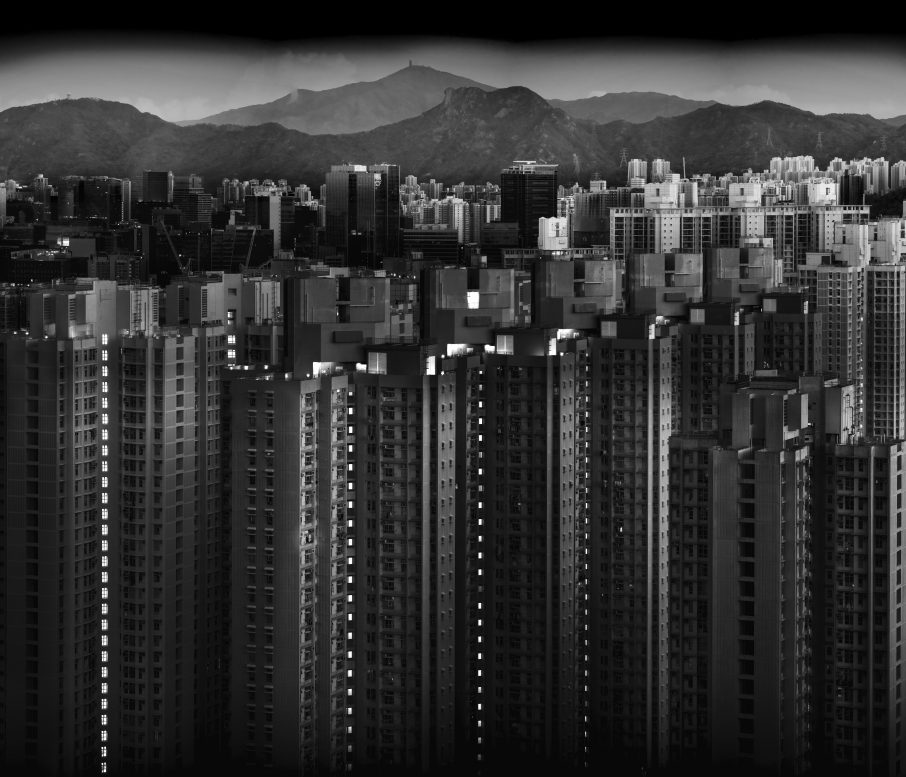
Photography artist Ng Kai Fung created the “Sisyphus Metropolis” in 2019 which he photographed landscapes in Lung Cheung Road, Polytechnic University, and other places.
After experiencing a year of protest, these places have unique significance. He used a shift lens to photograph the city landscape from a distance. Taking “Lung Cheung Road” as an example, this is a landscape of Kowloon East and Lion Rock. The buildings in the picture are straight and compact. It does not seem surprising, but there is a weirdness if you pay attention to the light in the photo.
The building in the foreground is dim, yet the mountain behind is bright. Ng Kai Fung uses image stitching to create high-resolution artworks with the photos taken at different times, intertwining the interlaced images of day and night. “The scenery and lighting look unrealistic, echoing the state of Hong Kong at that time. It was normal during the day but unusual at night.”
Ng Kai Fung studied photography at Hong Kong Art School. His artworks were deeply influenced by literature and philosophy. “The Sisyphus Metropolis” was inspired by the French writer Albert Camus’s philosophical essay “The Myth of Sisyphus.” He annotated the works through words, “When the Almighty loses its dominance in society, politics, especially under Totalitarianism, becomes the only religion. Justice is replaced by the will to power, and they assume freedom is slavery for all.”
“The Myth of Sisyphus” ends with the work “The Monuments,” an image about International Commerce Centre next to the Victoria Harbour. It looks like a high tower and an obelisk of the city. “The tower is a testimony of human civilization, but it has nothing to do with ordinary people. Our lives have not changed. Instead, our morals are getting worse and worse.” The work is presented in the form of a cross to question what faith is. In a world without God, how can we establish a new moral value?
創作於2009年的「I Miss You Already」系列,則把鏡頭對準赤裸的自己,利用身體作為表達媒介。「取名時我更傾向於不具象的、浪漫詩意的名字,畢竟我的作品是feeling-project,它們更多的是傳輸一種情感。」當時,他在意大利做駐地藝術家項目,在一個封閉、黑暗的洞穴裏,做起瑜伽的輪式動作,將身體支撐成一道拱門,創作出該系列首張作品《Self-portrait(Bent)》。成長於都市的他對大自然特別嚮往,不論是身處樹林或湖邊,總想着以身體融入大自然。「創作對我而言,就是對大自然空間作出的本能反應,把身體融入空間。」
華人世界對於裸體相對較保守,也曾有人覺得他的作品很情色,然而他對於赤裸並無任何「罪惡感」,只想透過身體讓人感受到情緒,而這種感受情緒的途徑就是攝影。「肢體的美感是很主觀的東西,拍攝時我不會去刻意琢磨肢體動作,只想以最自然、最真實的狀態展示出來。」他把《I Miss You Already》視為自我回顧和自我探索的過程,十年過後,除了年齡、外表的轉變,更多、更複雜是內心的變化,反映出不同階段的自己。「任何人在十年裏都會有變化,個人經歷讓人更成熟,思想上也有很多改變,這些都在我的作品裏表現出來。」