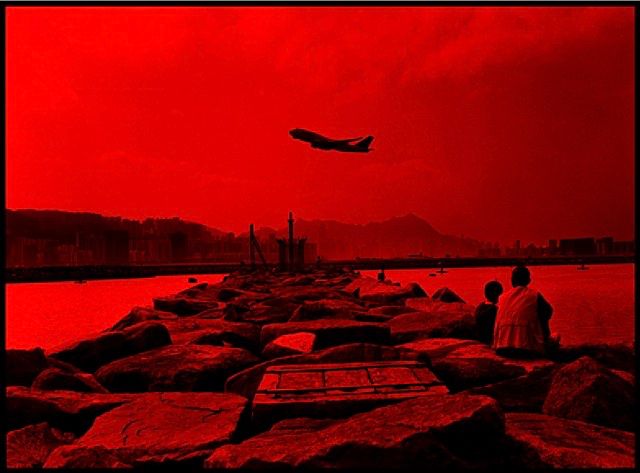
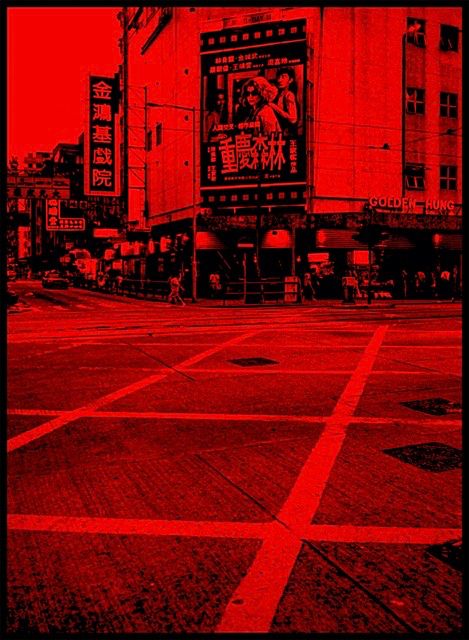
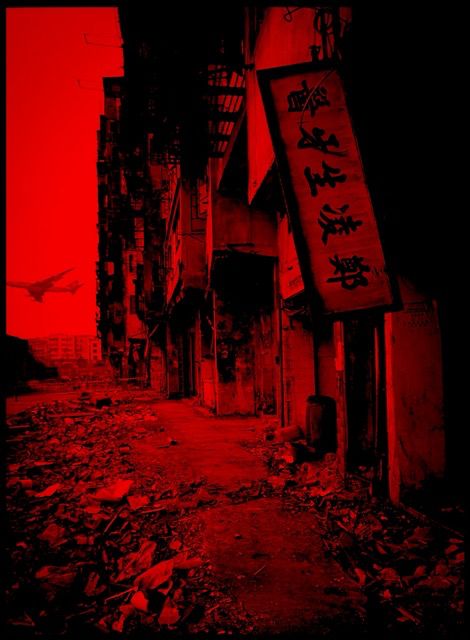
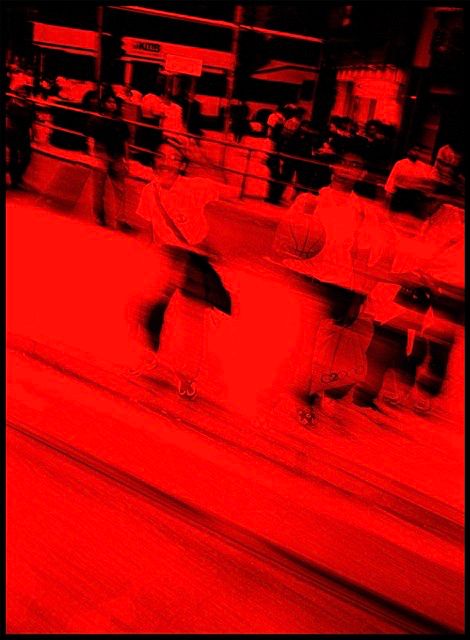
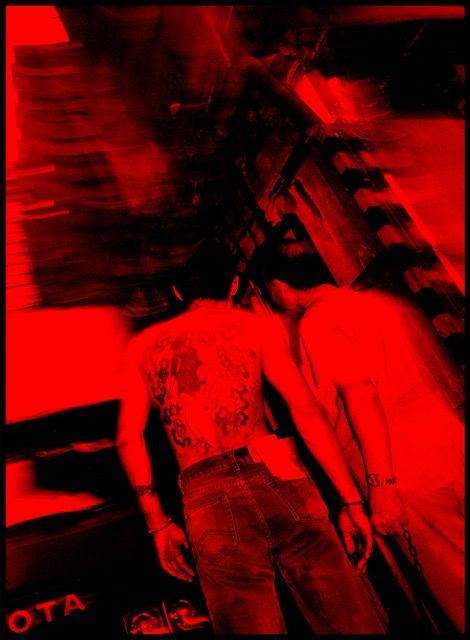
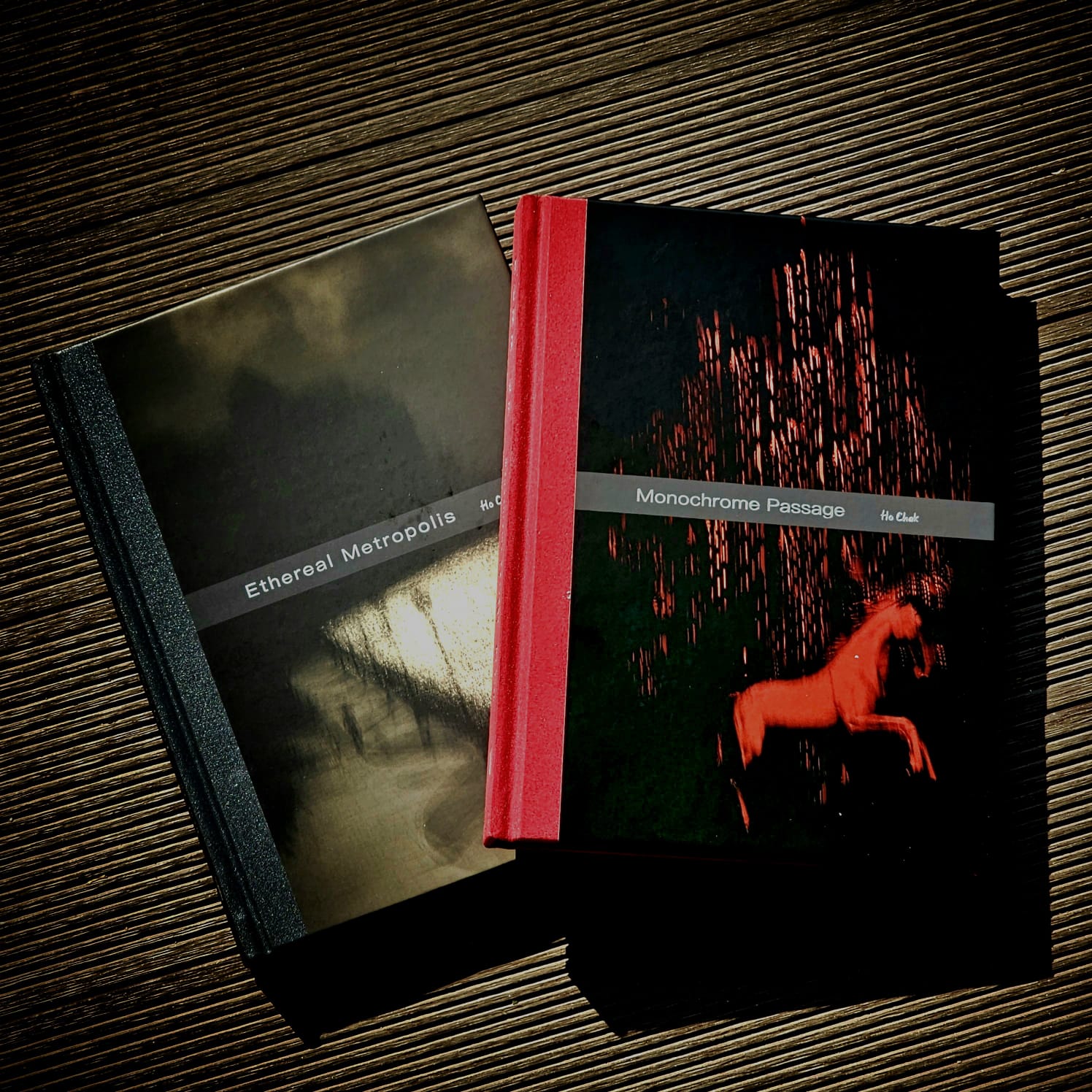
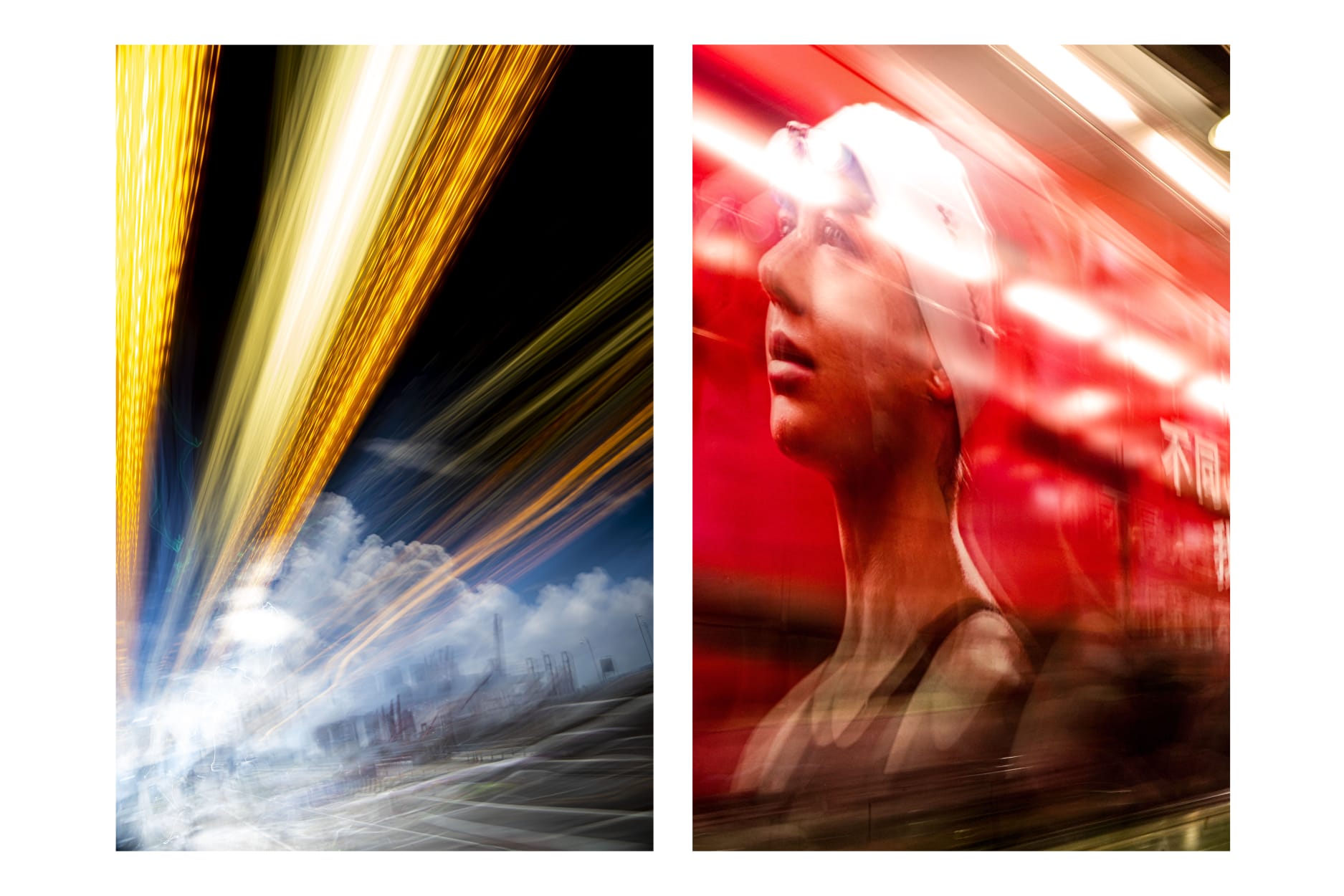
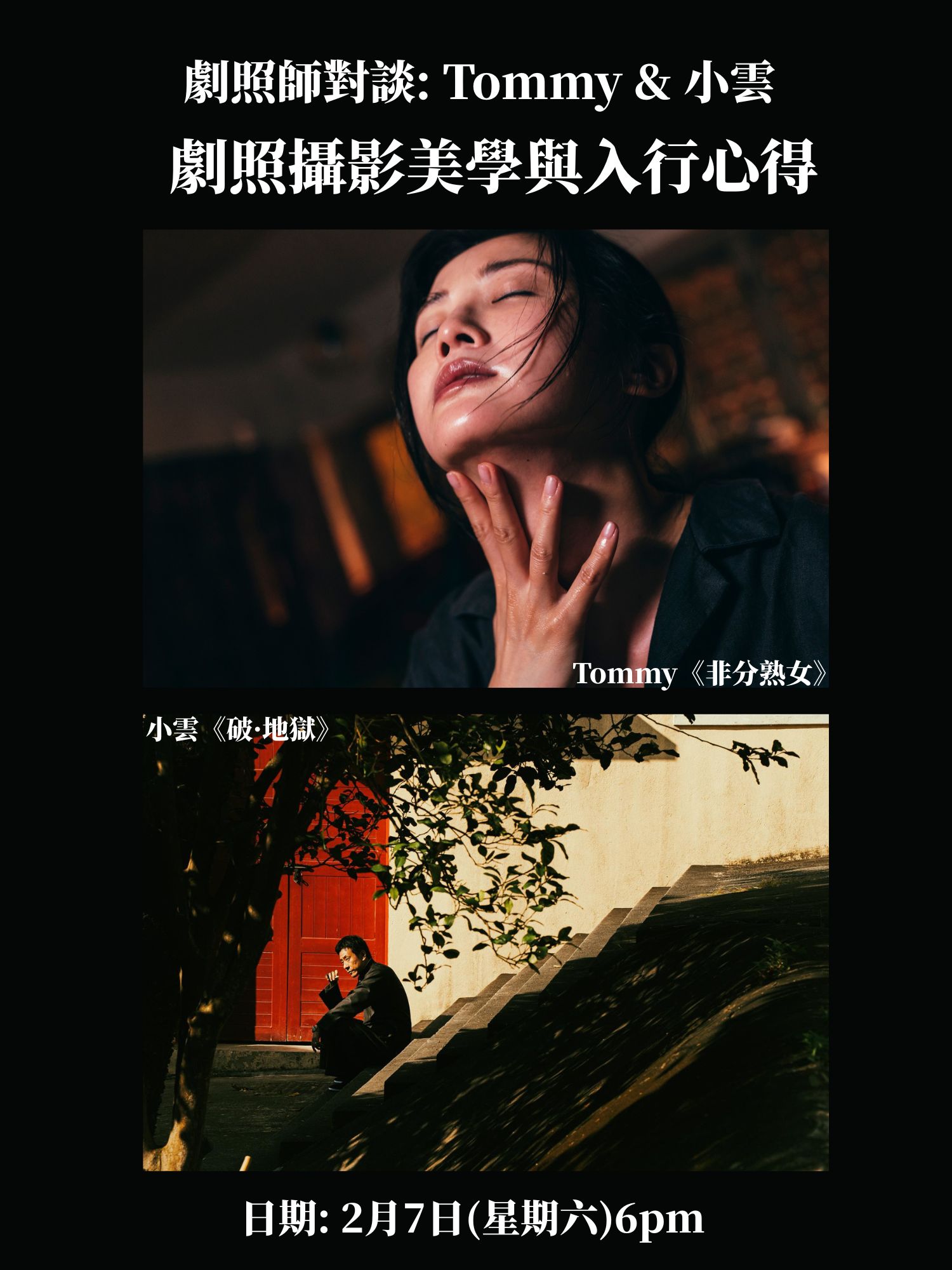
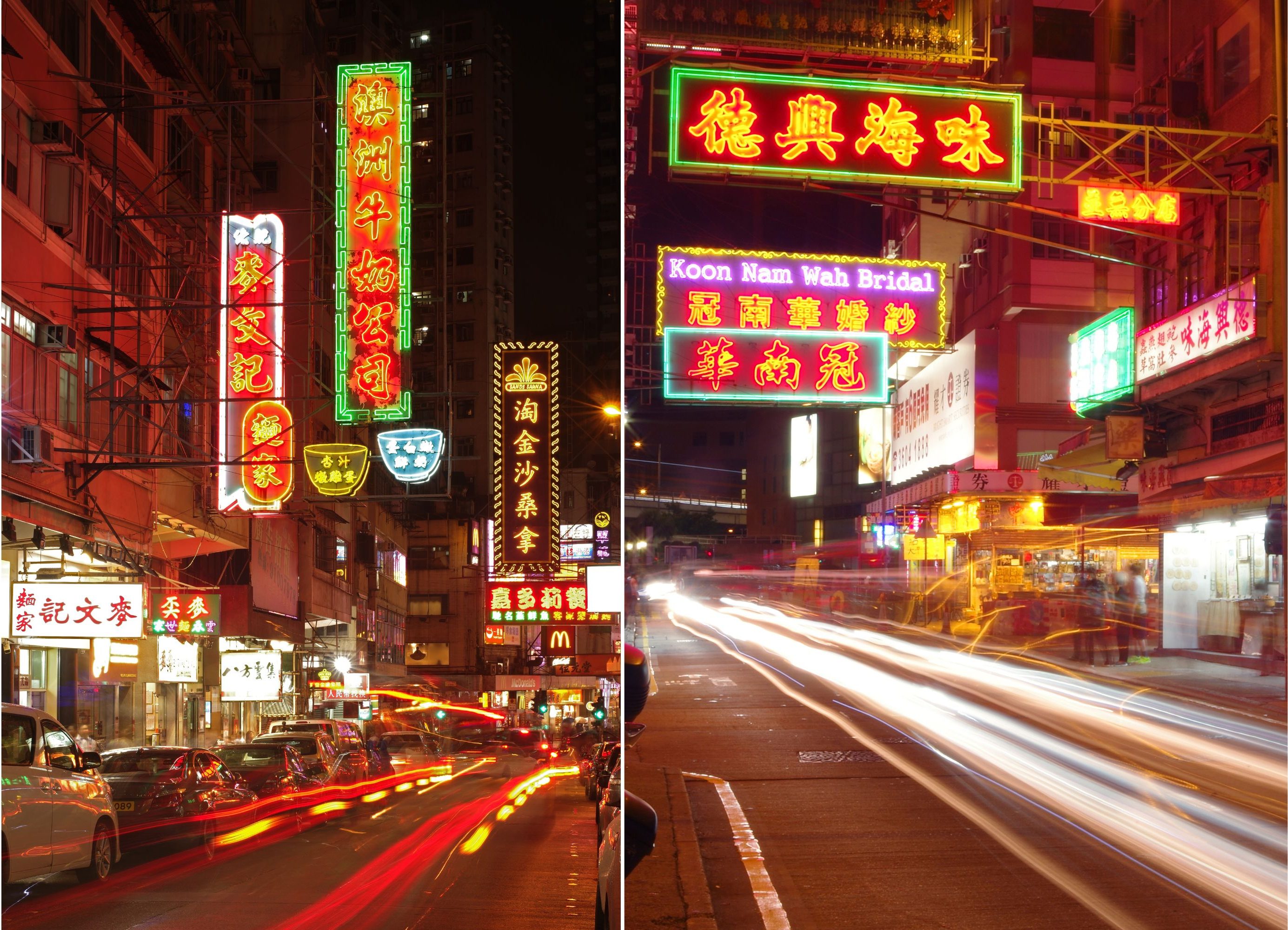
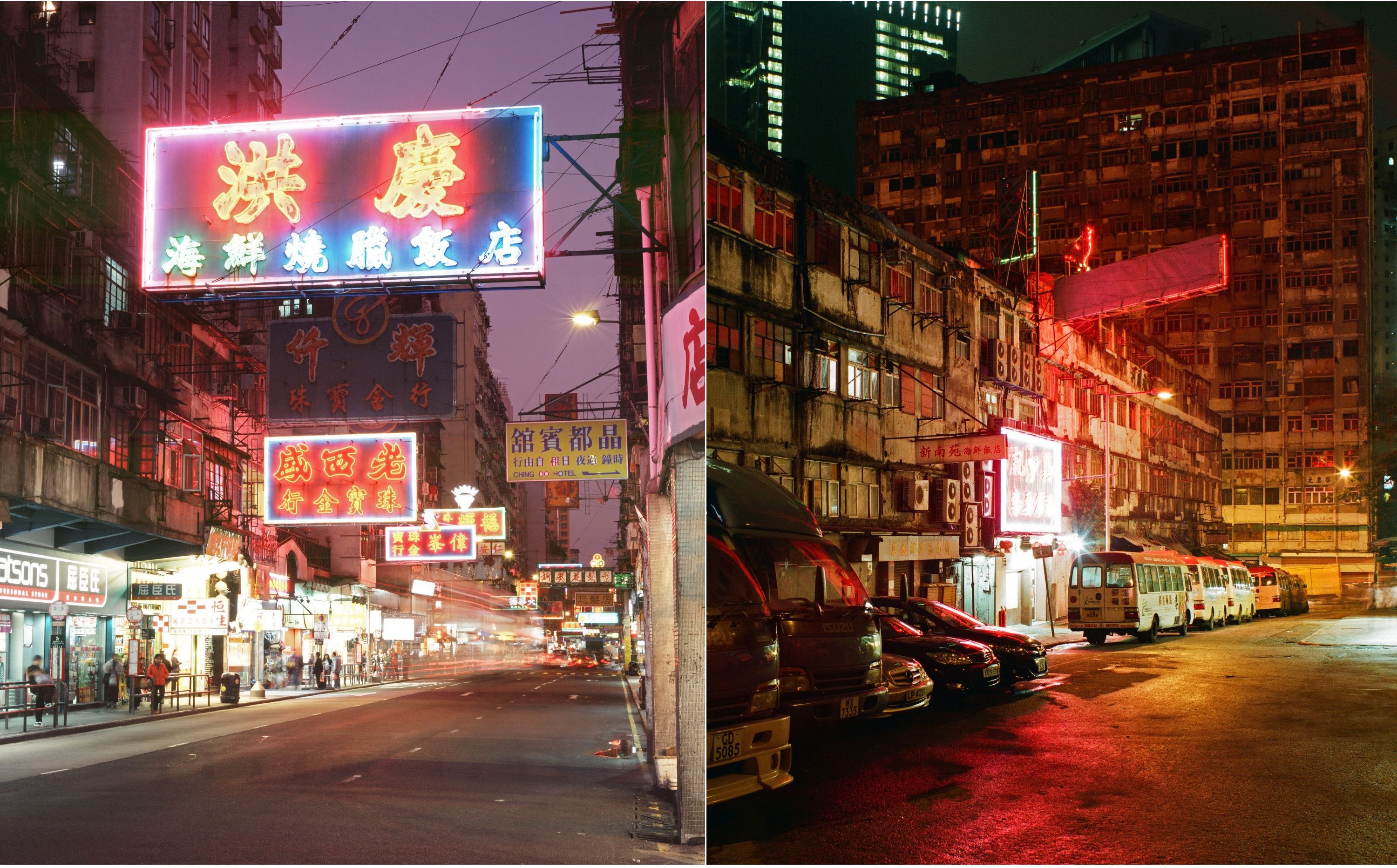
2022年發表個人攝影集《And Then》,並於2023年舉辦個展《And Then, The Moments》。2024年拍攝的音樂錄像《The Day When We Fall in Love》入選奧斯卡認證電影節「Cinequest Film Festival」放映,該作品還在「The Telly Awards 2024」中榮獲包括「影像拍攝與表現」銀獎在內的多項國際殊榮。
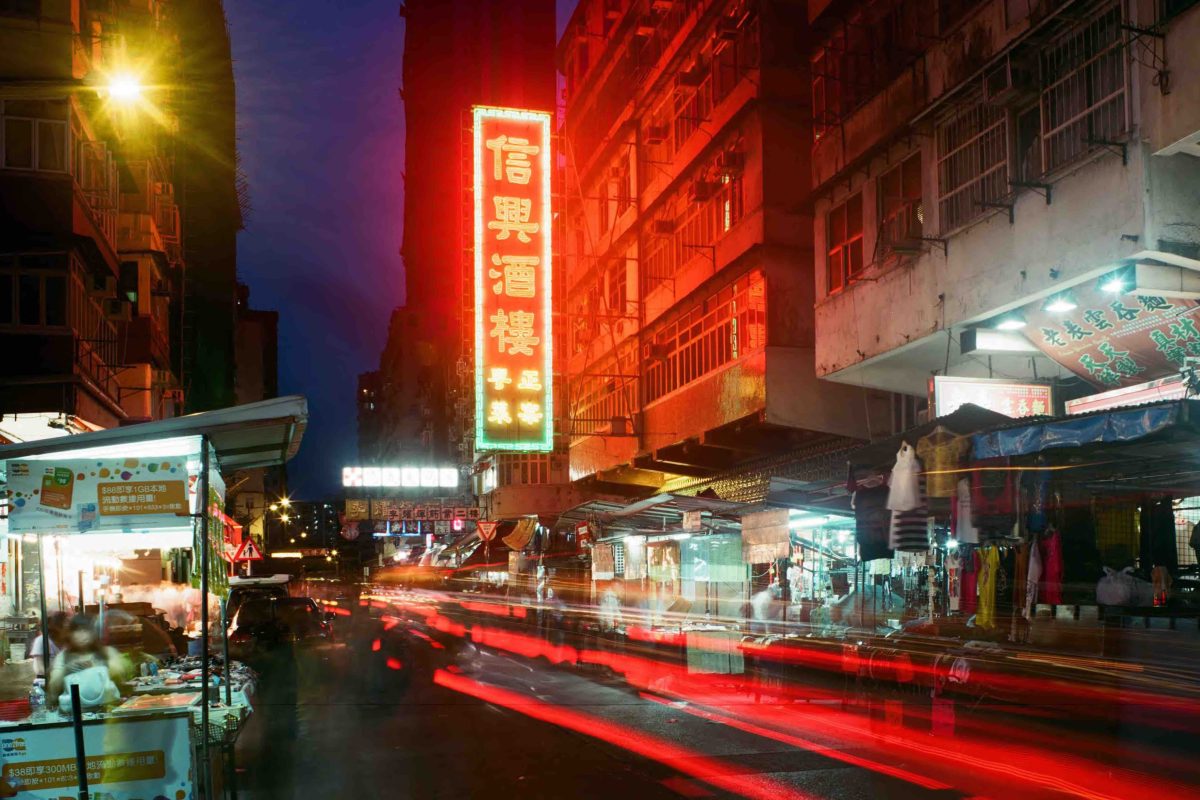
繼去年十月參展倫敦Affordable Art Fair後,Laurence將於今年一月底參加街頭攝影平台TOKYO STREETS在東京日比谷OKUROJI商店街空間舉辦的大型攝影聯展,該展覽展出逾30位來自世界各地攝影師的街頭攝影和紀實攝影作品,包括Deep Chan和Wilson Poon等三位來自香港的攝影師,而Laurence以一系列「消失的霓虹」(Disappearing Neon Signs) 的作品參展,在異國他鄉訴說屬於香港的情懷與記憶。
TOKYO STREETS 10 日期:1月27日至2月1日 時間: 11:00 – 20:00 地址:東京千代田區日比谷Okuroji
Renowned Hong Kong photographer Laurence Lai is set to feature his works at the TOKYO STREETS exhibition, taking place in Hibiya Okuroji in Tokyo at the end of January.
Laurence’s evocative photographs will center on the iconic neon signs that once illuminated Hong Kong’s cityscape, capturing a visual language synonymous with the city’s vibrant urban culture. Through his lens, Laurence not only showcases these dazzling relics of the past but also invites viewers to reflect on the rapid transformation of Hong Kong’s streetscapes.
Sadly, the majority of the neon signs immortalized in his striking images have now vanished, their absence adds a poignant sense of nostalgia to the exhibition, offering Tokyo audiences a rare glimpse into a bygone era of Hong Kong’s history.
‘I hope this exhibition will lead you to know Hong Kong’s past, walk into the world of my memories together, and feel the emotions of the past together.’ —— Lau Koon-Tan.
Following the success of his first photo book, Old Hong Kong – The Way We Were, in 2023, photographer Lau Koon-Tan recently published his sequel. It will accompany an exhibition titled Old Hong Kong – The Way We Were 2, which displays nearly 20 hand-made silver Gelatin prints.
Lau Koon-Tan has been photographed in our city for over 60 years. In the 1960s, amid economic hardship and political instability in Hong Kong, a young man emerged as a photographer dedicated to capturing the essence of his city.
From Street dentist and tricycle driver to newspaper hawker and coolie, Lau’s photographs vividly depicted the various aspects of life, reflecting the circumstances of that era, documenting the diverse facets of society through his camera lens, and offering future generations a glimpse into the lives of those who came before them.
These pictures showcase his exceptional skills and serve as a precious testament to Hong Kong’s history. Now, in his advanced years, Lau remains actively engaged in promoting photography. He serves as a judge for competitions and offers free photography lectures and talks, encouraging more people to embrace this artistic form.
Lau Koon-Tan won numerous competitions of the Chinese Photographic Association of Hong Kong and the Photographic Society of Hong Kong in the 1960s and 1970s. He was also an honorary member and judge of many photographic societies.
Notably, the Hong Kong Museum of History has permanently collected many of Lau’s works, acknowledging his contributions and the significance of his role in the photography community. In this small yet vibrant city, Lau’s story and artistry have undoubtedly left an everlasting mark on the history of photography.
《William Klein: Painted Contacts》,29 x 20cm,HKD320,可inbox @photogshop 購買,
While reviewing his contact sheets for a film he made in the 1980s, William Klein conceived this original series by working at the nexus of painting and photography.
Referencing the age of film photography, when photographers selected images by circling individual negatives on a contact sheet with brightly colored grease pencils, Klein’s works invent a unique art object that organically combines painting and photography.
The resulting pieces are bold, kinetic color frames and reframes of enlarged black-and-white images throughout his career. Klein‘s iconic fashion and street photography always look gritty and bold, and are given a new vanguard and extraordinary perspective.
In his foreword to this edition, Klein describes these works as ”all brush strokes and jubilation. The jubilation of painting recalls the celebration of taking the photo.“
何藩出版過數本攝影集,65歲退下導演崗位後,他離開香港,前往聖荷西與家人團聚。在家人鼓勵下,他開始整理年輕時拍攝的相片,出版《香港追憶》(Hong Kong Yesterday, 2006)、《人生舞台》(The Living Theatre, 2009) 、《香港‧往日情懷》(A Hong Kong Memoir, 2014)及逝世後的《念香港人的舊》(Portrait of Hong Kong, 2016,2021年出版第四版)、《感情・感悟・感覺》(Photography. My Passion. My Life. 2021)等攝影集。他曾說過,在演員、導演及攝影師三重身份中,他最喜歡的仍是攝影。
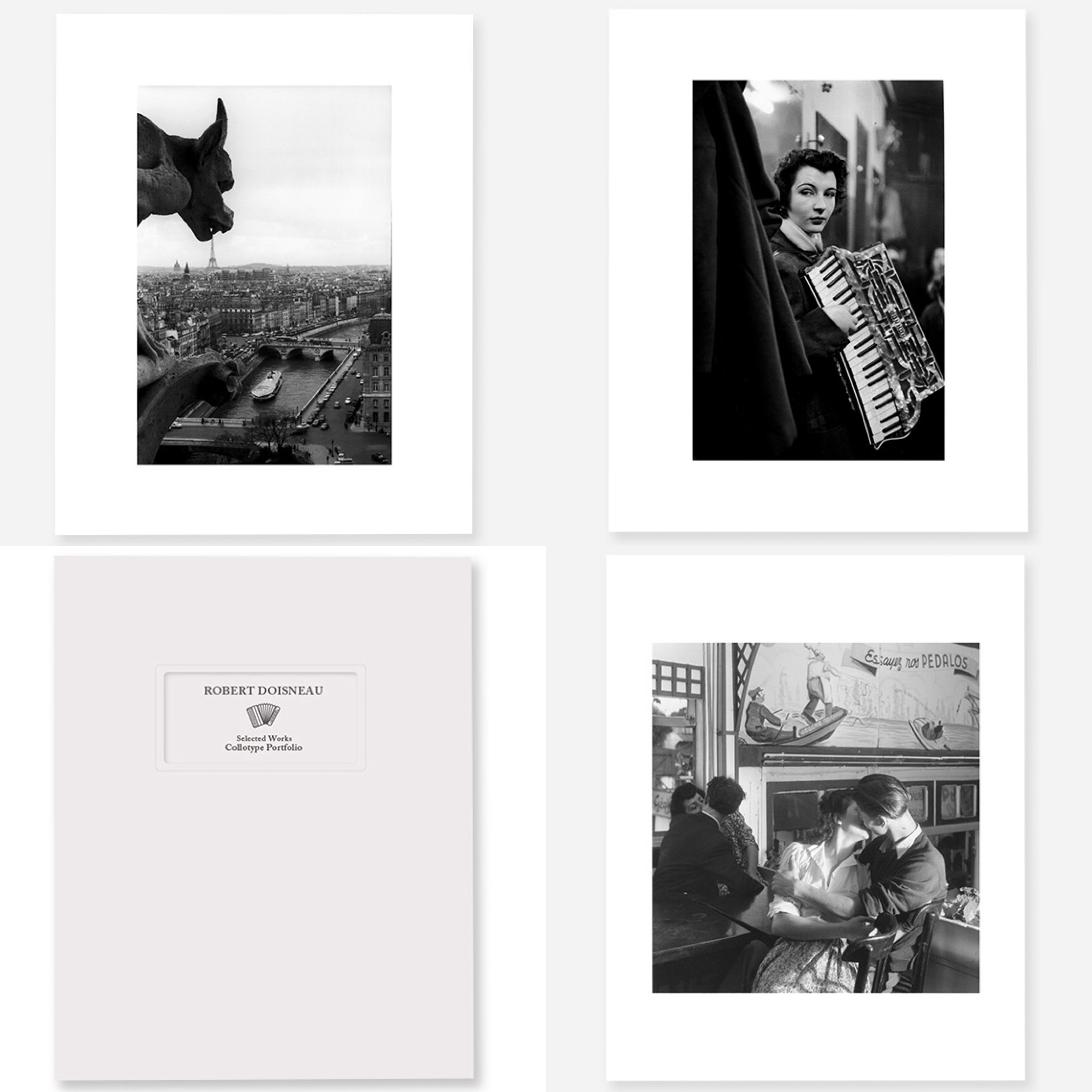
Robert Doisneau一生以他所居住的巴黎為主要拍攝對象,在日常生活中捕捉風趣幽默的瞬間。布列松在1947年成立Magnum Photos後,曾邀請他加入通訊社,Doisneau明白自己的根在巴黎,並不嚮往國際性的拍攝任務,因此婉拒布列松的邀請,繼續留在Rapho Agency,終其一生絕大部份時間在花都拍攝,至今遺下45萬張菲林底片。
1950年代是Doisneau的巔峰時期,很多著名照片都是在這段時間拍攝,包括那幅最廣為人知的《市政廳前之吻》(Le Baiser de l’Hôtel de Ville, 1950),這幅作品現在幾乎已成為浪漫巴黎的代名詞。他的鏡頭拍攝巴黎人的生活百態,即使在平凡的日常裏,也總能發掘出耐人尋味的瞬間,彷彿正在觀看一齣齣靜態的法國電影。
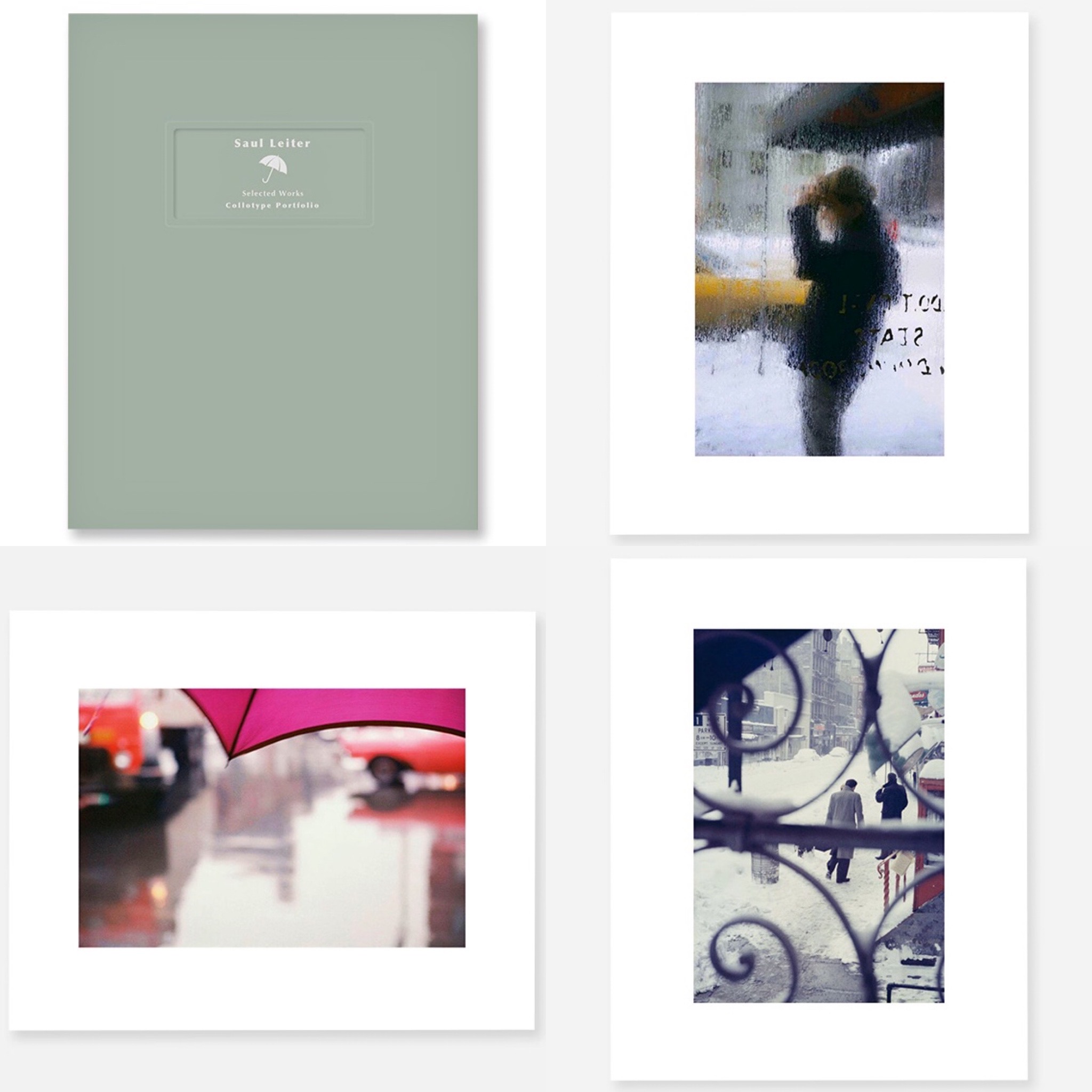
美國攝影師Saul Leiter (1923-2013)曾說「A window covered with raindrops interests me more than a photograph of a famous person.」他鏡頭下的紐約街頭,朦朧、優雅、淡然,若你喜歡雨,相信對他的照片愛不釋手,玻璃窗上的水滴,有種浪漫的遐想。
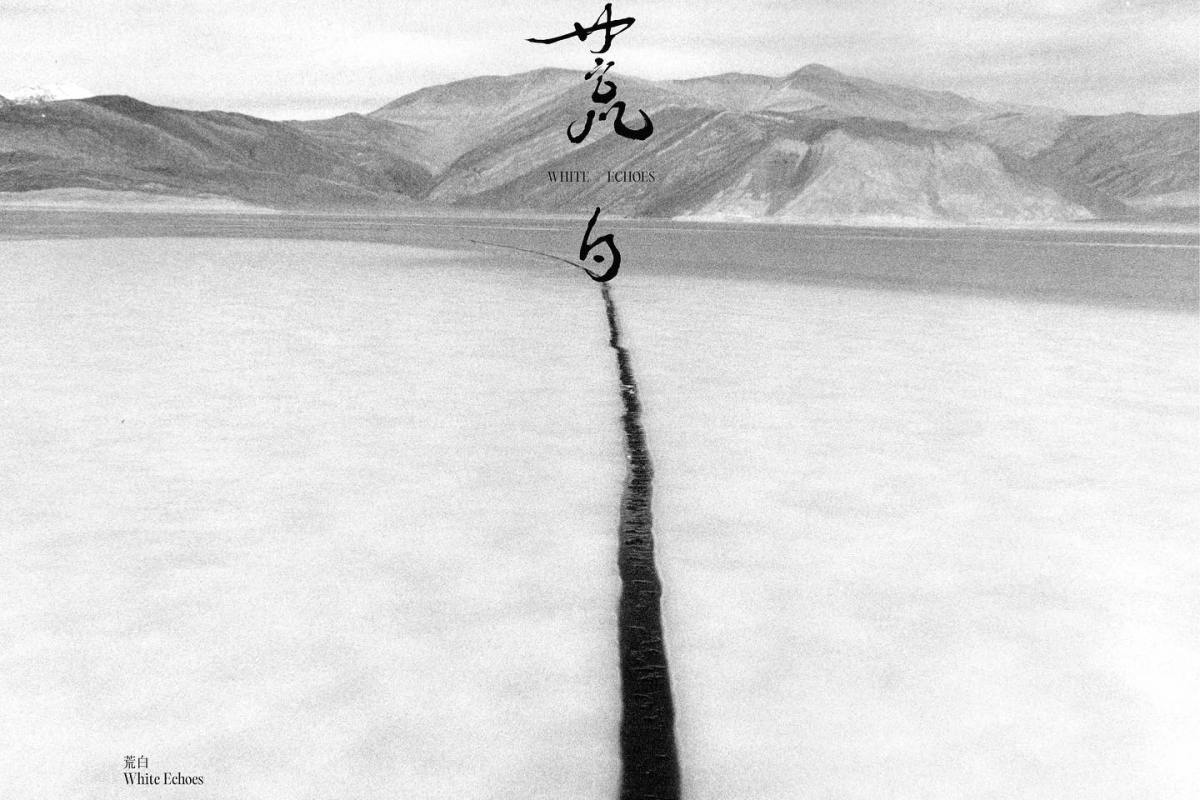
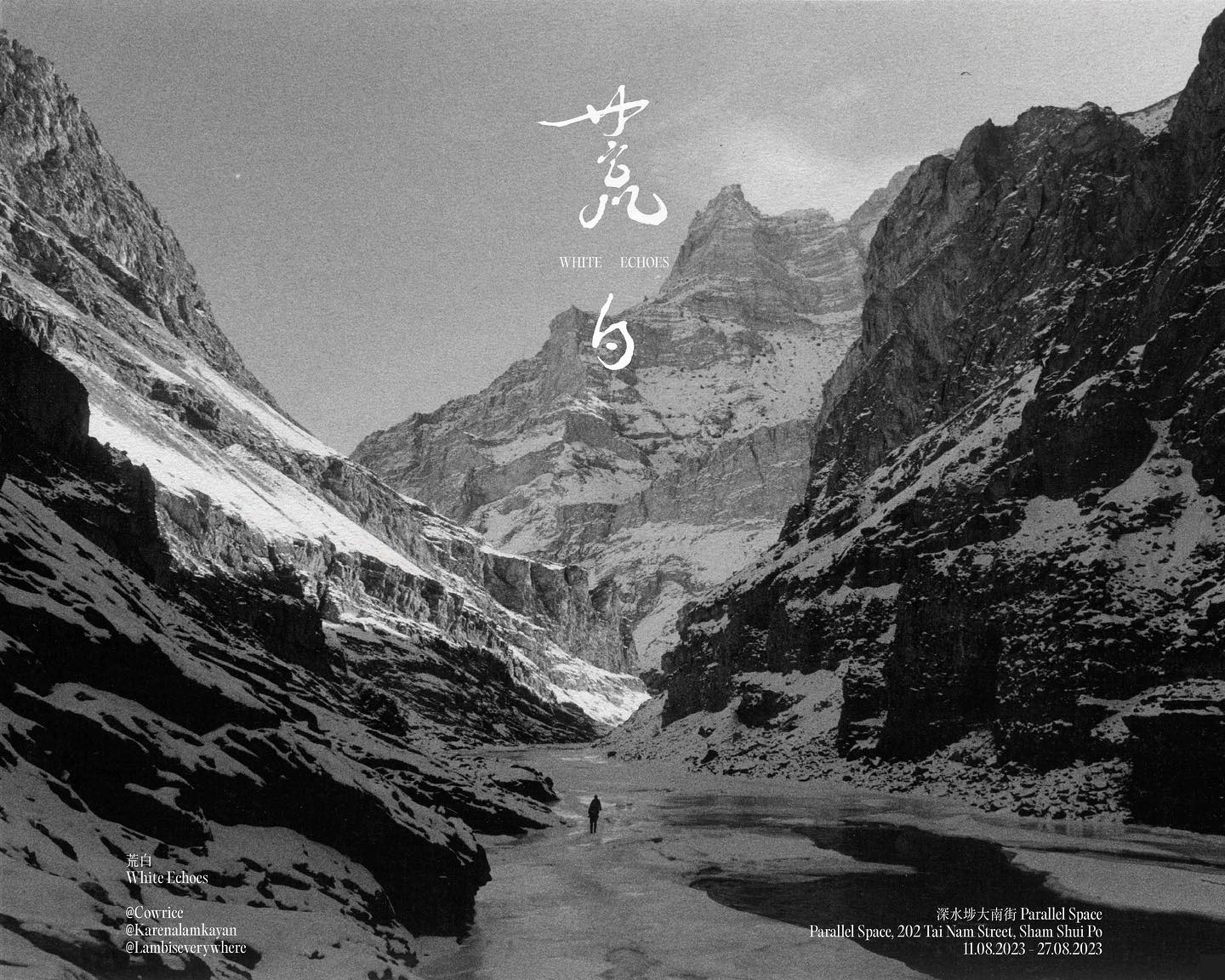
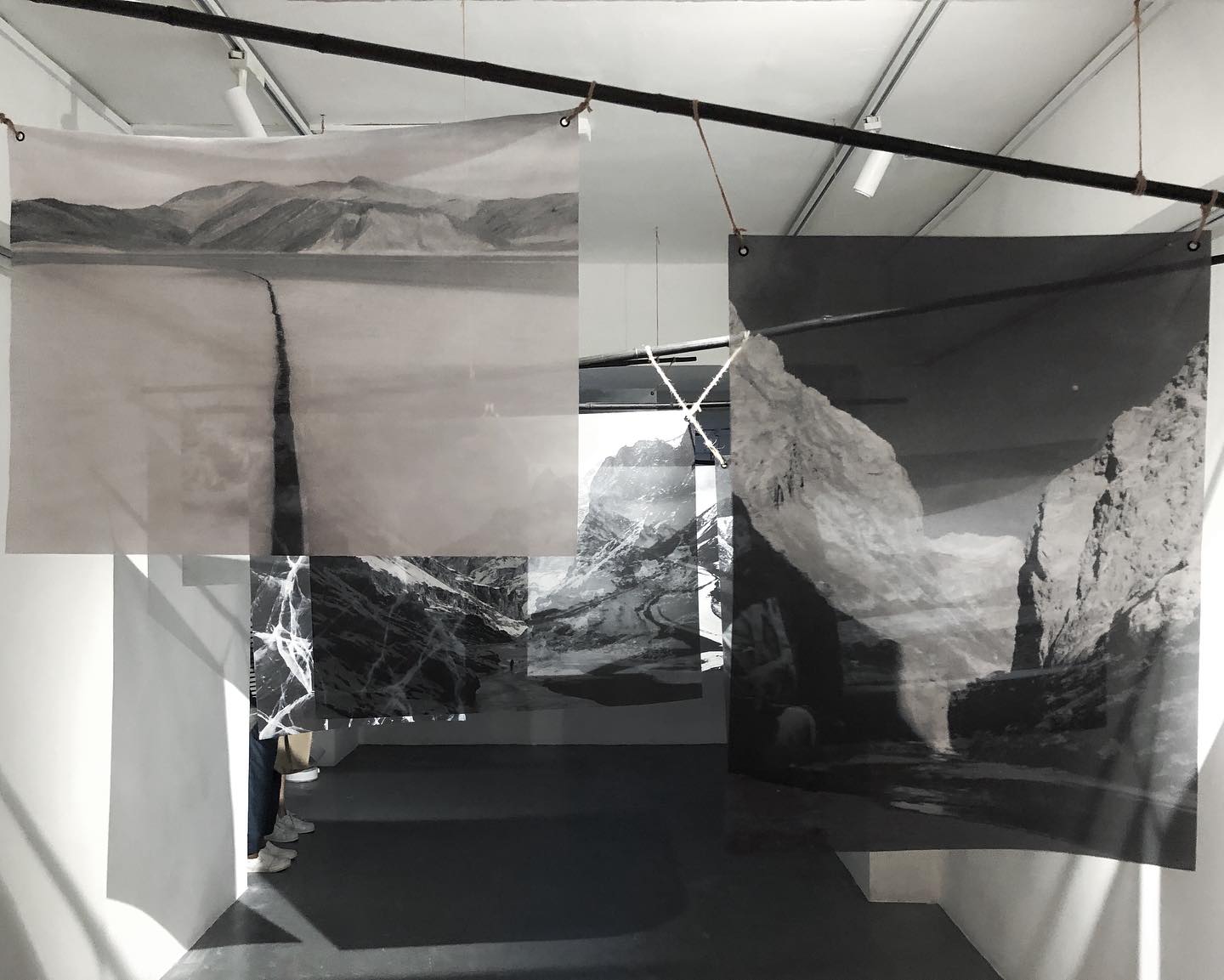
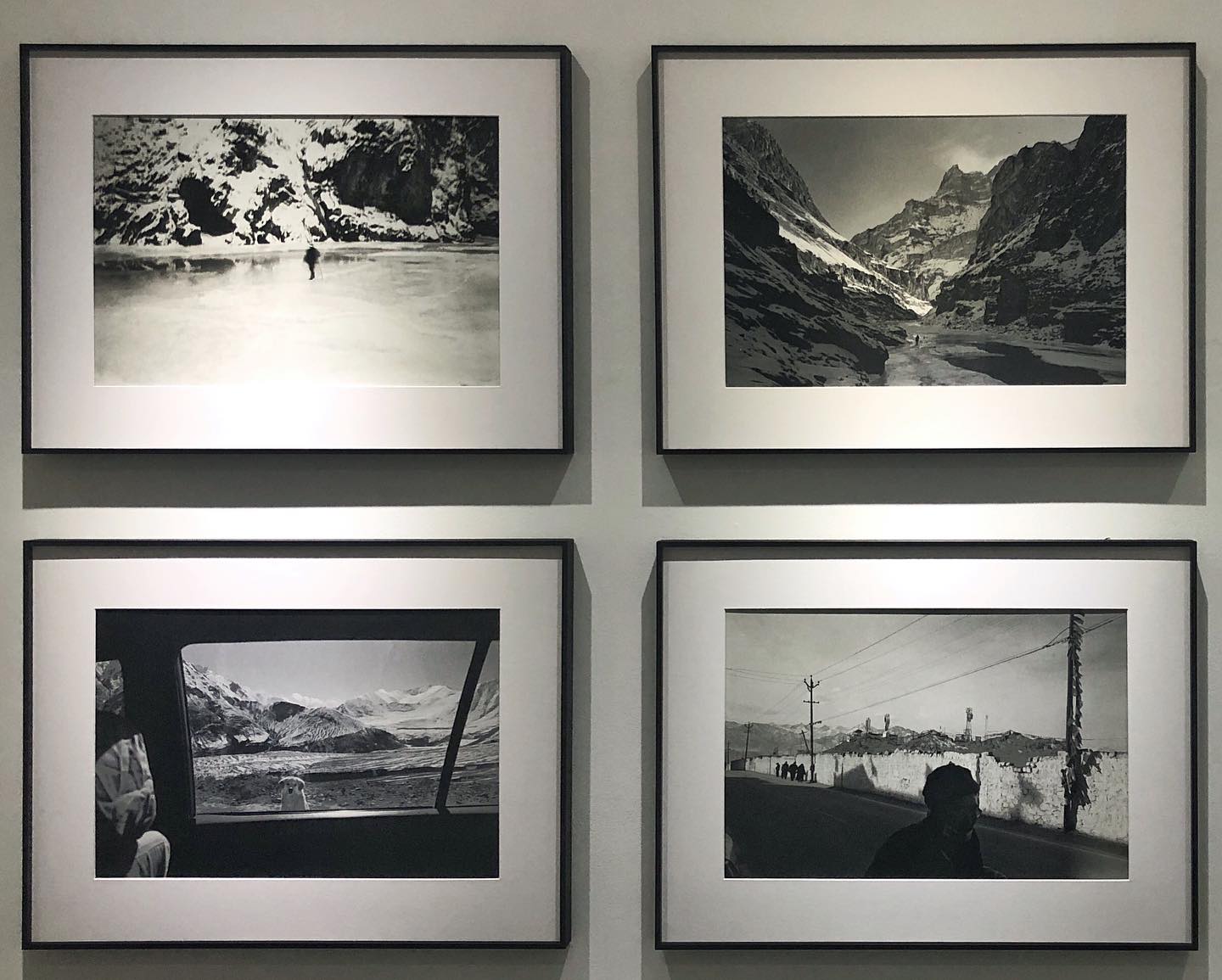
Traveling from Hong Kong to the mountainous region of North India, photographer Lamb said everyone needs some wilderness to maintain a stable state of mind while walking on the frozen Zanskar River.
During the five-day trek, Lamb leaves the hustle and bustle of city life behind in front of the appealing mountain view. Time flowed quietly, and his heart was at peace.
Snow-covered mountains, cracks on the frozen lake, light and shadow at sunset, colorful prayer flags, and encounters along the way are all captured in Lamb’s NIKON FM2 camera.
As a commercial photographer, Lamb’s daily creations are color images. Yet, he likes to shoot in black and white negatives when traveling. For this exhibition, he went to the black room again after 20 years and developed the photographic film into silver gelatin images. While making prints, he forgets the passage of time, and the inner peace echoes the journey.
A photobook that documents Kazuo Kitai’s journey to China in 1973 on invitation by Ihei Kimura. This publication captures a journey that saw Kitai travel back to his place of birth to recreate a “lost childhood experience,” searching for an image within the landscape that would contain a memory of his past.
Kazuo Kitai, born in China in 1944, is best known for his protest photography of the 1960s and 1970s. He earned the prestigious Ihei Kimura Memorial Award for Photography for his work “Mura-e,” a year-long documentation of Japan’s rural life. In the 1980s, he concerned himself with the citizens of Osaka and Tokyo (”Shinsekai Monogatari,” “Funabashi Monogatari”). Recent years have seen him publish a regular column in Nippon Camera magazine (”Walking with Leica”) and a rise in public interest in his work both in Japan and overseas.
北井一夫《1973中國》,捕捉文革後期中國人樸素生活,25 cm × 18 cm,「顯影·書櫃」有售。