《人間山水》的英文名稱是My Kind of Landscape,劉智聰透過作品尋找自己的山水定義,他鏡頭下的城市山水不是隨處可見的花草樹木,而是鬧市街頭的山水風景象徵物,垂吊的長帘像是瀑布、滿地的服飾恍如河流,全是他對都市山水的想像,也擴闊傳統的山水定義。另一邊廂,他走入即將清拆的家居,發現另一種山水風景。「很多人家中有森林或山水的牆紙或窗簾,用來裝飾家居,這某程度上可見屋主的品味,只是這些朝夕相處的大自然風景,他們可能永遠不會去。」
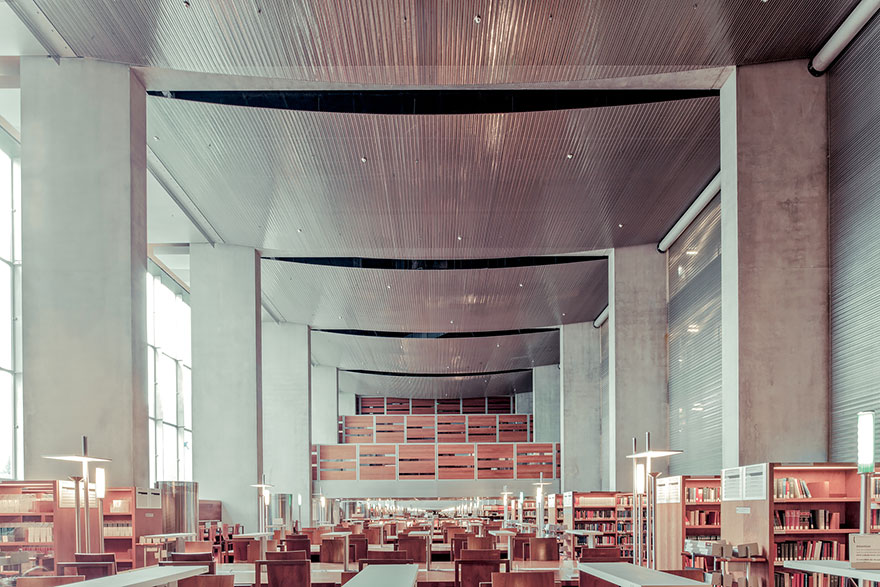
雖說iPad及電子書籍當道,但書籍仍有知音人,圖書館聽落是老餅的代名詞,卻仍吸引萬千在文字世界追尋知識的人。網上經常有人轉載「世界十大最漂亮圖書館」此類的文章,每間圖書館都美輪美奐,細看照片,原來當中不少都是法國攝影師Franck Bohbot的作品,2011年開始,他展開名為「House of Books」的攝影計劃,從巴黎出發,踏足意大利、日本、美國等多個國家,拍攝下世上各座書本的天堂。
Paris, under the lens of the late German female photographer Ilse Bing (1899-1998), was particularly charming and fascinating. She spent the most fabulous ten years in Paris and captured its exuberance in the 1930s. F11 Foto Museum exhibited 103 photographs by Ilse Bing, and it also revealed her complicated life.
Bing was attractive to Paris’s vitality, and successfully seize its liveliness through the camera. The dynamic dancer’s picture she photographed with ambient light at the Moulin Rouge was much appreciated. Emmanuel Sougez, an art critic and founder of the French Periodical L’Illustration, was amazed by her images, praised her ability to capture the enchantment, and describer her as “Queen of the Leica.”
In a male-dominated society in the 1930s, Ilse Bing, as a photography enthusiast, gained her reputation as “Queen of the Leica.” She believes that photography is an art and focused on this new medium. The compact camera allows her to take pictures everywhere. In one of the most iconic selfies, she half-covered her face with a Leica camera, and the mirror behind reflected her side face, The two of her in the picture symbolize her photographic manifesto, which demonstrates the unlimited possibilities of photography.
This talented and intelligent woman combined art and commercial photography skillfully, and her talent was immediately recognized. At that time, she worked for Vu and Vogue Magazines and also photographed for the American version of Harper’s Bazaar. In 1936, she exhibited in the first modern photography exhibition in the Louvre, and also displayed in the “Photography, 1839-1937” exhibition held by the Museum of Modern Art in New York. The decade in the 1930s was the peak of her photography career.
這一招雖然並非百試百靈,不過成功率也相當之高,在2009年尾至2010年期間,他用半年時間成功拍攝130位乘客(只有九人拒絕),之後再篩選三十張做展覽,當年BBC及《衛報》都曾報導。“As a taxi driver, you get to see a real cross section of society.”——他如此形容自己的「TAXI」拍攝計劃。
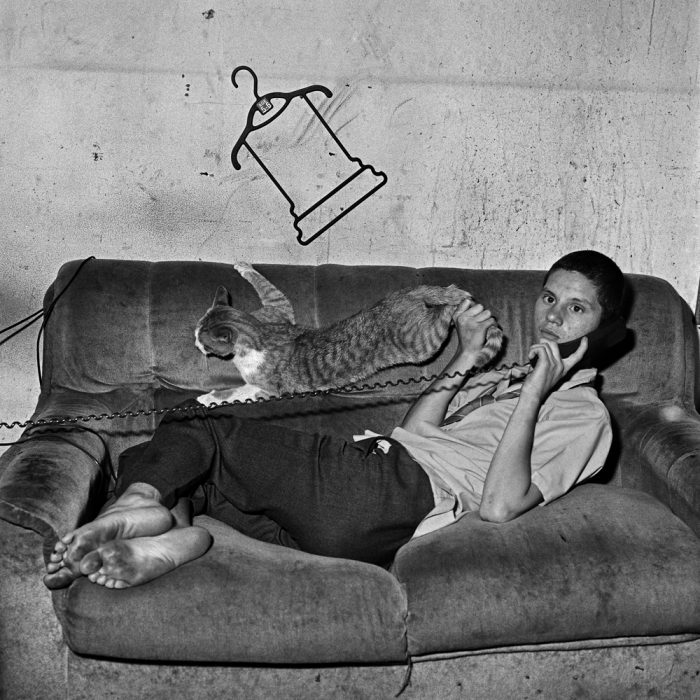
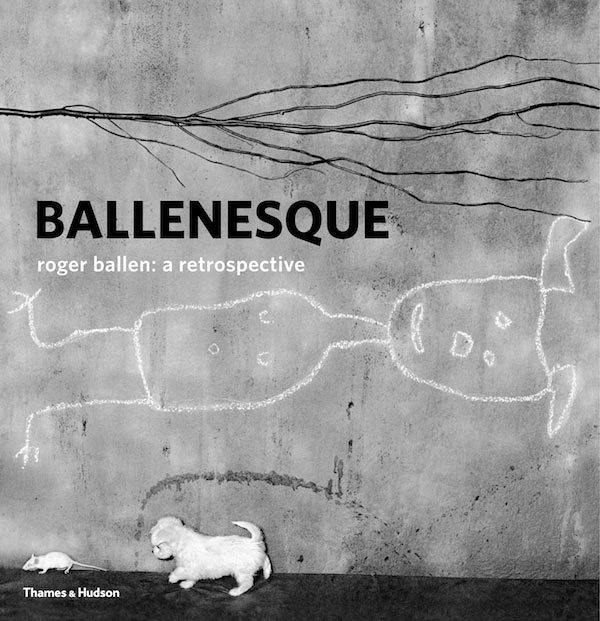
作為外來者,他先被當地村莊的建築吸引,拍攝房屋、家居擺設及謙卑的當地人,集結成《Dorps: Small Towns of South Africa》一書。之後,他將重心慢慢從房屋轉移到人身上,拍攝不同南非居民的肖像,關注他們的精神狀態,發表的多本著作之中,尤以2001年面世的《Outland》最廣為人知。世人眼中,白人在南非享有特權,然而Ballen鏡頭下拍攝的,是生活在郊區小鎮貧民窟的白人,他們長期與世隔絕,因各種遺傳原因,樣貌逐漸變得怪異,也慢慢出現許多令人費解的行為。
她以4R尺寸展示這些相片,為每張照片手寫上時間及日期,那種感覺恍如翻看家庭相簿的日常照片。表面上那種藍天白雲的平靜,隨着照片下方的時間地點瞬間刺破,例如6月12日的金鐘、11月12日的中文大學。當真相被一片美好包裝,縱然當權者如何歌舞昇平,但眾人經歷過的集體回憶,卻如何也抹不走,the truth is out there。
《The Truth is Out There》2020年6月12日至7月18日曾於太子C &G藝術單位展出。
Mario Testino原本修讀的是經濟學,1976年,22歲的他毅然移居倫敦學習攝影。倫敦的時尚風氣與秘魯簡直天淵之別,這也讓喜歡時尚的Mario心靈得到解放,展開對時尚攝影的追求。「大明星御用攝影師」這個稱號背後,是長年努力所累積的,當時他在英倫無人無物,在跟隨兩位攝影師當過一年學徒之後,就滿腔熱血向雜誌社自薦,卻一次次遭受不留情面的回絕。為了養活自己,當時生活拮据的他一邊在餐廳打工,更不得不住在廢棄的精神病院。
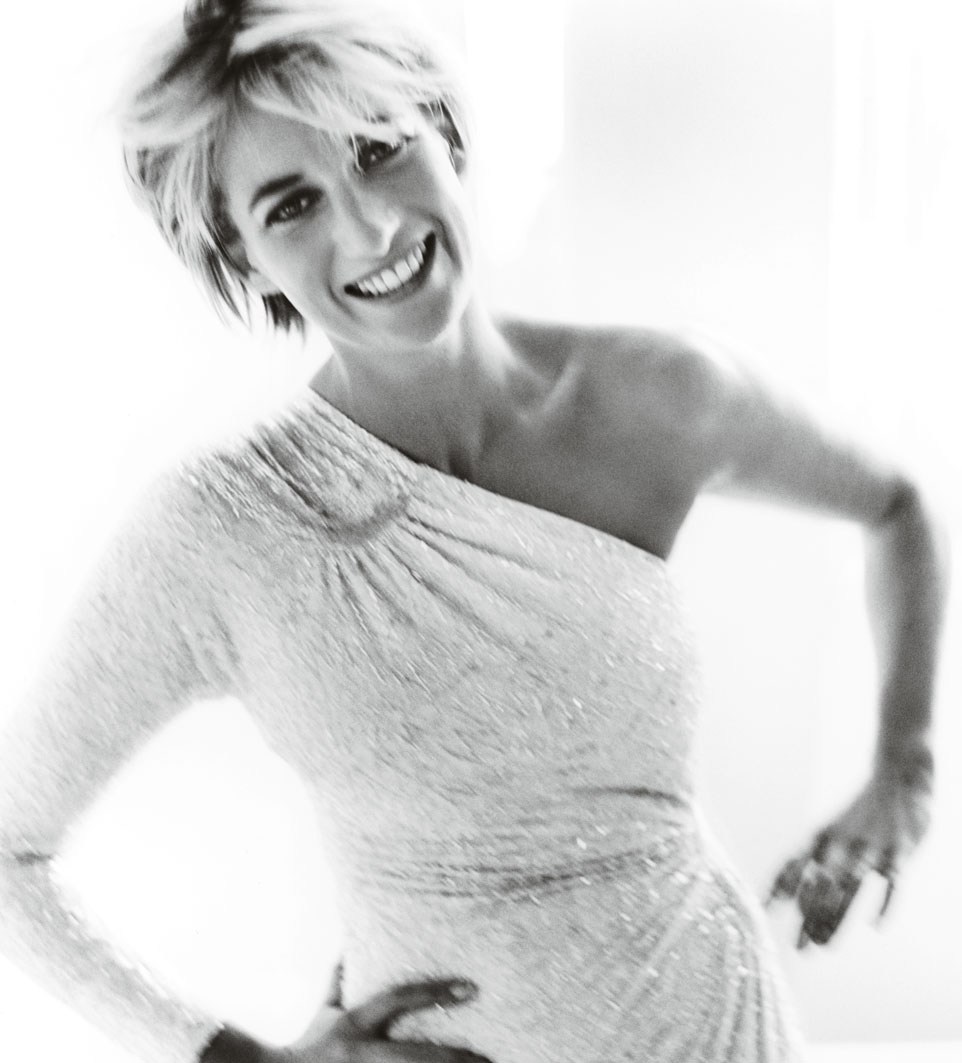
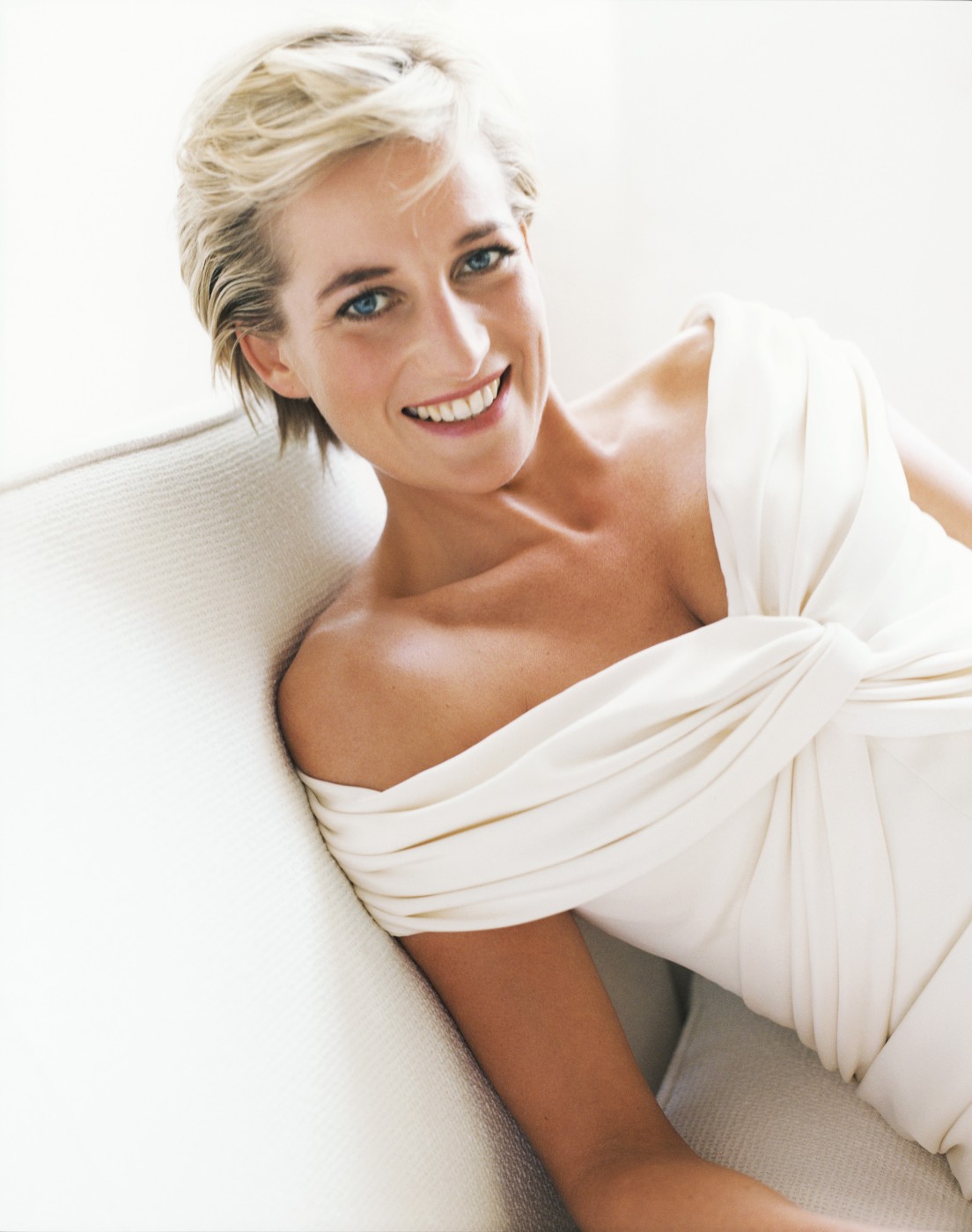
Among many beautiful images of Princess Diana, Peruvian photographer Mario Testino has captured the most charming and attractive one.
Mario started his career in the British fashion industry in the 1980s and gained a reputation in the 1990s. In 1997, he photographed Lady Diana for Vanity Fair Magazine.
It was his first time shooting for the British Royal Family, and also the last fashion photographs of the princess; she was full of confidence with elegance.
Not long after the magazine published, she died in a car accident, and the whole of England mourned. These smiling photos of Diana became the last impression of her incredible life.
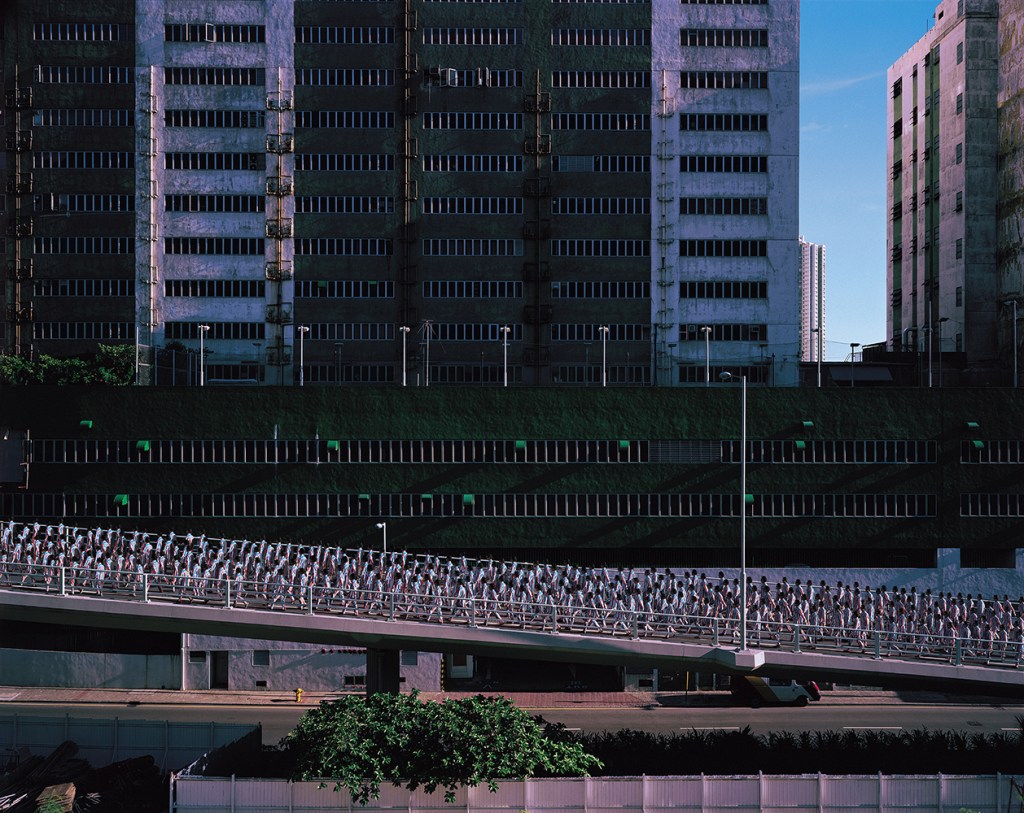
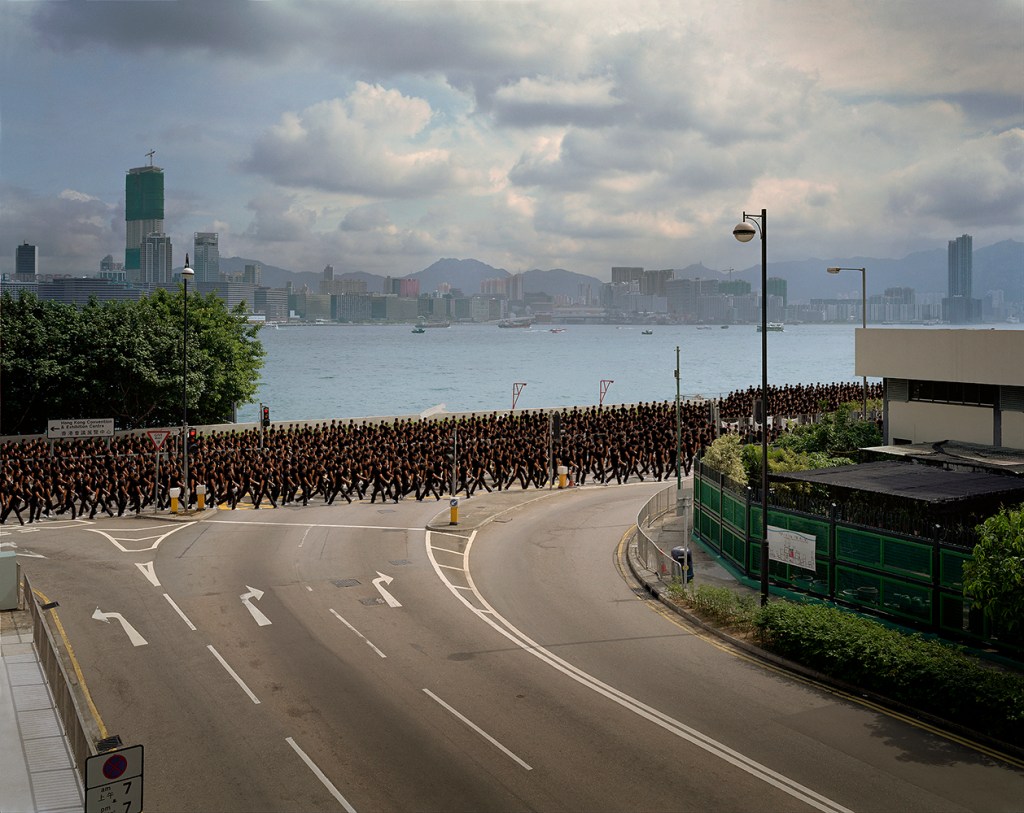
Almond Chu explores social issues with the “parade” series.
Hong Kong had long been known as the “Parade City” even before last year’s extradition bill demonstration. It has been 23 years after the Hong Kong handover, and people are familiar with protests. On July 1st, 2003, half a million people took to the streets against Hong Kong Basic Law Article 23. Photographer Almond Chu also participated in that year, inspiring him to create the “Parade” series in the following year.
“In 2004, I completed the Artist Residency in Germany. After returning to Hong Kong, I wanted to abandon the shooting technique of portraits and still life in the studio, and began to move forward.” On the one hand, he created the “ARTIFICIAL LANDSCAPE” in landfills and reservoir flooded with garbage, to reflect on the damage caused by humans.
As for the “Parade” series, he selected the iconic buildings of the colonial period, such as the old Star Ferry Pier and the Central Police Station, and related the location with the characters. Most people may not have much memory of the third work near the Wan Chai Pier, “During the 2005 World Trade Conference, Korean farmers once demonstrated and jumped in the sea in this area.”
The “Parade” series was not only created in Hong Kong but also inspired by buildings in Beijing and Guangzhou. “Because of a conversation with the painter Wucius Wong, I was considering the issue of “identity,” so I step into the mainland for inspirations.”
Under the red walls of the Forbidden City in Beijing, numerous security officers wearing sunglasses and green uniforms, which is very iconic among the Parade series. Starting from the fourth work, he tried to interpret the characters in the photos by himself, so that the work has a strong message.
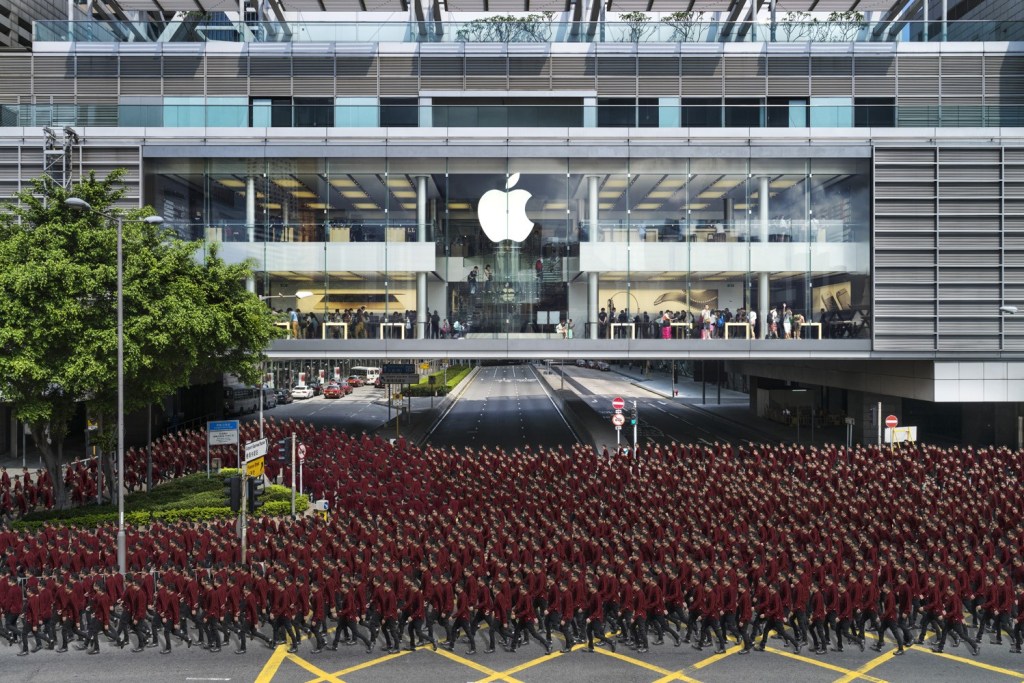
In 2015, he created “Parade 15 (79)” in response to the 2014 Umbrella Movement, in front of the Central Government Complex, 79 people holding yellow umbrellas. The last piece, “Parade 16 (The Apple)”, focuses on the Apple flagship store in Central, reflecting on the fact that when computers and smartphones dominate our lives, does technology ensure people with a better connection?