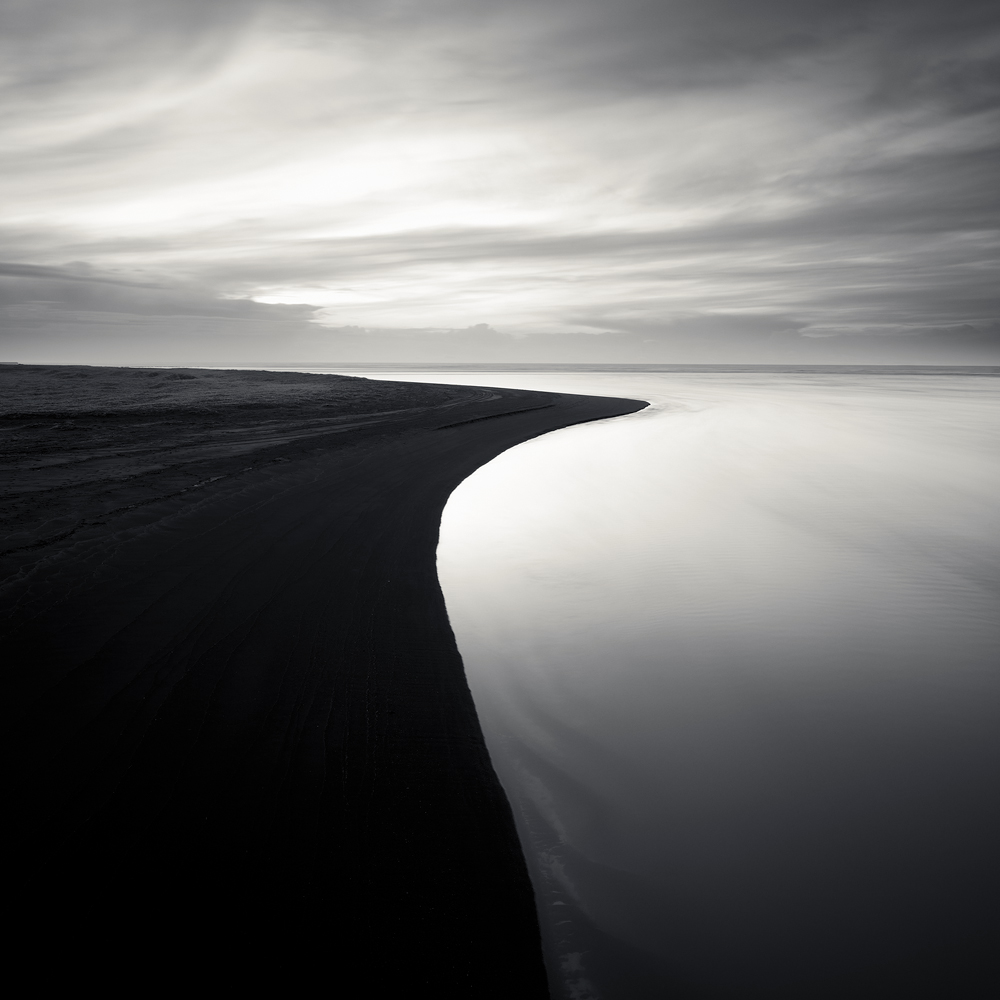
奧地利攝影師 Josef Hoflehner 擅長拍攝風景照片,作品風格以平靜及詩意見稱,不論是亞洲、美洲的城市還是南極洲,在他鏡頭下總增添一份空靈與寂靜的感覺。當他來到加勒比海東北部的聖馬丁島(Saint Martin)拍攝海灘與飛機時,更多了一份視覺震撼。
旅行攝影
Josef Hoflehner的童年軌跡與其他偉大攝影師不太一樣,兒時的他並沒受過任何攝影啓蒙或薰陶,家人與攝影向來沒有淵源,即使在重要節日,一家人也很少拍照留念。二十歲時,他買了一部相機,開始去旅行。慢慢地,他贏得攝影獎項的鼓勵,讓這位年輕人決定成為一名旅行攝影師。關於他早期的作品及經歷,Josef Hoflehner並沒有太多提及,即使在他的網頁上,也沒有太多個人資料。
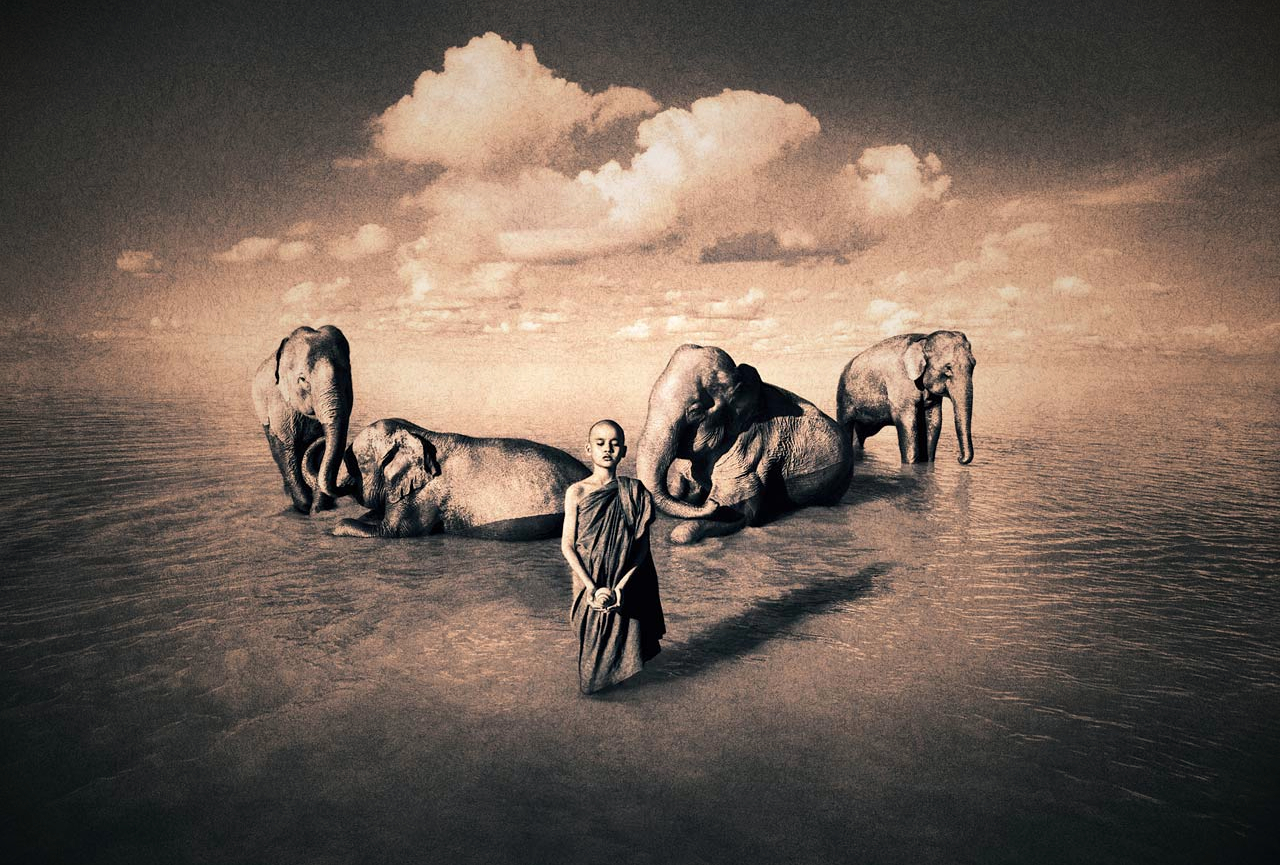
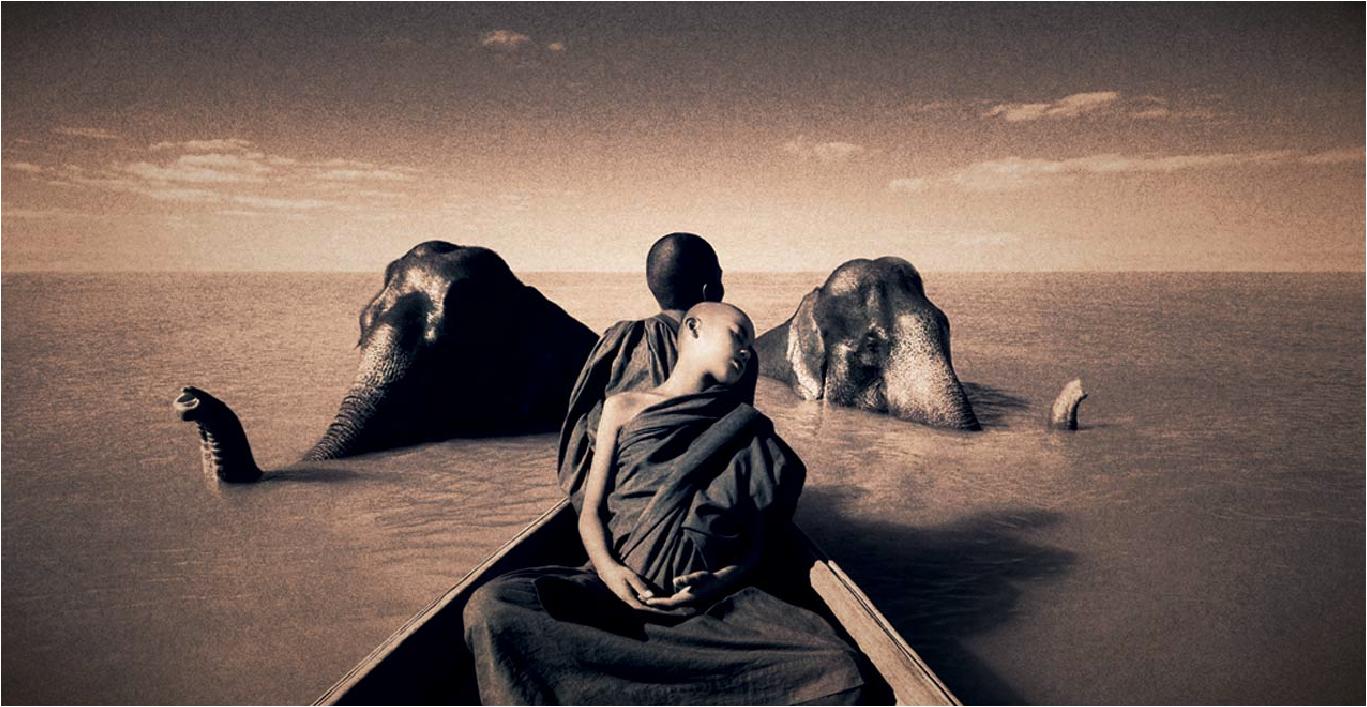
Josef Hoflehner常常以長時間的曝光帶出空靈的感覺,構圖及畫面也非常簡潔,甚有禪宗與中國山水畫的留白意境。他的照片往往缺乏人的元素, 紐約、洛杉磯、香港這些原本五光十色的現代城市,在那鏡頭下卻營造出一種萬籟俱寂的感覺。當然這種風格並非他首創,在杉本博司、MICHAEL KENNA的作品裡均能找到異曲同工之妙。MICHAEL KENNA以長時間的曝光軟柔化影像,令其變成另一個世界。 Josef Hoflehner也以如此手法,以移動的雲和流動的水為背景,過濾畫面的喧囂,呈現出一種平靜與詩意。
當他與藝術家太太Barbara Chase到達琉璃廠古玩街時,窗外的紅領巾女孩試圖偷看店裏發生的情況,Marc Riboud隨即拿起徠卡相機按下快門,透過櫥窗將女孩與街上居民生活的場景一併拍攝下來,成為他關於中國最著名的一張照片——《琉璃廠》。結束中國的旅程後,他將兩次訪華期間拍攝的照片結集成《 The Three Banners of China》(中國的三面紅旗),事緣當時他到處見到三面紅旗,上面的口號寫着「人民公社萬歲、大躍進萬歲、總路線萬歲」,是那個年代最好的寫照。
The history of Hong Kong photography magazines can be traced back to the 1950s. Among them, Photoart(1960-1963, 1980-1997), Dislocation NuNaHeDuo(1992-1999), and Photo Pictorial(1964-2005) are the most widely known. Unfortunately, they have ceased publication within several years after 1997. Since then, Hong Kong’s photography culture once remained inactive.
In the second decade after 1997, numerous Hong Kong photographers published non-commercial photography publications in the form of photography culture magazine or zine. This revival lasted for a few years, during which most of the photography publications are published in semi-annual or irregular journals. It was a shame that all publications were discontinued after the third or fourth issue, resulting in another period of stagnation for Hong Kong photography publications.
From 2007 to 2009, CAN, a photography and cultural journal managed by photographer and poet Liu Wai-Tong, was published for three issues (and one particular issue) on a nearly annual basis. The journal explored social issues such as education and labor. In 2008, pH infinity, initiated by photographer Almond Chu, was published twice semi-annually. It included works by photographers such as Vincent Yu, Ducky Tse, Dustin Shum, Wing Shya, and Almond himself.
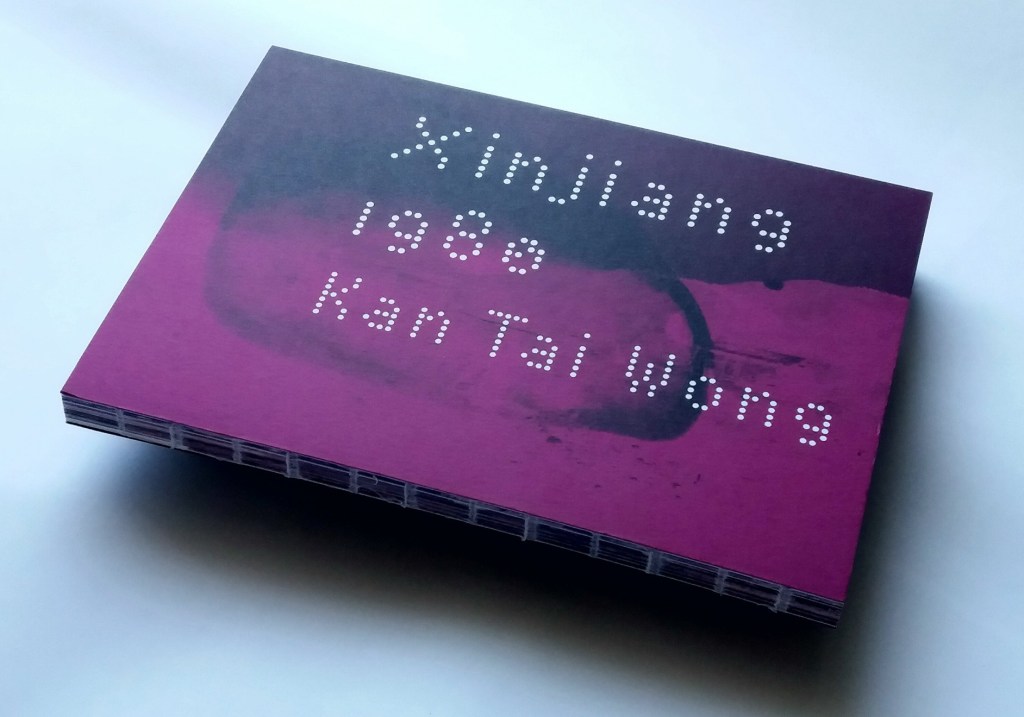
In 2009, photographers Wong Kan-Tai, Paul Yeung, Karl Chiu, and Dustin Shum self-funded MAHJONG, a zine which published three times within three years, Associated Press photographer Vincent Yu joined since the second issue. Another zine titled 7 Fei(meaning 7 Films) was also published in the same year, Founded and self-funded by photojournalist Joey Leung with other photographers and writers, five issues were distributed for free within two years.
From 2010 to 2012, photographer Ki Wong and her partners initiated the KLACK Photography and Culture Magazine, which had four semi-annual issues to explore different themes such as intimacy and salon photography. Also born in the same year was the zine Kinggaiwui(meaning Chatting Association), which came in a total of three issues. Each was focusing on the works of a single photographer, as well as the photos of the other six photographers, such as South Ho, Siu Ding, and CHAN Wai-Kwong, etc.
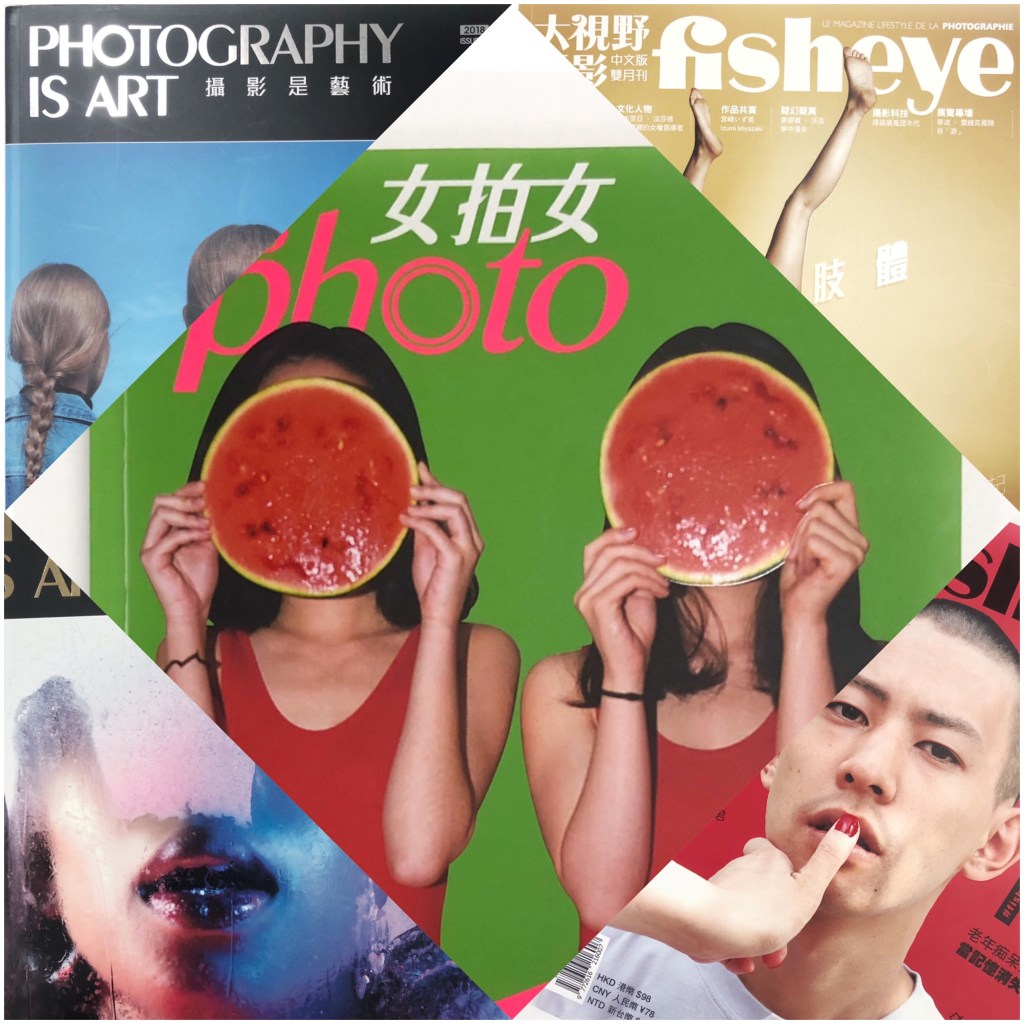
After 2012, Hong Kong photography publications became inactive again. By the end of 2016, Mumble Zine, derived from the Through Our Eyes(TOE) photography education program, was published annually for two years. Leung Yiu-Hong, the editor-in-chief of Mumble Zine, was also the founding editor of Photography is Art, a monthly magazine established in 2018 and went out of print after its twelve issues at the end of the same year.
Besides Photography is Art, the company also released three issues of a bi-monthly magazine named fisheye and one issue of a bilingual women’s magazine Ms photo in that year. Back then, some thought that Hong Kong photography magazines would see a glimmer of hope, but the contemporary revival turned out a mere flash in the pan.
最後不得不提「Ménos 心象社」,它是一群本地攝影愛好者在2018年成立的攝影組織,2019年推出首本同人誌攝影集《Prologue》,主題是「Hong Kong Street」,收錄十一位攝影師的街拍作品,最初計劃每年出版一期,預計今年尾將出版第二期,暫且拭目以待吧。
Finally, Ménos should also be mentioned; it’s a photography organization established by a group of local photography enthusiasts in 2018. In the following year, it launched the first photography collection Prologue under the theme of Hong Kong Street. It was initially planned to be published once a year, and the second issue was expected to be released at the end of this year. I hope it will come into reality soon.
PS:「顯影」應中環LA GALERIE PARIS 1839 畫廊邀請,於2020年6月至8月期間展出這批香港千禧年後的攝影刊物。9月3日至10月4日期間,移師旺角「言志區」舉行,地址:西洋菜南街44號3樓。2021年第一屆「香港攝影書節」期間,於灣仔茂蘿街7號舉辦講座,介紹這些刊物。
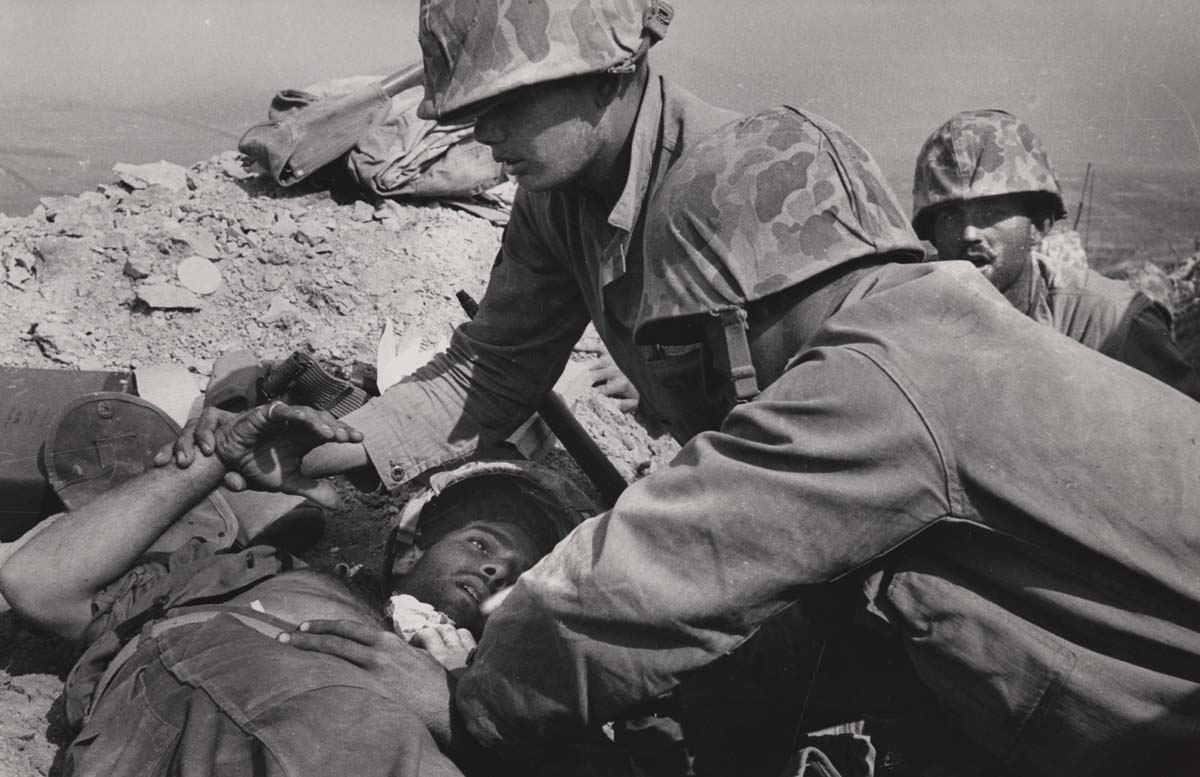
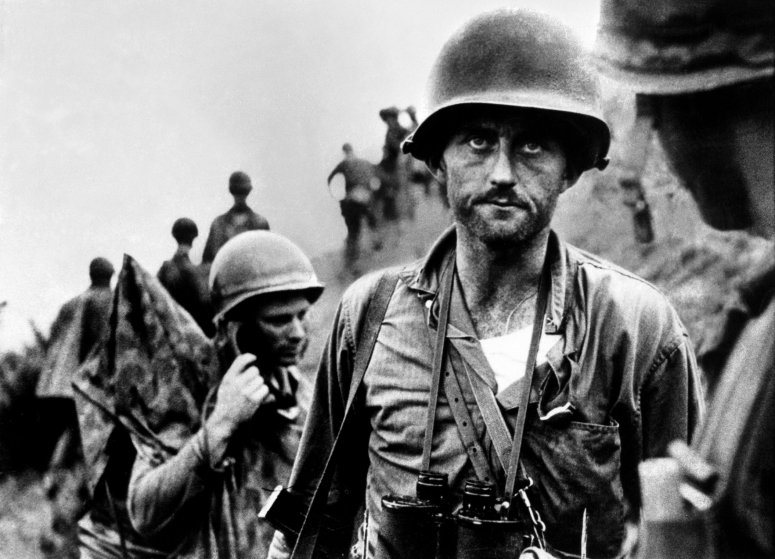
2018年6月7日,美國著名攝影記者David Douglas Duncan(DDD)在法國逝世,享年102歲。論知名度,他或許不及好友Robert Capa出名,不過二十世紀的重要戰爭中,包括二戰、韓戰及越戰等,他都留下重要的歷史紀錄。此外他與畢加索的友情,也為人所津津樂道。
生於1916年,自小就想探索廣袤的世界,18歲時家人送給他一部相機,從此開擴他的視野。他很快在攝影領域展現天賦,修讀考古學的他大學時期在中南美洲拍攝許多照片,並開始為當地報紙《Kansas City Star》及《National Geographic》等供相。 1943年,他加入美國海軍陸戰隊,開始戰地記者生涯,期間拍攝所羅門群島戰役及沖繩島戰役等。1946年,他從美軍退役後,隨即被《Life》雜誌聘用,前往伊朗拍攝,當時蘇聯拒絕從伊朗撤軍,情況可能一發不可收拾。
David Douglas Duncan較多人認識的作品,大概是韓戰時期拍攝的照片。1950年當北韓軍隊跨過三八線時,他正身處日本,於是很快到達前線,拍攝下一系列驚心動魄的照片,並在1951年出版《This Is War!》,當時他接受訪問時如此說道:“My objective always is to stay as close as possible and shoot the pictures as if through the eyes of the infantryman, the Marine or the pilot.”,與Robert Capa的名句正好不謀而合。之後的越戰,他也出版兩本重要的戰爭影集《I Protest》(1968年)及《War Without Heroes》(1970年),揭示戰爭的殘酷。
與畢加索的友情
戰爭照片之外,David Douglas Duncan最廣為人知的作品,就是拍攝畢加索的相片。1956年由好友Robert Copa介紹,認識比他年長35歲的大藝術家畢加索,二人一見如故,成為莫逆之交,直至1973年畢加索逝世。
畢加索居於法國康城的別墅,David Douglas Duncan經常來拜訪他,為此更搬到鄰近的小鎮居住。他拍攝下許多罕見的畢加索影像,如沐浴、跳舞、扮鬼扮馬、用餐等日常生活畫面。在他出版的28本書籍中,就有八本是關於畢加索的,不僅如此,他也與畢加索的妻子Jacqueline及女兒Catherine成為好友。他說自己感覺就像他的家人,拍攝這些照片是很簡單及自然的瞬間。
離開伊朗的日子裏,他的腳步及攝影生涯走得更遠,除了攝影,他也開始寫作。1981年,他加入馬格蘭攝影通訊社(Magnum Photos),並在1985年成為正式成員。1983至1986年,他以充滿詩意、唯美的鏡頭拍攝墨西哥,寫下墨西哥日記,出版的《Return to Mexico: Journeys Beyond the Mask》著作,一舉奠定其攝影美學地位。
SAUDI ARABIA. Plain of Arafat. Hajj pilgrimage. Pilgrims from all over the world pray on Mount Rahma. 1992.
如果說早期的作品是關於衝突與苦難,那麼後期他更側重宗教的信仰,伊斯蘭教、基督教、印度教、猶太教……他不只關注宗教的儀式,還有宗教滲入日常生活的細膩描寫。1987至1994年,他在四大洲29個國家拍攝不同的伊斯蘭教文化,從生活、儀式及體制等方面拍攝穆斯林,最後集結成《Allah o Akbar: a Journey Through Militant Islam》一書,是了解伊斯蘭文化的視覺窗口,此書在2001年九一一襲擊後,再次獲得世界關注。與其說他是一名攝影師,阿巴斯更儼然是一位宗教學者與作家。
SOUTH AFRICA. Cape Town. 1999. Every Sunday, at dawn, priests of the Zion Church, from the Khayelitsha black township, take their newly converted congregation to the sea to be baptised through immersion.