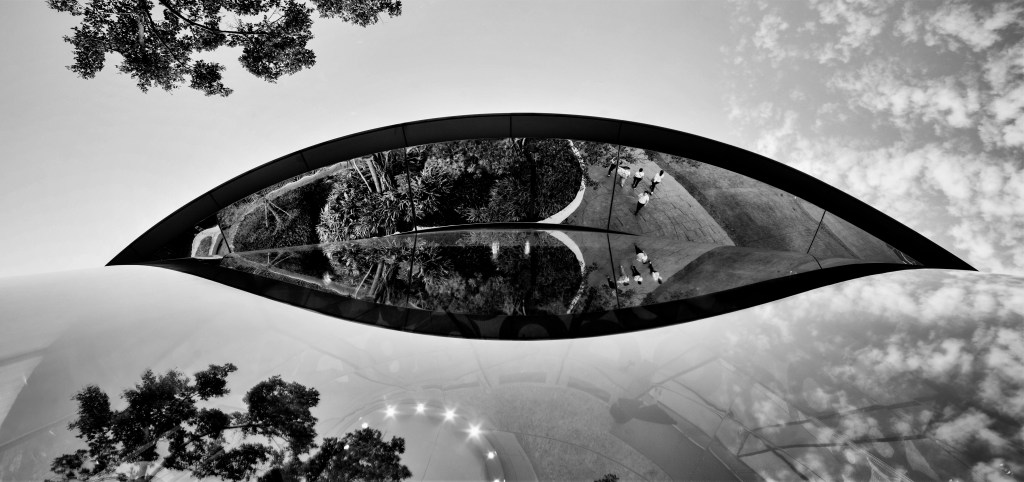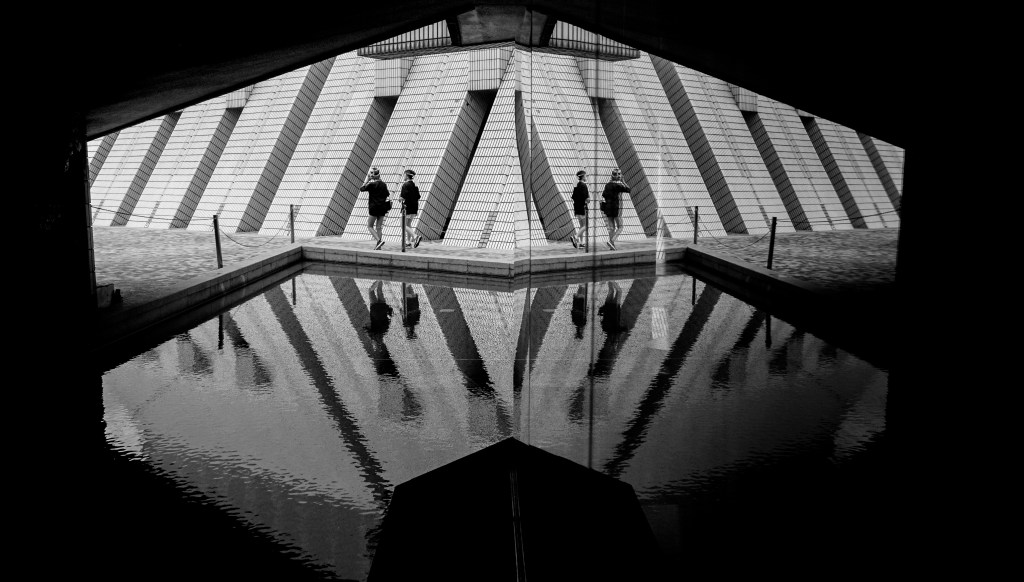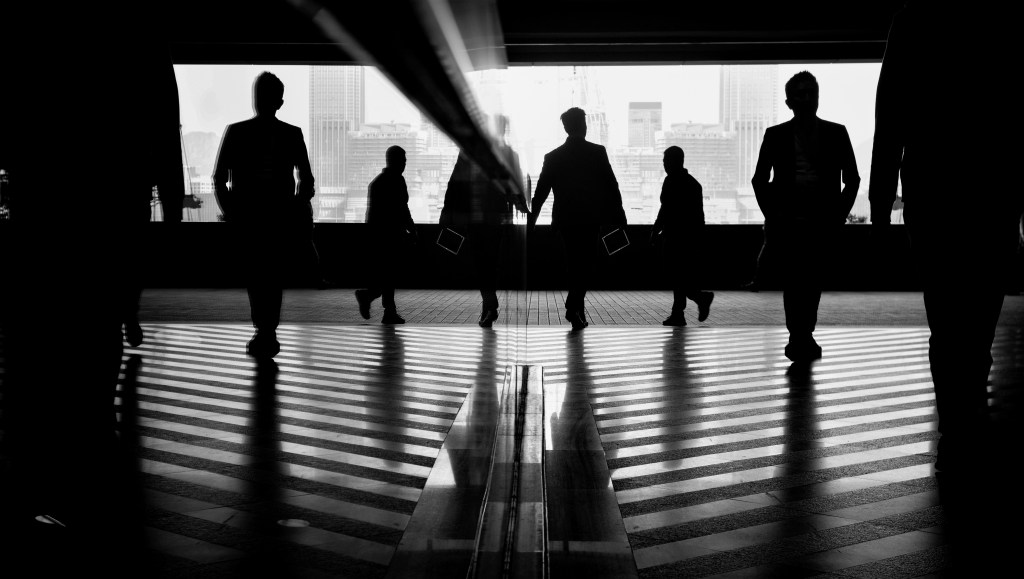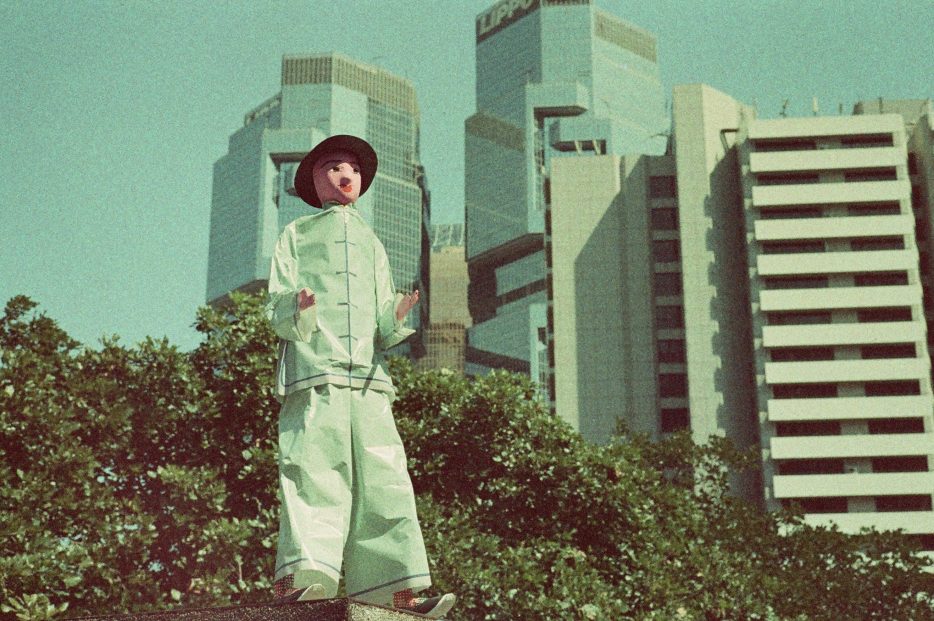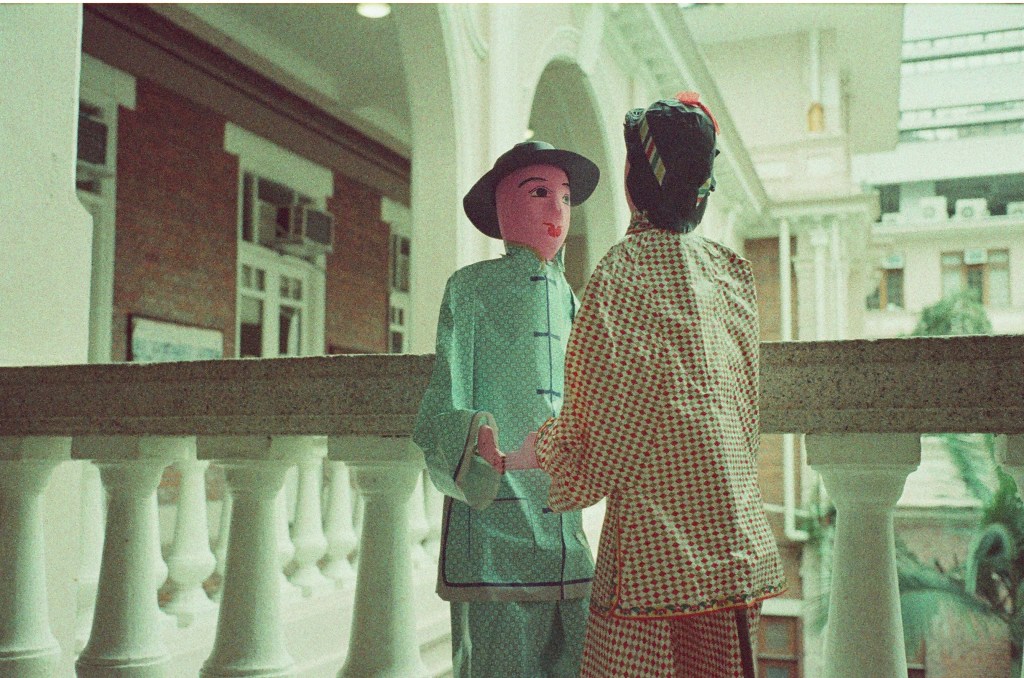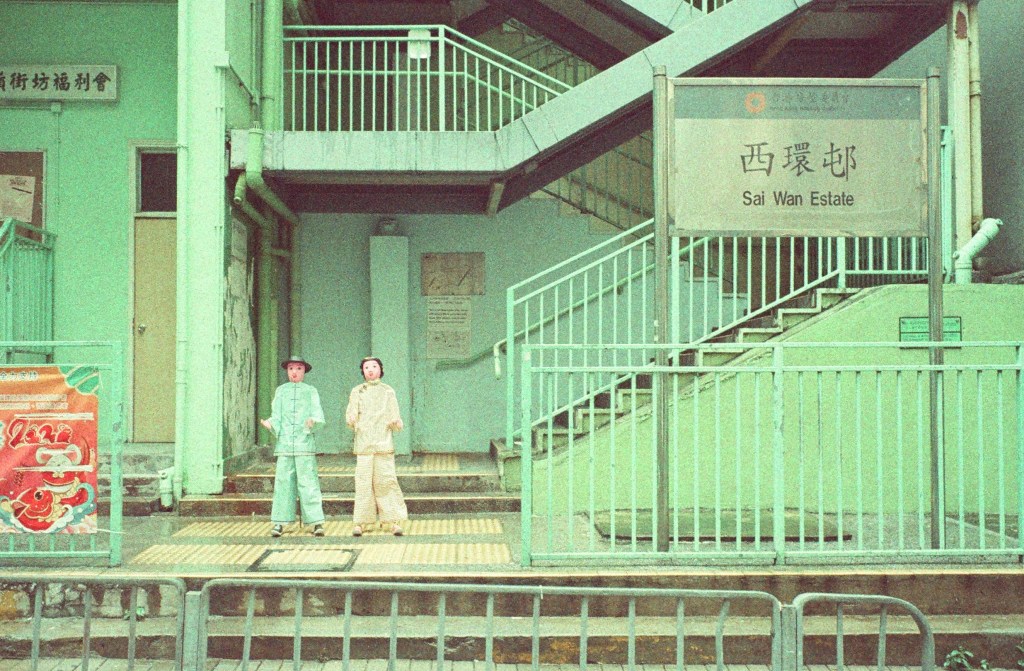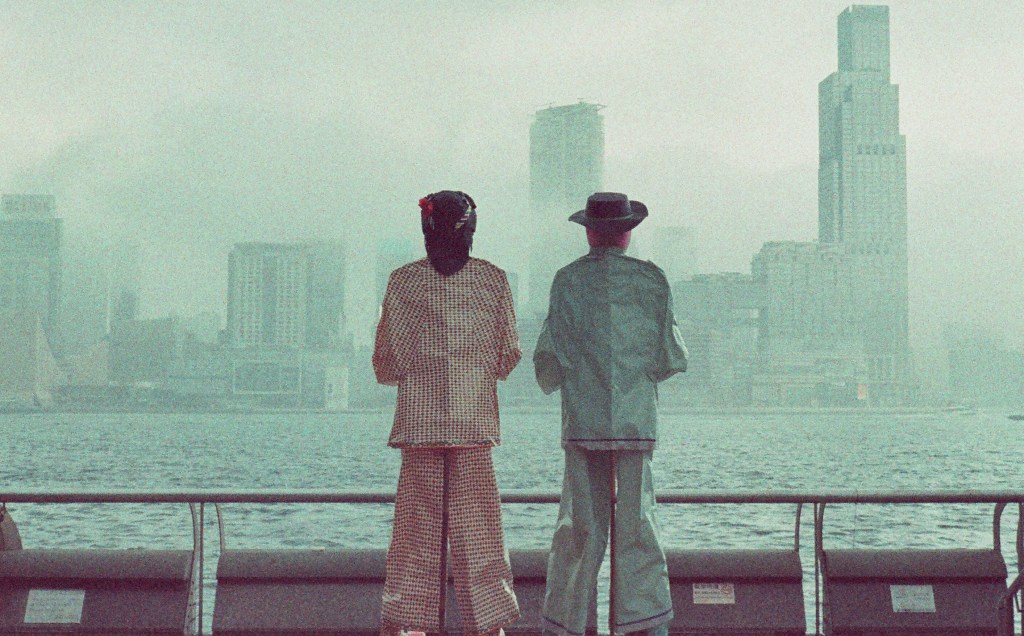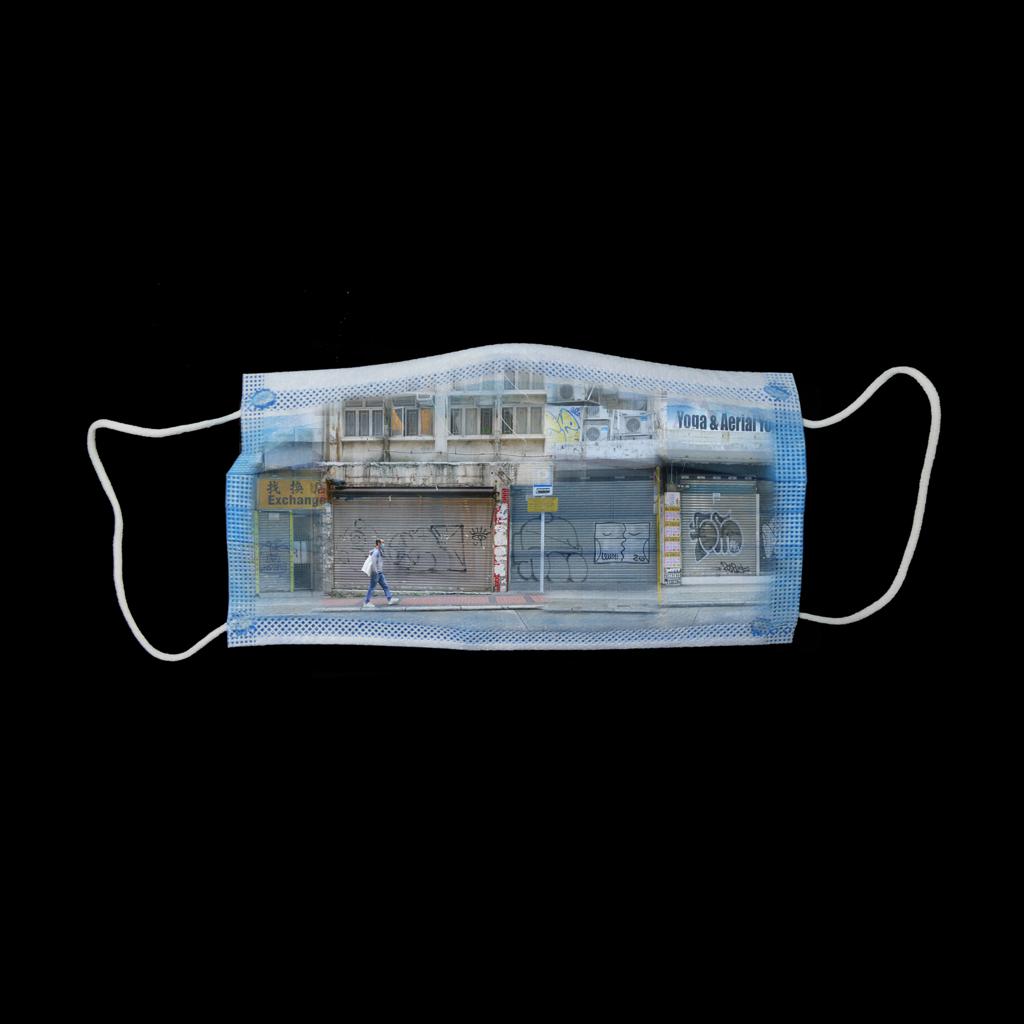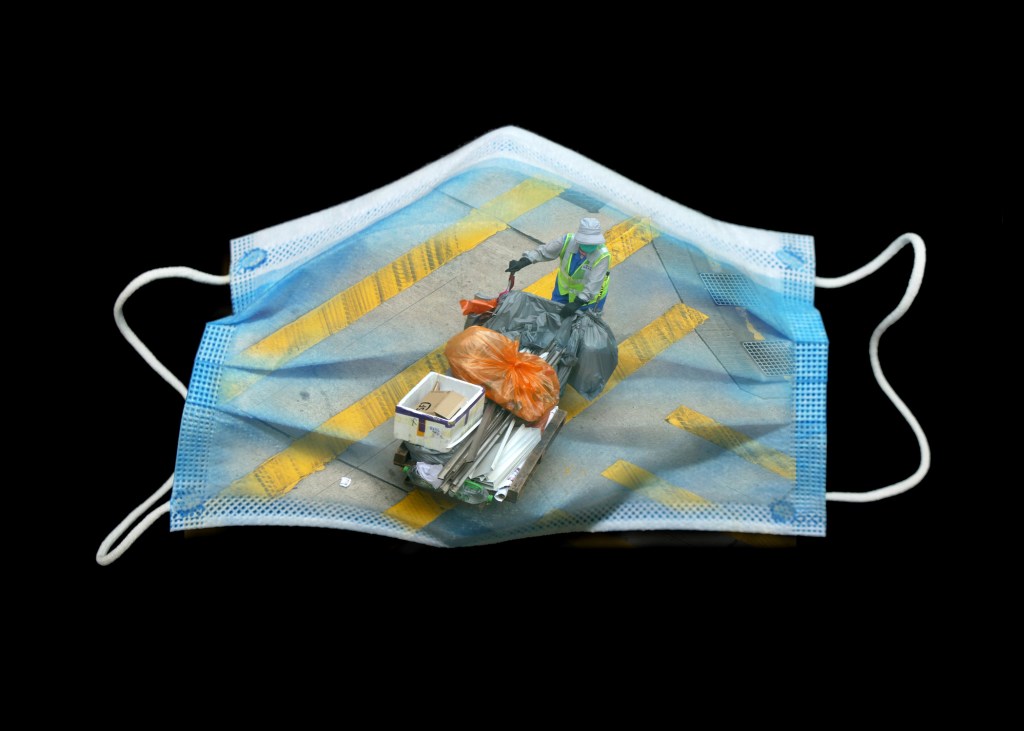
熱衷於以黑白菲林拍攝街頭照片的Kasper,2016年開始以香港人的身份認同為命題,展開為期十年的「Conflict Hong Kong」拍攝計劃 。他鏡頭下的香港,不是美輪美奐的建築風景或山明水秀的自然景觀,而是透過捕捉城市的矛盾及陰暗一面,例如露宿者、少數族裔、Drag Queen等,記錄被人們遺忘的社群。「香港不只有動感之都的一面,這並不是很真實,我用鏡頭探索大家不願了解的一面,構成完整的香港印象。」不過,在《金童玉女》裏,他一改創作風格,畫面中不見任何人物,而是以死物象徵香港人,訴說另一個香江故事。
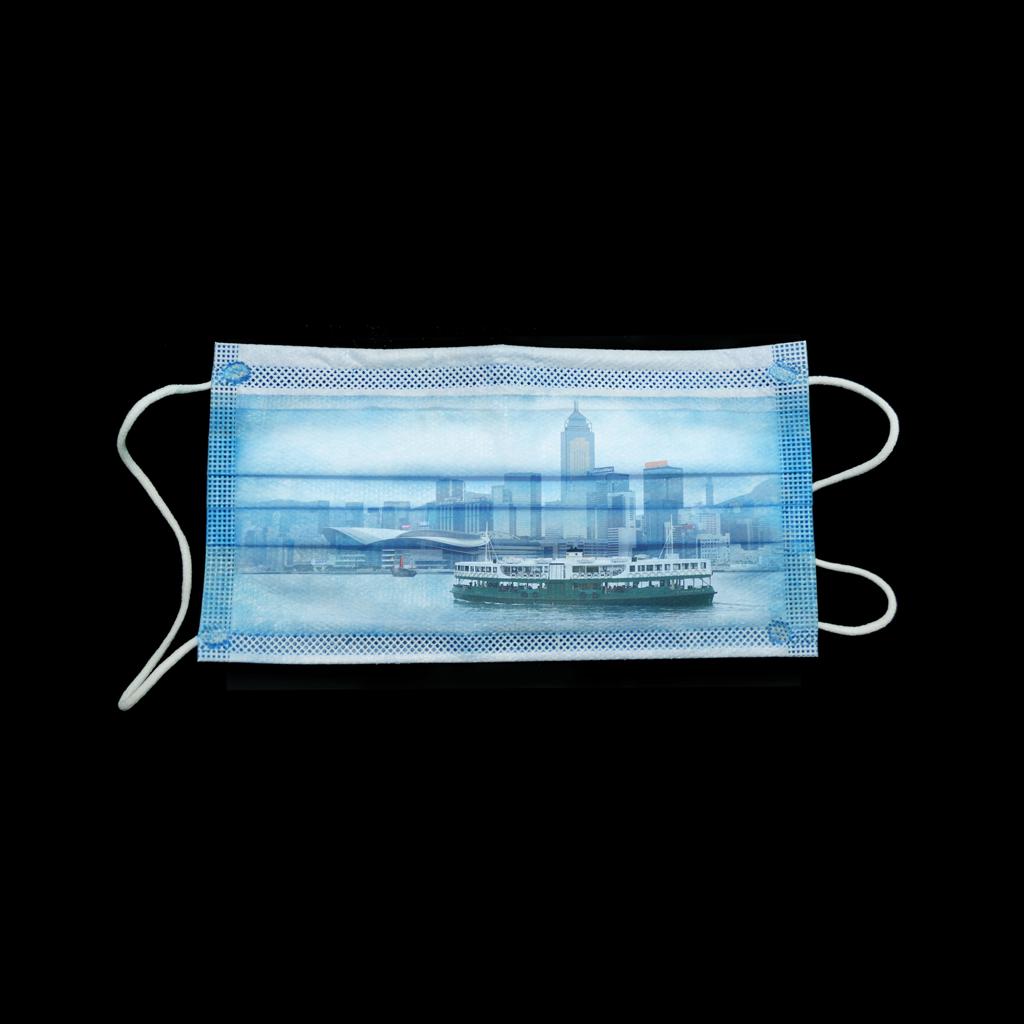
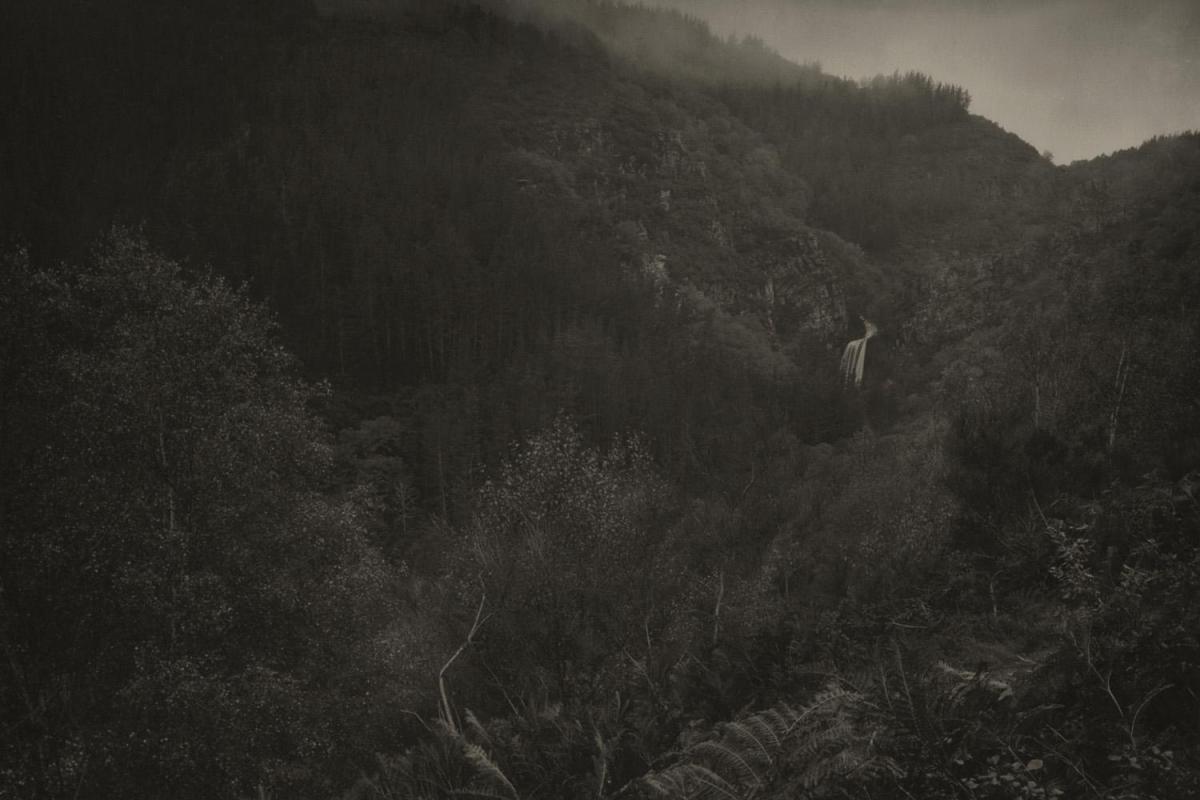
這種迷惘,不只是政治因素,亦與香港社會的發展息息相關。近年,「摘去鮮花種出大廈」的案例不斷重演,他故意避開新簇簇的建築物,而是在香港大學、海洋公園、美利樓、西環邨、天星小輪等令人想起舊香港的地方拍攝,「當你不斷拆掉舊事物時,這城市便慢慢沒有了根。」仔細觀看照片,會發現瀰漫着一種藍綠色調,他特意在兩年前開始儲存停產的Adox color implosion菲林。「鬼戲都是這種綠色,拍攝的照片也有一種鬼魅感覺,表面上很平靜,但是內心卻是有暗湧的。」
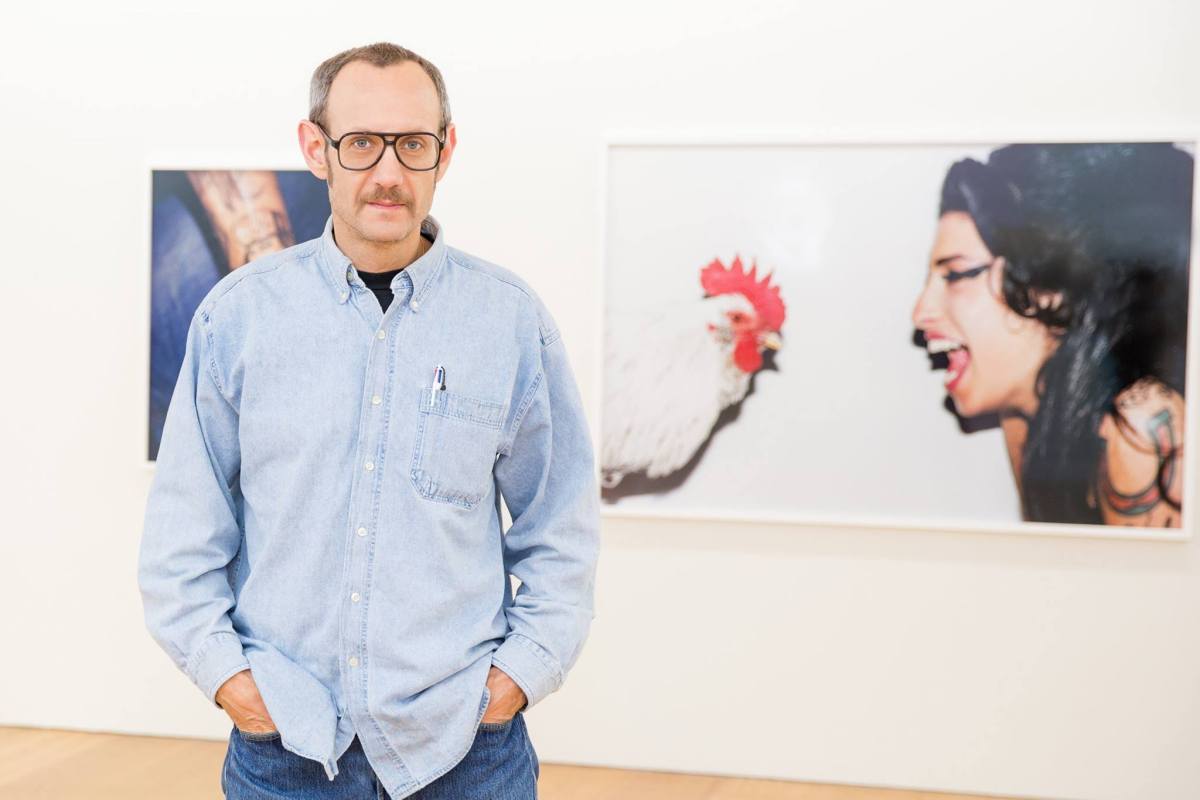
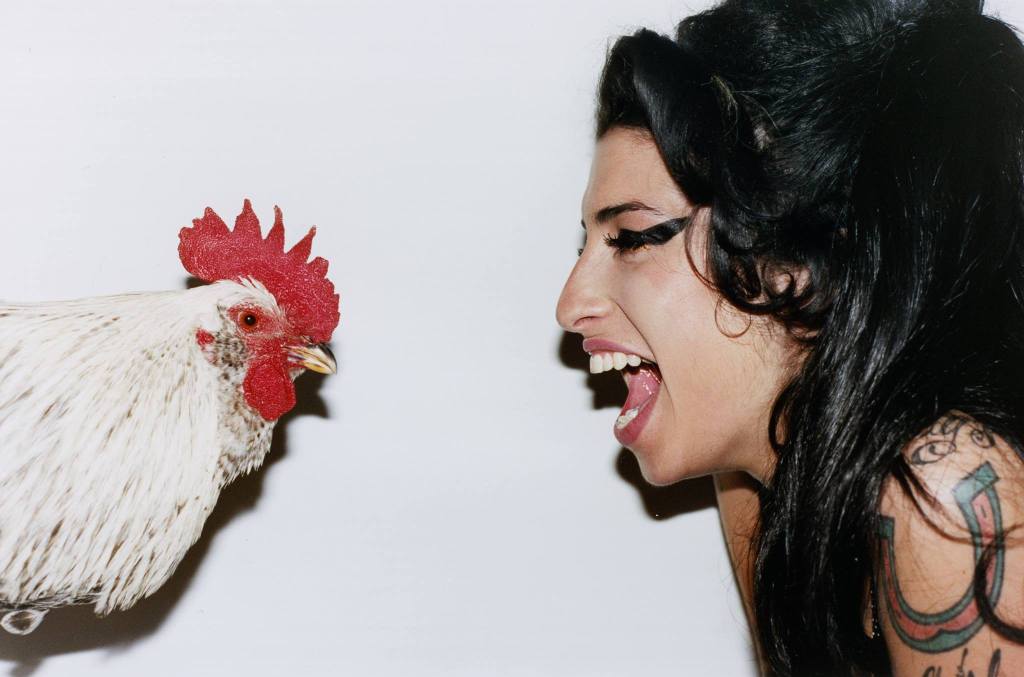
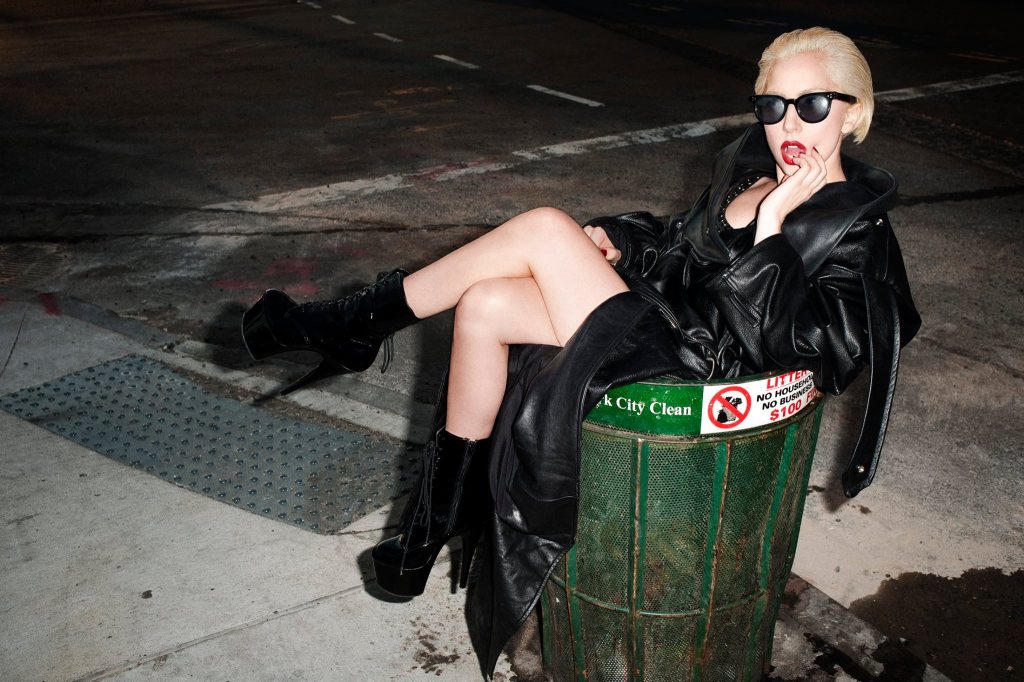
《Gaga in the Garbage》,2010年Terry認識LadyGaga,當時為雜誌《Rolling Stone》拍攝封面,二人一見如故,隨後更成為Gaga的貼身攝影師。(圖片由貝浩登畫廊提供)
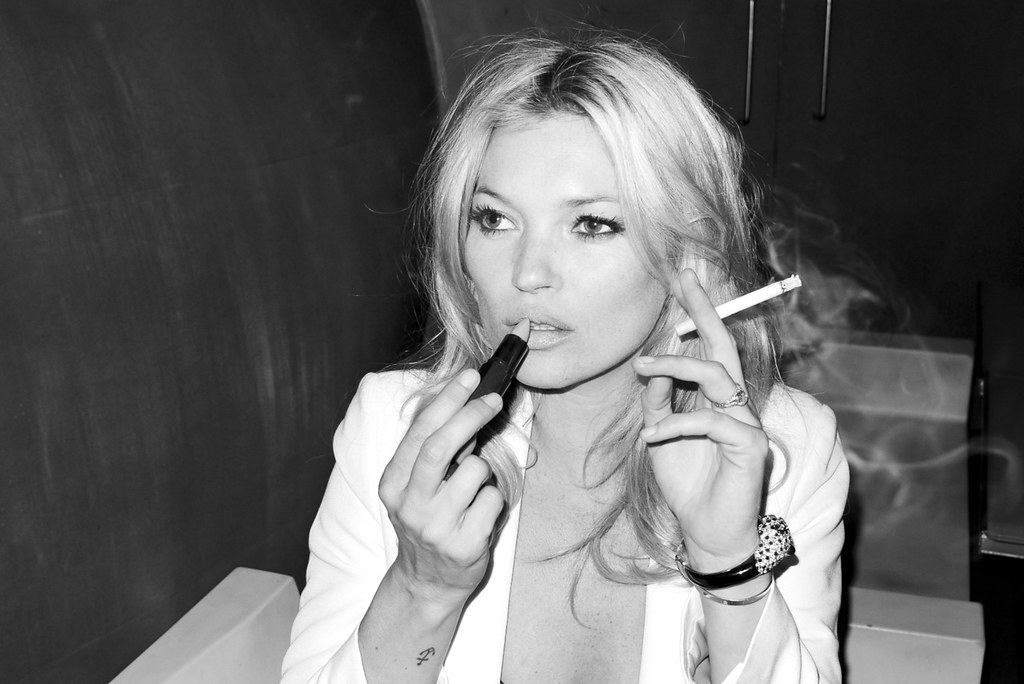
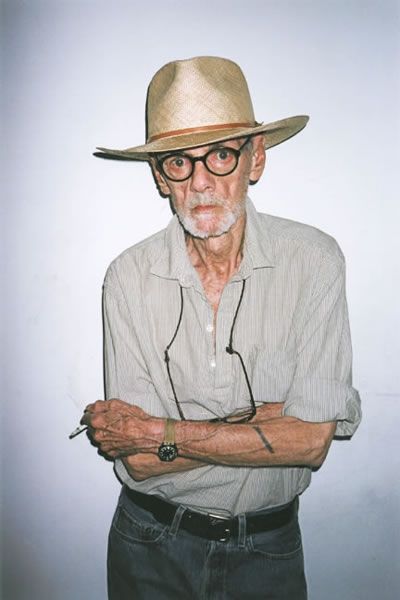
大膽風格也獲同樣癲癲哋的Lady Gaga垂青,成為她巡迴演唱會的隨身攝影師,拍下數以萬計的照片,還結集成書。二人最爆的合作,大概是雜誌《Vogue Hommes Japan》2010年9月的封面,赤身露體的Gaga身上僅披幾片牛肉,其實都幾反胃。不過Terry Richardson就是如此,無法挑起觀眾情緒的事情,他大概不會做,一旦看過他的作品,你又會很難忘。
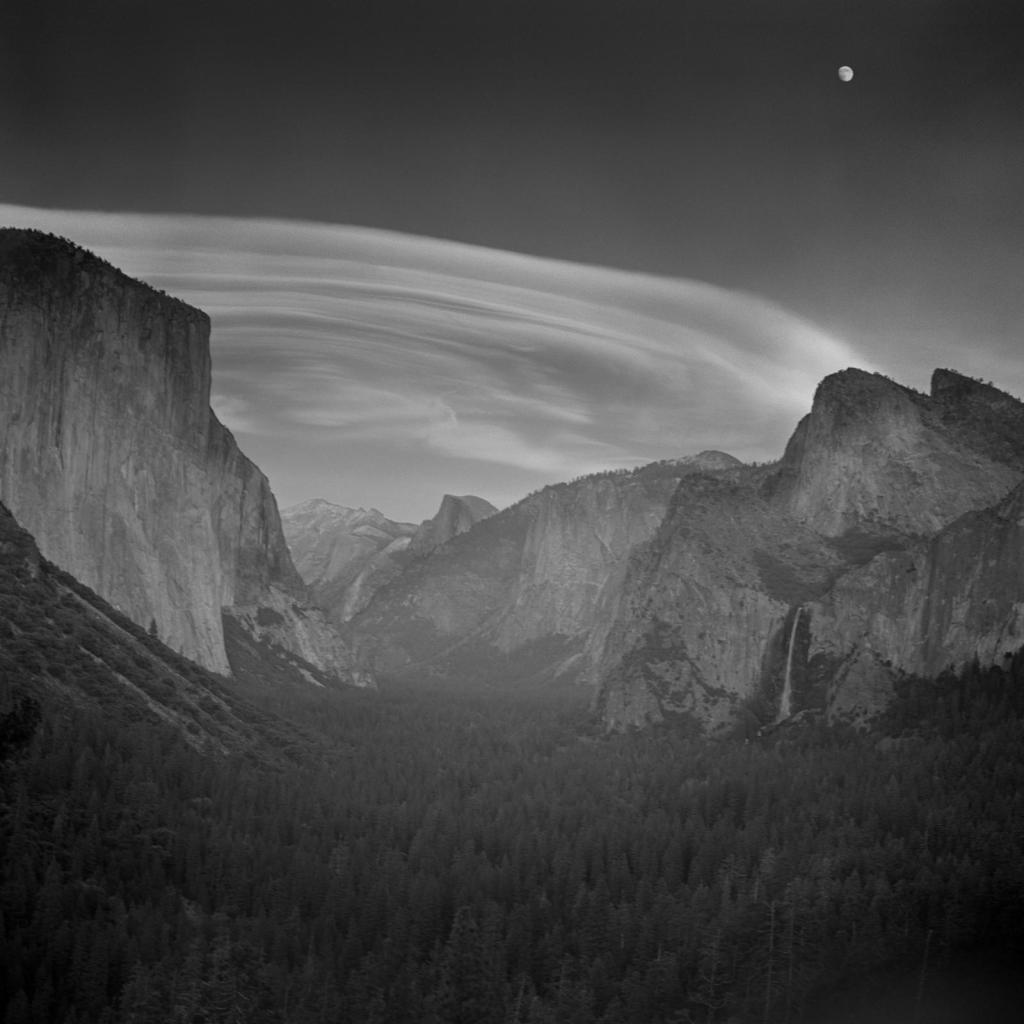
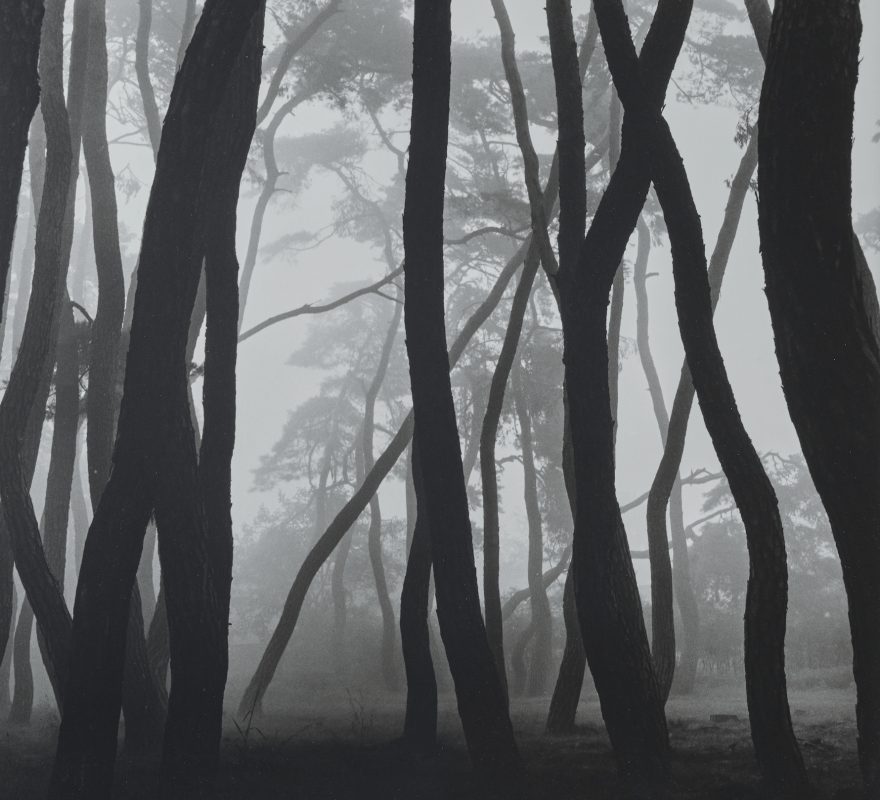
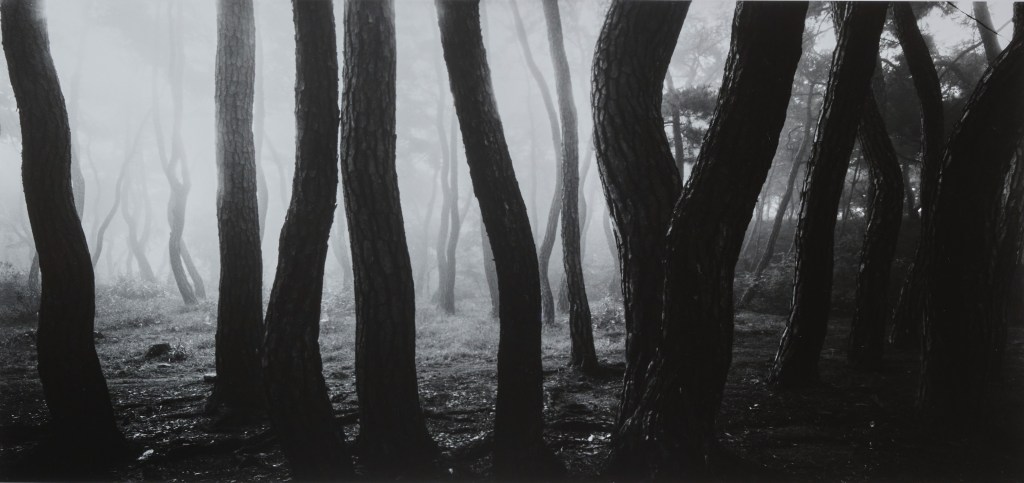
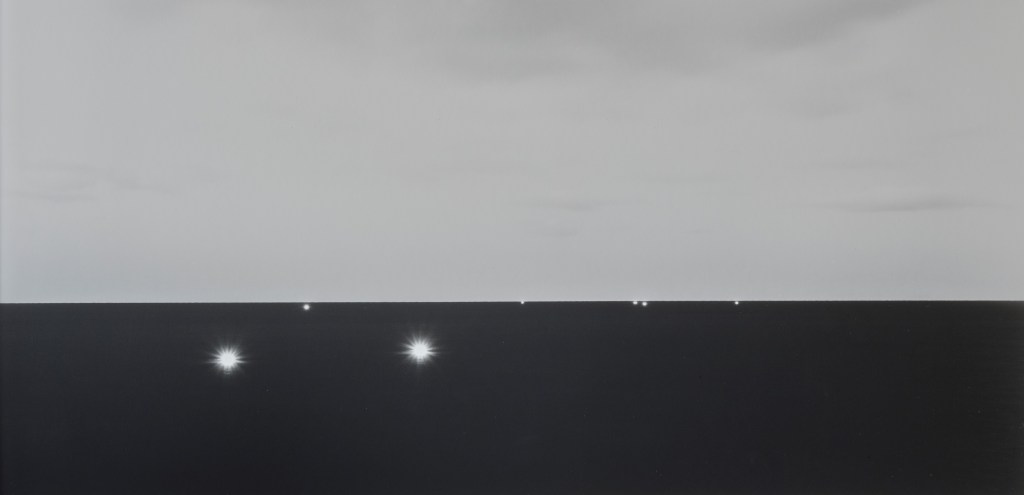
四年前,裴炳雨首次在香港展出大尺寸的松樹作品,從中環移師黃竹坑的Axel Vervoordt畫廊,最近再次舉辦他的展覽,展出十多幅由他親自沖印的小型作品,除了松樹,還有在濟州島拍攝的海景照片,每幅都是獨一無二。早在1980年代,當韓國人尚未認真將攝影當成藝術的年代,身為首爾藝術大學(Seoul Institute of the Arts)的教授,裴炳雨已開始在黑房裏用明膠銀鹽相紙曬相。
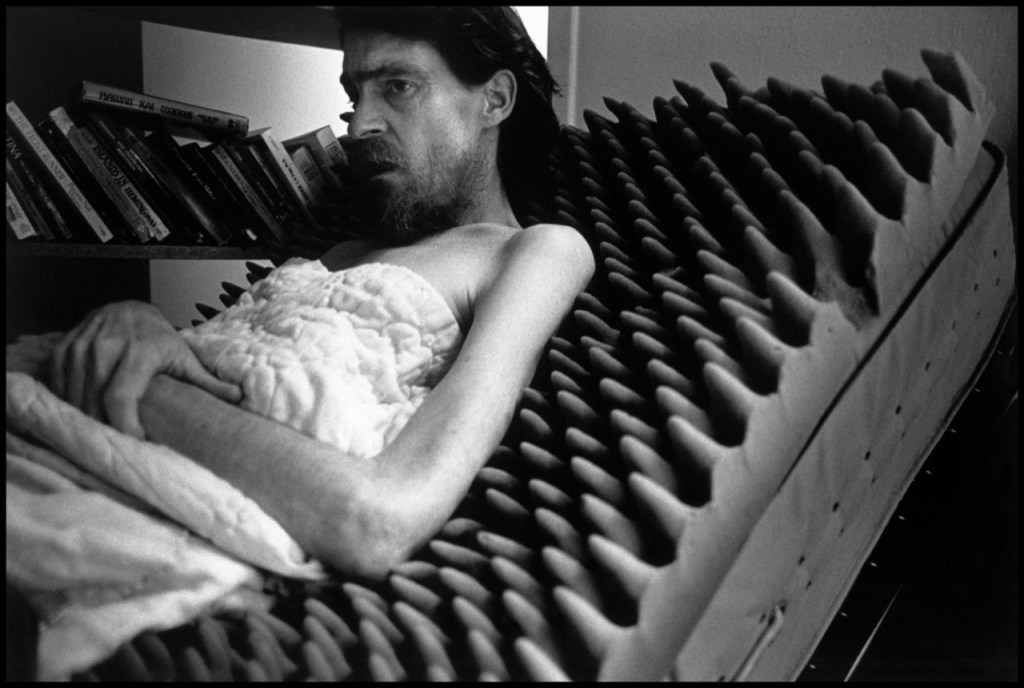
Paul Fusco生於1930年的美國麻省,二戰期間,許多經典戰爭照片廣為流傳,讓戰地攝影師這身分變得廣為人知。無獨有偶,二戰結束那年,十五歲的他開始對攝影感興趣,並在韓戰期間(1951-1953)得到很好磨練。當時他加入美國陸軍通訊兵(United States Army Signal Corps),成為一名攝影師,拍攝美軍在當地的行動。韓戰結束後,他回國修讀新聞攝影,大學畢業後搬到紐約,成為《Look》雜誌攝影師。這本雜誌非常重視圖片故事,寇比力克(Stanley Kubrick)在成為大導演之前,就是在雜誌社練就出色的說故事能力。Paul Fusco其中一輯最廣為人知的照片,就是受《Look》雜誌委託拍攝的。
1968年6月5日,民主黨總統候選人羅拔甘迺迪(Robert F. Kennedy)在洛杉磯遇刺身亡,事件令舉國震驚,畢竟他的兄長約翰甘迺迪總統,在五年前同樣因槍殺逝世,令人傷心不已。在紐約舉行葬禮後,羅拔甘迺迪的遺體被運送至華盛頓特區附近的阿靈頓國家公墓,葬在約翰甘迺迪旁邊。Paul Fusco當時登上運送靈柩的火車,拍攝沿途在路軌旁邊送別他的民眾。
《人間山水》的英文名稱是My Kind of Landscape,劉智聰透過作品尋找自己的山水定義,他鏡頭下的城市山水不是隨處可見的花草樹木,而是鬧市街頭的山水風景象徵物,垂吊的長帘像是瀑布、滿地的服飾恍如河流,全是他對都市山水的想像,也擴闊傳統的山水定義。另一邊廂,他走入即將清拆的家居,發現另一種山水風景。「很多人家中有森林或山水的牆紙或窗簾,用來裝飾家居,這某程度上可見屋主的品味,只是這些朝夕相處的大自然風景,他們可能永遠不會去。」
雖說iPad及電子書籍當道,但書籍仍有知音人,圖書館聽落是老餅的代名詞,卻仍吸引萬千在文字世界追尋知識的人。網上經常有人轉載「世界十大最漂亮圖書館」此類的文章,每間圖書館都美輪美奐,細看照片,原來當中不少都是法國攝影師Franck Bohbot的作品,2011年開始,他展開名為「House of Books」的攝影計劃,從巴黎出發,踏足意大利、日本、美國等多個國家,拍攝下世上各座書本的天堂。
Paris, under the lens of the late German female photographer Ilse Bing (1899-1998), was particularly charming and fascinating. She spent the most fabulous ten years in Paris and captured its exuberance in the 1930s. F11 Foto Museum exhibited 103 photographs by Ilse Bing, and it also revealed her complicated life.
Bing was attractive to Paris’s vitality, and successfully seize its liveliness through the camera. The dynamic dancer’s picture she photographed with ambient light at the Moulin Rouge was much appreciated. Emmanuel Sougez, an art critic and founder of the French Periodical L’Illustration, was amazed by her images, praised her ability to capture the enchantment, and describer her as “Queen of the Leica.”
In a male-dominated society in the 1930s, Ilse Bing, as a photography enthusiast, gained her reputation as “Queen of the Leica.” She believes that photography is an art and focused on this new medium. The compact camera allows her to take pictures everywhere. In one of the most iconic selfies, she half-covered her face with a Leica camera, and the mirror behind reflected her side face, The two of her in the picture symbolize her photographic manifesto, which demonstrates the unlimited possibilities of photography.
This talented and intelligent woman combined art and commercial photography skillfully, and her talent was immediately recognized. At that time, she worked for Vu and Vogue Magazines and also photographed for the American version of Harper’s Bazaar. In 1936, she exhibited in the first modern photography exhibition in the Louvre, and also displayed in the “Photography, 1839-1937” exhibition held by the Museum of Modern Art in New York. The decade in the 1930s was the peak of her photography career.