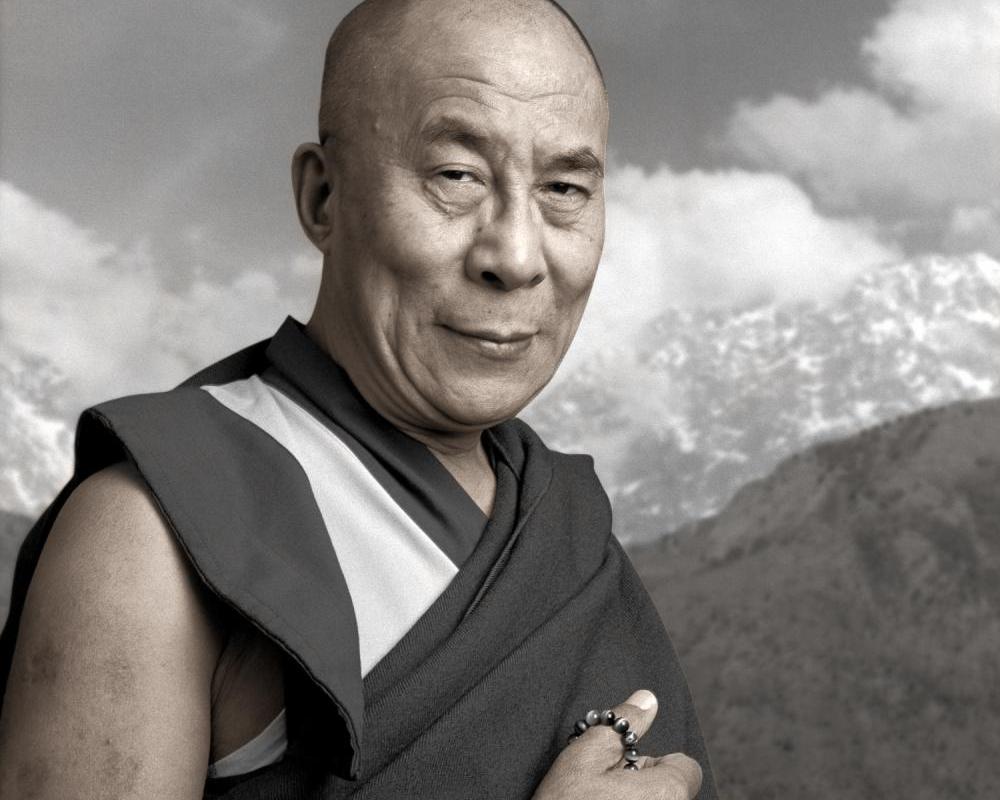
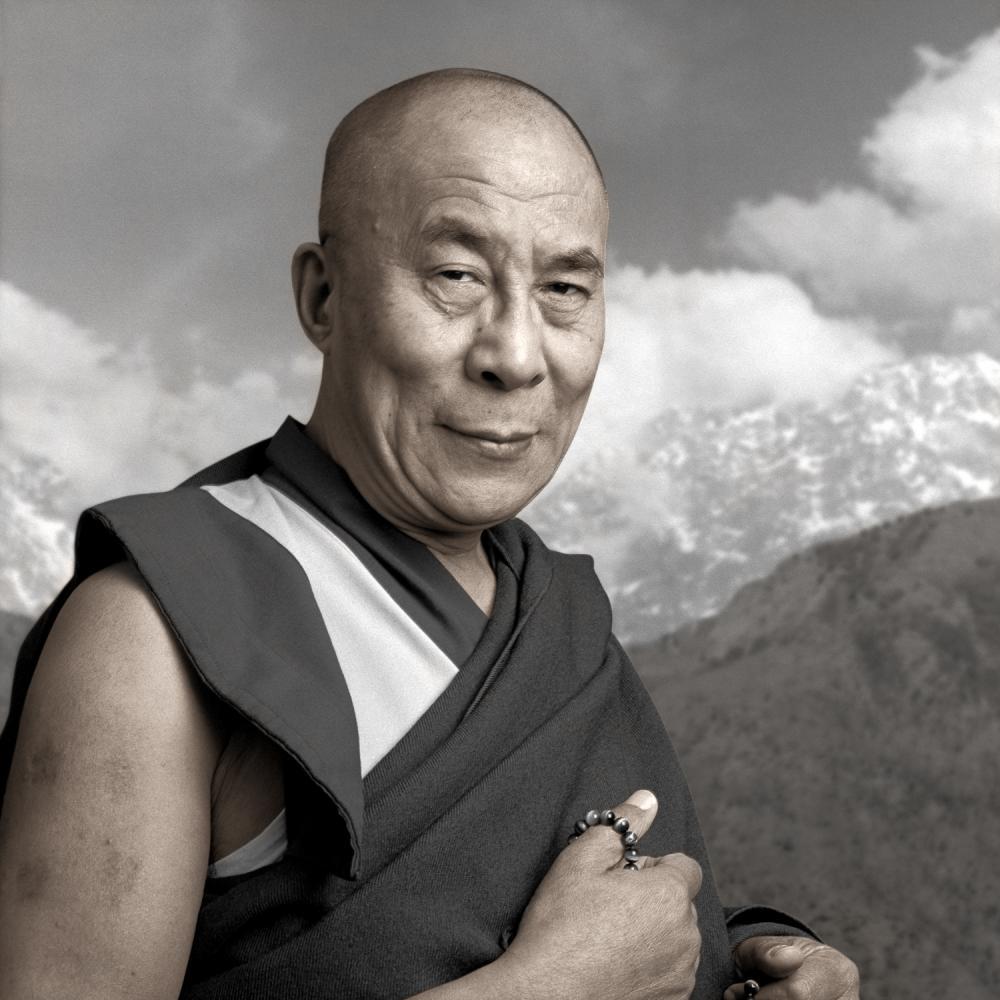
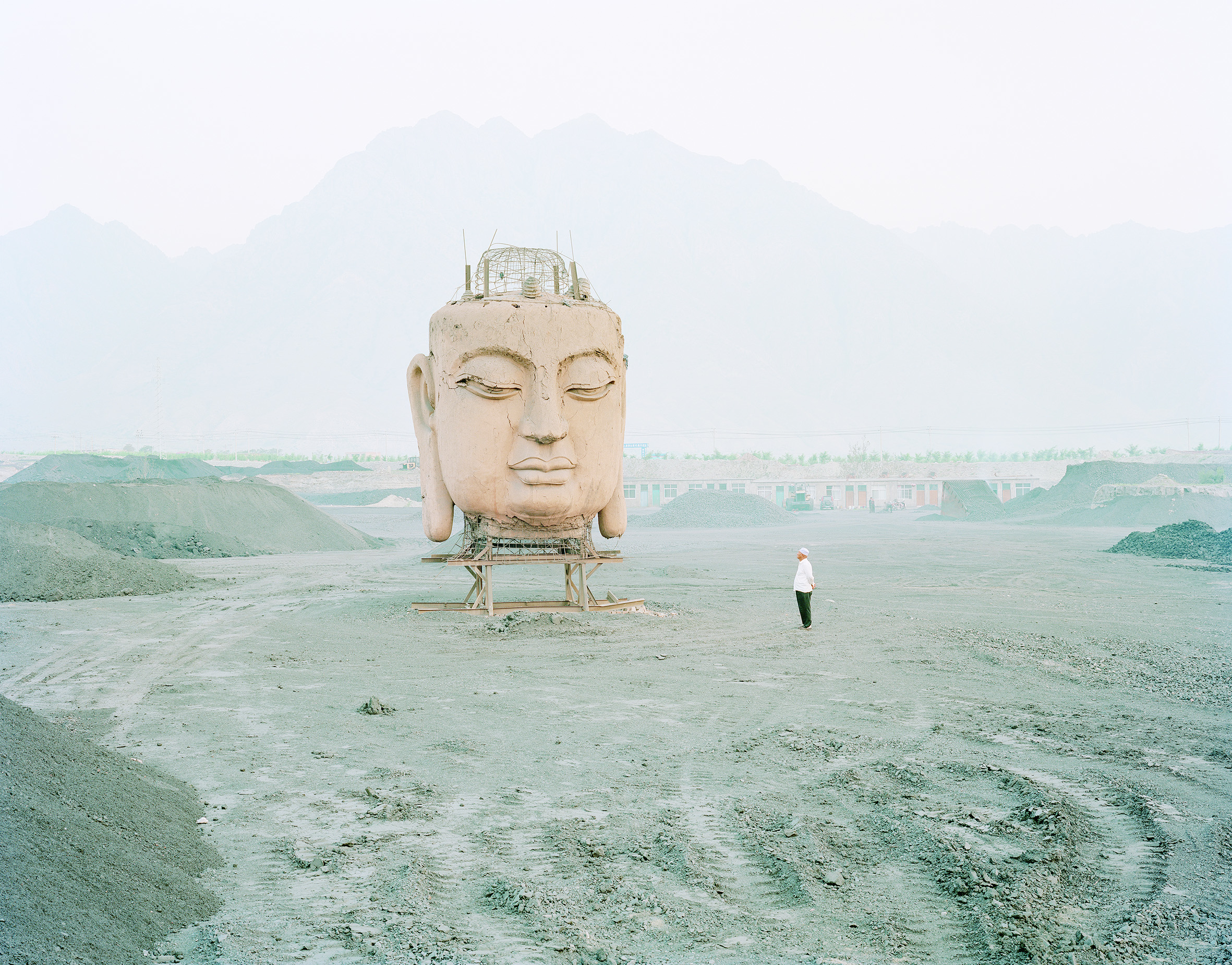
美國攝影師Irving Penn有個攝影師計劃叫「Worlds in a Small Room」,帶著可移動的大帳篷,到秘魯山區、摩洛哥沙漠、新幾內亞的森林部落等地方拍攝不同地域的人。Phil Borges受其啟發,關注發展中國家地區原住民的生存狀態,拍攝印尼、肯尼亞、墨西哥、西藏等部落瀕臨滅絕的文化及信仰,以影像喚起主流世界對這些民族或部落的關注。
類似的故事在世界不同角落重複上演,例如在厄瓜多爾,因為當地1973年發現了石油,吸引許多石油公司爭先開發,但發掘期間石油的洩露,卻令當地部落迫於無奈要不停搬遷,他溫柔的鏡頭正是無聲控訴。Phil Borges明白單靠他一人是遠遠不夠的,所以在千禧年時創建國際交流網站Bridges to Understand,將阿拉斯加北極村、秘魯、柬埔寨、阿塞拜疆等國家的原住民,與北美大城市的小朋友連接在一齊,教導他們如何以影像說故事,去分享、探索文化的多樣性,讓小朋友自小就有觸覺去了解及欣賞多元文化,從而去保育這種文化。
Photography was introduced to the world in 1839, and Hong Kong became a Crown Colony of the British Empire in 1841. The coincidence in time gave photography an invisible connection to Hong Kong’s history. To a certain extent, photographic images construct our impression of Hong Kong. Back then, photography is only available during the day due to its limitations, and the visual impression of the early night scenes in Hong Kong was absent.
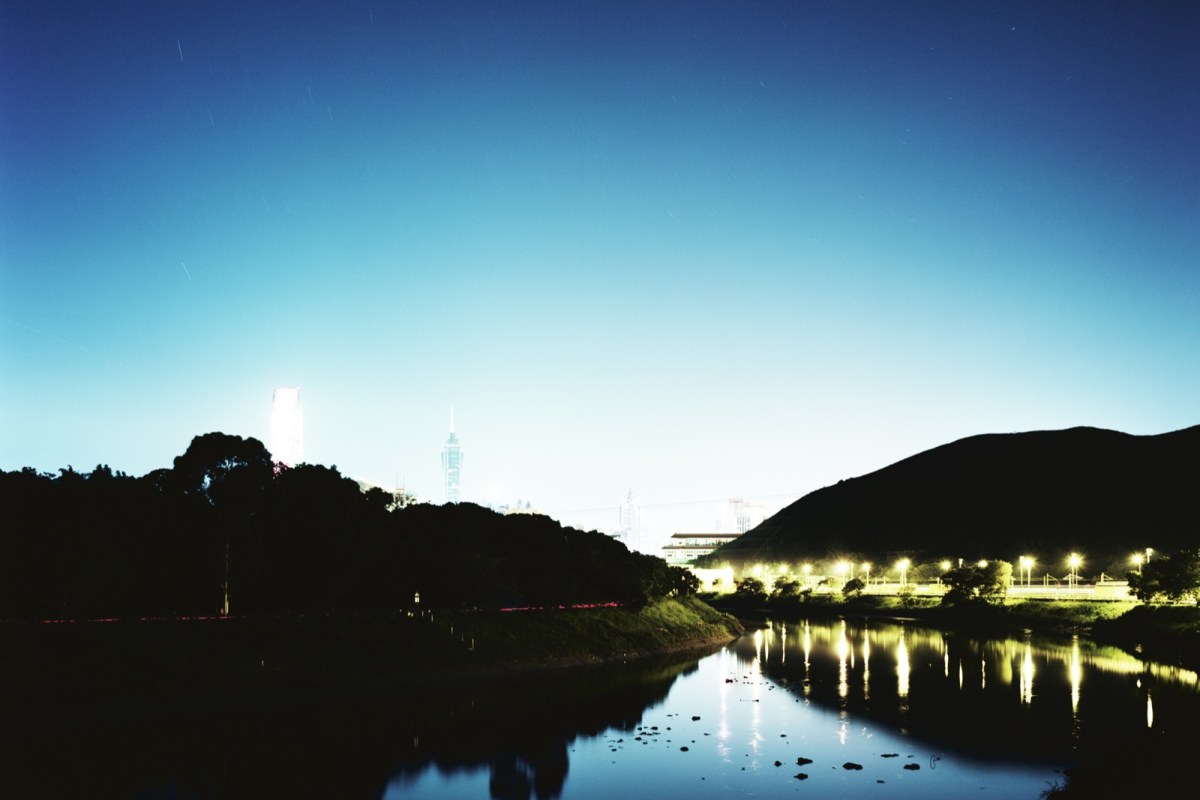
For the residents of the sparsely populated small fishing village at that time, the bustling night scene of Hong Kong today is far beyond their imagination. Artist photographer Thomas Lin imagined that people in 1841 meet Hong Kong in 2020, simulating the photographic techniques of that time and constructing a blurry or overexposed night scene of Hong Kong.
Thomas imitated the limitations of photography at that time. There was no electric lighting, and the only light source for night scenes is moonlight. From historical documents, Thomas learned that the moon’s exposure value at the full moon is EV-3, which is an absolute value and consists of the different aperture and shutter combinations.
The selected shooting locations are closely related to Hong Kong history. For example, the place where the British army landed in 1841 is now Hollywood Road Park. The year the Island Eastern Corridor was built coincided with the signing of the “Sino-British Joint Declaration.” From this project, we also learned more about the history of Hong Kong.
Emily Allchurch擅長以充滿時代感的照片拼貼出古典名畫,當中最廣為人知的作品是始於2005年的「Towers of Babel」系列,以《聖經》裏的巴別塔故事為靈感,將倫敦、香港等不同城市的數碼影像拼貼成巴別塔的模樣。作品《Babel Hong Kong》曾在2018年的Art Central展出,當時她也分享其創作手法,將大量拍攝的購物中心、廟宇、住宅、高樓大廈及建築工地的照片,拼貼出烏托邦式的香港巴別塔。
《Babel Hong Kong》曾在2018年的Art Central展出。
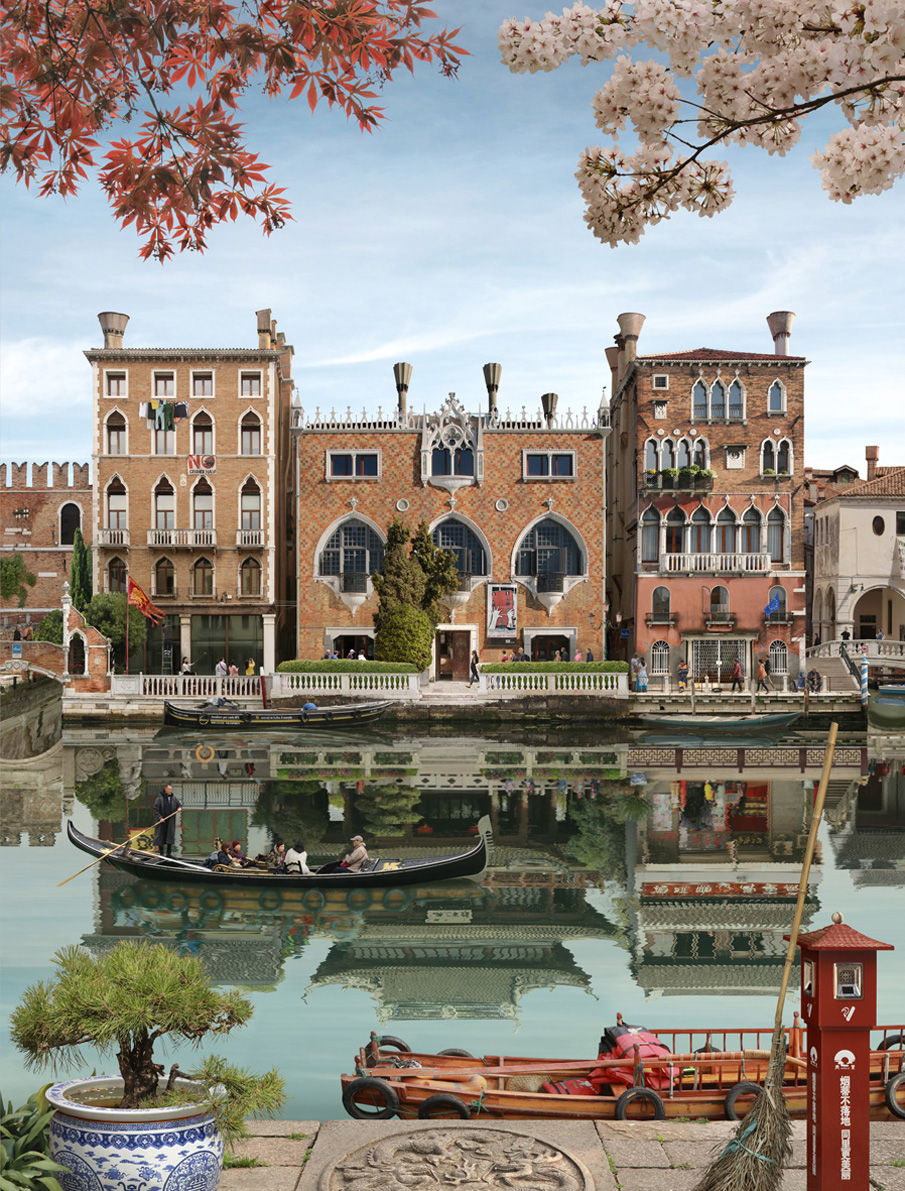
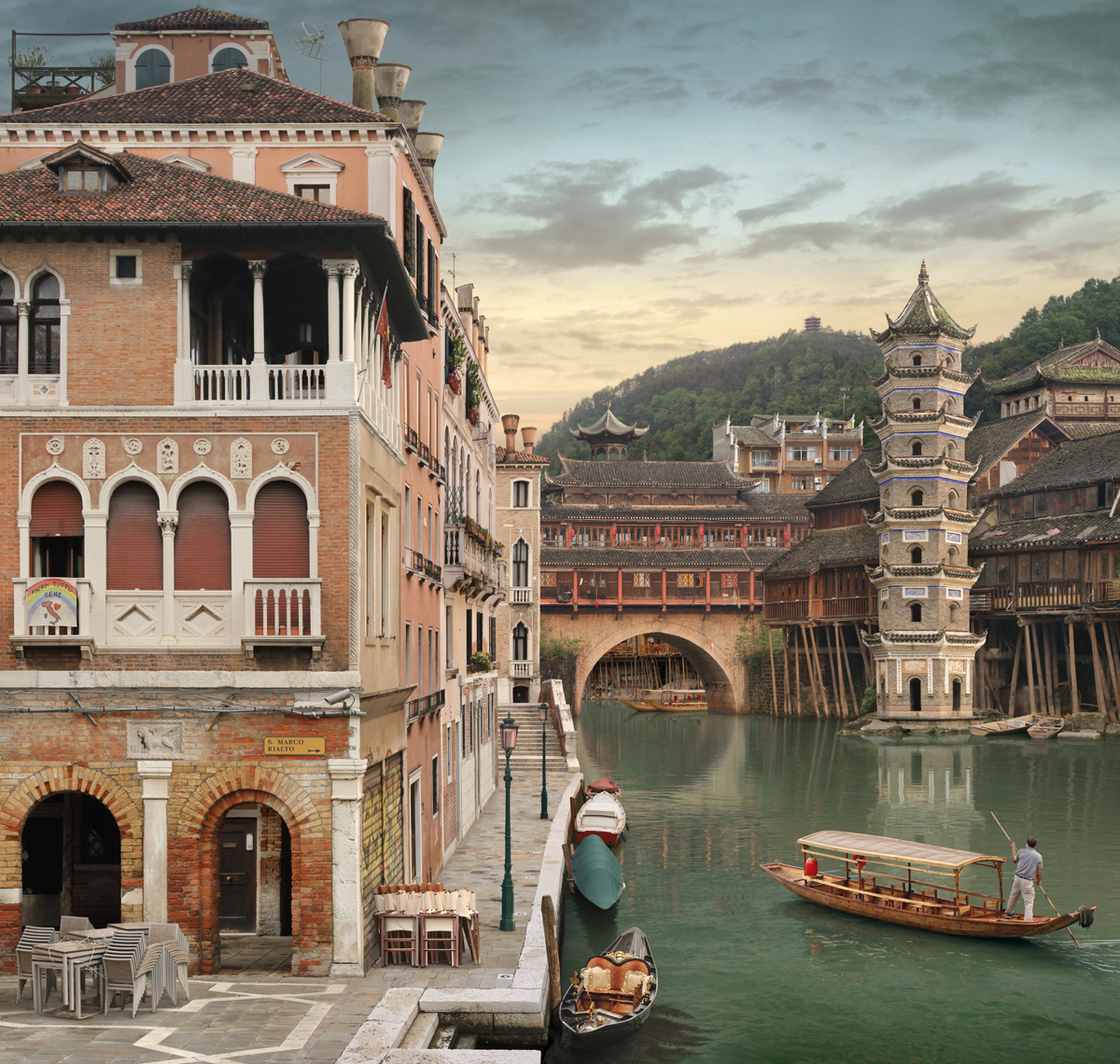
在創作《Babel Hong Kong》期間,她對絲綢之路及馬可孛羅遊歷中國的故事深感興趣,於是在2019年她踏足絲綢之路的兩端,一邊是意大利水都威尼斯,另一邊是中國的蘇州、鳳凰古城及絲綢之路的起點西安等地方,探討在全球化的當下,這些城市之間的聯繫。她用鏡頭捕捉城市的每個印象,旅遊景點、建築物、遊人等,過程中拍攝逾四萬張照片,滙集成龐大的影像庫,再挑選數以百計的數碼照片合成作品。
創作這系列作品期間正值武漢肺炎席捲全球,《獅子與鳳凰》這幅作品更是在英國全面封城下完成。它啟發自十六世紀威尼斯畫家Vittore Carpaccio畫作《Miracle of the Relic of the Cross at the Ponte di Rialto》,講述信眾慶祝十字架治癒病人的神蹟,畫作裏可謂人山人海,不過在Emily的作品中,由兩座水城構成的畫面幾乎空蕩無人,繁華不再,卻有一種寧靜的美麗。一場突如其來的肺炎,竟讓這兩座水鄉同時上演雙城命運,再次印證「鏡像城市」之說。
Hong Kong, in the 1950s and 1960s, has an unadorned beauty. There were not many skyscrapers around, and sunlight always left long shadows on the streets and pedestrians. The late photographer James Chung (鍾文略, 1925-2018) once captured that era’s exquisiteness and aesthetic. The exhibition “Long Shadow-James Chung” is like wandering in Hong Kong’s past, immerse yourself in the beautiful light and shadow.
Under the Windows, North Point, 1958
When James Chung came to Hong Kong from Guangdong in 1947, his grandmother gave him two gold bars. According to his eldest son Stanley’s recollection, he exchanged gold bars to work as a movie advertisement apprentice in the theater. He was often exposed to celebrity images, and that spark his interest in photography.
Water Lily, Central, 1957
James Chung bought his first camera in 1957. After the store clerk explained the basic knowledge of aperture and shutter, he immediately rushed to the Zoological and Botanical Gardens. He photographed the shiny lotus flower under the sunlight, and it became his iconic work in early times. Unexpectedly, the image is quite exquisite and published in newspapers and magazines. He bought more film and photographic paper with the remuneration to continue his hobby.
Let There Be Light, Wan Chai, 1957
As an apprentice of movie poster painter, he often stayed in the cinema, which allowed him to observe the light differently. Sometimes the theater staff raised dust when cleaning, and it looks stunning under the sunlight streaming through the windows. Although James was new to photography, he has a unique sense of light and shadow. According to Stanley’s recollection, he always has artistic visions. Benefit from his painting and woodcarving experience in his early years. He created his extraordinary skills in photography.
Qipao Elegance, Central, 1961
Double Braid Amah, North Point, 1963
Although living conditions in the 1950s and 1960s were difficult, he still insisted on photographing every day. Sometimes, he pawned the camera to buy photographic paper and then used the prize money from the photography competition to redeem the camera. What made James determined to devote himself to photography was his participation in the newspaper’s Photography Competition in 1958. He went out early to take pictures every day and carry a camera even on duty.
Gaze, Kowloon Tsai, 1958
There was a time when his job was to whitewashed a school’s walls. He took pictures of the building in his spare time and later invited his wife and classmate to model inside the school. He captured a triangular pattern from the bottom of the building. The stunning image won a camera in the contest, which significantly strengthened his confidence and continued to improve his photography skills through the competitions.
New Frontier, Kwun Tong, 1962
In 1963, under the introduction of director Li Han-Hsiang, he worked for a film studio. His job was to create movie stills and actors’ portraits, preserving visual memories for many filmmakers. After that, he founded a photo studio in 1968 to engage in the photography and printing business until he retired in 1991. During the most exciting 30 years of his life, photography has been inseparable.
Technology and the Internet are undoubtedly convenient for our lives, but it isn’t easy to distinguish between true and false information on the Internet. It is an indisputable fact that personal privacy in the era of big data is often visible.
Valentina Loffredo, an Italian photographer residing in Hong Kong, uses noses as a metaphor for privacy issues in the digital era to show the relationship between the Nose and Nosy. The former refers to the nose as well as inquiry; the latter, like the English slang term big nose, actually means gossip. People may like to curious about gossip, but the Internet has grasped your secret.
She uses the nose to visualise the concept of Nosy. The works include real noses, and most of the playful images are silicone noses used in medicine, makes it difficult to distinguish between true and false, just like ambiguous online information. In one of the image consist of yellow blocks, noses appear in different corners reminds us of the ubiquitous surveillance camera, as if monitoring your every thought and deed.
Comparing to the mysterious noses, the colourful background of the picture is more appealing. Valentina Loffredo said, “The images are just like the Internet. It is rather attractive from a distance, and it can also be confusing when you get too close to it.” The minimalist and abstract images have a noticeable trace of artificial scenery, which stimulate the viewer’s imagination.
Nosy
Date: Now till Nov 30
Time: 12-7pm(Tue-Sat)
Site: Novalis Contemporary Art Design Gallery, 5 Sau Wa Fong, Wan Chai
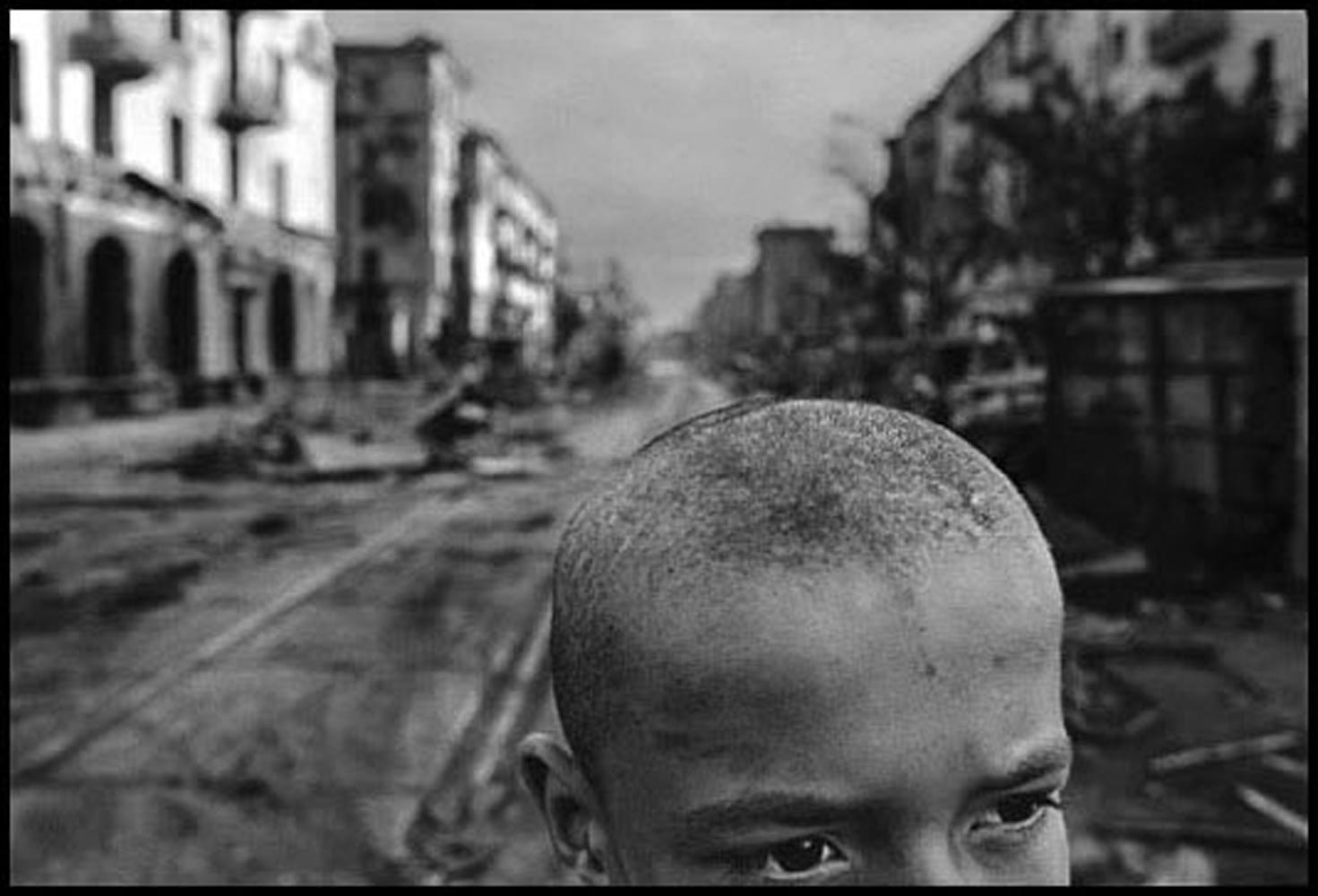
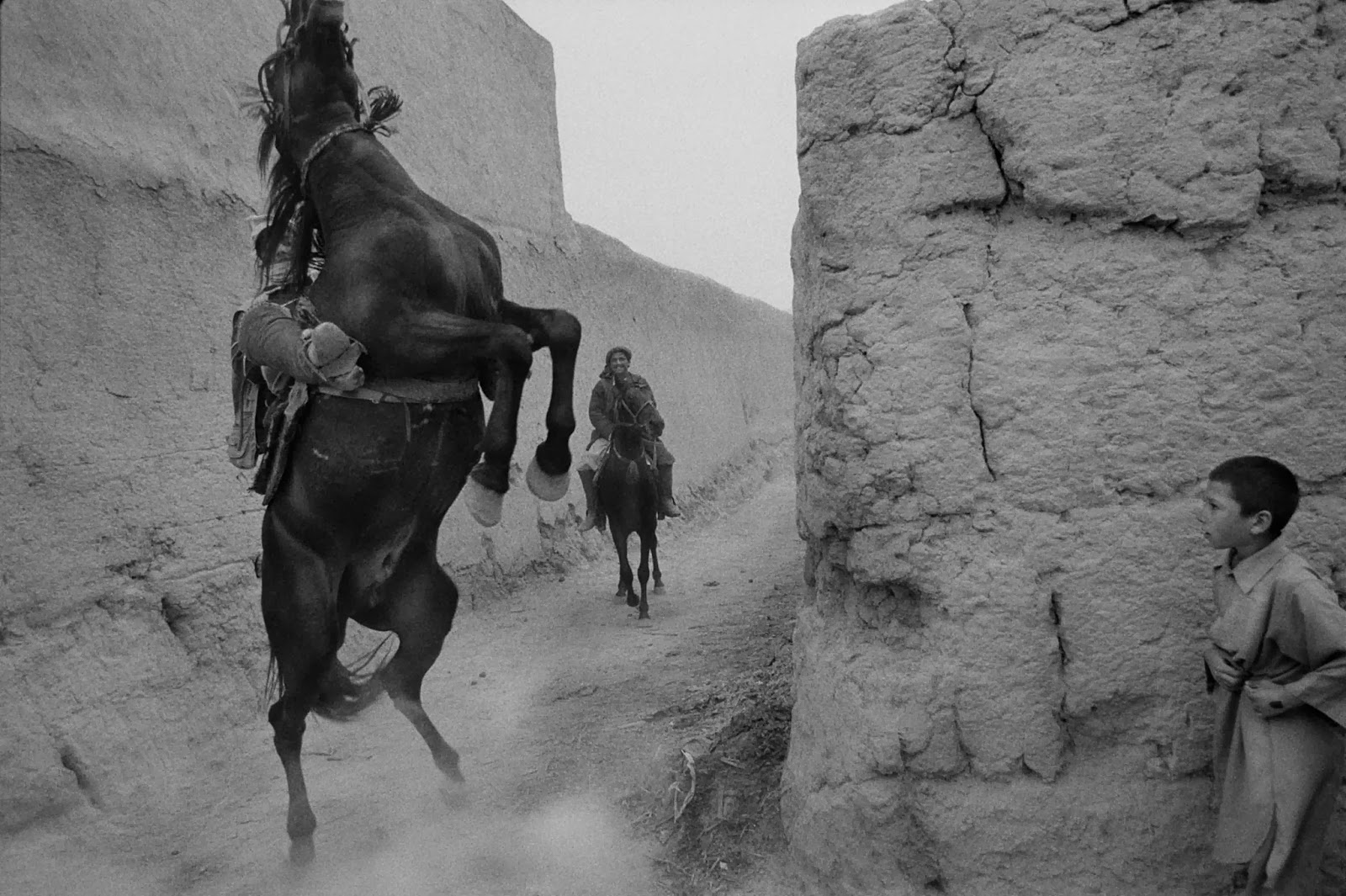
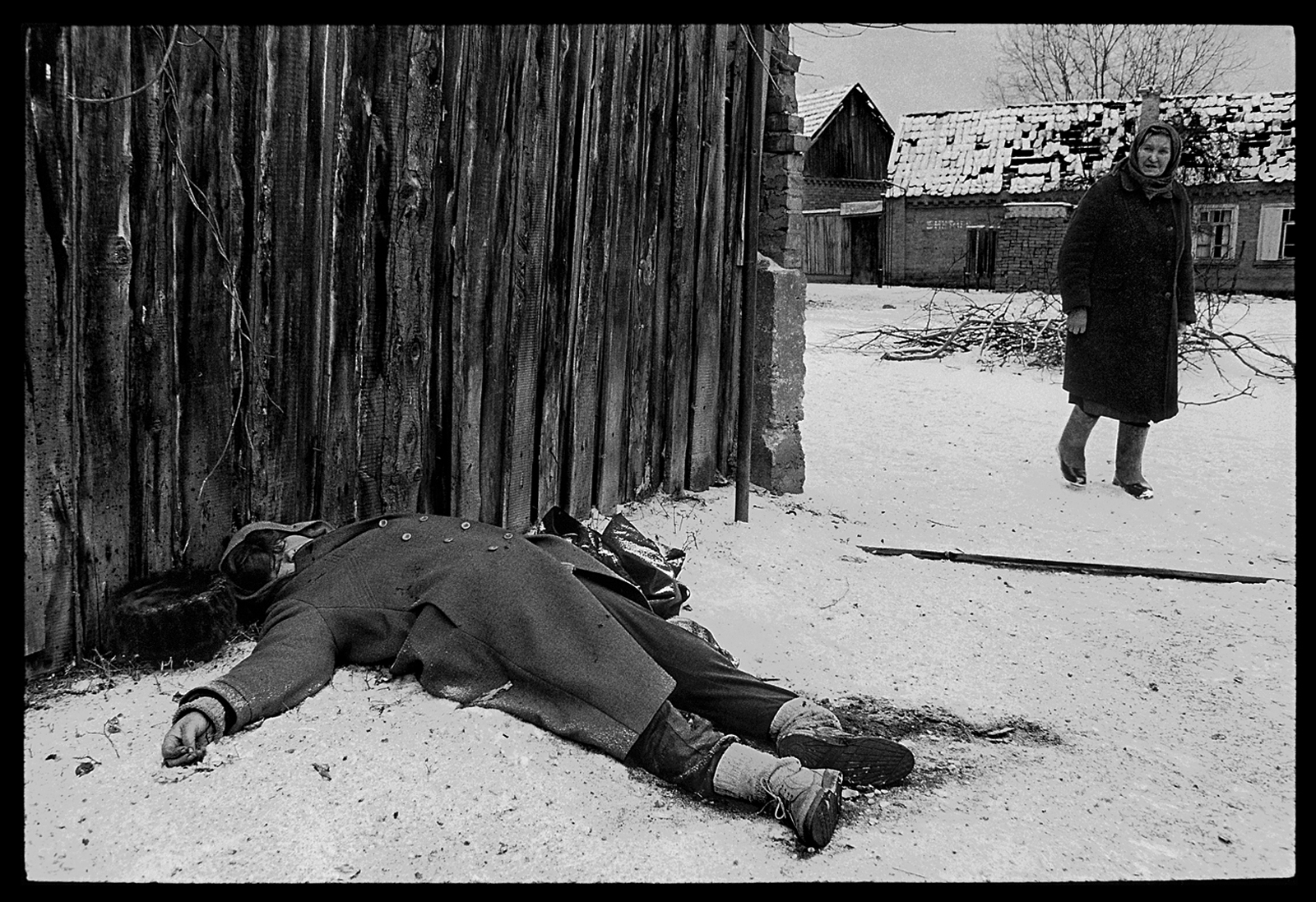
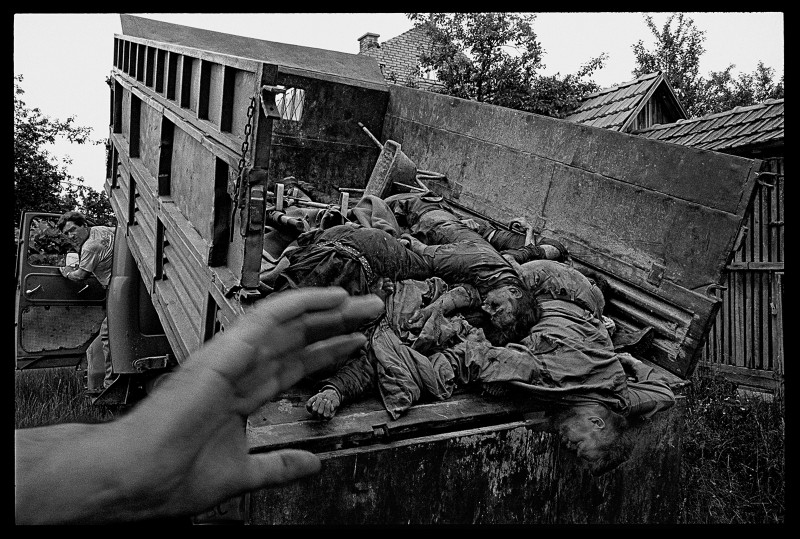
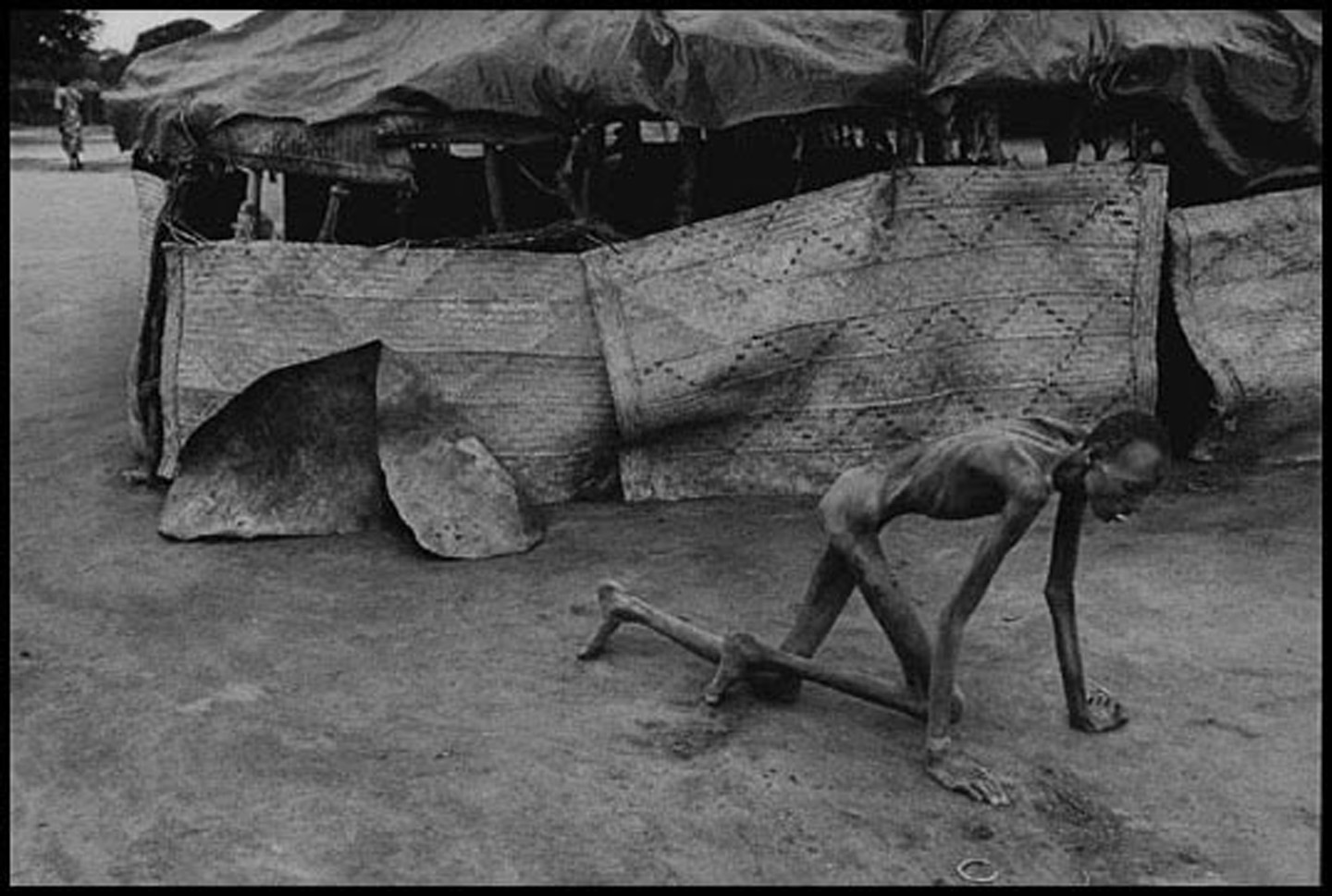
Bruno Barbey的足跡遍及五大洲,在日本拍攝「反對成田機場建設遊行」、越南戰爭、波斯灣戰爭時在科威特拍攝燃燒中的油田,還有發生在尼日利亞、巴勒斯坦等地的重要事件。儘管走過烽煙大地,不過他並不視自己為戰地攝影師,他曾如此解釋到:如果你只專注在戰地攝影,眼見遍地屍體或慘不忍睹的畫面,很容易變得憤世嫉俗。
Tommy的照片並非一味搞笑,作品背後都有深層意思,藉此喚起大家關注、討論各種社會議題。早於2013年,身在南美的他曾創作講述空氣污染問題的作品《瓶中香港》(Hong Kong in Bottle),隱喻港人被困在一個充滿煙霧的玻璃樽,作品還入選WYNG大師攝影獎。2017年初,他成立「SurrealHK」,儘管呈現手法不一樣,但以攝影關注社會議題的想法早已埋下。
When the public housing unit becomes dominoes in the “Tetris” game, which offers a fascinating glimpse of the surreal life in hong kong, photographer Tommy Fung added his work a description. ”What if the housing problem in Hong Kong is a game? Are we going to win or lose?”
Tetris was all the rage in the 1980s and 1990s. Tommy also played this game when he was a child, and it inspired him to create the Choi Hung Estate unit as “flat dominoes,” which he made for the latest exhibition. “The dominoes of Tetris will drop faster and faster with the difficulty of the game, and it is easy to game over if you are not careful. How to solve the housing problem and win the game is worth discussing.”
Choi Hung Estate has become the most photogenic spot in Hong Kong. Its rainbow-colored external wall hooked visitors. Meanwhile, the residents living inside the Estate are facing the problem of inadequate living space. Tommy Fung copied and shrunk the colorful outer walls of buildings, turning them into infinite smaller subdivided units, pointing out the problem of subdivided flats.
Another artwork is about Wah Fu Estate. He used the same method to present the infinite composition as a metaphor for public housing’s long waiting time. He made the image into a three-dimensional installation, and the layer of images strengthen the message—the more beautiful on the surface, the more absurd the truth behind it.