生於1930年,童年時光在羅馬度過,Gianni二戰後跟隨家人到威尼斯,並成為一名業餘攝影師。1952年,攝影師布列松在其攝影集裡《Images à la Sauvette》提出The Decisive Moment理論,年輕的Gianni震撼得決定踏上攝影之路,最終成為雜誌社的攝影記者,至今拍攝了逾六十年。
作為新聞攝影師,Gianni的作品寫實得來又非常唯美,1969年出版的攝影集《Morire di Classe》,拍攝意大利精神病患者的狀況,寫實而又帶有批判性,書籍出版後很快在社會引起討論,最終更影響意大利醫療體制的改革。當初的新聞報道照片,後來都成為20世紀的經典作品。不過他並不喜歡別人將他捧上神枱,謙虛地說只是攝影師一名,純粹有一雙好奇的眼睛,記錄圍繞身邊的事物。
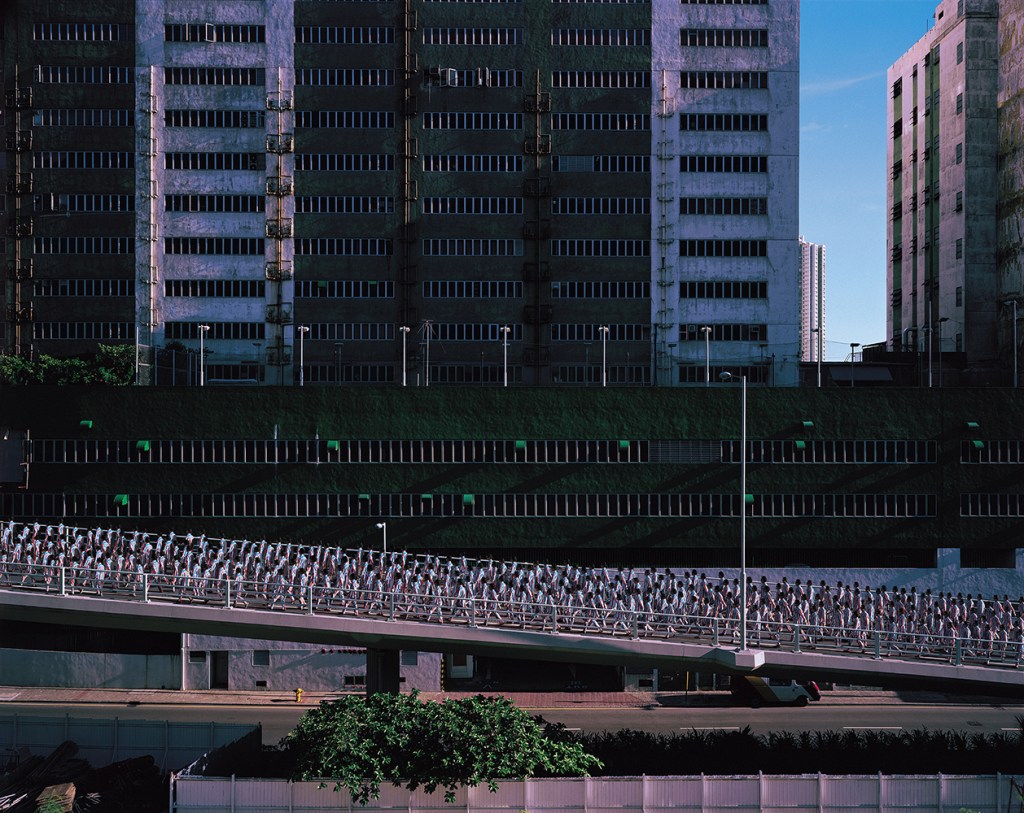
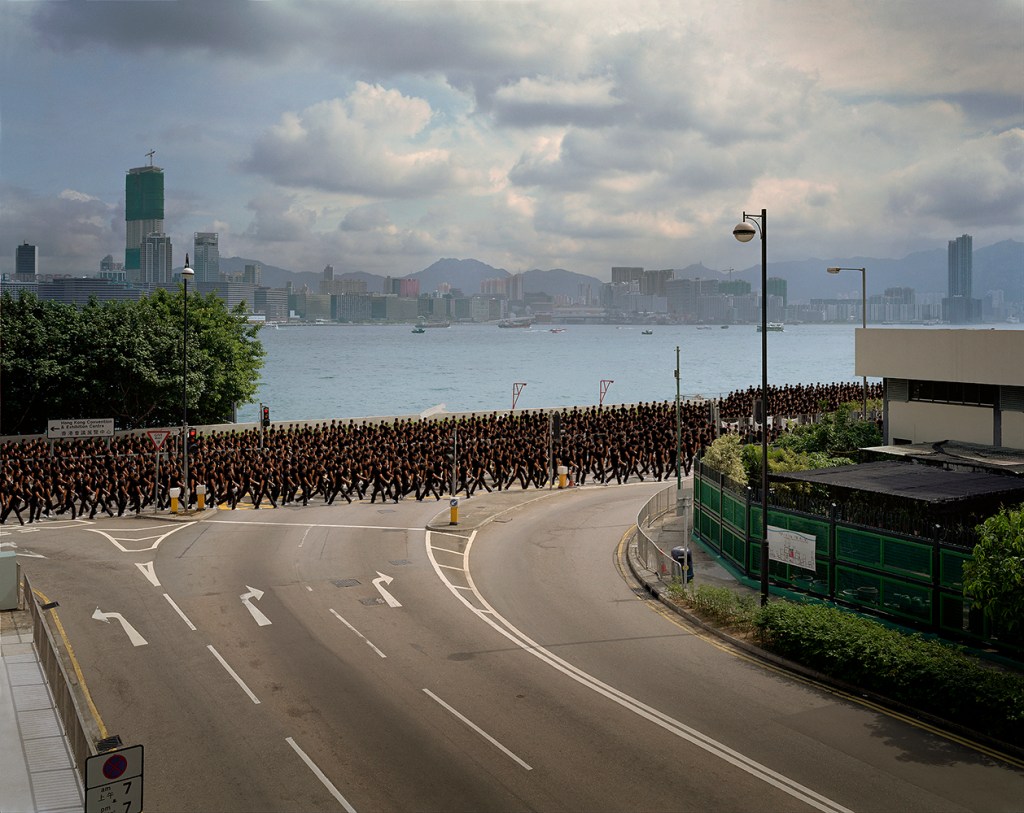
Almond Chu explores social issues with the “parade” series.
Hong Kong had long been known as the “Parade City” even before last year’s extradition bill demonstration. It has been 23 years after the Hong Kong handover, and people are familiar with protests. On July 1st, 2003, half a million people took to the streets against Hong Kong Basic Law Article 23. Photographer Almond Chu also participated in that year, inspiring him to create the “Parade” series in the following year.
“In 2004, I completed the Artist Residency in Germany. After returning to Hong Kong, I wanted to abandon the shooting technique of portraits and still life in the studio, and began to move forward.” On the one hand, he created the “ARTIFICIAL LANDSCAPE” in landfills and reservoir flooded with garbage, to reflect on the damage caused by humans.
As for the “Parade” series, he selected the iconic buildings of the colonial period, such as the old Star Ferry Pier and the Central Police Station, and related the location with the characters. Most people may not have much memory of the third work near the Wan Chai Pier, “During the 2005 World Trade Conference, Korean farmers once demonstrated and jumped in the sea in this area.”
The “Parade” series was not only created in Hong Kong but also inspired by buildings in Beijing and Guangzhou. “Because of a conversation with the painter Wucius Wong, I was considering the issue of “identity,” so I step into the mainland for inspirations.”
Under the red walls of the Forbidden City in Beijing, numerous security officers wearing sunglasses and green uniforms, which is very iconic among the Parade series. Starting from the fourth work, he tried to interpret the characters in the photos by himself, so that the work has a strong message.
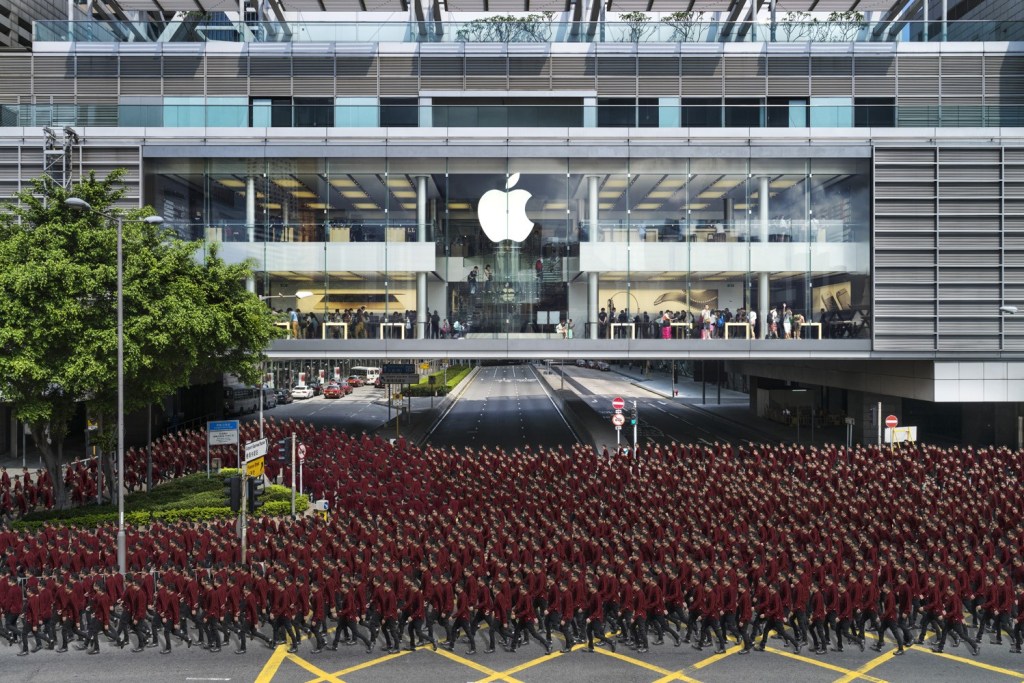
In 2015, he created “Parade 15 (79)” in response to the 2014 Umbrella Movement, in front of the Central Government Complex, 79 people holding yellow umbrellas. The last piece, “Parade 16 (The Apple)”, focuses on the Apple flagship store in Central, reflecting on the fact that when computers and smartphones dominate our lives, does technology ensure people with a better connection?
Romain原是平面設計師,2009年來港定居後,被密集摩天大廈所吸引,以影像來表達對這座石屎森林的震撼,創作過《Vertical Horizon》及《The Blue Moment》等關於香港城市建築的攝影集。隨着居住時間越久,他也從宏觀視野慢慢深入至本土文化,最新作品《City Poetry》(城市詩意)拍攝大廈及店舖招牌的文字,然後再利用拍攝的文字作為素材,重新組合出新的字句及成語,他更憑字寄意,「愛家」愛香港之餘,更以「不平則鳴」來聲援港人抗議的舉動。
Bob是首位被荷李活製片公司聘請為電影拍攝宣傳劇照的駐場攝影師,由1954年《星海浮沉錄》(A Star is Born)開始嶄露頭角,二十年來為逾百部電影拍攝劇照,包括《畢業生》及《魔鬼怪嬰》(Rosemary’s Baby)等,期間與柯德莉夏萍在《翠谷香魂》(Green Mansions)、《窈窕淑女》(My Fair Lady)及《儷人行》(Two for the Road)等多部電影合作。Bob擅於捕捉電影明星的自在一刻,同時充滿美感,在電影場景中,柯德莉夏萍優雅高貴;休息時,她流露出放鬆及開心的神態;她的歡樂與憂愁,在他的鏡頭下一覽無遺。
雖然須田一政早於1977年已首辦個展,及後亦每年參與聯展與個展,不過他在國外一直不太為人所知,直至2003年美國休士頓美術館舉辦「日本攝影史(The History of Japanese Photography)」,策展人Anne Tucker對他評價很高,認為他最能反映日本的攝影家,姍姍來遲才獲得日文以外的國家認可,這一點與中平卓馬頗為相似。近年,他的作品在紐約現代藝術博物館展出(Tokyo 1955–1970: A New Avant-Garde),東京都寫真美術館也為他舉辦大型回顧展,再次肯定他的攝影生涯。
Joan喜歡極簡主義,照片簡潔留白,頗有想像空間。事實上,她總寄情於相,有一幅在銅鑼灣Apple Store隔着玻璃拍攝的腳印剪影叫《Walk with me》,「那時經常自己一個人,感覺沒有東西支撐,照片無形中給予我力量。」或許如此,她的照片流露出淡淡的憂傷與孤獨,鏡頭下的香港不見熱鬧,反而都是獨行的人。作品常見元素有雨傘,對港人而言有象徵意義,對她卻是個人感受,「我離開兒子的時候,是在一個雨天。」這把傘,擋着雨水,也撐着思念。
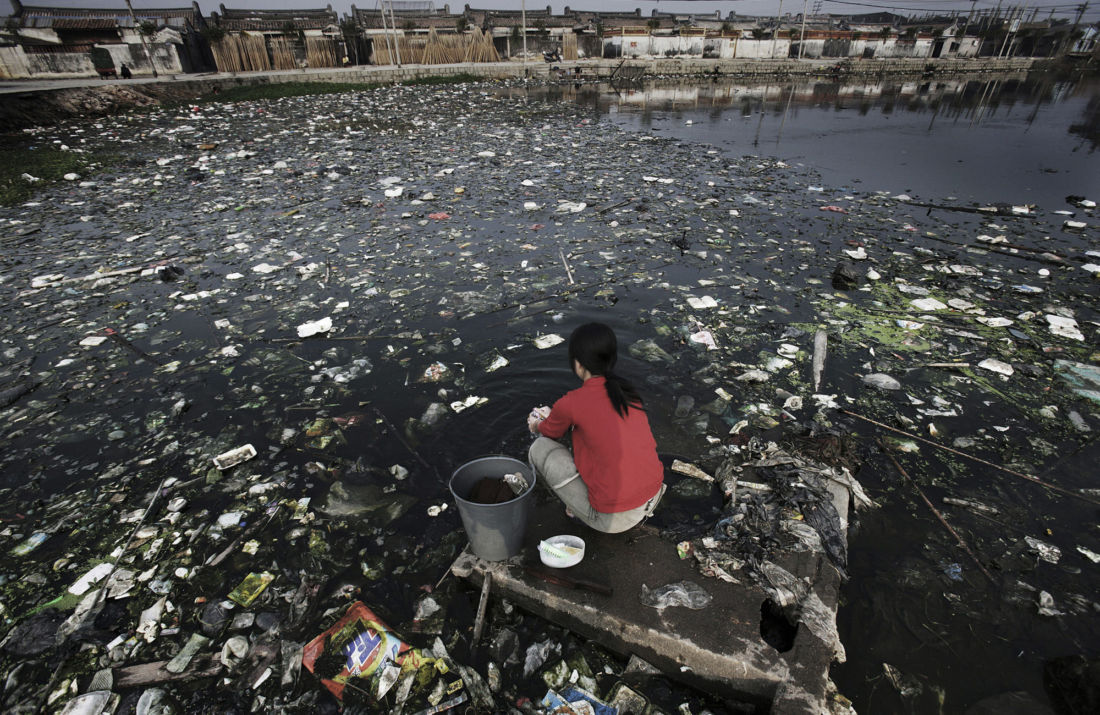
盧廣長期關注中國的污染問題,2005年開始拍攝,他用四年時間走遍中國西部及東部沿海,拍攝環境污染致病、海洋污染等,期間他與地方官員及排放污染物的公司企業鬥智鬥勇,他追蹤污染來源,拍下許多驚人的畫面,最後這輯《關注中國污染》作品獲得2009年的尤金·史密斯人道主義攝影獎(W. Eugene Smith Memorial Fund)。