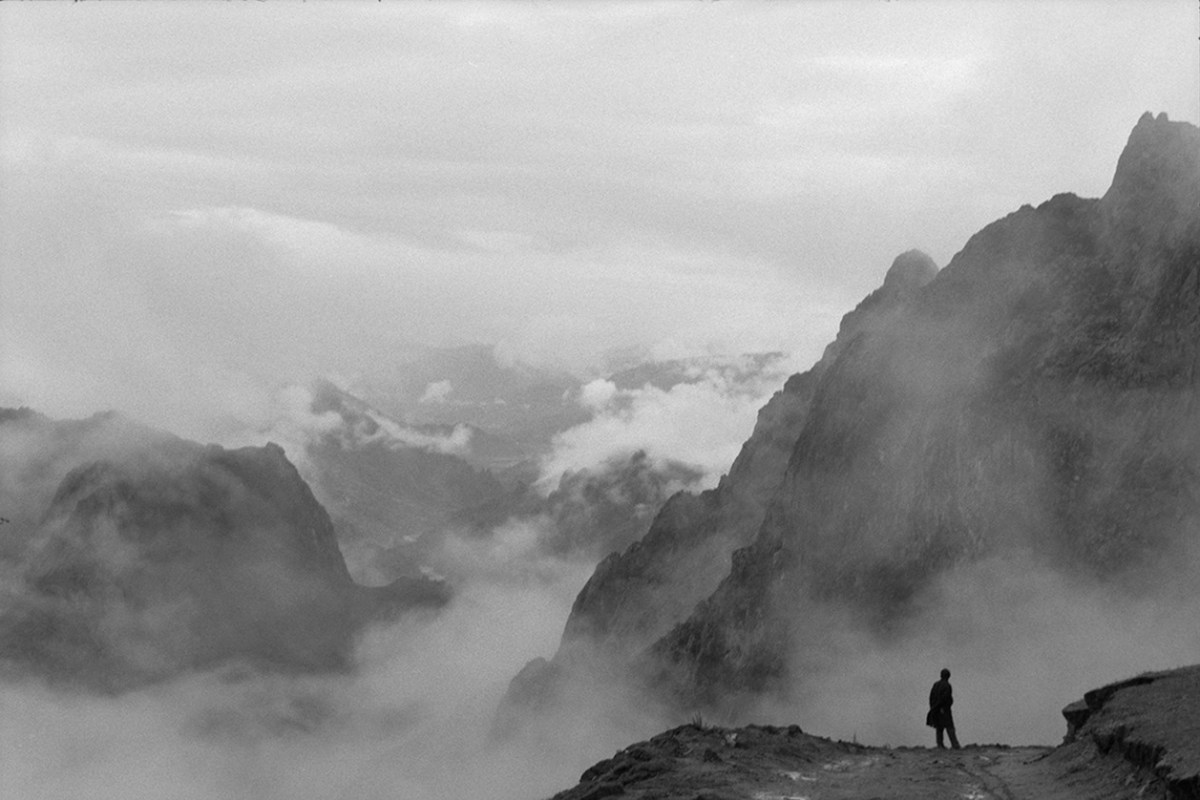
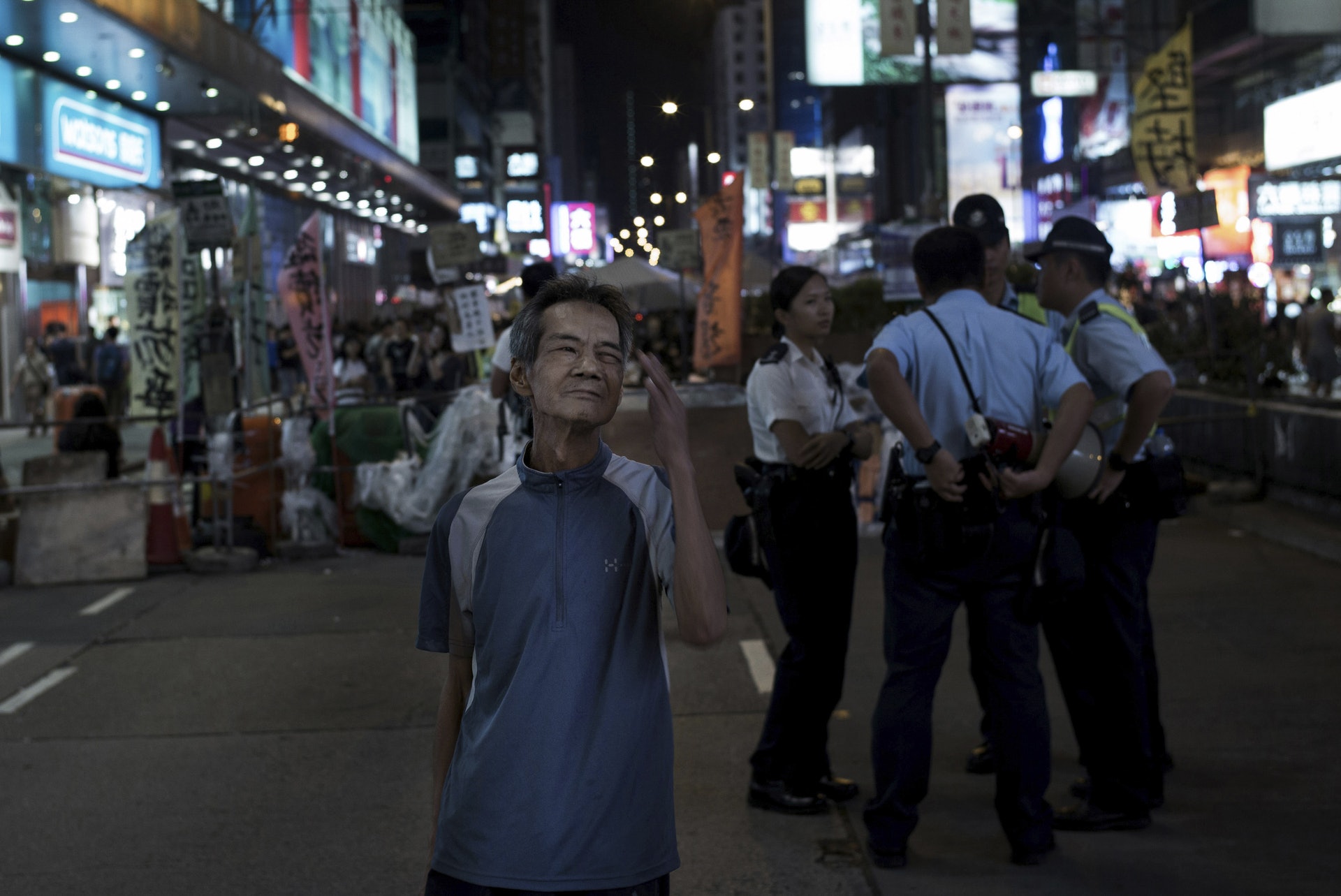
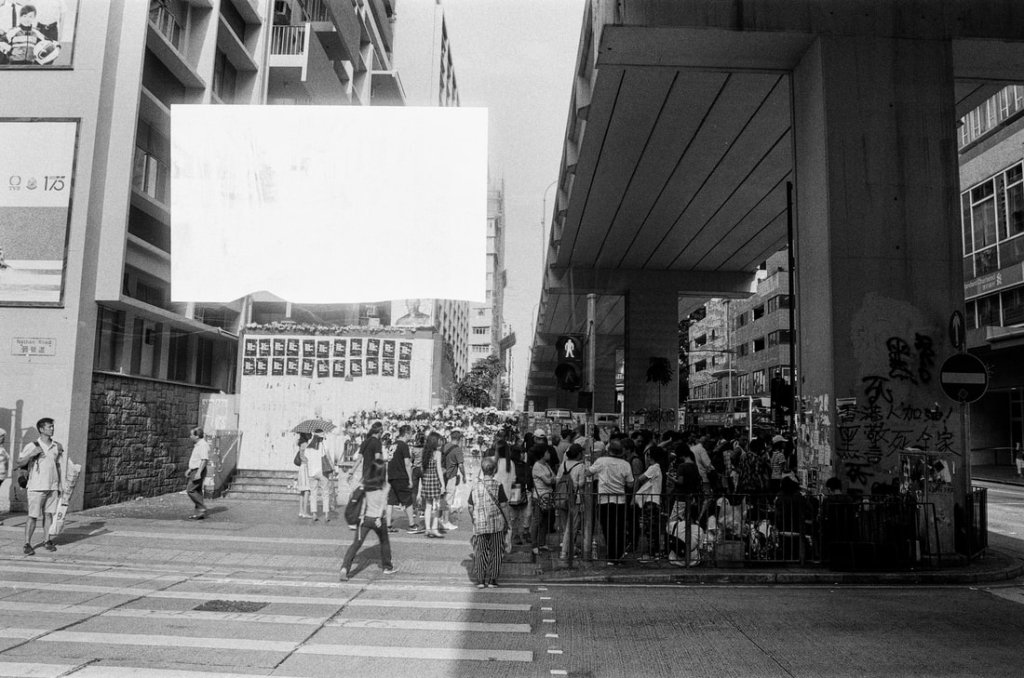
最令人印象深刻的,是「人」,他說有人的照片才有意思,畢竟風景僅是過場。翁維銓鏡頭下的人物總是充滿笑容,真摯地直視鏡頭,令人好奇鏡頭後發生過什麼互動。當中在新疆拍攝的照片尤其出色,1986年,他曾出版攝影集《新疆:絲路上的中國情》(Xinjiang: The Silk Road Islam’s Overland Route to China)。他形容雖然當地人的生活和政治存在矛盾,但生活態度卻是很正面,他的照片也捕捉了當地人的精神面貌及民風習俗。
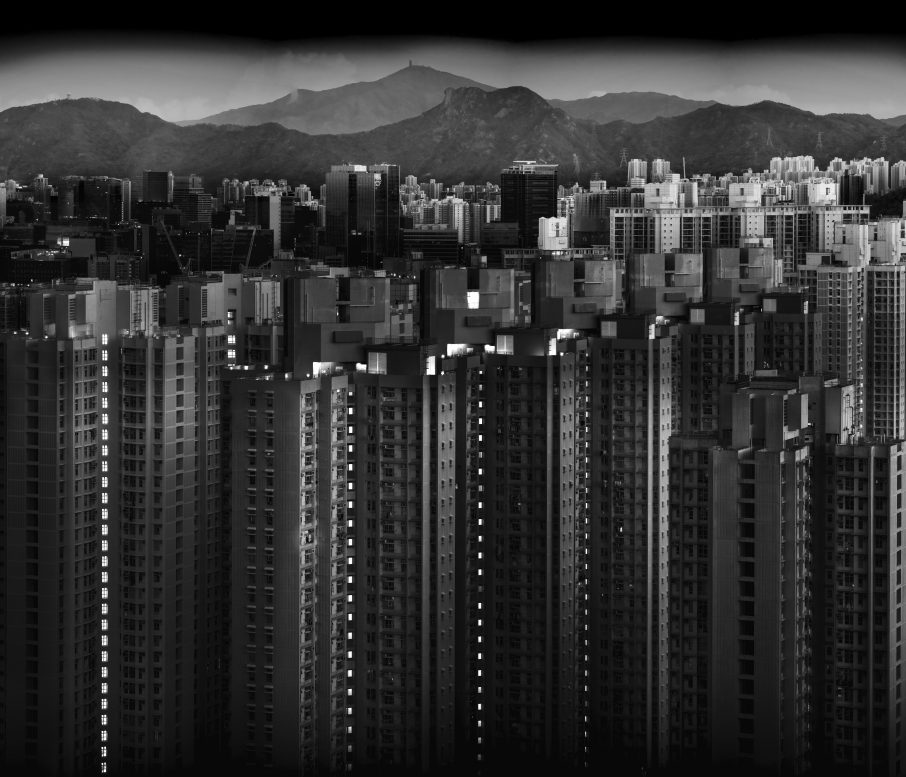
Photography artist Ng Kai Fung created the “Sisyphus Metropolis” in 2019 which he photographed landscapes in Lung Cheung Road, Polytechnic University, and other places.
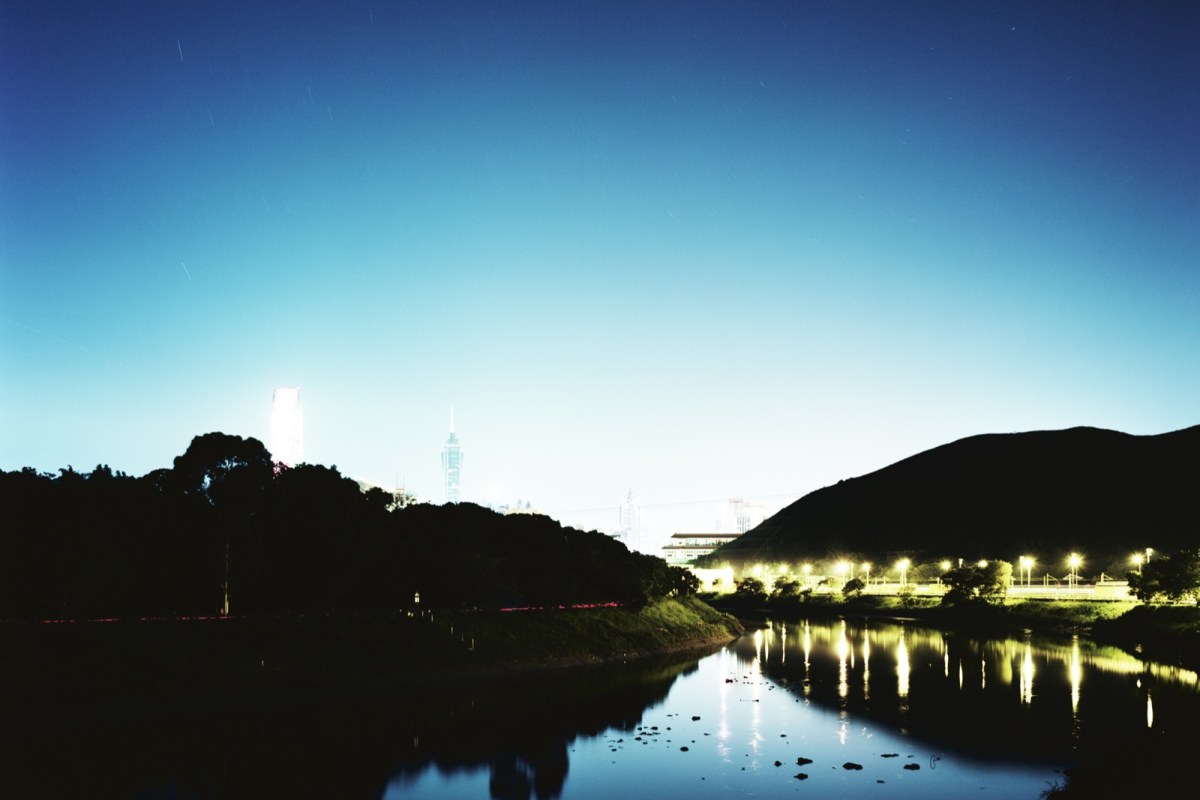
After experiencing a year of protest, these places have unique significance. He used a shift lens to photograph the city landscape from a distance. Taking “Lung Cheung Road” as an example, this is a landscape of Kowloon East and Lion Rock. The buildings in the picture are straight and compact. It does not seem surprising, but there is a weirdness if you pay attention to the light in the photo.
The building in the foreground is dim, yet the mountain behind is bright. Ng Kai Fung uses image stitching to create high-resolution artworks with the photos taken at different times, intertwining the interlaced images of day and night. “The scenery and lighting look unrealistic, echoing the state of Hong Kong at that time. It was normal during the day but unusual at night.”
Ng Kai Fung studied photography at Hong Kong Art School. His artworks were deeply influenced by literature and philosophy. “The Sisyphus Metropolis” was inspired by the French writer Albert Camus’s philosophical essay “The Myth of Sisyphus.” He annotated the works through words, “When the Almighty loses its dominance in society, politics, especially under Totalitarianism, becomes the only religion. Justice is replaced by the will to power, and they assume freedom is slavery for all.”
“The Myth of Sisyphus” ends with the work “The Monuments,” an image about International Commerce Centre next to the Victoria Harbour. It looks like a high tower and an obelisk of the city. “The tower is a testimony of human civilization, but it has nothing to do with ordinary people. Our lives have not changed. Instead, our morals are getting worse and worse.” The work is presented in the form of a cross to question what faith is. In a world without God, how can we establish a new moral value?
Photography was introduced to the world in 1839, and Hong Kong became a Crown Colony of the British Empire in 1841. The coincidence in time gave photography an invisible connection to Hong Kong’s history. To a certain extent, photographic images construct our impression of Hong Kong. Back then, photography is only available during the day due to its limitations, and the visual impression of the early night scenes in Hong Kong was absent.
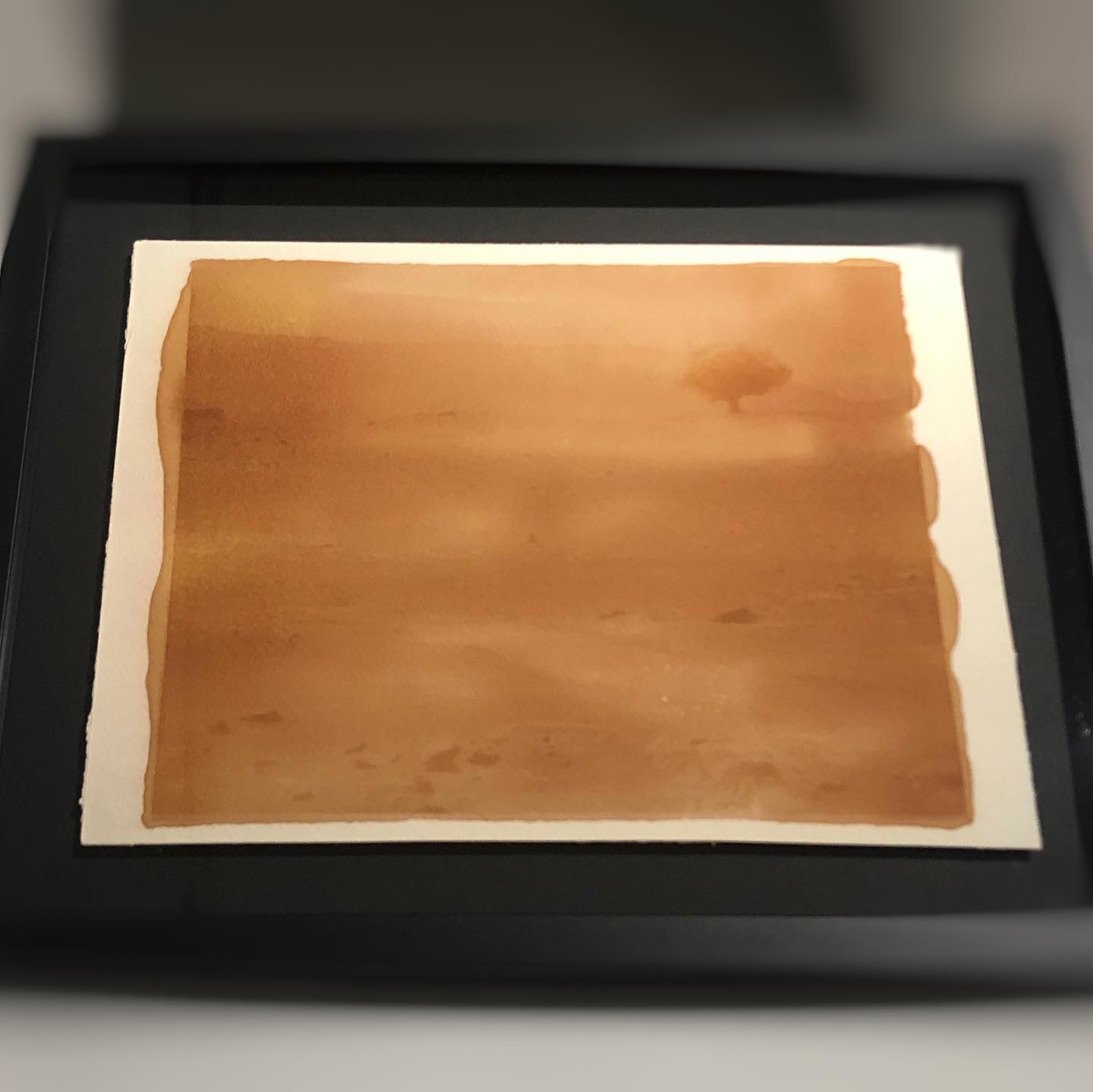
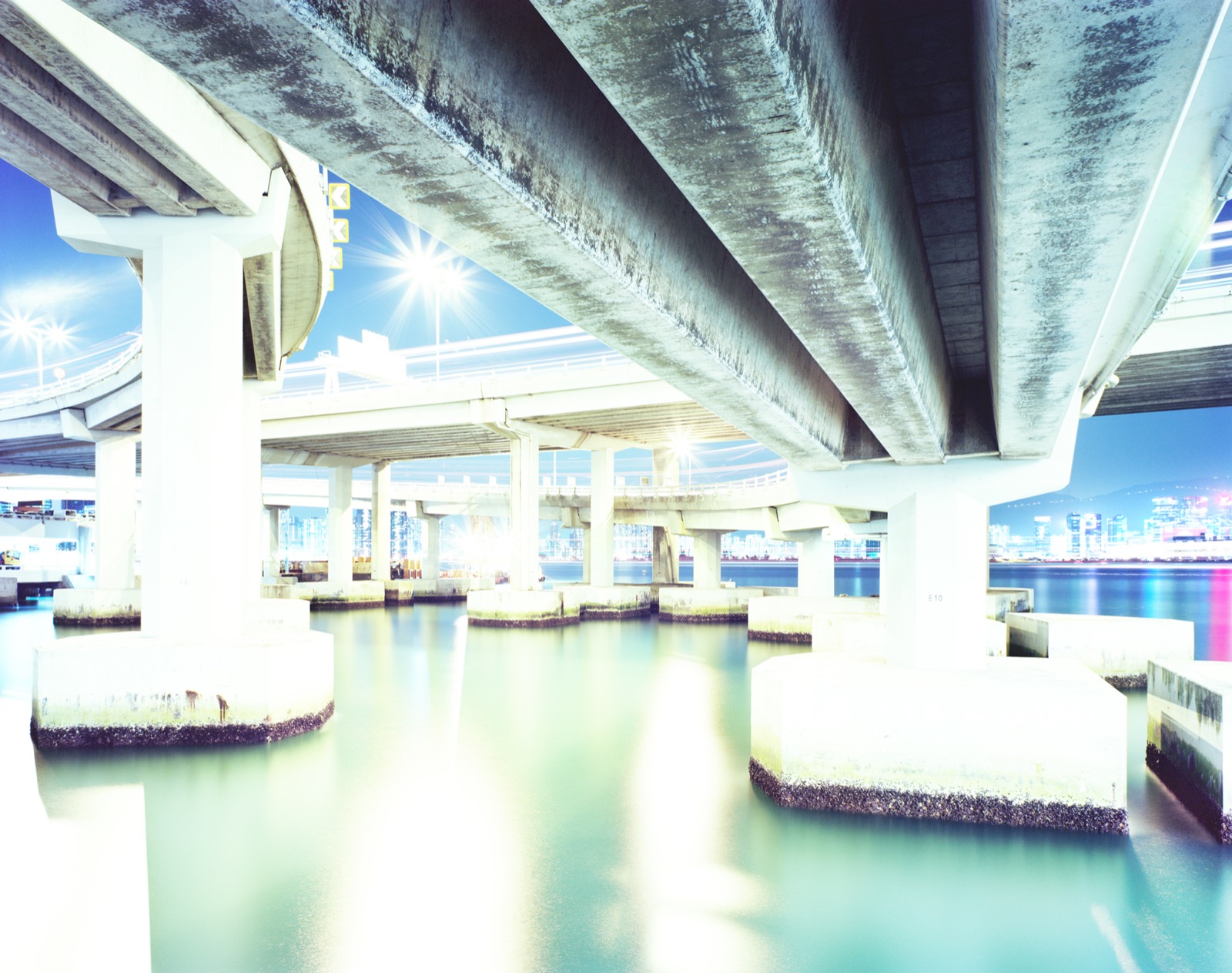
For the residents of the sparsely populated small fishing village at that time, the bustling night scene of Hong Kong today is far beyond their imagination. Artist photographer Thomas Lin imagined that people in 1841 meet Hong Kong in 2020, simulating the photographic techniques of that time and constructing a blurry or overexposed night scene of Hong Kong.
Thomas imitated the limitations of photography at that time. There was no electric lighting, and the only light source for night scenes is moonlight. From historical documents, Thomas learned that the moon’s exposure value at the full moon is EV-3, which is an absolute value and consists of the different aperture and shutter combinations.
The selected shooting locations are closely related to Hong Kong history. For example, the place where the British army landed in 1841 is now Hollywood Road Park. The year the Island Eastern Corridor was built coincided with the signing of the “Sino-British Joint Declaration.” From this project, we also learned more about the history of Hong Kong.