Tommy的照片並非一味搞笑,作品背後都有深層意思,藉此喚起大家關注、討論各種社會議題。早於2013年,身在南美的他曾創作講述空氣污染問題的作品《瓶中香港》(Hong Kong in Bottle),隱喻港人被困在一個充滿煙霧的玻璃樽,作品還入選WYNG大師攝影獎。2017年初,他成立「SurrealHK」,儘管呈現手法不一樣,但以攝影關注社會議題的想法早已埋下。
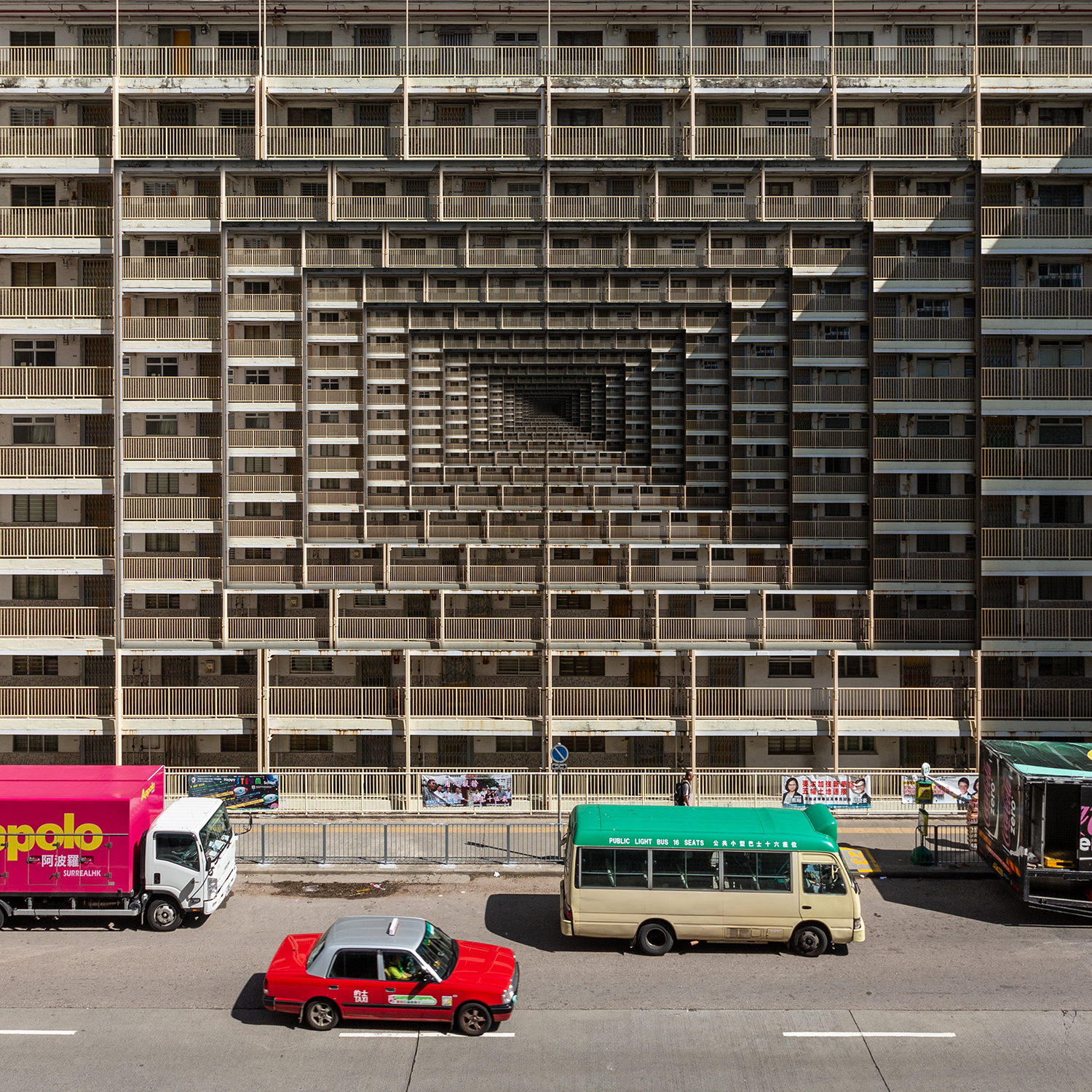
When the public housing unit becomes dominoes in the “Tetris” game, which offers a fascinating glimpse of the surreal life in hong kong, photographer Tommy Fung added his work a description. ”What if the housing problem in Hong Kong is a game? Are we going to win or lose?”
Tetris was all the rage in the 1980s and 1990s. Tommy also played this game when he was a child, and it inspired him to create the Choi Hung Estate unit as “flat dominoes,” which he made for the latest exhibition. “The dominoes of Tetris will drop faster and faster with the difficulty of the game, and it is easy to game over if you are not careful. How to solve the housing problem and win the game is worth discussing.”
Choi Hung Estate has become the most photogenic spot in Hong Kong. Its rainbow-colored external wall hooked visitors. Meanwhile, the residents living inside the Estate are facing the problem of inadequate living space. Tommy Fung copied and shrunk the colorful outer walls of buildings, turning them into infinite smaller subdivided units, pointing out the problem of subdivided flats.
Another artwork is about Wah Fu Estate. He used the same method to present the infinite composition as a metaphor for public housing’s long waiting time. He made the image into a three-dimensional installation, and the layer of images strengthen the message—the more beautiful on the surface, the more absurd the truth behind it.
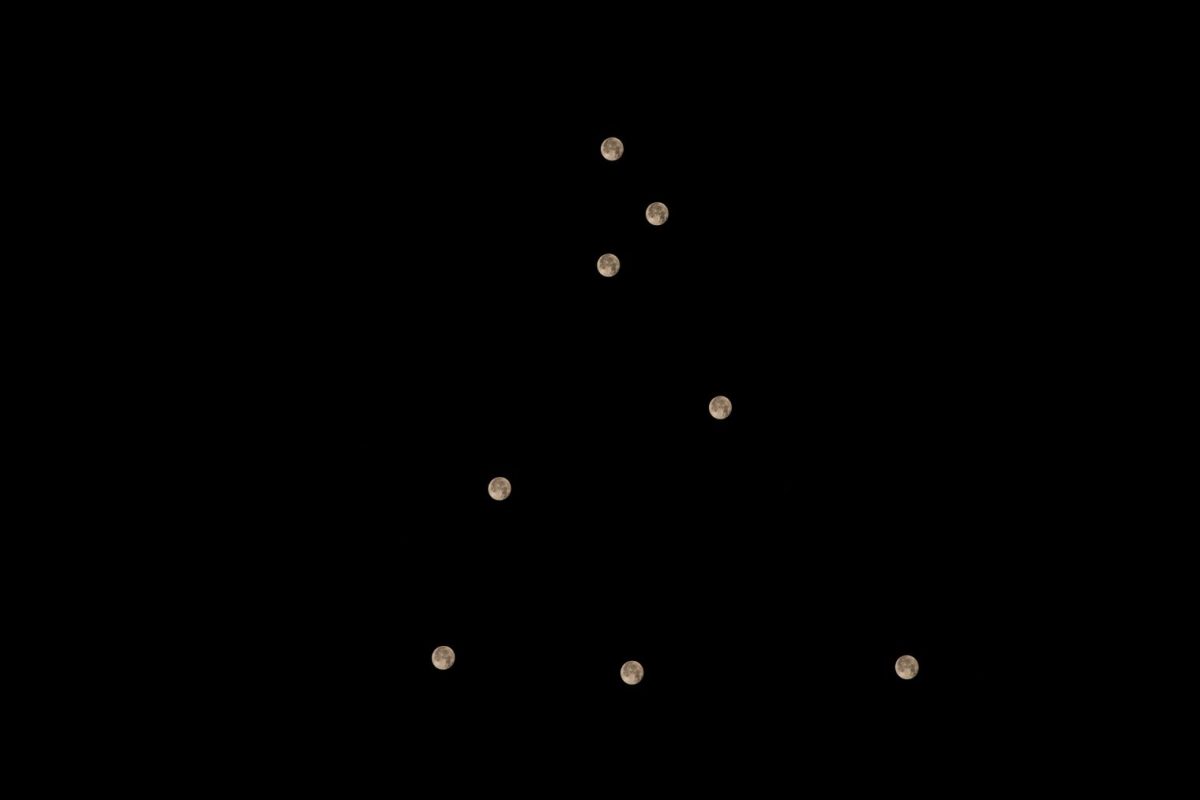
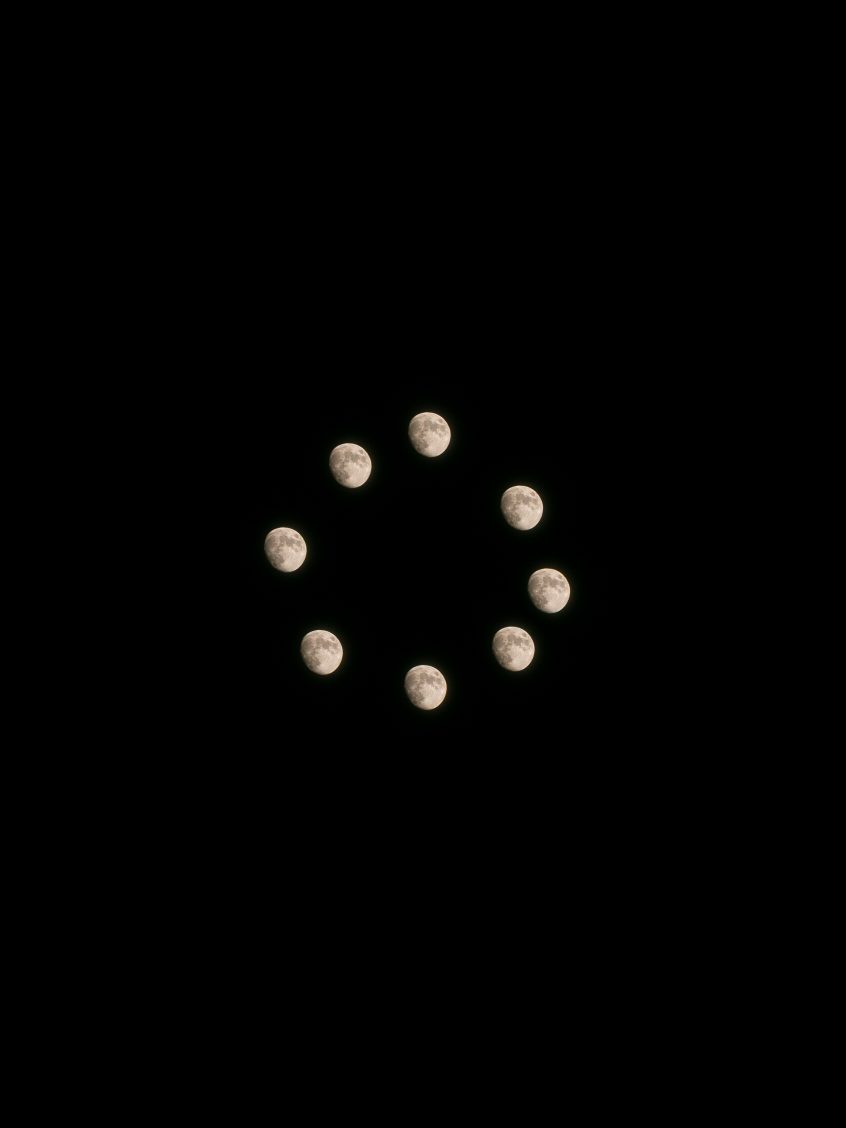
Photographer Stephanie Teng moves the camera to capture the moon at different positions in a cloudless or sparsely clouded night sky, trying to form the moons into different patterns through multiple exposure images.
The eight full moons in the first image at her solo exhibition “Solace” look like irregular triangles. The moons in random position present chaos, reflecting her original intention for this series. Meanwhile, the process of photographing the moon appeases her chaotic thoughts.
Stephanie tried to “paint” the circle with the multiple exposures moons. Even though the circle’s composition is not perfect, she did not regard it as a failure. “We always want to look perfect, and it is easy for us to immerse in such negative thoughts.”
Even if something is chaotic or imperfect, it can still look beautiful. What is more critical for Stephanie is that every time she finishes photographing the moon, her confusion will always be relieved as if the moonlight is her spiritual sustenance. “Photography and the moon are like a mirror, which can reflect my inner self and know myself better.”
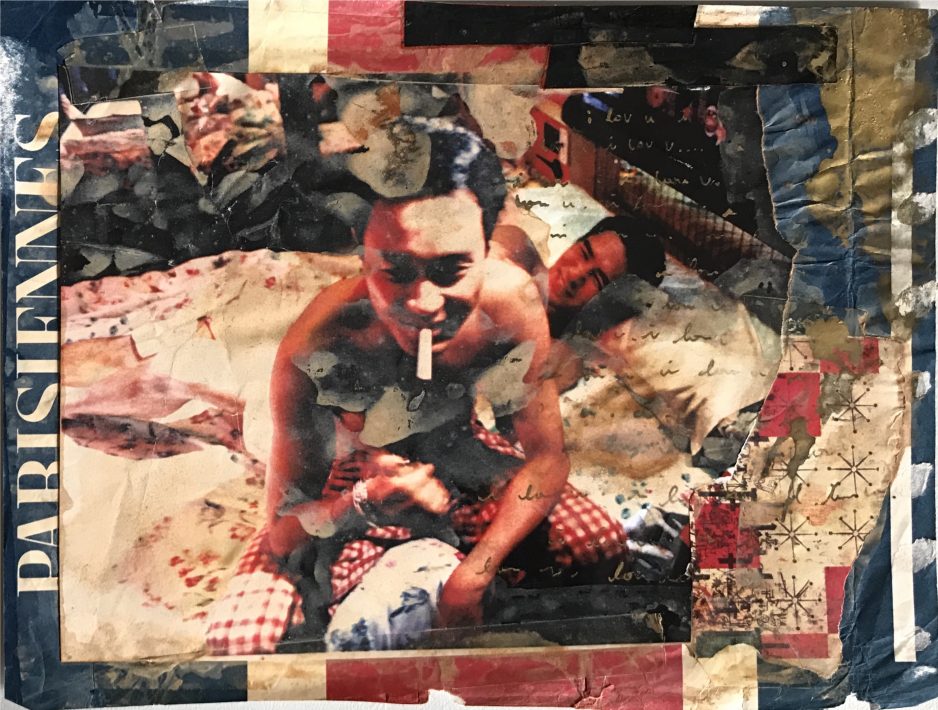
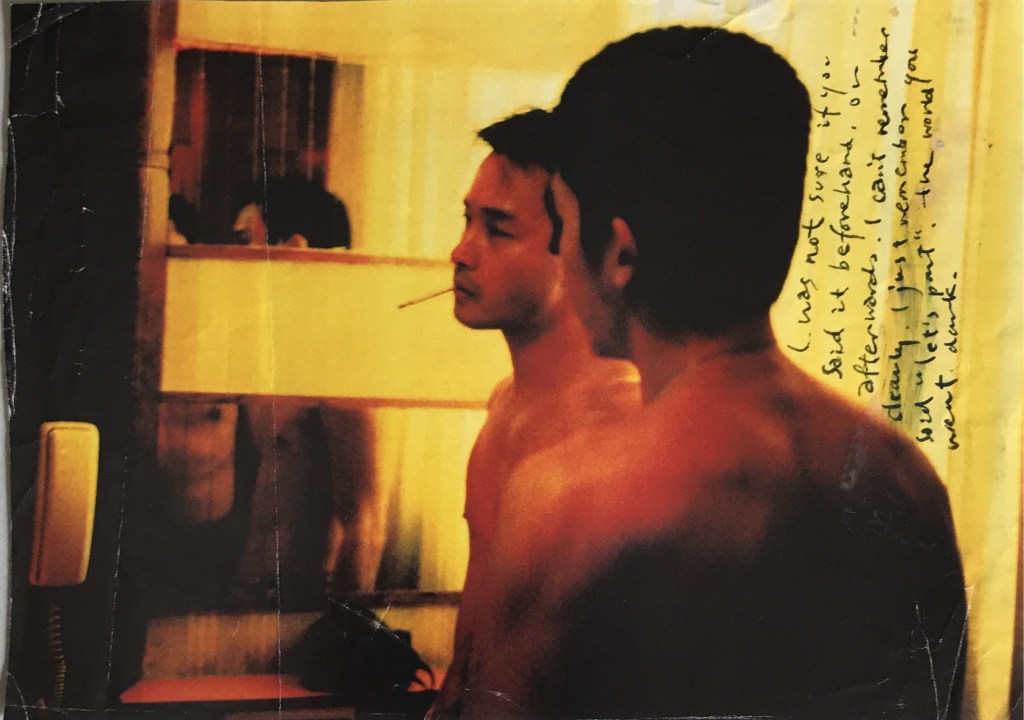
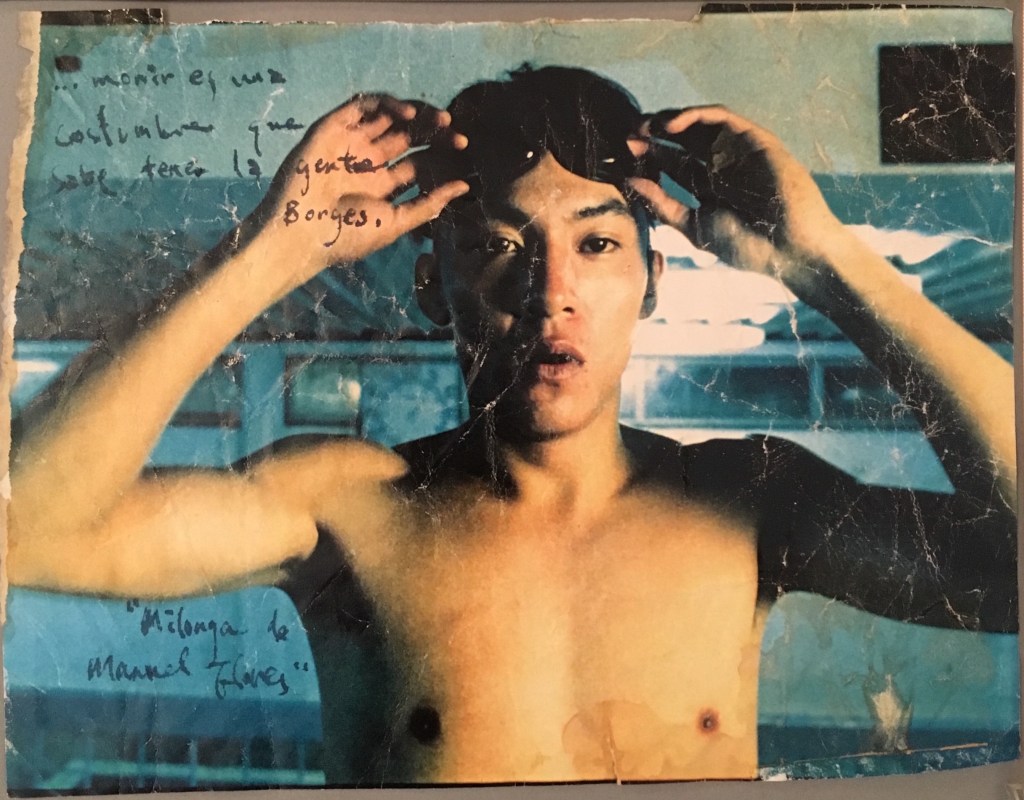
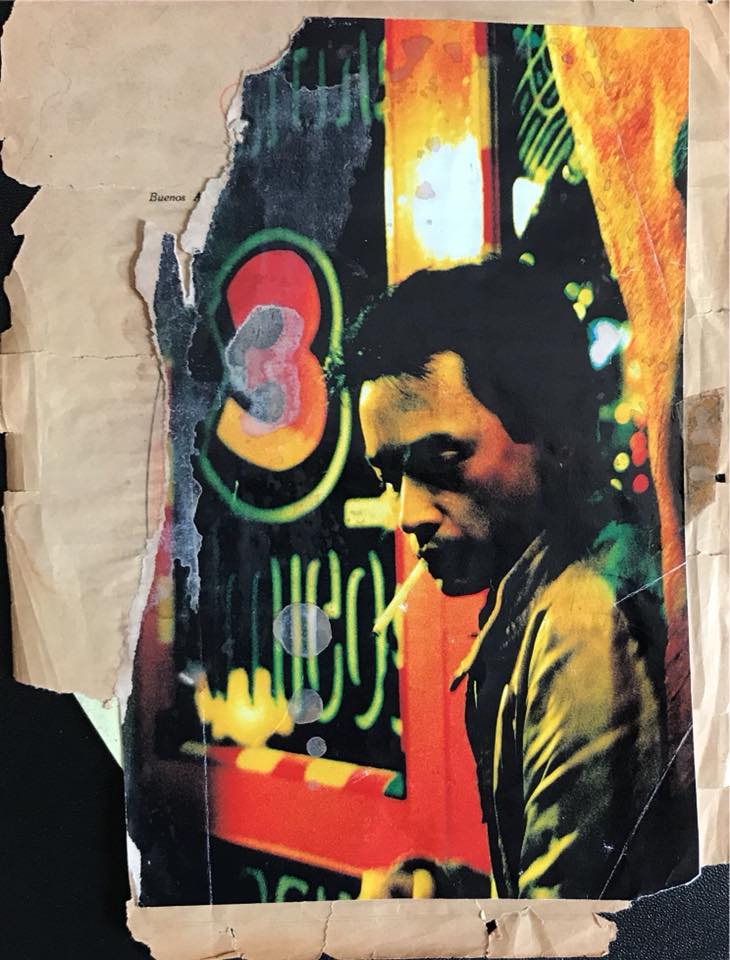
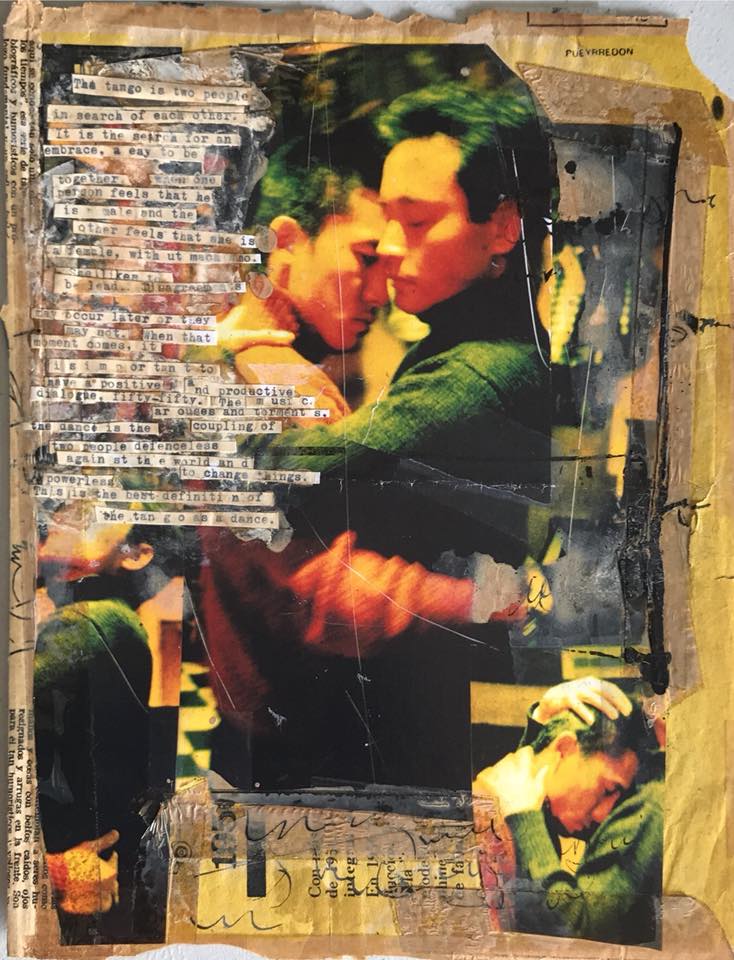
Happy Together, released in 1997, is a romance film directed by Wong Kar-wai, which depicts a turbulent love story of gay lovers. The film aesthetics is undoubtedly mesmerizing. Meanwhile, the atmospheric movie stills capture by Wing Shya, which also becomes classic.
Wing Shya was initially a graphic designer. He liked to make collages at school and even tried to pick up trash on the street to create. When photographing film stills for Happy Together, he designs the collage with the stills and script text, which is more artistic than the film stills.
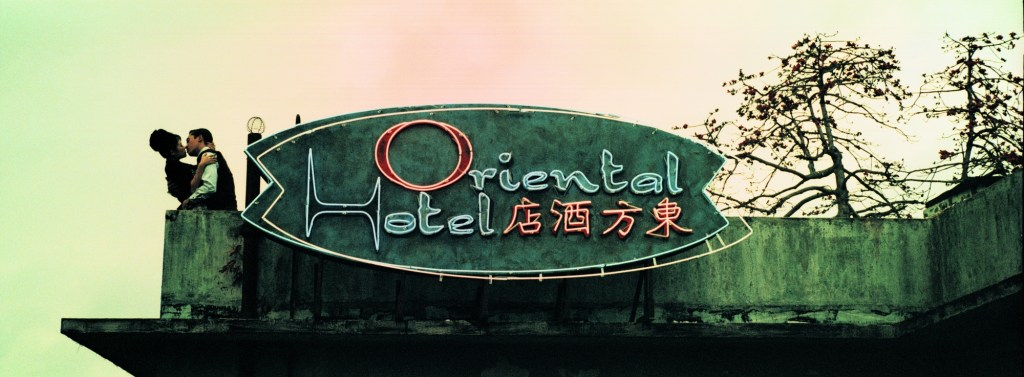
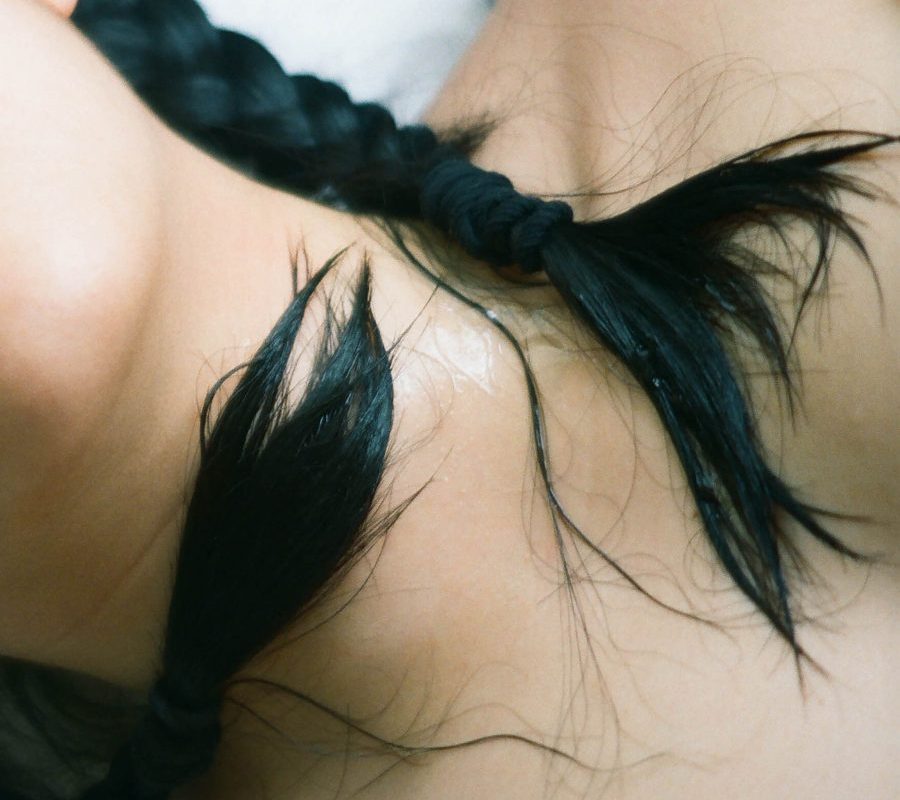
Wing Shya recently exhibited his diversified creations in the gallery. The exhibition is named “Happy Together.” In addition to the collages of movie stills, there are also commercial photography works taken throughout the years. He said, “Happy Together” is a love story. The photographs I have taken over the years are also related to love. The similar scenes of two people Happy Together.”
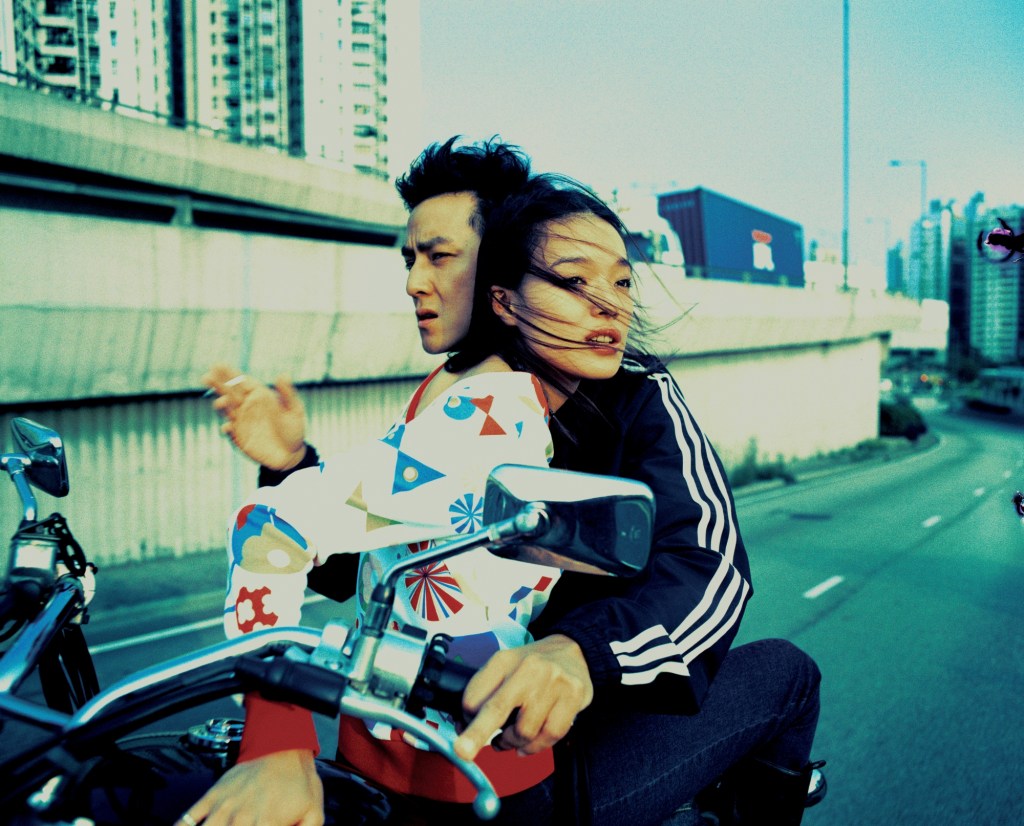
He photographed Daniel Wu and Shu Qi for fashion magazine “iD” in 2002. The protagonists were hugging each other on a motorcycle and staged a loving moment, and such a fancy-free style may be traced back to the movie “Happy Together.”
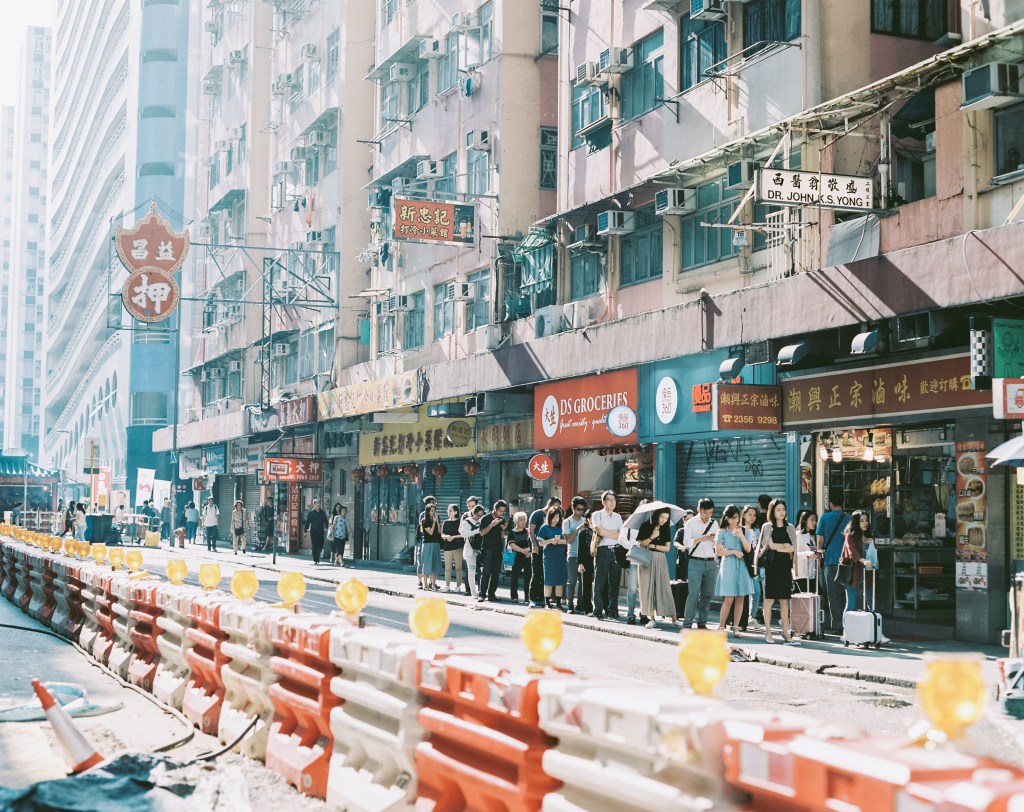
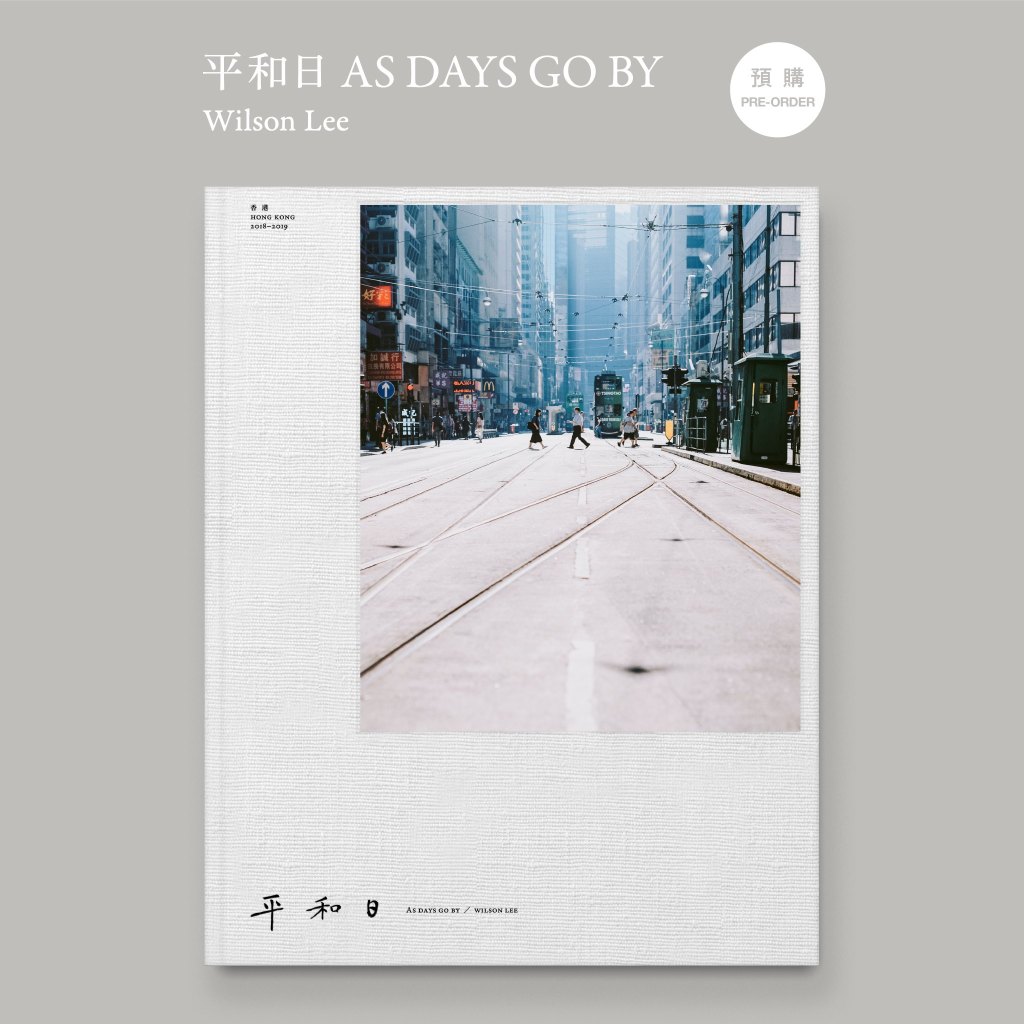
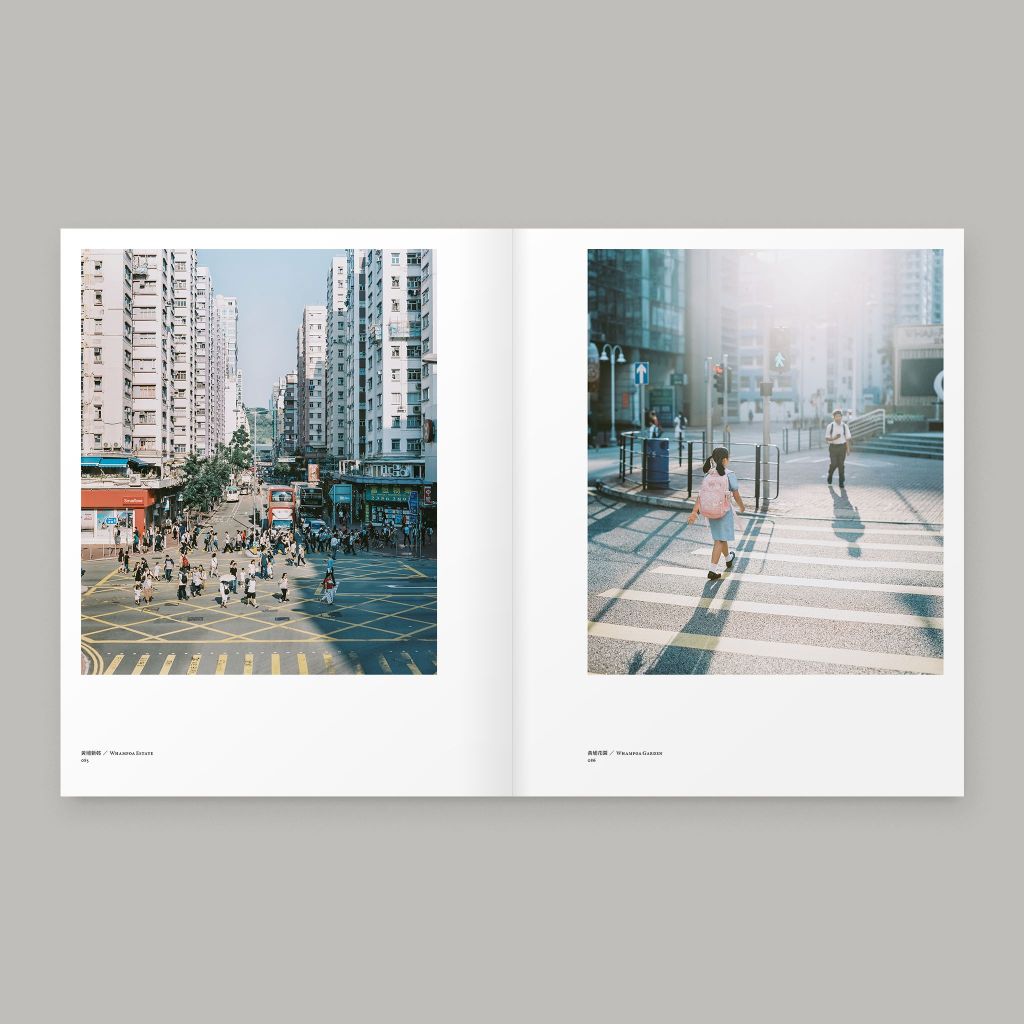
在人人都可以拍攝的年代,一張照片或許只能吸睛一兩秒,Wilson希望以個人視角記錄香港,留住一個時代的記憶,若干年後回看,至少對自己而言,是有特別意義。2016年,他在東京修讀短期課程時,每日從一個高位拍攝東京,集結成《Japan From Above》一書,「攝影集會鼓勵你拍攝系列式的相片,令作品、想法更加完整。」
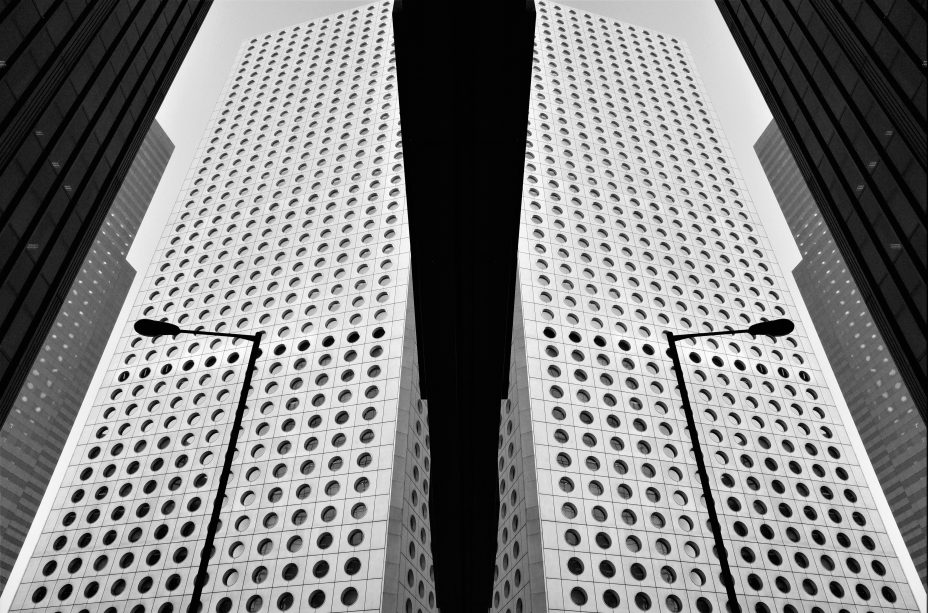
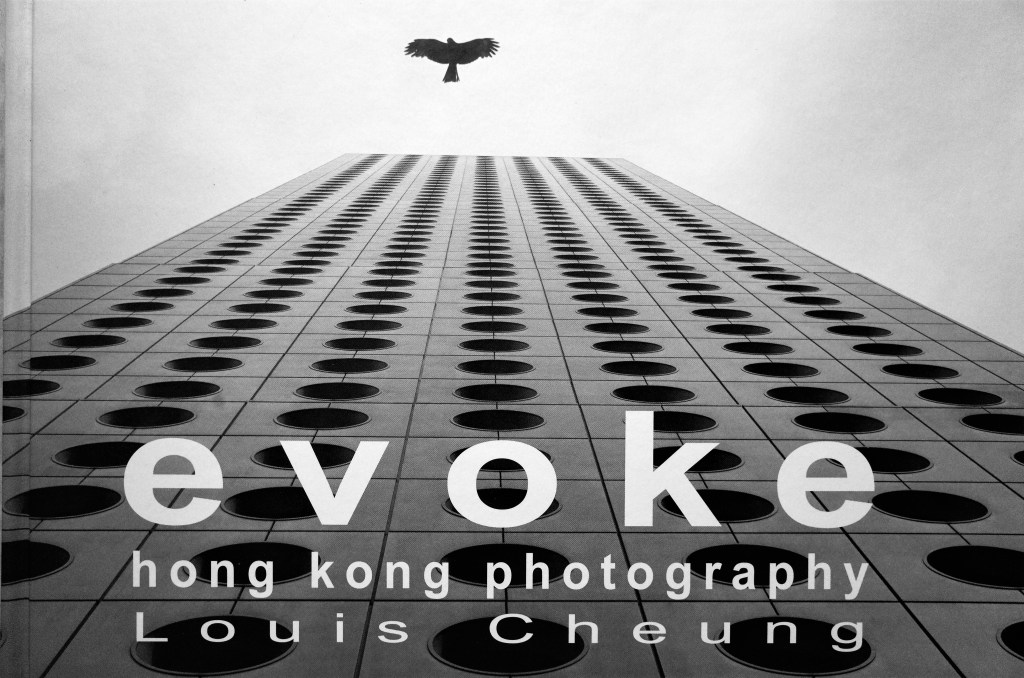
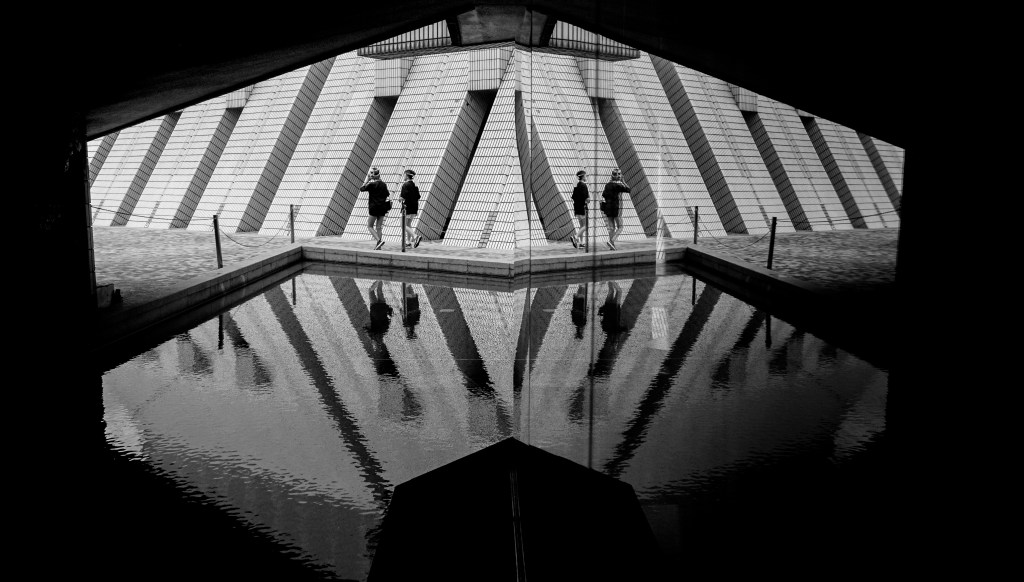
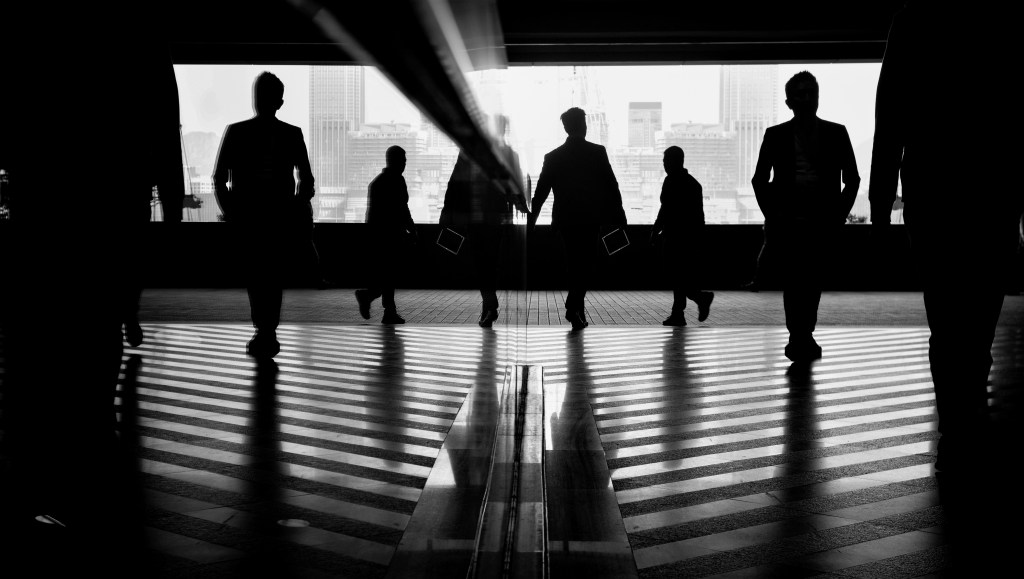
As an amateur photographer with the interior design background, Louis Cheung is very sensitive to lines, light and shadows, and objects that can reflect things. With the help of glass and the reflection of the pool, the corner of the Hong Kong Cultural Centre hides a hexagon; the hurry pedestrians in Wan Chai create an extraordinary mirror effect. For Louis, the reflection is not necessarily glass or water. The reflective car reflects the deformed Jardine House, and the remarkable picture looks like an abstract painting.
Hong Kong is a “City of Glass,” and the city is full of reflections. Jardine House is one of the landmarks in Central; photographer Louis Cheung used the reflection of glass to take a picture of two Jardine Houses side by side. The familiar buildings suddenly become a novelty.
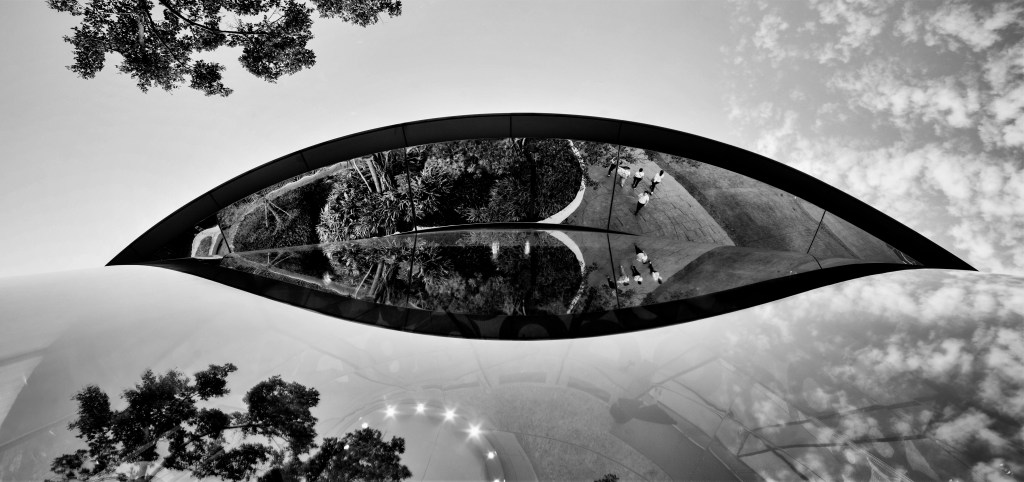
Outside the Tsim Sha Tsui shopping mall, he photographs the sky from the ground. The reflective image is like an abstract eye. It is resonant with a famous saying of photographer Elliott Erwitt: photography is an art of observation. It’s about finding something interesting in an ordinary place. Recently, Louis published a black and white photo book, “evoke hong kong photography,” to awaken the public concern about Hong Kong.