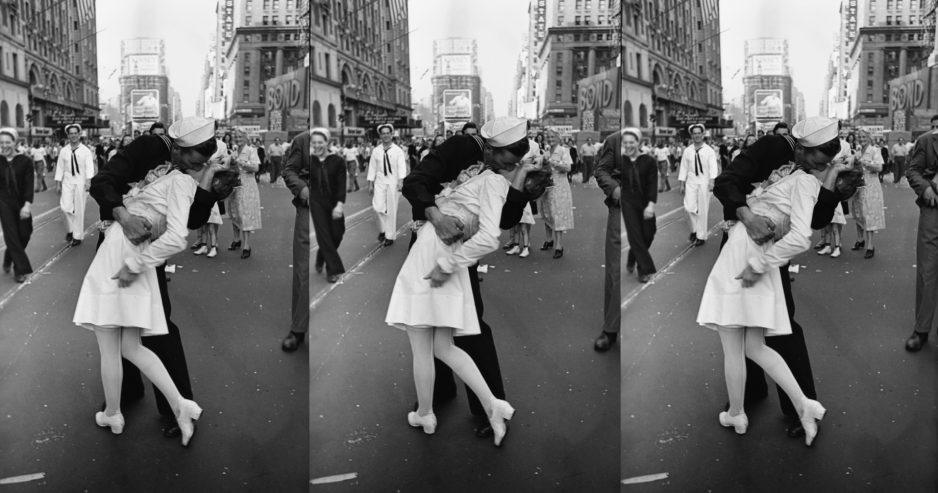
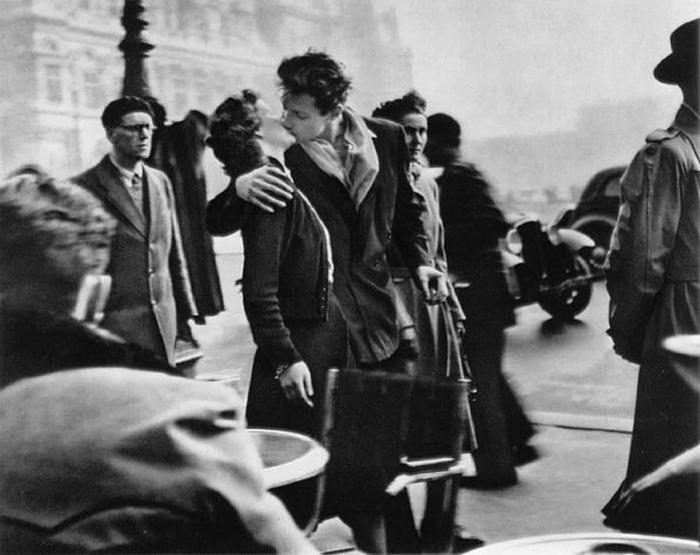
二十世紀經典吻照有兩張,第一張是二戰勝利時美國攝影師Alfred Eisenstaedt在紐約時代廣場所拍攝的《勝利之吻》(V-J Day in Times Square),第二張是法國攝影師Robert Doisneau在1950年拍攝的年輕情侶擁吻的照片《市政廳前之吻》(Kiss by the Town Hall),前者被喻為二戰勝利的象徵,後者則成為浪漫的代名詞,而兩張照片的男女主角,都曾引起一段關於身份的小風波。
當時他用Lecia IIIa相機拍攝四張照片,而《Life》雜誌全版刊出的也即最廣為流傳的那張。在《Life》刊登這幅照片前,原來另一攝影記者Victor Jorgensen剛好從另一角度拍攝同一場景,照片名為《Kissing the War Goodbye》,並登在《New York Times》。可惜照片沒有展示出時代廣場的背景,而且沒有拍攝到二人的腳部,結果後來《Life》刊登Alfred Eisenstaedt的作品後,這一幅「勝利之吻」便被人遺忘。
Alfred Eisenstaedt回憶當時正快速地拍攝身邊發生的事情,拍下照片後也沒有機會記下被攝者的名字及資料,而這也為日後的冒名者埋下伏筆。
2012年,學者George Galdorisi及Lawrence Verria出版《The Kissing Sailor: The Mystery Behind the Photo that Ended World War II》一書,指出Shain身高只有1.47米,與照片中男子的高度相比顯得太過嬌小,認為她沒可能是相中人,而被廣泛認為是女主角的是Greta Zimmer Friedman。
Alfred Eisenstaedt年輕時已著迷於攝影,1912年,在徠卡相機誕生前一年,他已拿著柯達相機開始拍攝照片。一戰時他曾服役於德軍,1920年代初曾當過銷售員,並成功在1929年成為全職攝影師,這段時期他最著名的作品,包括納粹宣傳部長戈培爾、希特拉與墨索里尼的意大利見面等。當時眼見納粹迫害猶太人,身為猶太裔的他在1935年舉家遷往紐約,並於翌年加入創刊的《Life》雜誌,與Robert Capa、Margaret Bourke-White等著名攝影師共事。
在《Life》刊登這幅照片前,原來另一攝影記者Victor Jorgensen剛好從另一角度拍攝了同一場景,照片名為《Kissing the War Goodbye》,並登在《New York Times》。可惜照片沒有展示出時代廣場的背景,而且沒有拍攝到二人的腳部,結果後來《Life》刊登Alfred Eisenstaedt的作品後,這另一幅勝利之吻便被人遺忘。
Alfred Eisenstaedt回憶當時正快速地拍攝身邊發生的事情,拍下照片後也沒有機會記下被攝者的名字及資料,而這也為日後的冒名者埋下伏筆。1970年代,護士Edith Shain寫信告知攝影師她正是照片中的女人,當時她聽到二戰終結的消息後搭地鐵前往時代廣場,到達後不久水手便親吻了她。當時27歲的她在雜誌出版後認出自己就是相中女子,礙於害羞一直秘而不宣。水手的真身則被認為是Glenn Edward McDuffie,他通過多次測謊機及科學測試,法醫及臉部辨識專家經過對比他現在與過去親吻姿勢也得出相應結果。
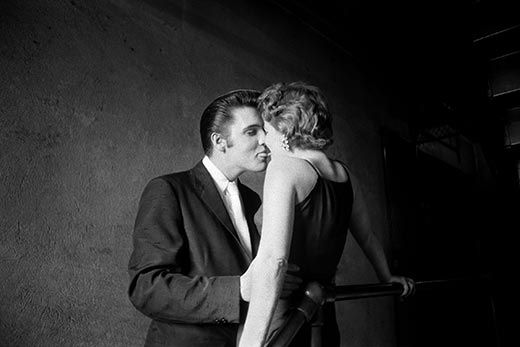
Alfred Wertheimer是罕有能近距離埋身拍攝貓王的攝影師,1956年,當他收到RCA Victor唱片廠電話邀請他替21歲新歌手Elvis Presley拍攝照片時,他連貓王的名字都未聽過。不過這兩位年輕人卻頗合拍,攝影師捕捉下許多貓王自然而私密的瞬間,包括他與初認識的女人在後樓梯親吻的畫面。
6. Gianni Berengo Gardin 《Parigi, 1954》
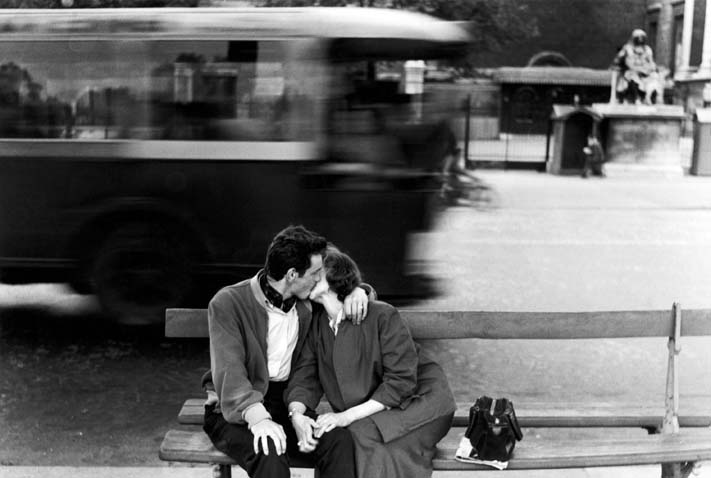
89歲的意大利攝影師Gianni Berengo Gardin在2017年尾入選Leica Hall of Fame Award,年輕時受布列松的「決定性瞬間」影相,這幅在巴黎拍攝的情侶親吻照跟Robert Doisneau那幅有些似呢。
7. Peter Turnley 《French kiss-A Love Letter to Paris》
Peter Turnley過去三十多年曾在逾90個國家拍攝重大事件,生於美國的他1975年移居巴黎,用鏡頭紀錄巴黎的浪漫。《French Kiss》是他多年來拍攝戀人接吻的攝影集,三年前曾在香港展覽過。
8. Henri Cartier-Bresson 《Boulevard Diderot, Paris, 1969》
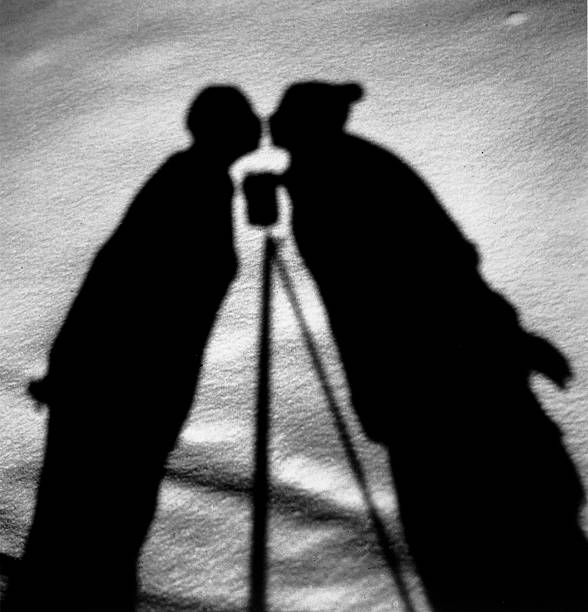
好吧,這張純粹是開個玩笑。不過這一吻,卻比以上九張更有歷史意義。1979年,在東德成立三十週年之際,蘇聯總書記Leonid Brezhnev與東德領導人Erich Honecker會面時,隨即示範社會主義兄弟之吻(Socialist Fraternal Kiss)。這種「兄弟之吻」通常是擁抱及三次交替親吻雙頰,有時也會直接用嘴巴親吻,當時許多報章雜誌以 “The Kiss”形容這張照片,令相片瀰漫著「基情四射」的味道。 不過,自從東歐共產政權倒台以後,「社會主義兄弟之吻」已不再流行。1990年,在柏林圍牆拆卸之時,蘇聯藝術家Dmitri Vrubel將照片創造成塗鴉作品《My God, Help Me to Survive This Deadly Love》,令這張影像更廣為人知。由於原作日益破損,Vrubel在2009年重新繪製作品,至今仍是柏林圍牆上的標誌塗鴉。
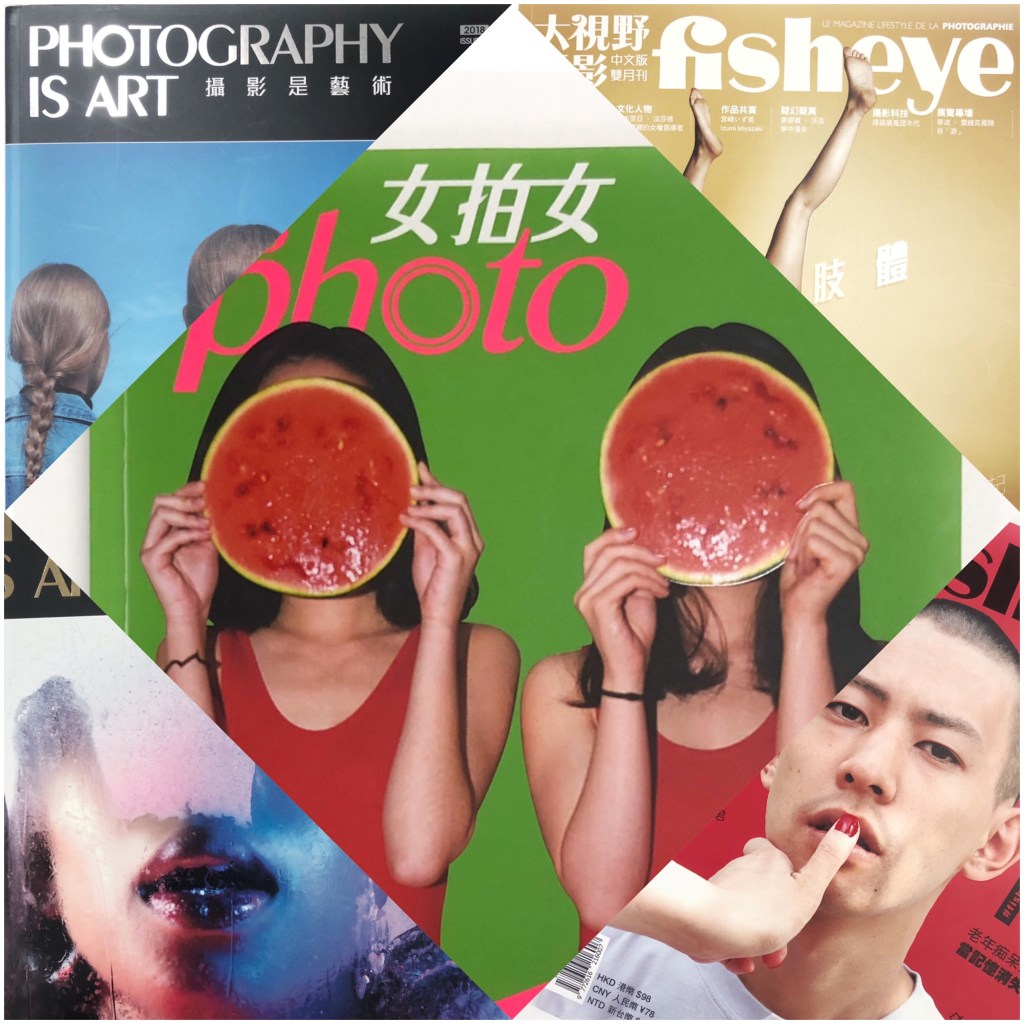
The history of Hong Kong photography magazines can be traced back to the 1950s. Among them, Photoart(1960-1963, 1980-1997), Dislocation NuNaHeDuo(1992-1999), and Photo Pictorial(1964-2005) are the most widely known. Unfortunately, they have ceased publication within several years after 1997. Since then, Hong Kong’s photography culture once remained inactive.
In the second decade after 1997, numerous Hong Kong photographers published non-commercial photography publications in the form of photography culture magazine or zine. This revival lasted for a few years, during which most of the photography publications are published in semi-annual or irregular journals. It was a shame that all publications were discontinued after the third or fourth issue, resulting in another period of stagnation for Hong Kong photography publications.
From 2007 to 2009, CAN, a photography and cultural journal managed by photographer and poet Liu Wai-Tong, was published for three issues (and one particular issue) on a nearly annual basis. The journal explored social issues such as education and labor. In 2008, pH infinity, initiated by photographer Almond Chu, was published twice semi-annually. It included works by photographers such as Vincent Yu, Ducky Tse, Dustin Shum, Wing Shya, and Almond himself.
In 2009, photographers Wong Kan-Tai, Paul Yeung, Karl Chiu, and Dustin Shum self-funded MAHJONG, a zine which published three times within three years, Associated Press photographer Vincent Yu joined since the second issue. Another zine titled 7 Fei(meaning 7 Films) was also published in the same year, Founded and self-funded by photojournalist Joey Leung with other photographers and writers, five issues were distributed for free within two years.
From 2010 to 2012, photographer Ki Wong and her partners initiated the KLACK Photography and Culture Magazine, which had four semi-annual issues to explore different themes such as intimacy and salon photography. Also born in the same year was the zine Kinggaiwui(meaning Chatting Association), which came in a total of three issues. Each was focusing on the works of a single photographer, as well as the photos of the other six photographers, such as South Ho, Siu Ding, and CHAN Wai-Kwong, etc.
After 2012, Hong Kong photography publications became inactive again. By the end of 2016, Mumble Zine, derived from the Through Our Eyes(TOE) photography education program, was published annually for two years. Leung Yiu-Hong, the editor-in-chief of Mumble Zine, was also the founding editor of Photography is Art, a monthly magazine established in 2018 and went out of print after its twelve issues at the end of the same year.
Besides Photography is Art, the company also released three issues of a bi-monthly magazine named fisheye and one issue of a bilingual women’s magazine Ms photo in that year. Back then, some thought that Hong Kong photography magazines would see a glimmer of hope, but the contemporary revival turned out a mere flash in the pan.
最後不得不提「Ménos 心象社」,它是一群本地攝影愛好者在2018年成立的攝影組織,2019年推出首本同人誌攝影集《Prologue》,主題是「Hong Kong Street」,收錄十一位攝影師的街拍作品,最初計劃每年出版一期,預計今年尾將出版第二期,暫且拭目以待吧。
Finally, Ménos should also be mentioned; it’s a photography organization established by a group of local photography enthusiasts in 2018. In the following year, it launched the first photography collection Prologue under the theme of Hong Kong Street. It was initially planned to be published once a year, and the second issue was expected to be released at the end of this year. I hope it will come into reality soon.
PS:「顯影」應中環LA GALERIE PARIS 1839 畫廊邀請,於2020年6月至8月期間展出這批香港千禧年後的攝影刊物。9月3日至10月4日期間,移師旺角「言志區」舉行,地址:西洋菜南街44號3樓。2021年第一屆「香港攝影書節」期間,於灣仔茂蘿街7號舉辦講座,介紹這些刊物。
當然,警察濫暴的情況不是香港專美,2010年國際特赦組織(Amnesty International France)法國分部的廣告,就以廣告方式道出暴力的無處不在。作品共有三幅,畫面模仿時裝表演舞台,似乎正在上演一幕幕「流行時尚的畫面」,包括警察毆打示威者的Police brutality is still fashionable、家庭暴力的Domestic violence is still fashionable及強制驅逐時拳打腳踢的Forced expulsions are still fashionable,實際上,這些場面幾乎每日都在世界的不同角落上演——在所謂的文明社會,這仍是一種「潮流」,許多人仍冷眼旁觀,甚至乎拍手稱快,這才是最可悲的事。
Police brutality is still fashionableIgnore us. Ignore human rights
沉默就等於幫凶
說到袖手旁觀,不得不提2010年國際特赦組織新西蘭分部的廣告,它言簡意賅指出,沉默就等於幫凶。廣告的標語是「Ignore us. Ignore human rights」,畫面中間的恐怖份子或施暴者,對着無辜的人施暴,而四周的人群卻對選擇背向他們,對暴力視而不見。這輯作品直接而震撼,可謂非常出色,該廣告也在當年的Cannes Lions International Festival of Creativity獲獎。
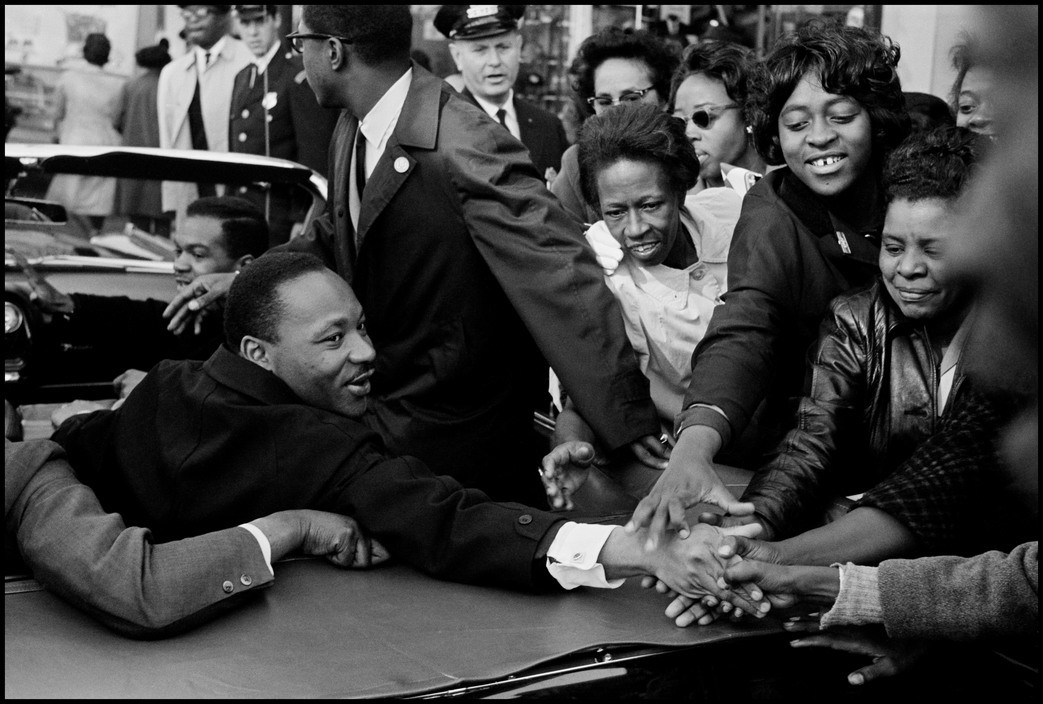
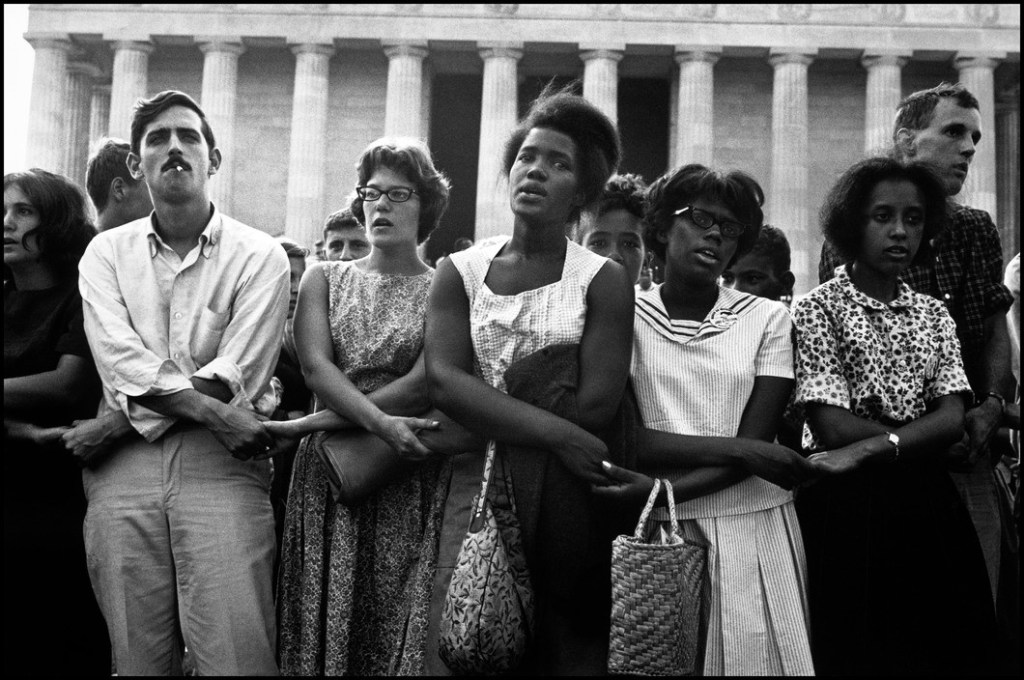
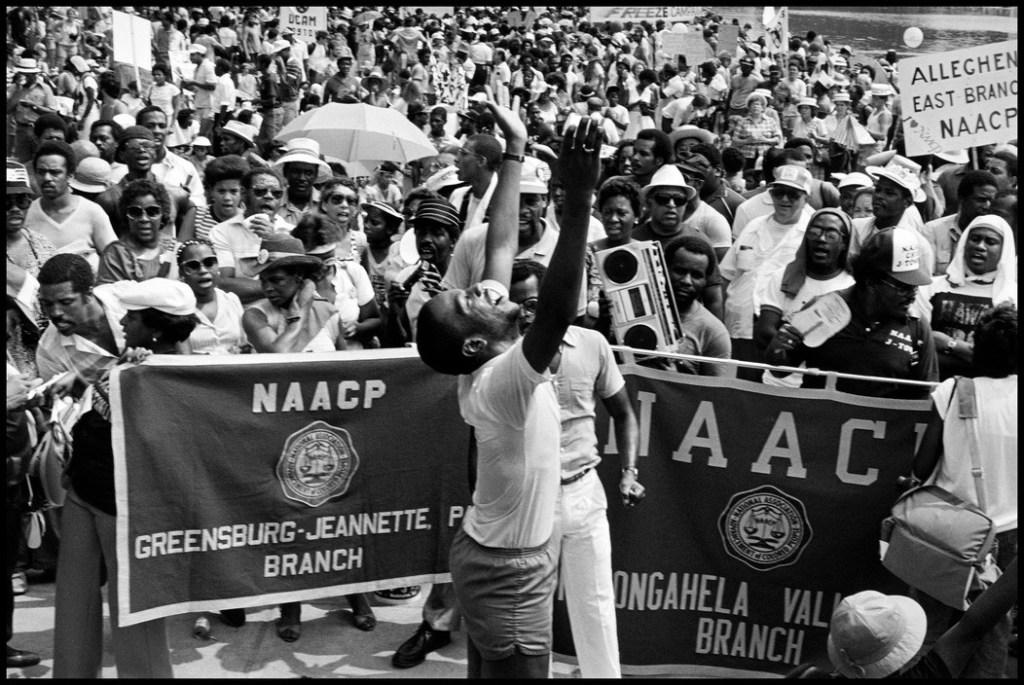
美國攝影師Leonard Freed(1929-2006)以拍攝美國黑人民權運動揚名,1960年代跟隨人權領袖馬丁路德金走遍美國,在馬丁路德金逝世的1968年,他推出《Black in White America》攝影集,成為當時記錄這場民權運動重要見證。
1929年,他誕生於紐約一個猶太工人階級家庭,最初想成為畫家,二十多歲時在歐洲及北非旅行時,才意識到自己對攝影的熱情,回美國後成為著名攝影師Alexey Brodovitch的學生。他對自己猶太人的根源深感興趣,曾說”Ultimately, photography is about who you are. It’s the seeking of truth in relation to yourself. And seeking truth becomes a habit”。1958年曾到荷蘭拍攝當地的猶太人社區,1960年代到以色列紀錄當地人的生活,甚至還拍攝過1973年的贖罪日戰爭(又稱第四次中東戰爭,Yom Kippur War)。
1961年,他開始成為自由攝影師,翌年在德國拍攝柏林圍牆興建的過程中,在圍牆下見到一位美國黑人士兵,讓他萌生拍攝非裔美國人的想法。當時美國黑人民權運動已進行得如火如荼,他在紐約、華盛頓及整個南部拍攝種族隔離的現況,1963年馬丁路德金發表著名的「I Have a Dream」演講時,他也身在現場。
在1968年的《Black in White America》一書中,他不但紀錄了1960年代的遊行集會,也有黑人兒童玩樂的瞬間,以及黑人與種族歧視標語的互動等,是一本關於民權運動的重要著作,也令他一舉成名。1972年,他加入著名圖片社Magnum Photos,繼續在美國及世界各地拍攝社會暴力、北海石油開發等議題。